
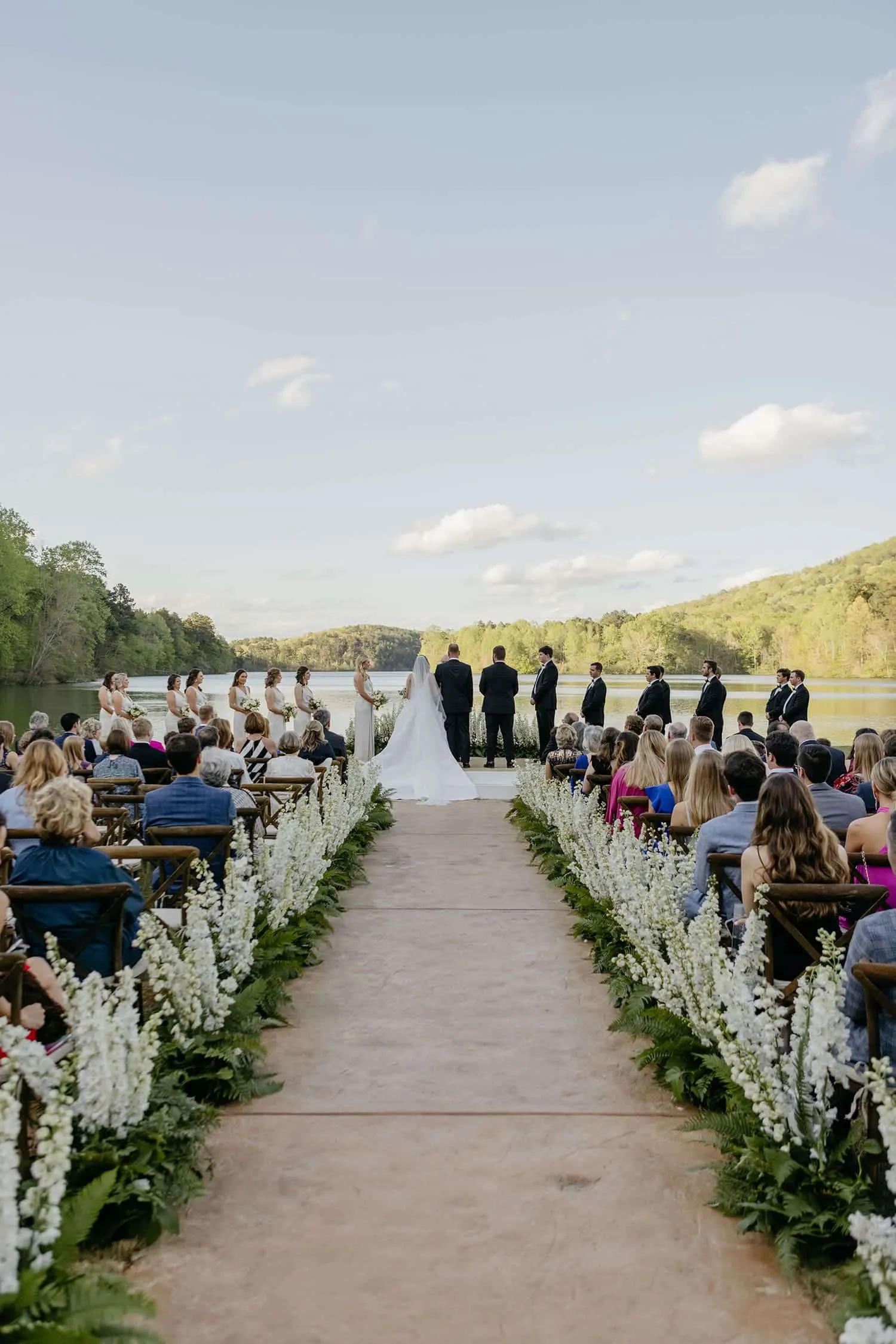
A horse farm wedding can create a memorable setting with open pastures, historic barns, wide views, and the privacy of a private property celebration. Turning that landscape into a comfortable event venue, however, requires careful planning. A horse farm wedding tent needs to work with uneven ground, drainage, wind exposure, existing farm operations, guest movement, and access for vendors and equipment. Flooring, power, climate control, anchoring, and safe separation from active horse areas should all be considered before installation begins. Skyline Tent Company supports private land events with engineered tent structures, custom flooring, elevated platforms, glass walls, climate control, and power generation designed for complex outdoor settings.
Start With a Complete Horse Farm Site Assessment
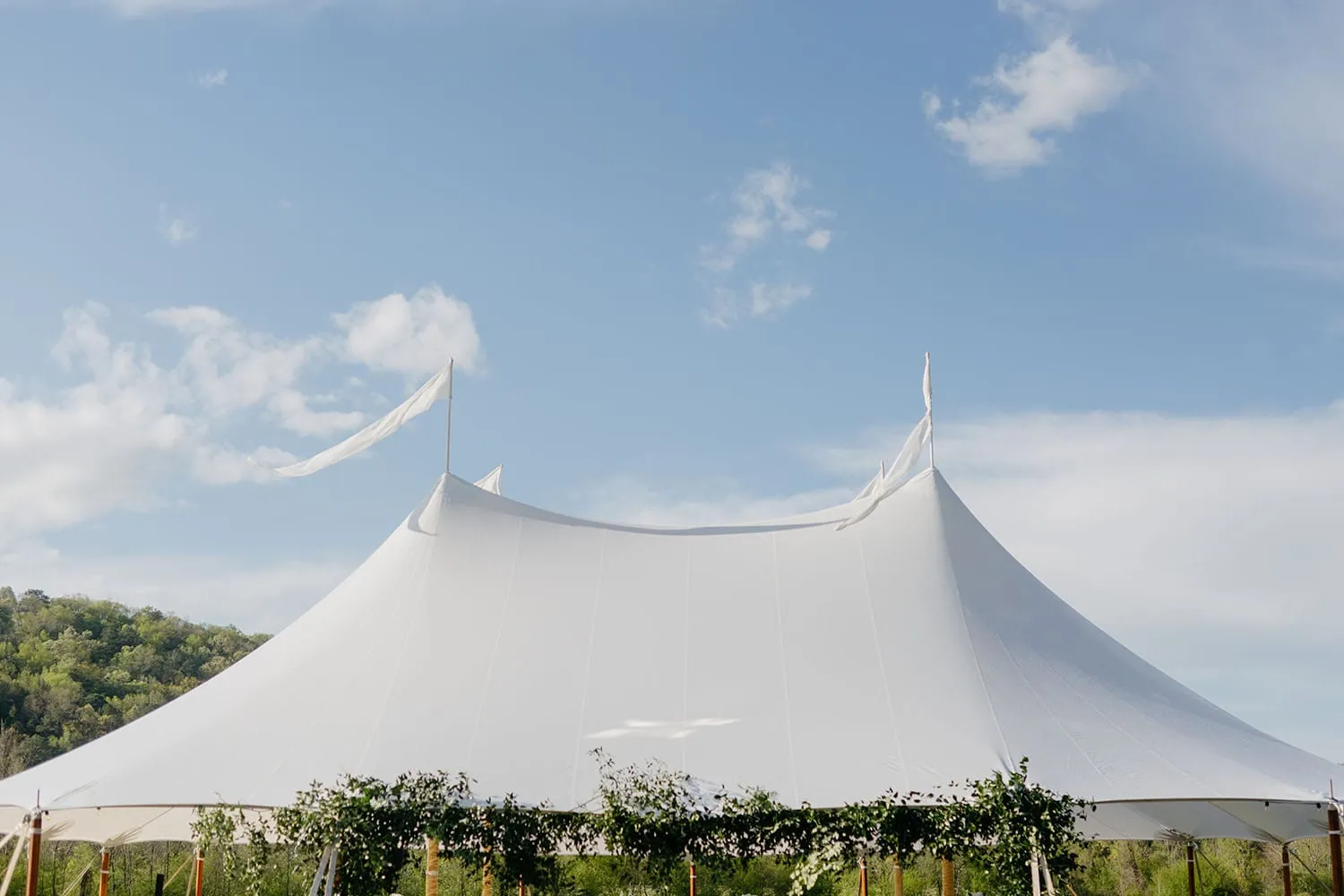
The land itself should guide the tent plan.
Horse farms often include slopes, soft pasture, drainage areas, tree lines, fencing, barns, paddocks, and service roads. These features can affect where the tent can be placed and how the site will function during the event.
Evaluate Slope and Ground Conditions
A visually flat field may still have enough grade change to affect flooring, tables, and tent placement.
Before selecting the final location, evaluate:
Ground slope
Soil stability
Drainage
Soft or recently disturbed ground
Tree roots
Overhead clearance
Underground utilities
A detailed site review can identify problems before installation begins.
Plan Around Drainage
Outdoor wedding sites need a clear plan for water movement.
Low areas may collect water after rain, while sloped ground can direct runoff toward the tent.
Drainage should be considered before flooring and entrances are positioned.
The goal is to keep water moving away from guest areas and protect the event surface throughout the celebration.
Check Access for Installation Crews
A horse farm may have plenty of open space but limited equipment access.
Installation vehicles, flooring materials, generators, climate equipment, catering teams, and other vendors all need safe routes to the site.
Planning those routes early helps protect pasture areas and reduces conflicts during setup.
Choose a Tent Structure That Fits the Property
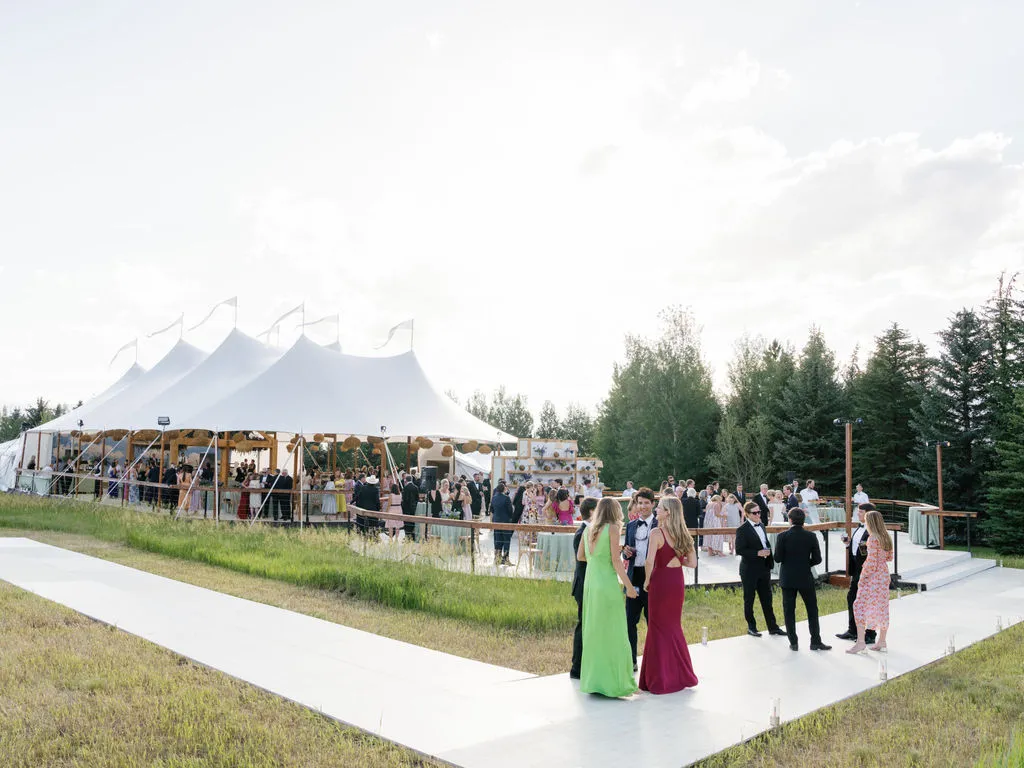
Different tent styles perform differently depending on terrain, guest count, and interior layout.
The best choice should support both the event design and the physical conditions of the farm.
Use Sailcloth Tents for an Open Farm Setting
Sailcloth tents can complement pastures and equestrian properties with a lighter visual presence.
Their peaks and translucent fabric can create an elegant outdoor atmosphere while keeping the surrounding landscape part of the experience.
They work especially well when the wedding design should feel connected to the property.
Consider Clearspan Structures for Open Interiors
Clearspan structures provide large interior spaces without center poles.
That makes it easier to plan dining tables, lounge areas, bars, stages, and dance floors without major visual interruptions.
For horse farm weddings where views across the property are important, an open interior can help preserve sightlines throughout the tent.
Match Anchoring to the Ground
Anchoring depends on soil conditions and the exact installation location.
Some areas may support traditional staking, while other parts of the property may require a different approach because of roots, rocky ground, or restricted areas.
The structural plan should be based on actual site conditions rather than a standard setup.
Build a Stable Surface With Engineered Flooring
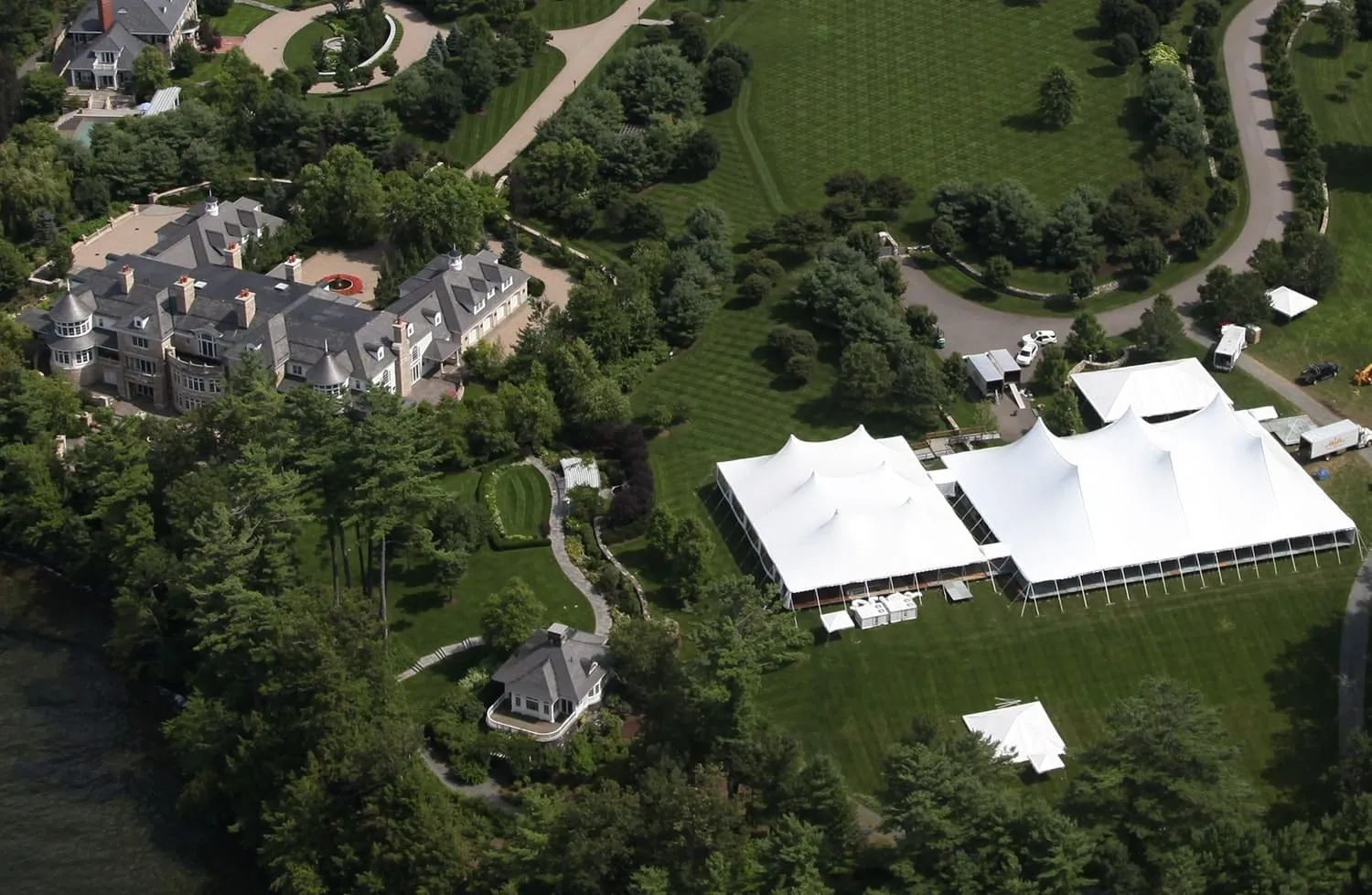
Natural pasture can be beautiful, but it is not always ideal for dining tables, formal shoes, service carts, or dancing.
Flooring helps transform the farm setting into a more complete event space. For more detail, see our article The Complete Guide To Outdoor Wedding Tents For Summer.
Create a Level Guest Surface
Engineered flooring can create a stable surface across grass and uneven ground.
This makes walking easier and gives tables, chairs, and event equipment a more reliable foundation.
It can also help reduce problems caused by soft ground after rain.
Use Elevated Platforms on Sloped Areas
Some farm locations may need more than simple flooring.
Elevated platforms can compensate for larger grade changes and create a level event surface over uneven terrain.
This allows the tent to be positioned in visually desirable parts of the property without forcing the event to follow every change in the natural ground.
Protect the Interior Layout
A stable floor also improves the rest of the event design.
Dining areas, bars, dance floors, stages, and lounge furniture can be positioned more precisely when the surface is level.
Glass walls can also be integrated with the structure to maintain views while giving the event a more finished interior.
Coordinate Power, Climate Control, and Event Logistics
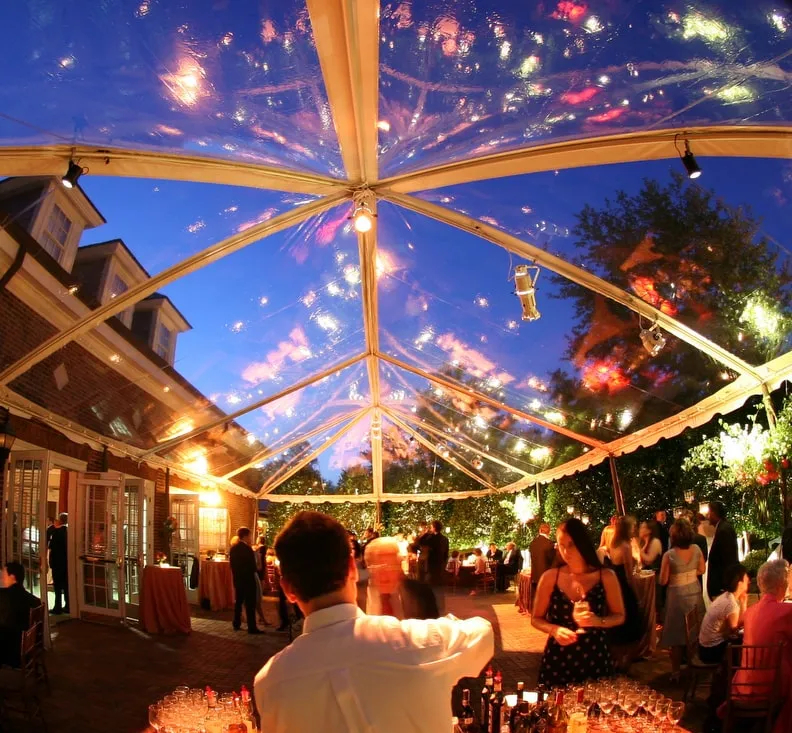
Private horse farms may not have the same infrastructure as permanent event venues.
Power and climate systems often need to be planned specifically for the wedding. You may also find Event Tent Power Planning for Large Galas helpful.
Plan Power for Every Event Need
Lighting is only one part of the electrical plan.
Power may also be needed for:
Catering equipment
Sound systems
Entertainment
Refrigeration
Climate control
Decorative lighting
Production equipment
Planning all electrical needs together helps prevent conflicts between different parts of the event. You may also find Luxury Coastal Tent Event Planning Guide helpful.
Prepare for Virginia Weather
Temperatures can change throughout the day, especially during evening events.
Climate control can help maintain more consistent conditions inside the tent.
Heating or cooling equipment should be planned around the tent size, guest count, wall configuration, and event schedule.
The goal is to keep guests comfortable without making the mechanical equipment a visible part of the design.
Coordinate Vendors Around One Site Plan
Tent installation, flooring, power, catering, entertainment, and guest access all depend on one another.
A coordinated site plan can help determine where generators are positioned, how service vehicles enter, where catering operates, and how guests move through the property.
This is especially useful on remote private land where space must serve several purposes during the wedding weekend.
Protect Horses While Keeping Guests Comfortable
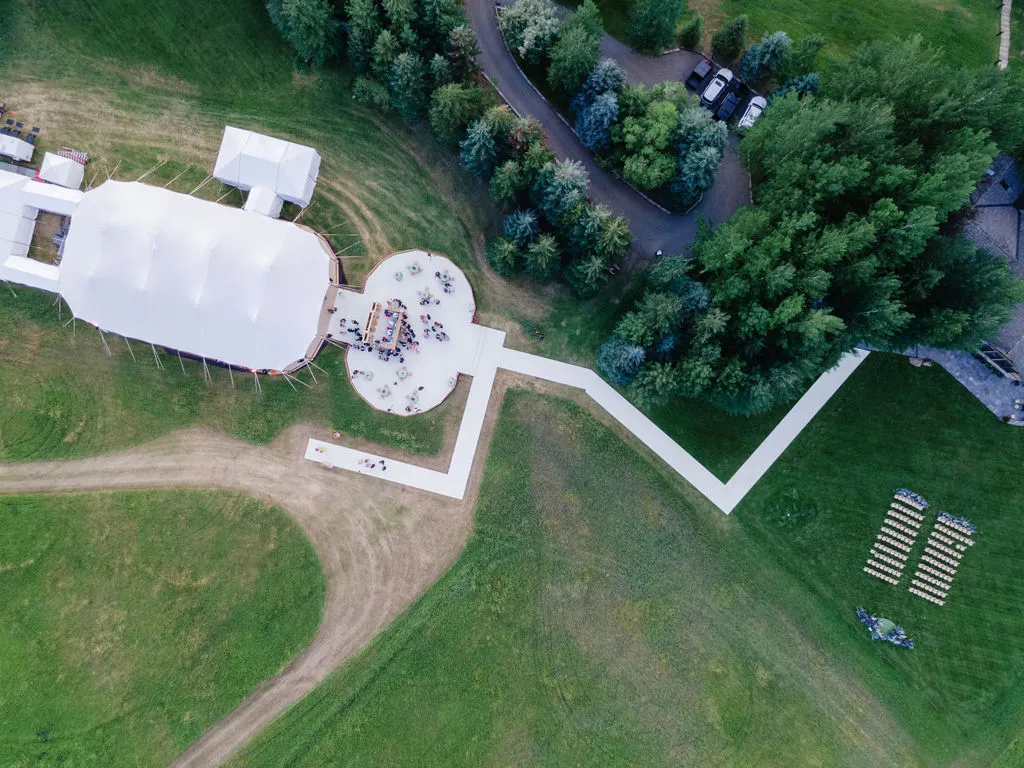
A horse farm is still an active environment even when it becomes a wedding venue. Read more in Barn & Farm Wedding Tent Pairings: Rustic-Chic Event Design.
Guest areas and event infrastructure should be planned with the animals and normal farm operations in mind.
Keep Wedding Activity Separate From Horse Areas
Guests should not move freely through paddocks, stalls, or other active horse areas.
Clear boundaries can help separate the celebration from spaces used by animals.
Temporary barriers, designated walkways, and controlled access points can make movement easier to manage.
Position Equipment Away From Stable Areas
Generators, entertainment equipment, delivery traffic, and installation activity can create unfamiliar sound and movement.
Their locations should be considered carefully around barns and horse areas. Equipment should be positioned far enough from active stable zones to reduce unnecessary noise, vibration, and vehicle movement near horses. Delivery routes can also be planned so trucks and crews avoid crossing paths with paddocks, barn entrances, and regular farm traffic.
Power equipment, sound systems, and service areas should remain easy for event staff to access without placing them close to animals. Clear separation between guest operations and stable areas can also help reduce confusion during setup and throughout the celebration.
The tent plan should support the event without unnecessarily disturbing the rest of the property. Careful equipment placement helps the wedding function smoothly while allowing the farm to remain organized, comfortable, and practical for both guests and animals.
Keep Guest Routes Clear and Comfortable
Guests should be able to move between parking, ceremony areas, the tent, restrooms, and other event spaces without crossing unsafe or restricted areas.
Flooring and elevated platforms can also help guests stay above uneven or wet ground.
Glass walls can preserve views across the property while offering additional protection from wind and changing temperatures.
Frequently Asked Questions
What should be checked before installing a wedding tent on a horse farm?
The property should be evaluated for slope, drainage, soil stability, overhead clearance, underground utilities, access routes, and nearby horse areas before installation begins.
Can a wedding tent be installed on uneven pasture?
Yes. Engineered flooring and elevated platforms can be used to create a more level event surface over uneven ground.
What tent style works well for a horse farm wedding?
Sailcloth, Frame, Century Pole, and clearspan structures can all work depending on the guest count, terrain, layout, and desired appearance.
Does a horse farm wedding need temporary power?
Many private properties require additional power for lighting, catering, sound, entertainment, and climate equipment. Electrical needs should be reviewed as part of the overall site plan.
How can horses be kept separate from wedding guests?
Use designated guest routes, physical barriers, clear access rules, and careful equipment placement to separate event activity from active stable and paddock areas. To talk through a tent for your date and site, contact our team.
Create a Horse Farm Wedding Tent That Works With the Land
A successful horse farm wedding tent should feel like it belongs on the property rather than being placed there without considering the landscape. Site assessment, tent selection, engineered flooring, drainage, power, climate control, guest movement, and horse safety all need to work together. For inspiration from tented receptions we have installed, browse our wedding galleries.
Skyline Tent Company can help coordinate tent structures, engineered flooring, elevated platforms, glass walls, power generation, climate control, and event logistics for complex private land weddings. With careful planning before installation begins, a Virginia horse farm can become a refined, comfortable event setting while preserving the natural character that made the property special in the first place. We cover this further in Back-of-House Event Tent Planning Essentials.