
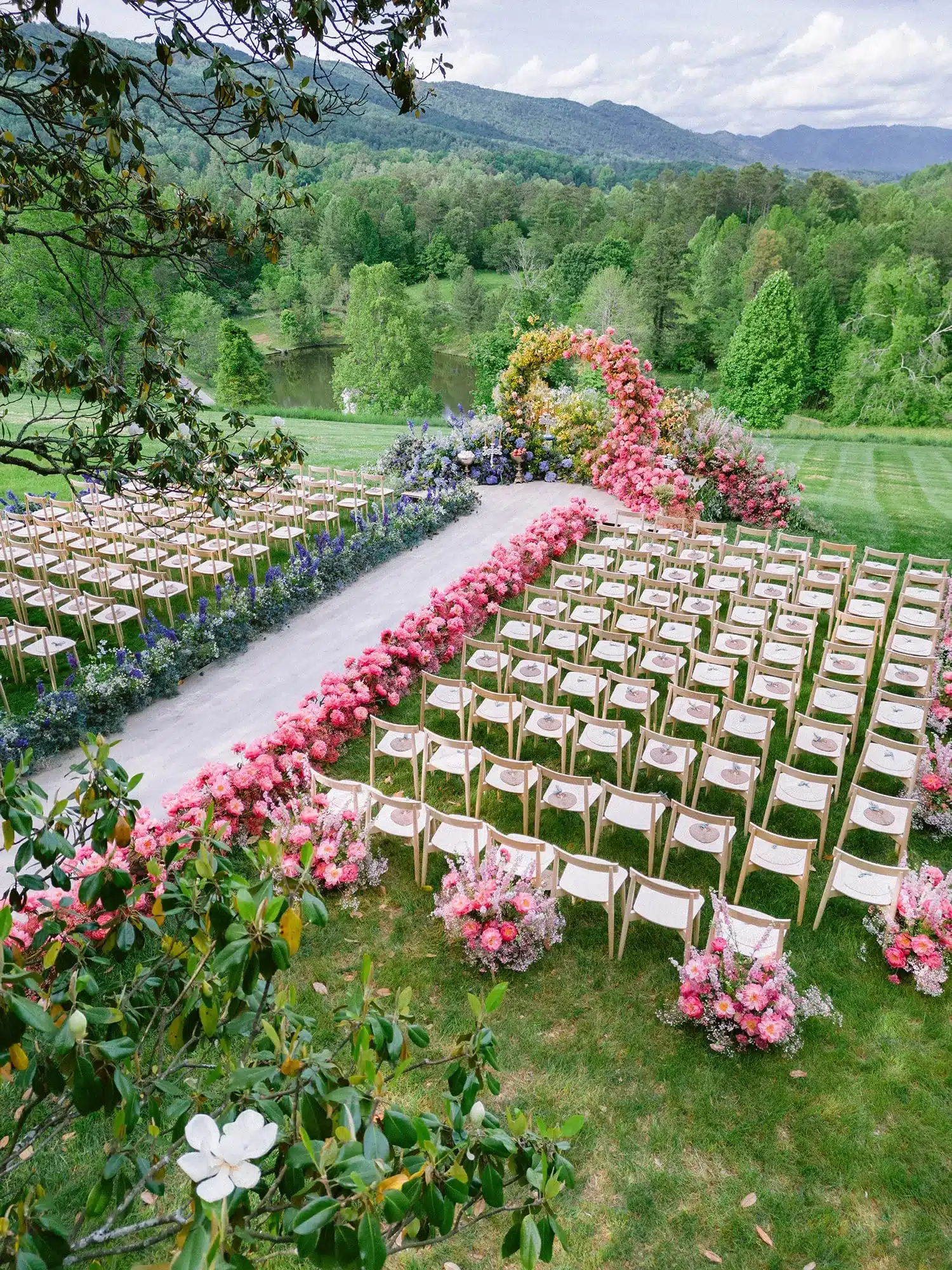
A private property wedding in the Shenandoah Valley gives couples the freedom to create a celebration around the landscape rather than the limitations of a permanent venue. Farms, vineyards, family estates, and rural properties can become complete wedding settings with mountain views, custom layouts, and tented spaces designed specifically for the event. That flexibility also means the site needs careful planning. Slopes, drainage, access, power, weather exposure, flooring, and climate control all affect how successfully the property can support a tented wedding. When these elements are designed around the land from the beginning, a private Shenandoah Valley property can become a refined wedding venue that still feels connected to its natural surroundings.
Turn Private Shenandoah Valley Land Into a Wedding Venue
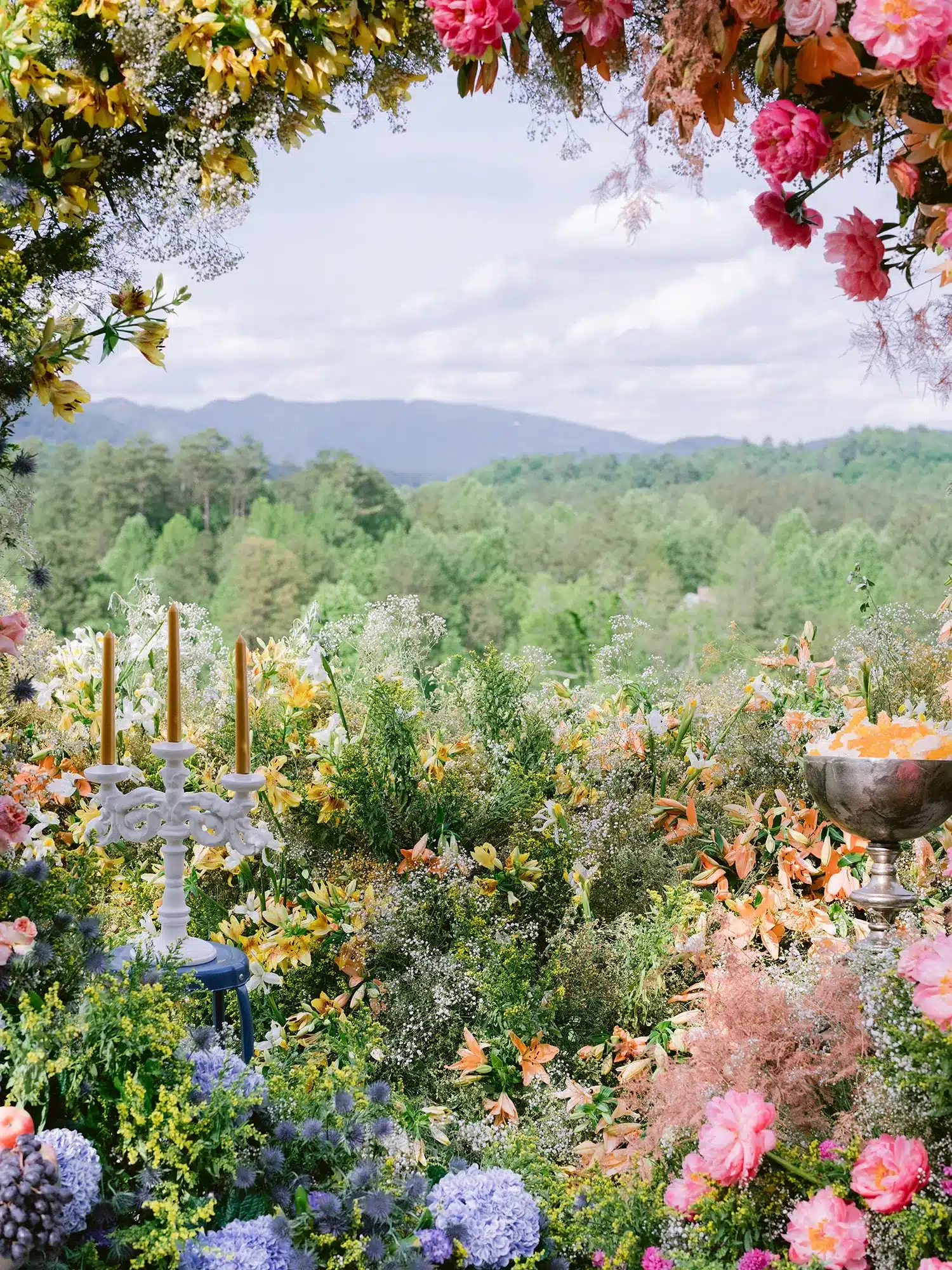
Private land offers something that traditional venues cannot always provide: the ability to build the event around the property itself.Rather than adapting the guest count, seating, ceremony, and reception to a fixed building, couples can use the landscape to shape the celebration. A ceremony may face the mountains, cocktails may take place near a garden or vineyard, and the reception tent can be positioned where guests have the strongest views.The tent becomes temporary architecture created specifically for the wedding.
Choose a Property With Enough Usable Space
Not every beautiful property automatically works for a tented celebration.The site needs enough room for the tent as well as entrances, catering, service areas, guest circulation, power equipment, and installation access.Farms, vineyards, and family estates can all work well when they provide a usable area for the structure and enough access for the installation team.The property should also allow the ceremony and reception spaces to relate naturally to one another so guests are not walking long or difficult routes between events.
Build the Layout Around the Landscape
One of the advantages of private land is the ability to choose where each part of the wedding happens.The tent can be oriented toward a mountain view, open field, tree line, or other meaningful feature of the property.Dining tables, dance floors, bars, and lounge areas can then be arranged around those sightlines.Rather than hiding the scenery behind the event infrastructure, the structure should help frame it.This approach can make the wedding feel as though it belongs on the property rather than simply being placed there.
Create a Venue That Exists Only for the Celebration
A tented private-land wedding allows couples to create a setting that may exist only for the wedding weekend.The floor plan, lighting, furniture, walls, flooring, and overall atmosphere can all be developed around one specific celebration.Once the event is complete, the structure can be removed and the property returns to its normal use.For family farms and private estates, this can be particularly meaningful because the wedding can happen on land that already has personal significance.
Evaluate the Site Before Choosing the Tent
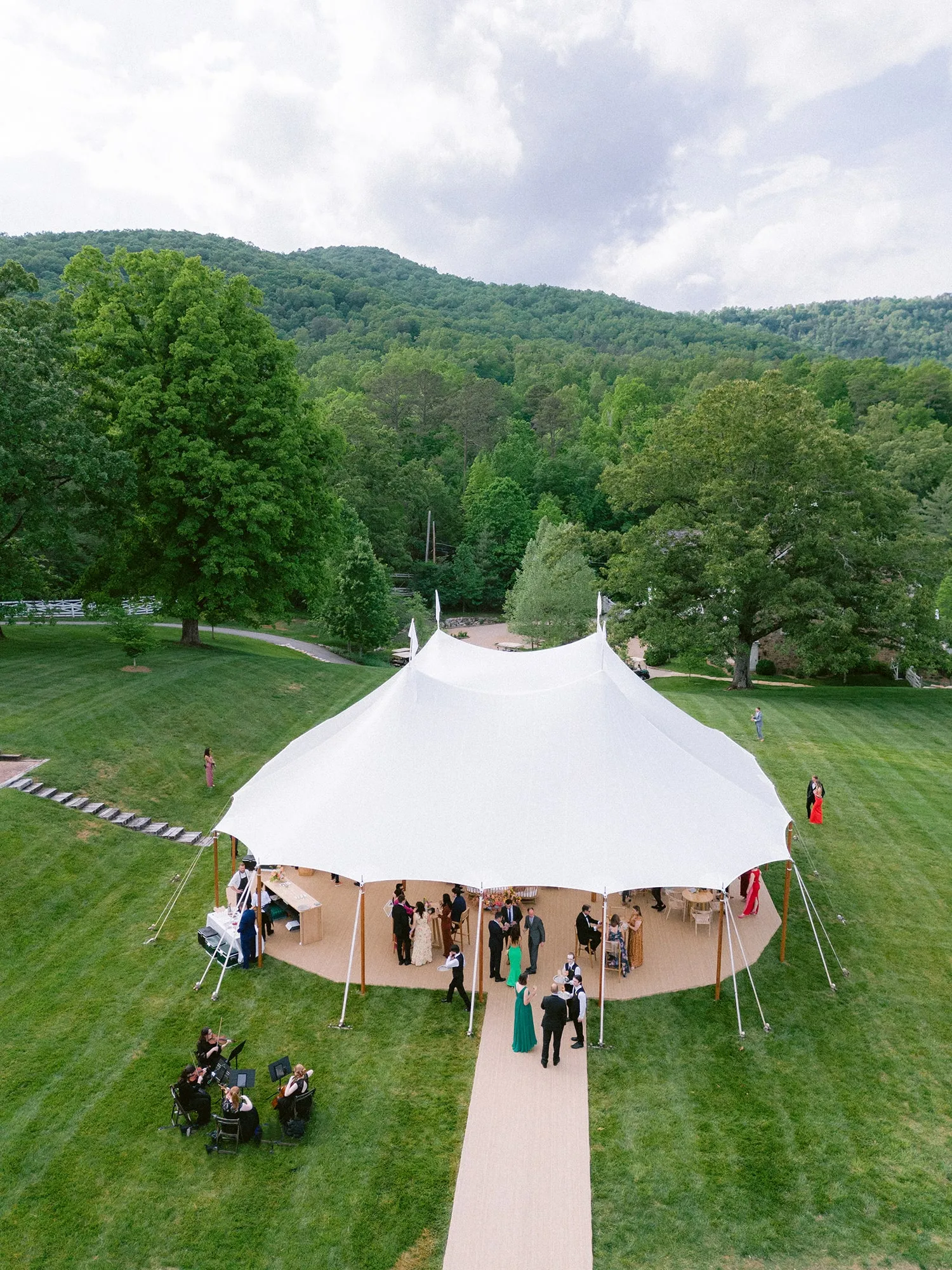
A detailed site assessment should happen before the final tent style and layout are selected.
Shenandoah Valley properties can include rolling terrain, soft ground, gravel areas, hillsides, and exposed open fields. Each condition can influence anchoring, flooring, access, and the final structure.
The best tent plan responds to those conditions rather than trying to ignore them.
Check Slope, Soil, and Drainage
Terrain affects both the tent and the guest experience.
Even a moderate slope can make tables sit unevenly or create uncomfortable walking surfaces.
Drainage also matters because water may naturally move toward the proposed tent location during rain.
The site should be evaluated for:
Changes in grade
Soft or uneven soil
Drainage patterns
Underground utilities
Irrigation or septic systems
Rocky areas
Existing landscaping
Identifying these issues early makes it easier to decide whether standard flooring, elevated platforms, or another installation approach is needed.
Confirm Installation and Delivery Access
Large tent structures and supporting equipment need to reach the event site.A property may have a beautiful open field but still present access challenges if the driveway is narrow, the terrain is steep, or trees restrict truck clearance.The installation plan should account for gates, turns, overhead obstacles, soft ground, and the distance between the unloading area and the final tent location.This is especially important for events using engineered flooring, glass walls, climate control, or large structures.
Orient the Tent Around Views and Exposure
Mountain views are often one of the main reasons couples choose the Shenandoah Valley.The tent should take advantage of those views where the site allows.However, placement also needs to consider weather exposure and terrain.A structure positioned entirely around the best view may not always be the most practical location.Skyline Tent Company’s project management and event consulting can help balance aesthetics with access, flooring, structural needs, and weather considerations so the final orientation works for the full event.
Choose the Right Tent and Flooring for the Property
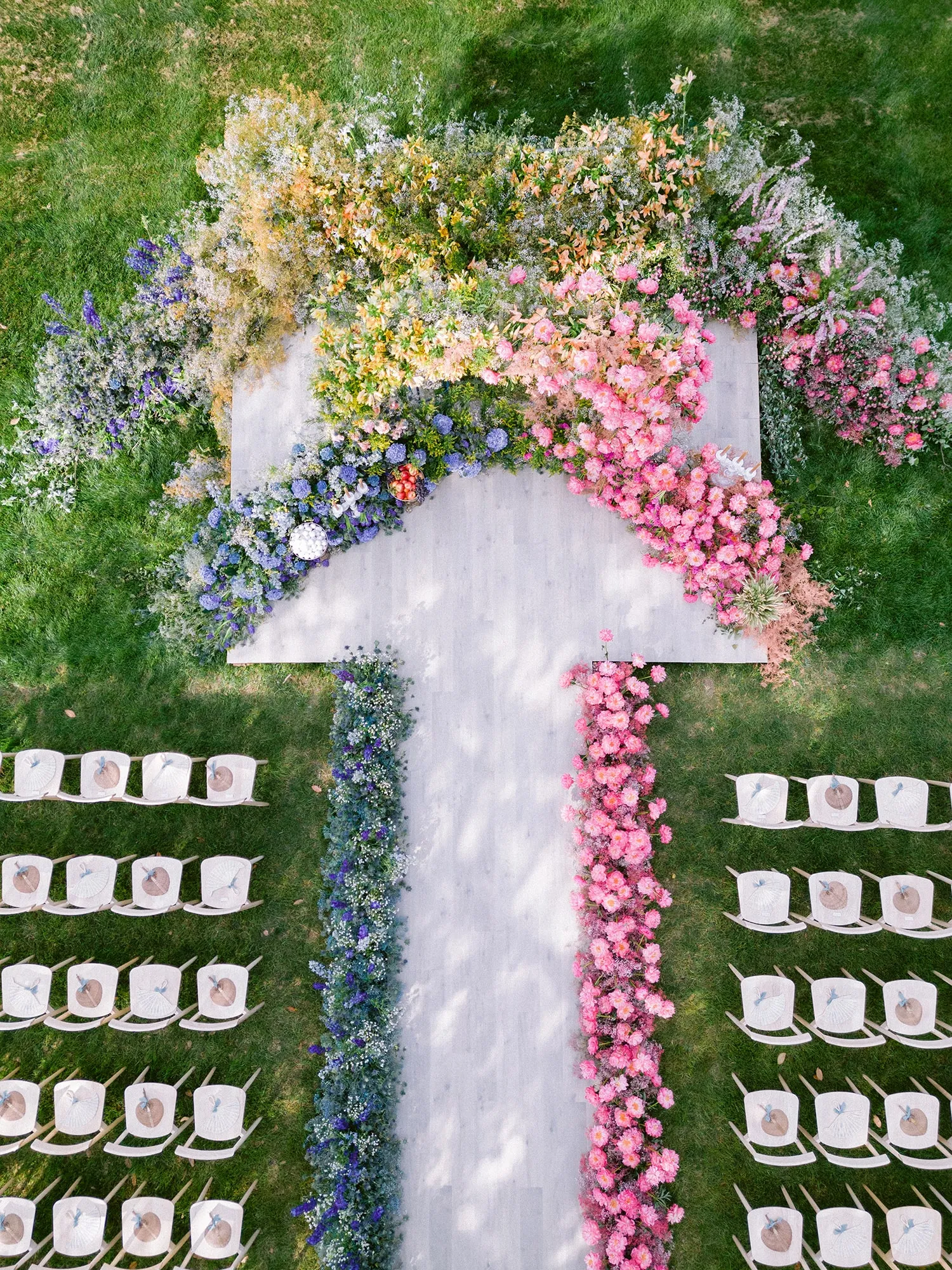
Different private properties require different structures.An open pasture may work well for one tent style, while a sloped vineyard or estate lawn may need another.The decision should account for guest count, terrain, interior layout, desired atmosphere, and the amount of supporting infrastructure required.
Use Sailcloth Tents for a Natural Outdoor Setting
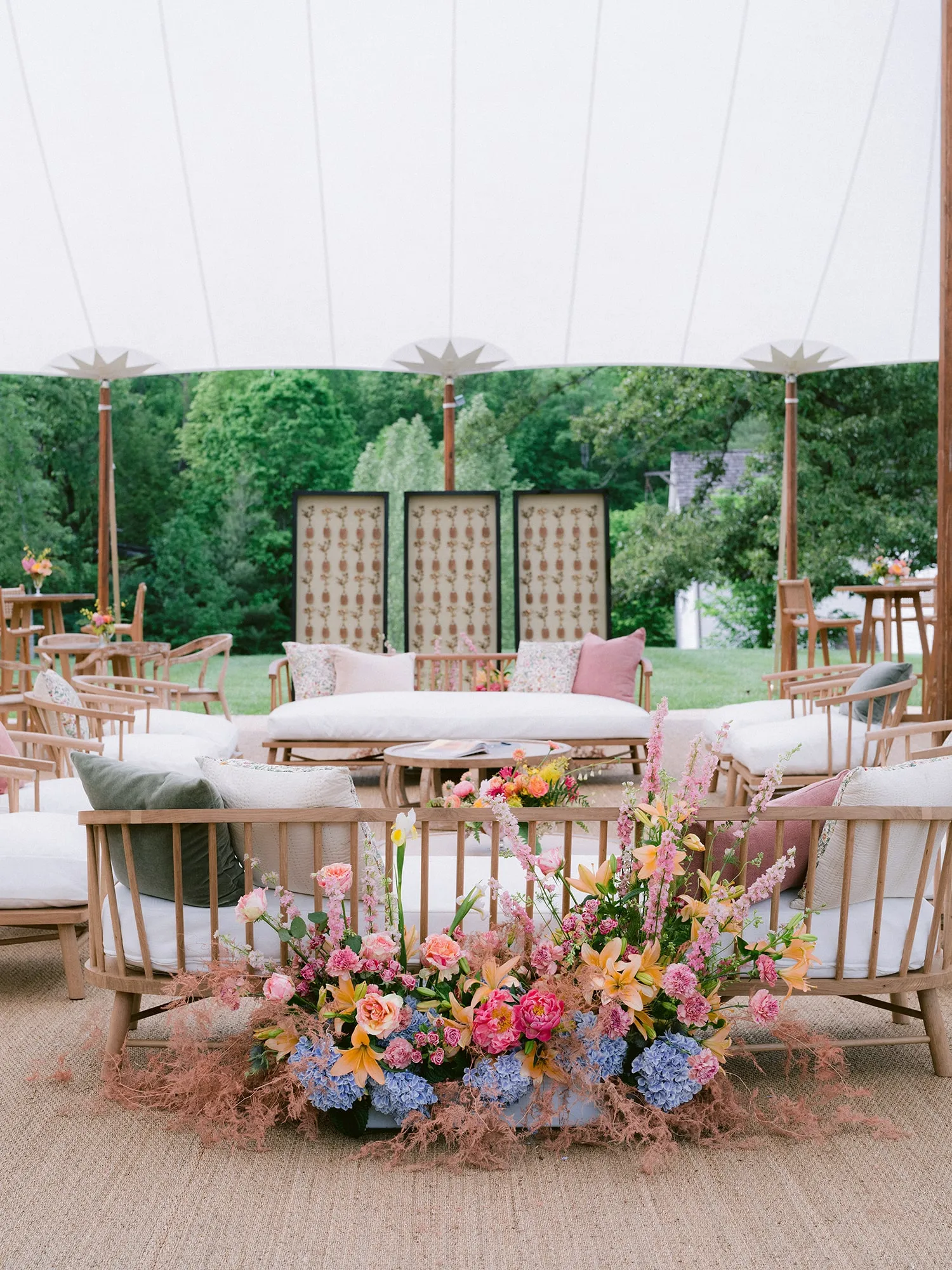
Sailcloth tents pair naturally with farms, vineyards, and open landscapes.Their translucent fabric allows daylight to filter through the canopy, while the peaked silhouette adds height and visual interest.Skyline Tent Company’s Sailcloth tents are fully waterproof and highly wind-resistant, providing an option for outdoor celebrations where changing conditions need to be considered.Wooden poles and softer architectural lines can also complement the natural setting without making the tent feel overly industrial.
Consider Frame or Clearspan Structures for Flexible Interiors
Frame tents and engineered clearspan structures can provide greater flexibility for complicated layouts.Without center poles taking up interior space, planners have more freedom to position tables, dance floors, stages, bars, and lounge furniture.This can be useful for larger guest counts or events requiring multiple functional areas inside the same structure.Engineered structures can also support additions such as glass walls, flooring, and climate-control systems.For private properties with more complex infrastructure needs, that flexibility can be valuable.
Level Uneven Terrain With Engineered Flooring
Beautiful farmland and vineyards are rarely perfectly flat.Custom flooring and elevated platforms can create a more stable and comfortable event surface over uneven ground.Skyline Tent Company provides engineered flooring solutions, including Biljax TF2100 systems, as well as elevated platforms for properties where the natural grade needs additional correction.A level surface supports dining tables, bars, dance floors, and guest movement more effectively.It can also make the temporary venue feel closer to a finished indoor ballroom while still preserving the outdoor setting.
Plan Power, Climate Control, and Weather Protection
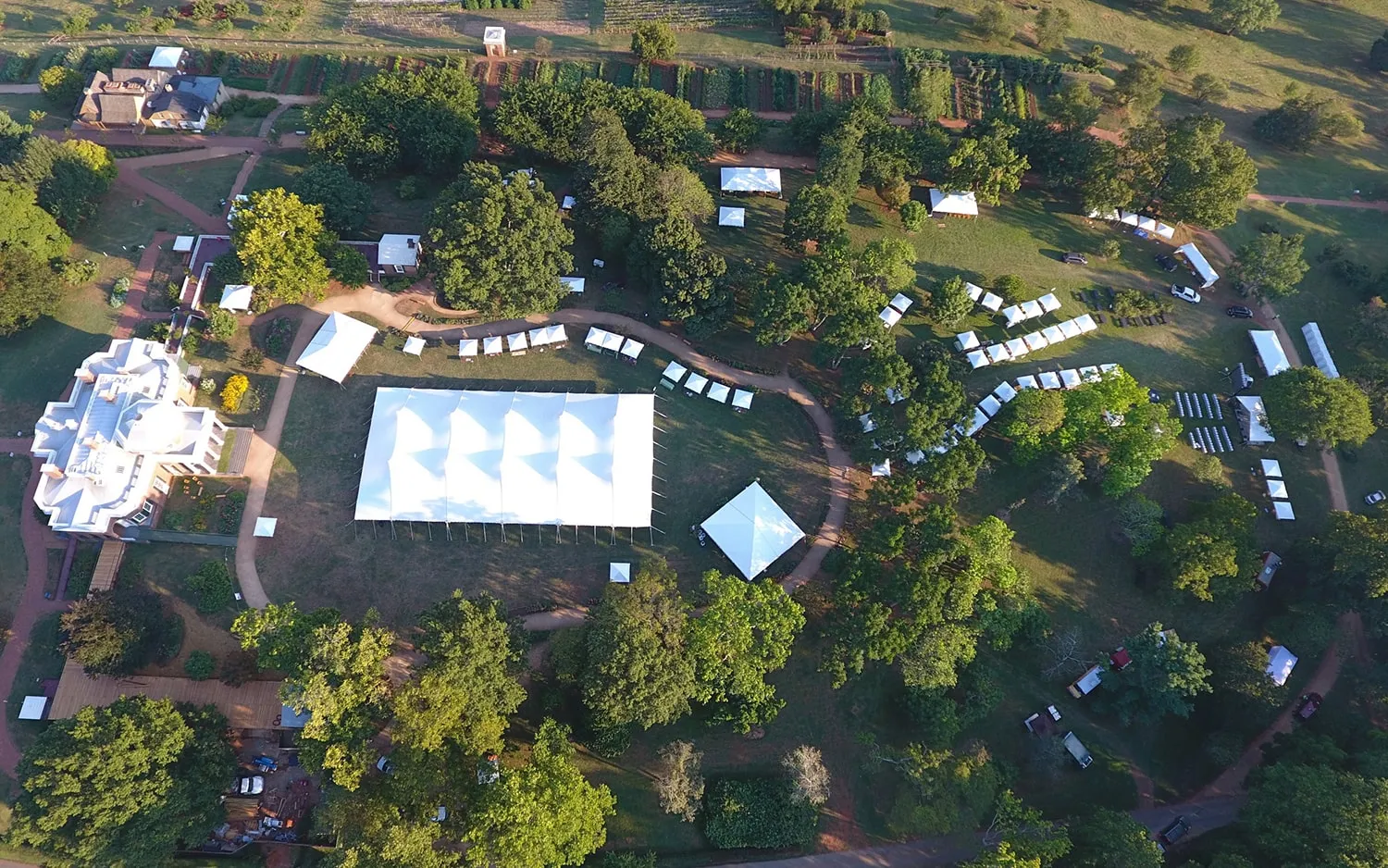
Private land often lacks the built-in infrastructure of a permanent wedding venue.The property may have electricity, but it may not have enough capacity near the tent site to support everything required for a large event.Lighting, catering, music, climate control, and other equipment all need to be included in the infrastructure plan.Weather protection should be considered at the same time.
Provide Reliable Power for the Event
Electrical needs can add up quickly.A tented wedding may require power for lighting, climate equipment, catering appliances, entertainment, bars, and service areas.If the property’s existing electrical capacity is limited, dedicated power generation can be used.Generator placement and cable routing should also be coordinated with guest pathways and service areas so the technical equipment supports the wedding without becoming part of the visual experience.
Use Climate Control for Changing Mountain Temperatures
The Shenandoah Valley can experience noticeable changes in temperature between afternoon and evening.A tent that feels comfortable when guests arrive may require heating or cooling later in the event.Climate control can help maintain a more consistent environment inside compatible tent structures.The final setup depends on the season, size of the tent, guest count, level of enclosure, and property.Planning climate control from the beginning is more effective than trying to add it after the rest of the layout has already been finalized.
Preserve the Views With Glass Walls
Weather protection does not have to mean hiding the scenery.Glass walls can help enclose compatible structures while maintaining views of the surrounding landscape.
This can be especially effective on properties where the mountain backdrop is central to the wedding design.Guests can remain protected from wind or changing temperatures while still seeing the valley from inside the reception.Glass walls, flooring, climate control, and the tent structure should be planned together so each system supports the others.
Coordinate the Entire Wedding as One Site Plan
A private-land wedding involves more moving parts than renting a ballroom.The ceremony, cocktail hour, reception, catering, guest paths, power equipment, installation routes, and service areas all need to share the same property.Project management becomes important because a decision in one area can affect several others.The strongest events treat the entire site as one coordinated plan.
Separate Guest Areas From Service Areas
Guests should experience the property as a polished wedding venue rather than a temporary worksite.Catering access, generators, delivery routes, equipment storage, and other operational areas should be positioned away from primary guest sightlines where possible.The tent can serve as the visual center of the reception while service infrastructure works behind the scenes.Thoughtful separation also helps vendors move efficiently without crossing through guest areas unnecessarily.
Plan Ceremony, Cocktail Hour, and Reception Flow
The movement between events should feel simple.Guests should be able to leave the ceremony and reach cocktail hour without confusion. From there, the route into the reception tent should feel equally natural.Lighting, pathways, tent placement, and furniture can all help guide movement across the property.For larger sites, the distance between spaces should be considered carefully so guests are not asked to navigate difficult terrain.
Coordinate Setup and Takedown Early
A private property may require more installation time than an established venue.The tent, flooring, power, climate systems, furniture, and other infrastructure may all need to arrive in a specific order.Professional setup and takedown help coordinate these elements while also considering the condition of the property.Skyline Tent Company’s project management services can help organize the installation sequence around the wedding schedule, site access, and other vendors.Early planning gives the team enough time to address terrain or infrastructure challenges before the wedding weekend begins.
Frequently Asked Questions
What types of private land work well for a Shenandoah Valley tent wedding?
Farms, vineyards, rural estates, and family properties can all work when they have enough usable space, appropriate access, and terrain that can support the required tent and infrastructure.
Can a wedding tent be installed on sloped ground?
Yes. Engineered flooring and elevated platforms can help create a level event surface over sloped or uneven terrain, depending on the property.
Which tent style works best for a Shenandoah Valley wedding?
Sailcloth, Frame, Century Pole, and engineered clearspan structures can all work depending on the site, guest count, weather exposure, and desired floor plan.
Does a private-land wedding need a generator?
It may. Farms and estates may not have enough electrical capacity near the event site for lighting, climate control, catering, and entertainment. Dedicated power generation can support those needs.
Can glass walls be added to a wedding tent?
Yes. Glass walls can be incorporated into compatible structures to provide additional enclosure while preserving views of the surrounding landscape.
Why is a site assessment important for a private-land wedding?
A site assessment helps identify slope, drainage, access, soil conditions, utilities, installation space, and other factors that influence tent selection and event infrastructure.
Create a Shenandoah Valley Wedding Venue Around the Land
A private-land wedding in the Shenandoah Valley offers couples the opportunity to create an event that feels deeply connected to the landscape.
The key is turning that beautiful property into a functional venue before guests arrive. The tent needs to match the terrain. Flooring may need to level the ground. Power generation can support event systems, while climate control helps manage changing temperatures. Glass walls can preserve mountain views, and thoughtful project management can bring every part of the property together.
If you are planning a Shenandoah Valley wedding on a farm, vineyard, family estate, or other private property, contact Skyline Tent Company to discuss your site, guest count, terrain, and event vision. A carefully planned tent installation can transform the land into a refined wedding venue while preserving the views and character that made you choose the property in the first place.