
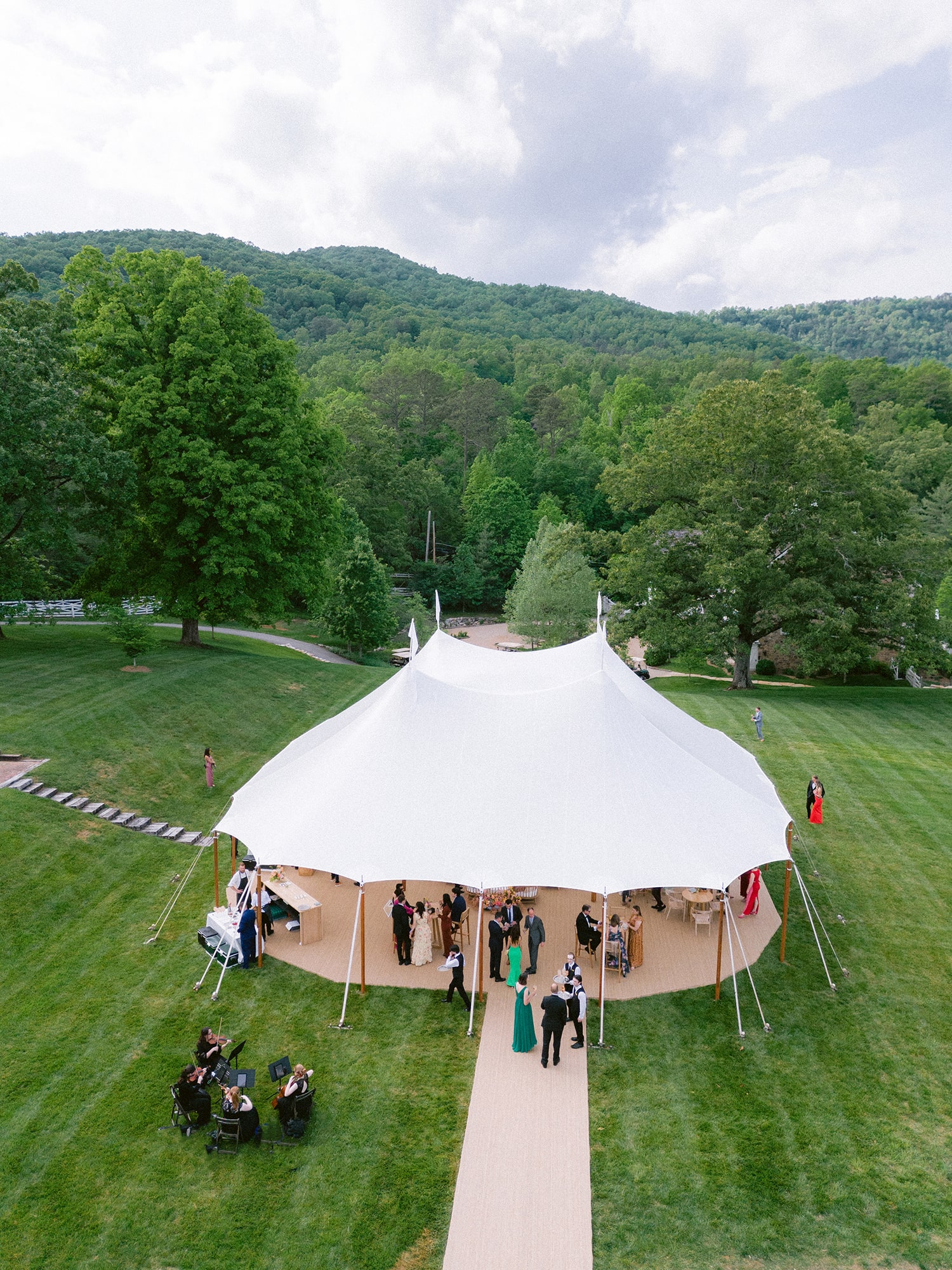
Choosing the right tent size transforms a potentially crowded backyard into a truly relaxed, memorable celebration. Far too often, hosts underestimate the space needed, leading to cramped conditions that detract from the joy of the occasion. This comprehensive guide is designed to prevent such pitfalls, meticulously breaking down the practical factors that determine the ideal tent size for any event. We’ll delve into crucial considerations such as your anticipated guest count, the specifics of your desired seating layout, and any essential extras like a vibrant dance floor, a well-stocked bar, or a buffet line.
Beyond just calculations, we’ll illuminate common hosting mistakes that can easily be avoided and provide clear, usable steps to ensure your event space works precisely the way you envision it. You’ll gain a thorough understanding of how to accurately calculate tent size, discover which dimensions are perfectly suited for typical guest totals, and learn what other critical elements to consider when meticulously planning your backyard event. Our aim is to empower you with the knowledge to create an inviting, comfortable, and perfectly proportioned environment for your guests, ensuring your celebration is a resounding success from start to finish.
How do you calculate the right tent size for your backyard party?
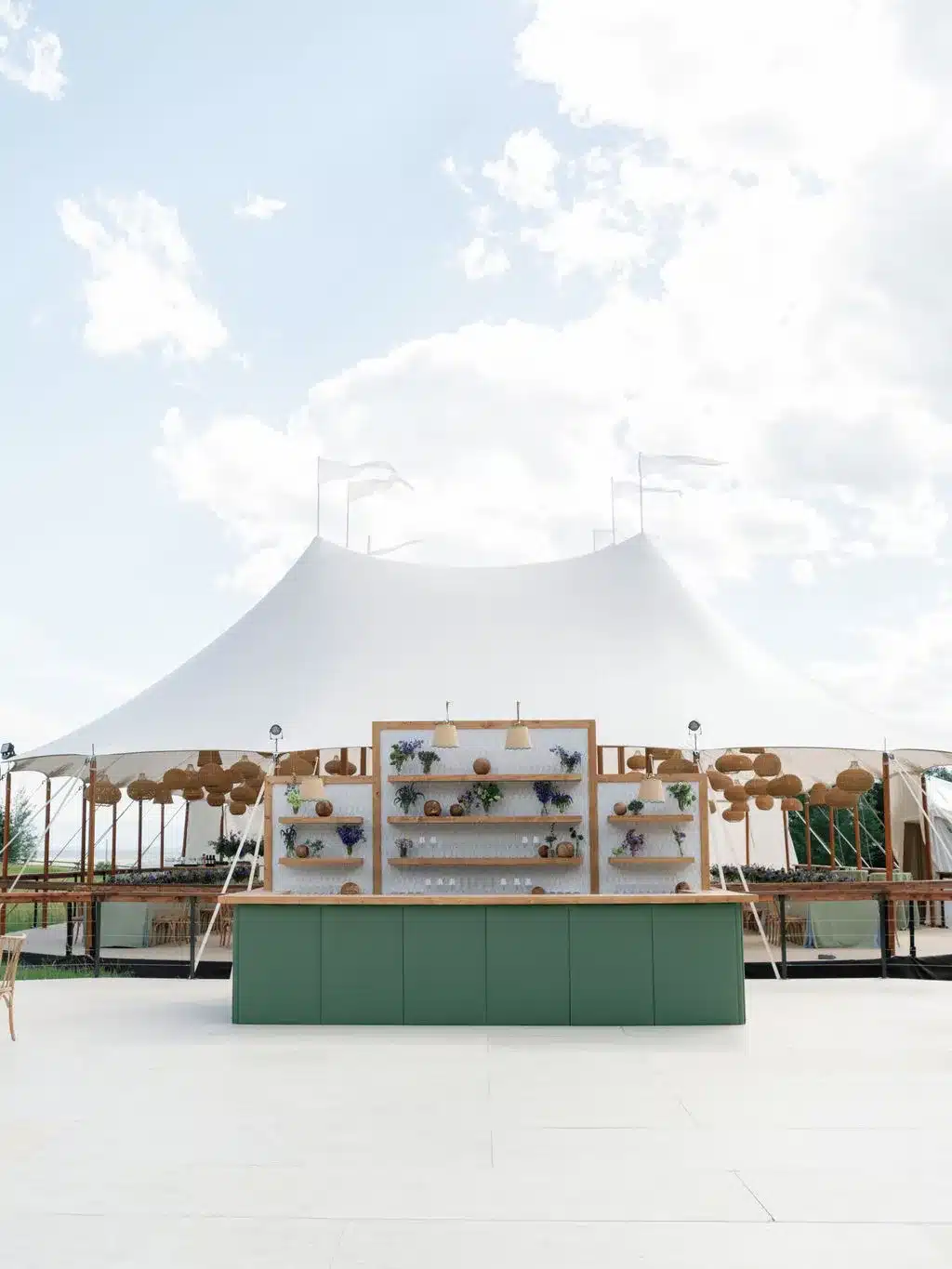
Start with three basic details: how many people will come, how you’ll seat them, and what extras need room. Those inputs let you match a tent to comfortable circulation and service flow.
First, estimate guest count, it’s the biggest factor. Next, choose your seating style (banquet tables, round tables, theater rows, or standing cocktail) and allow space for aisles and servers. Together, these give you a reliable square-foot target to guide your tent choice.
What guest count should you consider for tent sizing?
Use these quick rules of thumb to convert guests into square feet: plan about 7–10 sq ft per person for a standing reception and 10–15 sq ft per person for seated dining. For example, 50 guests would need roughly 500–750 sq ft. Bump those numbers up if you expect large tables, extra furniture, a dance floor, or a buffet line.
How do seating arrangements affect tent size requirements?
Seating layout changes the space each guest needs. Round banquet tables use more room than long banquet tables or theater seating, while cocktail receptions require far less than plated dinners. Always leave clear circulation paths so guests and servers can move easily, that makes the whole event feel more spacious. If helpful, sketch a simple floor plan to confirm your layout fits the tent’s dimensions.
What are the ideal tent sizes for different guest counts?
The right tent size depends on the experience you want to create. Below are common size ranges and the kinds of setups they typically support, so you can match your event type to a tent that feels comfortable, not cramped.
Which tent sizes suit small parties and intimate gatherings?
For smaller groups, tents from 10×10 to 20×20 feet are a good fit. A 10×10 tent works for about 8–10 people in a casual arrangement, while a 20×20 tent comfortably handles roughly 30–40 guests for seated or mixed seating. These sizes are great for backyard birthdays, small showers, or intimate ceremonies where extra circulation space isn’t required.
What tent dimensions work best for 50 to 100 guests?
Events with 50–100 guests need a larger footprint. A 20×40 tent typically holds 60–80 people depending on layout, and a 30×60 tent can seat around 100 guests comfortably. When planning for this range, include space for a dance floor, buffet, or stage so dining areas don’t feel crowded.
How to choose the right tent type for your backyard event?
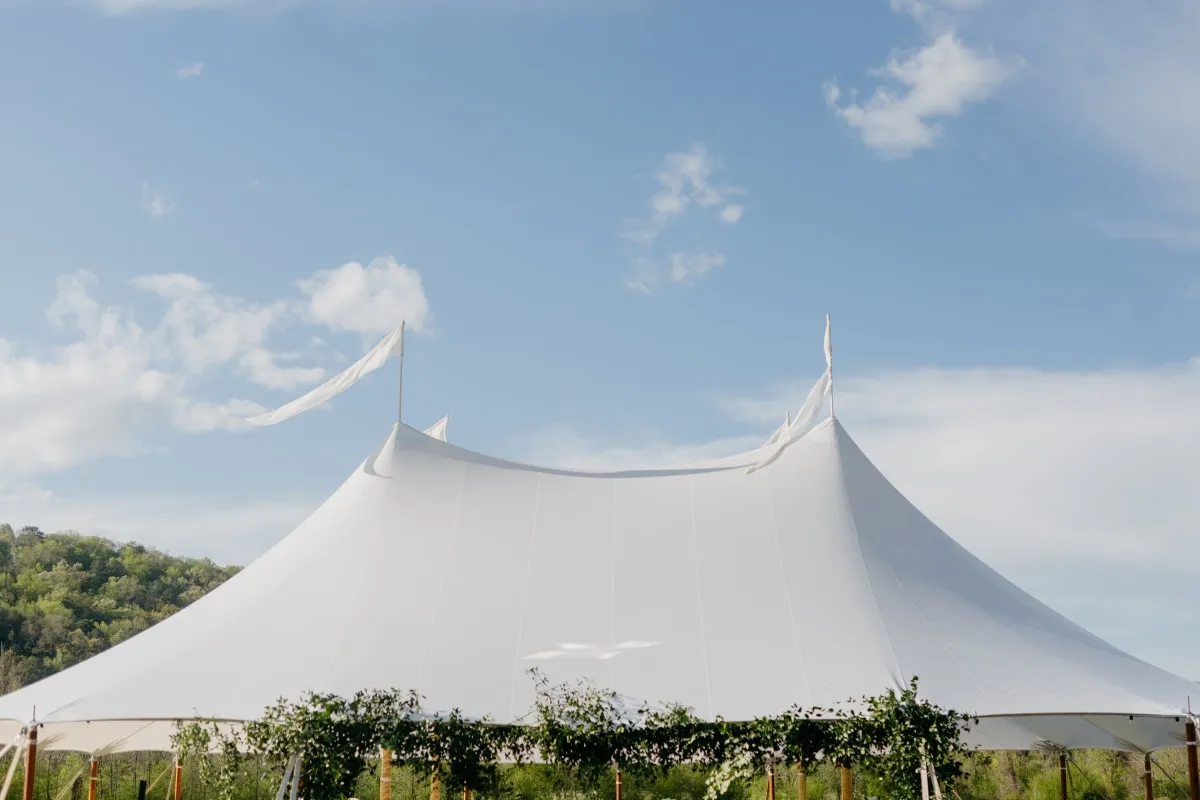
Tent style affects both look and performance. Think about the aesthetic you want, how the tent performs in wind or on uneven ground, and whether you’ll want sidewalls or clear tops. The right style balances visual impact with practical needs for safety and comfort.
What are the features and sizes of Skyline Tent Company’s Sailcloth Tents?
Skyline Tent Company’s sailcloth tents combine refined style with reliable performance. They come in a broad range of sizes, roughly 20×20 up to 40×100, so they fit intimate dinners and large receptions alike. The translucent fabric softens daylight and creates a warm glow at night, and the design is engineered to stand up to varied weather while keeping guests comfortable.
How do Century and Engineered Structure Tents compare for backyard parties?
Century tents (classic pole-supported designs) offer a timeless, elegant silhouette that’s ideal when appearance matters. Engineered structure tents focus on stability and load-bearing performance, making them a smart choice for uneven sites or areas prone to higher winds. Pick Century for style-forward affairs and Engineered Structure when terrain or weather calls for extra technical reliability.
What additional factors influence backyard tent size selection?
Beyond guest numbers and seating, consider weather, yard layout, and the activities you’ll host. These practical details affect how large a tent needs to be and which features will keep the event running smoothly.
How do weather and climate control options affect tent choice?
Weather changes comfort needs. If rain, wind, or heat are possible, think about sidewalls, heaters, or fans. Climate control keeps guests comfortable and extends the season for outdoor events, especially for longer dinners or evening receptions.
What role do backyard dimensions and terrain play in tent setup?
Measure the usable area and note slopes, trees, and hardscaping. You need room not just for the tent footprint but for safe anchoring. Uneven ground may require leveling or additional supports; tight spaces can force a different layout. Planning these details ahead avoids surprises on installation day.
How can you plan your backyard tent layout for maximum comfort and function?
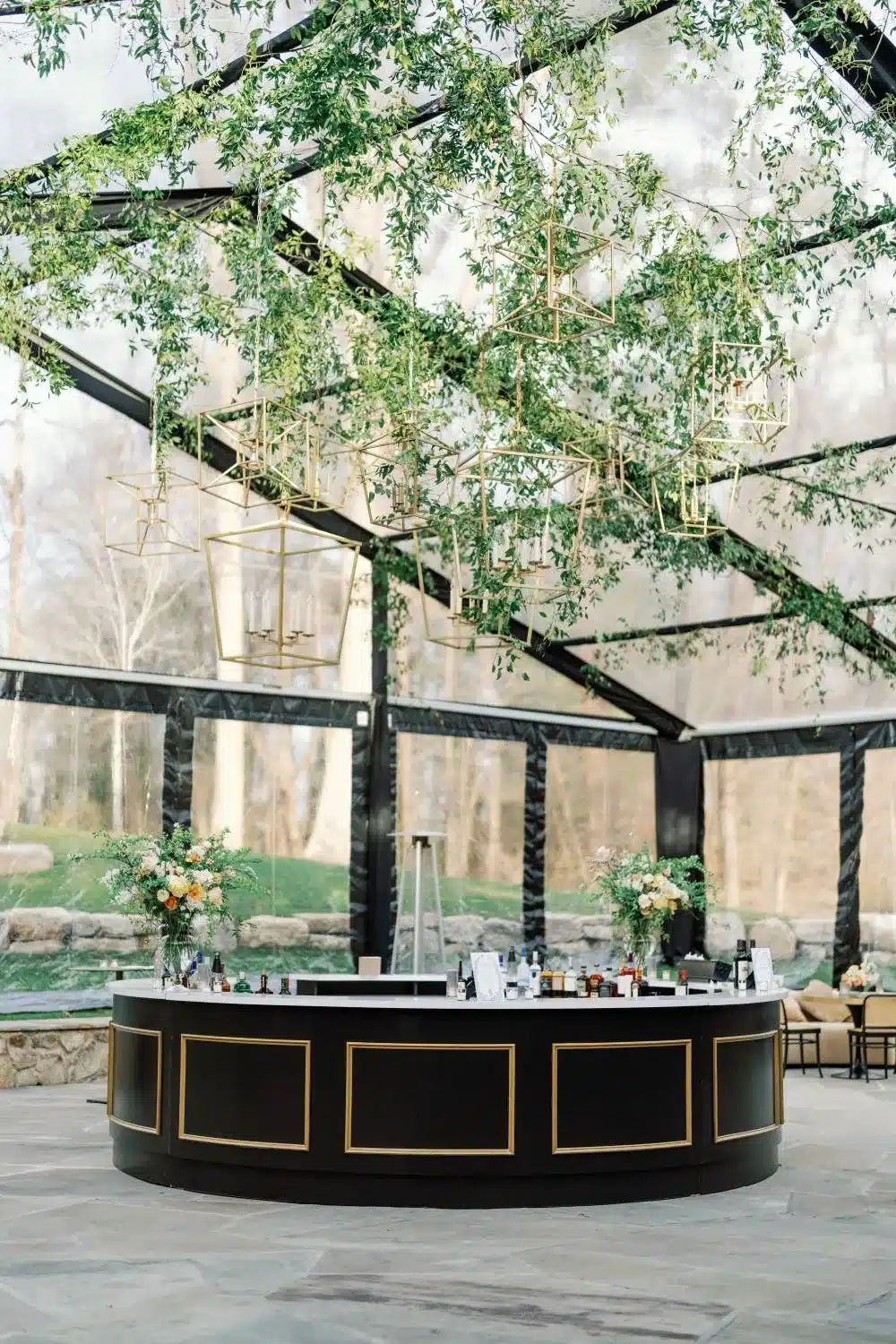
A well-planned backyard tent layout creates a balance between comfort, functionality, and visual appeal. Start by mapping out key zones, dining, mingling, service, and entertainment, so each has a clear purpose. Think through the guest experience from arrival to departure: where people enter, where they naturally gather, and how they’ll move between areas throughout the event. Leave generous walkways to prevent congestion, especially near entrances and high-traffic areas. When circulation is intuitive and uncluttered, the tent feels spacious, organized, and relaxed, even with a full guest count.
What are effective seating and activity area arrangements?
Effective layouts support natural movement while keeping activities distinct. Position tables and chairs to maintain clear aisles for guests and service staff, and place catering or service stations along the perimeter to reduce cross-traffic. Group activity areas, such as the cake table, bar, gift table, or dance floor, so each has enough space to function without disrupting dining. Round tables foster conversation and are ideal for social events, while long banquet tables maximize seating efficiency and create a communal, celebratory atmosphere. The right mix depends on your guest count, style, and how formal or casual you want the event to feel.
How do additional features like dance floors and bars impact tent size?
Additional features require dedicated space and should be planned from the beginning. A standard dance floor typically starts at around 12×12 feet, but larger guest lists or high-energy events may call for significantly more room. Bars also need unobstructed access for guests and sufficient workspace behind the counter for staff, along with space for lines to form without blocking walkways. When these elements aren’t accounted for early, they can crowd dining areas or disrupt flow. Including them in your overall square-footage plan ensures each feature enhances the event without competing for space.
Where can you find reliable backyard party tent size resources and rentals?
Reliable planning starts with trustworthy resources and an experienced rental partner. Online tent size guides, interactive calculators, and layout tools can provide helpful ballpark estimates based on guest count, seating style, and event type. These tools are ideal for early planning, helping you visualize space needs and narrow down tent options. However, backyard events come with unique variables, uneven ground, landscaping, nearby structures, or space restrictions, so it’s important to follow up with a professional rental company. An experienced provider can confirm appropriate sizing, evaluate your site, and ensure the tent meets both functional and safety requirements.
How does Skyline Tent Company support customized tent rentals?
Skyline Tent Company specializes in customized tent rental solutions designed around your specific event needs. We work closely with you to assess guest count, table layouts, entertainment areas, and overall event flow to recommend the right tent size and style. Beyond the tent itself, our team advises on critical details such as site logistics, anchoring options, flooring, lighting, sidewalls, and climate control. Whether you’re hosting an intimate backyard gathering or a large celebration, Skyline Tent Company helps transform your vision into a well-planned, comfortable setup that fits your space and enhances the guest experience.
What tools help you calculate tent size, including interactive calculators?
Interactive tent size calculators and seating charts are valuable tools for estimating space requirements quickly and efficiently. By inputting details such as the number of guests, seating arrangement (banquet, theater, cocktail), and additional features like dance floors or buffet tables, you can get a clearer idea of tent dimensions. These tools are best used as a starting point to narrow your options and guide initial planning. To ensure accuracy, always review your estimates with a rental professional who can factor in site-specific considerations, clearance needs, and optional accessories that may affect the final tent size.
Frequently Asked Questions
What should you consider when choosing a tent location in your backyard?
Pick a level area with good access to utilities and a clear vendor approach. Avoid low spots that collect water and steer clear of overhead hazards like tree limbs or power lines. Also note how sunlight and shade move across the yard so guests stay comfortable throughout the event.
How can you ensure your tent is secure and stable?
Proper anchoring is essential. Use stakes, weights, or engineered anchors suited to your soil type and local code. Follow manufacturer and rental-company guidance, especially in windy conditions, and check anchor points after installation and periodically during the event.
What are the benefits of renting vs. buying a tent for backyard events?
Renting gives you flexibility, professional installation, and access to many sizes and accessories. Buying can make sense if you host events very frequently, but for most homeowners renting is more cost-effective and less work.
How do you prepare your backyard for tent installation?
Clear the area of furniture, debris, and obstacles, and measure to confirm the tent footprint fits. If the ground is uneven, discuss leveling or platform options with your rental team. Finally, call your local utility locator before staking anything to avoid underground lines.
What additional amenities should you consider for your tent setup?
Think about lighting, heating or cooling, power for catering and entertainment, restroom access, and waste disposal, they all affect guest comfort. Decorative elements like draping and centerpieces set the mood but also add to space needs, so include them in your planning.
How can you incorporate theme and decor into your tent setup?
Start with a color palette and choose textiles, lighting, and centerpieces that support it. Draping and uplighting can transform a tent’s look without changing the footprint, and small layout tweaks can highlight focal points like a head table or dance floor to reinforce the theme.
Conclusion
Picking the right tent size helps your backyard event feel comfortable, organized, and beautiful. By planning for guest count, seating, and extras, and by working with an experienced rental partner, you’ll create a space that supports the flow and feeling of your celebration. Explore our resources or contact us to find the ideal tent for your next backyard gathering.