
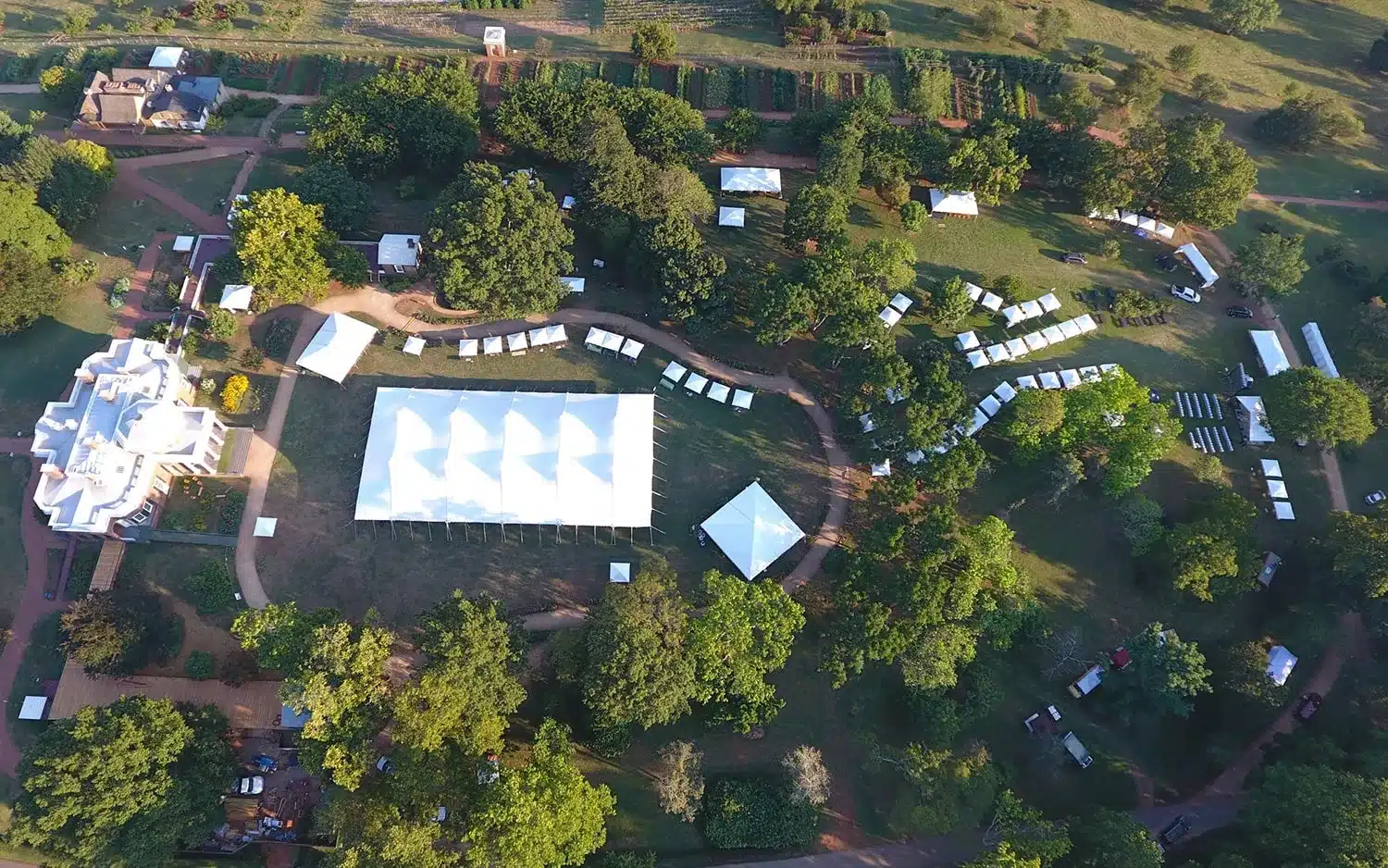
Choosing the right tent for a small backyard requires more than selecting a size that fits the space. Site conditions, guest count, event layout, and installation logistics all influence how well a tented environment functions. When these factors are carefully planned, even compact residential yards can support comfortable, well-organized outdoor events.
This guide outlines the key considerations for tenting smaller backyards, from measuring usable space and accounting for obstacles to selecting appropriate tent styles, layouts, and accessories. It also explains how Skyline Tent Company addresses challenging residential sites with professional planning and customized solutions. With the right approach, small outdoor spaces can be transformed into intentional, functional event environments without compromising comfort or flow.
Measuring Your Small Backyard for a Smooth Tent Setup
Accurate measurements are the first step to a successful backyard tent. Knowing the usable space and any obstacles helps you select a tent that fits, enables safe installation, and leaves room for guests and vendors to move comfortably.
Which Measurements and Site Details Matter Most?
When you measure, focus on the essentials:
- Length and Width: Measure the usable ground area so you know the true footprint available for a tent.
- Height Restrictions: Note nearby roofs, tree limbs, and other overhead limits that could affect peak heights or rigging.
- Obstacles: Mark trees, slopes, patios, fences, driveways, and utility lines that may dictate placement or anchoring plans.
These details help you pick a tent that fits the yard and supports a smooth event flow.
How Do Trees, Slopes, and Overhead Obstructions Change Setup Plans?
Natural and built features determine where and how a tent can sit. Keep these practical points in mind:
- Trees: Trees add shade and character, but avoid low branches and roots that interfere with stakes or equipment.
- Slopes: A level surface is best. If your yard slopes, plan for leveling solutions or choose a tent style that tolerates gentle grade changes.
- Overhead Obstructions: Stay clear of power lines and other fixed hazards, these affect peak height and where we can safely anchor the tent.
Identifying these issues early makes installation safer and helps the event run without surprises.
Choosing Tent Size by Guest Count and Event Activities
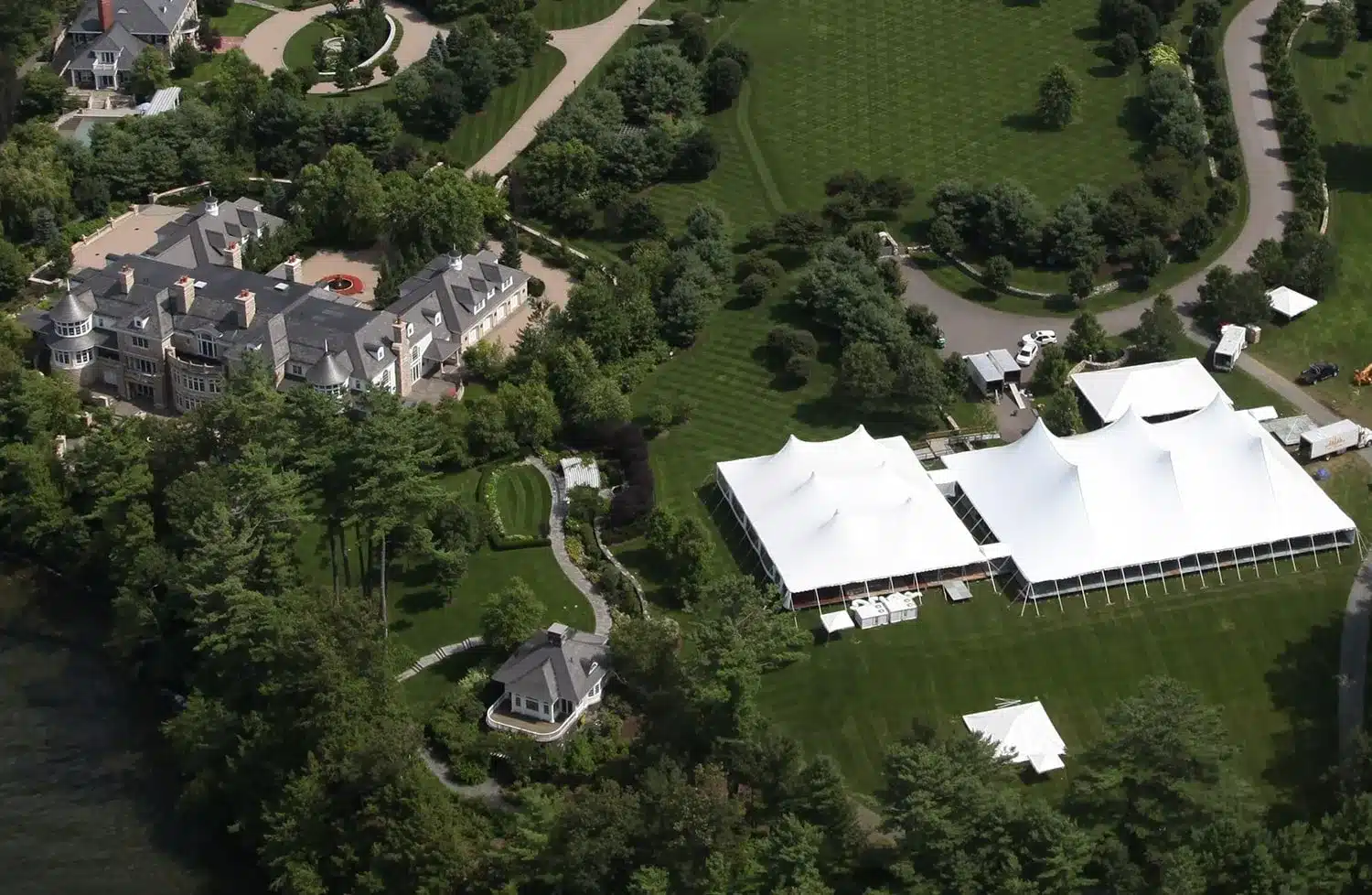
Tent size should reflect who’s coming and what they’ll be doing under the tent. Use guest counts plus your planned layout to pick a tent that feels roomy, not cramped.
How Much Space Should You Allow Per Guest?
Different event formats need different space per person. Use these practical guidelines:
- Seated Dinner: Plan on roughly 10–12 square feet per guest for dinner seating and service.
- Cocktail Party: For mingling events, allow about 6–10 square feet per guest so people can circulate comfortably.
- Dance Floor: If you expect dancing, add about 2–4 square feet per guest to your overall footprint to accommodate movement.
These figures will help you calculate the right tent size for your layout and guest comfort.
Recommended Tent Sizes for 20, 30, and 50 Guests
Here are common tent footprints tied to guest ranges and typical uses:
Use these as starting points, your furniture choices, activity areas, and desired circulation will fine-tune the final size.
Which Tent Types Work Best in Tight Backyards?
On a small lot the tent style matters as much as square footage. Certain tent types give you more usable space, easier installation, and a cleaner look.
Why Frame Tents Are a Smart Choice for Compact Spaces
Frame tents are popular for small yards for several practical reasons:
- No Center Poles: Without center poles you get an uninterrupted interior that’s simple to furnish and walk through.
- Versatility: Frame tents work on grass, patios, or asphalt, helpful when you need to work around existing hardscapes.
- Aesthetic Options: They come in multiple sizes and styles, so you can match the tent to the look and scale of your event.
That mix of flexibility and clear sightlines makes frame tents ideal for intimate outdoor gatherings.
How Sailcloth and High Peak Tents Improve Ambiance
Sailcloth and high-peak tents offer a distinct look that elevates small backyard events:
- Elegant Appearance: Sailcloth’s translucent fabric and clean lines create a warm, upscale atmosphere.
- Height and Openness: High peaks add a sense of space and airiness even when the footprint is modest.
- Luxurious Feel: Both styles pair beautifully with lighting and draping, helping you craft a polished, intimate setting.
When style matters as much as function, these tents are strong contenders.
Maximizing Small Backyard Space with Layouts and Accessories
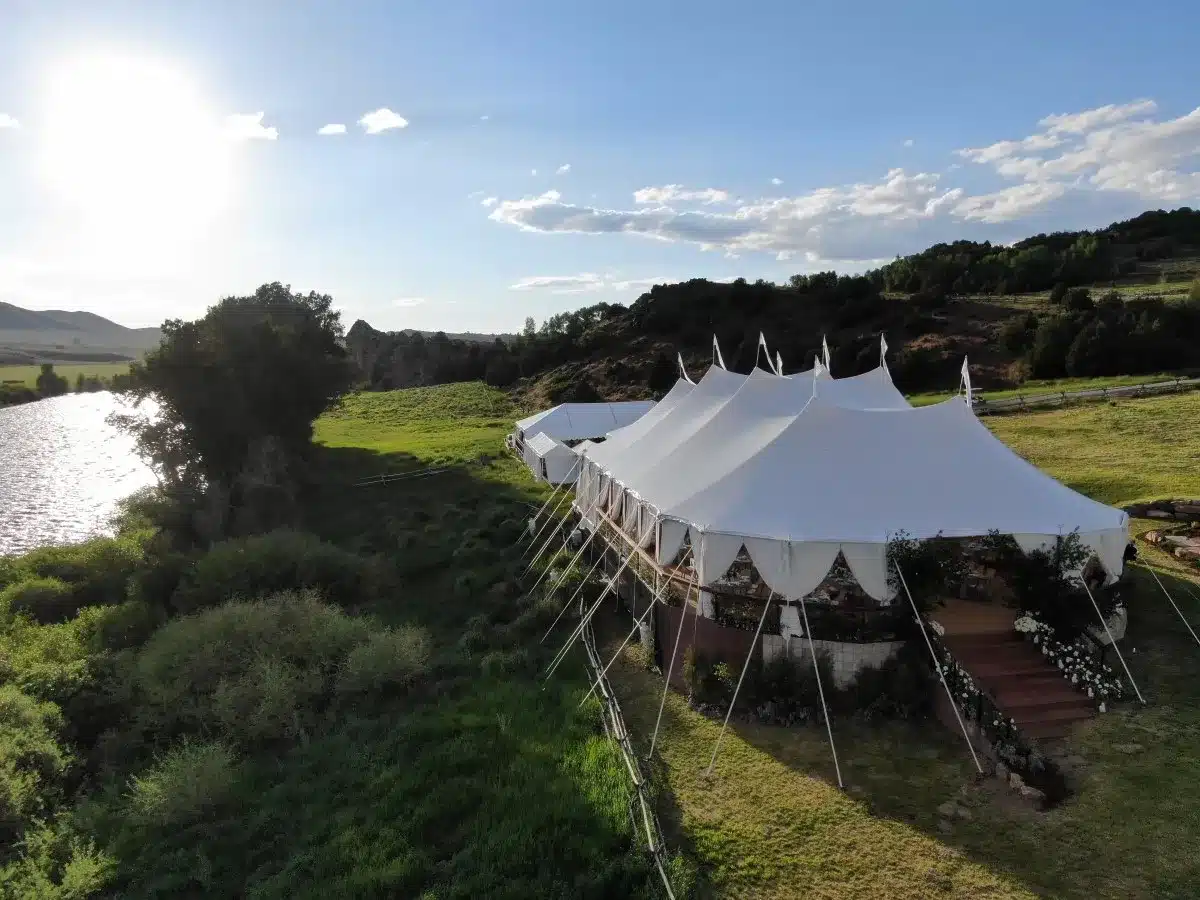
Small yards reward thoughtful planning. Smart furniture placement, dedicated service zones, and a few key accessories can make the space feel larger and more comfortable.
Layout Ideas for Furniture and Catering in Compact Backyard Installations
In smaller backyards, layout planning plays a critical role in maintaining comfort, safety, and efficient use of space. Furniture placement and service zones should be designed to support guest circulation, vendor access, and uninterrupted movement throughout the event.
- Table Configuration: Round tables and compact seating arrangements are often well-suited for limited footprints, allowing for more efficient spacing and clearer circulation paths. Layouts are planned to maintain appropriate aisle widths and accessibility while maximizing usable interior space.
- Catering and Service Placement: Food and beverage stations are typically positioned along perimeter zones to reduce congestion and preserve central guest areas. This approach improves traffic flow and allows vendors to operate efficiently without interfering with guest movement.
- Circulation and Access: Clear, intentional pathways between entrances, seating areas, and service zones are essential in compact installations. Proper spacing supports safety, ease of movement, and a more organized event environment.
When layout decisions are made in coordination with tent size, structure type, and site conditions, small backyard spaces can function smoothly without feeling crowded or constrained.
Accessories That Improve Function and Look
The right add-ons boost comfort and style without eating up valuable space:
- Lighting Options: String lights, lanterns, and uplighting add warmth and depth, especially for evening gatherings.
- Sidewalls: Sidewalls block wind and rain while offering privacy and better temperature control.
- Flooring Solutions: Portable flooring levels uneven ground and makes dining or dancing more comfortable.
Pick accessories that solve site challenges while reinforcing your event’s look.
Skyline’s Custom Tent Solutions for Small Backyards
When standard options won’t fit, Skyline designs custom layouts and configurations to maximize challenging yards, without compromising style or safety.
How Skyline Adapts Designs to Unique Backyard Challenges
We provide tailored solutions that work around awkward dimensions and site features:
- Tailored Designs: We draft tent plans that match your yard’s exact footprint and obstacles.
- Flexible Configurations: We adjust layouts to meet guest counts, catering needs, and on-site limitations.
- Client Collaboration: Our team partners with you through planning and setup so the final result matches your vision.
This hands-on approach ensures your tent fits the space and the event you imagine.
Luxury Upgrades That Elevate Small Backyard Events
For a polished finish, consider these Skyline upgrades:
- High-Quality Materials: We use durable, attractive fabrics and finishes that stand up to repeated use and look great on event day.
- Unique Design Elements: Draping, custom lighting, and refined details turn a tent into a memorable focal point.
- Personalized Service: From planning through strike, our team manages the details so you can enjoy the celebration.
These upgrades let small backyard events feel special without crowding the space.
Permits and Logistics for Backyard Tent Rentals in Charlottesville, VA
Planning an outdoor residential event involves more than selecting the right tent, it also requires navigating local regulations and site logistics. Understanding permit requirements and safety standards early in the process helps prevent delays and ensures the installation is compliant, secure, and scheduled appropriately.
How Local Regulations Influence Tent Planning
Local guidelines can affect both tent selection and event timelines. In many areas, tents above a certain size threshold, often 400 square feet or larger, require permits or inspections. These requirements may also extend to anchoring methods, fire safety access, and structural considerations.
Because approval timelines vary by jurisdiction, permit coordination should begin well in advance of the event date. Addressing regulatory requirements early allows for appropriate tent selection and avoids last-minute adjustments that can impact layout or scheduling. Proactive planning ensures the installation meets all applicable standards while keeping the event timeline on track.
How Skyline Tent Company Supports Site Evaluation and Permit Coordination
Skyline Tent Company provides hands-on support throughout the permitting and planning process. Our team conducts site evaluations to assess feasibility, identify placement options, and account for site-specific factors that may influence permitting or installation requirements.
We also assist with permit documentation by supplying technical information, drawings, and specifications as needed to support local approvals. From initial planning through installation and removal, Skyline coordinates logistics and remains available to address questions or adjustments, helping ensure a smooth, compliant setup from start to finish.
Frequently Asked Questions
When should I book a tent for a small backyard event?
It’s best to reserve a tent at least 4–6 weeks in advance, particularly during peak spring, summer, and fall seasons. Booking early allows time for site evaluation, tent selection, permit coordination if required, and scheduling delivery and installation. For popular tent styles or limited-access sites, earlier planning helps ensure availability and flexibility.
Can a tent be installed on uneven or sloped ground?
Yes. Uneven ground can often be accommodated with proper planning. Skyline Tent Company uses leveling techniques and temporary flooring systems to create stable, even surfaces when needed. Certain tent styles, such as frame tents, are especially adaptable to uneven sites because they do not rely on center poles. A site evaluation helps determine the most effective approach.
How do you prepare tents for rain or changing weather conditions?
Weather preparation begins with selecting weather-rated tent systems sized appropriately for the event layout. Sidewalls, flooring, and climate-control options can be incorporated into the plan based on forecasted conditions. Professional installation ensures proper tensioning, drainage, and anchoring so the structure performs reliably even if weather conditions change.
How is tent stability handled during windy conditions?
Tent stability depends on proper anchoring, which is determined by tent type, surface conditions, and local requirements. Anchoring methods may include stakes, weighted ballast, or specialized systems depending on the site. Skyline evaluates wind exposure and ground conditions to select anchoring solutions that support safety and structural performance.
What are the benefits of using a tent for a small backyard event?
Tents provide weather protection, define the event footprint, and help organize seating, service, and circulation in limited spaces. They also allow for consistent lighting, climate control, and layout planning, making a small backyard feel intentional and well-structured rather than improvised.
Conclusion
Planning a successful tented event in a small backyard requires careful measurement, thoughtful layout design, and the right tent system for the space and conditions. When site constraints and logistics are addressed early, compact residential yards can support comfortable, polished outdoor events that feel intentional and well-executed.
Skyline Tent Company provides the expertise, equipment, and planning support needed to navigate challenging sites and deliver reliable tented environments. From site evaluation through installation, our team helps ensure each event is designed to perform, so hosts and planners can move forward with confidence, regardless of space limitations.
