
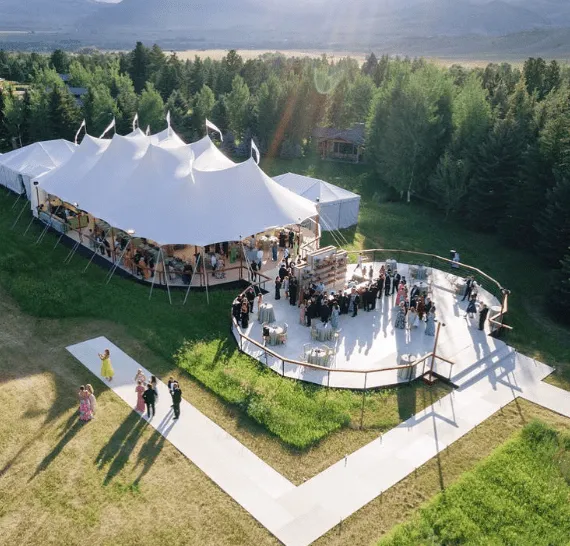
Couples planning a summer wedding should typically book their wedding tent 6 to 12 months before the event date. This timeline allows enough time to secure preferred tent styles, confirm site logistics, and coordinate essential services such as flooring, lighting, and climate control. Early booking also reduces the risk of limited availability during peak wedding season and ensures the tent installation fits smoothly into the overall event planning process.
Starting the booking process early also provides peace of mind, allowing couples to focus on other important aspects of their wedding without the stress of last-minute tent arrangements. It also opens opportunities to customize the tent with special features or upgrades that might not be available on short notice.
Ideal Booking Timeline for Summer Wedding Tents
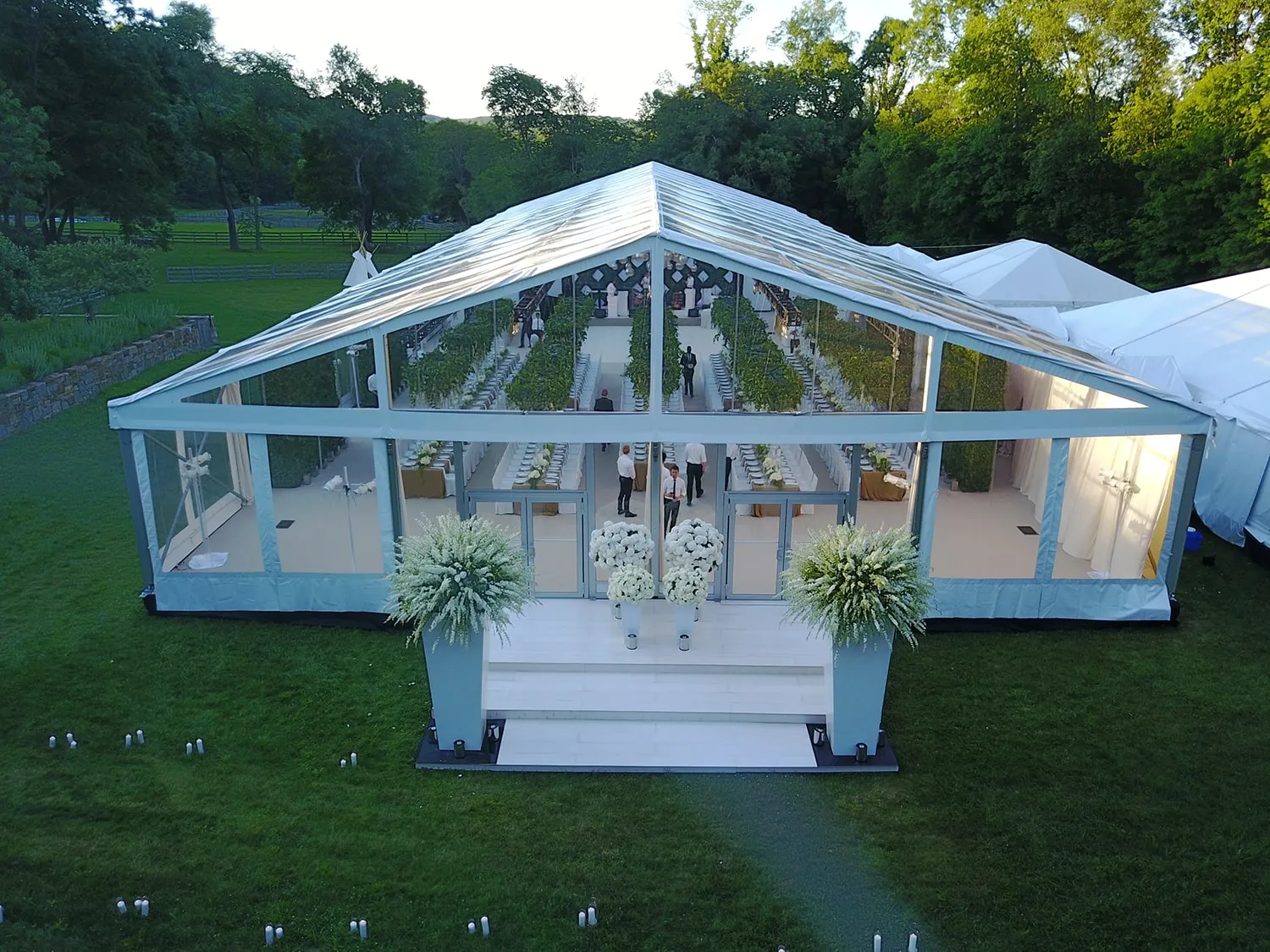
The best time to reserve a wedding tent is generally between six and twelve months before the wedding date. This window gives couples the flexibility to select the tent style that matches their vision while ensuring availability during the busiest months of the wedding season, especially when planning a luxury summer wedding tent. Booking within this timeframe also allows for adjustments if the initial tent choice needs to be changed due to unforeseen circumstances or changes in guest count. It provides a buffer to handle any unexpected delays or additional requirements that may arise as the wedding date approaches.
Why Booking Early Matters
Booking a wedding tent early provides several important advantages during the planning process. It allows couples to secure the tent structure before popular models become unavailable and ensures the rental company can accommodate the event date. This early commitment also often results in better pricing options and the possibility of securing discounts or package deals that are not available closer to the event.
Key benefits of booking early include:
- Access to a wider range of tent styles and sizes
- More time to schedule site visits and measurements
- Greater flexibility when coordinating lighting, flooring, and décor
- Reduced pressure when confirming installation schedules
These advantages help couples avoid rushed decisions and maintain control over the planning process. Early booking also allows for better communication with the rental company, enabling customization options such as branded tent walls, special lighting effects, or unique flooring materials that can elevate the event’s ambiance.
Typical Timeline for Summer Tent Reservations
Summer weddings typically occur during the busiest period for event rental companies. Because of this, many tents are reserved well in advance. Understanding the typical timeline helps couples stay on track and avoid last-minute surprises.
A practical timeline often follows these general planning stages:
- 12 months before the wedding: begin researching tent options and contacting rental providers
- 9–10 months before the wedding: request site inspections and initial quotes
- 6–8 months before the wedding: finalize the tent reservation and confirm layout plans
Following this timeline ensures the tent selection process aligns with other major planning milestones. It also allows time to address any site-specific challenges, such as uneven terrain or access restrictions, which might affect the overall wedding tent installation process. Early engagement with the rental company can also provide valuable insights into the best tent styles and configurations for the chosen venue.
Risks of Waiting Too Long to Book a Wedding Tent
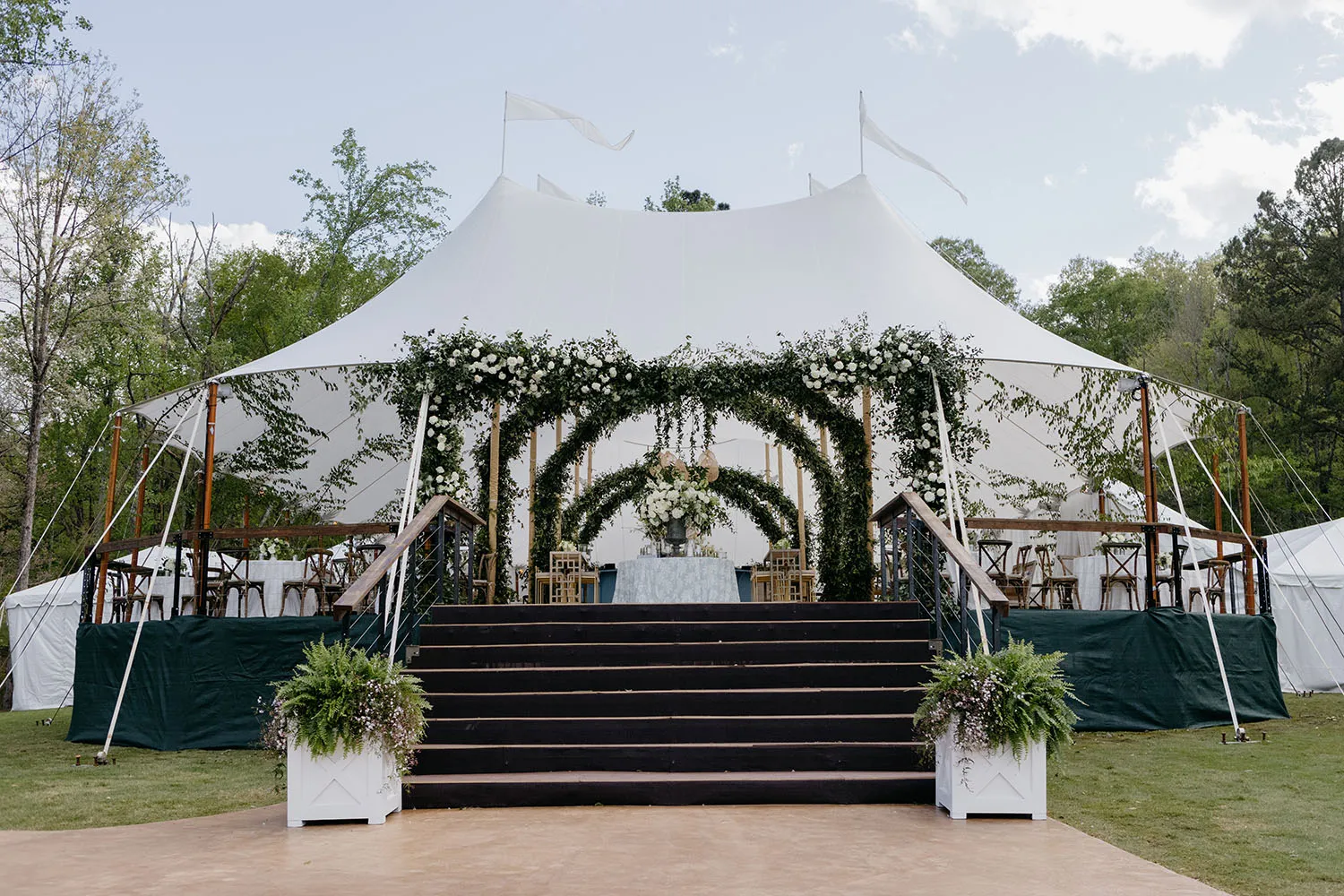
Waiting too long to reserve a wedding tent can create unnecessary complications for couples and event planners. Availability may become limited, and fewer design options may remain as the event date approaches. This can force compromises on the overall event vision and potentially increase costs due to last-minute arrangements.
Last-minute bookings can also compress installation schedules and reduce time for logistical planning. This often leads to increased stress for the couple and vendors, as well as a higher risk of errors or oversights during setup. The quality of the event experience may suffer if the tent and related services are not properly coordinated.
Limited Availability During Peak Season
Summer weekends are in high demand for weddings, which means tent inventory often becomes fully booked months ahead of time. Couples who delay reservations may find that their preferred tent style or size is no longer available. This scarcity can limit creative options and force couples to settle for less ideal solutions.
Rental providers may still offer alternative structures, but these options may not align with the original design vision or site requirements. For example, a smaller tent might not accommodate all guests comfortably, or a different style may clash with the wedding theme. These compromises can affect the overall flow and atmosphere of the event.
Logistical Challenges from Late Bookings
Late reservations can create operational challenges during the final stages of wedding planning. Vendors may have less time to coordinate installation schedules or finalize layout details. This can lead to rushed decisions and increased potential for miscommunication.
Several issues may arise when tents are booked close to the event date:
- Limited time to conduct site inspections or layout planning
- Reduced availability for accessories such as flooring and lighting
- Increased difficulty coordinating with catering and production teams
Avoiding these challenges helps maintain a smoother planning process. Early booking also allows for contingency planning, such as arranging backup equipment or alternative layouts in case of unexpected site conditions or weather changes.
Choosing the Right Tent Size for Your Wedding

Selecting the correct tent size is essential for guest comfort and event functionality. The tent must accommodate seating, dining areas, and entertainment spaces while allowing guests to move freely throughout the reception. An appropriately sized tent also contributes to the overall aesthetic, preventing the space from feeling either cramped or too sparse.
Size planning should begin with a clear estimate of guest attendance and the types of activities planned inside the tent. This includes considering the number of tables, the size of the dance floor, and any additional features such as stages or lounge areas. Consulting with a professional tent provider can help translate these needs into an optimal tent size and layout.
Planning Space for Guests and Event Activities
A wedding tent should provide sufficient room for more than just tables and chairs. Additional space is often required for features such as dance floors, bars, and buffet stations. These elements contribute significantly to the flow and enjoyment of the event, so their placement within the tent must be carefully considered.
When planning the tent layout, couples should consider several factors:
- Guest seating arrangements and table layouts
- Space for a dance floor or stage
- Catering service areas and bars
- Walkways that allow guests to move comfortably
Including these elements in the layout helps ensure the tent does not feel crowded during the reception. It also facilitates smooth movement for servers and entertainers, enhancing the overall guest experience. Proper spacing can prevent bottlenecks and create inviting areas for socializing and dancing.
Recommended Tent Sizes for Different Guest Counts
Tent size recommendations vary depending on seating style and event layout. Larger weddings often require additional space for entertainment areas and guest circulation. The choice of tent size should also take into account the type of event, whether it is a formal sit-down dinner, a cocktail reception, or a combination of both.
Common planning guidelines include:
- Small gatherings may use compact tents for seated dinners or cocktail receptions
- Medium weddings typically require larger structures to accommodate dining and dancing
- Large weddings benefit from spacious tent layouts that include lounge areas and entertainment zones
Weather Considerations for Summer Wedding Tents
Summer weddings often bring beautiful weather, but high temperatures and unexpected storms can affect outdoor events. Planning for these conditions ensures the tent environment remains comfortable for guests. Understanding local weather patterns and seasonal trends can help in selecting appropriate tent features and contingency plans.
A well-designed tent setup can protect against sun, wind, and rain while maintaining proper airflow. This balance is crucial to creating a pleasant atmosphere that keeps guests comfortable regardless of changing weather conditions.
Managing Heat and Ventilation
Warm weather can cause heat to accumulate inside a tent if airflow is restricted. Proper ventilation and cooling solutions help maintain a comfortable environment throughout the event. Without adequate airflow, guests may feel uncomfortable, which can detract from their overall experience.
Several strategies can help reduce interior temperatures:
- Opening tent sidewalls to allow natural airflow
- Using fans to circulate air throughout the space
- Installing ventilation features such as high peaks or roof vents
These measures improve comfort and prevent heat buildup under the canopy. In some cases, air conditioning units or misting systems may be incorporated for additional cooling, especially in regions known for extreme summer heat. Selecting the right combination of ventilation and cooling depends on the tent size, guest count, and local climate.
Preparing for Rain and Wind
Weather conditions can change quickly during summer events, making contingency planning important. Tent sidewalls and waterproof materials help protect guests and equipment from sudden rainfall. Ensuring that the tent fabric is durable and properly sealed is essential to prevent leaks and water damage.
Proper anchoring systems also ensure the tent remains stable during windy conditions. Rental providers typically assess the site in advance to determine the best installation method. This may include using weighted anchors, stakes, or specialized tie-downs depending on the ground surface and expected weather.
Planning for these possibilities ensures the event continues smoothly even if weather conditions change. Having backup plans such as additional coverings or alternative indoor spaces can provide further security against weather disruptions.
Coordinating Tent Setup and Event Logistics
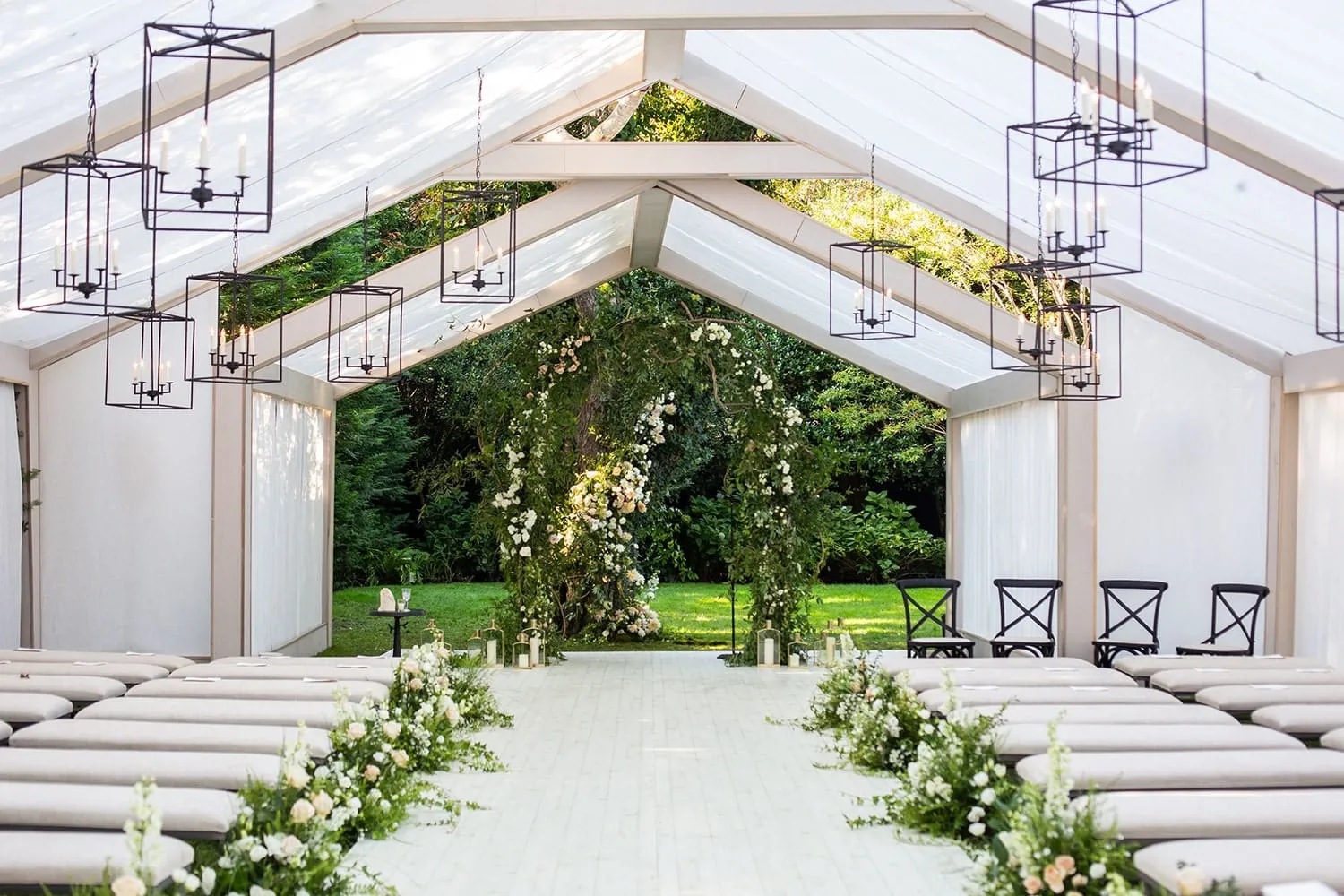
Tent installation timing plays an important role in overall event preparation. Scheduling setup several days before the wedding allows time for adjustments and final inspections. This buffer period is critical for addressing any unforeseen issues that may arise during installation.
Proper coordination between vendors ensures each element of the event is installed efficiently. Clear communication and detailed scheduling help avoid conflicts and ensure that all components come together as planned.
Scheduling Delivery and Installation
Tent installation usually occurs one or two days before the wedding. This schedule provides enough time to complete setup and prepare the space for decorations and equipment. Early installation also allows for testing of lighting, sound systems, and climate control features to ensure everything functions correctly on the day of the event.
Large or complex installations may require additional time for flooring, lighting, and staging. Early setup also allows planners to inspect the structure and confirm everything is secure before guests arrive. This inspection process helps identify any safety concerns or necessary adjustments, contributing to a smooth and safe event experience.
Coordinating Vendors Around the Tent Layout
Many vendors depend on the tent structure when planning their setup. Caterers, lighting technicians, and entertainment providers often need access to the space before the event begins. Coordinating their schedules around the tent installation is essential to avoid delays and ensure a cohesive setup.
Coordinating vendor schedules helps prevent congestion during setup. A well-organized installation timeline ensures each team can complete their work without delays. This coordination also facilitates efficient use of the venue space, minimizing disruptions and allowing for a more relaxed preparation period.
Clear communication between vendors allows the entire event space to come together smoothly. Establishing a point person or event coordinator to manage these interactions can greatly improve the flow of information and problem-solving during the setup phase.
Frequently Asked Questions
How far in advance should a wedding tent be booked?
Most couples book their wedding tent between six and twelve months before the event to secure preferred styles and ensure availability during peak wedding season.
What happens if a tent is booked too late?
Late bookings may limit available tent styles and reduce time for planning layout and installation logistics.
Do wedding tents require site inspections?
Many tent providers recommend a site visit to evaluate ground conditions, space measurements, and installation requirements.
Conclusion
Booking a wedding tent early helps couples secure the ideal structure for their summer celebration while providing enough time to coordinate logistics, layout planning, and vendor schedules. Planning ahead ensures the tent fits both the event design and the practical needs of the venue. Early preparation also reduces stress and allows for creative enhancements that can make the wedding truly memorable.
Skyline Tent Company specializes in creating luxury tented environments for weddings and large-scale celebrations. Schedule your private consultation with our team to explore tent options that bring your summer wedding vision to life. Our experienced staff is dedicated to helping you design a tented space that perfectly complements your style and accommodates your guests comfortably, ensuring a flawless and unforgettable event.