
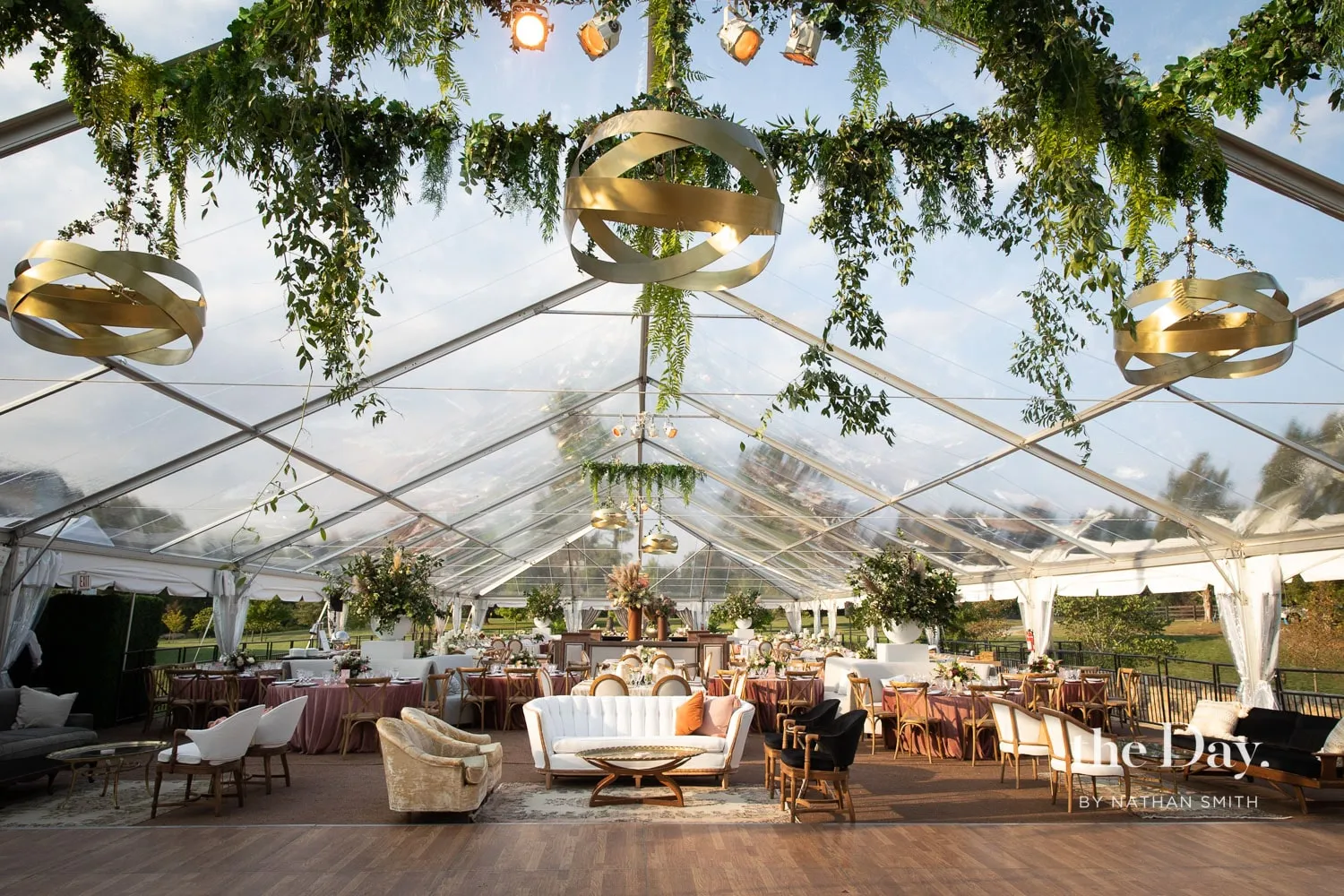
The best tent for outdoor summer wedding depends on the venue conditions, guest count, layout requirements, and weather considerations. Frame tents, pole tents, and clearspan tents are the most common options, each offering different structural advantages. Choosing the right tent involves balancing aesthetics, ventilation, space planning, and installation logistics so the structure supports both guest comfort and the overall design of the wedding celebration. Additionally, considering the ease of setup and teardown can influence the choice, especially for venues with tight schedules or limited access.
Outdoor weddings offer flexibility and beautiful natural settings, but they also require careful planning using a complete summer wedding tent guide to ensure the event remains comfortable and well organized. A tent acts as both a protective structure and the visual centerpiece of the reception environment. Its design influences the layout of dining tables, lighting installations, dance floors, and service areas. Moreover, the tent’s style can set the tone for the entire event, complementing the wedding theme and enhancing the guest experience.
Selecting the appropriate tent early in the planning process allows couples to coordinate décor, climate control, and vendor logistics around the structure.
Understanding the Main Types of Wedding Tents
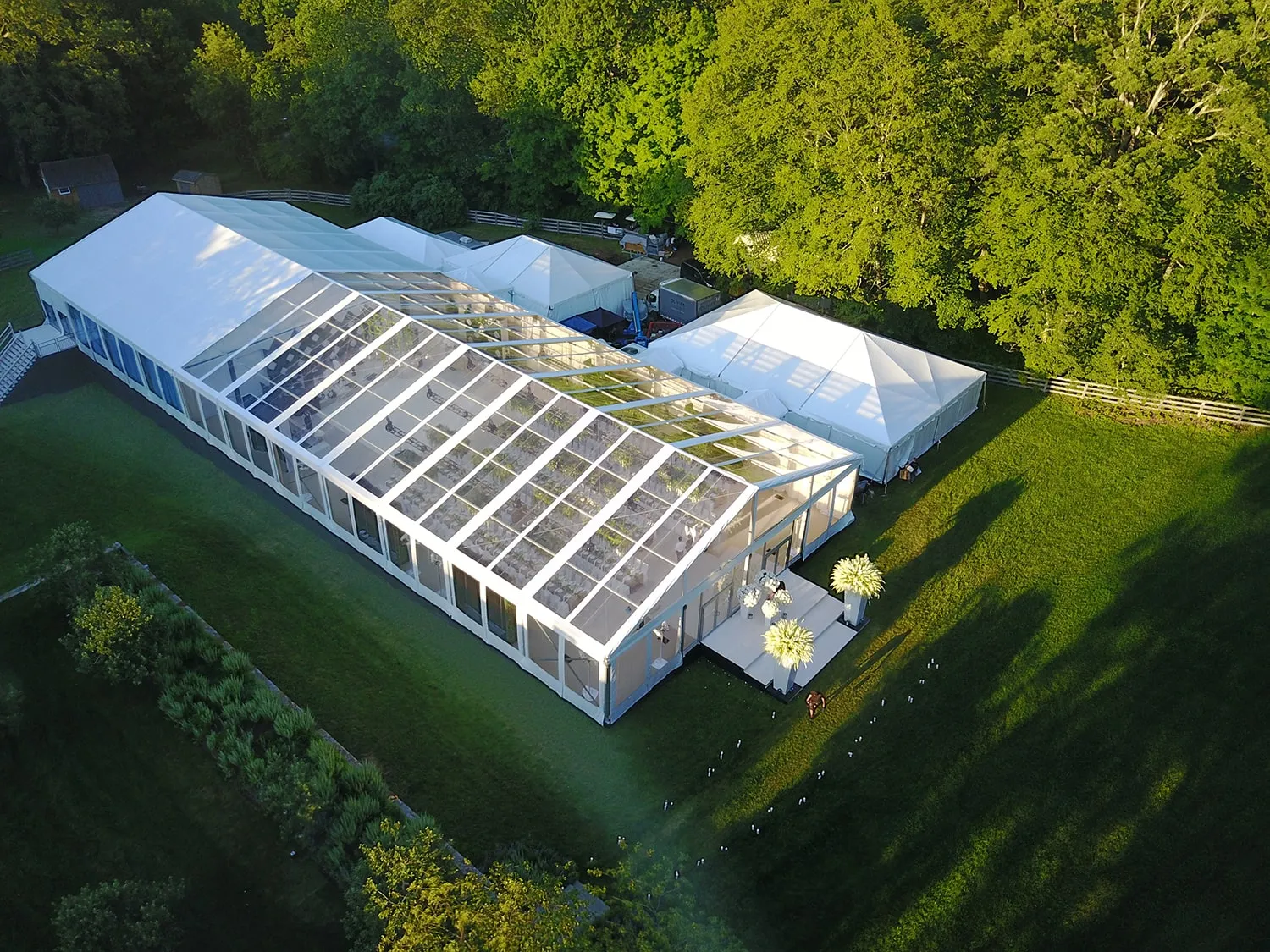
Selecting the correct tent type is one of the first decisions when planning an outdoor wedding. Each tent design has unique structural features that influence how the space functions during the event. Understanding these differences can also help in budgeting and anticipating potential setup challenges.
The three most widely used options for weddings are frame tents, pole tents, and clearspan tents. Understanding their differences helps couples choose a structure that suits both the venue and the style of the celebration.
Frame Tents for Flexible Venue Layouts
Frame tents use a metal support structure that allows the interior space to remain open without center poles. This design provides flexibility when arranging seating, dance floors, and décor installations. Their modular nature also means they can be expanded or reduced in size to fit specific needs.
Frame tents are often chosen when weddings take place on patios, terraces, or surfaces where staking into the ground may be difficult. They are also popular for venues with uneven terrain, as the frame can be adjusted to accommodate slight variations in ground level.
Advantages of frame tents include:
- Clear interior space that allows flexible furniture arrangements
- Ability to install on different surfaces such as grass, concrete, or decking
- Compatibility with sidewalls, lighting, and decorative draping
These tents are particularly useful for medium-sized weddings where the layout must adapt to existing venue structures or landscaping features. Their versatility makes them a reliable choice for a wide range of outdoor settings.
Pole Tents for Classic Outdoor Wedding Elegance
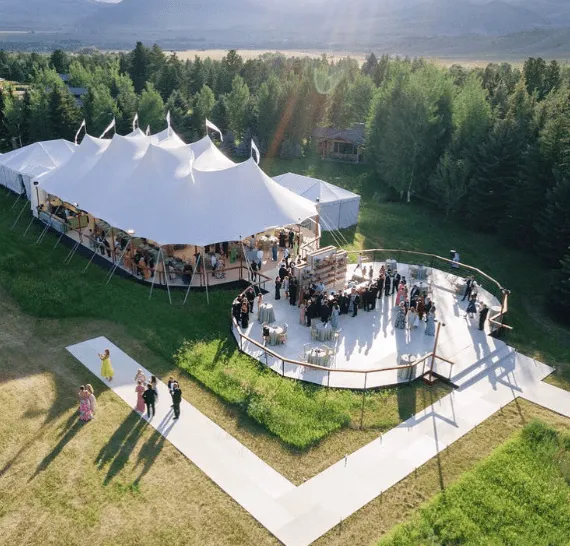
Pole tents are known for their sweeping peaks and traditional appearance, helping couples create romantic ambiance for elegant outdoor receptions. They rely on center poles and tensioned fabric to create their distinctive silhouette. This style often evokes a timeless, romantic atmosphere that many couples desire for their special day.
This tent style is often selected for outdoor venues such as gardens, estates, or open fields where the structure can be anchored securely. The natural curves of the fabric canopy can beautifully complement floral arrangements and other decorative elements.
Pole tents offer several design benefits:
- High peaks that create an elegant visual profile
- Soft fabric canopy that enhances natural lighting during the day
- Romantic architectural lines that complement outdoor settings
Because pole tents require staking around the perimeter, they work best in open spaces with enough room for anchoring and installation. They also tend to be more cost-effective for large open areas compared to other tent types.
Clearspan Tents for Large and Luxury Weddings in Summer
Clearspan tents are engineered structures designed for large events and complex layouts. Their strong aluminum frames create wide interior spans without center poles, making them ideal for high-capacity weddings. These tents often provide a sleek, modern aesthetic that can be customized extensively.
These tents often resemble temporary buildings and can support advanced lighting, climate control systems, and large decorative installations. Their durability and weather resistance make them suitable for events that require extended setup times or multi-day celebrations.
Spacious Interiors Without Obstructions
Clearspan tents provide completely unobstructed interiors, allowing planners to design large dining areas, stages, and dance floors without structural limitations. This open space is perfect for weddings with elaborate entertainment or multiple activity zones.
This open layout offers several advantages:
- Flexible floor plans for large guest counts
- Uninterrupted sightlines for ceremonies or performances
- Space for elaborate décor and lighting installations
The absence of interior poles also simplifies the placement of long banquet tables or expansive dance floors. Additionally, the sturdy frame can support hanging décor elements such as chandeliers or floral arrangements.
Ideal for Complex Event Layouts
Large weddings often include multiple functional zones within the tent such as dining areas, bars, lounges, and entertainment spaces. Clearspan tents allow planners to create these zones without compromising circulation or visibility. Because of their engineered structure, these tents can also support climate control equipment that maintains comfortable temperatures throughout the event.
Their modern appearance and structural stability make them a common choice for luxury outdoor weddings. They also provide excellent protection against unpredictable weather, ensuring the event can proceed smoothly regardless of conditions.
Weather Considerations for Summer Wedding Tents
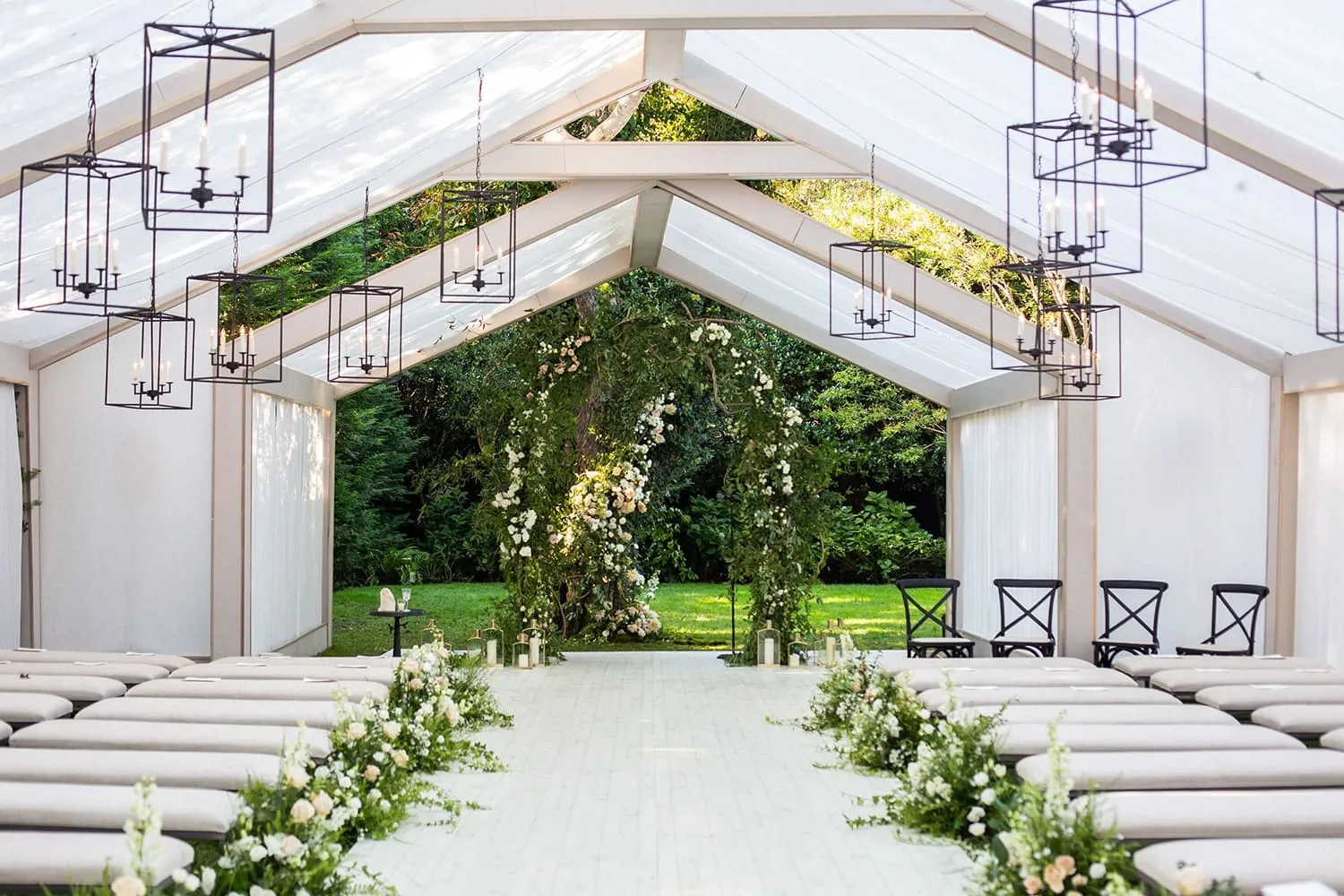
Weather plays a significant role in determining which tent type is most suitable for a summer wedding. Heat, humidity, wind, and occasional storms must all be considered during the planning process. Understanding local climate patterns can help in selecting the best tent features and accessories.
Selecting a tent that supports ventilation and weather protection helps ensure guests remain comfortable throughout the celebration. Additional weatherproofing options, such as waterproof flooring and reinforced sidewalls, can further enhance the tent’s resilience.
Ventilation and Airflow
Proper airflow prevents heat buildup inside the tent during warm summer afternoons. High tent peaks and open sidewalls allow hot air to rise and escape while cooler air circulates throughout the space. Incorporating natural ventilation strategies can reduce reliance on mechanical cooling systems.
Effective ventilation strategies often include:
- Opening tent sidewalls to allow natural airflow
- Positioning entrances to capture prevailing breezes
- Using fans to distribute air across seating areas
These techniques reduce the perception of heat and help maintain a pleasant environment during the event. In some cases, misting systems or portable air conditioning units may be added for additional cooling.
Rain and Wind Protection
Summer weather can change quickly, making weather-resistant materials essential for outdoor weddings. Choosing tents with high-quality, waterproof fabrics and sturdy frames helps protect guests and equipment from unexpected rain showers.
Most professional wedding tents use durable vinyl fabrics designed to resist water and protect guests during sudden rainfall. Sidewalls can also be installed quickly to shield guests from wind-driven rain. Additionally, weighted anchors and reinforced stakes improve stability in windy conditions.
Strong anchoring systems and professional installation help ensure the tent remains stable during windy conditions. Rental providers often assess the venue beforehand to determine the safest installation method. This proactive approach minimizes risks and enhances overall safety.
Planning Tent Size and Interior Layout in Summer
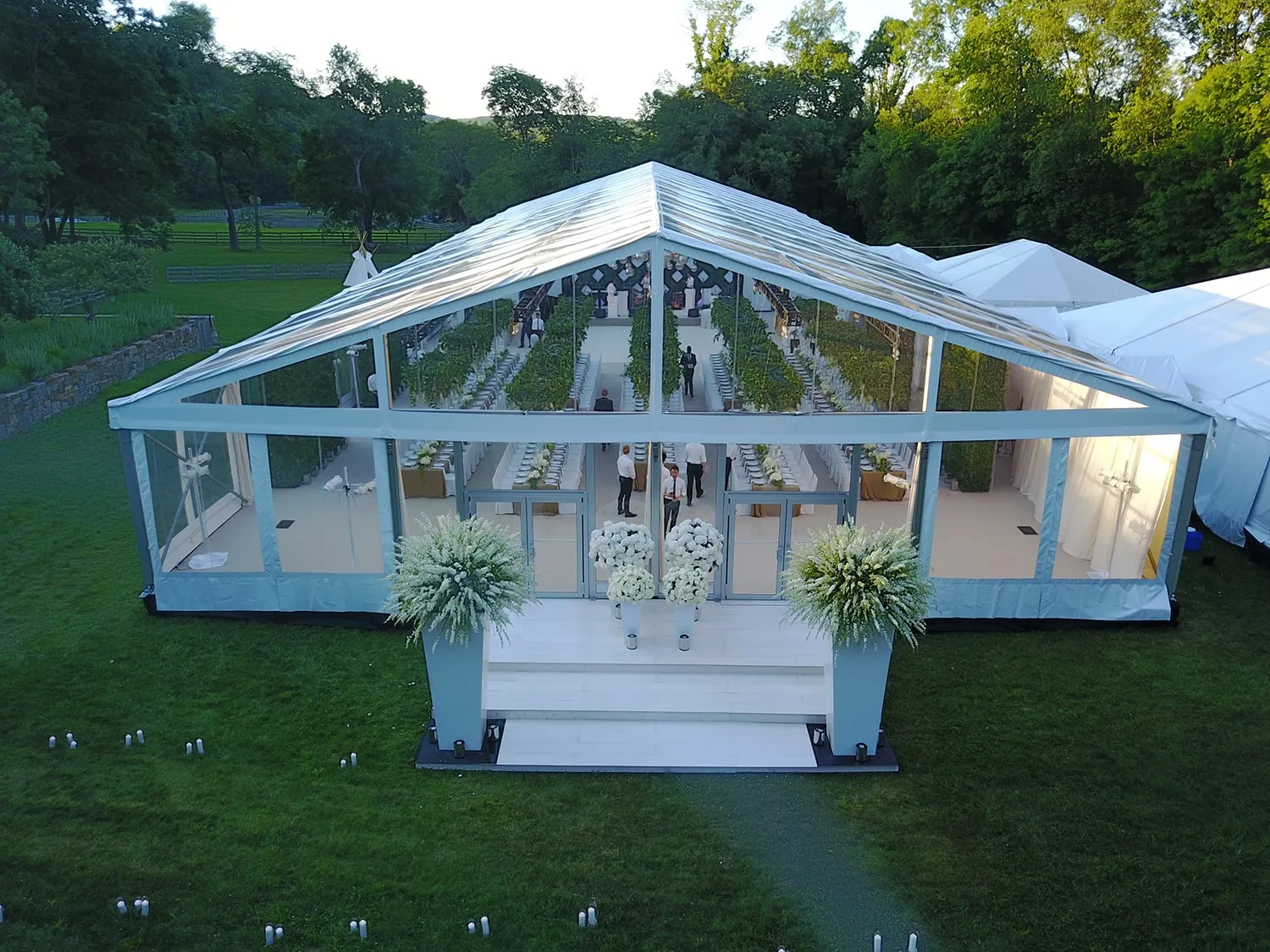
Choosing the correct tent size ensures the event space remains comfortable and functional. The tent must accommodate dining tables, dance floors, walkways, and vendor service areas without feeling crowded. Proper sizing also allows for smooth guest movement and emergency access.
Accurate sizing begins with estimating the number of guests attending the wedding. Considering additional space for catering, entertainment, and other event elements is equally important.
Calculating Space for Guest Comfort
Event planners often use square-foot guidelines to determine how much space is required for different seating arrangements. These guidelines help balance comfort with efficient use of space.
Typical space guidelines include:
- 10–12 square feet per guest for seated dinners
- 6–8 square feet per guest for cocktail-style receptions
- Additional space for dance floors, stages, and catering stations
These estimates help couples select a tent size that supports both seating and event activities. It is also advisable to allow some extra space for unexpected guests or last-minute additions.
Designing a Functional Layout
Layout planning determines how guests move through the space and interact during the reception. Dividing the tent into zones helps organize the event and prevent congestion. Thoughtful layout design enhances the overall flow and guest experience.
Common tent layout zones include:
- Dining areas with round or banquet tables
- Dance floors positioned near entertainment stages
- Lounge seating areas for relaxation and conversation
Testing several layout options during the planning process helps identify the arrangement that works best for the venue. Incorporating clear signage and lighting can further improve navigation within the tent.
Tent Rental Planning and Customization Options For Outdoor Weddings
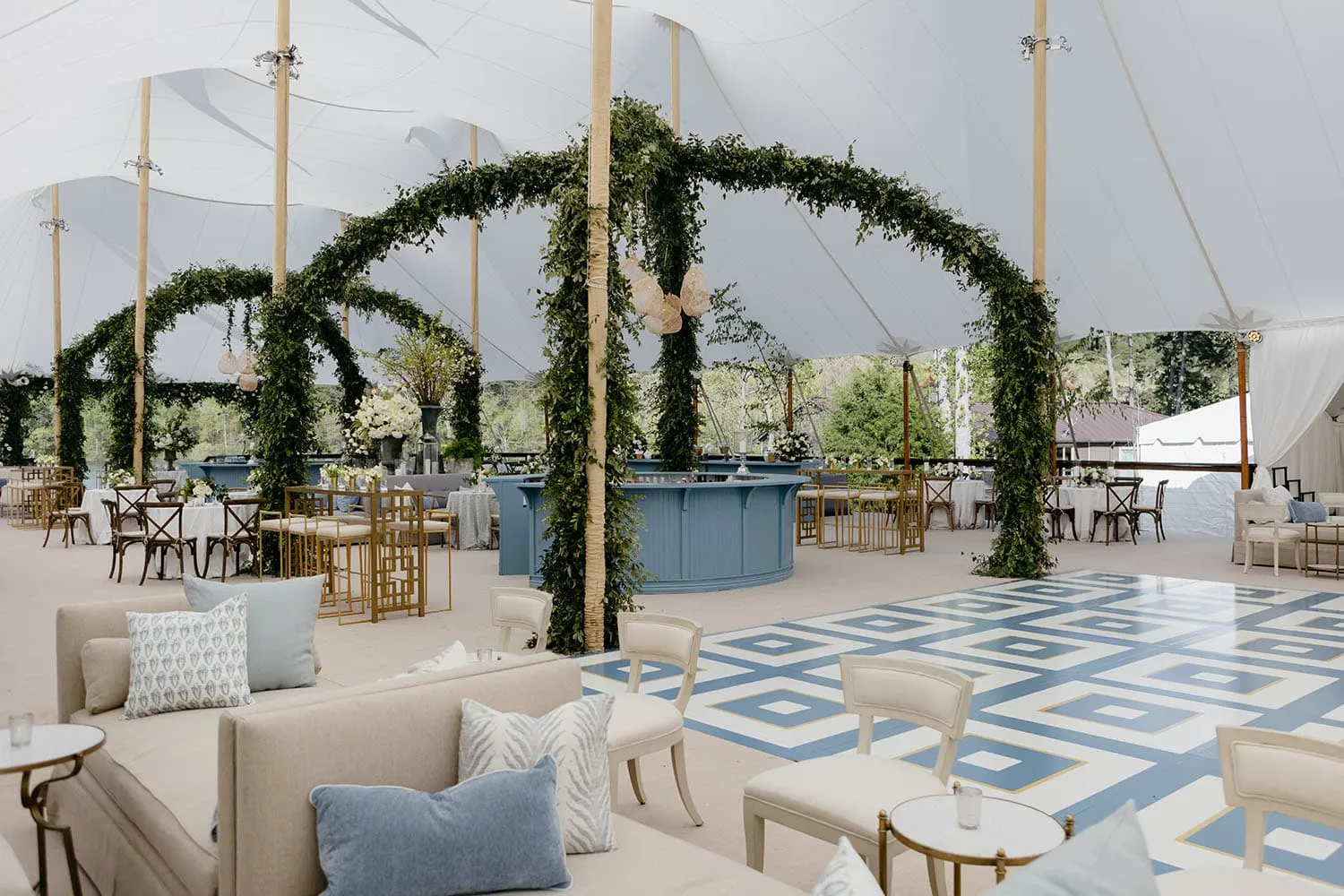
Renting a wedding tent involves several stages, including consultation, site evaluation, and installation planning. Early coordination with a tent provider ensures the structure fits the venue and event design. This collaboration also helps identify any special requirements or restrictions.
Many rental companies also offer customization options that enhance both the appearance and functionality of the tent. These options allow couples to personalize their wedding environment to reflect their unique style.
Steps in the Tent Rental Process
Most tent rental projects follow a structured planning process that helps ensure smooth installation. Clear communication between the couple, planners, and rental company is key to success.
The typical steps include:
- Initial consultation to determine tent size and style
- Site visit to evaluate terrain and installation requirements
- Proposal outlining tent layout and accessories
- Installation scheduling and coordination with other vendors
This process allows couples and planners to confirm all logistical details well before the wedding date. It also provides opportunities to address any potential challenges early on.
Customization and Event Design Options
Tent customization allows couples to transform a basic structure into a visually stunning wedding venue. These enhancements can significantly elevate the ambiance and guest experience.
Popular customization features include:
- Decorative lighting such as chandeliers or string lights
- Fabric draping and ceiling liners
- Flooring systems and elevated platforms
Additional options such as climate control systems, lounge furniture, and decorative installations can further enhance the overall atmosphere. Collaborating with experienced designers ensures these elements are integrated seamlessly and safely.
Working with an experienced tent provider ensures these design elements are integrated safely and effectively. Their expertise can also help optimize the use of space and improve event flow.
Frequently Asked Questions
What tent style is best for a summer wedding?
Frame tents, pole tents, and clearspan tents are the most common choices. The best option depends on the venue space, guest count, and desired layout. Considering factors such as weather, installation logistics, and aesthetic preferences will help narrow down the selection.
How large should a wedding tent be?
Tent size depends on the number of guests and the event layout. A seated reception typically requires about 10–12 square feet per guest. Additional space should be allocated for dance floors, stages, and vendor areas to ensure comfort and functionality.
When should a wedding tent be reserved?
Most couples book their tent several months before the wedding date, especially for summer events when demand is highest. Early reservation helps secure preferred tent styles and sizes and allows ample time for planning and customization.
Conclusion
Choosing the right tent for an outdoor summer wedding involves balancing structural design, weather protection, guest comfort, and layout flexibility. Frame tents, pole tents, and clearspan tents each offer unique advantages that can support different wedding styles and venue conditions. Thoughtful planning and early coordination with tent providers contribute to a successful and memorable event.
Skyline Tent Company specializes in creating luxury tent environments for weddings and outdoor celebrations. Schedule your private consultation with our team to explore tent solutions that transform your summer wedding into an unforgettable event space. Our experienced staff is dedicated to helping you design a tent setup that perfectly matches your vision and ensures a flawless celebration.