
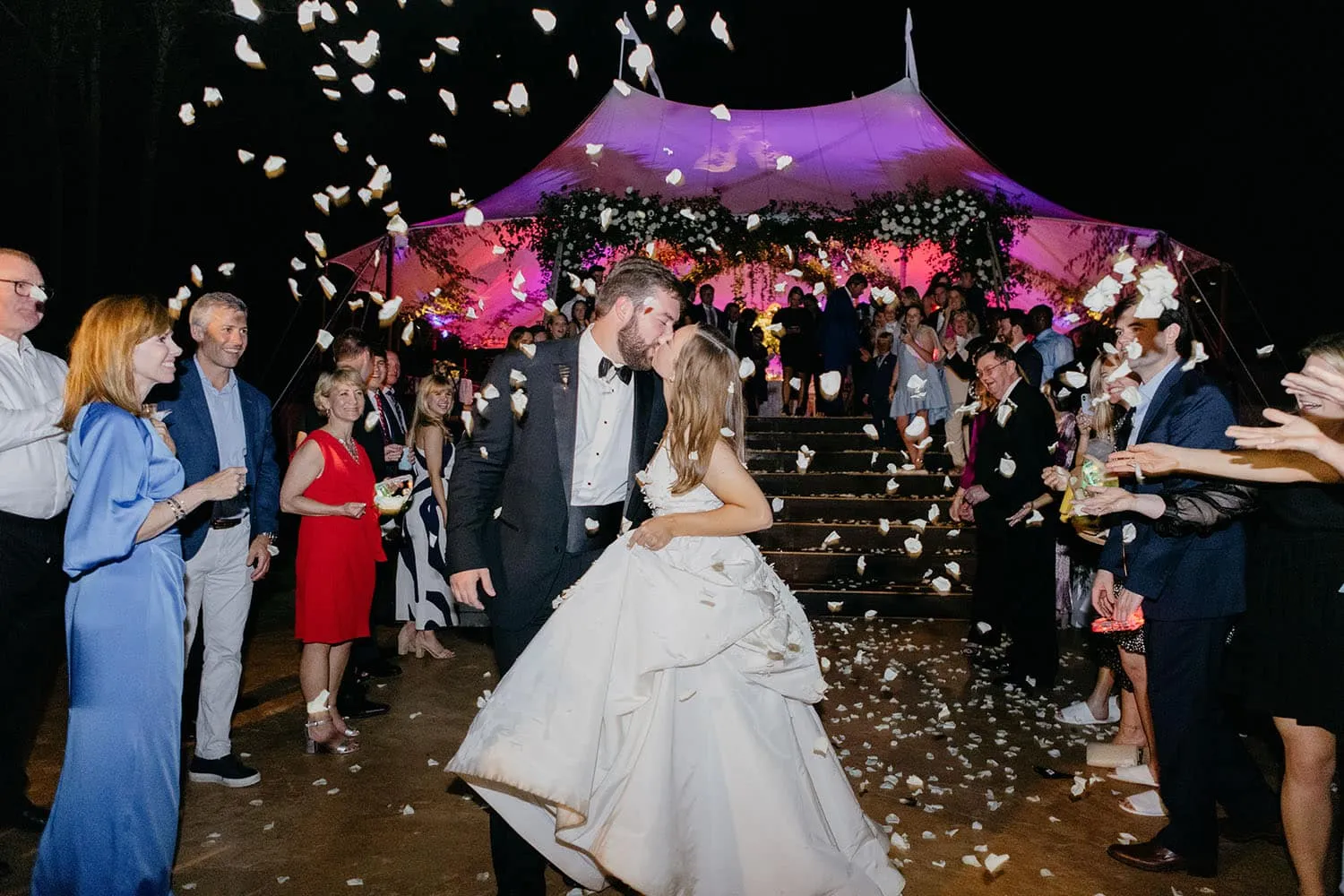
The best lighting for a wedding tent at night combines ambient lighting, decorative fixtures, and accent illumination to create both visibility and atmosphere. Popular options include string lights, chandeliers, lanterns, and LED uplighting. When these lighting types are layered thoughtfully, they transform a tent into an elegant evening venue that feels warm, inviting, and visually memorable for guests.
Nighttime tent lighting does more than simply illuminate the space, especially when incorporated into a complete outdoor wedding tent guide for luxury summer events. It influences how guests experience the environment, guiding movement through the tent while highlighting key elements such as dining tables, décor installations, and the dance floor. Well-planned lighting also enhances photography and ensures that guests remain comfortable and safe throughout the event.
Because tents lack built-in lighting infrastructure, the lighting plan must be designed from the ground up. Planners typically combine several fixture types to create a layered lighting design that balances functionality with visual elegance. The result is an immersive environment where lighting enhances every moment of the celebration.
Popular Lighting Types for Wedding Tents
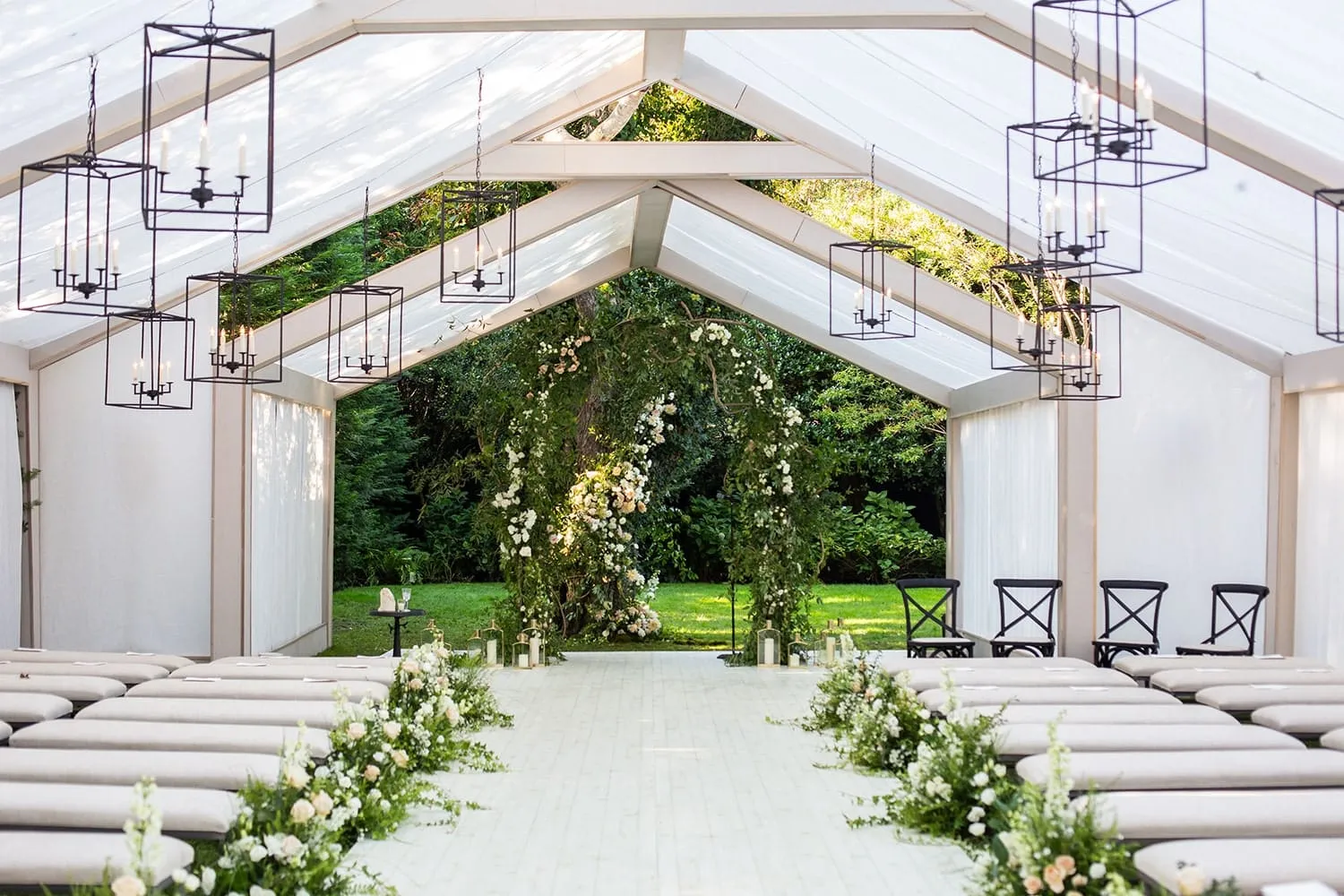
Different lighting fixtures produce different visual effects inside a tent. The most successful lighting plans combine several fixture types to create depth and balance.
When selecting fixtures, couples should consider the size of the tent, ceiling height, and the overall design style of the wedding.
String Lights for Soft Ambient Glow
String lights are one of the most popular choices for wedding tents because they create a soft and romantic glow across the entire ceiling.
These lights are often draped from the center peak of the tent or woven between structural poles to form a canopy of light.
Benefits of string lights include:
- Warm, flattering light that complements evening events
- Flexible installation across ceilings, poles, or entryways
- Subtle ambiance that enhances décor without overpowering it
String lights work particularly well in sailcloth or pole tents, where the high peaks allow lighting to radiate outward and create a star-like effect above guests.
Chandeliers for Elegant Focal Points
Chandeliers add sophistication and visual impact to a wedding tent. They often serve as central design features positioned above dining areas or dance floors.
Crystal or decorative chandeliers reflect light throughout the tent and create a refined atmosphere suitable for luxury events.
Because chandeliers are visually prominent, planners often use them strategically to define focal points such as:
- Head tables
- Dance floors
- Central dining areas
This placement ensures the lighting becomes both functional and decorative.
Installing Tent Lighting Safely and Effectively
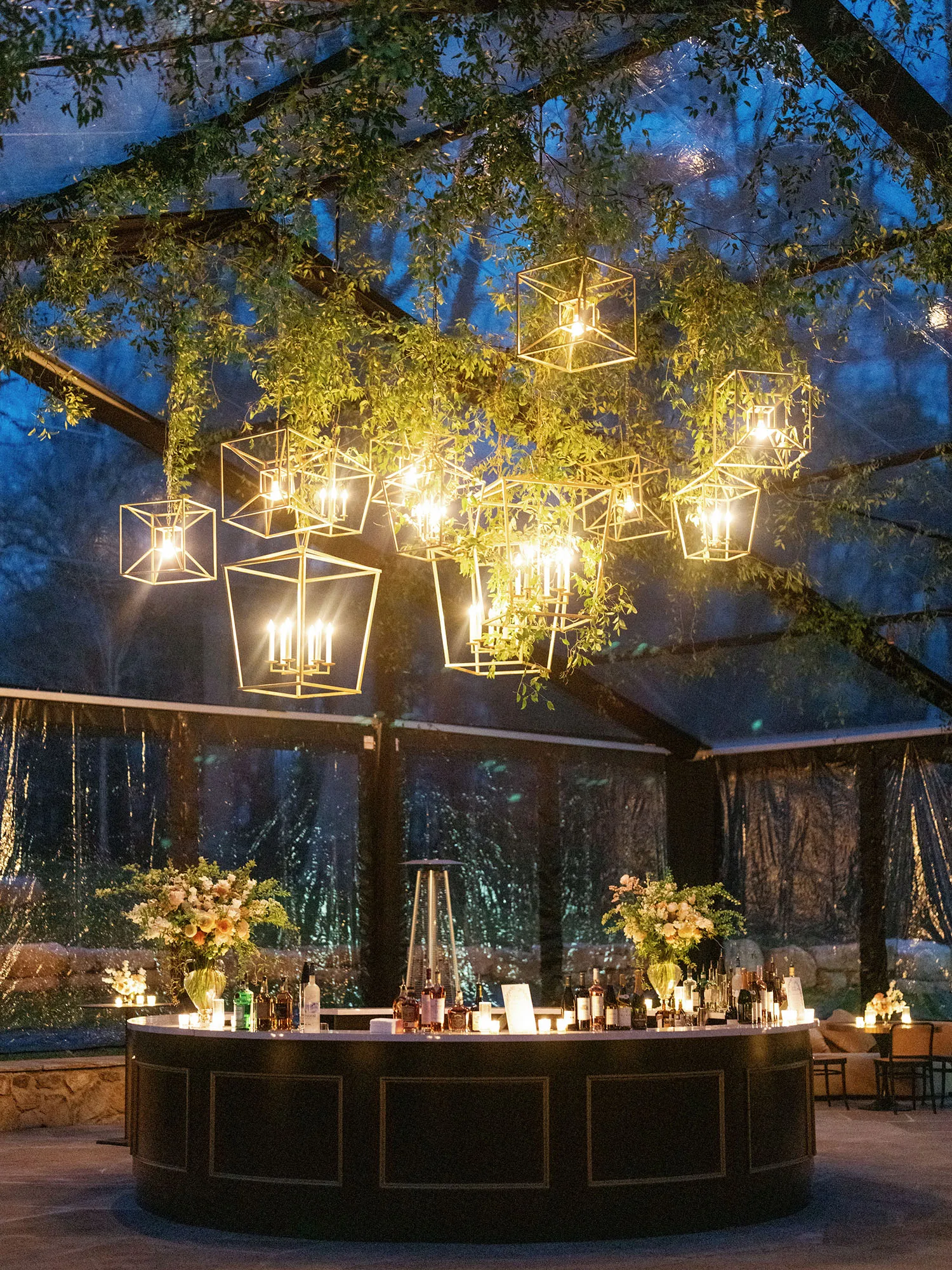
Lighting installation requires careful planning to ensure both safety and reliability. Proper mounting and electrical setup help prevent issues during the event.
Professional installation teams typically evaluate tent structure, power access, and weather conditions before installing lighting equipment.
Electrical Safety Considerations
Temporary event lighting must meet safety standards appropriate for outdoor installations. Using the correct cables and connectors helps prevent electrical hazards.
Important safety practices include:
- Using outdoor-rated fixtures and extension cords
- Protecting electrical connections from moisture
- Distributing power loads across multiple circuits
Following these guidelines ensures the lighting system operates safely throughout the event.
Mounting Fixtures to Tent Structures
The method used to secure lighting fixtures affects both performance and stability. Hanging fixtures should always be attached using approved mounting hardware designed for tent installations.
Event technicians typically secure lights using clamps, rigging points, or specialized hooks attached to the tent frame.
Proper mounting ensures fixtures remain stable even during complex wedding tent setups where weather and movement must be considered.
Creating Atmosphere with Layered Lighting
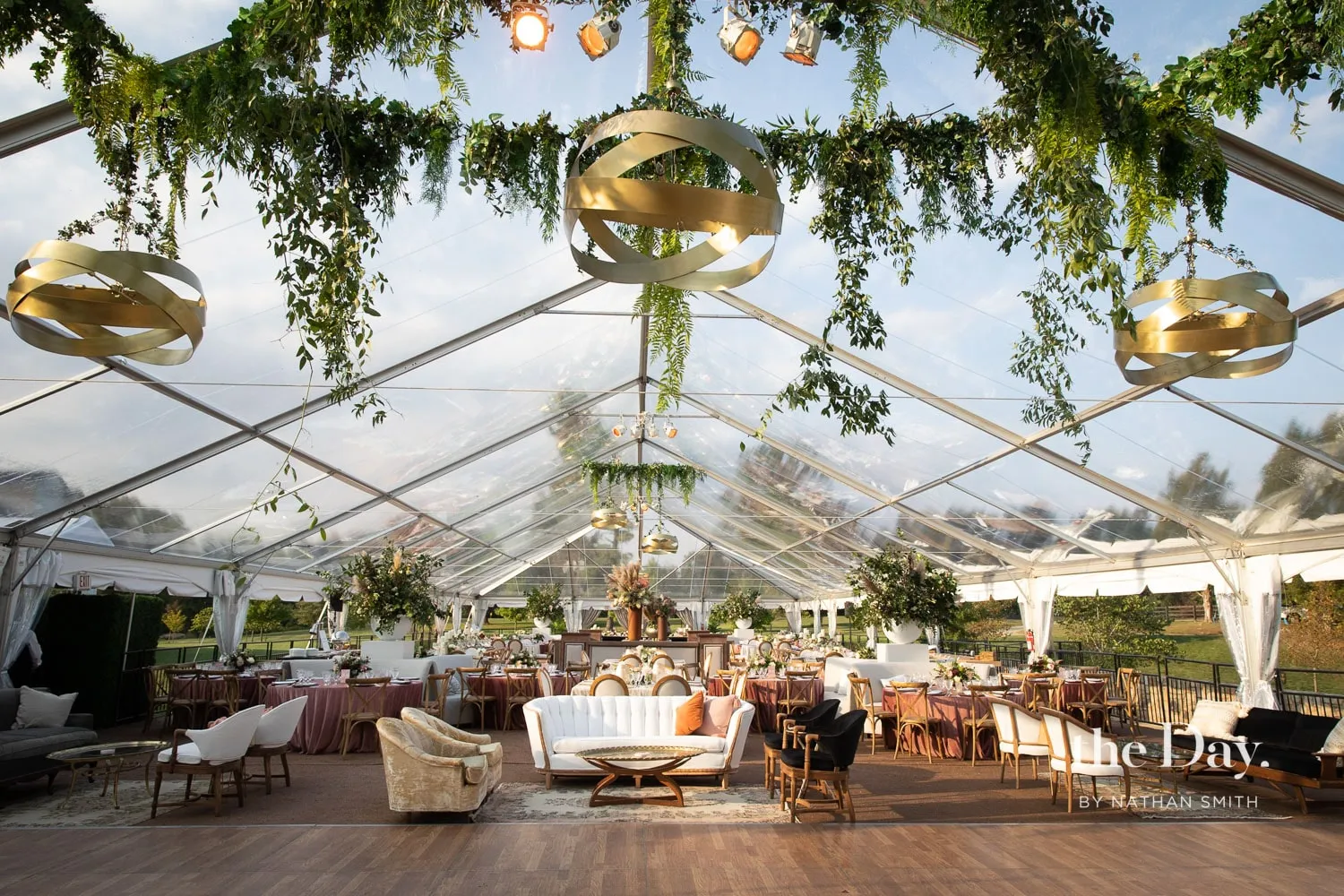
Layered lighting design is essential for creating an engaging environment inside a wedding tent. Combining multiple light sources allows planners to control both brightness and mood throughout the event. Read more in Cozy Lighting Design Ideas for Fall Wedding Tents.
Different lighting layers serve different purposes within the tent.
Ambient Lighting for General Illumination
Ambient lighting provides the overall brightness needed for guests to move comfortably throughout the space. It acts as the foundation of the lighting plan.
Common ambient lighting options include:
- Ceiling string lights
- Soft LED panels or overhead fixtures
- Suspended lanterns distributed throughout the tent
These fixtures provide even illumination without creating harsh shadows.
Accent Lighting for Visual Interest
Accent lighting highlights specific areas of the tent and draws attention to important features.
Examples of accent lighting include:
- LED uplighting placed along tent poles
- Pin spots illuminating floral centerpieces
- Spotlights highlighting cake tables or décor installations
Accent lighting helps create visual depth while reinforcing the design elements of the wedding. Read more in Romantic Winter Wedding Lighting Ideas for Tented Celebrations.
Lighting Rental and Design Services
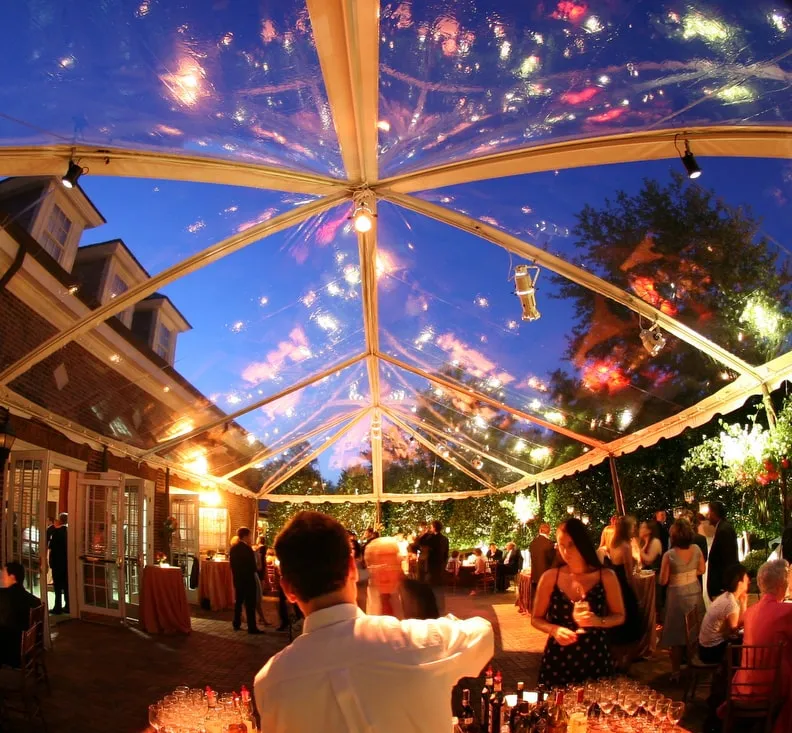
Many couples choose to rent lighting equipment rather than purchasing it. Rental services provide access to professional-grade fixtures along with installation expertise.
Working with an experienced lighting provider can simplify the planning process alongside choosing the right wedding tent provider for the event.
Benefits of Renting Wedding Tent Lighting
Lighting rental companies offer packages that include fixtures, installation, and removal services. This approach allows couples to focus on design rather than technical logistics.
Advantages of renting lighting include:
- Access to professional equipment without large upfront costs
- Installation support from experienced technicians
- Flexibility to customize lighting styles and colors
Rental companies often provide sample layouts or visual renderings that help couples visualize the final lighting design.
Custom Lighting Designs for Weddings
Professional lighting designers can tailor a lighting plan to match the overall theme of the wedding.
Design elements may include color-changing LED uplights, programmable dimmers, or specialty fixtures that enhance decorative features.
By coordinating lighting with floral arrangements, fabrics, and furniture placement, designers create a cohesive environment that supports the entire event aesthetic.
Budget Planning for Wedding Tent Lighting
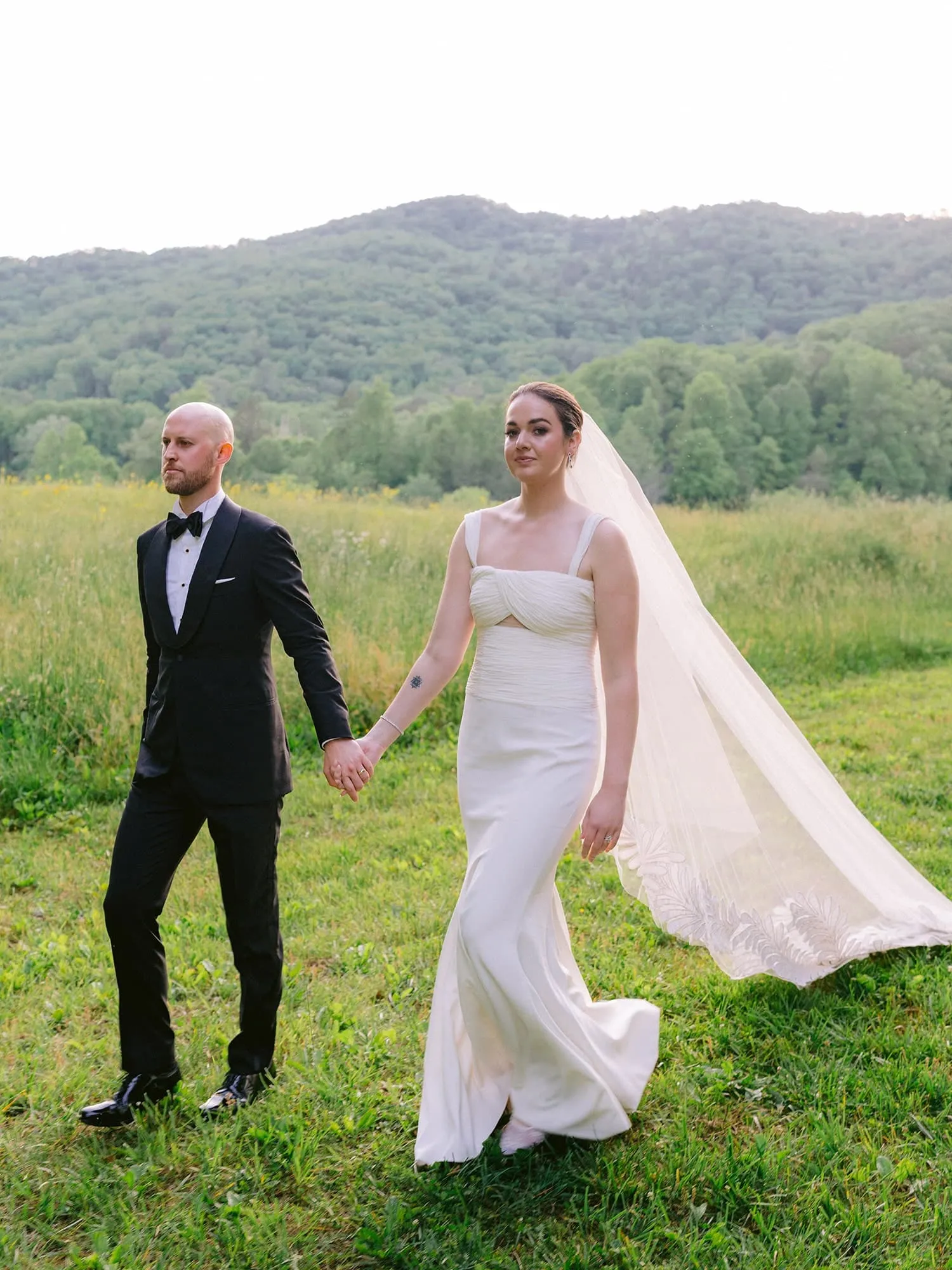
Lighting costs vary depending on fixture types, installation complexity, and rental services. Establishing a clear budget helps couples prioritize the elements that will have the greatest visual impact.
Event planners often allocate part of the décor budget specifically for lighting design.
Understanding Lighting Cost Factors
Several variables influence the total cost of a tent lighting installation.
These factors typically include:
- Number and type of fixtures used
- Labor required for installation and removal
- Additional equipment such as dimmers or power distribution
Larger tents with complex lighting designs naturally require more fixtures and technical support.
Smart Budgeting Strategies
Couples can manage lighting expenses by focusing on key areas that will have the greatest effect on the event atmosphere.
Effective budgeting strategies include:
- Prioritizing statement fixtures such as chandeliers
- Using string lights for broad ambient coverage
- Limiting specialty lighting to focal areas like the dance floor
These strategies allow planners to create a visually impressive environment without unnecessary spending.
Additional Lighting Considerations for Wedding Tents
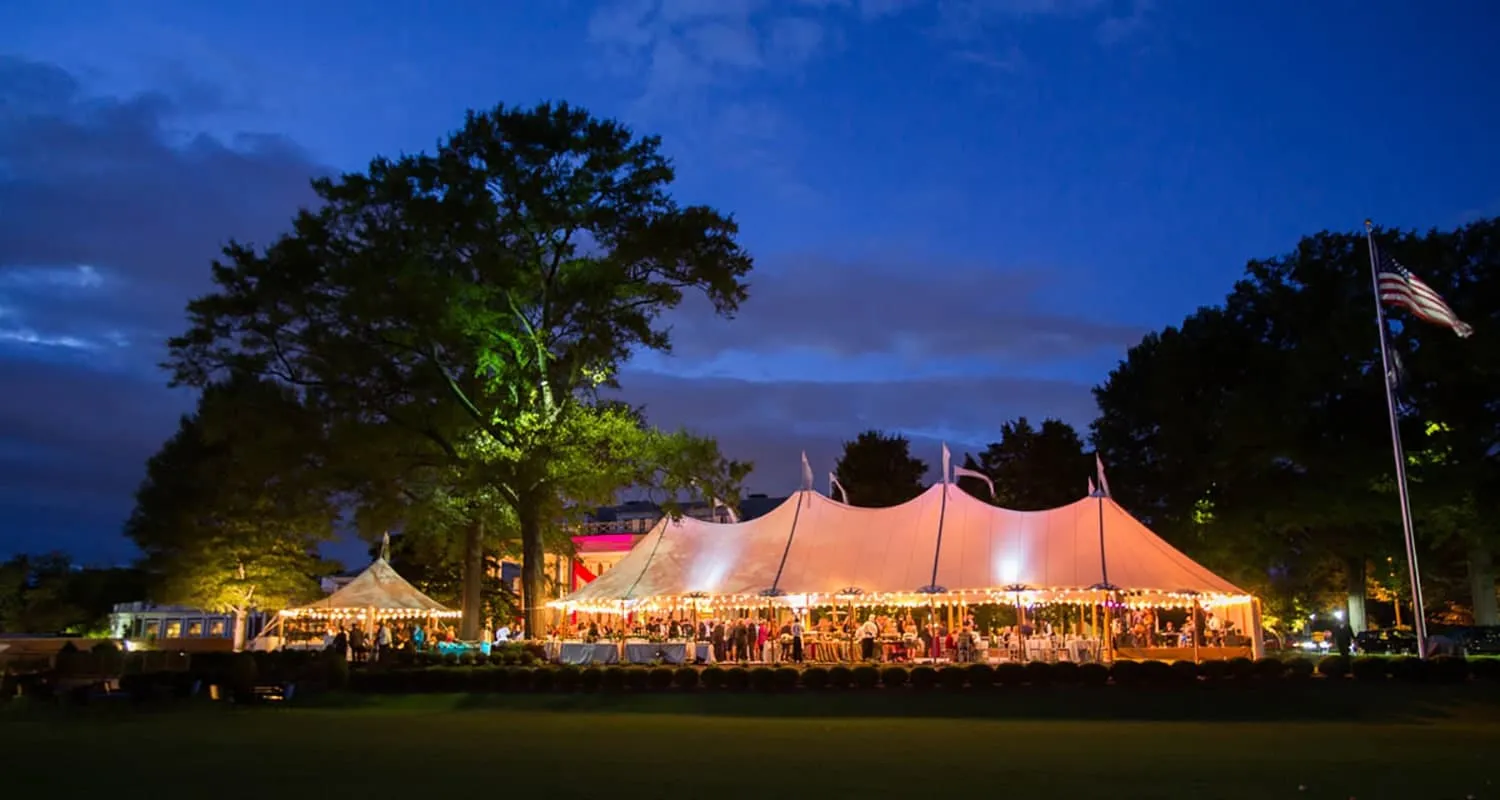
Beyond the basic types and installation methods, there are several other factors couples and planners should consider to optimize the lighting experience in a wedding tent.
Color Temperature and Mood
The color temperature of lighting significantly affects the mood inside the tent. Warmer tones (around 2700K to 3000K) create a cozy, intimate atmosphere, while cooler tones (above 4000K) can feel more modern and energetic. Mixing color temperatures strategically can help define different zones within the tent, such as warmer lighting for dining areas and cooler lighting near the bar or dance floor.
Energy Efficiency and Sustainability
LED lighting has become the preferred choice for wedding tents due to its energy efficiency and long lifespan. Using LED fixtures not only reduces power consumption but also minimizes heat output, which is especially important in enclosed tent environments. Couples interested in eco-friendly weddings can also explore solar-powered lighting options or rechargeable battery-operated fixtures to reduce environmental impact.
Controlling Lighting with Technology
Modern lighting systems often include programmable controls that allow for dynamic changes throughout the event. Dimmers, color changers, and remote controls enable seamless transitions from ceremony to cocktail hour to dancing. This flexibility enhances the guest experience by adapting the lighting to suit each moment, such as dimming lights during speeches or brightening the dance floor during high-energy songs.
Incorporating Natural Elements
Integrating natural elements like candles, fairy lights in greenery, or lanterns with real flames can add an organic touch to the lighting design. While open flames require careful safety considerations, they contribute a unique warmth and flicker that electric lights cannot replicate. Combining these with electric lighting creates a layered and textured visual effect that elevates the overall ambiance.
Weather and Environmental Factors
When planning lighting for outdoor wedding tents, it’s important to consider weather conditions such as wind, rain, and temperature fluctuations. Choosing weather-resistant fixtures and ensuring secure mounting can prevent damage and maintain safety. Additionally, planning for backup power sources or generators can help avoid interruptions in lighting during unexpected outages, ensuring the event runs smoothly regardless of environmental challenges.
Frequently Asked Questions
What lighting creates the most romantic atmosphere in a wedding tent?
Warm string lights, chandeliers, and lanterns are commonly used to create a soft and romantic atmosphere.
How bright should a wedding tent be at night?
Lighting should be bright enough for guests to move safely while remaining soft enough to maintain an intimate ambiance.
Do wedding tents require professional lighting installation?
For complex lighting setups, professional installation is recommended to ensure safety and proper fixture placement. See every structure we offer in our luxury tent rentals.
Conclusion
The best lighting for a wedding tent at night combines ambient illumination, decorative fixtures, and accent lighting to create a balanced and elegant environment. Thoughtful lighting design enhances guest comfort while highlighting the beauty of the tent interior. Read more in What Flooring Works Best for Stunning Luxury Tent Events.
Skyline Tent Company specializes in designing luxury tent environments for weddings and large outdoor events. Schedule your private consultation to explore lighting and tent solutions that transform your celebration into a stunning evening experience. For inspiration from past installs, browse our tent gallery.