
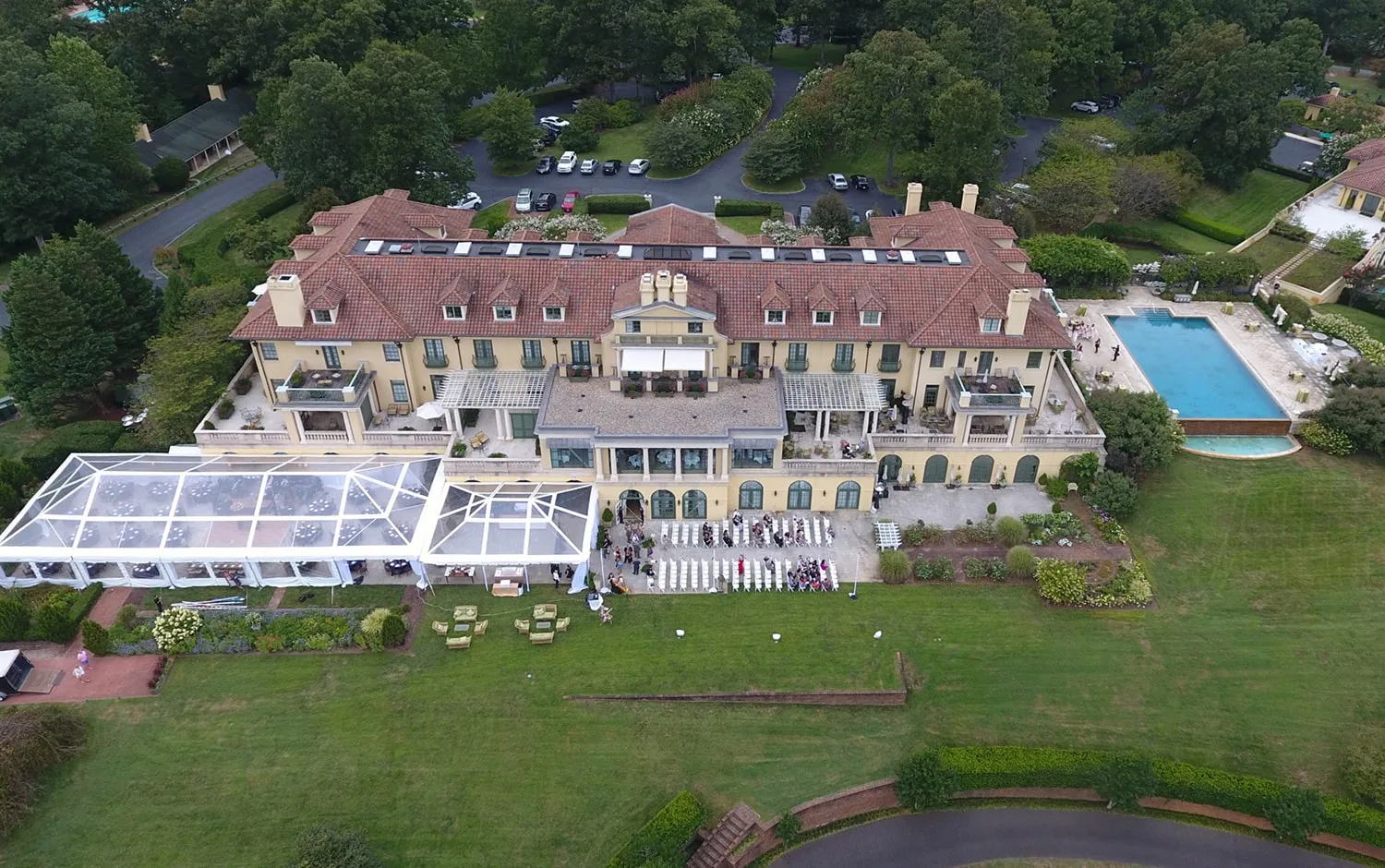
Luxury summer wedding tent design trends focus on combining refined aesthetics with comfort, flexibility, and immersive guest experiences. The most popular approaches include open, unobstructed tent structures, layered décor, seamless indoor-outdoor integration, and advanced lighting and climate control. When these elements are thoughtfully combined, they transform a tent into a sophisticated, fully customized venue that feels both elegant and effortless.
Modern tented weddings are no longer just about shelter, they are about creating a complete environment inspired by a full summer wedding tent guide for luxury outdoor celebrations. Couples are prioritizing spaces that feel curated, intentional, and aligned with their overall vision. This has led to a shift toward designs that balance visual impact with functionality, ensuring that every detail contributes to the guest experience.
From the structure of the tent itself to the smallest décor elements, every choice plays a role in shaping the atmosphere. The most successful designs bring together architecture, layout, lighting, and materials into a cohesive and elevated setting. A well-designed tent should feel like a natural extension of the surrounding environment while still offering a sense of exclusivity and refinement.
Choosing the Right Tent Style for a Modern Luxury Aesthetic
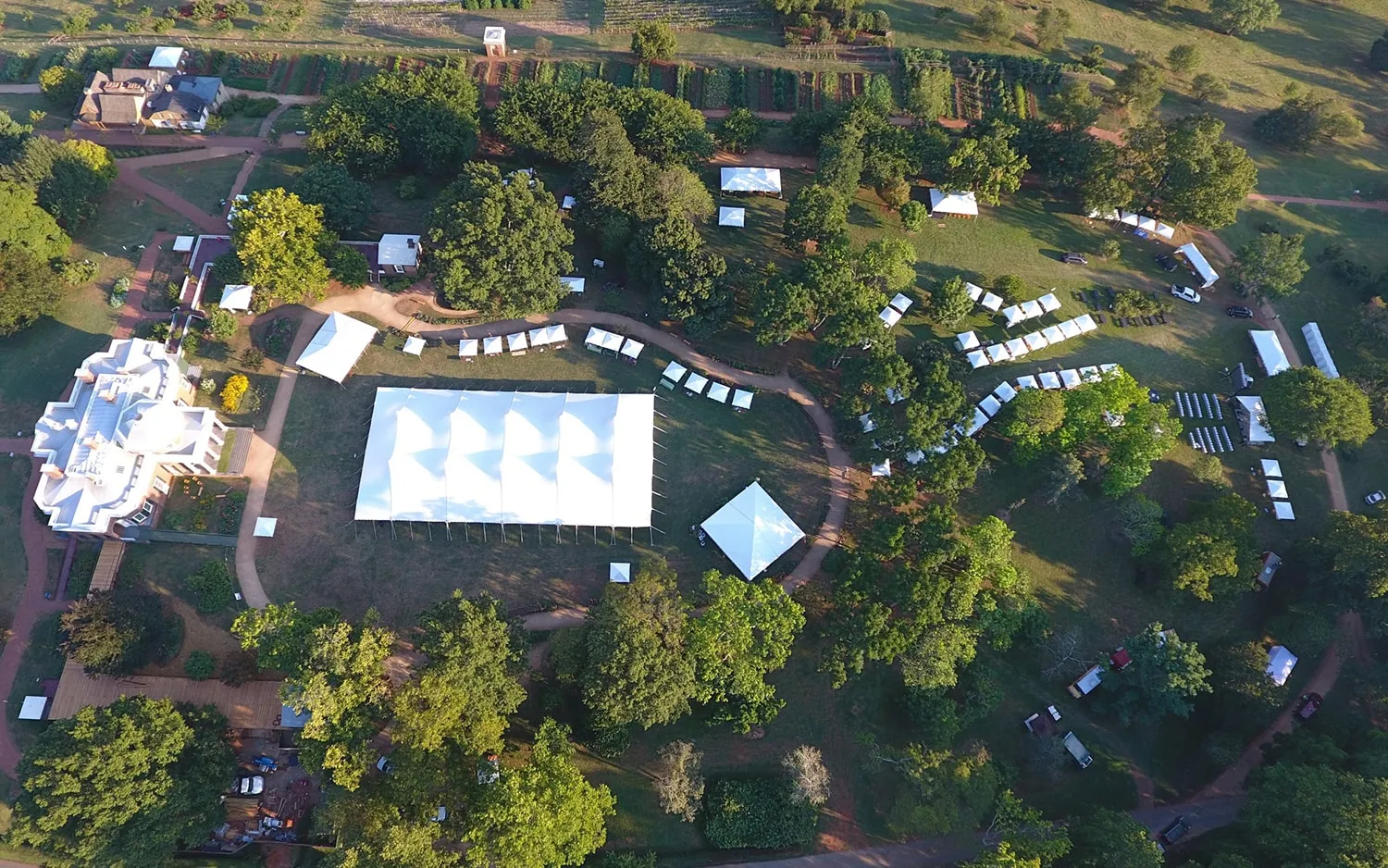
The tent structure sets the foundation for the entire event. Selecting the right style ensures both visual impact and functional flexibility.
Different tent types offer unique advantages, and the right choice depends on the scale of the event, the venue, and the desired aesthetic. The structure should feel intentional and aligned with the setting, whether it is a coastal property, private estate, or open landscape.
High-End Tent Styles for Summer Weddings
Luxury summer weddings often feature tent styles that emphasize openness, height, and elegance. Clear-span tents provide uninterrupted interiors that allow for expansive layouts, while sailcloth tents create a softer, more romantic atmosphere with filtered natural light.
High-peak frame tents offer a balance between structure and style, delivering clean lines and a refined silhouette that works well across a range of settings. These styles allow designers to create environments that feel spacious and visually striking without sacrificing comfort.
The selection of tent style also influences how natural light interacts with the space throughout the day. In the evening, these structures provide an ideal canvas for lighting design, allowing the atmosphere to evolve as the event progresses.
Structural Impact on Design and Layout
The structure of the tent directly influences how the interior space can be designed, especially when planning an efficient reception tent layout for guests and vendors. Open interiors allow for flexible layouts, while certain tent types introduce structural elements that must be incorporated into the design.
Clear-span tents support complex layouts with multiple zones, while pole tents require thoughtful planning around center supports. Each structure shapes how lighting, décor, and furniture are arranged within the space.
A well-chosen structure makes it easier to create balance within the layout, ensuring that no area feels overcrowded or underutilized. This foundation supports both the visual design and the overall guest experience.
Designing Layouts That Enhance Flow and Guest Experience
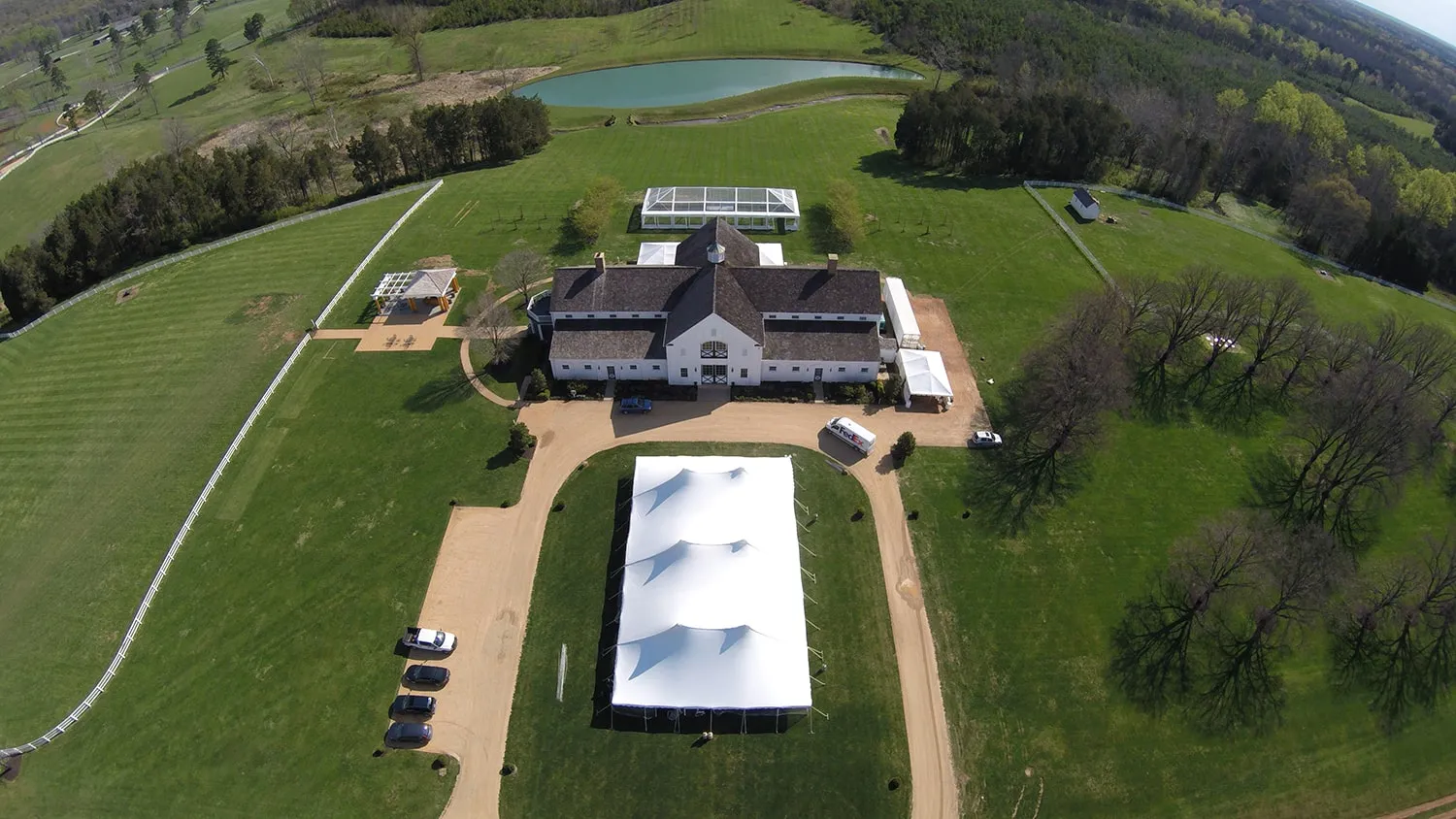
Modern wedding tent layouts prioritize movement, accessibility, and clearly defined spaces. A well-planned layout ensures that guests can navigate the event comfortably while enjoying each part of the celebration.
Creating structure within the space allows the event to feel organized without being restrictive. The layout should feel intuitive, guiding guests naturally from one area to another.
Creating Functional Zones Within the Tent
Dividing the tent into distinct zones helps organize the event and improve guest flow. Each area should serve a specific purpose while remaining connected to the overall layout.
Key layout elements often include:
- Dining areas designed for comfort and conversation
- Dance floors positioned for visibility and energy
- Lounge spaces that provide a relaxed atmosphere
These zones create variety within the event while maintaining a cohesive experience. The placement of each zone should reflect how guests will move and interact throughout the celebration.
Designers often use subtle transitions, such as changes in lighting, flooring, or furniture, to define each area without disrupting the overall flow.
Managing Circulation and Accessibility
Smooth circulation is essential for both guest comfort and event efficiency. Pathways should be wide, clear, and easy to navigate.
Strategic placement of high-traffic areas, such as bars and service stations, helps prevent congestion and improves tent bar layouts during large receptions. Accessibility should also be considered to ensure all guests can move comfortably throughout the space.
A well-balanced layout allows the event to flow naturally from one moment to the next. When circulation is thoughtfully planned, guests remain engaged and comfortable without ever feeling confined or overwhelmed.
Elevating Tent Design with Luxury Décor Elements
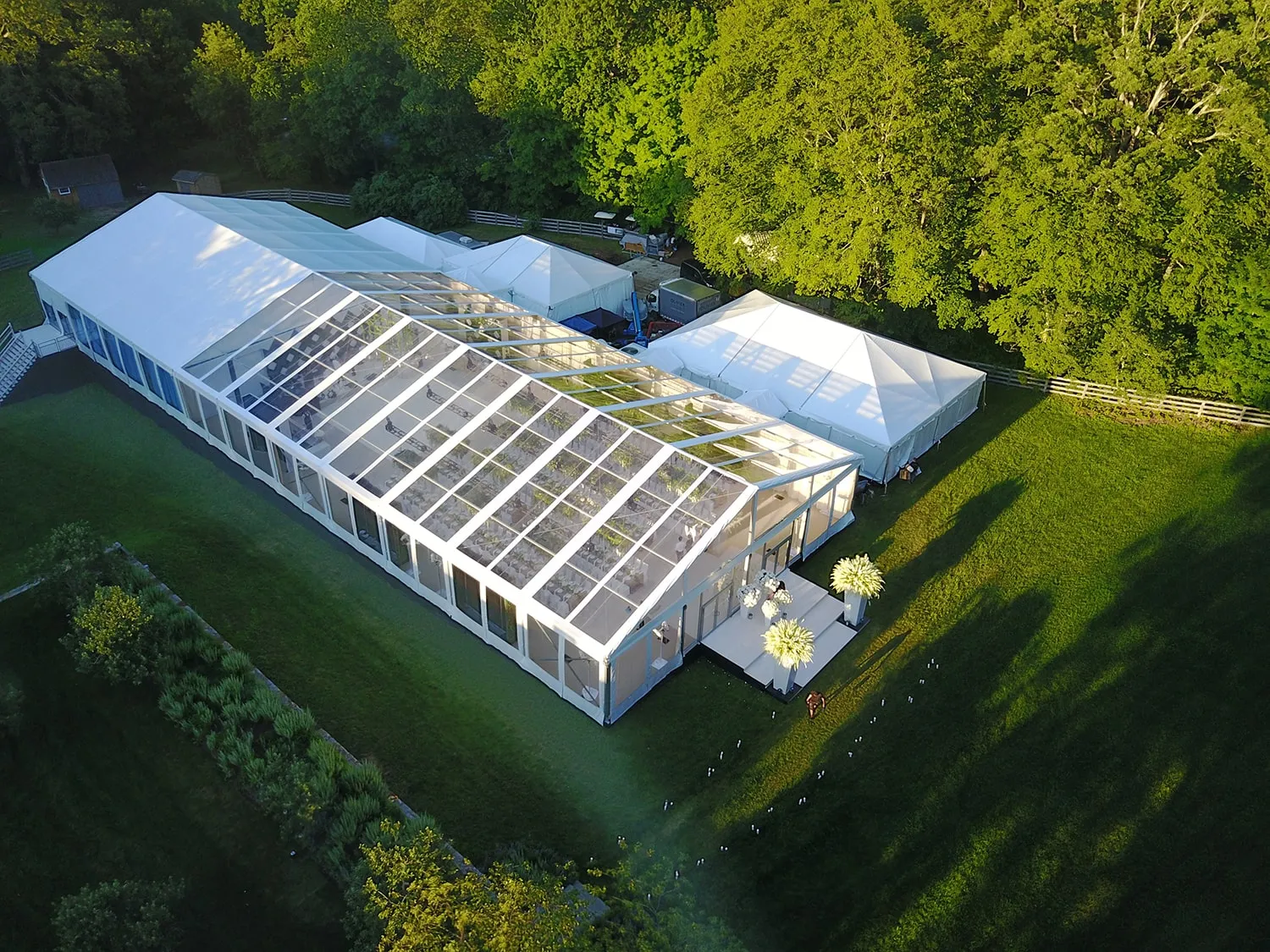
Décor plays a central role in defining the atmosphere of a luxury wedding tent. Current trends focus on layering textures, incorporating natural elements, and creating visually cohesive environments.
The goal is to design a space that feels immersive and thoughtfully curated. Every element should contribute to a unified aesthetic that reflects the couple’s vision.
Layered Materials and Textural Design
Combining different materials adds depth and sophistication to the tent interior. Fabrics, wood accents, and metallic finishes work together to create a rich visual experience.
Layered design allows planners to build dimension within the space, ensuring that no area feels flat or unfinished. This approach also helps soften structural elements, creating a more refined environment.
The use of draping, flooring, and textiles can also influence acoustics and comfort, enhancing the overall guest experience beyond visual appeal.
Statement Features and Visual Focal Points
Luxury tent design often incorporates statement elements that draw attention and define the space. These features can include large-scale floral installations, dramatic lighting fixtures, or custom-designed focal areas.
These elements should be positioned strategically to guide the eye and create memorable moments throughout the event.
When integrated effectively, statement features elevate the overall design without overwhelming the space. They also provide natural gathering points, encouraging interaction and enhancing the flow of the event.
Integrating Lighting and Climate for a Refined Experience
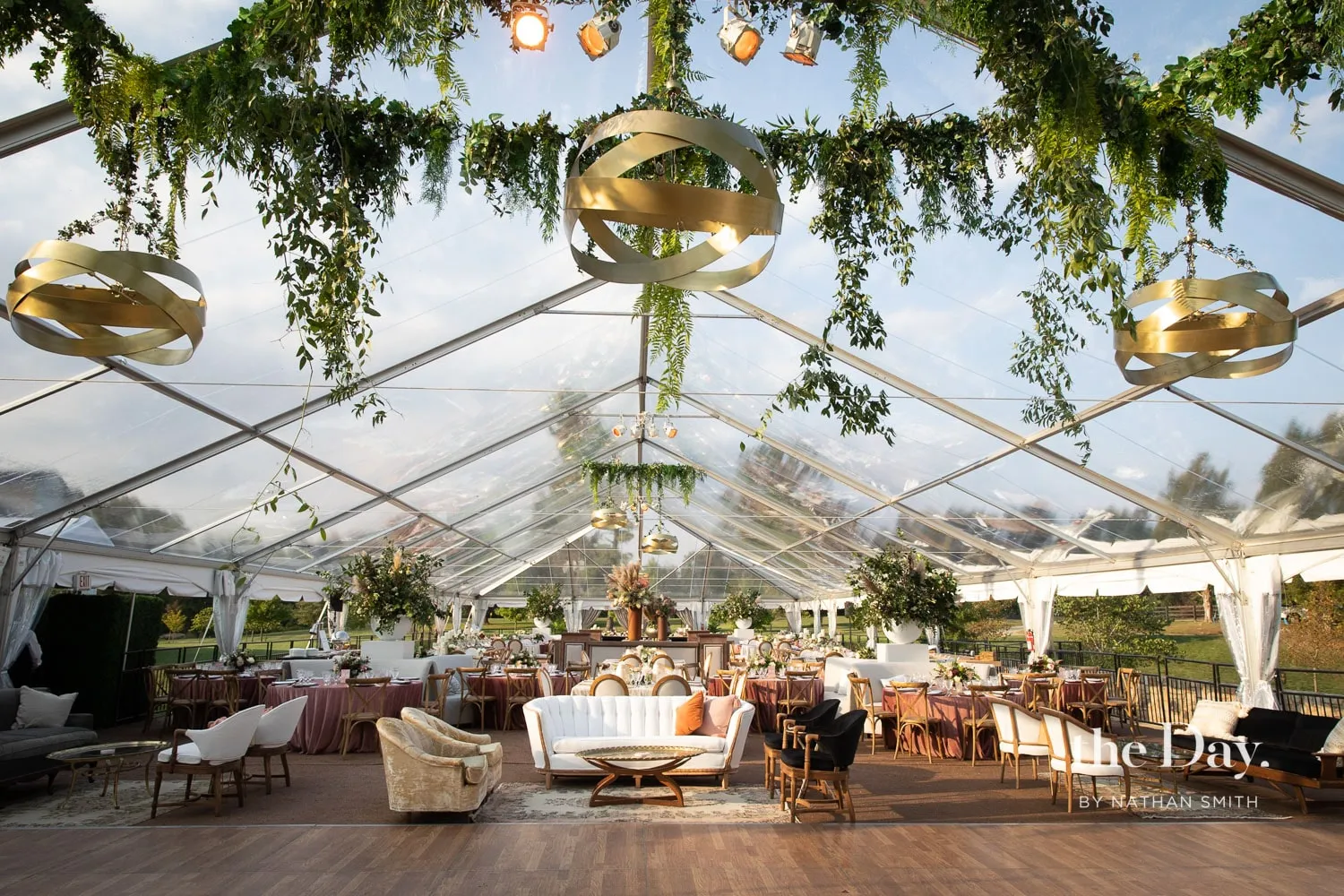
Lighting and climate control are essential components of a successful summer wedding tent. These elements influence both the atmosphere and the comfort of the space.
A well-designed environment balances visual appeal with practical functionality. The goal is to create a setting that feels comfortable at every stage of the event.
Layered Lighting for Atmosphere and Function
Lighting design should combine multiple sources to create depth and flexibility. Ambient lighting provides overall illumination, while accent lighting highlights key features.
Common lighting strategies include:
- Overhead installations such as chandeliers or string lighting
- Accent lighting that enhances décor and architectural details
- Subtle pathway lighting for safety and navigation
Layered lighting allows the space to transition seamlessly from daytime to evening. As natural light fades, artificial lighting takes over to maintain the mood and visual clarity of the event.
The ability to adjust lighting throughout the evening helps create distinct moments, from dinner to dancing.
Climate Control and Guest Comfort
Maintaining a comfortable environment is essential for guest satisfaction. Summer conditions require thoughtful planning to ensure proper airflow and temperature regulation.
Open tent designs, strategic placement, and ventilation solutions all contribute to a more comfortable space. Additional enhancements, such as shaded areas and airflow management, help maintain a consistent environment throughout the event.
Guest comfort should remain a priority throughout the planning process, as it directly impacts how the event is experienced and remembered.
Embracing Modern Trends in Materials and Outdoor Integration
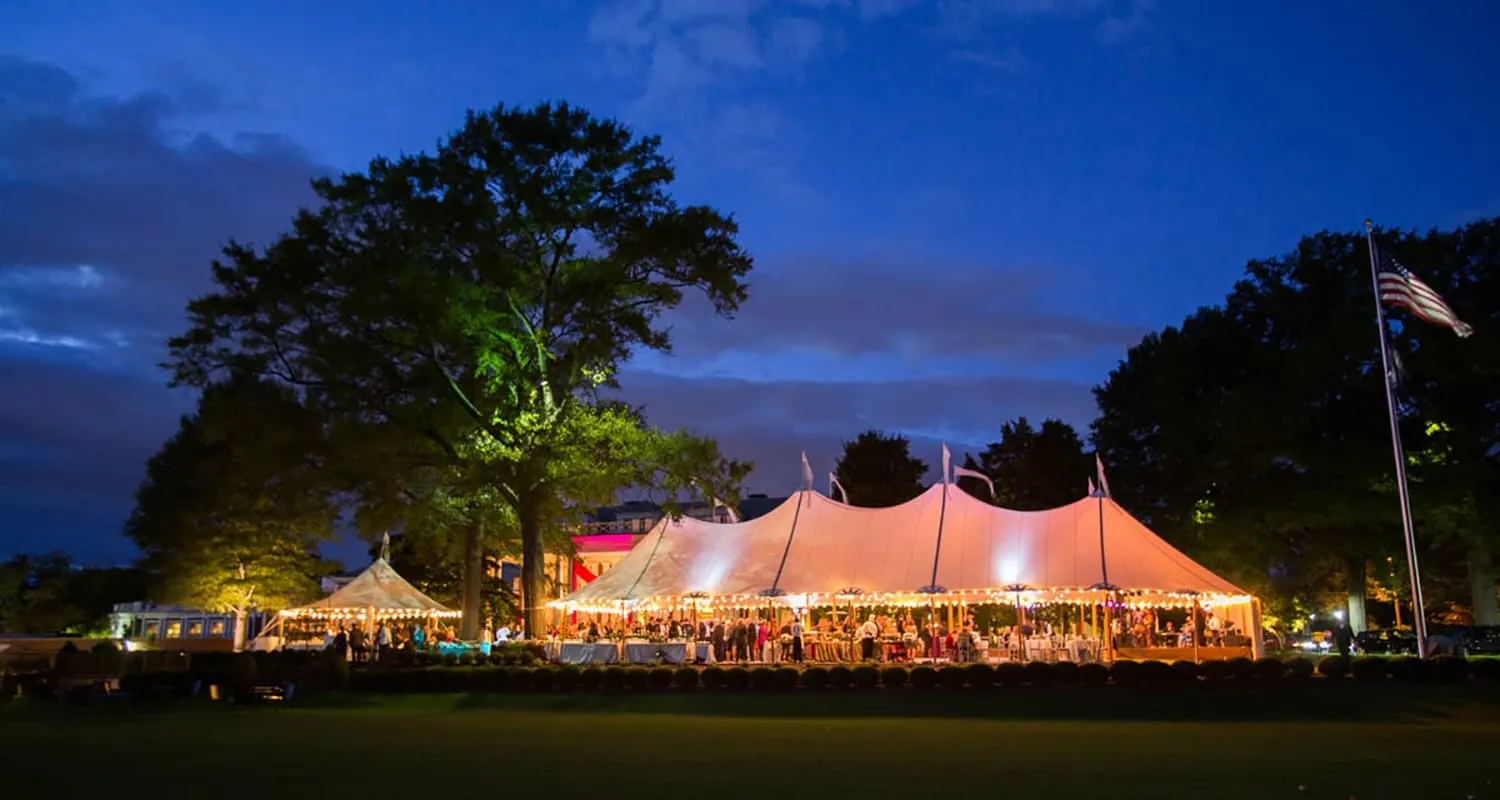
Luxury wedding tent design continues to evolve with a focus on sustainability, customization, and seamless integration with outdoor environments.
These trends reflect a broader shift toward more personalized and adaptable event experiences. Couples are increasingly looking for ways to create events that feel unique while remaining connected to their surroundings.
Sustainable Materials and Design Choices
Sustainability has become an important consideration in modern wedding design. Many couples are choosing materials that balance environmental responsibility with visual appeal.
Durable fabrics, reusable elements, and thoughtful sourcing contribute to a more sustainable approach without compromising on style.
These choices also reflect a broader awareness of environmental impact, allowing couples to create meaningful events that align with their values.
Hybrid Indoor-Outdoor Experiences
Blending indoor and outdoor elements creates a dynamic and engaging environment. Open sides, connected spaces, and transitional areas allow guests to move freely between different settings.
Hybrid designs provide flexibility while maintaining protection from the elements. This approach enhances the overall experience by combining the beauty of the outdoors with the comfort of a structured space.
When executed well, these designs feel seamless and intentional, offering guests the best of both environments without interruption.
Frequently Asked Questions
What is the most popular tent style for luxury summer weddings?
Clear-span and sailcloth tents are among the most popular due to their flexibility, openness, and elegant appearance.
How do you make a wedding tent feel luxurious?
Layered décor, statement lighting, refined materials, and a well-planned layout all contribute to a luxury feel.
Why is layout important in wedding tent design?
A thoughtful layout improves guest flow, enhances comfort, and ensures every part of the event is easy to navigate.
Conclusion
Luxury summer wedding tent design is defined by thoughtful structure, refined décor, and a seamless balance between aesthetics and functionality. By focusing on layout, lighting, materials, and guest comfort, couples can create an environment that feels both elevated and effortless.
Skyline Tent Company specializes in designing premium tented environments tailored to each unique wedding vision. Schedule your private consultation to create a luxury summer wedding experience that is both visually stunning and flawlessly executed.