Elegant corporate tent rentals provide a structured, customizable environment that allows businesses to host outdoor events with precision, comfort, and visual impact. These tents are not simply temporary shelters. They function as fully designed venues where layout, lighting, climate control, and infrastructure work together to support both presentation and guest experience.
For corporate events, where brand perception and execution quality matter, tented environments offer a level of control that traditional venues often cannot provide. When properly planned, they create spaces that feel intentional, refined, and operationally seamless.
How Tent Design Shapes Corporate Event Experience
The design of a tent is a foundational element that sets the tone for the entire event. Beyond aesthetics, it influences guest comfort, engagement, and the overall atmosphere. Thoughtful design can transform a simple tent into a dynamic space that enhances the event’s objectives and leaves a lasting impression on attendees.
The design of a tent influences both how the event looks and how it functions. It affects movement, atmosphere, and how guests engage with the space.
Creating a Cohesive Visual Environment
A well-designed tent aligns with the event’s purpose and brand identity. Elements such as color palette, materials, and lighting should work together to create a consistent look.
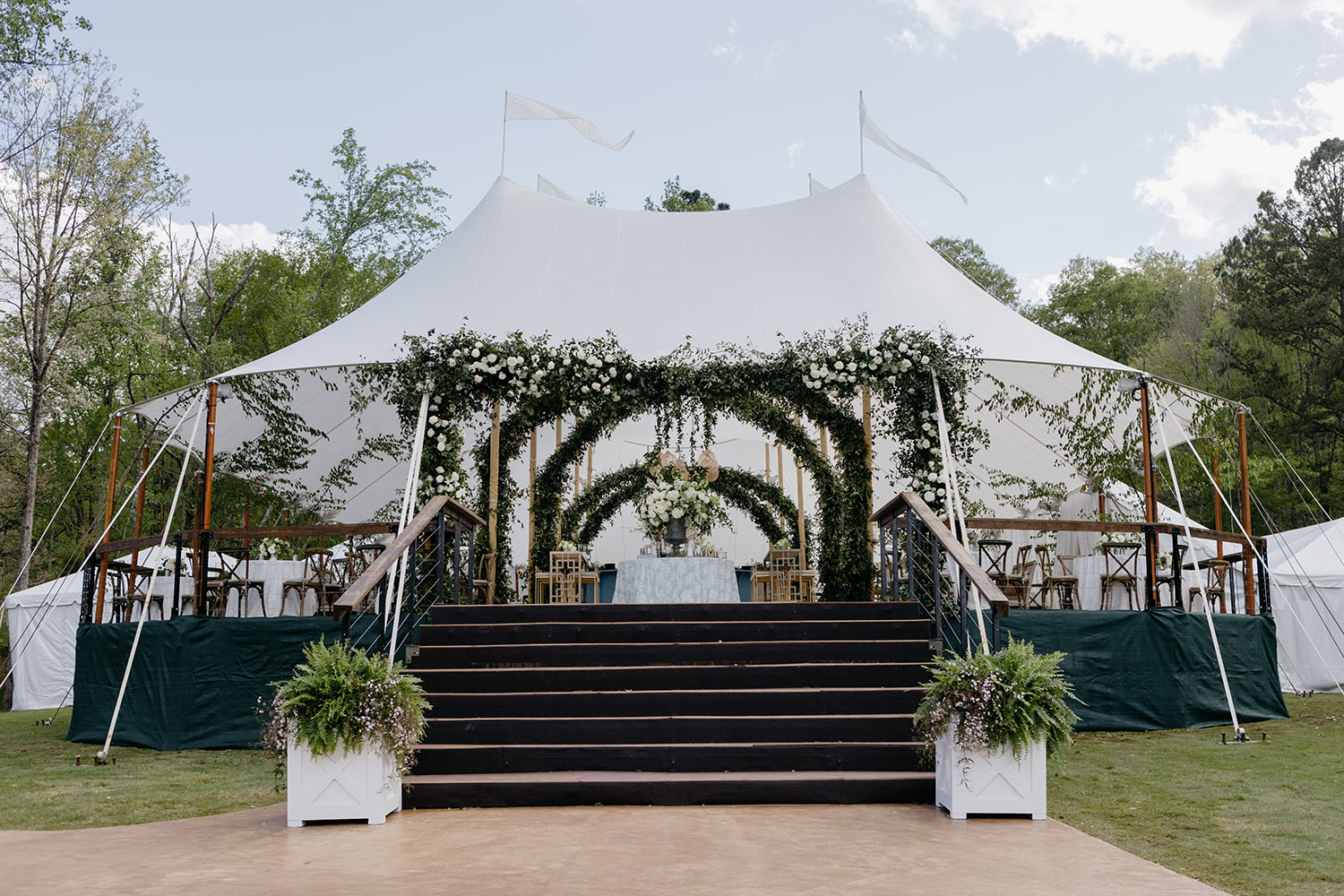
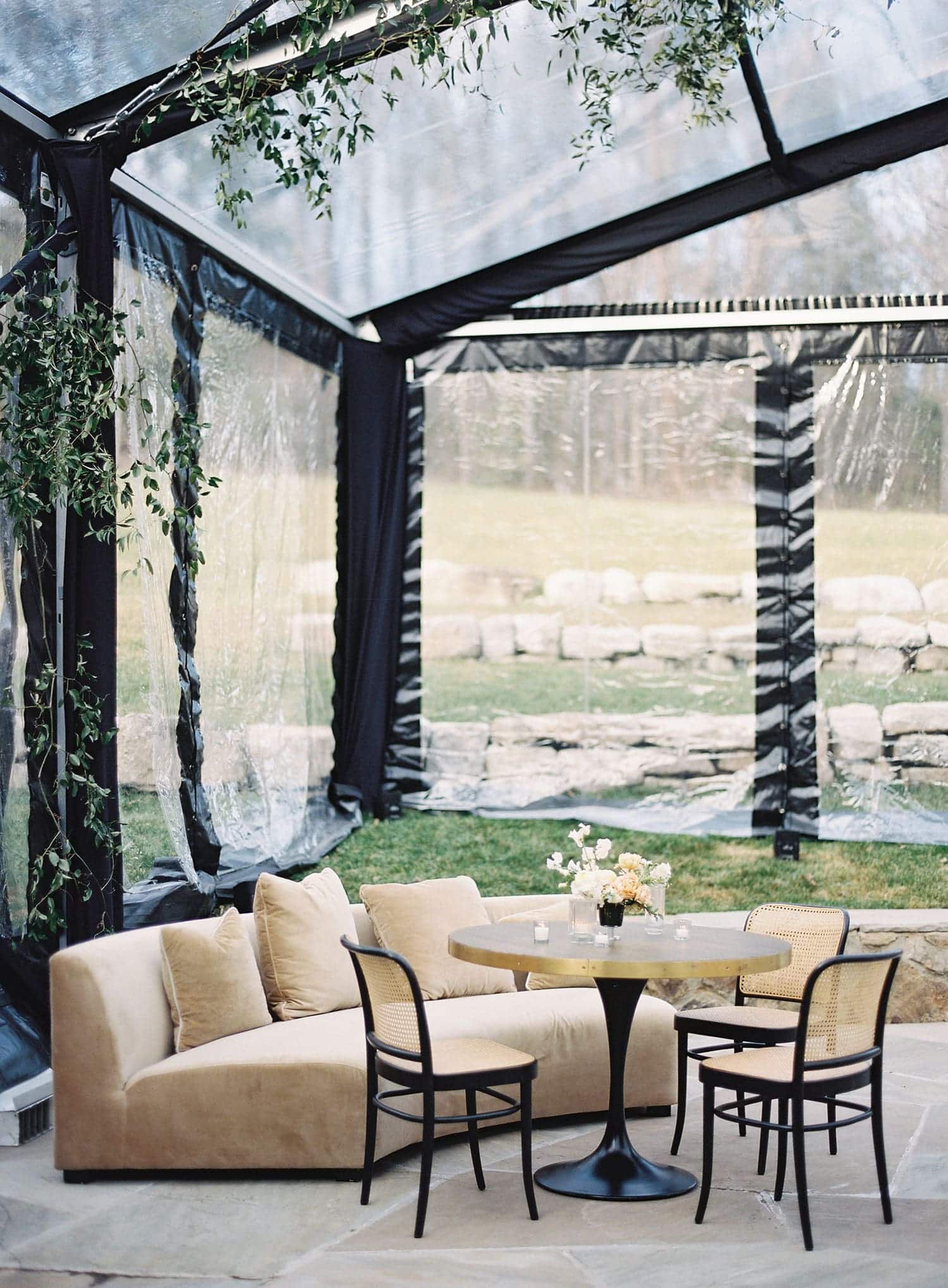
Clear-top tents allow natural light to define the space during the day, while sailcloth tents introduce a softer and more atmospheric tone. Interior elements such as draping, flooring, and lighting refine the overall environment and contribute to a more polished appearance.
Design decisions should also consider how the space will be experienced visually, both in person and through photography or video.
In addition to aesthetics, the choice of tent fabric and structure can influence acoustics within the space. Proper acoustic treatment can enhance speech intelligibility during presentations and reduce unwanted noise, creating a more comfortable auditory environment for guests. Incorporating sound-absorbing materials or strategic speaker placement can significantly improve the overall event experience.
Balancing Aesthetics With Functionality
While visual appeal is important, design must also support functionality. Layout planning should include service access, circulation paths, and space for operational needs.
Poor planning can lead to congestion or disrupt the flow of the event. Well-integrated design allows guests to move naturally while keeping service areas discreet and efficient.
When aesthetics and functionality are aligned, the space feels effortless rather than constructed.
Lighting design also plays a critical role in balancing aesthetics and functionality. Adjustable lighting systems can adapt to different phases of the event, such as brighter illumination during presentations and softer, mood-enhancing lighting during networking sessions. This flexibility ensures that the environment supports the event’s evolving needs without compromising style.
Selecting the Right Tent Structure for Corporate Events
Choosing the right tent structure is essential to meeting the specific needs of your corporate event. The structure not only affects the look and feel but also determines the technical capabilities and comfort level of the space. Understanding the options available helps ensure the tent supports your event goals effectively. You may also find Outdoor Tent Options for Unforgettable Corporate Events helpful.
Choosing the appropriate tent structure is one of the most important decisions in the planning process. Each type supports different event requirements.
Matching Structure to Event Scale and Purpose
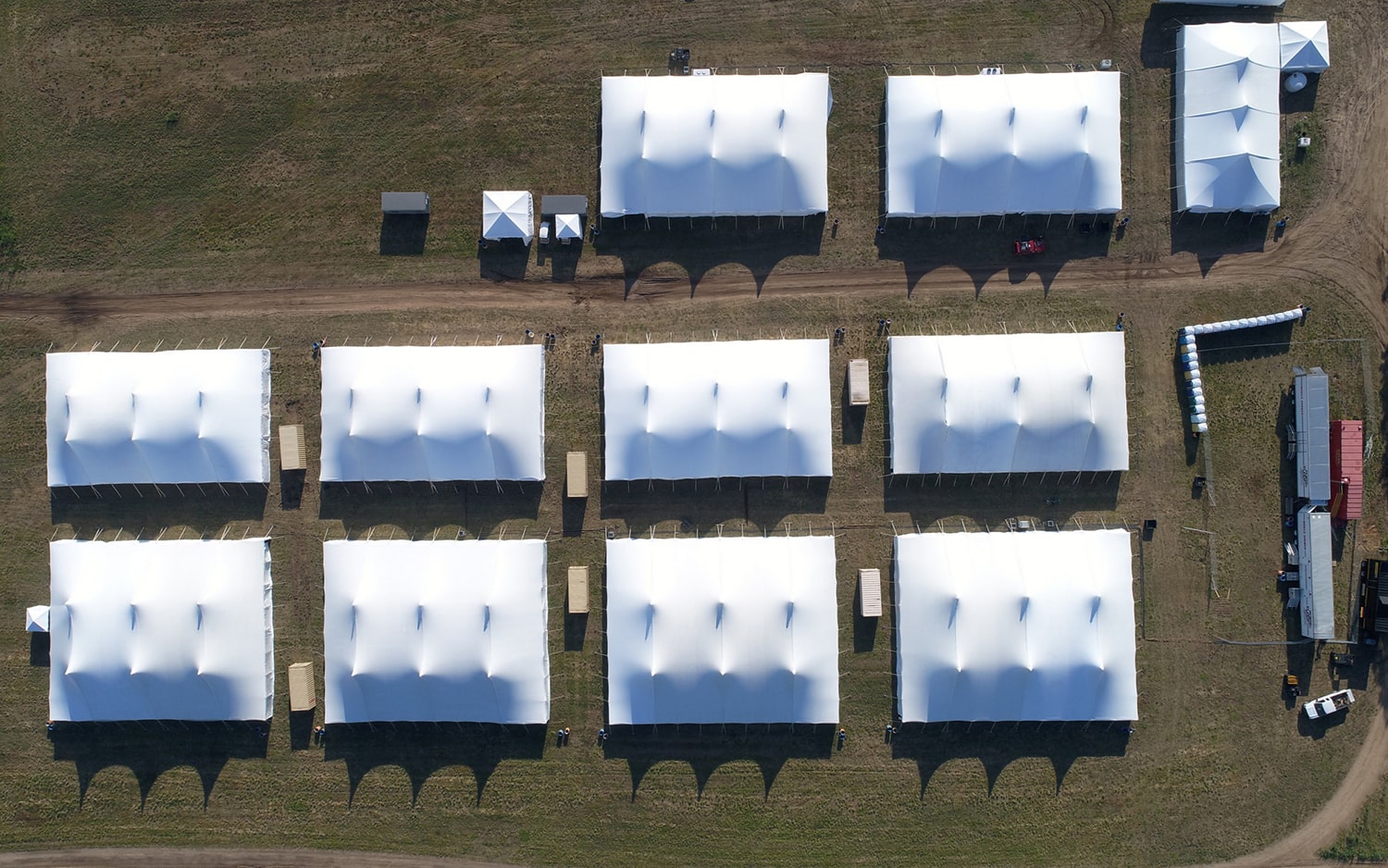
Clearspan tents are often used for large-scale corporate events because they provide open interiors without support poles. This allows for flexible layouts and supports staging, audiovisual systems, and large seating arrangements.
Frame tents offer flexibility and can be installed on various surfaces, making them suitable for locations with site limitations.
Engineered structures are used when durability and long-term installation are required, especially for multi-day events or challenging conditions.
Each option should be selected based on how the event will function rather than appearance alone.
Additional considerations include the ease of assembly and disassembly, which can impact setup time and labor costs. Some tent types are designed for rapid deployment, making them ideal for events with tight schedules or multiple installations.
Understanding Structural Capabilities
Different tent structures support different levels of infrastructure.
Clearspan and engineered tents can accommodate:
- Lighting rigs and suspended equipment
- Climate control systems
- Complex staging and production setups
Frame tents and pole tents may be more limited in this capacity but offer advantages in flexibility and simplicity.
Understanding these capabilities early ensures the structure can support all technical and operational requirements.
Structural integrity is also crucial for safety, especially in adverse weather conditions. Engineered tents often meet higher standards for wind resistance and load-bearing capacity, providing peace of mind for event organizers and attendees alike.
Planning Layout, Capacity, and Guest Flow
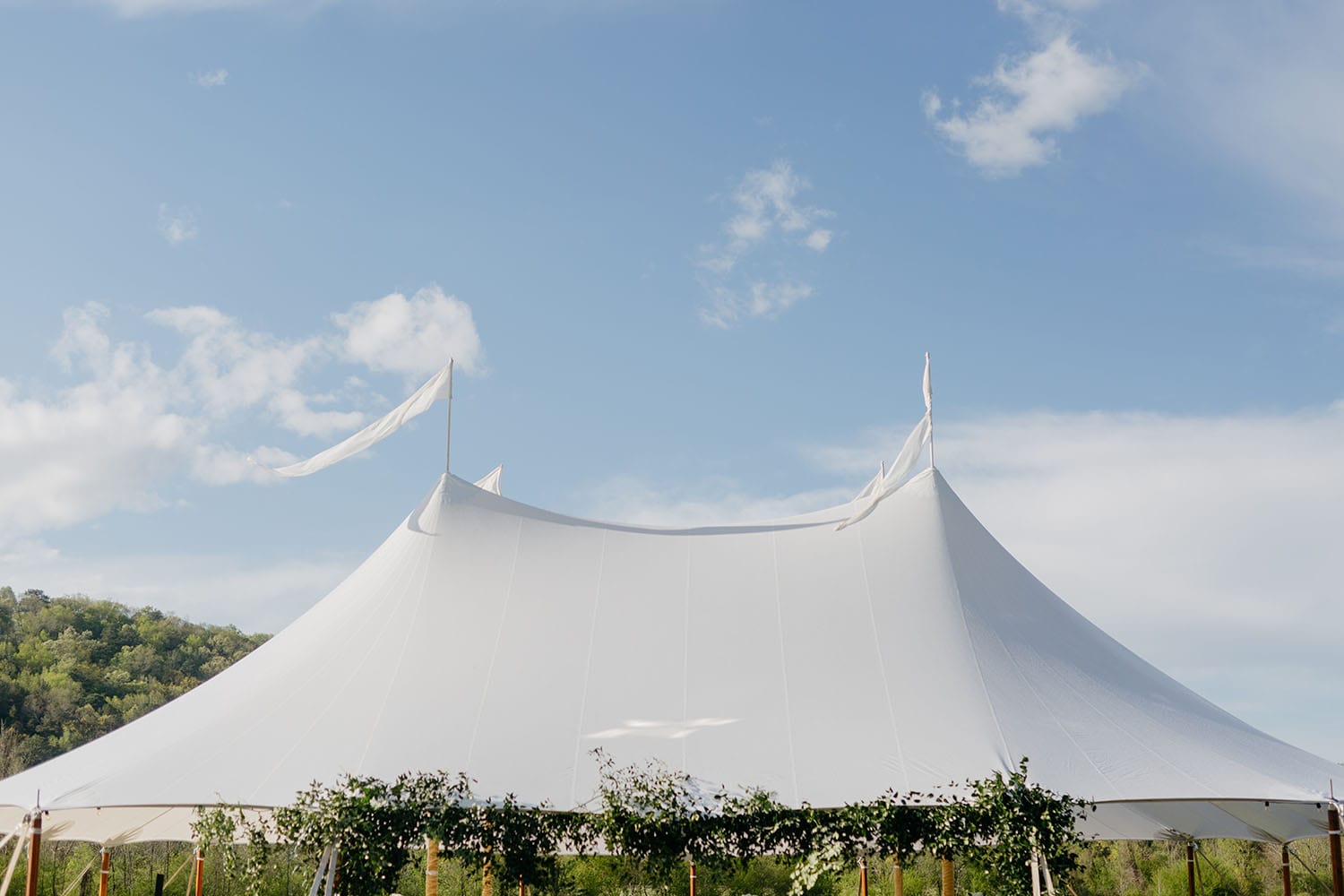
Effective planning of layout, capacity, and guest flow is critical to the success of any corporate event. A well-organized space not only enhances comfort but also facilitates interaction and engagement among attendees. Thoughtful design in this area can prevent bottlenecks and create a welcoming atmosphere that encourages participation. Read more in Summer Corporate Tent Rentals for Unforgettable Events.
A well-planned layout determines how effectively the event operates. It influences guest movement, comfort, and overall experience.
Designing for Movement and Interaction
Layout planning should begin with circulation rather than placement. Guests should be able to move through the space without confusion or delay.
Key considerations include:
- Clear entry and exit points
- Logical pathways between zones
- Strategic placement of high-traffic areas
When movement is intuitive, the event feels organized even during peak activity.
Incorporating signage and wayfinding elements within the tent can further enhance guest navigation. Clear visual cues help attendees locate key areas such as restrooms, registration desks, and refreshment stations, reducing bottlenecks and improving overall flow.
Structuring the Space for Different Functions
Corporate events often include multiple activities within the same environment. Dividing the tent into zones helps maintain structure. We cover this further in Customized Corporate Tent Solutions for Unforgettable Events.
Common zones include:
- Presentation or stage areas
- Networking and lounge spaces
- Dining or hospitality sections
These zones should feel connected rather than separated, a principle that is essential when developing custom tent layouts for corporate events that support multiple activities within a single venue. Subtle transitions, such as lighting or furniture arrangement, help define areas without disrupting flow.
Capacity planning should also account for more than seating. Space for service operations, staging, and circulation must be included to avoid overcrowding.
In addition to physical zoning, technology integration can enhance functionality. For example, wireless connectivity and charging stations in networking areas encourage engagement and productivity, while audiovisual equipment in presentation zones supports effective communication.
Infrastructure That Defines Comfort and Performance
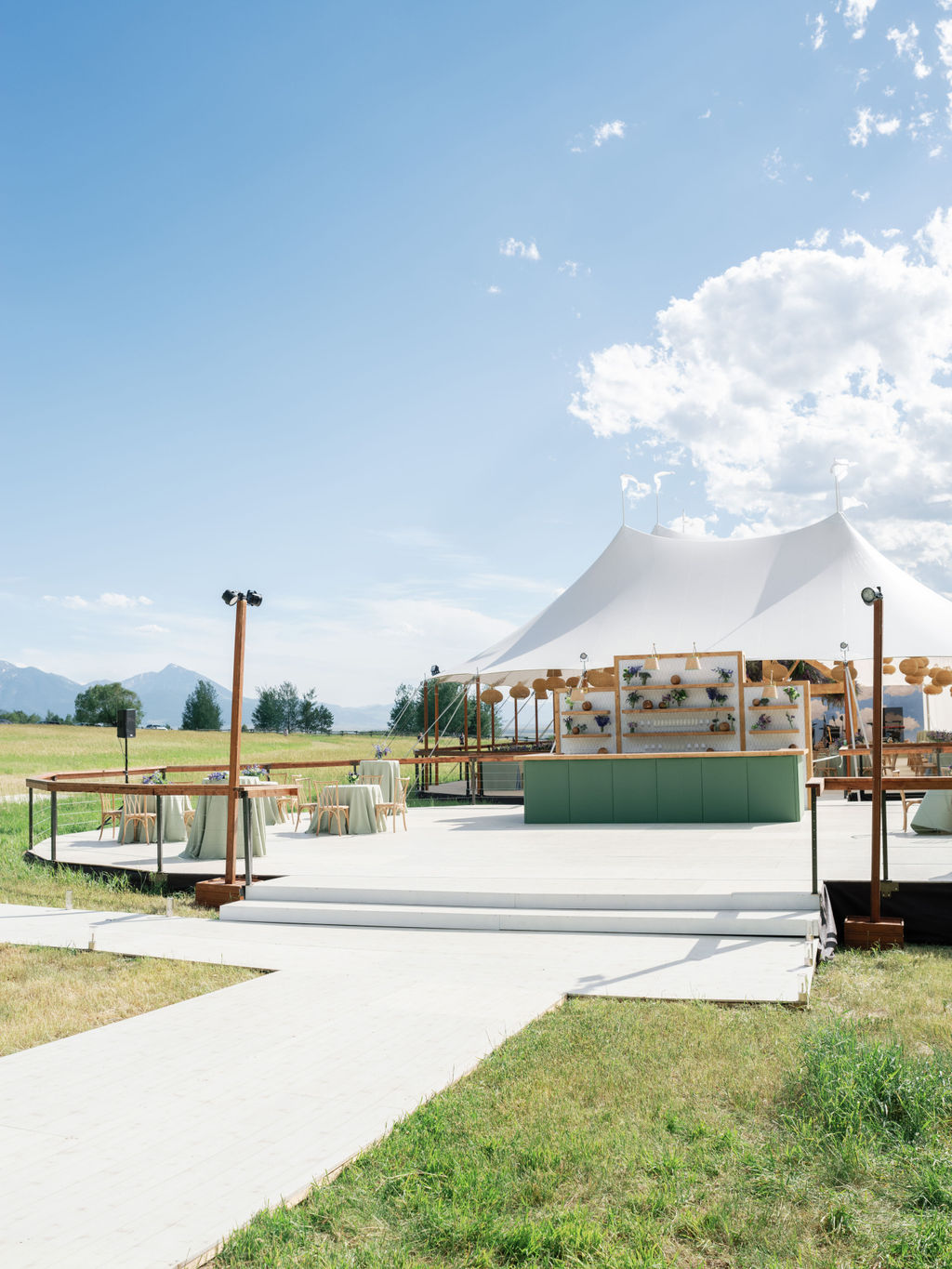
The infrastructure within a tented event space is key to delivering comfort and ensuring smooth performance throughout the event. Properly selected and installed systems contribute to a professional atmosphere and help maintain guest satisfaction from start to finish.
The success of a tented event depends on the systems inside it. Flooring, lighting, and climate control all contribute to how the space performs.
Flooring and Lighting as Core Elements
Flooring provides stability and improves accessibility, especially on uneven terrain. It also contributes to the overall appearance of the space.
Lighting plays a central role in defining atmosphere, which is why many planners incorporate professional event lighting designs to enhance both aesthetics and functionality. It affects visibility, highlights key areas, and supports different phases of the event.
Effective setups typically include:
- Ambient lighting for general visibility
- Accent lighting to highlight focal points
- Task lighting for service and operational areas
When combined, these elements create a cohesive and functional environment.
Flooring options vary from simple mats to raised platforms, depending on the site conditions and event requirements. Raised flooring can protect against moisture and uneven ground, while also providing a polished look that complements the event’s aesthetic. We cover this further in Summer Corporate Tent Options for Unforgettable Events.
Climate Control and Environmental Stability
Temperature and airflow directly affect guest comfort. Without proper planning, even well-designed events can feel uncomfortable.
Climate control systems should be selected based on:
- Tent size and occupancy
- Seasonal conditions
- Layout and airflow patterns
Proper placement of equipment ensures consistent comfort without interfering with the event experience.
Airflow is equally important. Balanced ventilation helps maintain a comfortable environment and prevents the space from feeling crowded.
In some cases, integrating humidity control and air purification systems can further enhance comfort, especially in humid or dusty environments. These systems contribute to a healthier atmosphere and improve overall guest satisfaction.
Execution, Logistics, and Professional Coordination
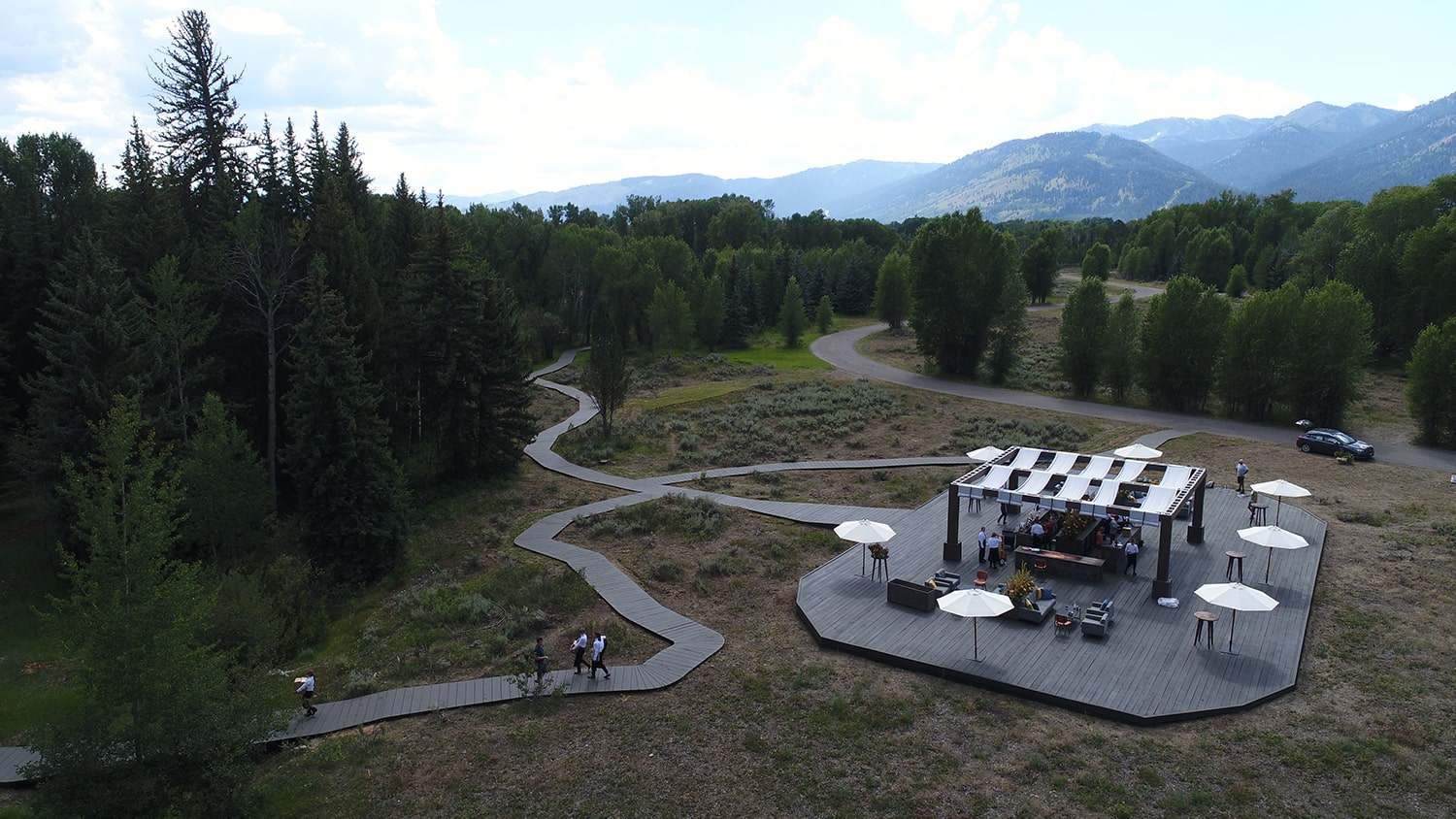
Successful execution relies on meticulous logistics and professional coordination. Even the most carefully designed event can falter without effective management of the many moving parts involved in setup and operation.
Execution is where planning is tested. Even the best designs require careful coordination to succeed.
Site Preparation and Installation Strategy
Every site presents unique conditions that affect installation. Ground stability, access points, and surrounding structures must be evaluated in advance.
Early assessment helps identify challenges such as uneven terrain or limited access. Addressing these factors before installation prevents delays and ensures a smoother setup process.
A structured installation sequence improves efficiency:
- Tent structure installation
- Infrastructure such as flooring and power
- Lighting, décor, and technical elements
Following this order ensures each phase is completed without conflict.
Contingency planning is also essential. Preparing for potential weather changes or unexpected site issues allows the team to respond quickly and maintain the event schedule without compromising quality.
Coordinating Vendors and Maintaining Control
Corporate events involve multiple vendors working together. Without coordination, setup can become disorganized.
Clear communication and defined timelines ensure that:
- Each vendor understands their role
- Work is completed in the correct sequence
- The event begins without last-minute issues
Strong coordination allows the entire process to feel controlled and predictable.
Utilizing project management tools and regular coordination meetings can enhance communication among vendors. This approach helps identify potential conflicts early and fosters collaboration, resulting in smoother execution.
Frequently Asked Questions
What is the best tent type for corporate events?
Clearspan tents are often preferred for large events due to their open interiors and ability to support technical setups.
How do I ensure proper guest flow in a tented event?
Plan layout based on movement, with clear pathways and well-positioned activity zones.
What is the most important factor in tent event planning?
Alignment between structure, layout, and execution is critical for overall success.
Conclusion
Elegant corporate tent rentals provide a refined and flexible solution for outdoor events that require both structure and design precision, particularly when planning summer corporate tent rentals for commercial events. When the right tent, layout, and infrastructure are combined, the result is an environment that feels organized, comfortable, and aligned with the event’s purpose.
Skyline Tent Company specializes in delivering premium tent environments tailored to corporate events of every scale. From initial planning to final execution, their team ensures every detail is handled with precision and care. Schedule your private consultation to create a custom event space that reflects your vision with clarity, sophistication, and seamless execution. See how these ideas look on real sites in our tent gallery.