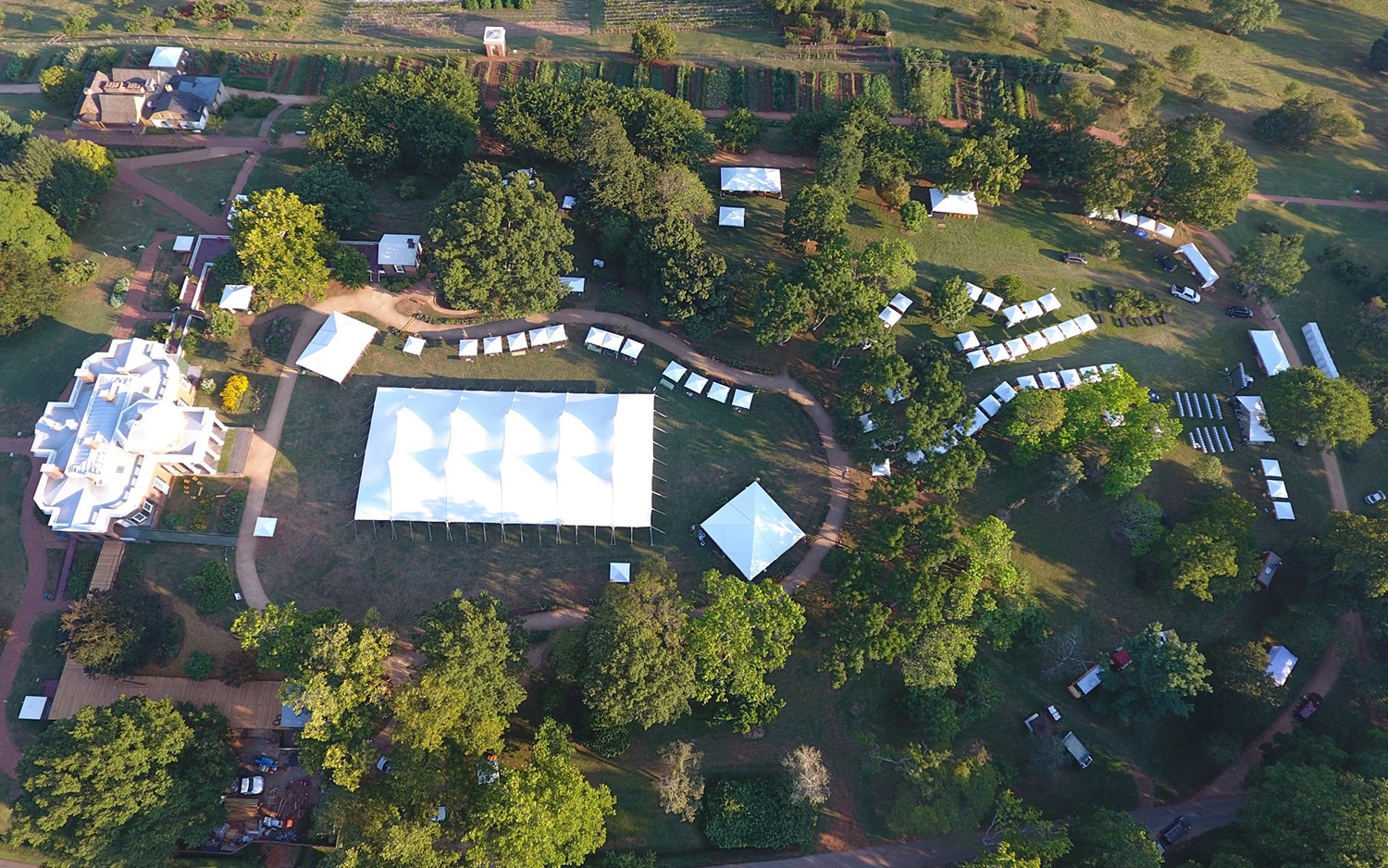
Corporate event tent rentals provide a controlled, flexible environment that allows outdoor summer events to be executed with precision, comfort, and visual impact, making them a valuable solution for summer corporate tent rentals. Instead of adapting to a fixed venue, tents give planners the ability to design the space around the event itself, shaping layout, flow, and atmosphere to match specific goals. This adaptability extends to accommodating various event sizes, from intimate gatherings to large-scale corporate functions, ensuring that every detail aligns with the intended experience.
This flexibility is essential for corporate events where presentation, guest experience, and operational efficiency must work together seamlessly. A well-designed tent becomes more than a structure. It functions as a complete event environment where every detail, from layout to lighting, contributes to how the event is experienced. The ability to customize elements such as ceiling height, wall options, and entry points further enhances the event’s uniqueness and functionality.
Corporate Event Tent Types and Their Role
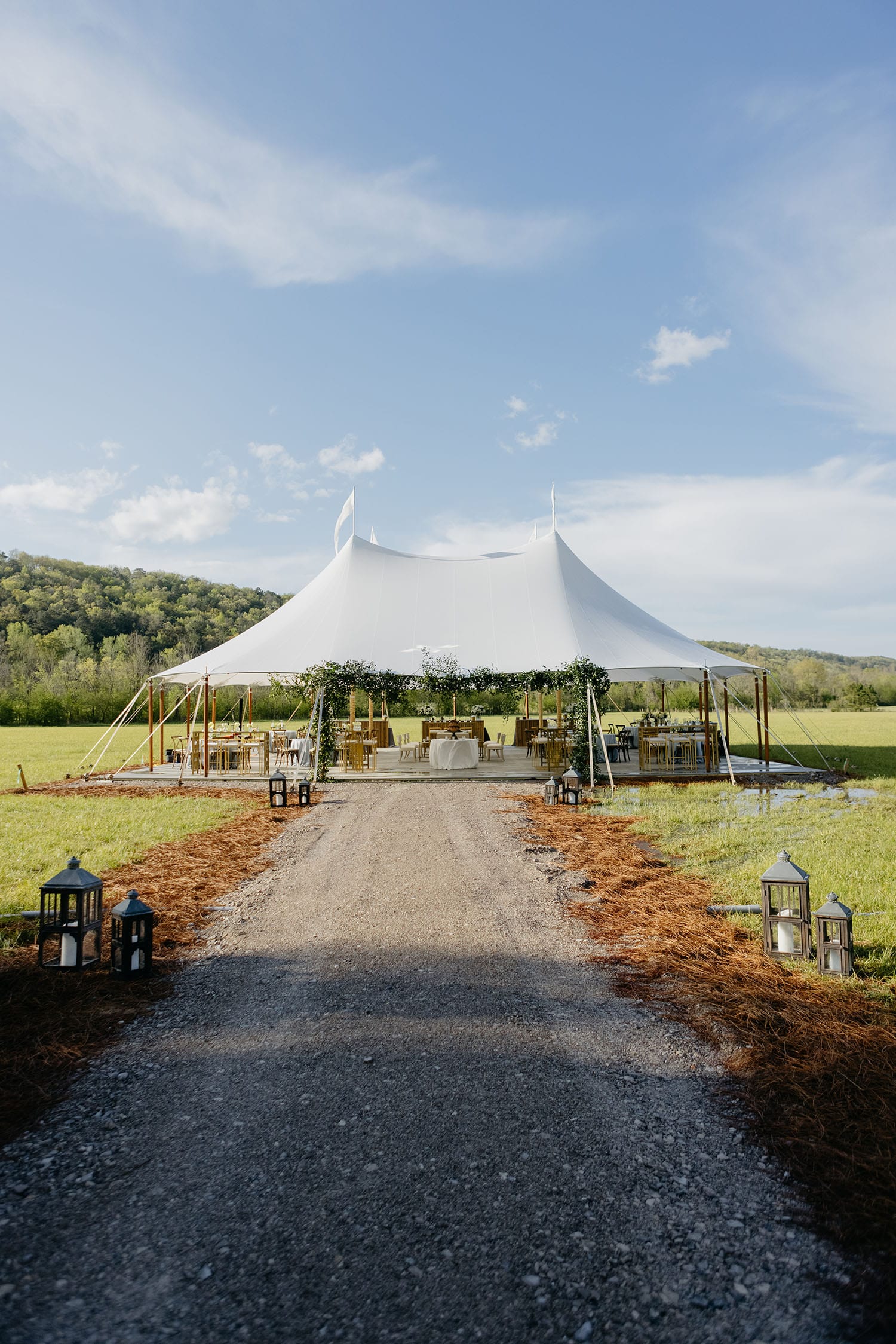
The tent you choose sets the foundation for everything that follows. It defines how the space can be used, how it performs in summer conditions, and how well it supports technical and design requirements. Selecting the appropriate tent type also influences setup time and cost, which are critical factors in event planning.
Choosing the Right Structure for the Event
Different tent types are suited to different event formats, and selecting the right one depends on both functional needs and the desired atmosphere. Consideration of the event’s purpose, expected attendance, and site conditions will guide the decision-making process.
Factors to evaluate when selecting a tent type:
- Event format, whether it is presentation-focused, networking-driven, or formal dining
- Guest count and required capacity for seating, staging, and circulation
- Site conditions, including surface type, space limitations, and accessibility
- Weather exposure and the need for structural stability or climate protection
- Desired visual impact and alignment with the event’s overall design
Clearspan tents are widely used for corporate events that require open interiors. Their column-free design allows full flexibility for seating, staging, and technical setups. These tents also offer excellent resistance to wind and weather, making them reliable choices for unpredictable summer conditions.
Frame tents offer adaptability and can be installed on a variety of surfaces. They are often used when site conditions limit anchoring or when flexibility is required in layout. Their modular design allows for easy expansion or reduction in size, accommodating changes in guest count or event scope.
Sailcloth tents introduce a softer visual experience, making them ideal for planners interested in the benefits of sailcloth tents for upscale outdoor events. Their translucent fabric creates a warm atmosphere that works well for refined corporate gatherings. The natural light diffusion enhances daytime events, while their elegant curves add aesthetic appeal during evening functions.
Pole tents provide a more traditional structure with strong visual presence, often used in open outdoor environments. Their peaked design offers excellent ventilation and a classic look that can complement themed or formal events.
How Tent Selection Impacts Design and Function
The structure directly affects layout possibilities, lighting integration, and guest flow. It also impacts the ease of incorporating additional elements such as audiovisual equipment, staging, and décor.
Clearspan tents allow large, uninterrupted spaces that support complex layouts. Frame tents allow for tighter configurations in constrained environments. Sailcloth and pole tents influence how zones are visually defined within the space, often encouraging more organic and flowing arrangements.
Understanding these differences early ensures that the tent supports both the operational and design goals of the event. This foresight helps avoid costly adjustments during setup and enhances the overall guest experience by providing a cohesive and functional environment.
Designing Tent Layouts to Enhance Flow and Guest Experience
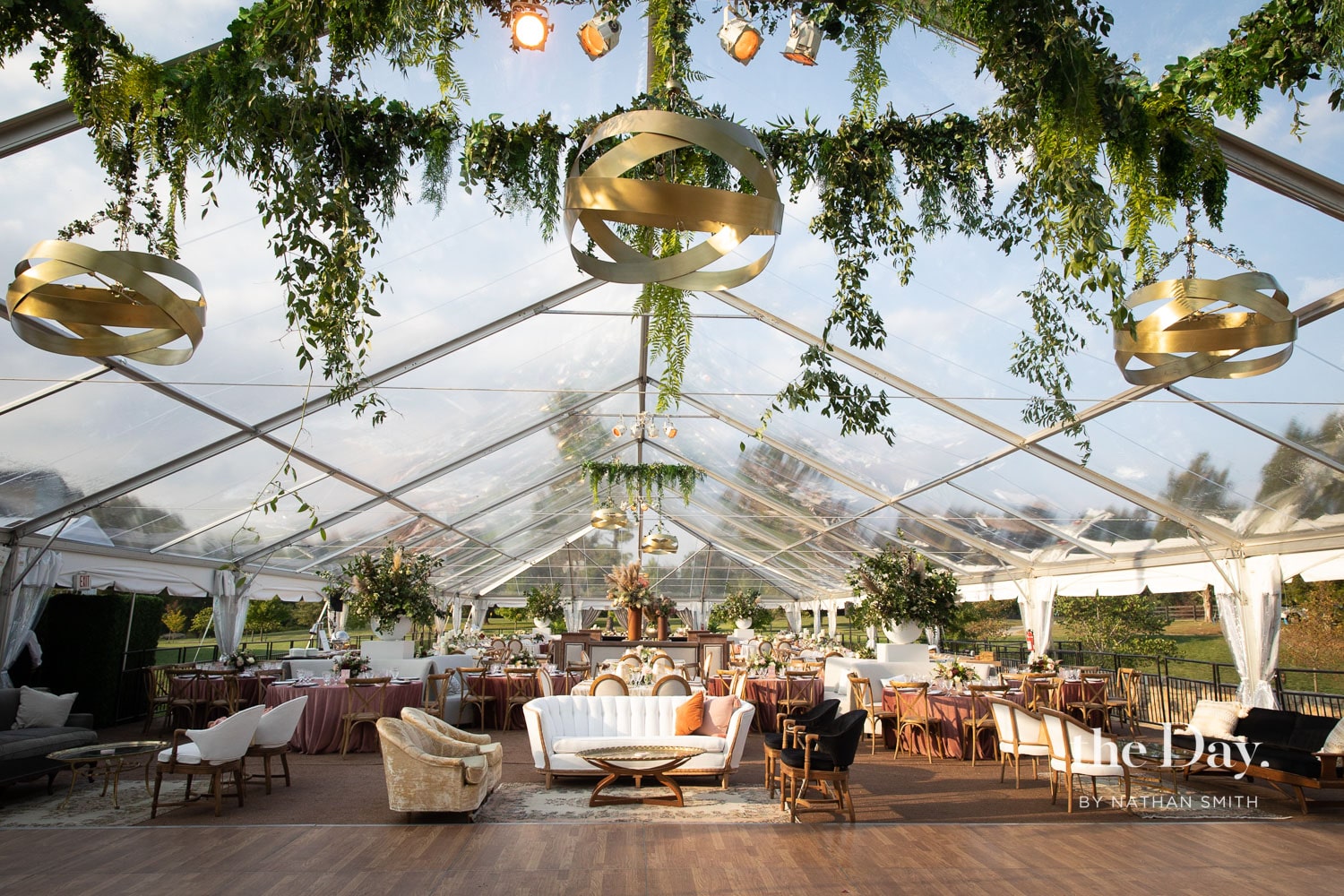
Layout planning determines how guests move, interact, and experience the event. A strong layout feels natural, while a poor one creates friction. Thoughtful design can also enhance networking opportunities and encourage engagement among attendees.
Planning Movement as the First Priority
Effective layouts start with circulation rather than placement. Prioritizing guest movement ensures that the event feels welcoming and accessible from the moment attendees arrive.
Guests should be able to:
- Enter the space without congestion
- Move between areas without confusion
- Access key features without disrupting others
Pathways should be clear and intuitive. High-traffic areas such as entrances, bars, and service points should be positioned to distribute movement evenly. Incorporating signage and visual cues can further enhance navigation and reduce bottlenecks.
When flow is planned correctly, even large events feel organized. This careful consideration also supports safety protocols by providing clear evacuation routes and minimizing crowding.
Creating Zones That Feel Connected
Dividing the space into zones improves clarity without making the event feel segmented. Zones can be designed to encourage specific activities, such as presentations, networking, dining, or relaxation.
Instead of rigid separations, subtle design elements can define areas. Lighting changes, furniture arrangement, and spacing help guide guests naturally. Incorporating elements like plants, partitions, or thematic décor can also enhance zone differentiation while maintaining visual harmony.
A well-balanced layout often includes:
- A central focal point such as a stage or main presentation area
- Secondary zones for networking and interaction
- Dining or hospitality spaces positioned for accessibility
The goal is to maintain structure while allowing the space to feel cohesive and fluid. This approach supports diverse event activities and encourages guests to explore the environment comfortably.
Enhancing the Tent Environment with Lighting, Flooring, and Design
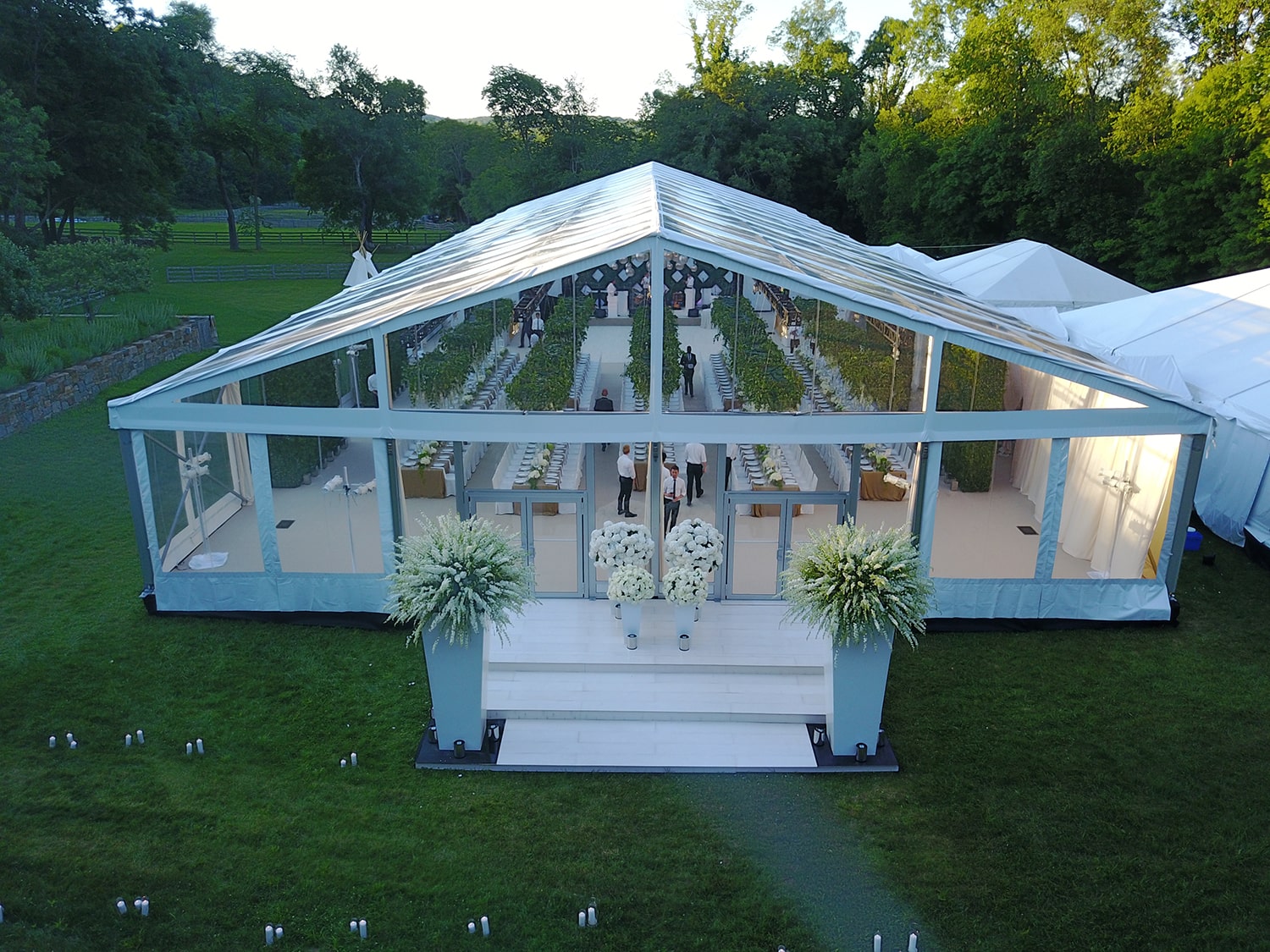
The interior elements of a tent determine how the event is experienced. Structure alone does not create a premium environment. Attention to detail in these areas elevates the overall ambiance and guest satisfaction.
Lighting and Flooring as Core Experience Elements
Lighting plays a critical role in shaping atmosphere and functionality, which is why many event planners invest in creative event lighting ideas to elevate the guest experience. It affects visibility, highlights key areas, and influences how guests interact with the space. Dynamic lighting systems can adapt to different event phases, enhancing mood and focus.
A layered lighting approach creates balance:
- Ambient lighting for general visibility
- Accent lighting for focal areas
- Functional lighting for operational zones
Lighting should adapt throughout the event, transitioning between different phases such as presentations and networking. Incorporating color-changing LEDs or dimmable fixtures allows for seamless shifts in ambiance.
Flooring contributes to both comfort and appearance. It provides stability, improves accessibility, and creates a consistent surface for guests. Options range from elegant hardwood finishes to durable, weather-resistant materials suitable for outdoor settings. You may also find Elegant Tent Rentals for Unforgettable Corporate Events helpful.
The choice of flooring should reflect both the event style and the site conditions, ensuring durability and visual quality. Proper flooring also supports equipment setup and reduces fatigue for guests and staff during extended events.
Creating a Refined and Cohesive Environment
Design elements such as décor, materials, and layout should work together to create a unified space. Consistency in color schemes, textures, and furnishings reinforces the event’s branding and theme.
Consistency across lighting, flooring, and furnishings ensures the environment feels intentional rather than temporary. When these elements are aligned, the tent becomes a complete venue rather than a simple structure. Incorporating custom branding elements, such as logos or thematic accents, further personalizes the space and enhances corporate identity. Read more in Customized Corporate Tent Solutions for Unforgettable Events.
Managing Climate and Comfort for Summer Corporate Events
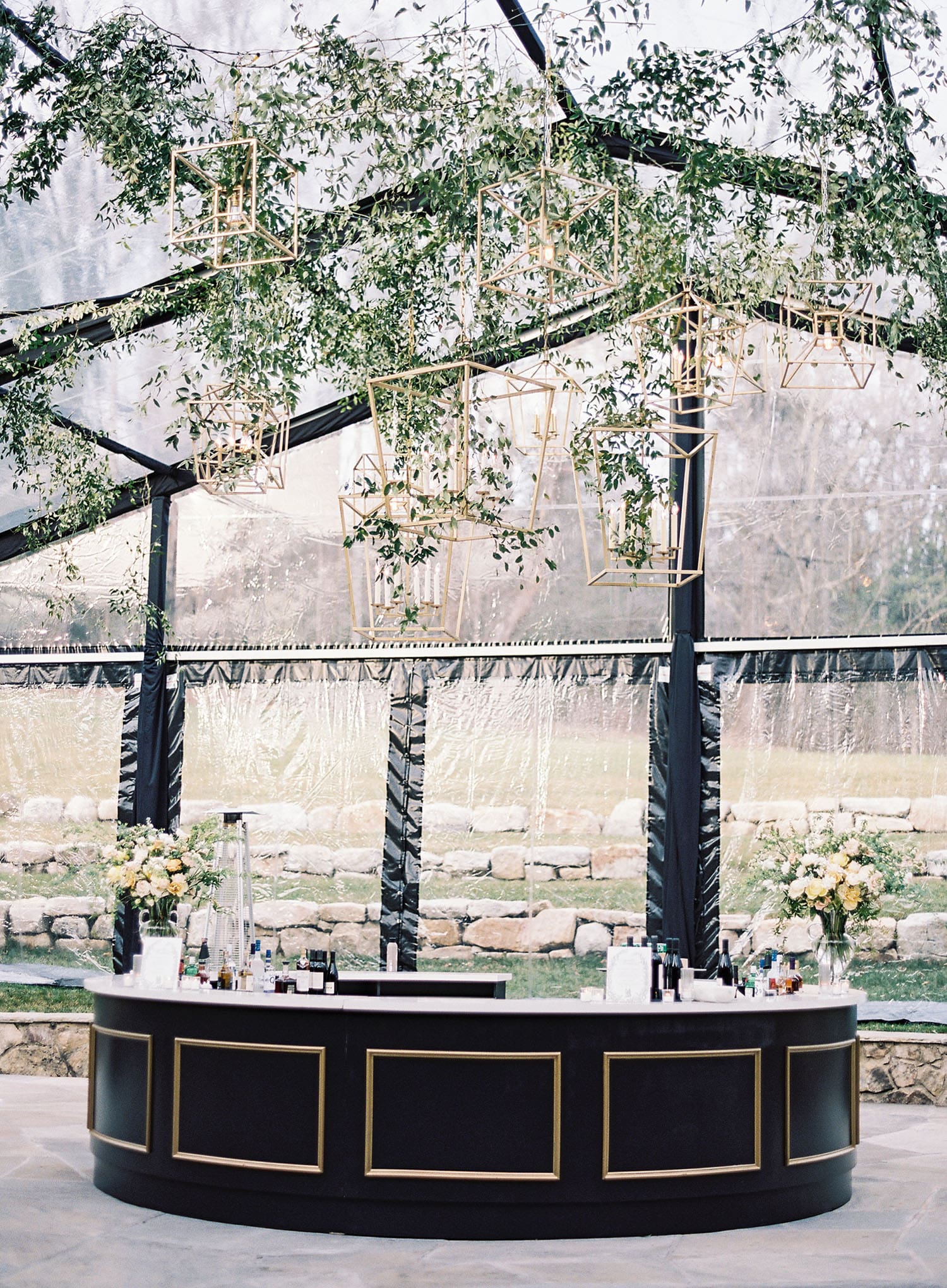
Comfort is one of the most important aspects of guest experience, especially in summer conditions. Proper climate control contributes to guest satisfaction and event success.
Controlling Temperature and Airflow
Temperature management ensures that guests remain comfortable throughout the event. This is particularly important during peak summer heat when outdoor conditions can be challenging.
Effective strategies include:
- Cooling systems to regulate temperature
- Fans to support airflow
- Proper spacing to reduce heat buildup
Equipment should be integrated into the layout without disrupting the design or guest experience. Using energy-efficient cooling solutions and strategically placed vents can optimize comfort while minimizing noise and visual impact.
Improving Ventilation and Guest Comfort
Airflow is often overlooked but plays a major role in how the space feels. Good ventilation reduces humidity and prevents stagnant air, contributing to a fresher environment.
Simple adjustments can significantly improve comfort:
- Positioning openings to encourage natural airflow
- Avoiding overcrowded layouts
- Using fans to maintain consistent circulation
When temperature and airflow are balanced, guests remain engaged and comfortable for longer periods. This balance also supports health and safety by reducing the risk of heat-related issues.
Planning Logistics and Execution for Seamless Corporate Event Delivery
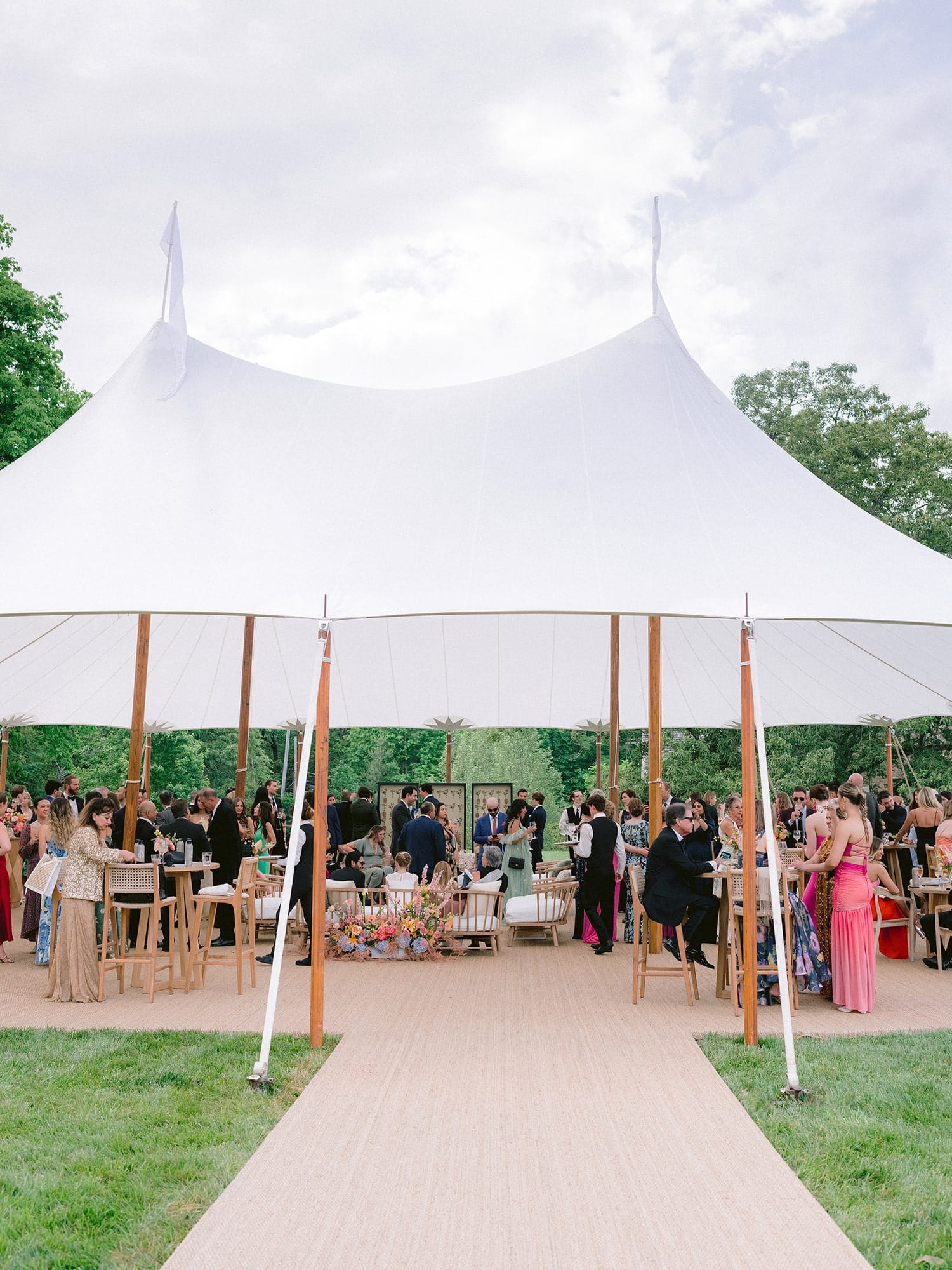
Execution is where planning is tested. Even well-designed events require coordination to succeed. Efficient logistics ensure that the event runs on schedule and meets quality expectations.
Preparing the Site and Installation Process
Every site introduces unique conditions that must be addressed before installation. Thorough site assessment helps anticipate challenges and tailor solutions.
Key considerations include:
- Ground stability and terrain
- Access for equipment and vendors
- Local regulations and permitting requirements
Early evaluation helps identify potential challenges and allows adjustments before setup begins. This proactive approach minimizes delays and unexpected costs.
A structured installation process improves efficiency:
- Tent installation first
- Infrastructure such as flooring and power next
- Lighting, décor, and technical elements last
This sequence prevents conflicts and ensures smooth setup. Clear timelines and contingency plans further support successful execution.
Coordinating Vendors and Maintaining Control
Corporate tent events involve multiple teams working together. Clear communication is essential. Establishing a central point of contact helps streamline coordination and resolve issues promptly. You may also find Outdoor Tent Options for Unforgettable Corporate Events helpful.
Each vendor should understand:
- Their role in the setup process
- The timeline for their work
- How their work interacts with others
Strong coordination ensures that the event runs smoothly from setup through execution. Regular check-ins and progress updates keep all parties aligned and responsive to changes.
Frequently Asked Questions
What is the best tent type for corporate summer events?
Clearspan tents are often the most effective due to their open interiors and ability to support flexible layouts and technical setups.
How do I ensure a smooth guest experience?
Focus on layout flow, clear pathways, and proper spacing to allow guests to move comfortably throughout the event.
What is the most important factor in tent event planning?
Alignment between structure, layout, and execution is essential for creating a seamless and successful event.
Conclusion
Corporate event tent rentals provide the flexibility and control needed to create high-quality summer events that feel both refined and functional. When the right structure, layout, and supporting elements are combined, the result is a space that enhances both guest experience and event performance. This comprehensive approach ensures that every aspect of the event environment is optimized for success. For more detail, see our article Summer Corporate Tent Options for Unforgettable Events.
Skyline Tent Company specializes in delivering premium tent environments designed for sophisticated corporate events. From early planning to final installation, every detail is handled with precision to ensure a seamless experience. Schedule your private consultation to create a tailored event space that reflects your vision with elegance, comfort, and flawless execution. See how these ideas look on real sites in our tent gallery.