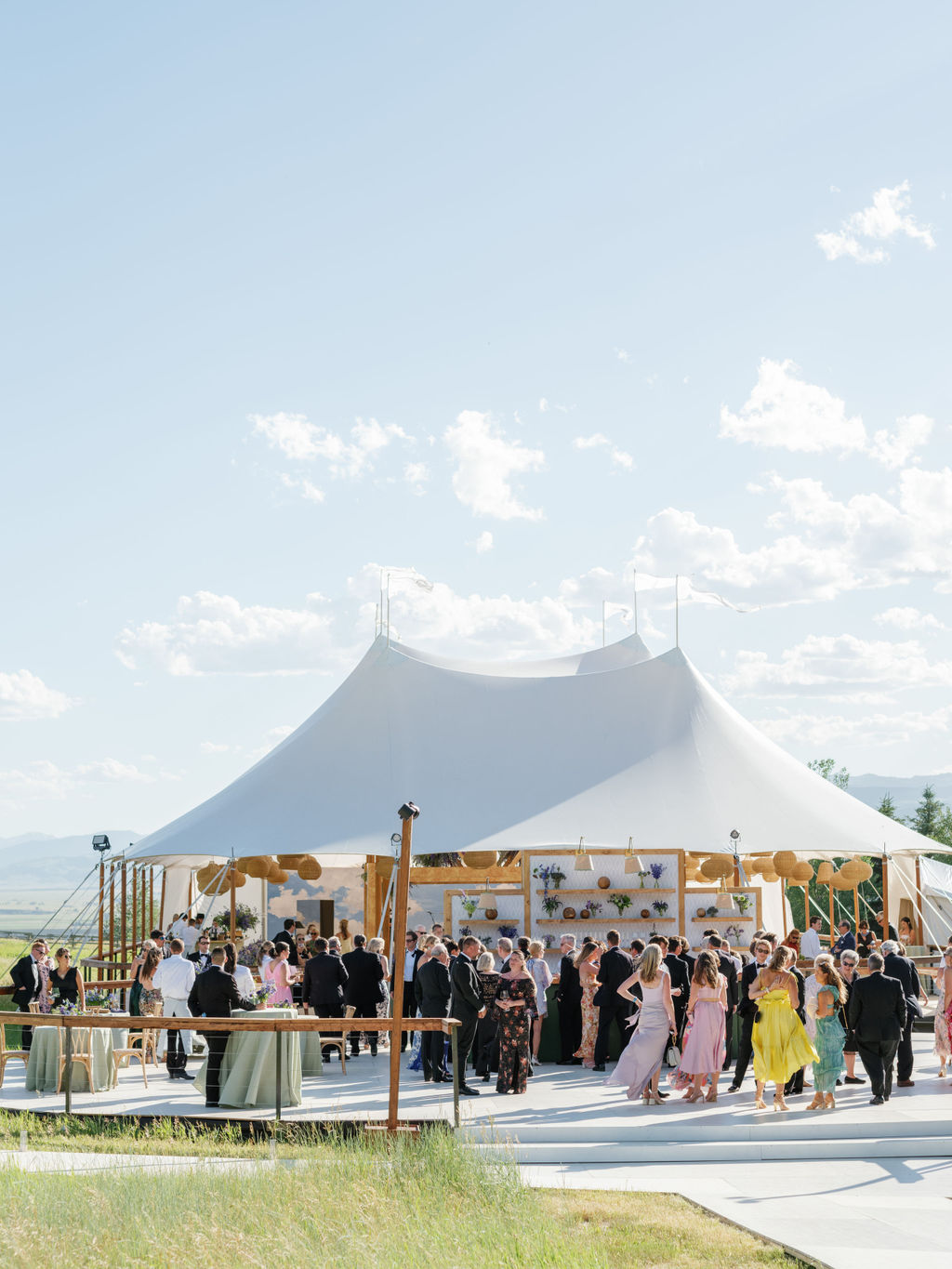
Corporate tent rentals provide a flexible and controlled way to host outdoor events while maintaining a high level of structure, comfort, and visual impact, making them an effective solution for summer corporate tent rentals for commercial events. These environments allow planners to design spaces around the event itself rather than adapting to the limitations of a fixed venue. This flexibility is particularly valuable when hosting events in unique or unconventional locations where traditional venues are unavailable or unsuitable.
From executive gatherings to large-scale conferences, tented environments offer a level of customization that supports both operational efficiency and guest experience. When the right structure, layout, and supporting elements are combined, the result is an event space that feels intentional, organized, and aligned with brand objectives. The ability to tailor every aspect of the environment from acoustics to décor, ensures that the event not only meets but exceeds expectations.
How Corporate Tent Rentals Enhance Flexibility and Customization for Outdoor Events
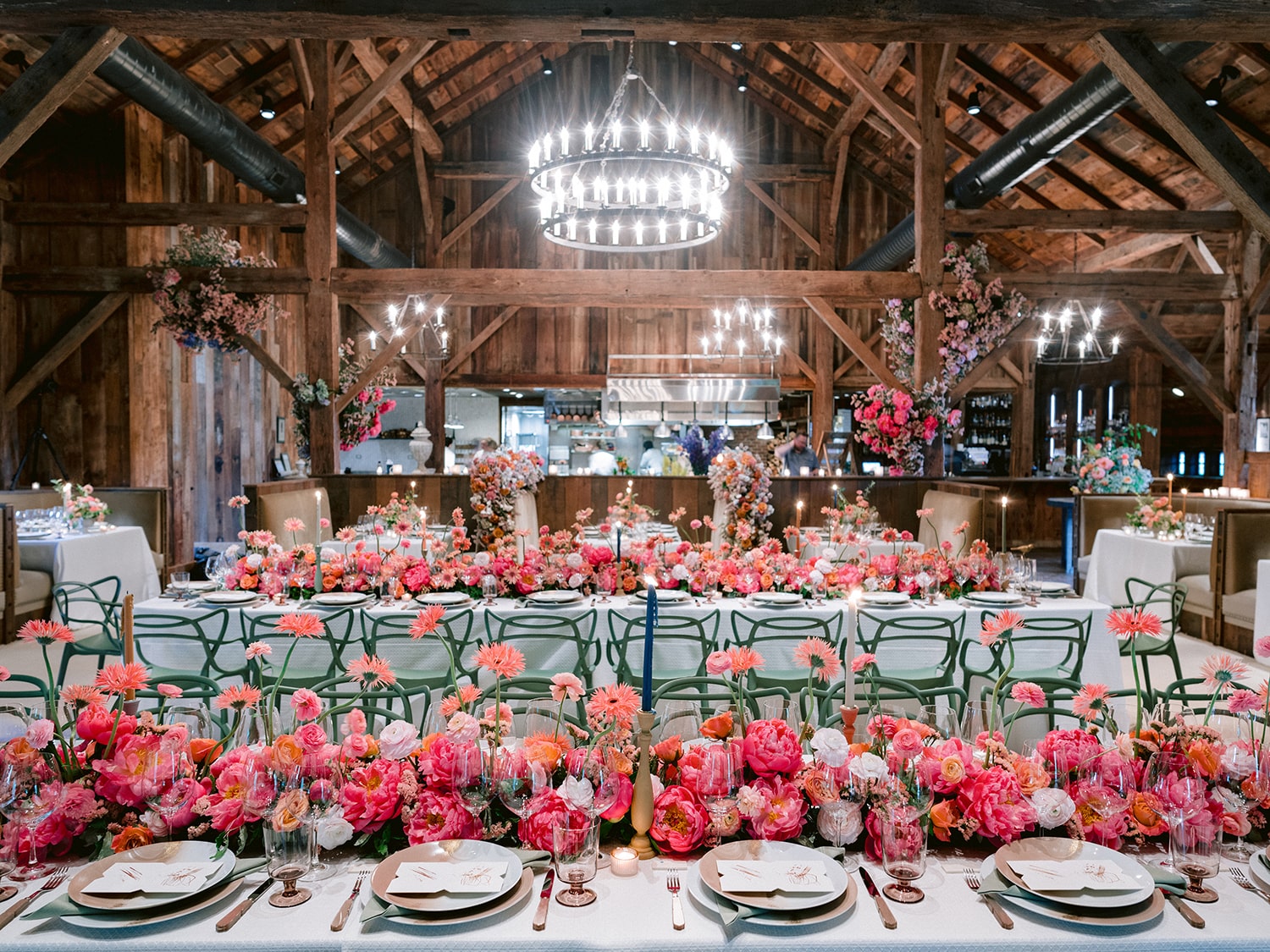
Tented environments give planners control over variables that are often fixed in traditional venues. This control allows events to be tailored to specific goals, whether those involve presentations, networking, or brand engagement. The ability to customize extends to branding opportunities, where tents can be outfitted with logos, banners, and thematic elements that reinforce the event’s message.
Creating a Controlled and Customizable Environment
One of the strongest advantages of renting a corporate tent is the ability to define the space from the ground up. Layout, lighting, and circulation can all be designed intentionally. This level of control enables planners to create zones within the tent that serve different purposes, such as breakout areas, dining spaces, or interactive exhibits.
This means the environment can adapt to:
- Presentation-focused events that require clear sightlines
- Networking events that depend on open movement
- Hybrid formats with multiple activity zones
Instead of working around a venue’s limitations, the event is built around its own requirements. This approach also allows for the integration of technology, such as audiovisual systems and Wi-Fi networks, which are essential for modern corporate events.
Enhancing Guest Experience Through Design
Guest experience is influenced by how the space feels and functions. A well-designed tent creates a cohesive atmosphere that supports both comfort and engagement. Thoughtful design elements, such as comfortable seating arrangements and intuitive wayfinding, contribute to a seamless experience.
Lighting, spacing, and layout all contribute to how guests interact with the environment. When these elements are aligned, the event feels organized and easy to navigate, even at larger scales. Incorporating natural light through transparent tent panels or skylights can also enhance the ambiance and reduce the need for artificial lighting during daytime events.
Choosing Tent Structures to Maximize Event Scalability and Functionality
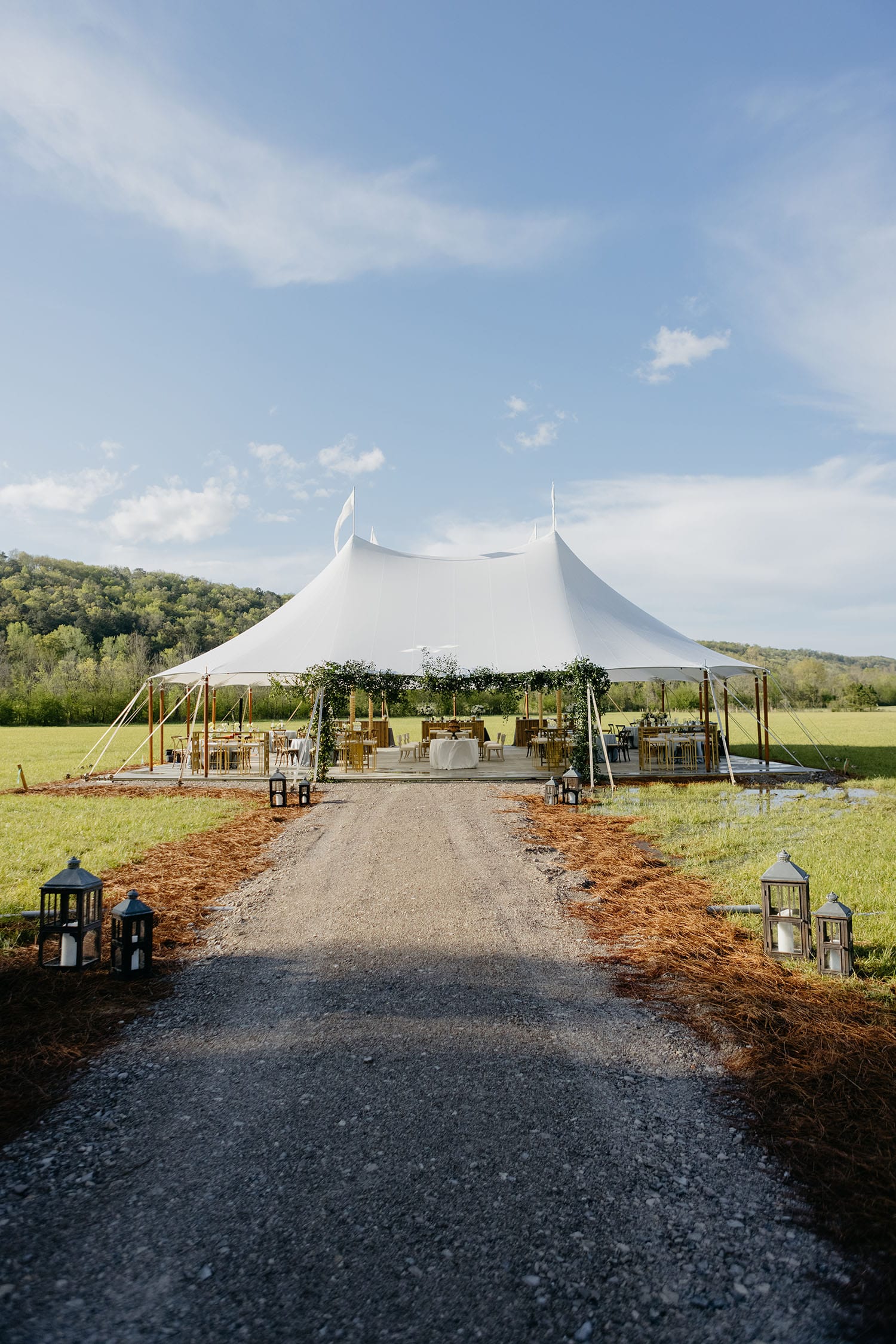
Different tent types offer different advantages. Choosing the right structure ensures the event can scale and adapt without compromising performance. The modular nature of many tent systems allows for quick adjustments to accommodate last-minute changes in guest count or event programming.
Selecting Structures Based on Event Needs
Clearspan tents are often used for larger events because they provide open interiors without internal supports. This allows for flexible layouts and supports staging, lighting, and technical equipment. Their durability and weather resistance make them suitable for events in varying climates.
Frame tents offer versatility and can be installed in locations where staking is limited. They are often used for mid-sized events or sites with more constraints. Their design allows for easy customization with sidewalls, windows, and doors to create a comfortable and secure environment.
Sailcloth and clear-top tents introduce a visual element, particularly when incorporating design concepts inspired by unique tent designs for memorable summer events. These are often selected when atmosphere and aesthetics play a larger role in the event experience. Their elegant shapes and translucent materials create a unique ambiance that can enhance branding and guest perception.
Each structure serves a purpose, and the decision should be based on how the event needs to function. Considerations such as expected weather conditions, duration of the event, and logistical requirements also influence the choice of tent type.
Adapting Layouts as Events Grow
One of the key advantages of tented environments is scalability. Structures can be expanded, combined, or divided into zones depending on the event’s size and requirements. This adaptability supports phased event schedules or multi-day conferences where different activities occur simultaneously.
This flexibility allows planners to:
- Adjust layouts as guest counts change
- Add breakout areas or service zones
- Separate different functions within the same space
This adaptability reduces the risk of overcrowding and ensures the space remains functional as plans evolve. It also facilitates compliance with safety regulations by allowing for clear emergency exits and accessible pathways.
Designing Tent Interiors to Optimize Lighting, Flooring, and Atmosphere
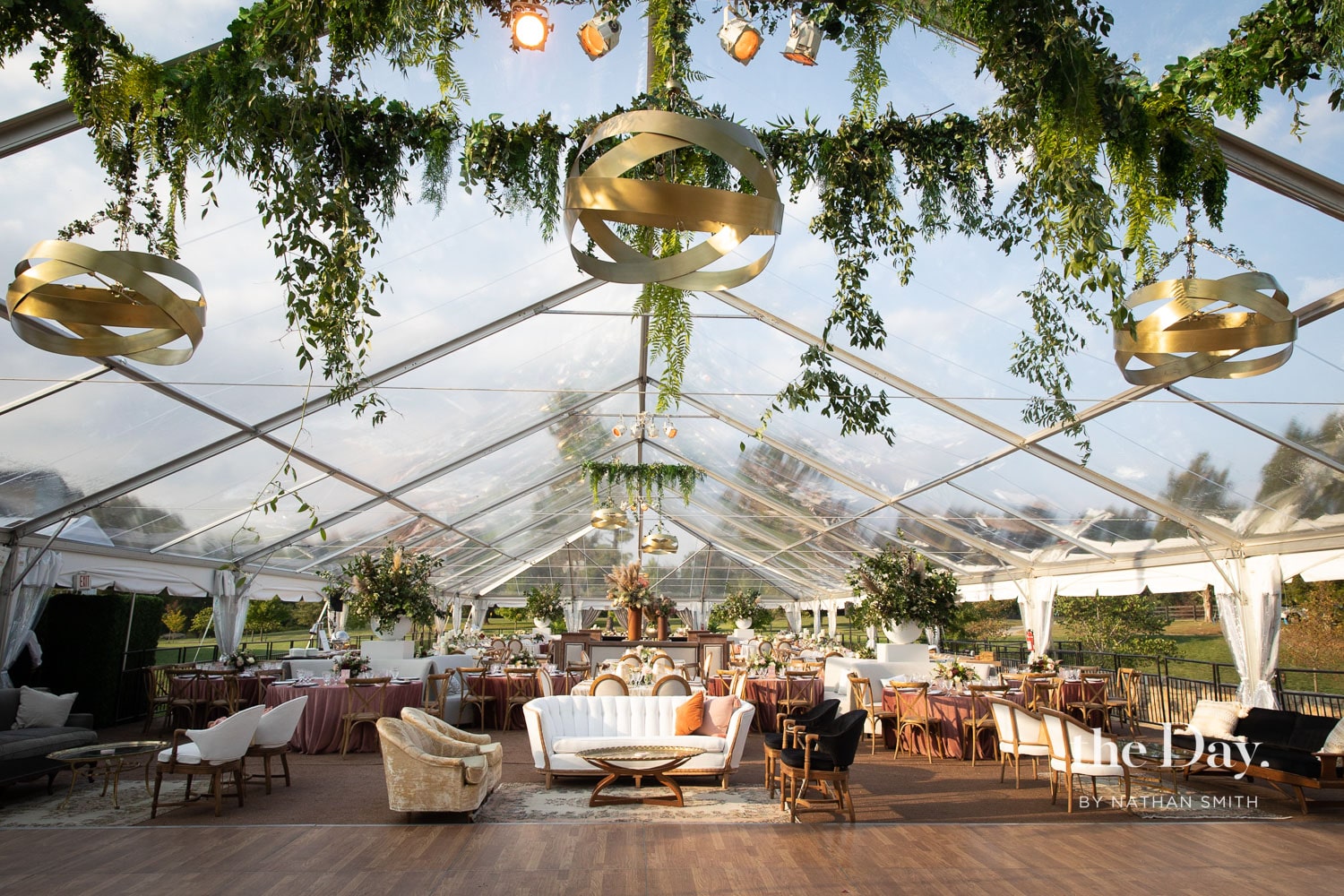
The structure defines the space, but interior elements determine how that space is experienced. Careful selection of materials and finishes can elevate the overall aesthetic and contribute to the event’s theme.
Lighting That Shapes Atmosphere and Function
Lighting is one of the most important elements in a tented environment. It affects visibility, mood, and how guests interact with the space. Dynamic lighting systems can be programmed to change throughout the event, enhancing key moments and transitions.
A layered lighting approach creates balance:
- Ambient lighting provides overall visibility
- Accent lighting highlights key areas such as stages or décor
- Task lighting supports operational zones
Lighting should also adapt throughout the event. Brighter settings may be needed during presentations, while softer tones create a more relaxed atmosphere later. Incorporating LED technology can improve energy efficiency and allow for a wider range of color options.
Well-planned lighting improves both aesthetics and safety by ensuring pathways and transitions are clearly visible. It also supports branding efforts by highlighting logos and thematic elements strategically placed within the tent.
Flooring That Supports Comfort and Stability
Flooring plays a critical role in guest comfort and event functionality. It creates a stable surface, improves accessibility, and contributes to the overall look of the space. Proper flooring also protects the ground beneath, minimizing environmental impact.
Different materials serve different purposes. Hardwood offers a polished appearance, carpet provides comfort, and modular flooring systems help manage uneven terrain. Specialized flooring options, such as dance floors or anti-slip surfaces, can be incorporated based on event activities.
The right choice depends on:
- Ground conditions
- Event style
- Expected foot traffic
A well-installed floor ensures guests can move comfortably and confidently throughout the event. It also supports the placement of heavy equipment and furniture without risk of damage or instability.
Implementing Climate Control and Ventilation for Optimal Guest Comfort

Outdoor events are always influenced by environmental conditions. Managing temperature and airflow is essential for maintaining a consistent guest experience. Advanced climate control solutions can be integrated seamlessly into tent designs to provide year-round usability.
Creating a Comfortable Interior Environment
Climate control systems help regulate temperature and maintain comfort during changing conditions, which is essential for how climate control enhances corporate tent events and overall guest satisfaction. These systems can be tailored to the size and layout of the tent to optimize efficiency and minimize noise.
Common solutions include:
- Air conditioning systems for cooling
- Fans to improve air circulation
- Heating systems for cooler evening temperatures
These systems should be integrated into the layout so they function effectively without disrupting the event design. Proper insulation and sidewall options can also enhance temperature regulation and reduce energy consumption.
Improving Airflow and Space Planning
Airflow is just as important as temperature. Poor circulation can make a space feel crowded and uncomfortable. Designing tent openings and ventilation points strategically ensures fresh air movement and prevents stagnation.
Simple adjustments can improve airflow significantly:
- Strategic tent orientation
- Open sections where appropriate
- Adequate spacing between seating and activity areas
Comfort directly affects how guests engage with the event. A well-ventilated space encourages longer participation and a more positive overall experience. Incorporating natural ventilation options can also reduce reliance on mechanical systems.
Coordinating Logistics and Execution for Flawless Corporate Tent Events
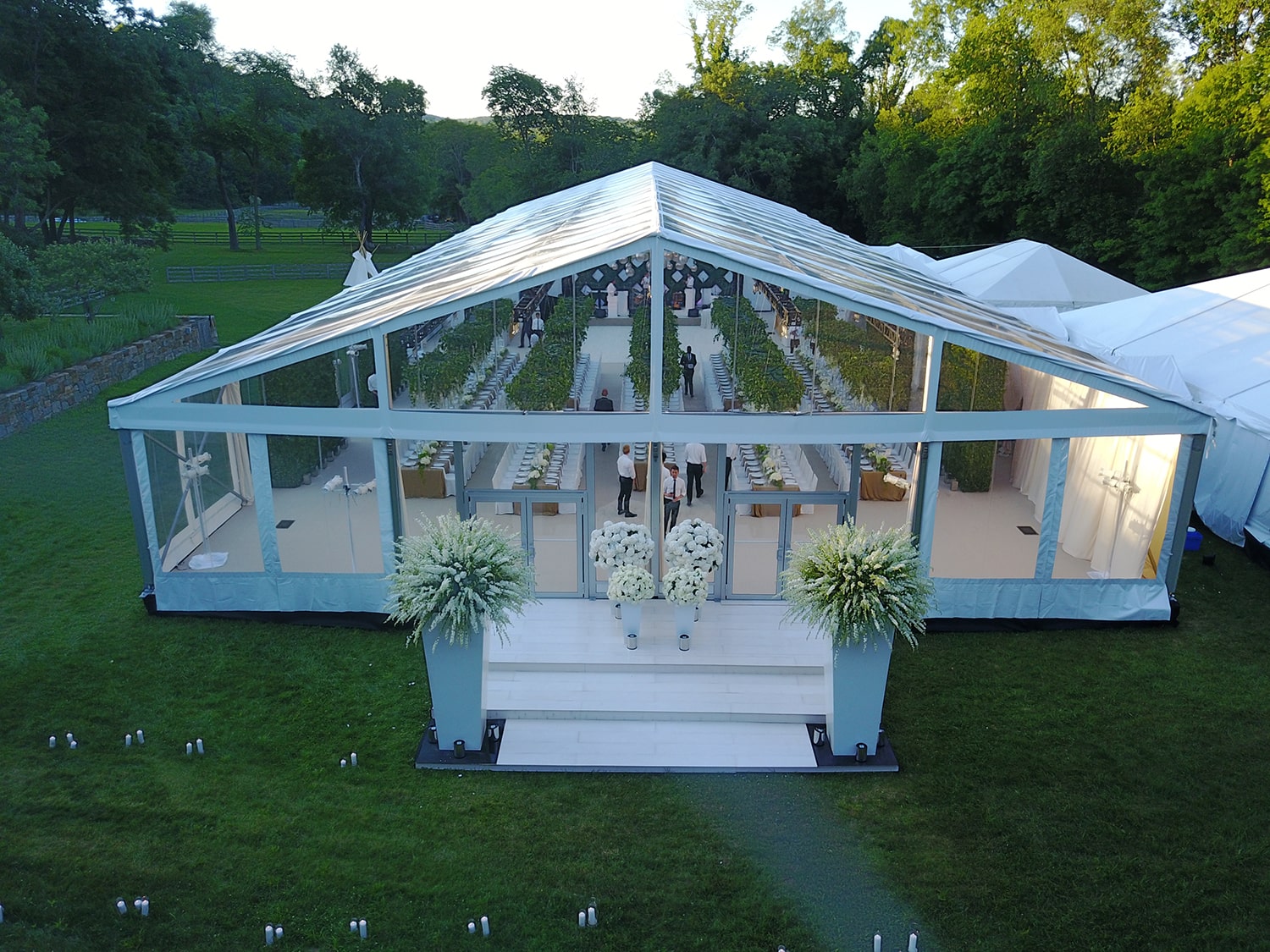
Execution is where planning becomes reality. Even well-designed events require careful coordination to succeed. Detailed timelines and contingency plans help manage the complexities of setup and breakdown.
Preparing the Site for Installation
Every site introduces unique conditions that affect setup. Ground stability, access points, and surrounding structures must all be considered. Early collaboration with site managers and local authorities ensures compliance with regulations and smooth operations.
Early site evaluation helps identify potential challenges such as uneven terrain or limited access for equipment. Addressing these issues in advance prevents delays and ensures a smoother installation process. Site preparation may also include clearing debris, leveling surfaces, and marking utility lines.
A structured setup sequence improves efficiency:
- Tent installation
- Flooring and infrastructure
- Lighting, décor, and technical elements
Following this order reduces conflicts and keeps the process organized. Regular communication among teams during setup helps address unforeseen issues promptly.
Managing Vendors and Event Operations
Corporate tent events involve multiple teams working together. Clear communication and defined timelines are essential for maintaining control. Designating a central point of contact streamlines coordination and decision-making.
Each vendor should understand:
- Their role within the setup
- When they are expected to work
- How their work interacts with others
Well-coordinated execution ensures that the event runs smoothly from setup through completion. Post-event debriefs can identify areas for improvement and enhance future event planning.
Frequently Asked Questions
What are the main benefits of renting corporate tents?
They provide flexibility, customization, and control over layout, allowing events to be designed around specific goals.
How do I choose the right tent structure?
It depends on guest count, site conditions, and whether the event prioritizes scale, flexibility, or visual experience.
What is the most important factor in a successful tent event?
Proper layout and coordination, as they directly affect guest flow, comfort, and overall execution.
Conclusion
Corporate tent rentals offer a practical and refined solution for hosting outdoor events that require flexibility, structure, and strong visual presentation. When the right tent, layout, and supporting elements are combined, the result is a space that feels intentional, comfortable, and aligned with the event’s objectives. This approach allows organizations to create memorable experiences that resonate with attendees and reinforce brand identity.
Skyline Tent Company specializes in delivering premium tent environments designed to support high-level corporate events. From planning to execution, every detail is managed with precision to ensure a seamless experience. Schedule your private consultation to create a tailored event space that reflects your vision with clarity and confidence.