
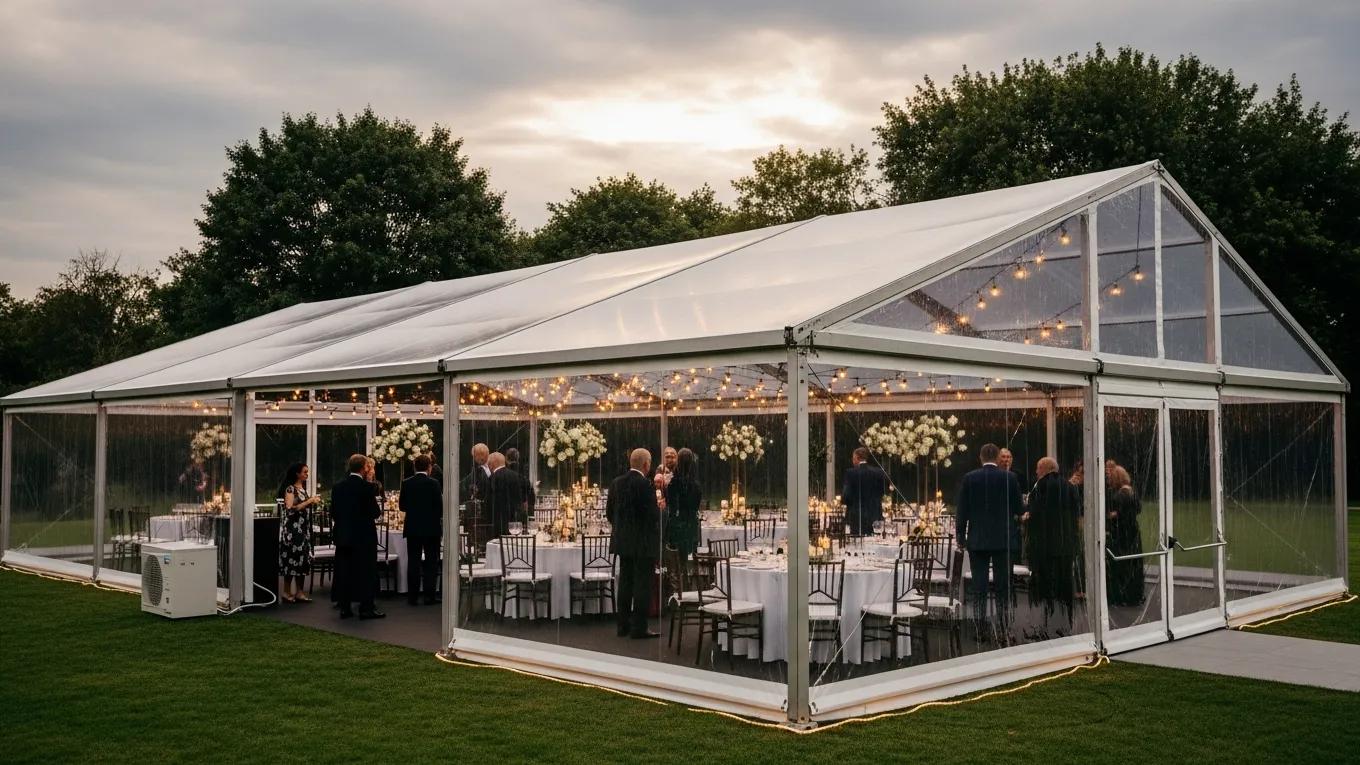
Corporate tent events require more than attractive layouts and premium décor to create a successful experience, which is why effective climate planning is a key component of summer corporate tent rentals. Guest comfort plays a direct role in engagement, networking, event flow, and overall brand perception. Without proper climate control, even well-designed outdoor events can become uncomfortable due to heat, humidity, cold, or inconsistent airflow, which can significantly detract from the overall event quality and attendee satisfaction.
Climate-control systems help maintain stable interior conditions regardless of outdoor weather changes. Heating, ventilation, and air-conditioning solutions allow event planners to create controlled environments that support presentations, dining experiences, exhibitions, and executive gatherings without disruption. These systems also contribute to the longevity of event materials and technology by preventing damage caused by extreme temperatures or moisture.
Modern climate-control strategies go beyond portable heaters and cooling units. Today’s corporate tent environments integrate HVAC planning directly into tent selection, layout design, airflow management, and operational logistics. When these systems are coordinated properly, they improve guest satisfaction, protect equipment, and create a more refined event atmosphere. This holistic approach ensures that every aspect of the event environment is optimized for comfort and functionality.
Benefits of Climate Control Systems for Corporate Tent Events
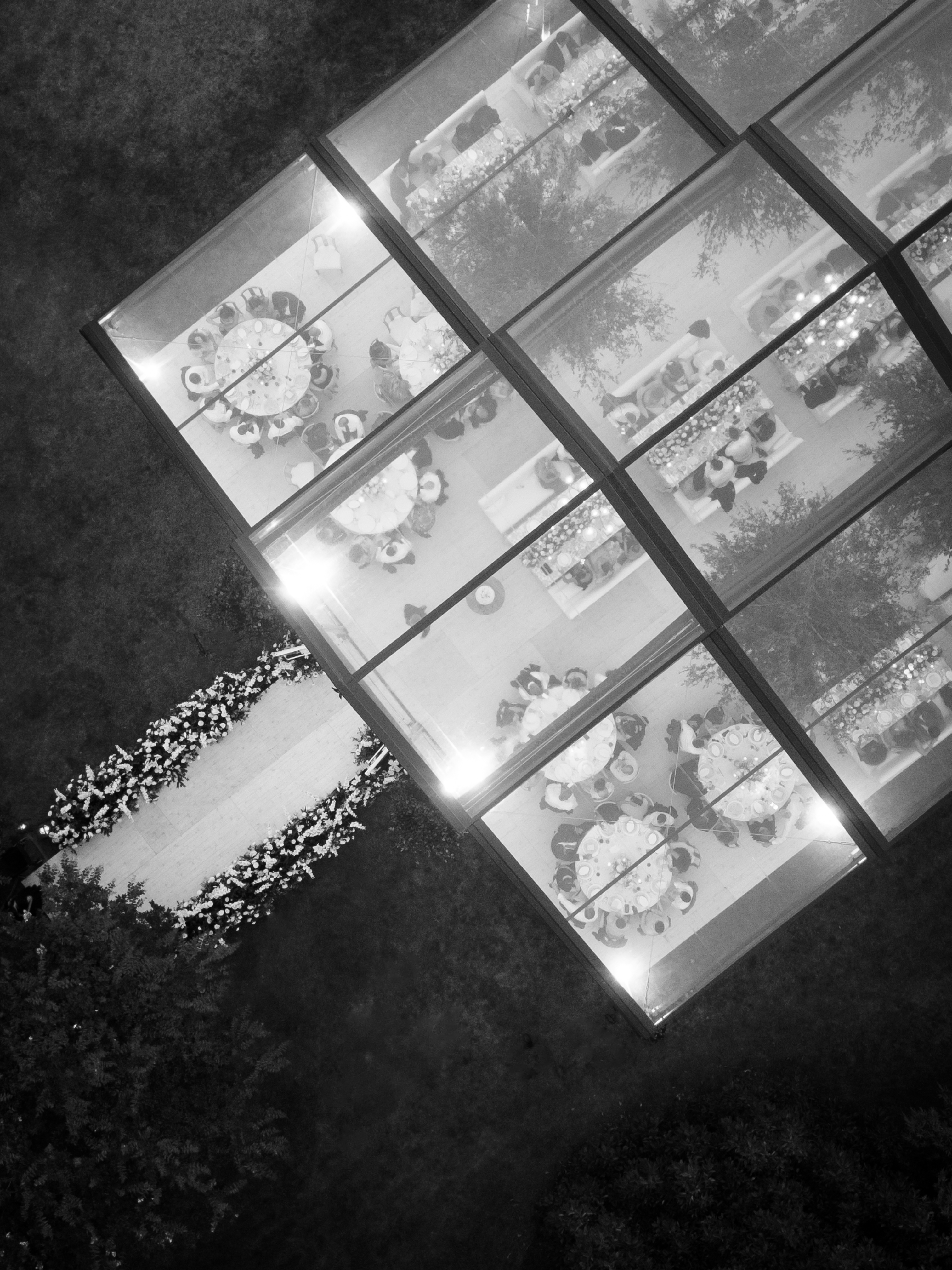
Climate control directly impacts the success of outdoor corporate events. Comfortable environments encourage guests to remain engaged, participate in networking opportunities, and focus on presentations without distraction. This leads to higher retention of information and a more positive perception of the hosting organization.
Well-regulated temperatures also improve operational consistency for catering teams, exhibitors, production crews, and event staff working inside the tent. This consistency helps maintain service quality and reduces the risk of delays or errors caused by uncomfortable working conditions.
Guest Comfort and Event Performance
Guests are far more likely to enjoy and remember an event positively when the environment remains comfortable throughout the experience. Excessive heat or poor airflow often leads to discomfort, shorter engagement times, and negative event impressions. Maintaining a pleasant atmosphere encourages attendees to stay longer and participate more actively.
A properly controlled environment improves:
- Guest concentration during presentations and meetings
- Networking participation and social interaction
- Overall attendee satisfaction and comfort consistency
Climate control also supports accessibility by accommodating guests who may be more sensitive to temperature fluctuations, such as elderly individuals or those with certain medical conditions, ensuring inclusivity and a welcoming atmosphere for all attendees.
Long-Term Operational and Cost Benefits
Investing in climate control reduces the likelihood of last-minute logistical problems. Emergency equipment rentals, layout adjustments, and guest complaints often create avoidable costs during outdoor events. Proactive climate management minimizes these risks and contributes to smoother event execution.
Well-planned HVAC systems help:
- Reduce operational disruptions during changing weather
- Protect sensitive AV and catering equipment
- Improve long-term event reputation and client experience
By integrating climate solutions early in the planning process, organizers can improve efficiency while maintaining a more professional event environment. This foresight also allows for better budgeting and resource allocation, avoiding costly surprises on event day.
HVAC Integration Strategies for Corporate Event Tents
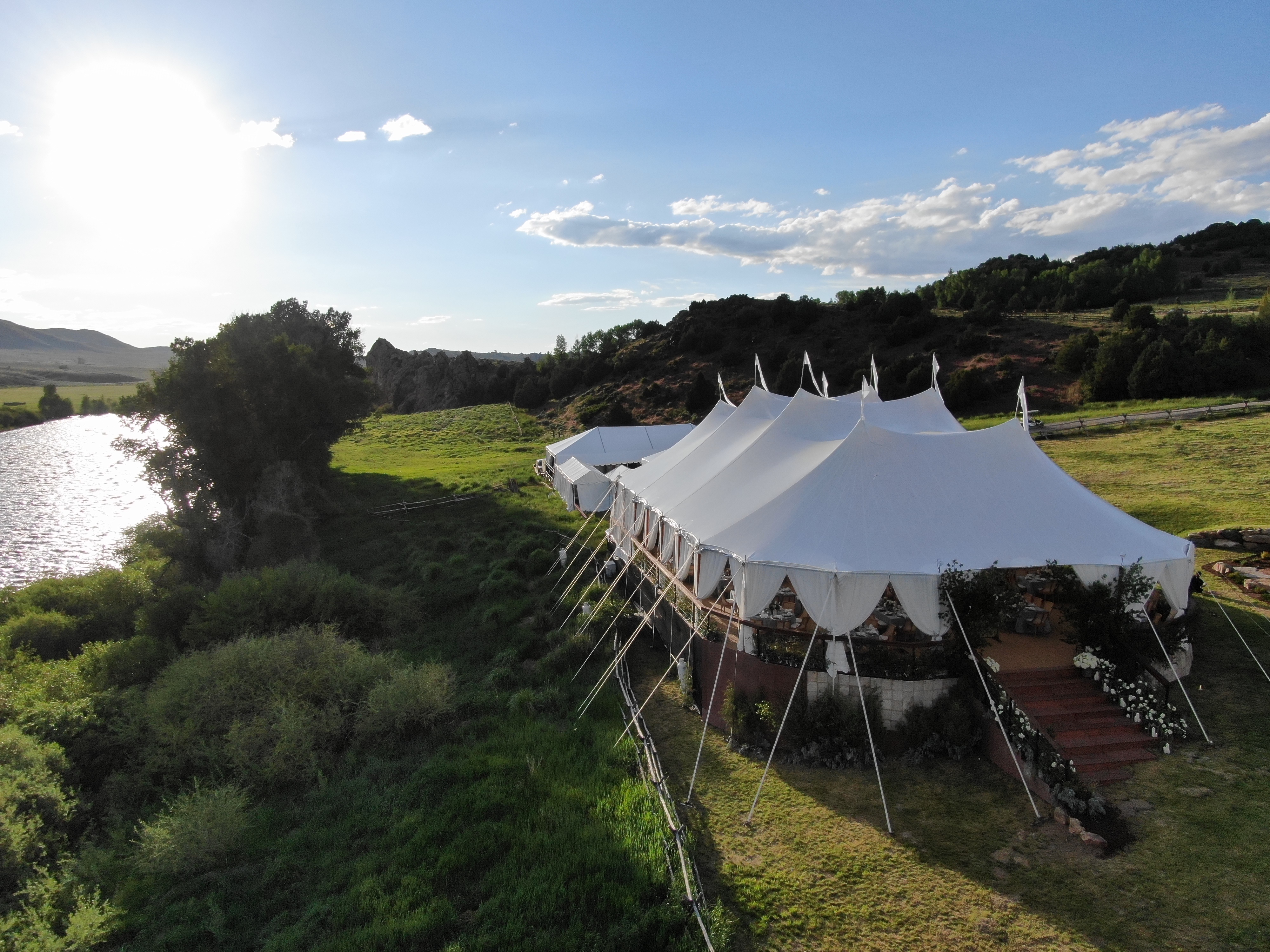
Successful HVAC integration requires more than placing cooling or heating units near a tent entrance. Effective systems are designed around tent layout, occupancy levels, airflow patterns, and equipment distribution. This comprehensive planning ensures that all areas of the tent receive adequate climate control.
Careful planning ensures that conditioned air is delivered evenly throughout the space without creating drafts, temperature inconsistencies, or noisy disruptions. This balance is critical to maintaining a comfortable environment that supports all event activities.
Temperature Regulation and Airflow Planning
Consistent airflow is essential for maintaining stable interior temperatures. HVAC systems must distribute conditioned air efficiently while preventing stagnant areas and overcrowded hot zones. Proper airflow also helps reduce the buildup of odors and maintains fresh air quality.
Key HVAC planning considerations include:
- Zoned temperature control for different event areas
- Balanced airflow across dining and presentation spaces
- Strategic duct placement to avoid blocked circulation
Using multiple smaller units rather than one oversized system often improves airflow consistency throughout large corporate tents. This approach also allows for more precise control and energy efficiency.
Humidity Control and Guest Experience
Humidity management is just as important as temperature regulation, especially during summer corporate events. Excess moisture can create discomfort, affect air quality, and damage event materials or electronic equipment. High humidity can also lead to condensation issues that may cause slippery surfaces or damage to flooring.
Effective humidity management helps:
- Improve indoor comfort levels
- Protect AV equipment and flooring systems
- Reduce condensation and damp conditions
Integrated systems also support cleaner airflow, creating a more refined and professional guest experience. Proper humidity control contributes to a healthier environment by reducing allergens and mold growth risks.
Choosing the Right Tent Type for Climate-Controlled Events
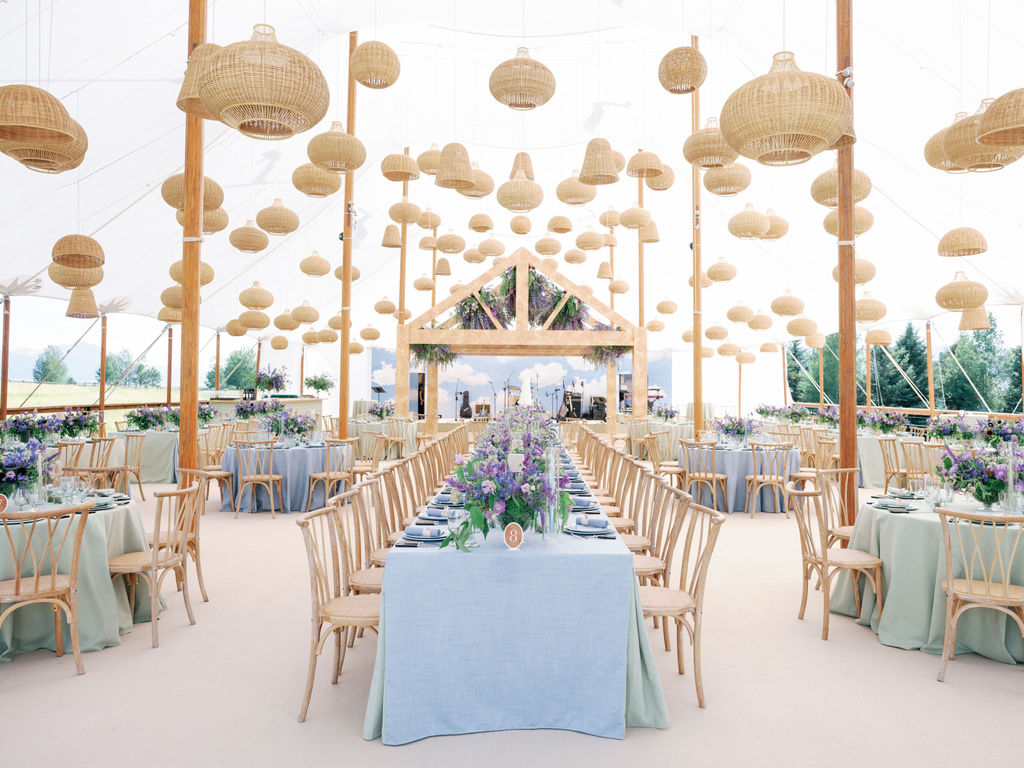
Tent selection significantly affects climate-control performance. Different tent structures support heating and cooling systems in different ways depending on airflow, ceiling height, framing systems, and insulation potential. Selecting the appropriate tent type is crucial for maximizing HVAC efficiency and guest comfort.
The right tent type should align with the event’s size, weather exposure, and comfort expectations. Consideration of these factors ensures that the tent can accommodate the necessary climate-control equipment and maintain desired environmental conditions.
Sailcloth and Pole Tent Applications
Sailcloth tents combine elegant aesthetics with natural airflow benefits, making them a popular option for planners exploring the benefits of sailcloth tents in outdoor event environments. Their high peaks help release warm air while maintaining a lighter and more open environment. This design supports passive ventilation, reducing the load on mechanical climate-control systems.
Pole tents are often used for smaller or more casual corporate gatherings where portable climate-control systems are sufficient. Their simpler structure allows for quick setup and flexibility in various locations.
Important benefits include:
- Natural airflow support through elevated peaks
- Compatibility with portable heating and cooling systems
- Visually refined appearance for upscale gatherings
These tent styles work best for moderate climates or partially open event layouts, where extreme weather conditions are less likely to impact guest comfort significantly. We cover this further in The Best Tent Materials for Ultimate Weather Protection.
Engineered Structures and Clearspan Tents
Engineered structure tents and clearspan tents provide stronger environmental control for larger corporate events. Their rigid framing systems support advanced HVAC integration, suspended ducting, and zoned airflow systems. These features enable precise climate management tailored to different event zones. We cover this further in Climate Control for Summer Winery Event Tenting.
These structures offer:
- Better insulation and air retention
- Open interiors for unrestricted airflow distribution
- Capacity for larger climate-control systems
Clearspan tents are especially effective for conferences, exhibitions, and large-scale corporate functions requiring precise temperature management. Their durability and design flexibility make them suitable for extended events and varying weather conditions.
Climate-Control Planning and Installation Considerations
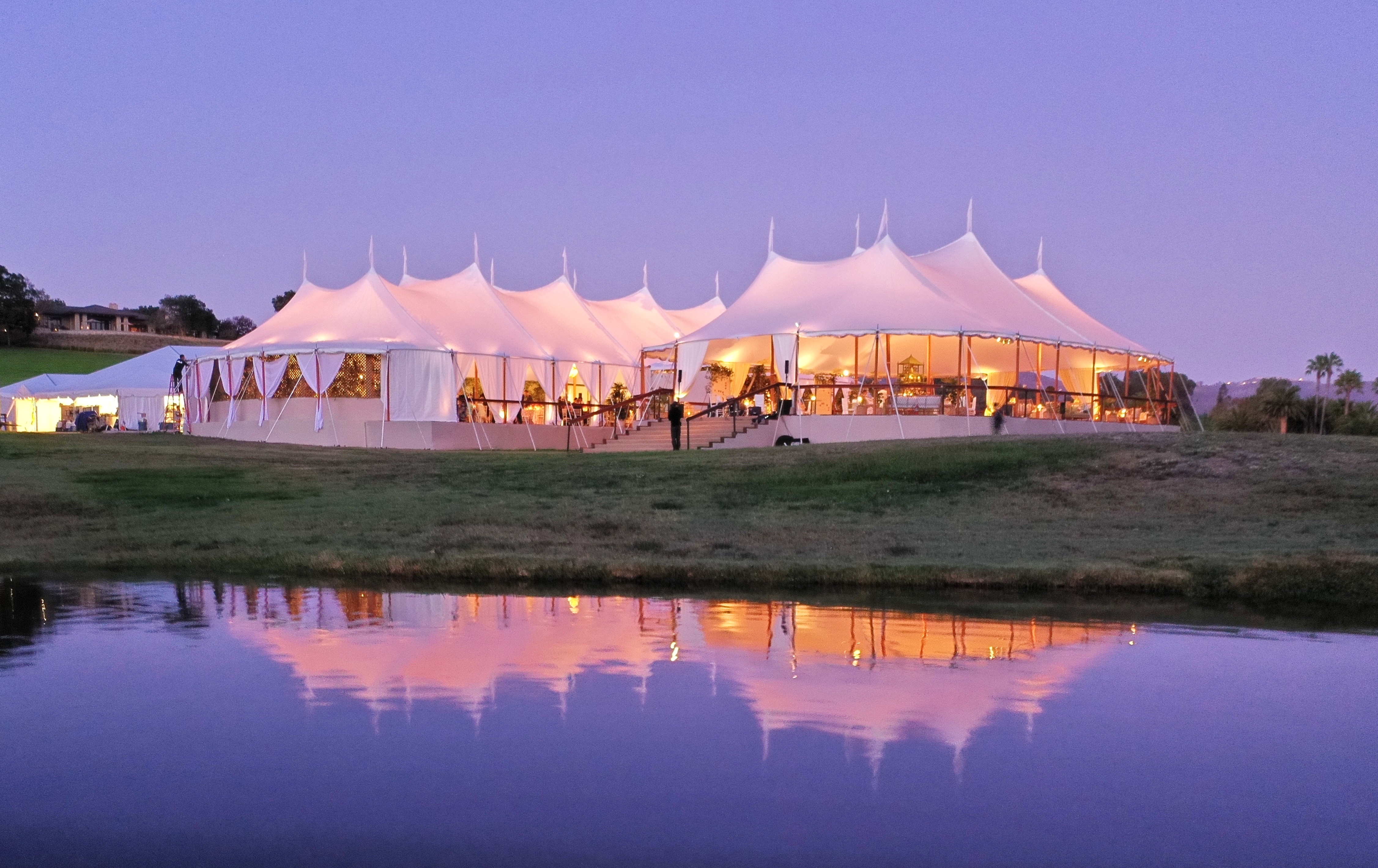
Climate-control performance depends heavily on installation planning, logistics coordination, and environmental preparation. Even advanced HVAC systems underperform when installation details are overlooked. Proper coordination among vendors, venue staff, and event planners is essential for success. Read more in Guide to Tent Climate Control Rentals for Fall Events.
Proper planning helps maintain comfort while reducing operational risks during setup and event execution. It also ensures compliance with safety regulations and optimizes energy use.
Site Logistics and Environmental Factors
Every venue presents different environmental conditions that influence climate-control effectiveness. Surface materials, wind exposure, access points, and power availability all affect system performance. Understanding these factors allows for tailored solutions that address site-specific challenges. You may also find Top Climate Control Solutions for Outdoor Tented Events helpful.
Important planning considerations include:
- Power supply access for HVAC equipment
- Tent orientation relative to sunlight and wind
- Delivery access for large cooling or heating units
Site evaluations should be completed early to avoid delays and ensure systems can be installed efficiently. Early assessments also help identify potential obstacles and allow for contingency planning.
Lighting, Flooring, and Thermal Performance
Interior design elements also affect climate performance. Certain flooring materials retain heat while some lighting systems generate unnecessary thermal load inside the tent. Selecting materials and fixtures with thermal properties in mind enhances overall climate control.
To improve efficiency:
- Use LED lighting to reduce heat generation
- Install insulated flooring to stabilize temperatures
- Position lighting away from airflow return zones
These adjustments reduce HVAC strain while improving comfort consistency throughout the event. Thoughtful design choices contribute to energy savings and a more sustainable event footprint.
Smart Climate-Control Technology and Event Tent Optimization
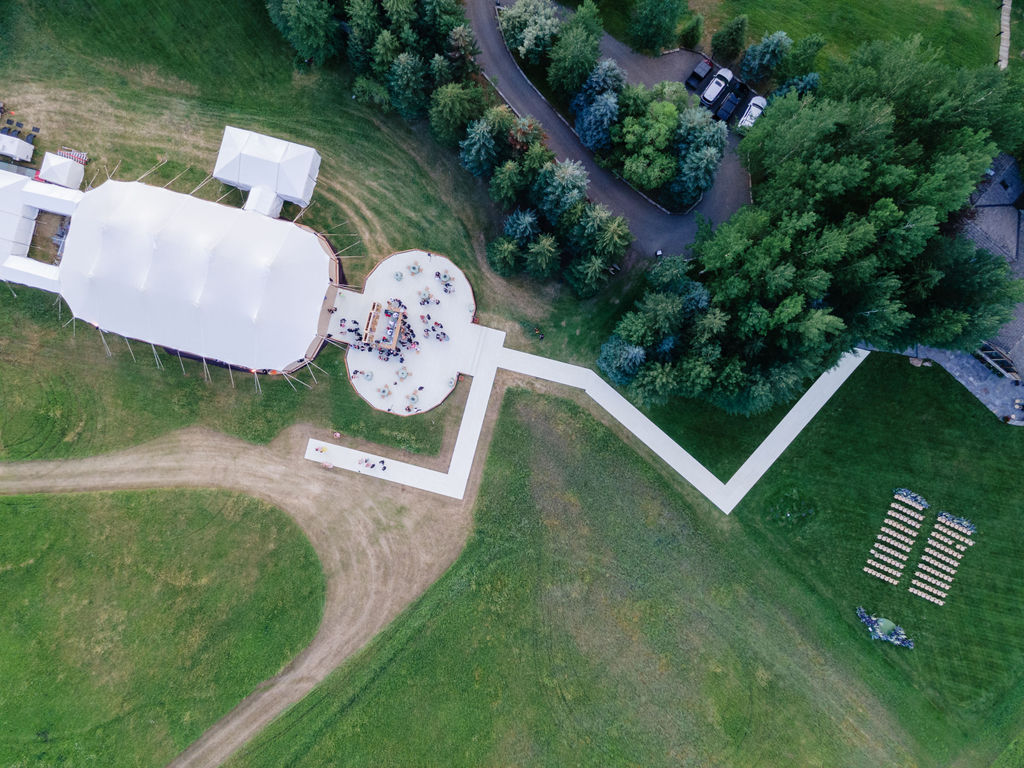
Modern corporate tent events increasingly rely on smart climate-control systems that provide real-time monitoring and automated adjustments. These technologies improve operational efficiency while helping maintain stable environmental conditions. They also enable data collection for post-event analysis and future planning improvements.
Automation also allows planners to respond quickly to changing occupancy levels and outdoor weather conditions. This flexibility ensures that the environment remains comfortable even during unexpected shifts.
Smart HVAC Systems and Automated Controls
Smart HVAC systems monitor temperature, humidity, and airflow using integrated sensors placed throughout the tent environment. Automated systems adjust output levels based on real-time conditions, optimizing performance and energy use.
Benefits of smart climate systems include:
- Real-time environmental monitoring
- Automated temperature and humidity adjustments
- Improved energy efficiency during long events
These systems reduce manual intervention while maintaining more consistent guest comfort. They also provide alerts for maintenance needs, preventing system failures during critical event moments.
Integrated Event Infrastructure and Guest Experience
Climate control works best when integrated with other event infrastructure systems such as lighting, staging, and production equipment, especially within well-planned custom tent layouts that support guest flow and operational efficiency. This integration allows for coordinated operation and minimizes interference between systems.
Well-coordinated systems improve:
- Operational efficiency during live events
- Airflow consistency around seating and exhibits
- Comfort during presentations and networking sessions
Integrated planning also minimizes technical conflicts between HVAC equipment and event-production elements. This holistic approach enhances the overall event experience and supports seamless execution.
Frequently Asked Questions
Why is climate control important for corporate tent events?
Climate control ensures guests remain comfortable regardless of weather conditions. Stable temperatures and balanced airflow improve attendee engagement, networking, and overall event experience.
What tent type works best for advanced HVAC systems?
Clearspan and engineered structure tents are typically the best options because they support larger HVAC installations, suspended ductwork, and zoned climate-control systems. For more detail, see our article Best Climate Control Options for Outdoor Tented Events.
How does humidity affect guest comfort inside tents?
High humidity creates discomfort, reduces airflow efficiency, and may affect equipment or flooring systems. Proper humidity control improves indoor comfort and protects event infrastructure.
Can climate-control systems reduce operational problems during events?
Yes. Properly integrated HVAC systems reduce the likelihood of equipment overheating, guest complaints, and emergency adjustments caused by weather changes.
What role does flooring play in climate-controlled tents?
Flooring affects insulation and heat retention. Insulated flooring helps stabilize interior temperatures while reducing the workload on heating or cooling systems.
Are smart climate-control systems worth using for corporate events?
Smart systems improve efficiency by automating temperature and humidity adjustments. They also provide real-time monitoring that helps operators maintain consistent conditions during the event.
How early should climate-control planning begin?
Climate-control planning should begin during the earliest stages of event development. Early planning ensures proper tent selection, HVAC sizing, equipment logistics, and installation coordination.
Conclusion
Climate control is one of the most important elements in creating successful corporate tent events. Stable temperatures, balanced airflow, and humidity management directly influence guest comfort, operational efficiency, and overall event perception. These factors collectively contribute to a memorable and professional atmosphere that reflects positively on the hosting organization.
From tent selection and HVAC integration to smart monitoring systems and installation planning, every detail contributes to maintaining a controlled and professional environment. Skyline Tent Company well-designed climate-control systems allow corporate events to remain comfortable and functional regardless of outdoor conditions, ensuring that every guest experience is optimized for success.
When climate management is prioritized early in the planning process, event organizers can create more refined experiences that support engagement, improve satisfaction, and enhance long-term event success. Answers to common rental questions are in our tent rental FAQs.