Designing a successful summer corporate event requires more than securing a venue. It demands a carefully structured environment where layout, comfort, and visual presentation work together seamlessly. Corporate event tent rentals provide the flexibility to transform outdoor spaces into fully functional, refined venues that align with both brand identity and operational needs, making them an effective solution for summer corporate tent rentals.
From large conferences to networking events, the right tent design supports guest flow, enhances engagement, and ensures reliable performance under varying conditions. When structure, logistics, and design are aligned, the result is an environment that feels intentional, organized, and elevated.
In addition to the physical structure, the choice of tent fabric and materials plays a crucial role in the overall event experience. High-quality, weather-resistant fabrics not only protect guests from sun and rain but also contribute to the aesthetic appeal of the event. Selecting materials with UV protection and breathability can significantly improve comfort during hot summer days, while waterproof and wind-resistant options ensure safety and stability in unpredictable weather.
Choosing the Right Tent Type for Summer Corporate Event Design
Choosing the appropriate tent type is the foundation of any successful outdoor corporate event. Each structure offers unique advantages depending on site conditions, guest count, and desired atmosphere.
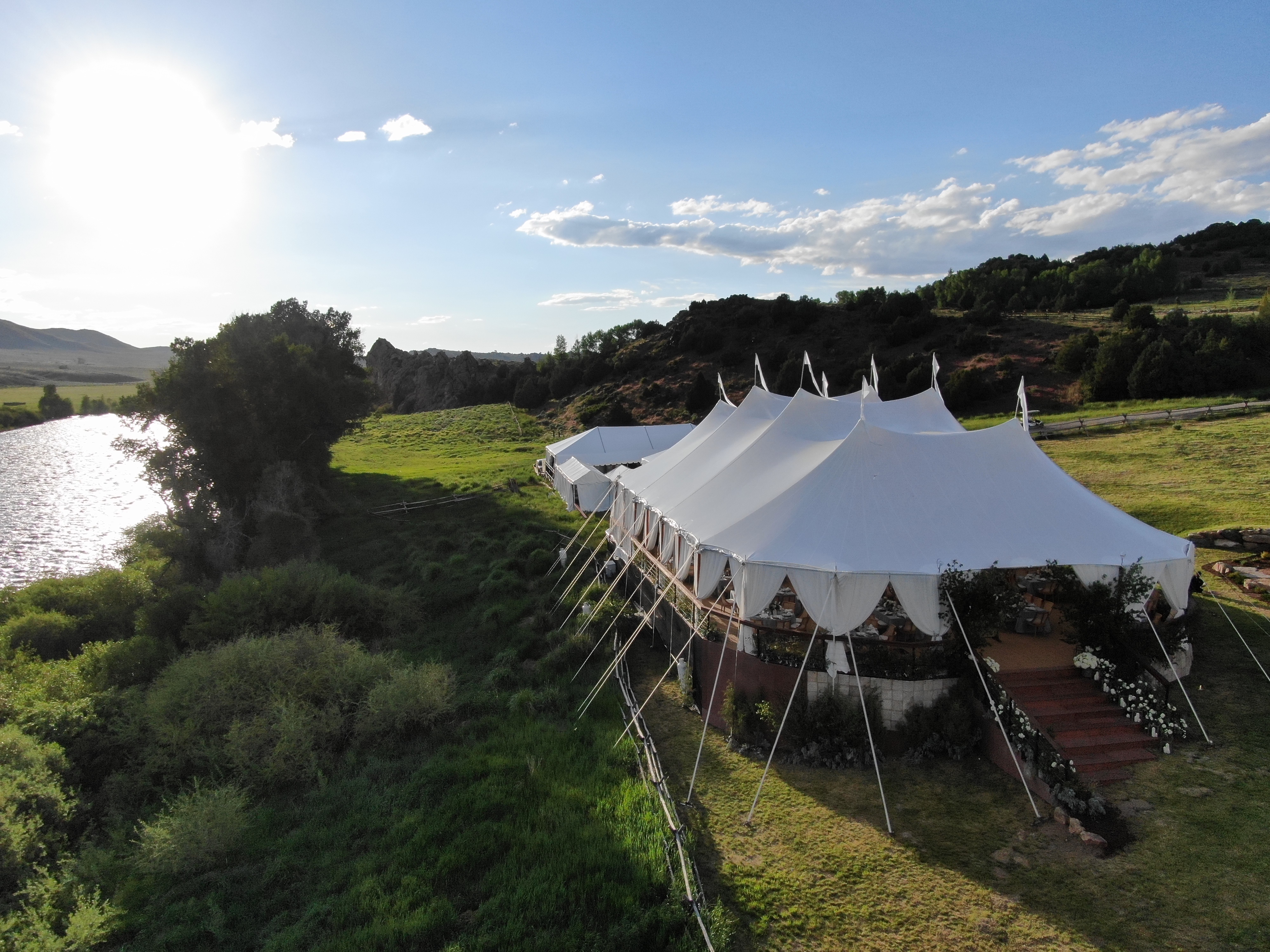
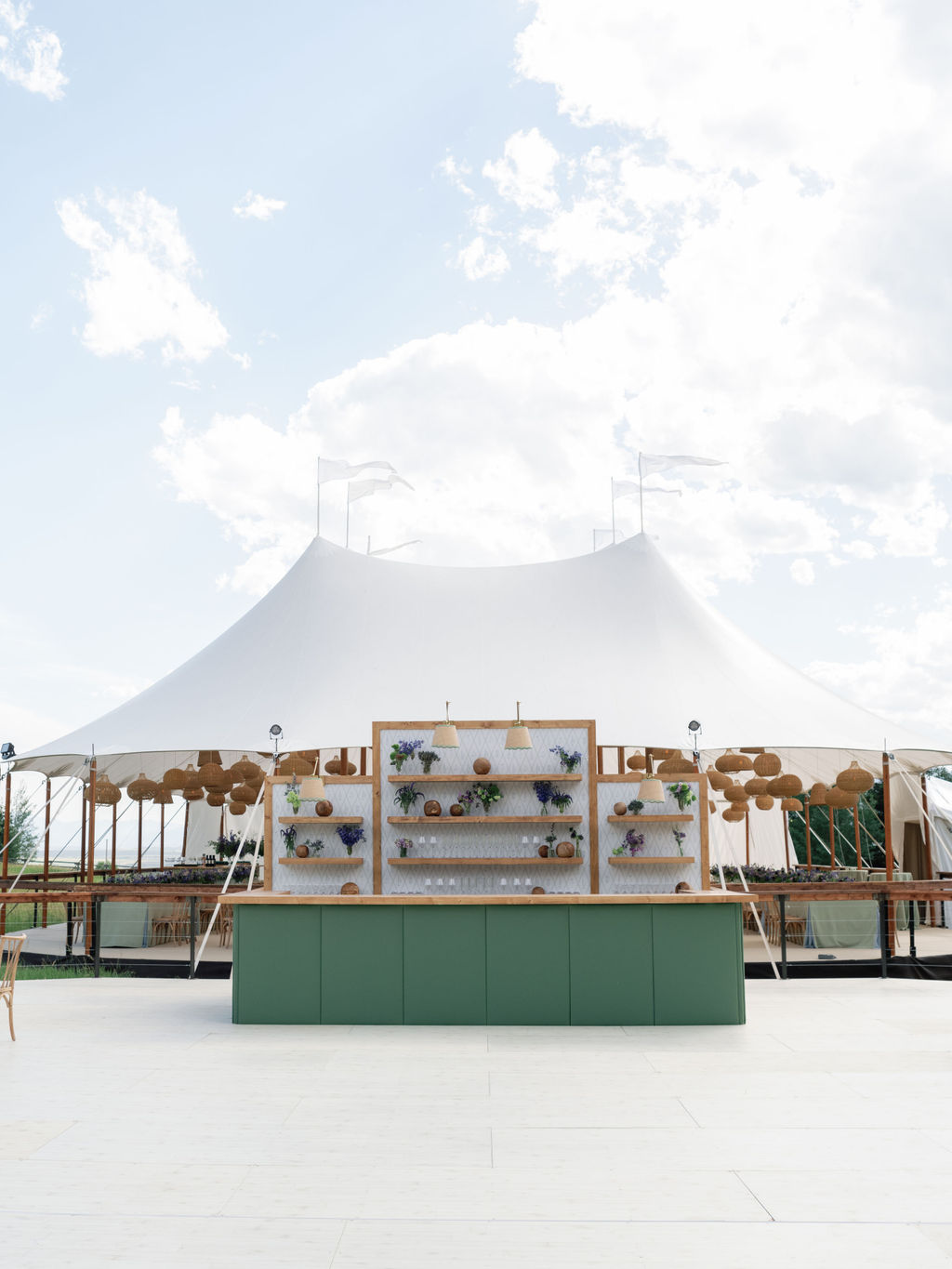
Clearspan tents provide open interiors without internal supports, allowing complete flexibility for layout planning. Frame tents offer adaptability across different surfaces, making them suitable for complex venues. Pole and sailcloth tents introduce a more traditional aesthetic with strong visual appeal.
When evaluating tent types, consider:
- Event format and layout requirements
- Guest capacity and circulation needs
- Site conditions and installation constraints
The goal is to select a structure that supports both functionality and visual impact without compromising comfort or efficiency.
Beyond the basic tent types, hybrid options and modular designs are becoming increasingly popular. These allow event planners to customize the tent footprint and configuration to better suit unique site layouts or specific event themes. Modular tents can be connected or expanded as needed, providing scalability for events that may grow in size or require segmented spaces.
Consideration of tent accessories such as sidewalls, windows, and doors also impacts the event atmosphere. Transparent sidewalls can maximize natural light and views, while solid walls offer privacy and protection. Options like roll-up sides provide versatility, allowing the tent to open up to the surrounding environment when weather permits.
Planning Guest Movement
Effective layouts begin with movement. Guests should be able to navigate between areas without congestion or confusion. Clear entry points, defined pathways, and logical placement of high-traffic zones help maintain flow.
Proper circulation improves:
- Guest experience and comfort
- Event timing and transitions
- Overall organization of the space
Incorporating wayfinding elements such as signage, floor markings, and lighting cues can further enhance guest navigation. These subtle guides reduce confusion and help guests locate key areas like registration desks, restrooms, and refreshment stations quickly and intuitively.
Structuring Multi-Zone Environments
Corporate events often require multiple functional areas within a single tent, making custom tent layouts essential for supporting presentations, networking, and dining within the same environment. These may include presentation spaces, networking zones, and dining areas.
Balanced zoning ensures:
- Clear separation of activities
- Efficient use of space
- A cohesive overall design
Subtle transitions using lighting and furniture placement help maintain visual continuity while defining each zone.
In addition to physical zoning, acoustic considerations are essential. Using sound-absorbing materials, partitions, or white noise machines can help minimize audio interference between zones, especially when presentations and networking occur simultaneously. This attention to sound management enhances guest comfort and engagement.
Designing Summer Tent Environments with Enhanced Interior Elements and Infrastructure
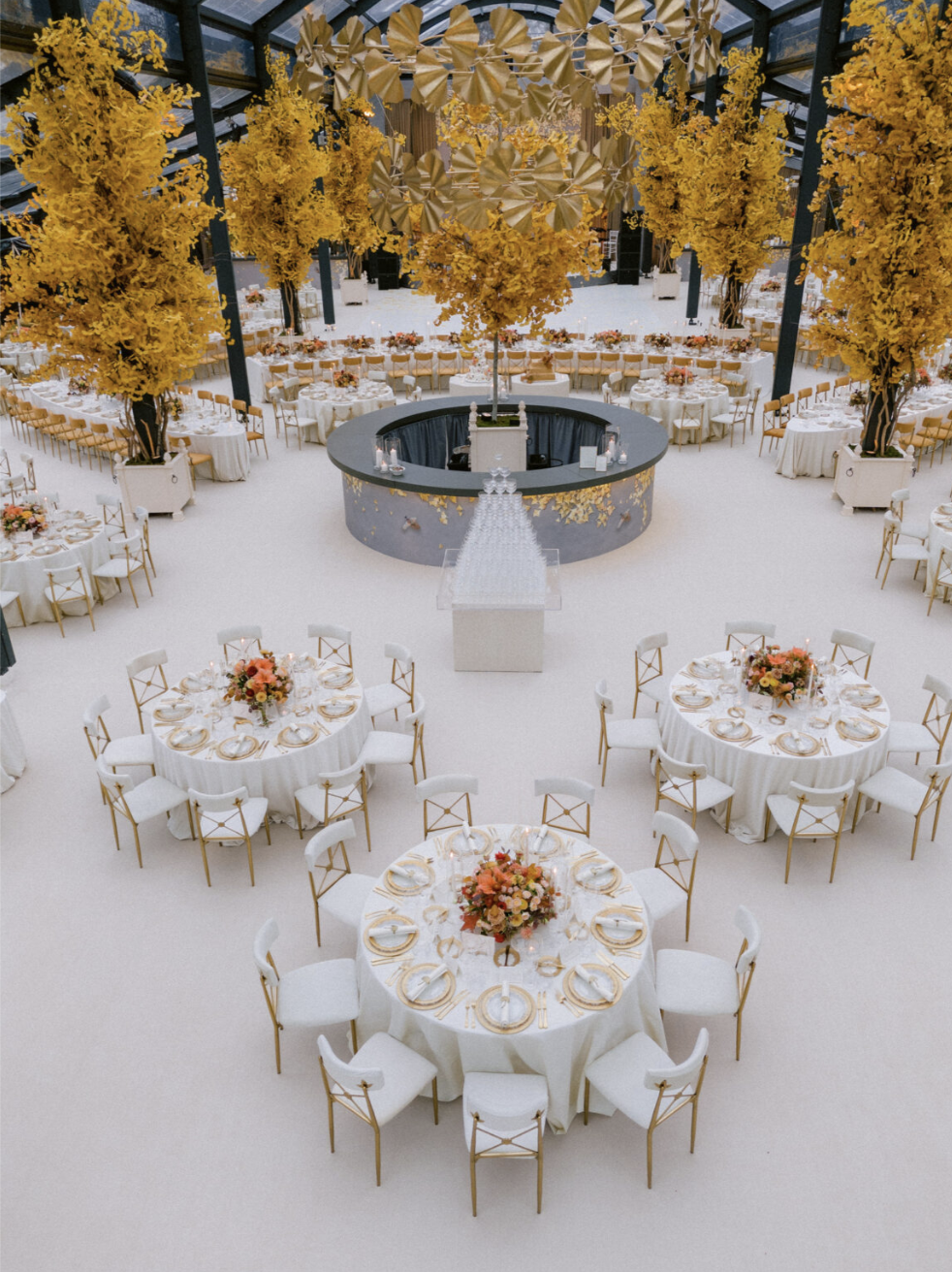
Interior elements play a critical role in shaping how the event is experienced. Lighting, flooring, and technical systems must work together to create a cohesive environment.
Lighting and Atmosphere
Lighting defines both mood and functionality. A layered approach allows the space to adapt throughout the event, from formal presentations to relaxed networking, which is why many planners invest in creative event lighting ideas to enhance atmosphere and engagement.
Key lighting considerations include:
- Ambient lighting for overall visibility
- Accent lighting to highlight focal areas
- Functional lighting for service zones
A well-designed lighting plan enhances both aesthetics and usability.
Incorporating dynamic lighting options such as color-changing LEDs or dimmable fixtures can transform the tent atmosphere as the event progresses. For example, brighter, cooler lighting may be used during keynote speeches, while warmer, softer lighting can create a welcoming ambiance during cocktail hours. Lighting control systems enable seamless transitions and customization to match the event’s tone.
Tent Flooring and Technical Integration
Flooring provides stability and improves the overall appearance of the space. It also supports accessibility and ensures consistent surfaces for guests and equipment.
Technical infrastructure must be integrated early to avoid disruption. This includes power distribution, AV systems, and service access routes.
When design and infrastructure are aligned, the tent becomes a fully developed venue rather than a temporary setup.
Flooring options range from simple carpet overlays to raised platforms and interlocking tiles, each offering different benefits. Raised flooring can conceal cables and wiring, improving safety and aesthetics. Non-slip surfaces and ramps ensure compliance with accessibility standards, making the event inclusive for all attendees. Read more in Stunning Tent Flooring Ideas for Festive Holiday Gatherings.
Managing Summer Logistics, Site Conditions, and Event Execution for Tent Events
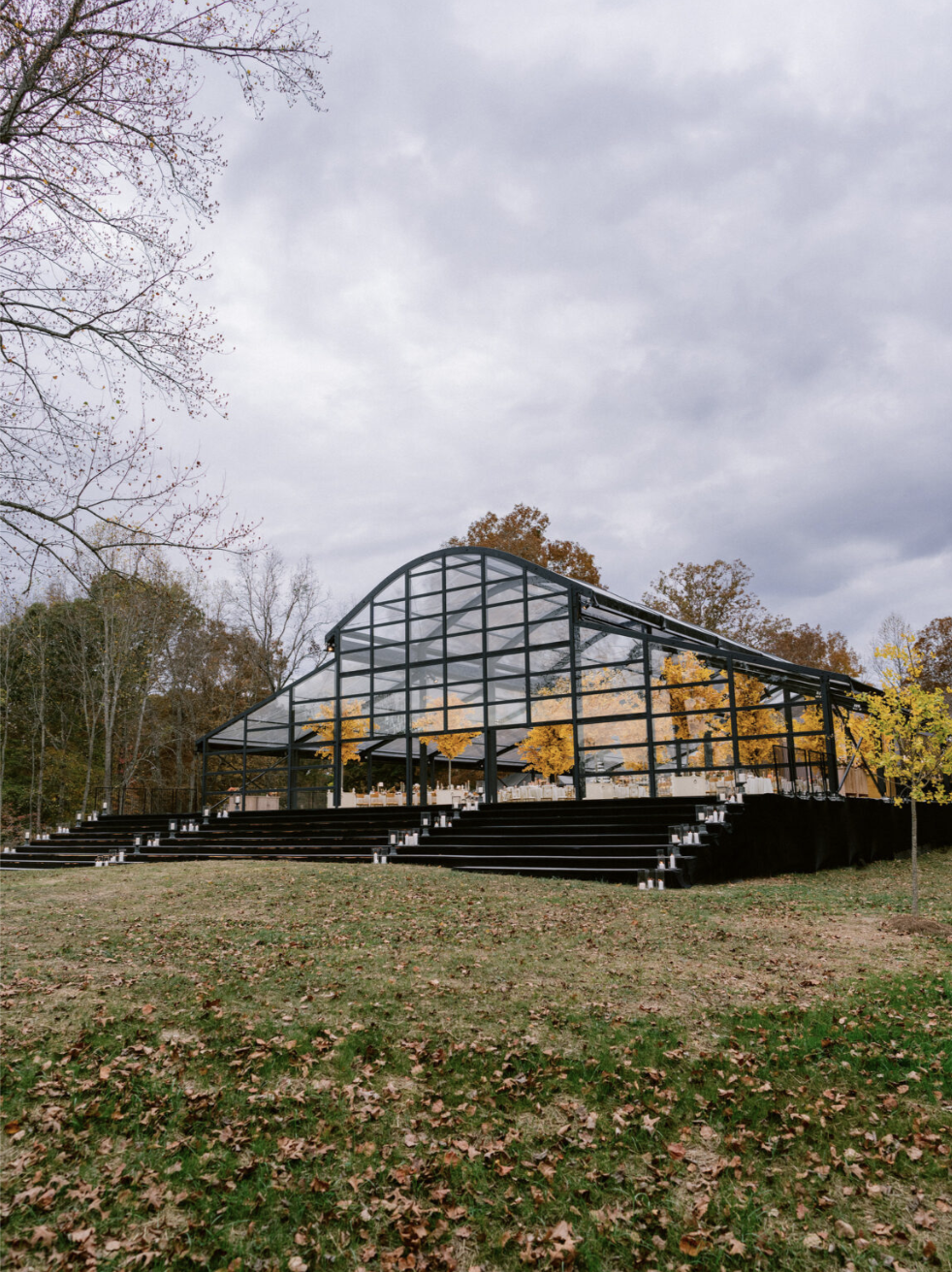
Behind every successful tented event is a well-coordinated logistical plan. Site conditions, installation processes, and vendor coordination all play a role in execution. Read more in Stylish Outdoor Tent Event Ideas for Memorable Gatherings.
Site Assessment and Preparation
A detailed site evaluation ensures that the tent can be installed efficiently and safely. Terrain, access points, and local regulations must all be considered.
Important factors include:
- Ground stability and anchoring methods
- Accessibility for equipment and vendors
- Compliance with permits and regulations
Early planning reduces risk and improves installation efficiency.
Site preparation may involve grading, clearing debris, and installing temporary infrastructure such as roads or platforms. Environmental considerations, including drainage and protection of natural habitats, should be addressed to minimize impact and comply with local guidelines. Coordination with local authorities and utility providers ensures that all necessary permits and inspections are completed on time.
Coordinating Installation and Vendors
Multiple teams work together during setup, making coordination essential. Clear timelines and defined responsibilities ensure that each phase of installation progresses smoothly.
Effective coordination results in:
- Reduced delays during setup
- Proper integration of technical systems
- A seamless transition into the event
This level of organization allows planners to focus on delivering a high-quality guest experience.
Vendor coordination extends beyond tent installation to include catering, entertainment, security, and cleaning services. Establishing a centralized communication hub or project management platform helps synchronize efforts and quickly address any issues that arise. Regular progress meetings and contingency planning further enhance readiness and adaptability.
Optimizing Guest Experience Through Tent Design and Comfort
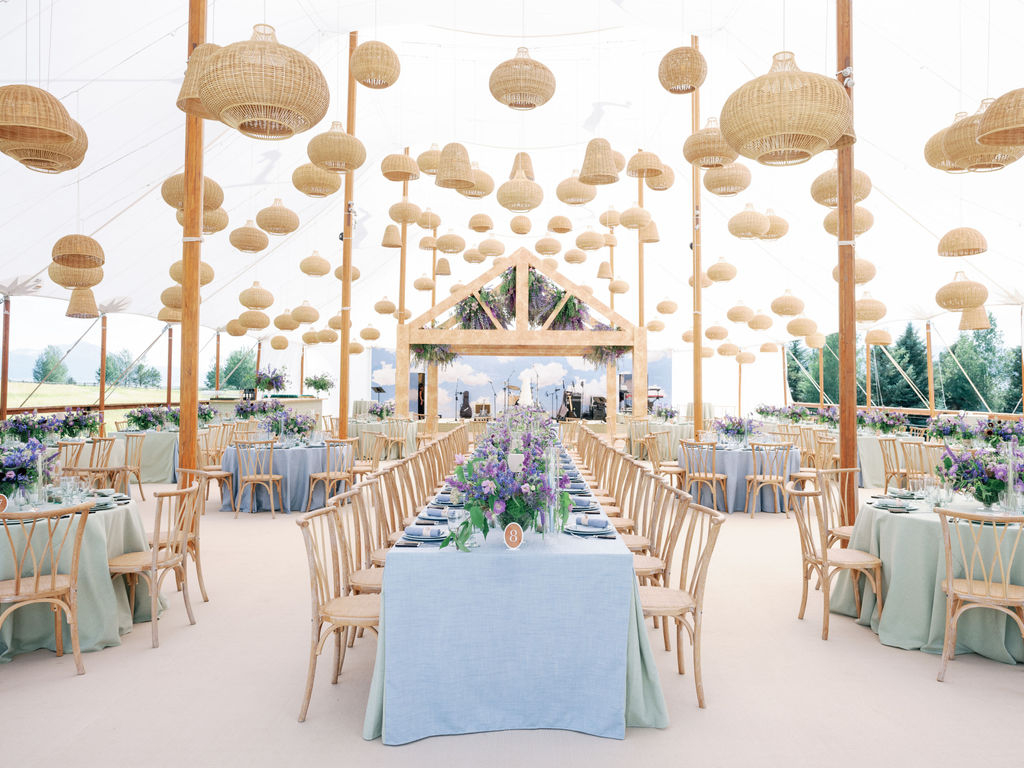
A successful corporate event is defined by how guests experience the space. Comfort, engagement, and visual consistency all contribute to the overall impression.
Clearspan tents enhance guest experience by providing open, unobstructed environments that support flexible layouts and clear sightlines. Their structural design allows for better airflow and easier integration of climate control systems.
To improve guest experience, focus on:
- Maintaining comfortable temperature and airflow
- Creating visually cohesive environments
- Supporting easy movement and interaction
When these elements are aligned, the event feels polished, comfortable, and professionally executed.
Climate control is a critical factor in guest comfort, especially during summer events. Options include portable air conditioning units, misting fans, and strategically placed ventilation openings. Combining these with tent fabrics that reflect heat and provide insulation can significantly reduce interior temperatures.
Visual cohesion can be achieved through consistent branding elements such as color schemes, logos, and thematic decor. Incorporating natural elements like plants and flowers can soften the tent environment and create a welcoming atmosphere. Furniture selection should balance style and comfort, with ergonomic seating and versatile arrangements that encourage interaction.
Accommodating diverse guest needs, including those with disabilities, enhances inclusivity and satisfaction. This involves accessible entrances, seating, restrooms, and clear signage. Providing quiet zones or lounge areas offers respite for guests who may need a break from the main event activities.
Climate Control and Environmental Comfort
Climate control is a critical factor in guest comfort, especially during summer events. Managing temperature effectively ensures that guests remain engaged throughout the event without distraction.
Solutions such as portable air conditioning units, misting fans, and strategically placed ventilation openings help regulate airflow and reduce heat buildup. Pairing these systems with tent materials that reflect sunlight and provide insulation can significantly improve interior conditions. Proper placement of cooling equipment ensures consistent airflow without disrupting the layout or design.
Visual Cohesion and Guest Engagement
A visually cohesive environment enhances both perception and experience. Consistency in branding elements such as color palettes, logos, and thematic décor creates a unified and professional atmosphere.
Incorporating natural elements like greenery or floral arrangements softens the structure of the tent and adds warmth to the space. Furniture selection should balance style and comfort, using layouts that encourage interaction while maintaining structure. When visual design and comfort are aligned, the space feels intentional and inviting for every guest. Read more in Discover Luxurious Tent Floral Design Ideas for Events.
Frequently Asked Questions
What is the best tent type for corporate events?
The best tent type depends on the event’s size, layout, and location. Clearspan tents are often preferred for large corporate events due to their open interiors and flexibility, while frame tents are ideal for sites with installation constraints.
How do I determine the right tent size?
Tent size should be based on guest count, layout requirements, and additional space for circulation and service areas. Planning with extra space ensures comfort and prevents overcrowding.
Why is layout planning important for tented events?
Layout planning affects guest flow, accessibility, and overall event efficiency. A well-structured layout ensures smooth movement and enhances the overall experience.
How can I improve comfort in a tented event?
Comfort can be improved through proper climate control, airflow planning, and spacious layouts. These elements ensure guests remain engaged throughout the event.
Conclusion
Corporate event tent rentals provide the flexibility to create customized environments that balance functionality and design. By selecting the right structure, planning efficient layouts, and coordinating logistics, planners can deliver impactful summer events that meet both operational and aesthetic goals. See every structure we offer in our luxury tent rentals.
Skyline Tent Company offers premium tent solutions designed to support corporate events of all sizes. With expert guidance and tailored configurations, each event can be executed with precision, comfort, and a refined presentation. See how these ideas look on real sites in our tent gallery.