
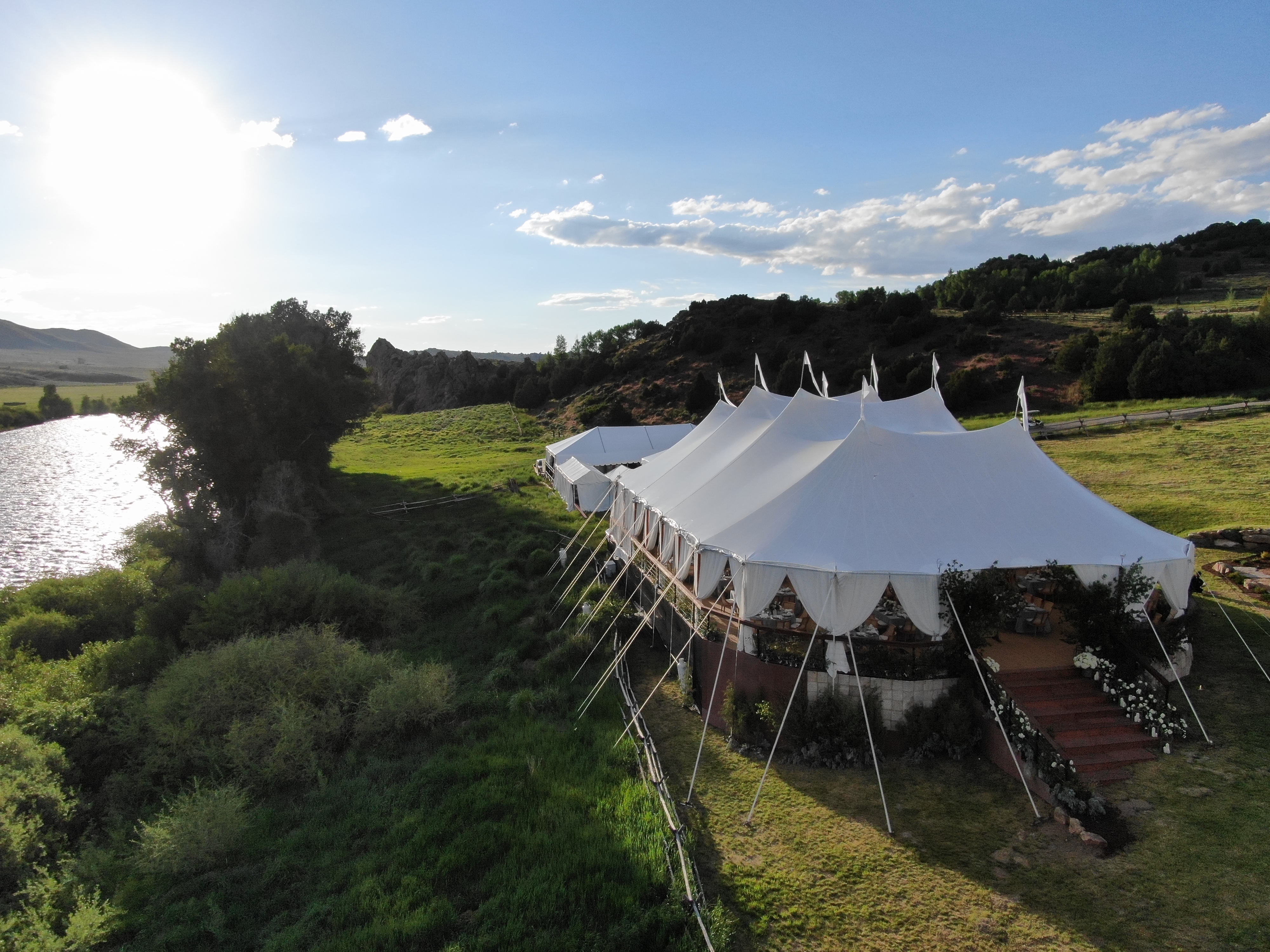
Managing temperature inside an event tent requires more than simply adding heaters or portable cooling units. Outdoor environments constantly change throughout the day, and those fluctuations directly impact guest comfort, equipment performance, and overall event flow. Without a clear climate-control strategy, tents can quickly become too hot, humid, cold, or poorly ventilated, affecting the experience for attendees and staff alike.
Temperature management is especially important for weddings, corporate gatherings, luxury receptions, and multi-day outdoor events where comfort expectations are higher, making it a critical consideration for summer corporate tent rentals. Every factor, including tent structure, flooring, airflow, weather exposure, and occupancy levels, contributes to how the environment feels inside the tent.
A successful setup combines planning, equipment selection, ventilation, and operational coordination. When these elements work together, event tents can maintain stable, comfortable conditions regardless of seasonal or weather-related challenges.
Understanding Temperature Fluctuations in Event Tents
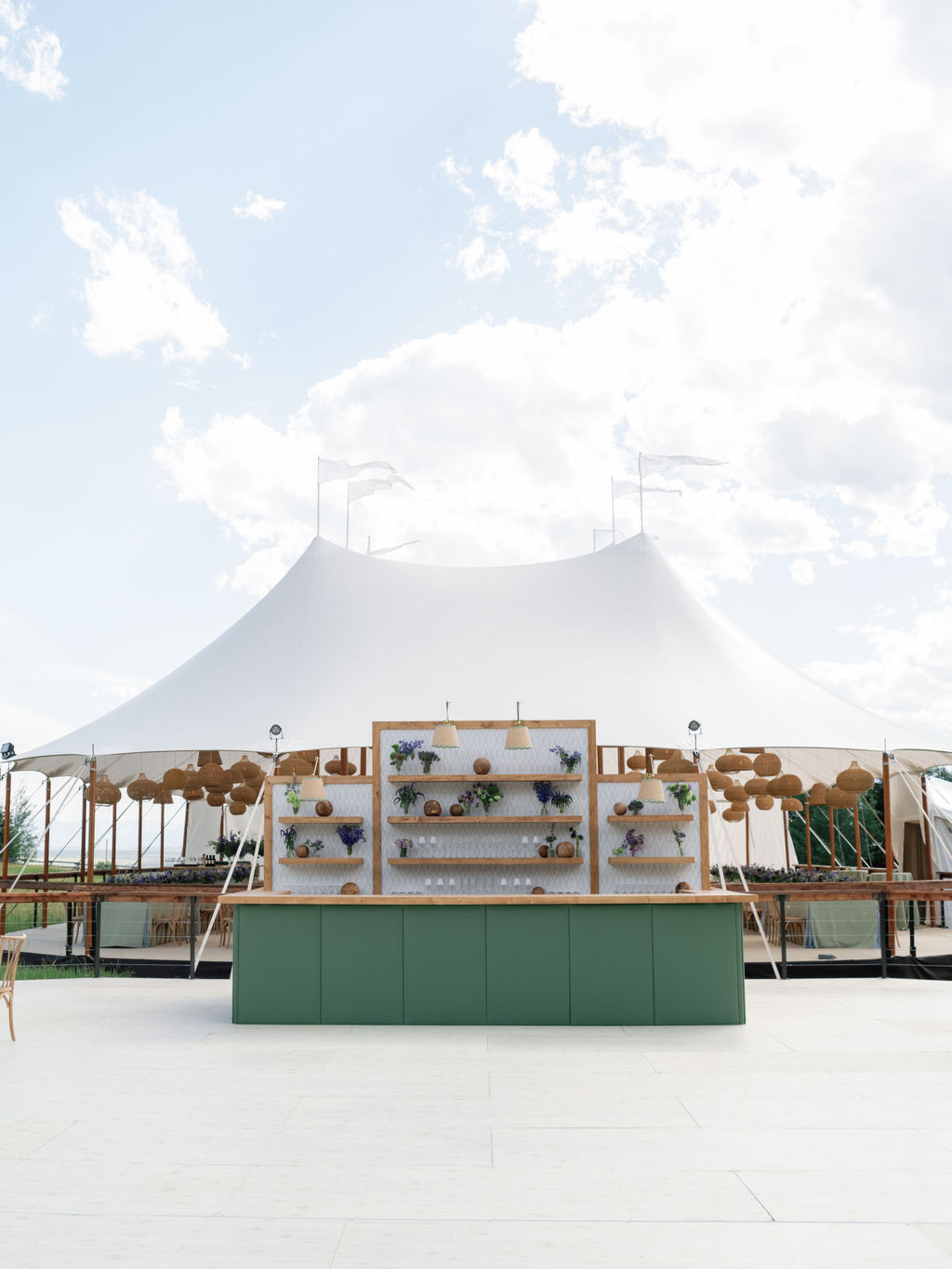
Temperature inside a tent changes rapidly depending on weather conditions, occupancy, and sunlight exposure. Tents can become excessively warm during the afternoon and lose heat quickly at night, especially when insulation and airflow are not properly managed.
Pre-event thermal analysis helps planners anticipate these changes before installation begins. Reviewing historical weather patterns and monitoring site conditions allows teams to identify potential hot zones, cold spots, and airflow issues early in the planning process.
How Weather Conditions Affect Tent Climate
Outdoor conditions directly influence the internal climate of a tented environment. Sun exposure, humidity, wind direction, and precipitation all affect temperature stability throughout the event.
Important environmental factors include:
- Direct sunlight increasing interior heat buildup
- Nighttime temperature drops reducing occupant comfort
- Humidity levels affecting airflow and cooling efficiency
- Wind exposure influencing heat retention and ventilation
Understanding these conditions allows planners to choose the right heating, cooling, and insulation systems before the event begins.
Why Tent Design Influences Thermal Performance
Tent structure and material selection play a major role in climate control. Some tent fabrics retain heat more effectively, while others promote airflow and ventilation.
Clearspan tents provide flexibility for HVAC integration because of their open interiors, while sailcloth tents often require additional ventilation planning due to their lighter fabric construction, particularly when considering the benefits of sailcloth tents for outdoor events. Reflective roofing materials, insulated liners, and ventilation openings all influence internal temperature management.
Proper structural planning reduces the workload on heating and cooling systems while improving comfort consistency across the entire tent.
Heating Solutions for Cold Outdoor Events

Cold-weather events require reliable heating systems that provide balanced warmth without creating uneven temperature zones. The goal is to maintain comfort while preserving safe airflow and operational efficiency. We cover this further in Elevated Platforms: Tenting on Uneven Autumn Terrain.
Heating systems should be selected based on tent size, occupancy, weather exposure, and event duration. Oversized or poorly positioned equipment can create uncomfortable hot spots while leaving other areas cold.
Portable and Radiant Heating Systems
Portable heaters are commonly used because they offer flexibility and quick deployment. They can be positioned strategically throughout the tent to create balanced heating zones.
Radiant floor heating systems provide a more consistent solution for upscale or large-scale events. These systems distribute warmth evenly from the ground upward, improving comfort throughout the tent.
Effective heating strategies include:
- Positioning heaters evenly throughout the space
- Creating separate heating zones for larger layouts
- Combining radiant systems with insulated flooring
This layered approach improves warmth distribution while reducing unnecessary energy use.
Insulation and Heat Retention Strategies
Retaining heat is just as important as generating it. Without proper insulation, warm air escapes quickly, forcing heating systems to work harder.
Methods that improve heat retention include:
- Thermal liners attached to tent interiors
- Insulated flooring systems to reduce ground temperature transfer
- Sidewalls and enclosed entry points that limit drafts
These solutions stabilize internal temperatures and improve energy efficiency during colder outdoor events.
Cooling Solutions for Summer Tent Events
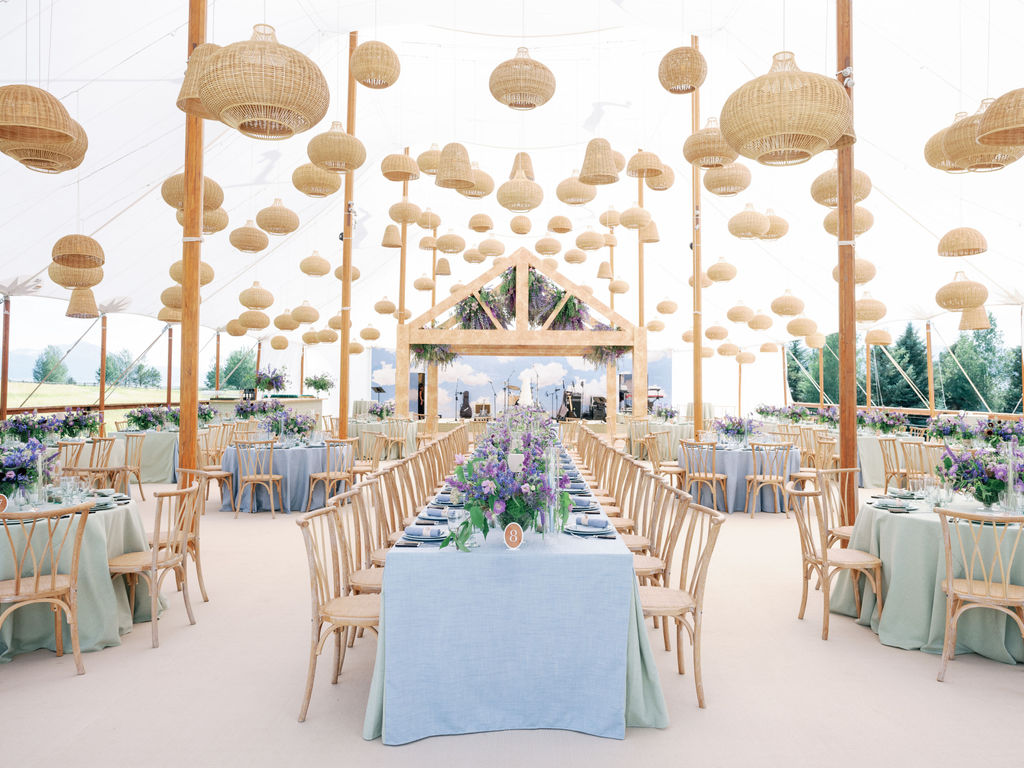
Managing heat during summer events is one of the biggest challenges in tent climate control. High occupancy, direct sunlight, lighting equipment, and limited airflow can rapidly increase interior temperatures.
A successful cooling strategy combines ventilation, shading, and mechanical cooling systems to create a stable environment.
Ventilation and Airflow Management
Proper ventilation prevents stagnant air and reduces heat accumulation. Airflow should move naturally through the tent while supporting cooling equipment performance.
Important ventilation practices include:
- Positioning vents to support cross airflow
- Using fans to circulate cool air evenly
- Preventing blocked intake and exhaust pathways
Tent orientation also matters. Positioning the structure to take advantage of prevailing breezes improves passive cooling throughout the day.
Air Conditioning and Shade Solutions
Portable air conditioning systems are often necessary for enclosed tents or large guest counts. Equipment should be sized according to occupancy, tent volume, and expected weather conditions.
Additional cooling measures include:
- Reflective tent materials that reduce solar gain
- External shade structures around high-exposure areas
- Cooling zones for dining, lounges, or VIP spaces
Combining mechanical cooling with passive shading techniques improves efficiency while maintaining guest comfort. You may also find Ensuring Comfort When It Rains at a Tent Event helpful.
Managing Rain, Humidity, and Wind Conditions for Event Tents
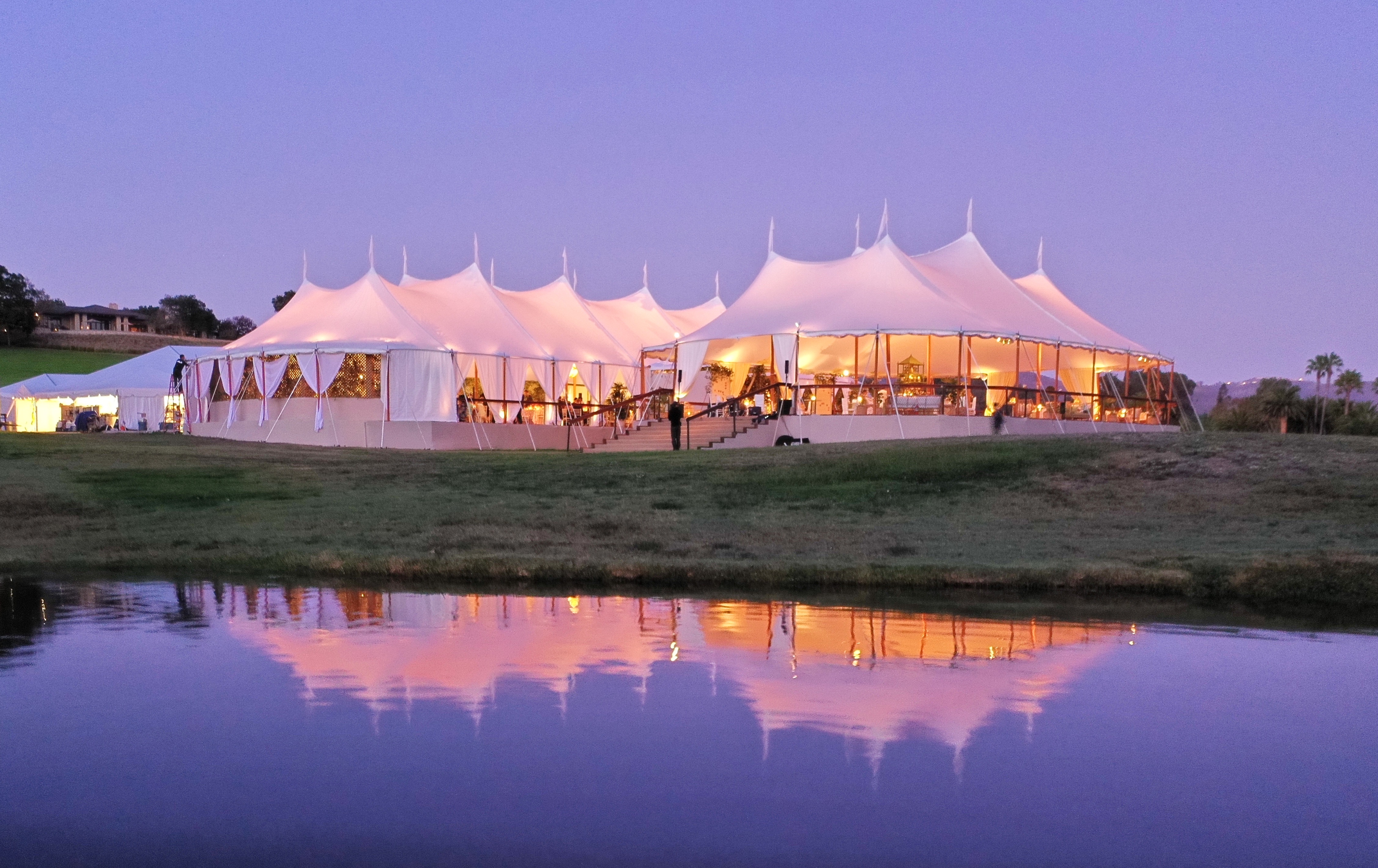
Weather management extends beyond temperature alone. Rain, humidity, and wind all affect comfort, safety, and operational reliability inside a tent.
Without proper planning, moisture buildup and strong winds can disrupt airflow, damage equipment, and create uncomfortable conditions for guests.
Moisture and Humidity Control
Humidity increases discomfort even when temperatures appear manageable. Excess moisture also contributes to condensation and poor air quality inside enclosed tents.
Key humidity management solutions include: For more detail, see our article Find Lighting and Heater Solutions When Renting Party Tents.
- Dehumidifiers for enclosed environments
- Waterproof tent fabrics and sealed seams
- Flooring systems that support drainage and moisture control
Maintaining proper airflow near cool surfaces also helps reduce condensation buildup.
Wind Resistance and Tent Stability
Wind affects both structural safety and thermal consistency. Strong airflow can disrupt heating and cooling performance while placing stress on anchoring systems.
Best practices for wind management include: Read more in Discover the Best Heated Winter Tent Rentals for Your Event.
- Reinforced anchoring and ballast systems
- Windbreak placement using natural or structural barriers
- Continuous inspection of straps, clips, and support points
Monitoring weather forecasts throughout the event ensures that adjustments can be made before conditions worsen.
Improving Guest Comfort Through Smart Climate Planning in Event Tents
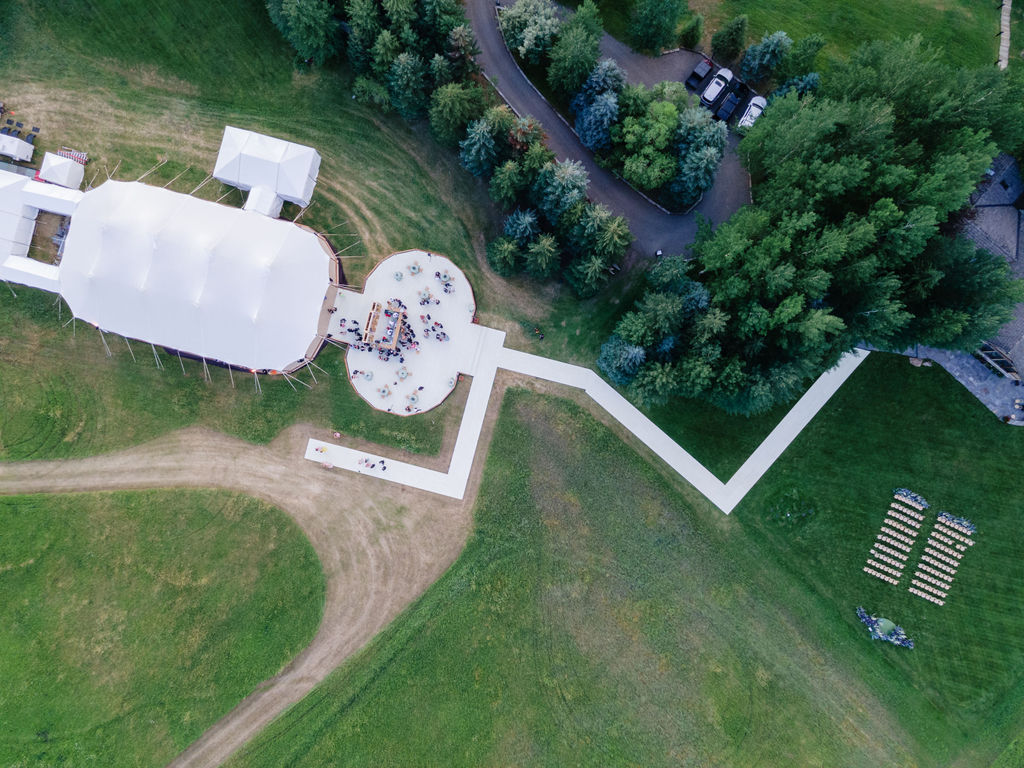
Guest comfort depends on more than maintaining a target temperature, which is why planners often incorporate custom tent features to improve functionality, airflow, and overall event experience. Air quality, circulation, seating layout, and operational planning all influence how the environment feels.
Well-designed tent climates create a balanced atmosphere where guests remain comfortable regardless of changing outdoor conditions.
Layout and Air Quality Considerations
Tent layouts should support airflow rather than obstruct it. Poor furniture placement or overcrowding can trap heat and reduce circulation efficiency.
To improve comfort:
- Keep HVAC intake and exhaust points clear
- Position service stations away from ventilation paths
- Avoid overcrowding seating and lounge areas
Air quality systems such as filtration and humidity control also contribute to a healthier indoor environment.
Smart Technology and Climate Monitoring
Modern climate-control systems use sensors and automation to improve efficiency and responsiveness. Smart monitoring tools allow operators to adjust conditions in real time.
Useful smart climate technologies include:
- IoT temperature and humidity sensors
- Smart thermostats with automated controls
- Zoned HVAC systems for different activity areas
These systems help maintain stable conditions while reducing unnecessary energy consumption.
Frequently Asked Questions
What is the most effective way to cool an event tent during summer?
The most effective strategy combines ventilation, shade solutions, and properly sized air conditioning systems. Cooling works best when airflow is managed evenly throughout the tent while minimizing direct heat gain from sunlight.
How do tent materials affect temperature control?
Tent materials influence insulation, airflow, and solar heat absorption. Reflective fabrics reduce heat buildup, while insulated liners help retain warmth during colder conditions. Material selection directly impacts overall climate performance.
Why is airflow important in event tents?
Airflow prevents heat accumulation, reduces humidity, and improves guest comfort. Proper ventilation also supports HVAC performance by distributing conditioned air evenly throughout the space.
Can event tents remain comfortable during extreme weather?
Yes, with proper planning. Heating systems, cooling equipment, insulation, and weather-resistant structural features allow tents to maintain stable conditions even during challenging weather.
How does flooring affect tent temperature?
Flooring influences insulation and moisture management. Insulated flooring reduces cold transfer from the ground, while ventilated or drainage-friendly systems help manage humidity and condensation.
What role does smart technology play in tent climate control?
Smart systems provide real-time monitoring and automated temperature adjustments. These technologies improve efficiency, maintain comfort consistency, and help operators respond quickly to changing conditions.
How far in advance should climate-control planning begin?
Climate planning should begin during the earliest stages of event design. Early planning allows teams to evaluate weather conditions, tent orientation, power requirements, and equipment sizing before installation.
Conclusion
Managing temperature inside event tents requires a strategic approach that balances heating, cooling, ventilation, and weather protection. Every element, from tent materials to equipment placement, contributes to overall comfort and operational success.
When climate-control systems are properly planned and integrated, event tents become reliable, comfortable environments capable of supporting guests through changing weather conditions. Consistent airflow, stable temperatures, and effective moisture management all contribute to a more refined and professional event experience.
Before installation begins, planners should evaluate site conditions, occupancy levels, seasonal weather patterns, and structural requirements to ensure the tent environment performs as expected. With the right combination of preparation and climate-control solutions, outdoor events can maintain comfort, efficiency, and guest satisfaction throughout every stage of the experience, especially when working with experienced providers like Sky Line Tent Company. Our tent rental FAQs cover the questions hosts ask most.