
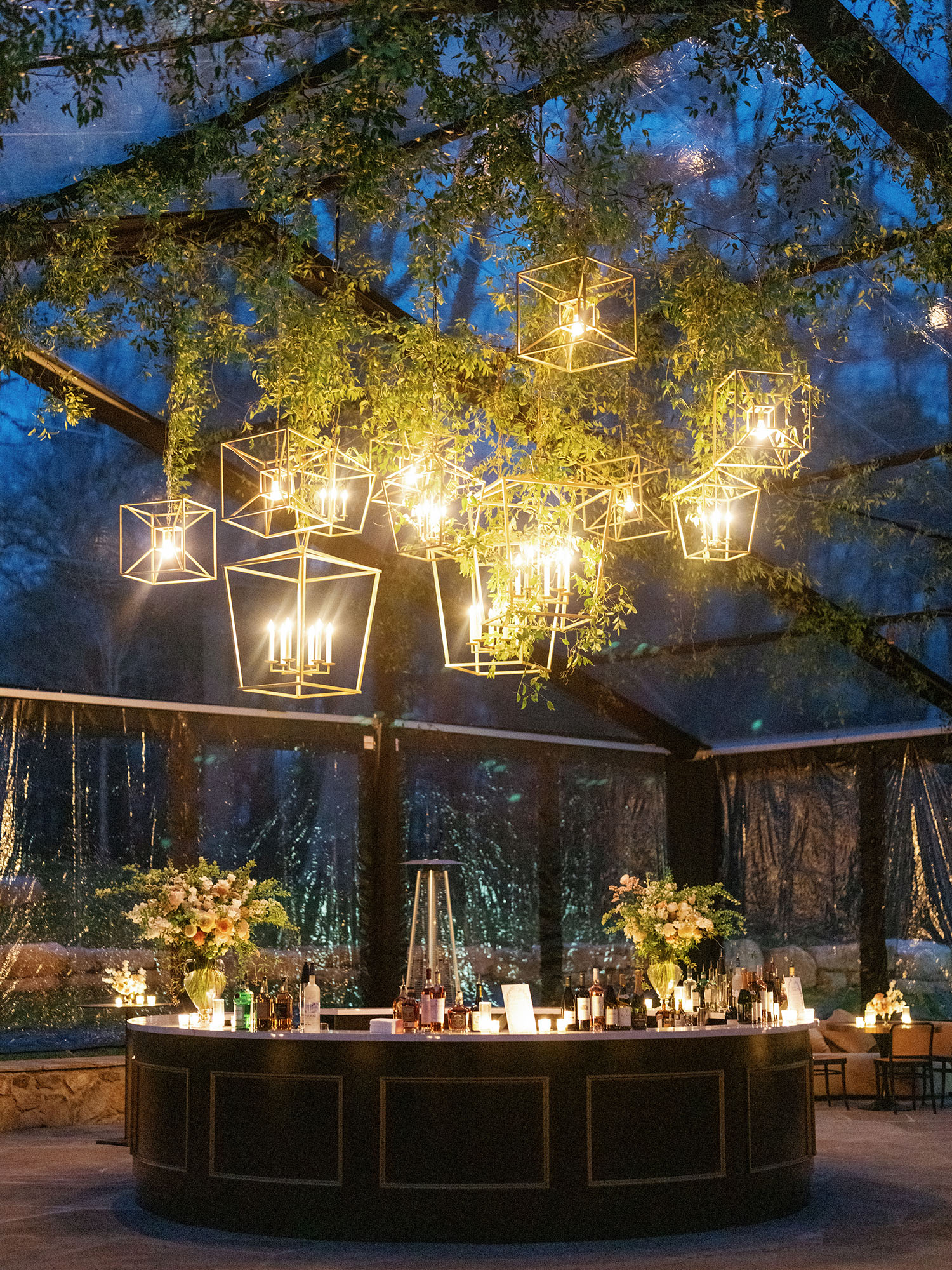
Reliable power is one of the most critical components of any successful tented event. Lighting systems, sound equipment, catering stations, HVAC systems, staging, and vendor operations all depend on a stable electrical setup to function properly throughout the event. Without proper planning, power interruptions or overloaded systems can quickly disrupt operations, affect guest experience, and create serious safety risks.
Modern outdoor events require more than a simple generator connection. Event planners must evaluate total power demand, distribution methods, safety compliance, environmental considerations, and backup systems to ensure uninterrupted performance. Every event has unique electrical requirements depending on guest count, duration, equipment load, and venue conditions.
A well-designed power infrastructure improves operational efficiency while reducing the likelihood of downtime or emergency repairs during critical event moments. From generators and battery systems to solar backups and venue mains connections, selecting the right power solution helps create a safer, more organized, and professionally managed event environment.
Essential Power Supply Options for Event Tents
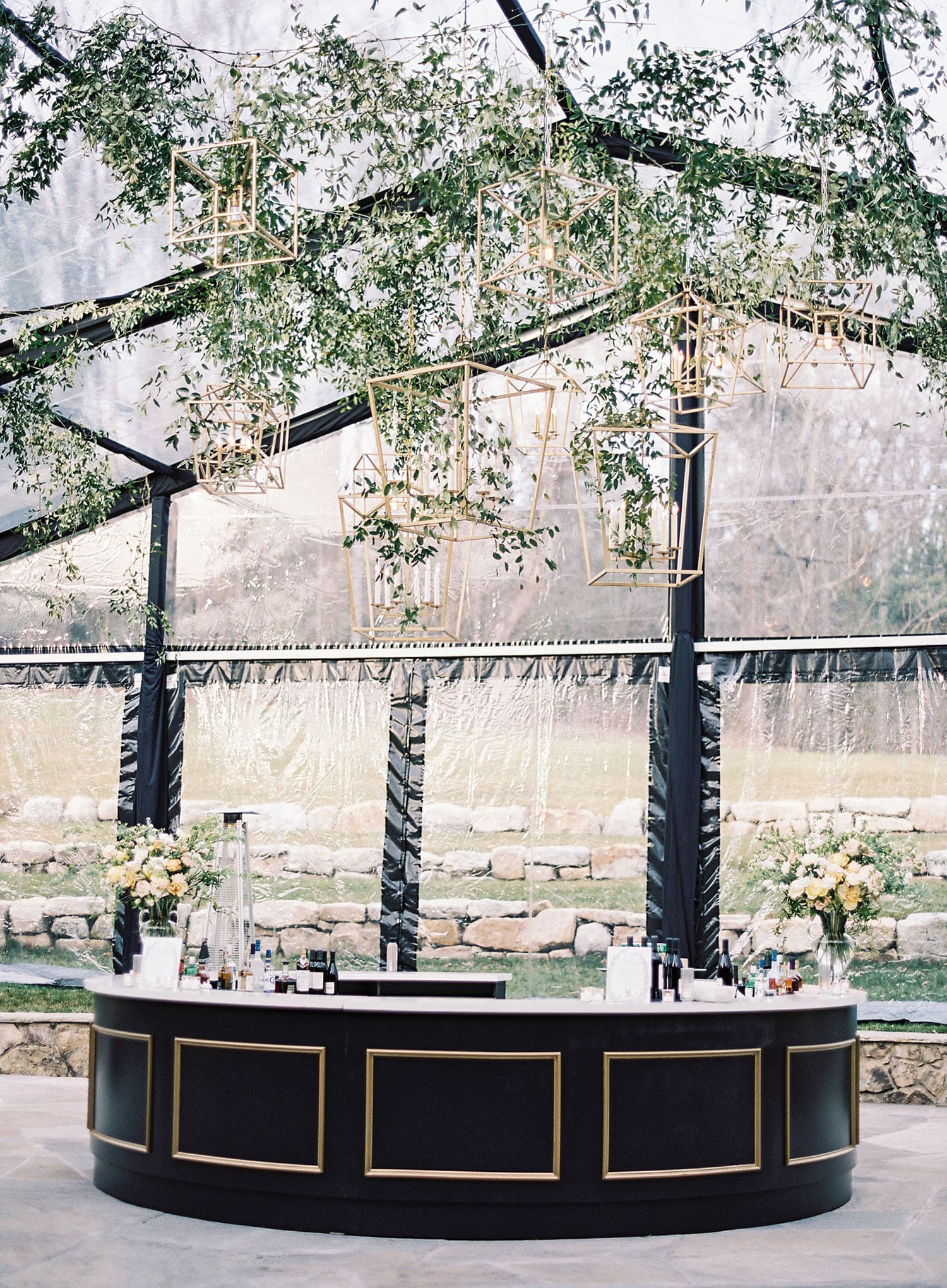
Outdoor event tents can be powered using several different systems depending on operational requirements, environmental priorities, and venue limitations.Understanding the available power supply options for event tents is essential for creating a safe, reliable, and efficient setup while choosing the right event venue pairing. Selecting the right solution requires evaluating total electrical load, runtime expectations, fuel availability, and the complexity of the event infrastructure.
Power systems should always be planned around both critical and non-critical equipment. Lighting, emergency systems, and communication equipment should receive priority, while optional systems such as decorative lighting or charging stations can be managed separately if needed.
Generator Solutions for Outdoor Events
Generators remain one of the most widely used power solutions for tented events because they provide flexible and scalable electrical capacity for remote event power. Portable generators are commonly used for smaller events, while towable or industrial-grade generators support larger installations with extensive power demands.
When selecting a generator system, planners should evaluate:
- Total wattage requirements and peak demand loads
- Fuel efficiency and expected runtime duration
- Noise levels and environmental restrictions at the venue
Proper generator placement is also essential. Units should be positioned away from guest areas while maintaining safe ventilation and fuel-handling access. Exhaust management and sound control measures help reduce disruption during the event.
Large corporate events and luxury gatherings often use redundant generator systems to ensure backup power remains available if the primary source experiences issues during operation.
Battery Systems and Alternative Power Solutions
Battery packs and hybrid systems have become increasingly popular for events focused on sustainability and noise reduction. These systems provide quiet operation while reducing dependence on fuel-powered generators.
Battery and portable power systems are especially useful for:
- Vendor booths and mobile charging stations
- Small AV systems and lighting zones
- Noise-sensitive event environments
Hybrid systems combine battery storage with fuel-powered generators, allowing energy demand to shift automatically depending on load requirements. This improves fuel efficiency while reducing operational noise during lower-demand periods.
Solar-powered systems are also becoming more common for environmentally conscious events. While solar alone may not support high-demand installations, it can effectively supplement battery systems and reduce reliance on traditional fuel sources.
Power Distribution Systems and Electrical Infrastructure Planning for Event Tent
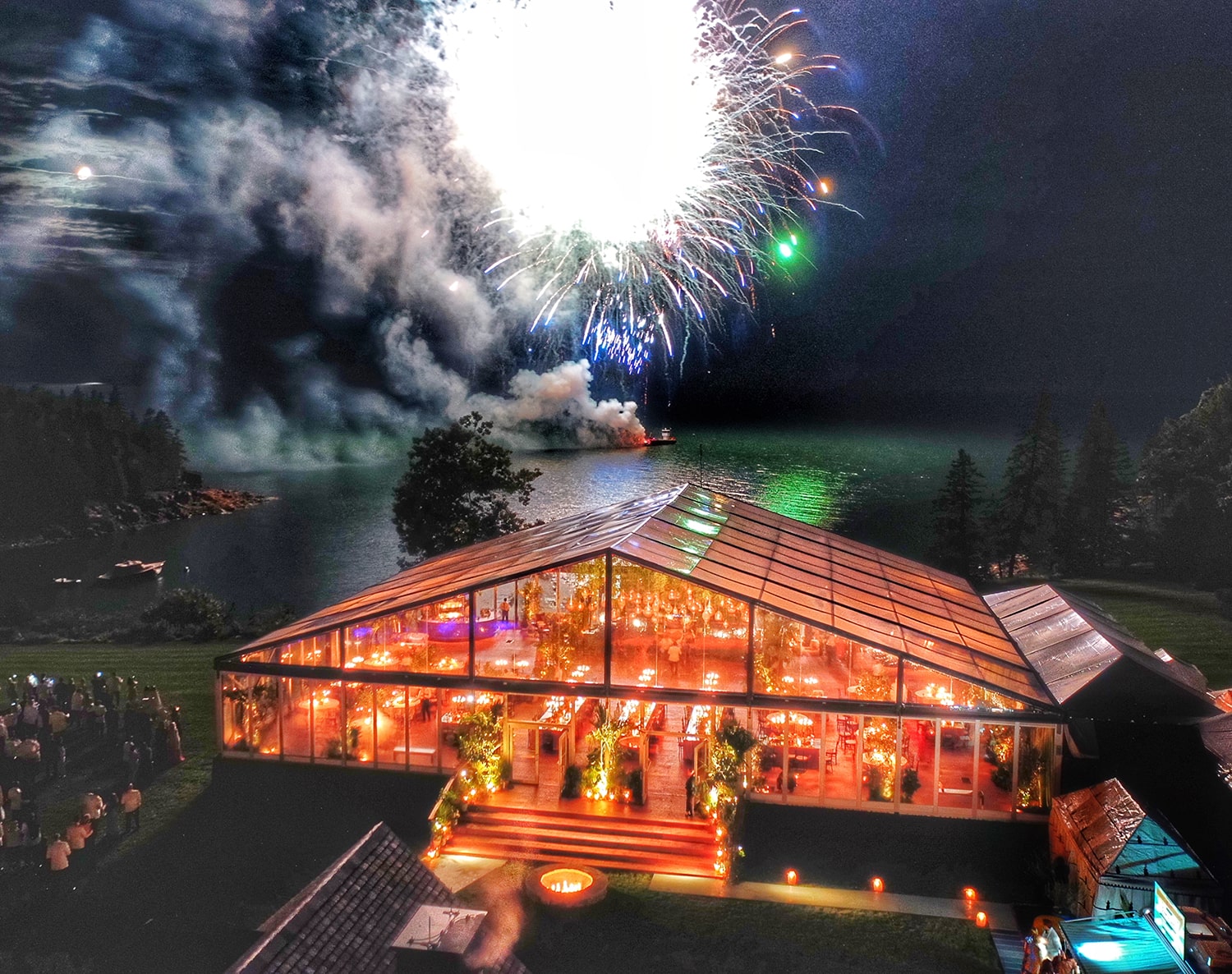
Reliable power generation is only part of the equation. Electrical distribution systems determine how efficiently power reaches equipment throughout the event space.
Poor distribution planning often causes overloads, voltage drops, or operational failures that affect multiple event systems simultaneously. A structured electrical layout helps maintain stable performance while improving safety and troubleshooting efficiency.
Extension Cords and Power Distribution Equipment
Extension cords and distribution boxes are essential for routing electricity safely across event environments. However, incorrect cable selection or poor routing practices can create overheating risks and operational hazards.
Before installation begins, planners should evaluate:
- Cable gauge requirements based on electrical load
- Weather resistance for outdoor environments
- Routing paths that minimize trip hazards and interference
Power distribution boxes should include clearly labeled circuits and integrated protection systems such as breakers and residual current devices. Labeling simplifies troubleshooting while improving operational safety during the event.
Cable ramps and protective coverings should also be used in high-traffic areas to reduce the risk of accidents or accidental disconnections.
Surge Protection and Grounding Systems
Sensitive equipment such as sound systems, LED walls, lighting controllers, and production computers require protection from voltage spikes and electrical fluctuations.
Surge-protection systems improve:
- Equipment reliability during unstable power conditions
- Protection against voltage surges and transient spikes
- Long-term performance of technical infrastructure
Grounding systems are equally important because they reduce shock risks and help prevent electrical fires. Proper grounding should be integrated into the initial electrical design rather than added later during installation.
Grounding inspections and continuity testing should always be completed before the event begins, especially for multi-day installations or large tent structures containing metal framing systems.
Reliable Electrical Setup Strategies for Large Outdoor Events
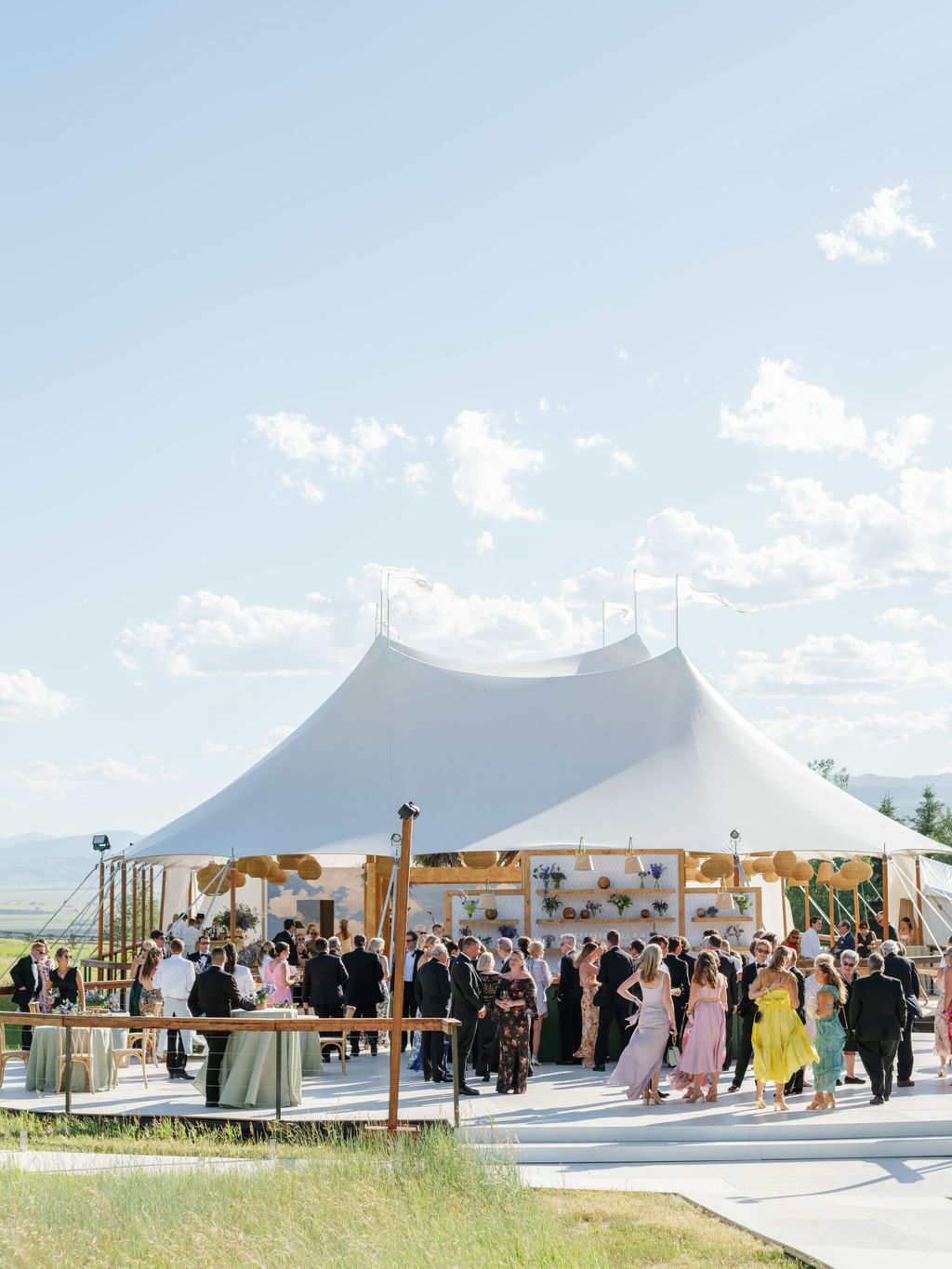
Reliable electrical setups require careful coordination between planners, electricians, production teams, and venue operators. Electrical systems should never be installed reactively or without a documented operational plan.
A structured power strategy improves event reliability while reducing the risk of overloads and emergency failures.
Load Planning and Capacity Management
Every event should begin with a detailed power assessment that identifies all electrical devices, their wattage requirements, and their operational priority level.
Important planning considerations include:
- Continuous power demand versus startup surge loads
- Separation of critical and non-essential circuits
- Backup systems for emergency lighting and communications
Load balancing also helps distribute electrical demand evenly across circuits, reducing overheating risks and nuisance breaker trips during peak operational periods.
Creating a single-line electrical diagram simplifies coordination between technical vendors while improving troubleshooting efficiency during installation and operation.
Backup Systems and Emergency Preparedness
Unexpected outages can disrupt event schedules, compromise safety systems, and damage guest experience. Backup planning ensures critical operations continue even during equipment failure or severe weather.
Effective emergency planning should include:
- Secondary generators or battery reserves
- Emergency lighting and communication circuits
- Clearly documented shutdown procedures
Technical staff should also conduct full system tests before guests arrive to verify that backup systems activate correctly under load conditions.
Routine inspections throughout the event help identify overheating cables, overloaded circuits, or equipment failures before they become larger operational issues.
Safety and Compliance for Event Tent Electrical Systems

Electrical safety should always remain the highest priority during outdoor event planning. Temporary electrical systems often operate in unpredictable environments where weather, moisture, and high traffic create additional risks.
Compliance with local regulations and electrical codes is essential for protecting attendees, staff, vendors, and event infrastructure.
Weather Protection and Electrical Safety Practices
Outdoor power systems must be protected from rain, moisture, wind, and accidental contact. Exposure to environmental conditions can quickly compromise equipment performance and increase shock risks.
To improve electrical safety:
- Use weather-rated equipment and outdoor-certified cables
- Protect distribution panels from moisture exposure
- Restrict unauthorized access to live electrical areas
Temporary fencing and warning signage help keep guests away from active power equipment while improving overall operational control.
Safety inspections should also be documented throughout installation and event operation to ensure compliance standards remain consistent.
Professional Oversight and Regulatory Compliance
Qualified electricians and experienced technical teams play a critical role in maintaining safe installations. Professional oversight ensures all systems are installed according to manufacturer specifications and local code requirements.
Professional electrical planning improves:
- Compliance with permits and inspection requirements
- Accurate load calculations and generator sizing
- Safer operation of complex technical systems
Large events often require formal sign-offs before systems can be energized. Maintaining detailed inspection records and certification documents simplifies coordination with inspectors, venues, and insurance providers.
Improving Energy Efficiency and Sustainable Power Management for Event Tent
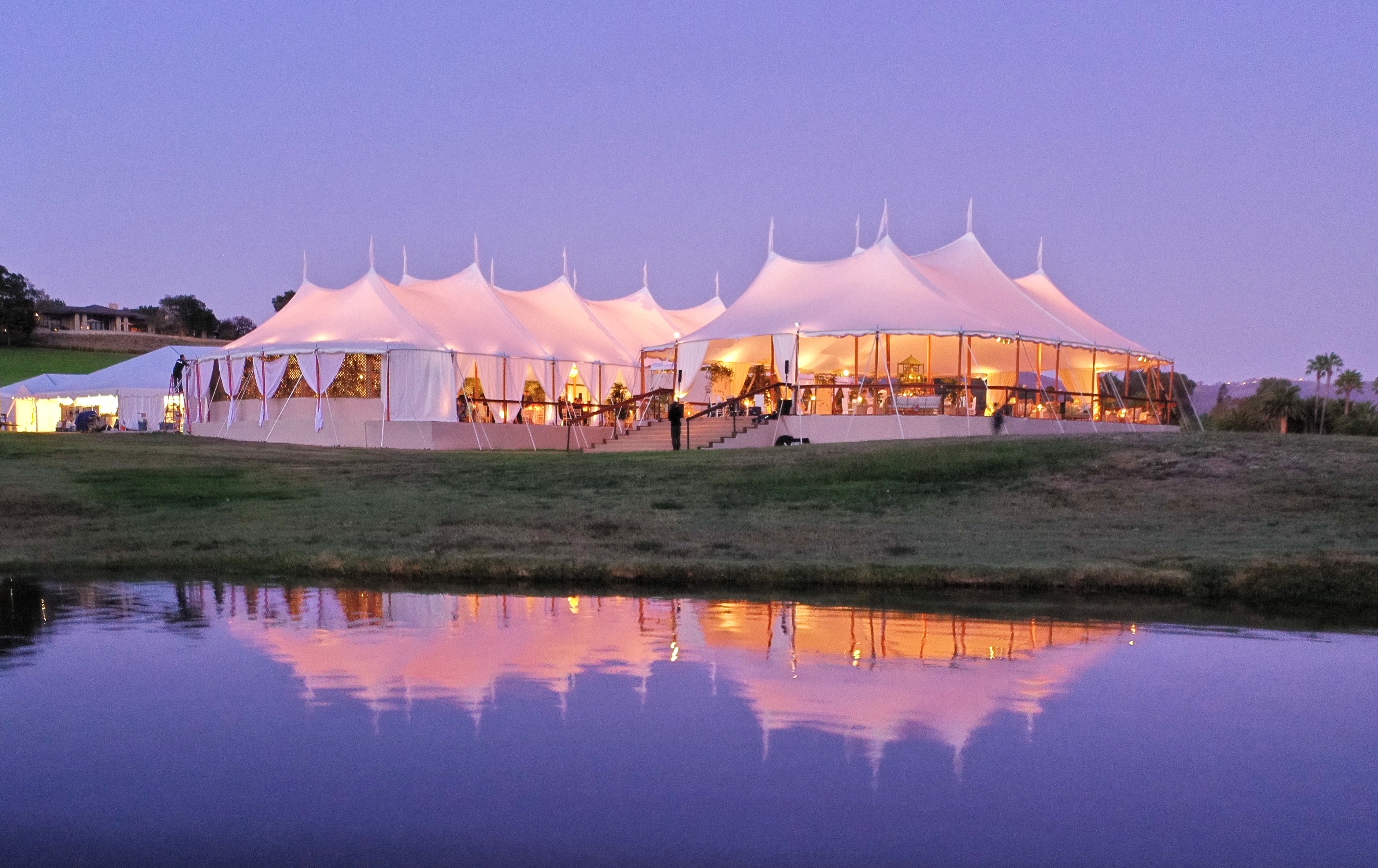
Energy efficiency has become a major priority for modern event planning. Many organizers now seek ways to reduce fuel consumption, minimize emissions, and improve sustainability without sacrificing operational reliability.
Efficient power management also helps reduce operating costs and improve long-term environmental performance.
Energy-Saving Technologies and Smart Load Management
Modern event infrastructure increasingly uses energy-efficient equipment such as LED lighting, smart controllers, and automated load-management systems.
Efficient power-management strategies include:
- Scheduling high-demand operations during lower-load periods
- Using timers and automated controls for non-essential systems
- Prioritizing energy-efficient lighting and AV equipment
Smart monitoring systems also allow operators to track consumption in real time and respond quickly to changing conditions during the event.
Load management becomes especially important during multi-day installations where equipment runtime and fuel consumption significantly affect operational budgets.
Solar Systems and Hybrid Event Power Solutions
Solar and hybrid systems offer a cleaner alternative to fully generator-based setups while complementing modern temporary power solutions for outdoor events.These systems reduce noise, lower emissions, and improve environmental sustainability.
Benefits of hybrid and solar-powered solutions include:
- Reduced fuel dependency and emissions
- Quieter operation for guest-sensitive environments
- Improved energy efficiency during low-demand periods
Portable solar arrays paired with battery storage can support lighting, charging stations, and emergency systems while reducing generator runtime.
As sustainable event planning continues to evolve, hybrid systems are becoming increasingly valuable for organizations focused on environmental responsibility and operational flexibility.
Frequently Asked Questions
What is the best power source for large outdoor event tents?
Generators remain the most common solution for large outdoor events because they provide scalable power capacity and long runtime. Hybrid systems and venue mains connections may also be suitable depending on the event’s infrastructure needs.
Why is load calculation important for event power planning?
Load calculations help determine total energy demand and ensure generators, circuits, and distribution systems are properly sized to prevent overloads or operational failures.
Are battery systems practical for outdoor events?
Yes. Battery systems are highly effective for smaller installations, charging stations, vendor booths, and noise-sensitive environments. Hybrid systems also improve efficiency for larger events.
How can event organizers improve electrical safety?
Electrical safety improves through proper grounding, weather protection, surge protection, regular inspections, and professional installation by qualified technicians.
Conclusion
Reliable power infrastructure is essential for maintaining safe, efficient, and professionally managed outdoor events. From generators and battery systems to solar backups and distribution equipment, every component of the electrical setup contributes to operational performance and guest experience.
Careful planning, proper load management, and strong safety protocols help reduce the risk of outages, equipment damage, and operational disruptions during critical event moments. Temporary power systems must be designed not only for capacity, but also for flexibility, environmental conditions, and long-term reliability.
Skyline Tent Company understands the importance of integrating dependable power systems into tented event environments that support comfort, safety, and operational efficiency. By combining professional oversight with modern electrical solutions, event organizers can create outdoor venues that remain functional, organized, and prepared for changing event demands.