

Remote mountain venues offer breathtaking scenery and unforgettable event experiences, making them increasingly popular for weddings, corporate retreats, festivals, and private celebrations. However, these locations often lack access to traditional electrical infrastructure, creating unique challenges for event planners. Reliable power generation becomes one of the most critical elements of successful event execution, affecting everything from lighting and climate control to catering operations and audiovisual systems. Understanding how to design efficient power solutions ensures that guests remain comfortable while event operations run smoothly. Based on modern event infrastructure trends, remote mountain sites require a strategic combination of generators, renewable energy systems, battery storage, and contingency planning to achieve dependable performance.
Understanding Power Requirements for Remote Mountain Events
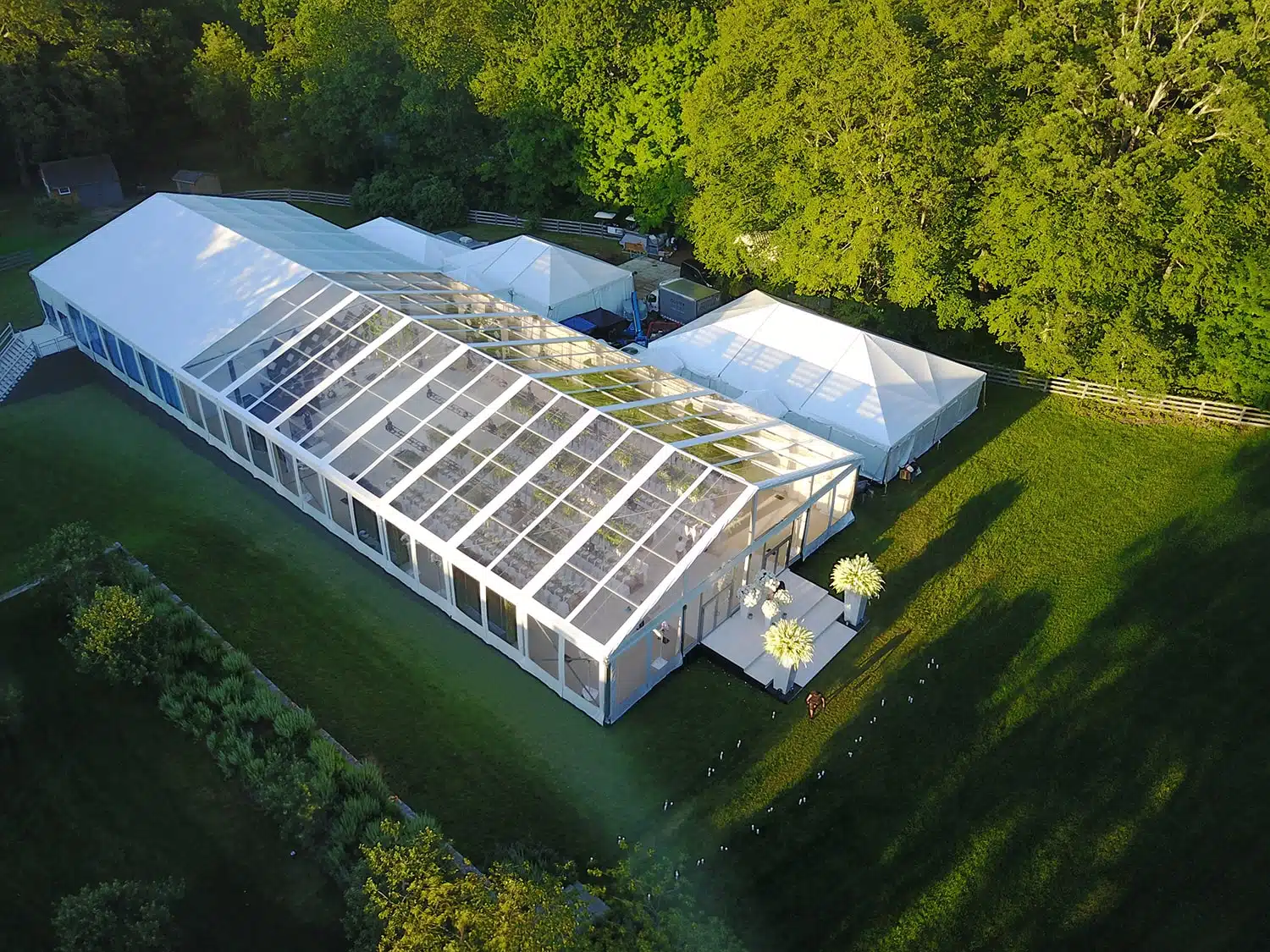
Mountain events rely on a variety of electrical systems that must operate simultaneously throughout the event.Determining power needs early helps planners select the right equipment while supporting effective mountain venue planning. This phase often involves collaboration between event managers, technical consultants, and power specialists to create detailed usage profiles tailored to the unique demands of outdoor mountain environments.
Identifying Essential Event Infrastructure
Before choosing a power solution, planners should create a complete inventory of electrical equipment. This includes lighting, catering appliances, climate-control systems, entertainment equipment, and vendor operations. Each component must be analyzed not just for power consumption but also for operational timing and load variability throughout the event schedule.
The total electrical demand often exceeds initial expectations, particularly for luxury events where guest comfort is a priority. Seasonal factors should also be considered, as temperature fluctuations and weather conditions in mountain locations can impose additional power loads.
Common power-consuming infrastructure includes:
- Lighting systems and decorative fixtures
- HVAC and climate-control equipment
- Audio-visual and entertainment systems
- Catering and food service equipment
Understanding these requirements provides the foundation for accurate power planning. Energy audits and simulations are sometimes employed to predict peak loads and ensure that energy provision aligns seamlessly with event timelines and activities.
Calculating Peak Load Requirements
Not all equipment operates continuously. Some systems, such as HVAC units or catering appliances, may cycle on and off throughout the event. Calculating peak demand helps ensure that power systems can handle temporary surges without failure. Load diversity factors play a significant role in refining these calculations, enabling planners to balance capacity and cost efficiency.
A comprehensive load analysis reduces the risk of overloaded generators and improves overall system reliability. Incorporating contingency margins safeguards against unexpected power spikes, hazardous weather effects, and equipment malfunctions.
Selecting the Best Power Generation Sources
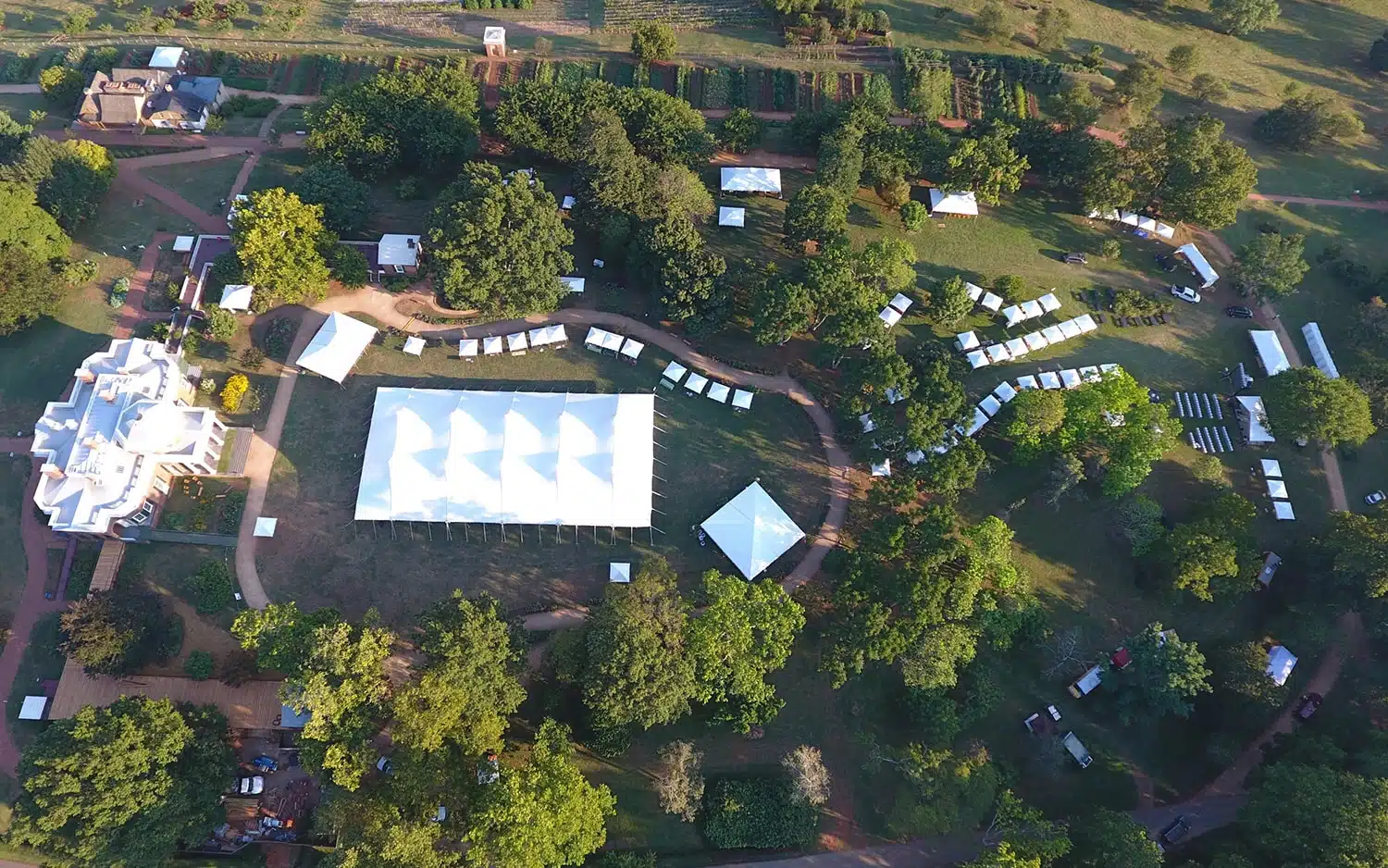
Choosing the right energy source is one of the most important decisions when planning an off-grid mountain event. Different technologies offer unique advantages depending on site conditions and sustainability goals. Integrating regional fuel availability and environmental regulations into the decision-making process also ensures compliance and logistic feasibility.
Portable Generators for Reliable Event Power
Generators remain the most common solution for remote events because they provide dependable energy regardless of weather conditions. Modern generators are available in a range of sizes and fuel types, allowing planners to match equipment to event requirements. Diesel, gasoline, propane, and hybrid-fueled units each offer distinct trade-offs between runtime, emissions, noise, and fuel accessibility.
Proper sizing is critical to ensure efficient operation while maintaining adequate reserve capacity for unexpected demand increases. Implementing sound attenuation measures and placing generators in ventilated, accessible locations enhance operational safety and minimize environmental impact.
Solar Power and Renewable Energy Systems
As sustainability becomes increasingly important, many event planners are incorporating renewable energy solutions into their power strategies. Solar panels can provide clean energy for lighting, charging stations, and other low-to-moderate power applications. Advances in panel efficiency and mounting technologies have expanded deployment options, even on uneven mountain terrain.
Renewable systems also help reduce fuel consumption and environmental impact, making them attractive options for environmentally conscious events. Integration with smart controllers facilitates real-time monitoring and optimal energy utilization throughout the event.
Benefits of renewable energy solutions include:
- Reduced carbon emissions
- Lower fuel consumption
- Improved sustainability performance
- Enhanced energy independence
These advantages make solar technology a valuable component of modern event power planning. Considerations such as shading, panel orientation, and weather variability must be carefully evaluated during system design to maximize output.
Integrating Battery Storage and Hybrid Systems
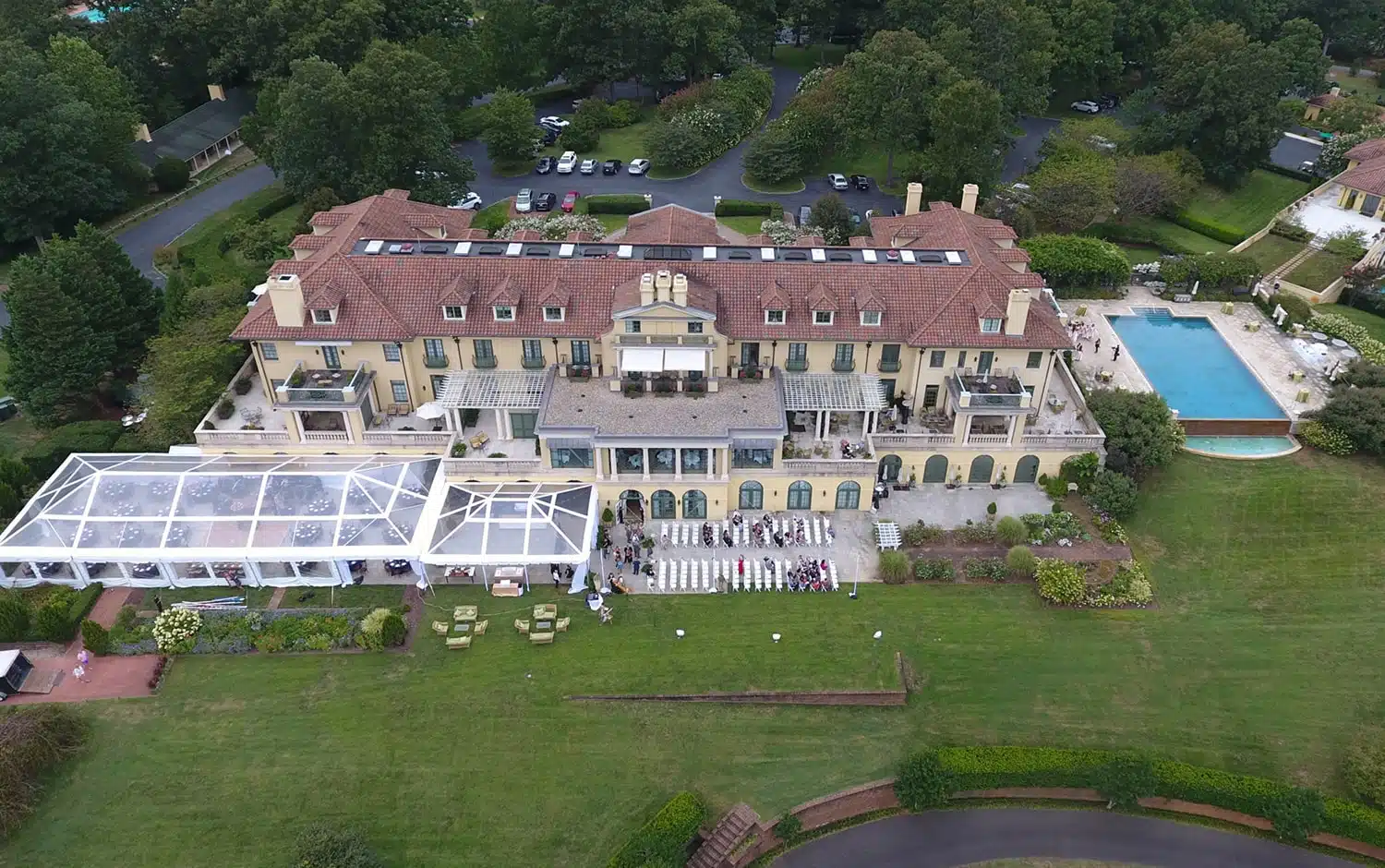
Power reliability is essential for remote events, and battery storage systems play a crucial role in maintaining uninterrupted operations. When combined with renewable energy sources and generators, battery systems create highly resilient power networks. They provide critical support during transient power demands, enabling seamless transition between energy sources.
The Role of Battery Storage
Battery storage systems capture excess energy generated during periods of low demand and make it available when consumption increases. This capability helps stabilize power supply and reduces strain on primary generation equipment. The use of lithium-ion or other advanced chemistries has improved energy density, cycle life, and charging efficiency for temporary installations.
Advanced battery technologies continue to improve efficiency, making them increasingly practical for temporary event installations. Safety features such as thermal management and integrated monitoring prevent hazards and ensure reliable performance under variable outdoor conditions.
Hybrid Power Solutions for Maximum Reliability
Hybrid systems combine multiple power sources to create a more flexible and dependable infrastructure that supports reliable outdoor event power throughout the event. By integrating generators, solar panels, and battery storage, planners can maintain continuous power even when one energy source becomes unavailable. These systems are often managed by intelligent control units that optimize source switching and load balancing automatically.
Before implementing a hybrid strategy, it is important to evaluate site conditions, event duration, and expected energy consumption patterns. Detailed feasibility studies help identify the most cost-effective and sustainable configuration.
Core components of hybrid systems include:
- Primary power generators
- Renewable energy sources
- Battery storage units
- Intelligent power management controls
These integrated solutions provide excellent reliability while supporting sustainability objectives. Hybrid systems reduce dependence on fossil fuels, mitigate noise levels, and enhance operational flexibility in dynamic mountain environments.
Site Logistics and Power Distribution Planning
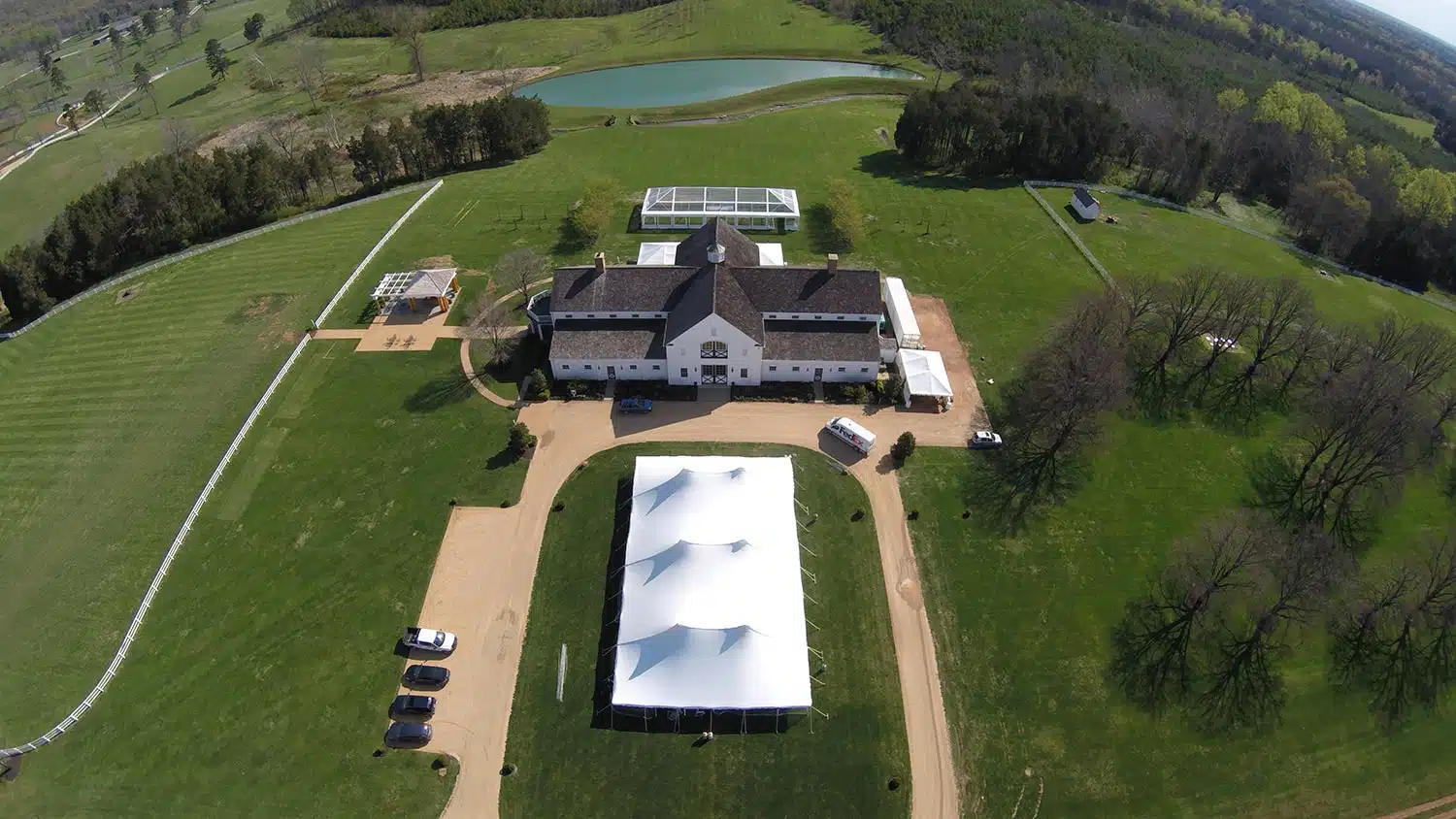
Even the most advanced power systems require proper deployment strategies. Mountain terrain presents unique logistical challenges that can affect installation, operation, and maintenance. Coordinating with local authorities and environmental experts can aid in complying with site-specific restrictions and minimize ecological footprints. We cover this further in Event Power Generator Rentals: A Guide for Outdoor Fall Weddings.
Assessing Terrain and Accessibility
Remote sites often feature uneven terrain, limited vehicle access, and environmental restrictions. Conducting a detailed site assessment helps identify optimal locations for generators, solar arrays, and distribution equipment while preparing weather-ready event tents for mountain conditions.This evaluation also considers proximity to event zones, risk of natural hazards, and opportunities for concealment or noise buffering.
Understanding site conditions early allows planners to minimize installation complications and improve operational efficiency. Accessibility considerations affect not only initial setup but also refueling cycles, emergency interventions, and post-event dismantling.
Designing Safe Distribution Networks
Power must be delivered safely and efficiently throughout the venue. Careful cable routing and equipment placement help reduce hazards while maintaining reliable service. Utilizing weather-resistant materials and protective conduits enhances durability and reduces maintenance requirements.
A well-designed distribution system improves both safety and operational performance. Clear labeling, emergency shutoff systems, and compliance with electrical codes are essential to protecting guests, staff, and equipment.
Important distribution considerations include:
- Protected cable pathways
- Accessible equipment locations
- Backup power connections
- Emergency shutoff procedures
These measures help ensure safe operation throughout the event. Regular inspection schedules and trained personnel further contribute to risk mitigation.
Sustainability Trends in Mountain Event Power Generation
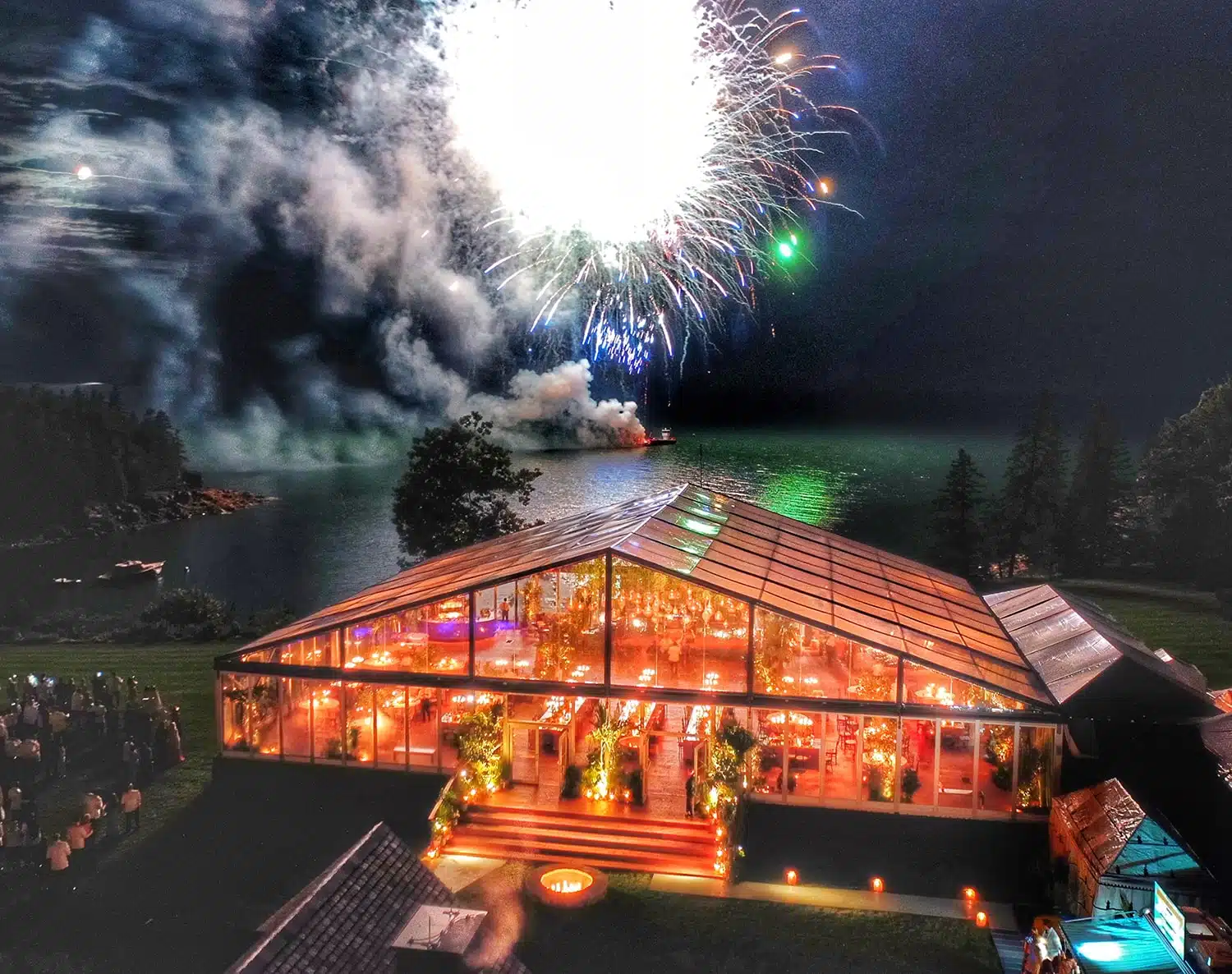
Sustainability is becoming a major focus within the event industry. Clients increasingly expect environmentally responsible solutions that reduce emissions without compromising performance. This shift is driving innovation in clean power technologies and smarter energy management.
Advancements in Renewable Event Technology
Recent innovations have made renewable energy systems more practical and affordable for temporary event installations. Improved solar efficiency, portable battery systems, and intelligent energy-management technologies continue to expand available options. Modularity and rapid deployment techniques enhance the adaptability of renewable solutions for diverse event formats.
These advancements allow planners to incorporate sustainability into events of all sizes. Building strong partnerships with vendors specializing in green technology further enhances project success.
The Future of Eco-Friendly Event Power
Industry trends indicate growing adoption of hybrid power systems and renewable energy integration. As technology continues to evolve, remote events will become increasingly capable of operating with minimal environmental impact. Innovations in energy forecasting, demand response, and automated control systems promise to enhance efficiency and resilience.
The combination of innovation and sustainability is shaping the future of outdoor event infrastructure. Stakeholders are recognizing the mutual benefits of environmental stewardship, cost savings, and enhanced brand reputation.
Emerging sustainability trends include:
- Hybrid solar-generator systems
- Portable battery storage solutions
- Smart energy monitoring technologies
- Reduced-emission power equipment
These developments provide exciting opportunities for event planners seeking environmentally responsible solutions. Adopting such technologies can serve as a competitive advantage and contribute to legacy-positive event management.
Frequently Asked Questions
What is the best power source for remote mountain events?
A combination of generators, battery storage, and renewable energy systems typically provides the most reliable solution.
Are solar panels practical for mountain event sites?
Yes. Solar systems can effectively support lighting, charging stations, and supplemental power requirements when properly designed.
Why are battery storage systems important?
Battery storage improves reliability by storing excess energy and supplying power during periods of high demand or low generation.
How do hybrid power systems work?
Hybrid systems combine generators, renewable energy sources, and battery storage to create a more resilient and efficient power infrastructure.
What equipment consumes the most power at events?
HVAC systems, catering equipment, audiovisual systems, and lighting installations are often the largest power consumers.
How early should power planning begin?
Power planning should begin during the earliest stages of event development to ensure proper equipment selection and infrastructure design.
Are sustainable power solutions more expensive?
While initial costs may be higher, renewable and hybrid systems can reduce fuel consumption and operational expenses over time.
Conclusion
Reliable power generation is one of the most critical components of successful remote mountain events. From lighting and climate control to entertainment and catering operations, every aspect of the guest experience depends on a stable and well-designed electrical infrastructure. Effective planning requires understanding power requirements, selecting appropriate generation technologies, integrating backup systems, and addressing logistical challenges associated with remote locations.
Skyline Tent Company understands the unique challenges associated with remote mountain venues and works closely with clients to integrate reliable power generation solutions into comprehensive event infrastructure plans. Their expertise in tent systems, climate control, logistics, and power management helps create seamless outdoor experiences that prioritize both operational performance and guest comfort. By leveraging a collaborative approach, Skyline Tent Company also contributes to innovative problem-solving and efficient resource allocation. Answers to common rental questions are in our tent rental FAQs.
For a tent layout sized to your guest list, request a quote.