
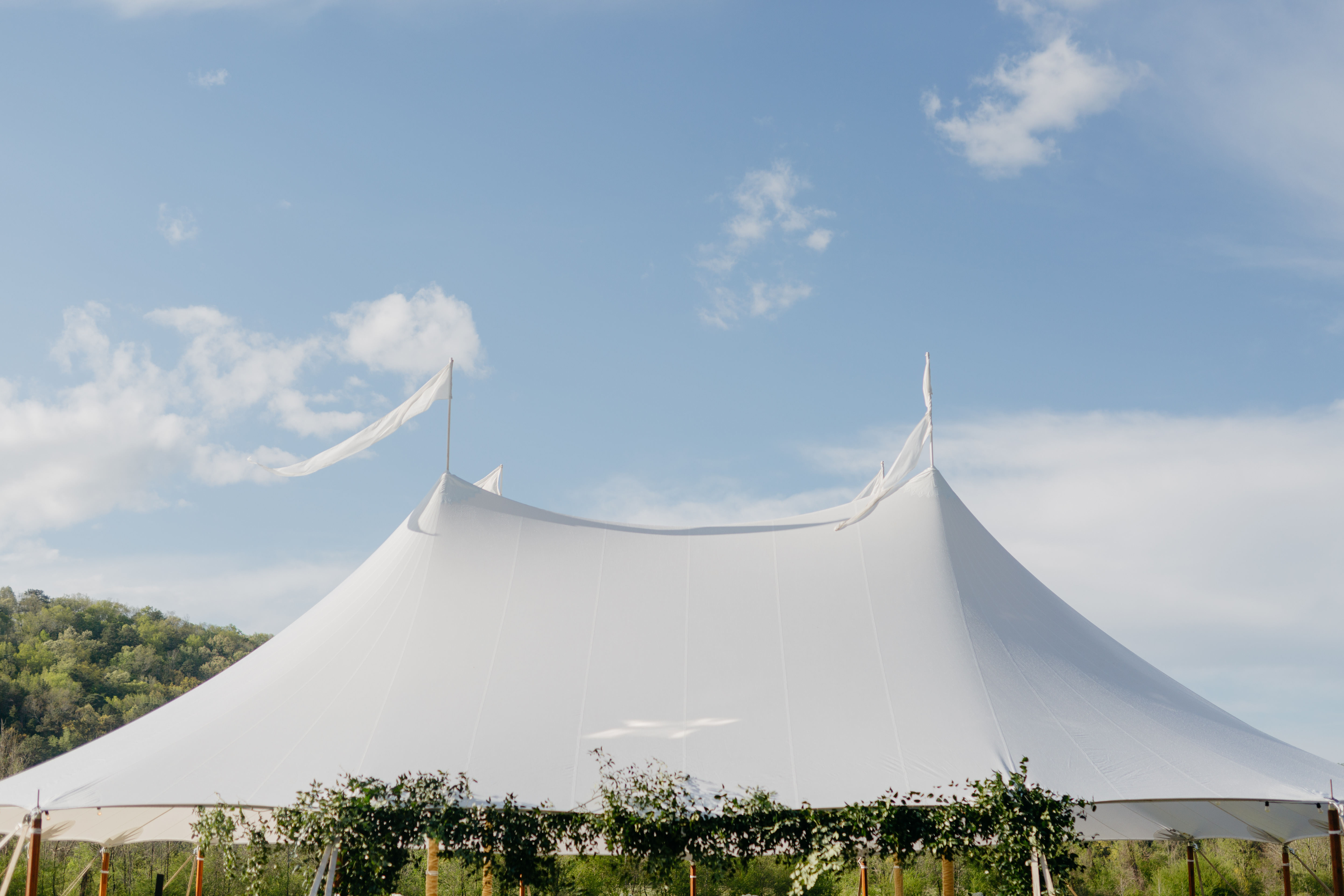
Planning a summer corporate event involves far more than selecting a venue and confirming a guest list. Tent rentals for outdoor corporate gatherings require detailed budgeting because pricing can vary significantly depending on tent type, event size, structural requirements, seasonal demand, and logistical complexity. Understanding the factors that influence rental costs helps event planners make informed decisions while maintaining both functionality and guest experience.
Corporate tent rentals have evolved into highly customized event environments that include lighting systems, flooring, climate control, staging, branding elements, and integrated infrastructure, making summer corporate tent rentals a strategic investment for outdoor business events. Because of this, pricing is no longer based solely on the tent structure itself. Every operational component contributes to the total investment required for a successful outdoor event.
Summer events also introduce additional considerations such as peak-season demand, heat management, weather preparation, and transportation logistics. Clear planning allows organizations to balance aesthetics, operational performance, and cost efficiency without compromising event quality.
By understanding how tent structures, guest counts, site conditions, and service requirements interact, planners can build more accurate budgets and avoid costly last-minute adjustments during the planning process.
How Tent Type Influences Corporate Event Pricing
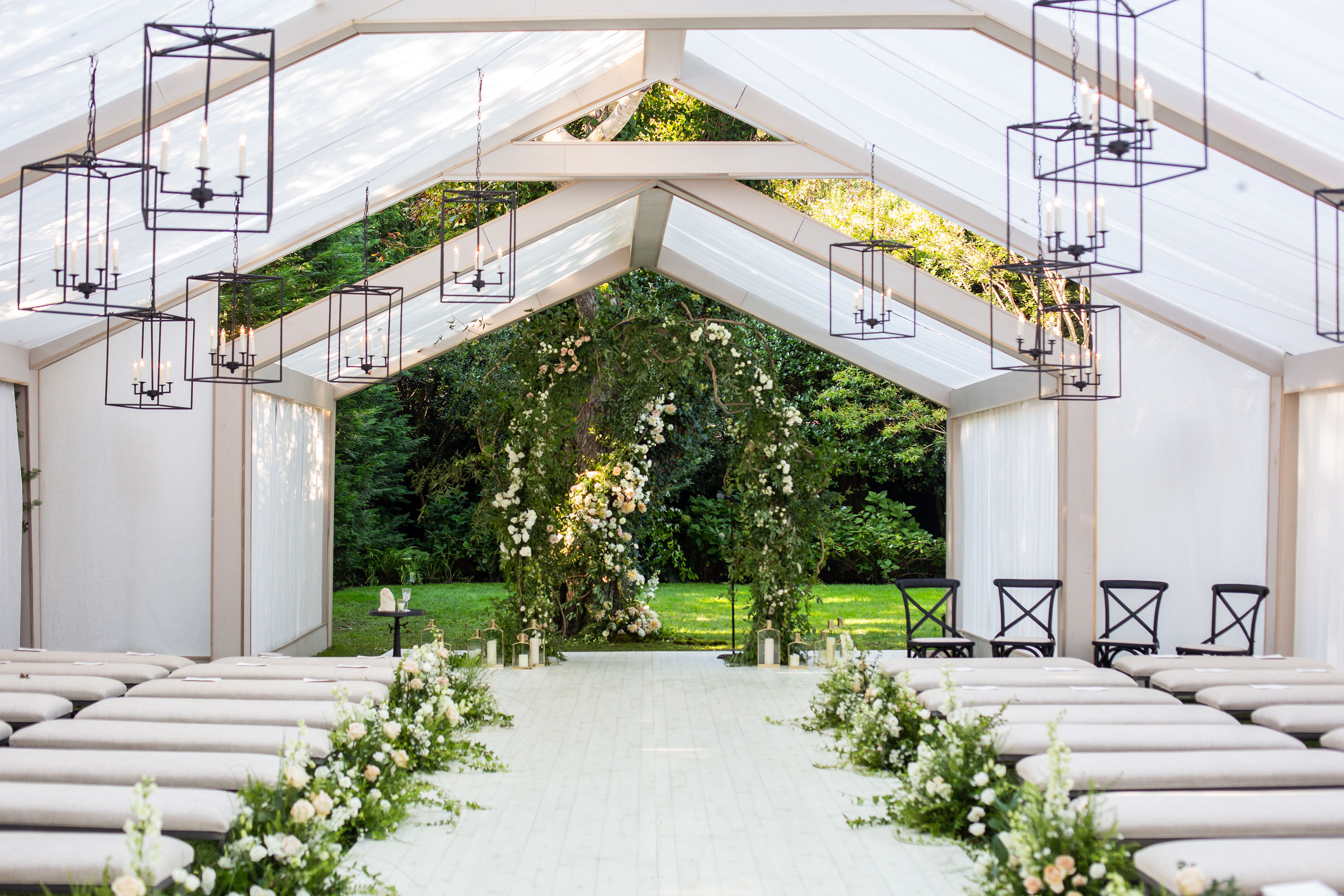
Tent type is one of the largest variables affecting rental pricing because different structures require different engineering systems, installation methods, and operational support. Each tent category offers unique benefits depending on the event’s scale, layout, and visual objectives.
Selecting the appropriate structure helps align the event’s functional requirements with budget expectations.
Clearspan, Frame, and Pole Tent Pricing Differences
Different tent systems create different cost structures because of variations in engineering, materials, and installation complexity. Clearspan tents are often the most expensive option because they provide open interiors without center poles, making them ideal for large-scale corporate events, conferences, and product launches.
When comparing tent types, planners should evaluate:
- Structural engineering requirements
- Installation labor and anchoring methods
- Compatibility with lighting and staging systems
Frame tents are typically more cost-effective and adaptable to a variety of surfaces, while pole tents often provide lower base pricing but require additional setup space due to their support poles and anchoring layout.
Clear-top tents and sailcloth structures may also carry premium pricing because of their enhanced visual appeal and specialized materials.
Structural Features and Premium Add-Ons
Tent structures often include additional architectural features that directly affect pricing. Sidewalls, clear panels, glass doors, draping systems, and climate-control compatibility all contribute to the total cost of the installation.
These structural upgrades often increase pricing because they require:
- Additional installation labor and hardware
- Reinforced anchoring or support systems
- Expanded climate-control and power infrastructure
For example, enclosed clearspan tents used during peak summer temperatures typically require advanced HVAC systems and temporary power distribution, significantly increasing operational costs.
While these upgrades raise the overall budget, they also improve guest comfort, weather protection, and event presentation.
How Guest Count and Event Layout Affect Pricing
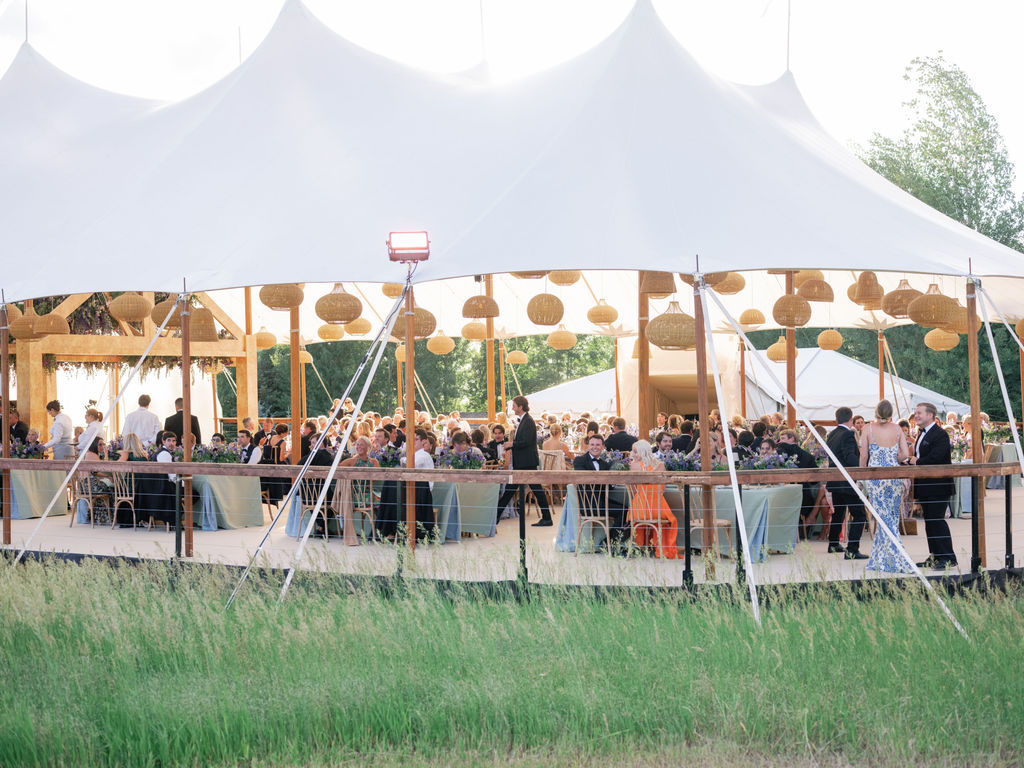
Guest count influences much more than seating capacity. The number of attendees affects tent dimensions, flooring requirements, circulation space, catering operations, and infrastructure needs throughout the venue.
Larger events require more extensive layouts and operational coordination, which naturally increases rental pricing.
How Guest Capacity Determines Tent Size
Tent dimensions must support both occupancy and operational functionality. A seated banquet, networking reception, or trade-show layout will all require different amounts of usable space even with the same guest count.
Accurate space planning helps:
- Prevent overcrowding and circulation problems
- Improve guest comfort and accessibility
- Reduce unnecessary overspending on oversized structures
Corporate events often require additional areas for registration, presentations, catering prep, staging, and networking lounges. These support zones increase the total square footage required beyond basic seating calculations.
Working with experienced planners allows organizations to optimize layouts without wasting valuable space or increasing costs unnecessarily.
Scaling Costs for Large Corporate Gatherings
As event size increases, operational requirements become significantly more complex. Larger tents require additional structural support, labor, lighting systems, and climate-control equipment to maintain consistent performance throughout the event.
Several cost factors increase with event scale:
- Expanded flooring and staging installations
- Additional lighting and audiovisual infrastructure
- More labor for setup and breakdown operations
Larger guest counts may also require multiple connected tent structures, additional emergency exits, and expanded restroom or hospitality facilities.
While larger installations naturally increase pricing, strategic layout planning and modular tent configurations can often improve efficiency and reduce unnecessary operational costs.
How Site Logistics and Venue Conditions Influence Tent Rental Costs
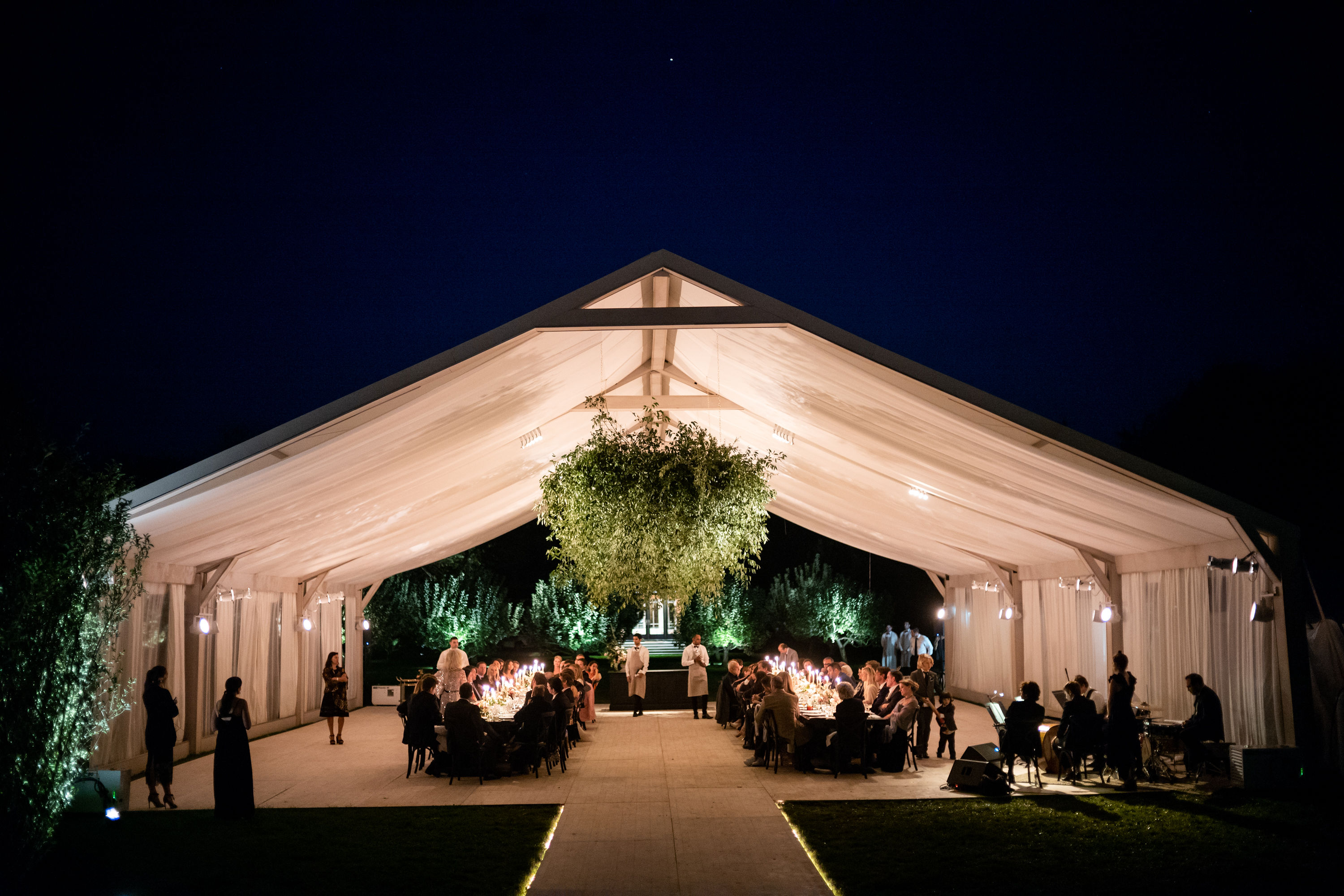
Site conditions play a major role in determining installation complexity and overall pricing. Outdoor venues vary widely in accessibility, terrain quality, environmental exposure, and available infrastructure.
Even premium tent systems can become significantly more expensive when installed on challenging or remote sites.
Site Accessibility and Ground Conditions
Every installation begins with a site assessment to identify logistical challenges that could affect labor, transportation, or structural performance. Poor accessibility often requires additional equipment, manual labor, or extended installation schedules.
Important site-related considerations include:
- Vehicle access for delivery and installation crews
- Ground stability and anchoring conditions
- Distance from permanent utilities and infrastructure
Uneven terrain may require flooring stabilization systems, while soft ground can increase anchoring complexity and equipment requirements.
Restricted-access venues may also require smaller vehicles or additional labor to transport materials into position, increasing operational costs during setup and breakdown.
Weather Exposure and Environmental Challenges
Summer events are especially vulnerable to weather-related challenges such as extreme heat, sudden storms, high winds, and humidity. These environmental conditions directly influence both tent selection and operational infrastructure requirements.
Weather-related expenses may include:
- Additional sidewalls and weatherproofing systems
- Larger HVAC units for cooling and ventilation
- Reinforced anchoring and drainage preparation
Climate-control systems often become one of the largest additional expenses for enclosed summer corporate events because maintaining comfortable indoor temperatures requires substantial equipment and temporary power infrastructure.
Early environmental planning helps reduce operational disruptions and minimizes the risk of emergency equipment rentals later in the process.
How Lighting, Flooring, and Climate Control Increase Rental Pricing
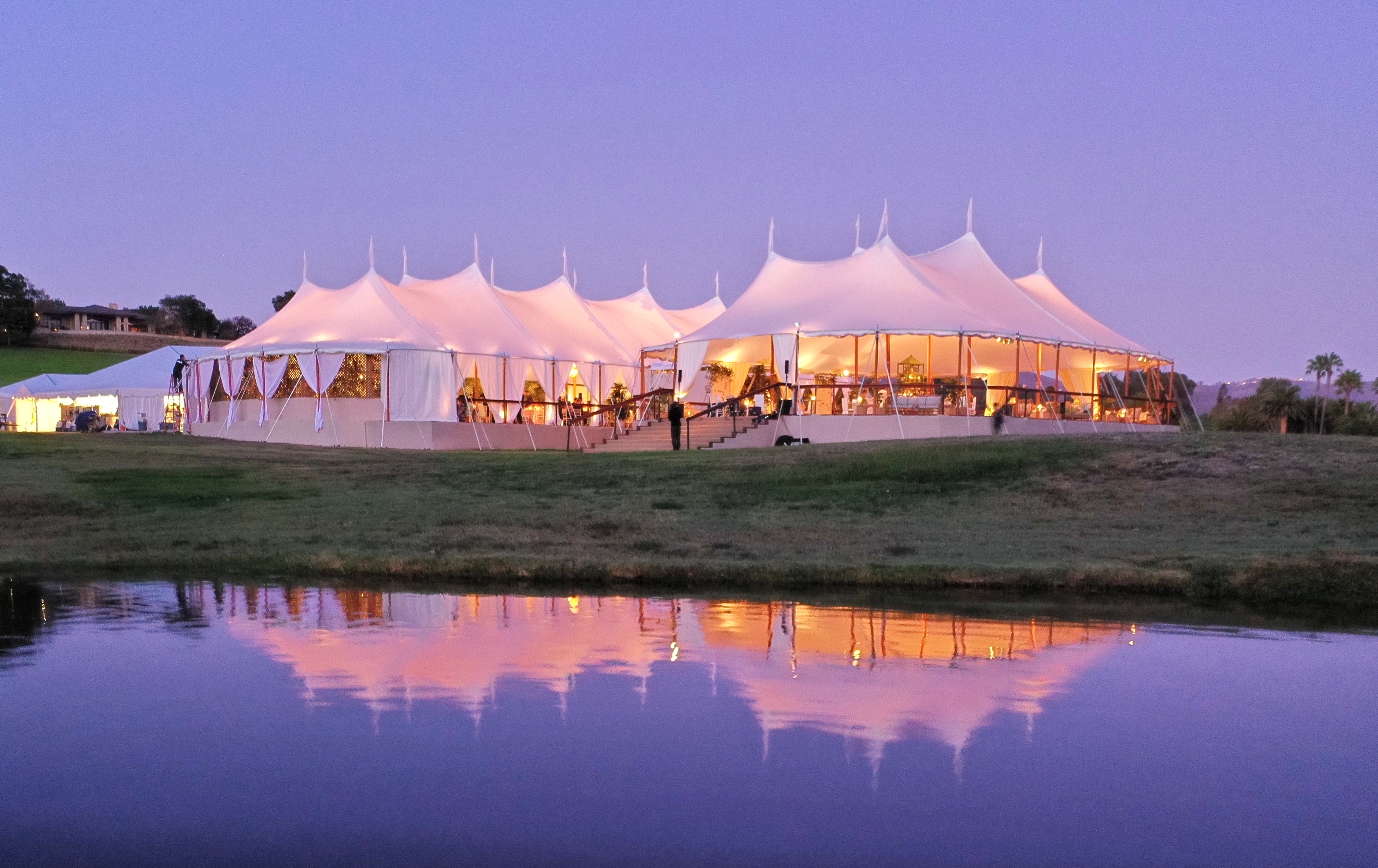
Lighting, flooring, and HVAC systems are among the most common premium upgrades for corporate tent rentals. These systems improve guest experience, enhance aesthetics, and support event functionality, but they also represent a major portion of the total event budget.
Understanding these costs helps planners prioritize investments more strategically.
Event Lighting and Power Infrastructure Costs
Lighting dramatically affects the atmosphere of a corporate event while also supporting visibility, branding, and presentations, which is why many planners invest in creative event lighting ideas to maximize event impact. However, advanced lighting systems require specialized equipment, rigging hardware, and temporary power distribution.
Professional lighting installations often include:
- LED uplighting and architectural accent lighting
- Chandeliers or suspended decorative fixtures
- Stage lighting and audiovisual integration
These systems frequently require additional generators, distribution panels, and technical labor to ensure safe and reliable operation throughout the event.
While premium lighting increases costs, it also significantly enhances visual impact and overall event perception.
Flooring Systems and Climate-Control Expenses
Flooring improves guest comfort, accessibility, and operational stability inside tented environments, making it important to evaluate different corporate tent flooring options during the planning process. Different flooring systems vary widely in both appearance and installation complexity.
Popular flooring upgrades include:
- Raised subfloor systems for uneven terrain
- Carpet installations for luxury environments
- Dance floors and staging platforms
Climate-control systems also add substantial operational costs, especially during summer months when cooling demand is high. Portable air-conditioning units, ventilation systems, and ductwork all require power infrastructure and additional installation labor.
These systems are essential for maintaining comfortable indoor conditions, particularly for high-end corporate functions and enclosed clearspan installations.
Seasonal Demand and Vendor Coordination in Summer Tent Rentals
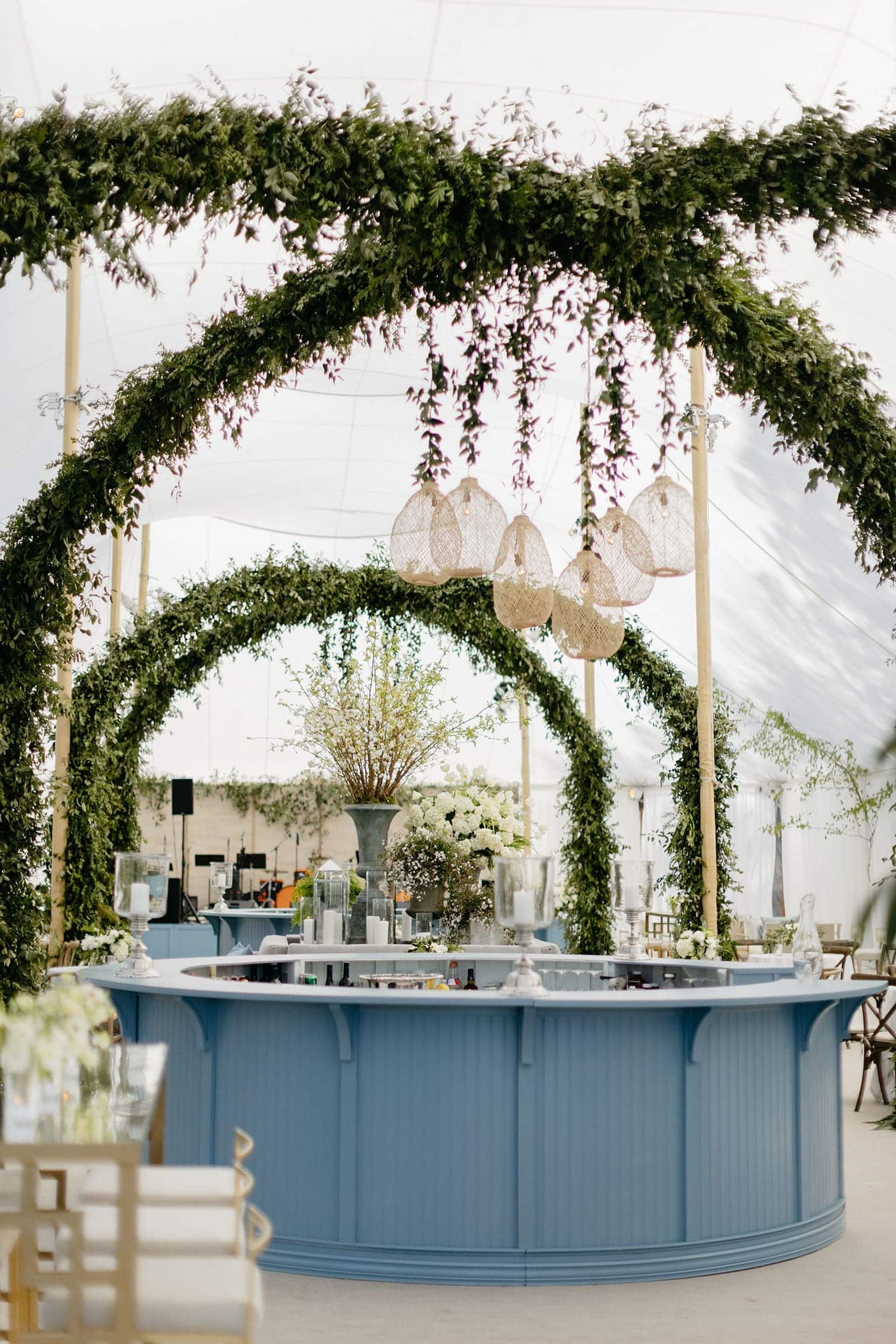
Summer is one of the busiest seasons for corporate events, weddings, festivals, and outdoor gatherings. High demand significantly affects inventory availability, labor scheduling, and pricing across the event rental industry.
Planning ahead becomes critical during peak seasons.
How Peak Season Demand Affects Pricing
During summer months, premium tent structures and infrastructure systems are often booked months in advance. Increased demand can drive higher rental pricing, especially for large clearspan tents and luxury event packages.
Peak-season pricing is often influenced by:
- Limited inventory availability during busy weekends
- Increased labor demand for simultaneous installations
- Higher transportation and logistics costs
Weekend dates, holiday periods, and large convention seasons typically generate the highest pricing pressure.
Early booking helps organizations secure preferred inventory while improving access to more competitive pricing structures.
Vendor Coordination and Operational Planning
Corporate tent events often involve multiple vendors working within strict schedules. Coordinating tent installers, lighting crews, caterers, staging teams, and production staff requires detailed logistical planning.
Strong vendor coordination improves:
- Installation efficiency and scheduling accuracy
- Communication between operational teams
- Overall event execution and troubleshooting
Technical rehearsals and structured setup timelines reduce delays and help prevent costly last-minute changes during installation.
Working with experienced providers also improves transparency and allows planners to identify potential operational challenges before they affect the event schedule.
Frequently Asked Questions
What is the biggest factor affecting corporate tent rental pricing?
Tent size and structure type are usually the largest pricing factors because they directly influence materials, engineering requirements, labor, and operational infrastructure.
Why are clearspan tents more expensive?
Clearspan tents require advanced engineering and provide unobstructed interiors, making them ideal for large corporate events but more expensive due to their structural complexity.
How does guest count affect tent rental costs?
Higher guest counts require larger tents, expanded layouts, additional flooring, climate control, and more infrastructure, all of which increase pricing.
Are climate-control systems included in standard tent rentals?
In most cases, HVAC systems are priced separately because cooling and ventilation requirements vary depending on tent size, weather conditions, and event duration.
Why do site conditions increase installation costs?
Difficult terrain, restricted access, and remote locations often require specialized equipment, additional labor, and extended setup time, increasing total costs.
How far in advance should summer corporate tents be booked?
Most large summer events should secure tent rentals at least three to six months in advance to improve availability and pricing flexibility.
What additional costs should planners expect beyond the tent itself?
Common additional costs include flooring, lighting, climate control, generators, staging, transportation, labor, and permit-related expenses.
Conclusion
Corporate tent rental pricing is influenced by a wide range of interconnected factors including tent structure, guest count, site logistics, seasonal demand, climate-control systems, and operational infrastructure. Understanding how these elements affect costs allows planners to build more accurate budgets while maintaining the functionality and visual quality required for successful outdoor events.
Strategic planning, detailed site assessments, and early vendor coordination all help reduce unexpected expenses and improve operational efficiency throughout the event lifecycle. Carefully evaluating layout requirements, infrastructure needs, and environmental conditions also allows organizations to prioritize investments that deliver the greatest impact on guest experience.
Skyline Tent Company provides professional guidance and customized event infrastructure solutions designed to help corporate clients balance performance, aesthetics, and budget considerations more effectively. Their experience with luxury tent systems, climate control, flooring, and logistics coordination allows planners to create outdoor environments that feel refined, functional, and professionally executed.