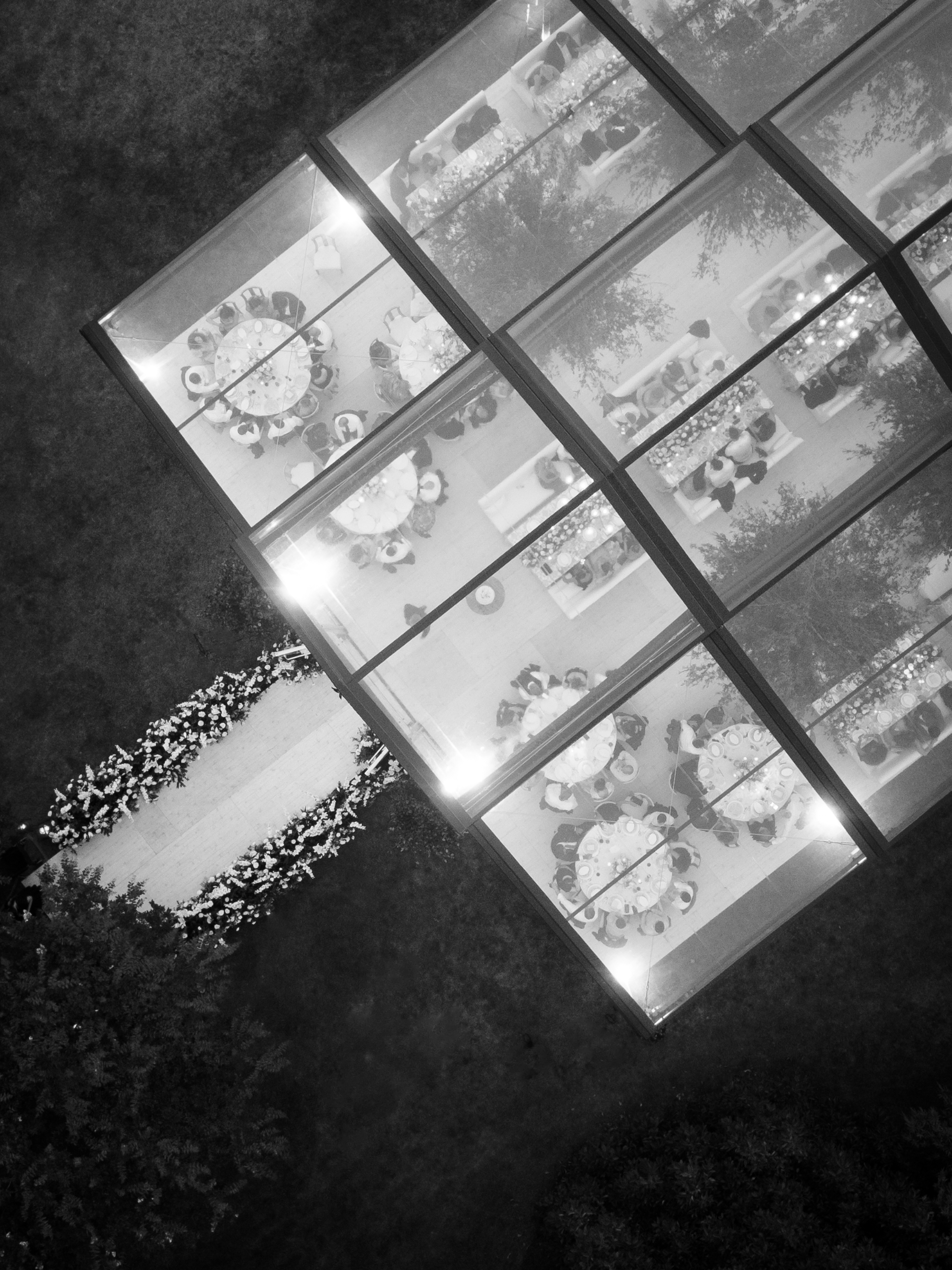
Corporate events require a balance of practical performance and refined presentation to create memorable experiences, which is why many organizations rely on summer corporate tent rentals to create flexible and professional event environments. Custom tents provide configurable solutions, clearspan, frame, and climate-controlled systems, that address layout, technical integration, and guest comfort. This article outlines the architectural advantages of each tent type, considerations for lighting and flooring, and the role of climate control so event planners can deliver reliable, high-impact corporate gatherings.
Architectural Advantages of Clearspan Tents for Corporate Events
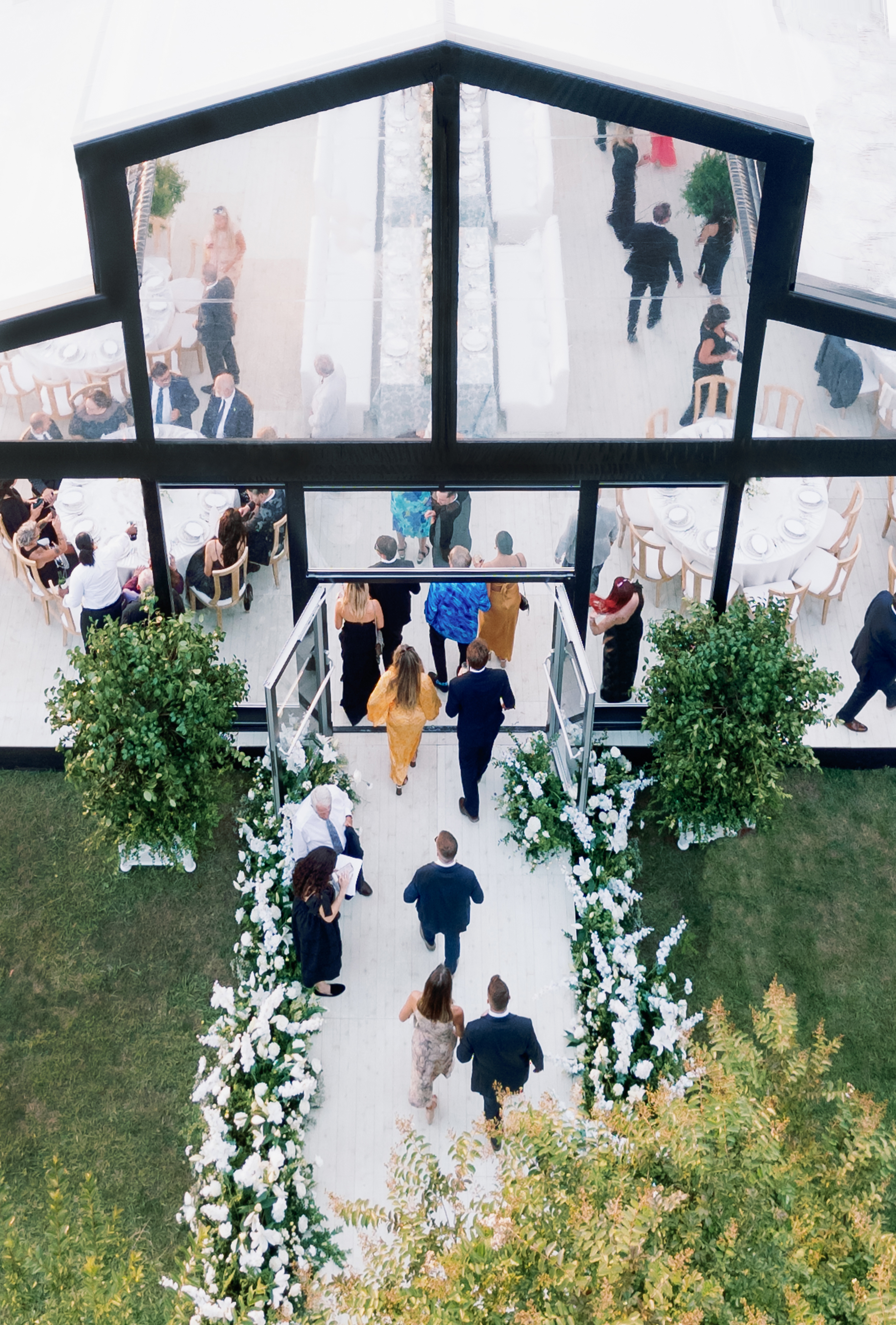
Clearspan tents are valued for their uninterrupted interior volume, enabling flexible floor plans without interior support poles. Their structural design supports a range of configurations, from banquet seating to open networking spaces, and facilitates integration of audiovisual and lighting systems tailored to event requirements. Constructed from weather-resistant materials, clearspan systems provide dependable performance in variable conditions.
In practice, clearspan systems simplify large-scale rigging and sightline management because truss or supported roof systems can carry lighting grids and AV equipment without interfering with floor plans. Planners should coordinate early with rigging and AV teams to define load points and ceiling heights so decorative treatments, chandeliers, and projection screens integrate safely and attractively. Clear communication about access for installation, electrical feed locations, and emergency egress routes helps maintain on-site efficiency and reduces last-minute changes.
What Are the Architectural Benefits of Clearspan and Frame Tents for Corporate Events?
Clearspan tents present distinct architectural benefits that support professional event delivery. Key features include:
- Unobstructed Space : The absence of internal poles maximizes usable space, enabling creative layouts.
- Versatile Configurations : These tents can be adapted for various event types, from conferences to gala dinners.
- Enhanced Technology Integration : Clearspan tents can accommodate advanced lighting and sound systems, enhancing the overall atmosphere.
Frame tents, with a different support system, also deliver practical benefits. Their modular frames adapt to uneven ground and permit a variety of shapes and sizes suitable for diverse site conditions.
When planning for either tent type, account for the interaction between structural elements and interior finishes. Fabric choices, window and door placement, and ceiling drapes affect acoustics and daylight; specifying these details early helps produce a cohesive environment that meets both functional and brand objectives. Coordination with flooring and HVAC providers avoids conflicts between underfloor distribution, power conduit, and anchoring systems.
Versatility and Site Adaptability of Frame Tents for Corporate Events
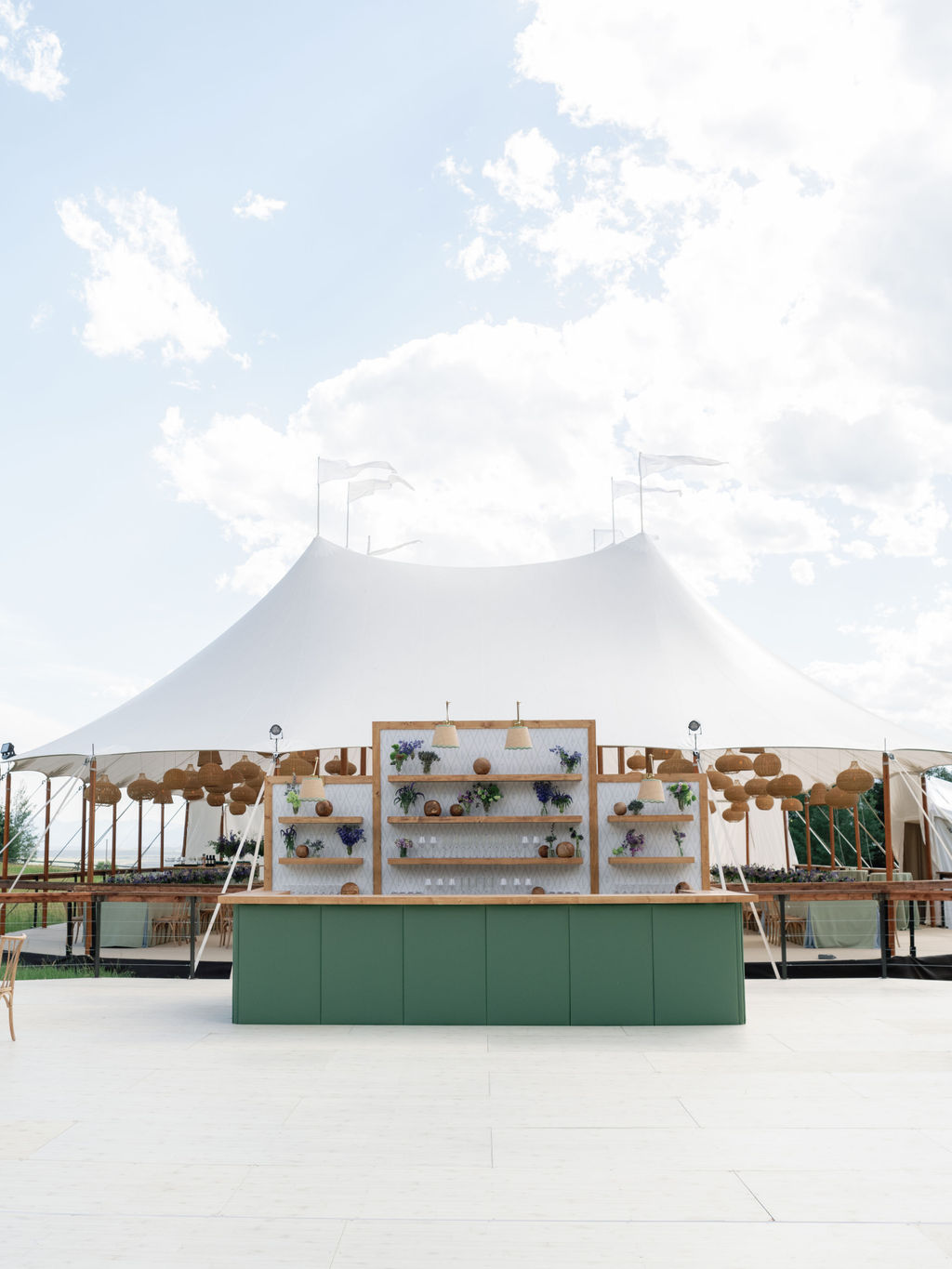
Frame tents offer a robust frame that supports the fabric membrane and allows multiple configuration options. Their adaptability to different substrates makes them appropriate for venues with limited or irregular ground conditions. The modular nature of frame systems also supports efficient assembly and reconfiguration when plans change.
Research on temporary event infrastructure reflects the value of efficient design and streamlined assembly for tent systems.
What Are the Key Features of Frame Tent Rentals for Versatile Event Design?
Frame tents include several features that increase site flexibility and operational efficiency:
- Adaptability : They can be set up on various surfaces, including grass, asphalt, and concrete.
- Flexible Layouts : Frame tents can be configured in multiple shapes, accommodating different event styles.
- Quick Setup : The design allows for rapid assembly and disassembly, making them ideal for events with tight timelines.
On sites with constrained access or where traditional anchoring is limited, frame tents can use ballast or engineered tie-down systems to meet safety requirements without intrusive groundworks. This makes them suitable for urban plazas, rooftops, and finished landscapes where preserving the surface is a priority. Discuss surface protection, traffic routing during build, and post-event restoration in the planning phase so the host site remains intact.
Maintaining Guest Comfort with Climate-Controlled Tents in Corporate Events
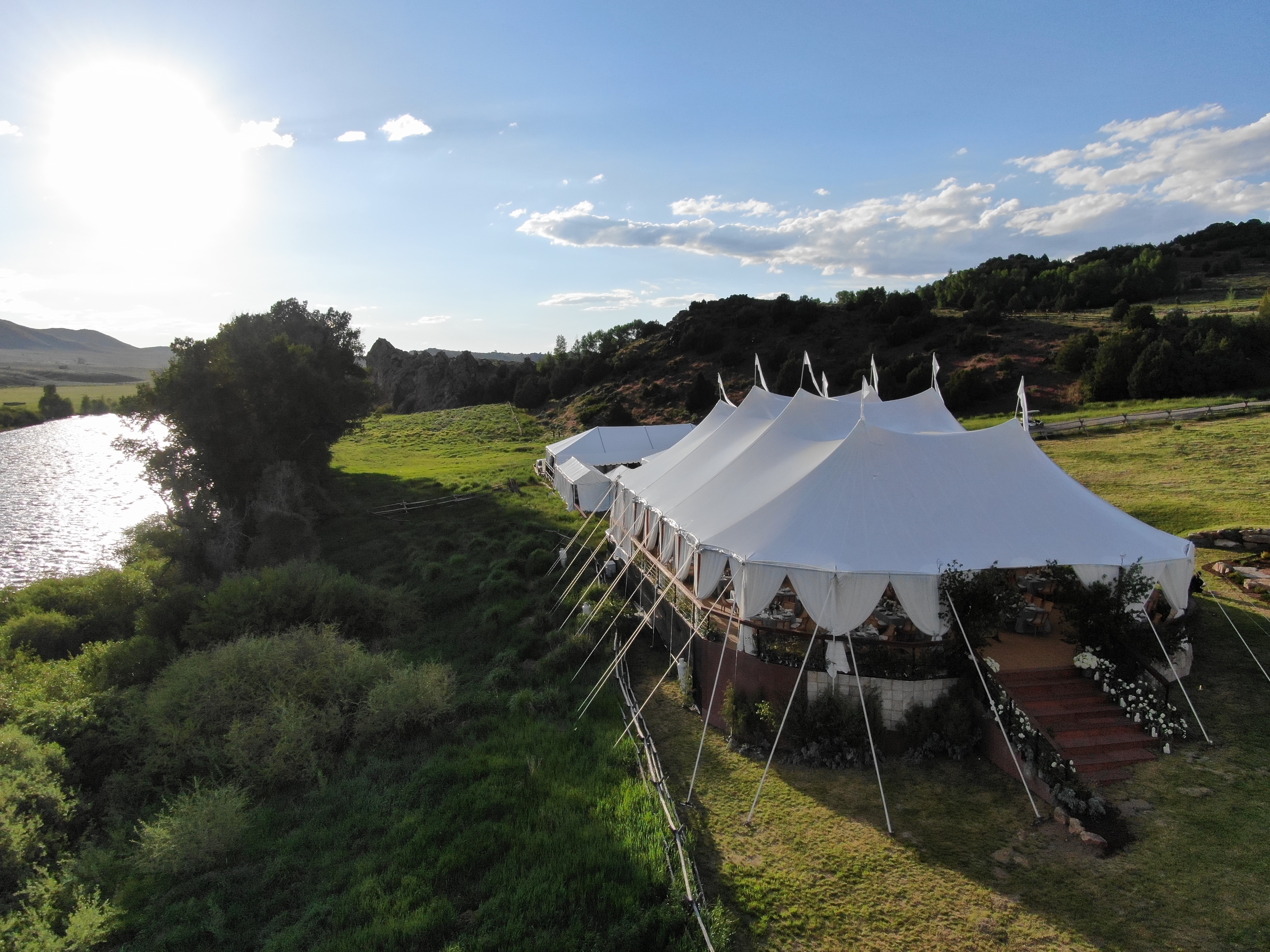
Climate-controlled tents maintain a consistent internal environment using heating, cooling, and ventilation systems. These systems regulate temperature and air quality to ensure attendee comfort across seasons, reducing weather-related disruption and supporting programme continuity.
Event-planning literature consistently highlights the role of controlled environments in supporting attendee well-being and event reliability.
How Is Climate Control Managed to Maintain Guest Comfort in Large Corporate Tents?
Effective climate control in large tents relies on coordinated systems:
- Heating Systems : These systems provide warmth during colder months, ensuring guests remain comfortable.
- Cooling Solutions : Air conditioning units help maintain a pleasant temperature during hot weather.
- Ventilation : Proper airflow is crucial for maintaining air quality, preventing stuffiness, and ensuring a comfortable environment.
Equipment selection and deployment should follow a systems approach: consider zoning to avoid overcooling or overheating different areas, plan power distribution and fuel access if required, and include redundancy for critical events so brief equipment interruptions do not disrupt programming. Early coordination between tent installers, HVAC contractors, and electrical providers reduces the risk of incompatible interfaces at load-in.
Operational practices that support climate control include installing insulation or liner fabrics where appropriate, planning duct routing to avoid obstructing sightlines, and scheduling equipment commissioning before attendee arrival to validate setpoints and airflow paths. Maintaining simple, accessible controls for on-site staff helps respond quickly to shifting conditions during multi-day events.
Custom Tent Features to Enhance Corporate Event Branding and Functionality
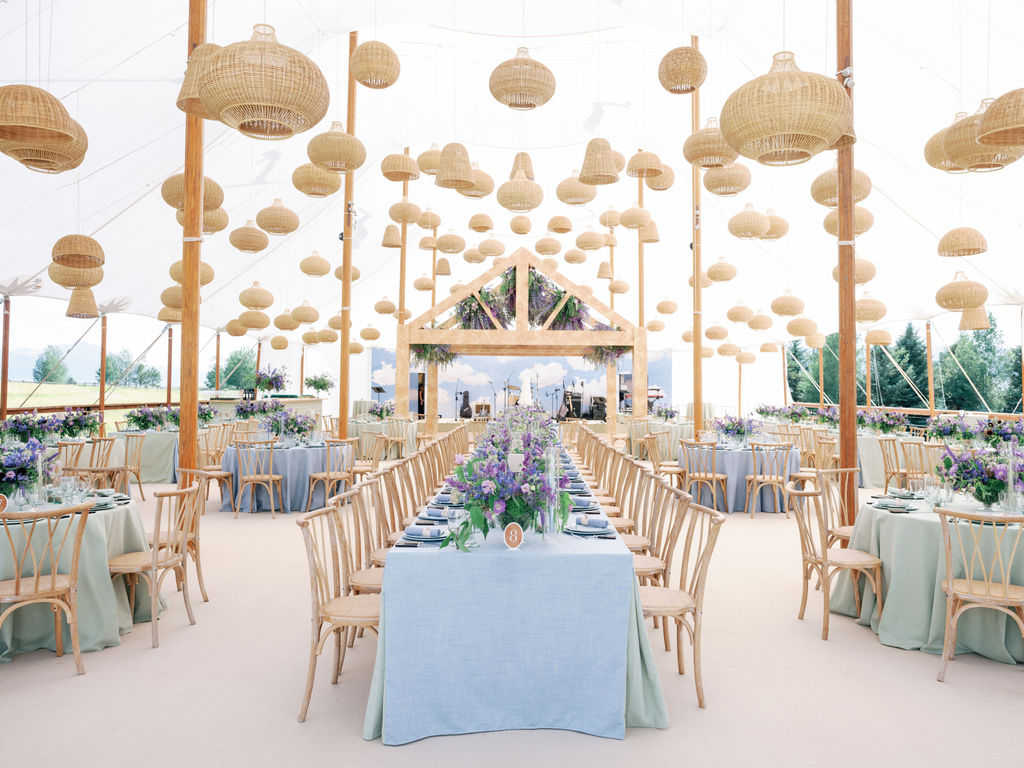
Custom features enable planners to align tented environments with brand identity and event objectives. Options such as branded graphics, tailored lighting schemes, and specialised flooring convert a standard shelter into a cohesive, purpose-built venue that supports attendee engagement and client goals.
Common customisations extend beyond visual branding. Consider integrated power distribution with labeled panels to support food service and AV, routable pathways for cabling to preserve clean sightlines, and modular staging that adapts to different speaker formats. Acoustic treatments, drapes, baffles, or liner fabrics, help manage reverberation for high-quality sound reproduction during presentations and performances.
Which Lighting Solutions Optimize Ambiance in Corporate Tent Events?
Lighting is a primary tool for defining atmosphere and functionality, making creative event lighting ideas an essential part of successful corporate event design. Practical solutions include:
- LED Lighting : Energy-efficient and versatile, LED lights can be adjusted to create various atmospheres.
- Ambient Lighting : Soft, diffused lighting enhances comfort and encourages social interaction.
- Spotlights : These can be used to highlight key areas, such as stages or dining tables, drawing attention where needed.
When specifying fixtures, think about control capabilities, faders, scenes, timed cues, and color temperature to match brand tones and program activities. Integrating dimming systems and simple preset scenes enables rapid transitions between networking, presentations, and dining. For safety, ensure emergency and pathway lighting remains operational regardless of decorative lighting states.
How Does LED and Ambient Lighting Enhance Tent Event Atmosphere?
LED and ambient lighting contribute to event objectives in measurable ways:
- Creating Mood : Different lighting settings can evoke various emotions, from excitement to relaxation.
- Highlighting Features : Strategic lighting can draw attention to important elements of the event, such as branding or key speakers.
- Improving Visibility : Well-placed lighting ensures that guests can navigate the space comfortably and safely.
Empirical studies indicate that targeted lighting strategies, particularly ambient lighting, support comfort and hospitality outcomes.
Outdoor Flooring Options to Ensure Comfort and Safety Under Corporate Event Tents
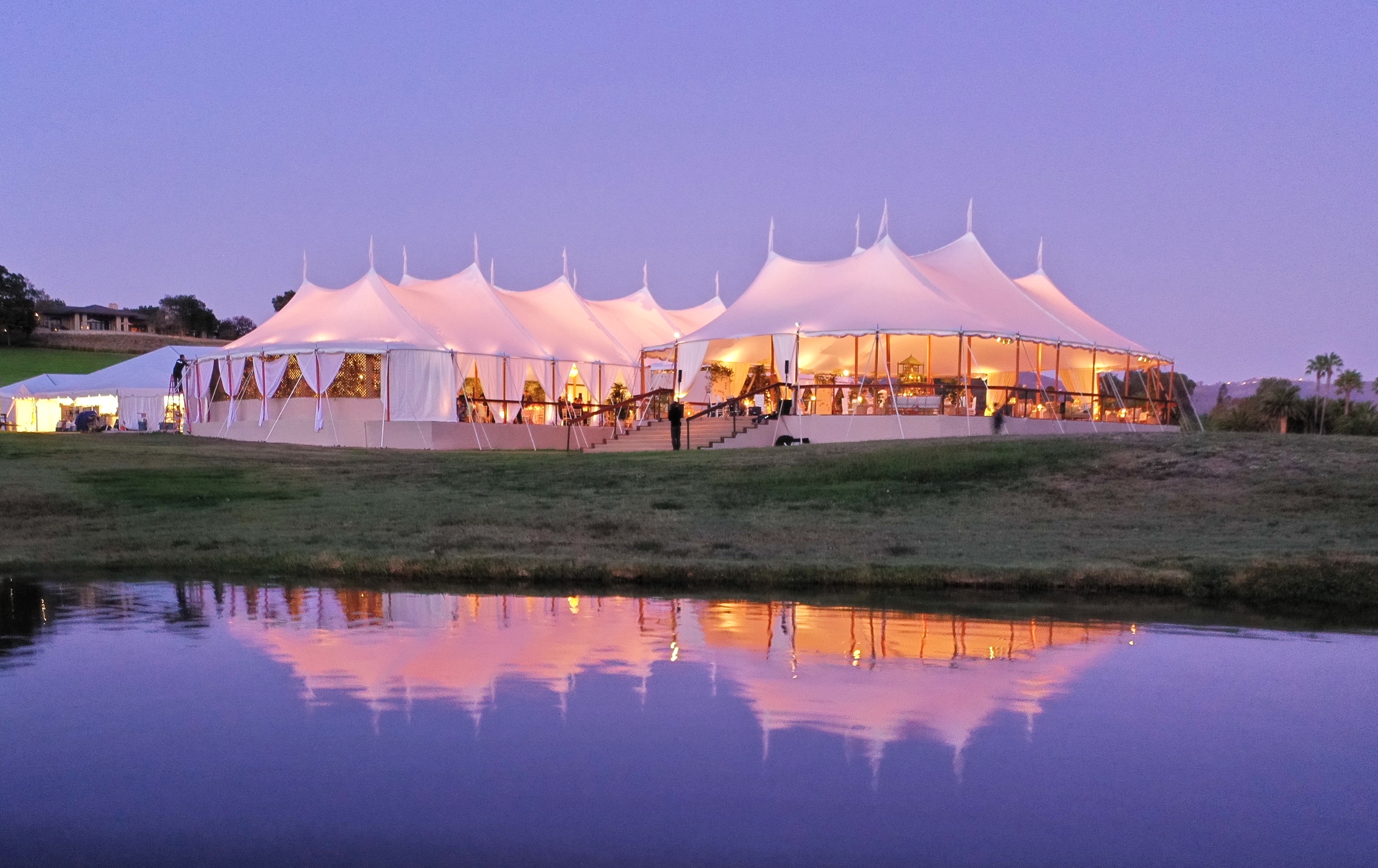
Appropriate flooring enhances safety, accessibility, and aesthetic quality, which is why planners often evaluate different corporate tent flooring options based on event requirements and site conditions. Common options include wood flooring for a solid, high-traffic surface, carpet for elevated comfort and formality, and interlocking tiles for rapid installation and versatile use.
Flooring selection also depends on the intended load and the duration of use. Temporary subfloor systems can create a level, resilient base over uneven ground and help protect sensitive surfaces beneath. Consider underlayment or moisture barriers where ground humidity or rain is a factor, and confirm that chosen systems meet local accessibility requirements to provide an inclusive guest experience.
How Do Wood, Carpet, and Interlocking Tiles Compare for Tent Flooring?
Compare flooring types by their performance characteristics and visual impact to determine the best fit for event requirements.
The comparison clarifies each option’s strengths and trade-offs, enabling planners to select flooring that meets comfort, durability, and aesthetic objectives.
Site Logistics and Planning Considerations for Successful Corporate Tent Events
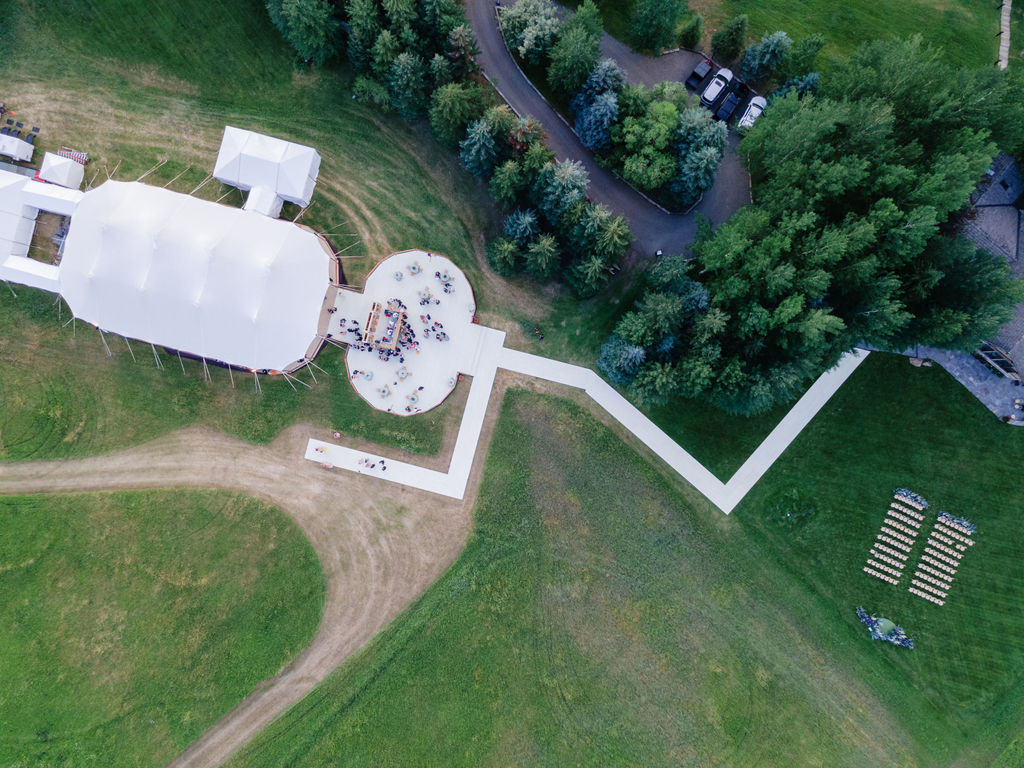
Successful tent events rely on deliberate site planning and logistics coordination. Critical considerations include accessibility, ground condition assessment, and compliance with local permitting and safety requirements.
- Accessibility : Ensuring that the site is accessible for all guests, including those with disabilities.
- Terrain Assessment : Evaluating the ground conditions to determine the best tent type and flooring solution.
- Permits and Regulations : Understanding local regulations regarding tent installations and event hosting.
Practical site logistics planning addresses vehicle access, rigging zones, and a dedicated build area for storing and staging equipment during installation. Establish clear loading paths and schedule deliveries to avoid congestion during build and strike. Assigning an on-site logistics lead improves coordination among vendors and helps streamline contingency responses when weather or schedule changes occur.
How Do Accessibility, Terrain, and Permits Impact Tent Installation?
Accessibility, terrain, and permitting directly influence installation methodology and timeline:
- Accessibility : Ensuring pathways and entrances are clear and compliant with regulations is essential for guest safety.
- Terrain : Uneven ground may require additional support or specific tent types to ensure stability.
- Permits : Securing the necessary permits in advance can prevent delays and ensure compliance with local laws.
Engage permitting authorities and utility providers early to confirm site conditions such as underground services and permitted operating hours. A pre-installation site visit with key vendors reduces unknowns and allows the team to identify required protective measures, such as roadway mats or turf protection, to preserve the host venue.
Choosing the Right Tent Size and Type Based on Guest Count and Venue Constraints
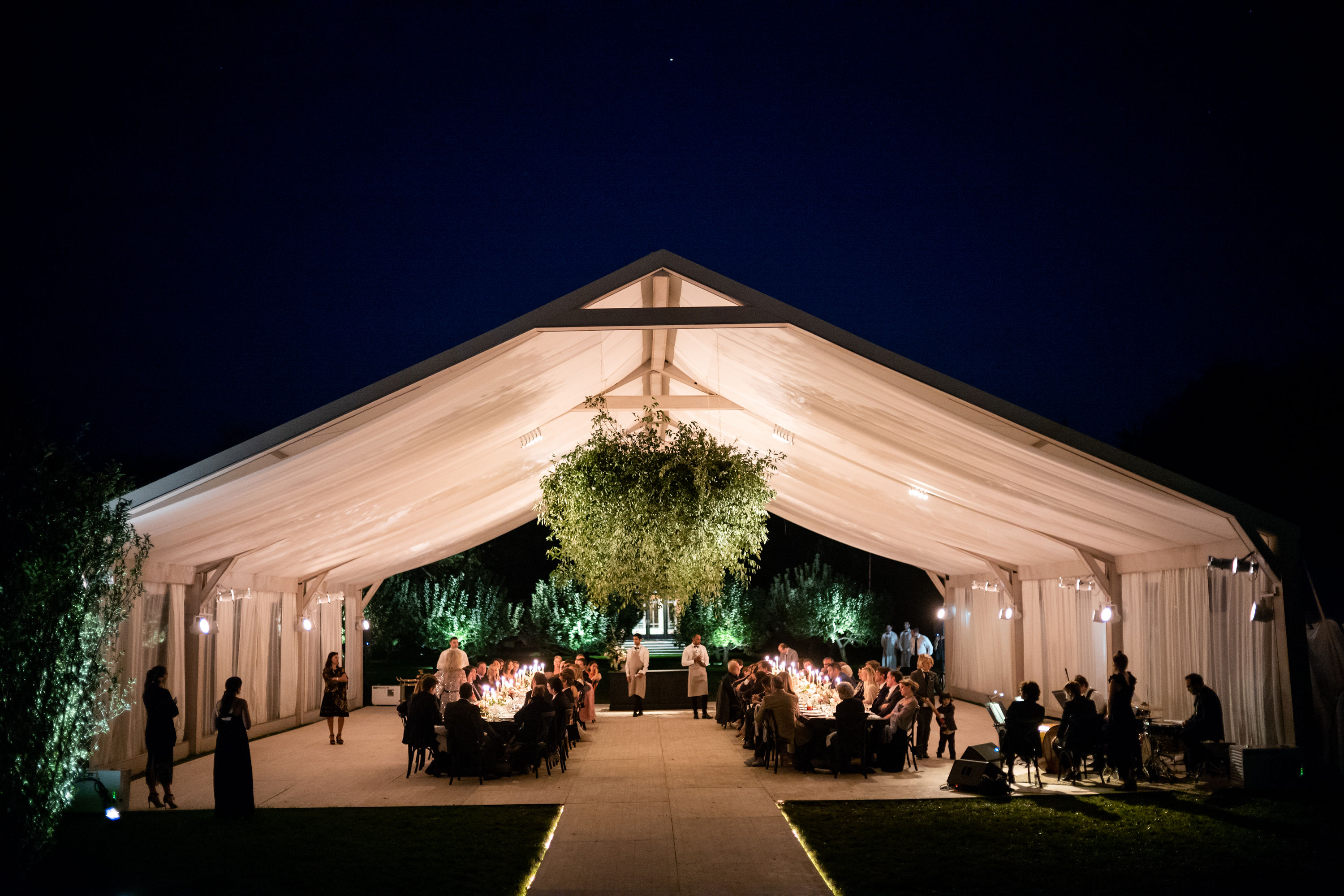
Choosing the correct tent size and type is fundamental to guest comfort and operational flow. Key factors include estimated attendance, event format, and site constraints that may limit available footprints.
- Guest Count : Estimating the number of attendees helps determine the necessary space.
- Event Type : Different events may require different layouts, influencing the tent type chosen.
- Venue Constraints : The available space and any restrictions will affect the size and type of tent that can be used.
When selecting size and type, evaluate both the guest experience and operational support needs, back-of-house areas, catering flow, storage, and staging all require allocation within the footprint. Leaving buffer space for circulation, service access, and emergency egress improves comfort and reduces bottlenecks during peak activity.
What Factors Determine Tent Capacity and Structural Selection?
Capacity and structural choice are driven by functional and regulatory requirements:
- Layout Requirements : The desired layout, e.g., banquet, theater, will influence the tent size.
- Safety Regulations : Local safety codes may dictate maximum occupancy and structural requirements.
- Weather Considerations : The expected weather conditions can affect the choice of materials and design.
Structural selection should also reflect the event’s duration and the need for permanence versus temporary installation. For events that span multiple days or include sensitive equipment, choose robust structural systems with proven performance histories and accessible maintenance plans.
How Does Tent Material and Design Influence Event Aesthetics and Functionality?
Material selection and design determine durability, appearance, and the tent’s ability to integrate operational systems. Prioritise high-quality fabrics, purposeful design features, and provisions for lighting and climate control to meet both aesthetic and functional objectives.
Consider complementary design elements such as transparent roof panels for controlled daylight, textile liners to hide mechanical systems, and perimeter treatments to direct views and circulation. These design choices help present a finished interior while making technical systems accessible for service.
Why Partner with Skyline Tent Company for Luxury Corporate Event Tent Solutions?
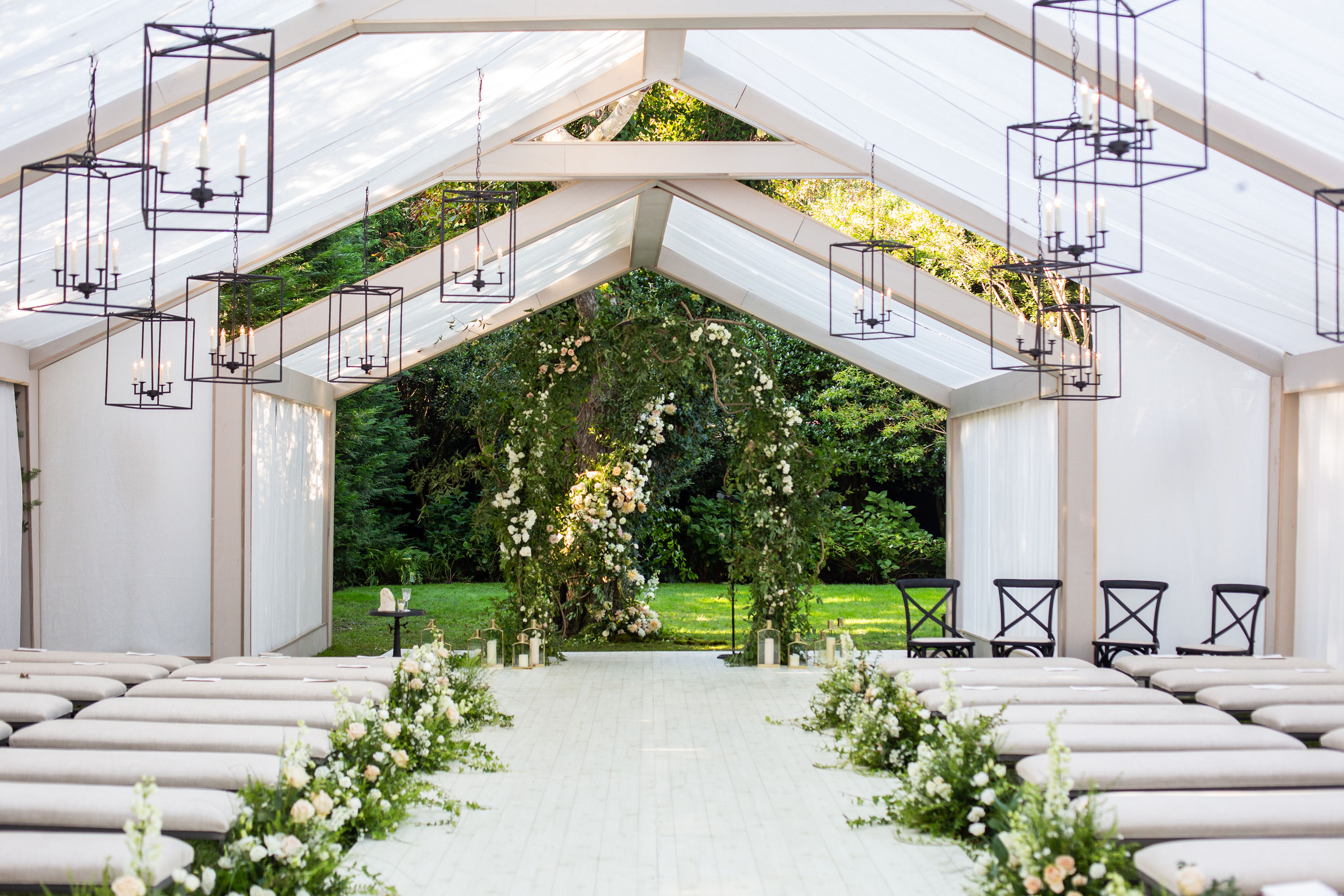
Skyline Tent Company focuses on premium tent rental solutions for upscale corporate events. Their portfolio includes architectural clearspan and frame tents, clear-top installations, and traditional century pole or sailcloth tents. Partnering with Skyline provides access to configurable options that enhance event presentation and operational reliability.
Working with an experienced tent provider streamlines procurement and logistical coordination. A full-service partner can offer site assessments, modular equipment packages, and on-site technical crews so clients can focus on programming and guest experience rather than equipment details. Confirm the scope of services, warranty terms, and post-event responsibilities when finalising a contract.
What Comprehensive Services Enhance Tent Rentals from Planning to Execution?
Skyline Tent Company offers end-to-end services to support tented events:
- Event Planning Assistance : Expert guidance on tent selection and layout design.
- Installation and Dismantling : Professional setup and takedown services ensure a smooth process.
- On-Site Support : Dedicated staff available during the event to address any issues that may arise.
Service packages commonly include project management, equipment procurement, technical schematics for clients and vendors, and a single point of contact for site operations. Evaluating these service components alongside insurance, safety documentation, and maintenance plans helps ensure reliable delivery.
How Do Recent Case Studies Demonstrate Skyline’s Expertise and Innovation?
Recent case studies and client testimonials underscore Skyline’s consistent delivery of high-quality, innovative tent solutions. These examples illustrate the company’s capacity to meet varied client requirements and execute complex events to specification.
Case summaries often highlight tailored problem solving, adapting layouts to challenging footprints, integrating sophisticated AV and lighting, and maintaining programme continuity through weather changes. Sharing lessons learned from past projects with prospective clients supports transparent planning and reduces unforeseen issues during execution.
Conclusion
Clearspan, frame, and climate-controlled tents each deliver defined operational and aesthetic benefits that support successful corporate events. Understanding the distinctions among tent types and specifying appropriate lighting, flooring, and site logistics enables planners to produce reliable, branded experiences. For tailored solutions, engage a specialised tent provider to ensure your next corporate gathering meets both practical needs and strategic objectives.
Before finalising plans, use a short planning checklist to confirm critical elements: chosen tent type and footprint, primary and backup climate-control strategy, lighting and AV requirements, flooring and accessibility provisions, permitting and safety approvals, and a clear timeline for installation and strike. This structured approach helps reduce risk and ensures that creative intentions translate into a safe, comfortable, and memorable event.