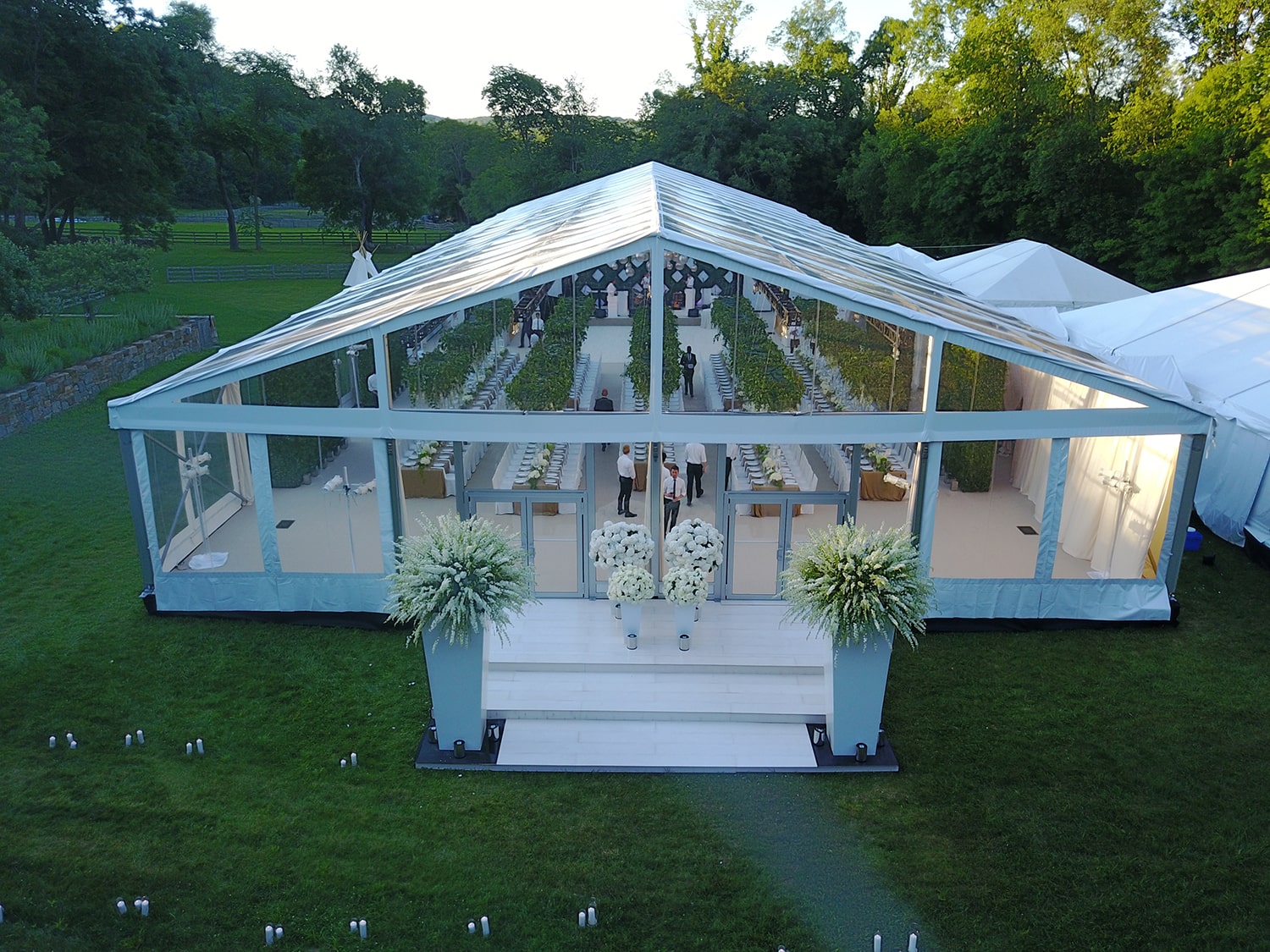
Corporate event tents have become one of the most effective solutions for businesses seeking flexible, scalable, and visually refined event environments. Modern companies increasingly host conferences, networking functions, product launches, executive gatherings, and corporate celebrations outdoors because tented venues offer greater customization, stronger branding opportunities, and more adaptable layouts than many traditional indoor spaces. These structures are no longer viewed as simple temporary shelters. Today’s corporate tents function as sophisticated event venues capable of supporting audiovisual systems, climate control, luxury furnishings, staging, lighting installations, and large guest capacities.
A successful corporate event depends heavily on how well the venue supports guest comfort, operational flow, and overall presentation. Choosing the right tent structure influences everything from seating arrangements and circulation pathways to technical infrastructure and event atmosphere. Clearspan tents provide expansive interiors for conferences and exhibitions, frame tents offer flexibility across different surfaces, and sailcloth or clear-top structures create upscale environments that enhance guest experience.
Understanding Corporate Tent Structures and Their Business Applications
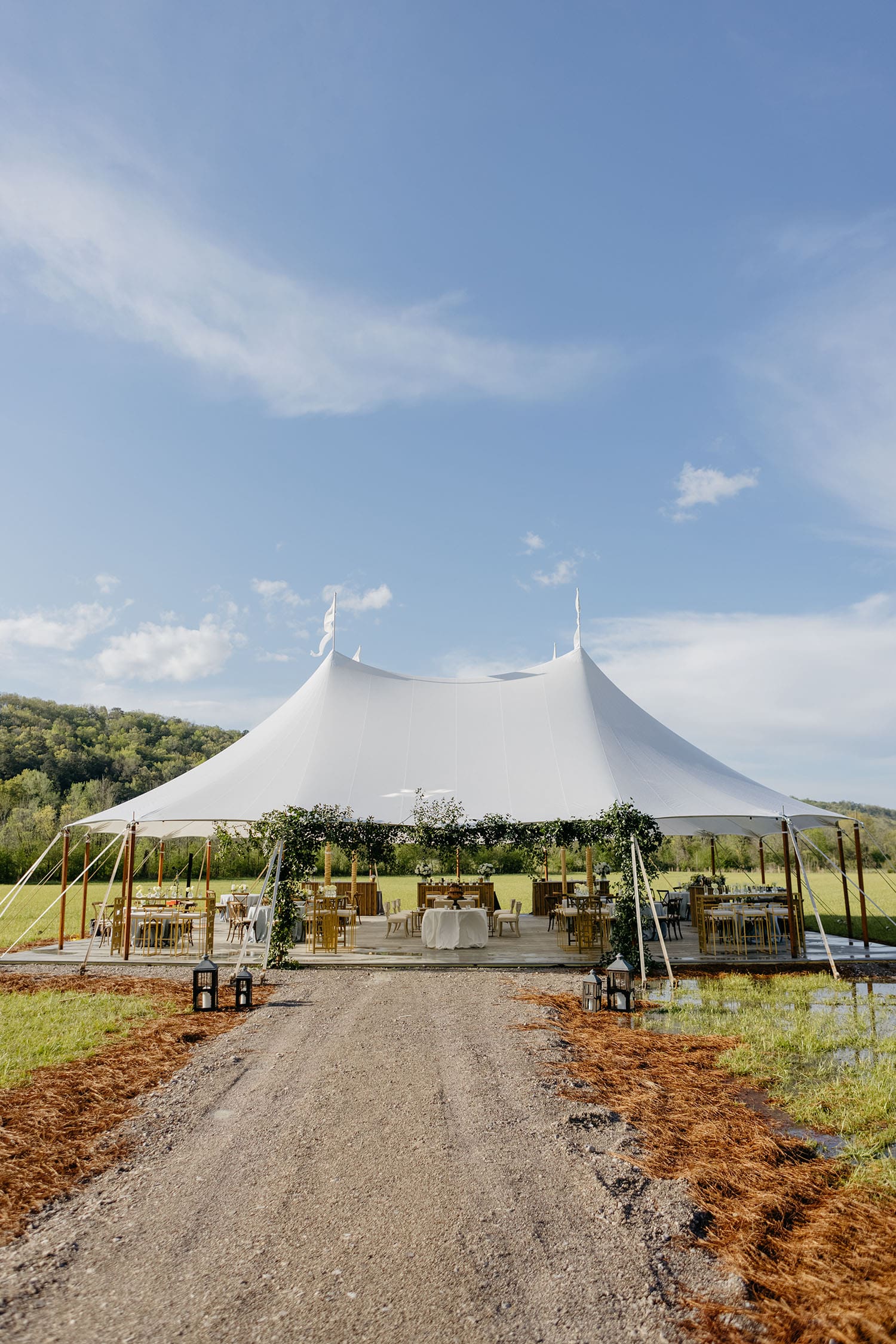
Selecting the right tent structure is one of the most important decisions in corporate event planning. Different tent systems support different operational requirements, visual aesthetics, and event formats.
The ideal structure should align with the company’s goals while supporting guest comfort through strategic venue tent pairing.
Clearspan Tents for Conferences and Large Corporate Gatherings
Clearspan tents are widely used for conferences, trade shows, and large business events because they eliminate interior support poles, creating open layouts that maximize usable floor space. Their engineered aluminum frameworks provide strong structural performance while allowing flexible seating and staging configurations.
Clearspan structures offer several advantages:
- Open interiors without visual obstructions
- Flexible layouts for conferences and networking events
- Strong support for lighting, staging, and AV systems
Because these tents accommodate suspended equipment and large technical installations, they are ideal for keynote presentations, exhibitions, and branded corporate environments.
Their modular construction also allows organizers to scale structures based on changing attendance requirements or multi-zone event layouts.
Frame, Pole, and Sailcloth Tents for Specialized Event Environments
Frame tents provide exceptional versatility and can be installed on asphalt, concrete, grass, or uneven outdoor surfaces. Their adaptable layouts make them suitable for executive receptions, networking spaces, and smaller business functions.
Additional corporate event tent styles include:
- Frame tents for flexible venue configurations
- Pole tents for traditional outdoor event aesthetics
- Sailcloth tents for upscale hospitality environments
Pole tents create visually dramatic peaks that work well for open outdoor celebrations, while sailcloth tents introduce softer architectural lines and premium atmosphere design.
Using multiple tent styles across a single venue can also help define separate zones for dining, networking, presentations, and hospitality services.
Planning Corporate Event Layouts for Functionality and Guest Flow
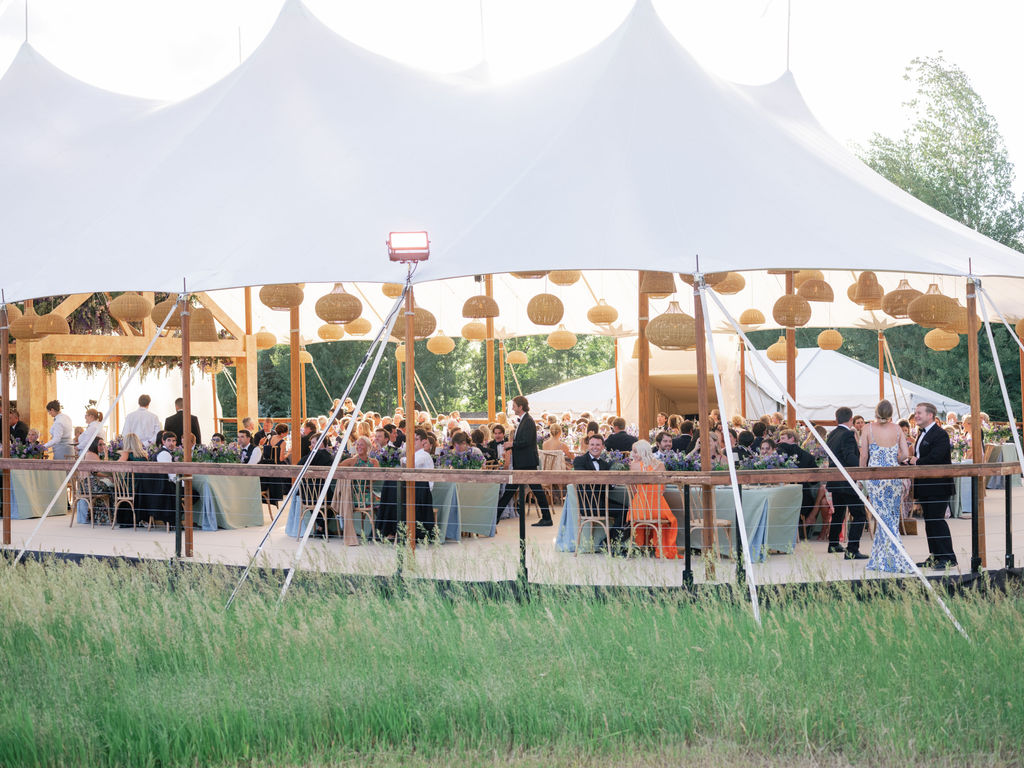
A well-designed layout directly affects how attendees interact with the event environment. Poor circulation, overcrowded seating arrangements, or inefficient staging areas can negatively impact both guest experience and operational performance.
Strategic space planning helps create environments that feel organized, comfortable, and professional.
Designing Functional Spaces for Conferences and Networking
Corporate events often involve multiple operational zones that must work together seamlessly. Registration areas, presentation spaces, dining sections, and networking lounges all require careful placement within the venue.
Important corporate event zones may include:
- Main presentation and keynote areas
- Networking lounges and hospitality sections
- Registration desks and sponsor activations
Separating these functions strategically improves guest movement while reducing congestion during peak event periods.
Dedicated vendor and production corridors also help maintain smoother operations behind the scenes without interrupting attendee circulation.
Guest Capacity and Seating Arrangement Strategies
The number of attendees directly influences tent dimensions, layout requirements, and operational infrastructure. Different event formats also require different space allocations even when guest counts remain similar.
Effective layout planning improves:
- Guest comfort and circulation flow
- Visibility for presentations and stage areas
- Accessibility throughout the venue
Formal conferences may require theater-style seating and larger stage setups, while networking receptions often prioritize lounge spaces and open circulation areas.
Carefully balancing seating density with open movement pathways helps create environments that feel spacious rather than overcrowded.
Lighting, Flooring, and Climate Control for Corporate Tent Environments
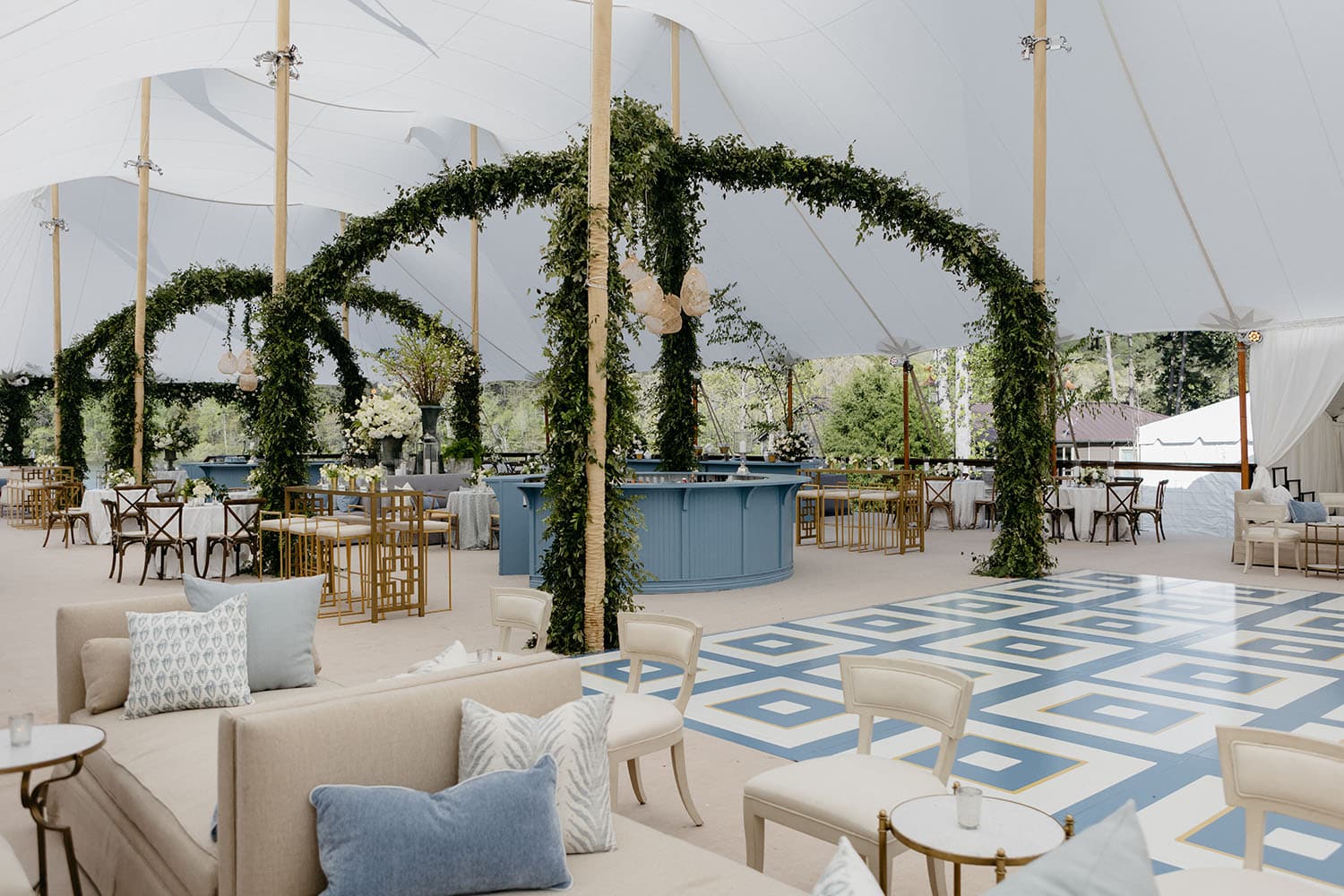
Modern corporate events rely heavily on supporting infrastructure systems that improve comfort, aesthetics, and functionality. Lighting, flooring, and climate-control systems all contribute significantly to the overall guest experience.
These elements should be integrated into the event plan early rather than treated as separate add-ons later in the process.
Lighting Systems That Enhance Corporate Event Atmosphere
Lighting influences how attendees perceive the event environment while supporting presentations, branding, and overall ambiance. A well-designed lighting strategy improves both aesthetics and operational functionality.
Professional corporate lighting solutions often include:
- LED uplighting for architectural enhancement
- Stage lighting for presentations and speakers
- Decorative fixtures that elevate venue aesthetics
Layered lighting techniques help define different areas throughout the venue while improving visibility and creating a more immersive atmosphere.
Custom lighting colors and branded projection systems can also reinforce company identity while complementing elegant corporate tent designs for premium business events.
Flooring Systems and Climate-Control Solutions
Flooring systems improve comfort, accessibility, and overall presentation quality inside corporate event tents. Stable surfaces are especially important for large gatherings involving dining, staging equipment, and heavy guest traffic.
Corporate event flooring options often include:
- Carpet installations for formal conference environments
- Wood flooring for premium hospitality spaces
- Modular flooring systems for uneven outdoor terrain
Climate-control systems are equally important because outdoor temperatures can fluctuate significantly throughout the day. Portable air-conditioning units, heating systems, and ventilation equipment help maintain consistent indoor comfort levels.
Proper climate management improves guest satisfaction while protecting technical equipment and supporting smoother event operations.
Site Logistics and Tent Installation Planning for Business Events
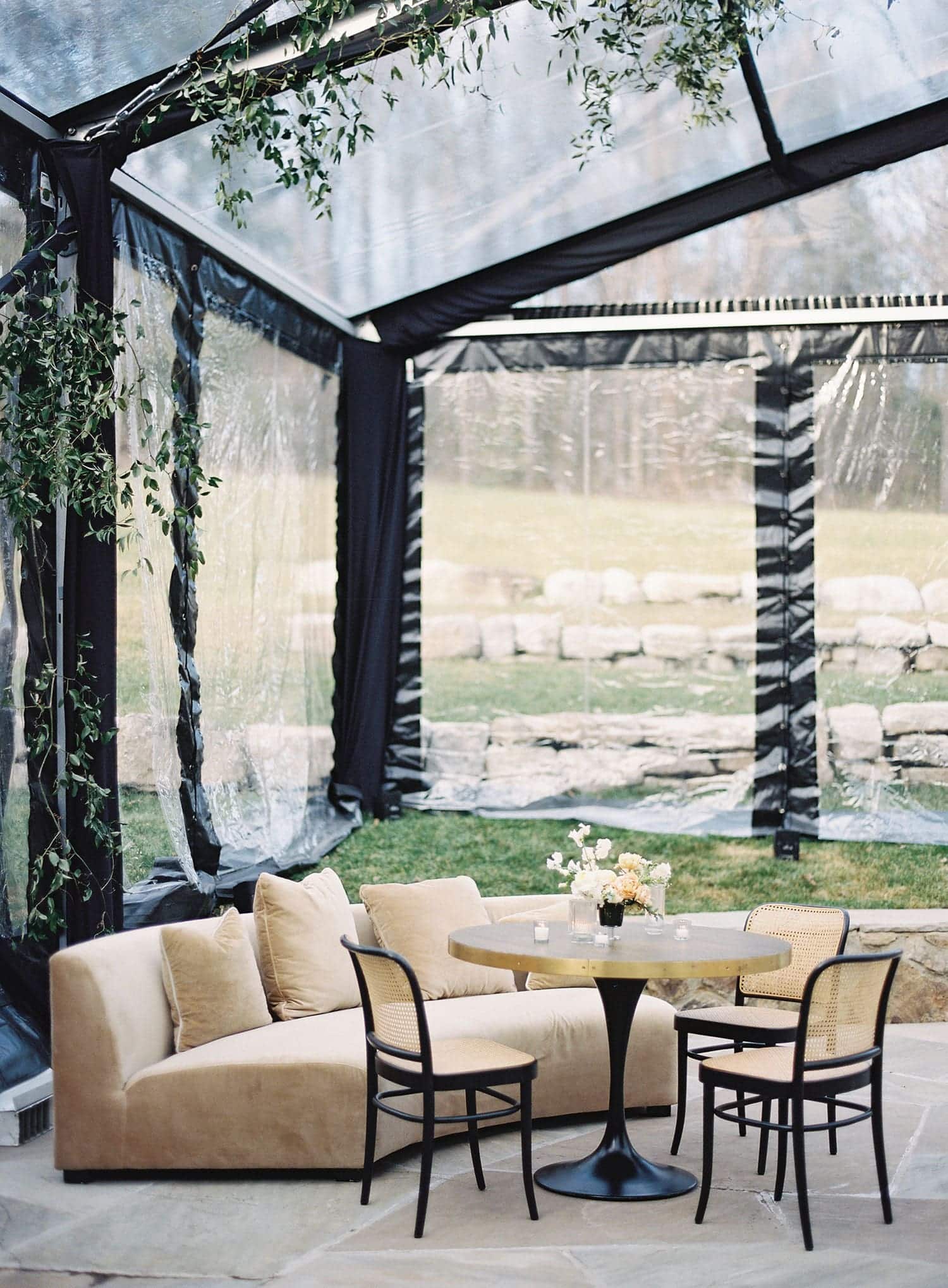
Even visually impressive corporate events can encounter major operational problems if logistics planning is poorly coordinated. Installation schedules, vendor management, and infrastructure planning all influence event execution.
Strong logistical coordination reduces delays while improving efficiency and safety throughout the setup process.
Site Assessments and Infrastructure Coordination
Every outdoor venue presents different logistical challenges that affect tent placement, installation methods, and infrastructure systems. Conducting a detailed site assessment helps planners identify these challenges before setup begins.
Important site-planning considerations include:
- Ground stability and drainage conditions
- Accessibility for installation crews and equipment
- Utility access and temporary power requirements
Site evaluations also help determine the best locations for staging, guest entrances, catering operations, and emergency access routes.
Proper infrastructure coordination reduces congestion during setup while improving operational flow throughout the event lifecycle.
Vendor Coordination and Operational Efficiency
Corporate events often involve multiple vendors working simultaneously under strict timelines. Coordinating tent installers, caterers, electricians, production teams, and AV crews requires structured communication and scheduling.
Strong operational planning improves:
- Installation efficiency and scheduling accuracy
- Communication between vendors and technical teams
- Safety oversight during setup and breakdown
Technical rehearsals and operational walkthroughs are especially valuable for conferences and presentations involving audiovisual systems or live production elements.
When vendors operate within a coordinated timeline, setup becomes more efficient and significantly less stressful for organizers.
Choosing the Right Tent Rental Strategy for Corporate Success
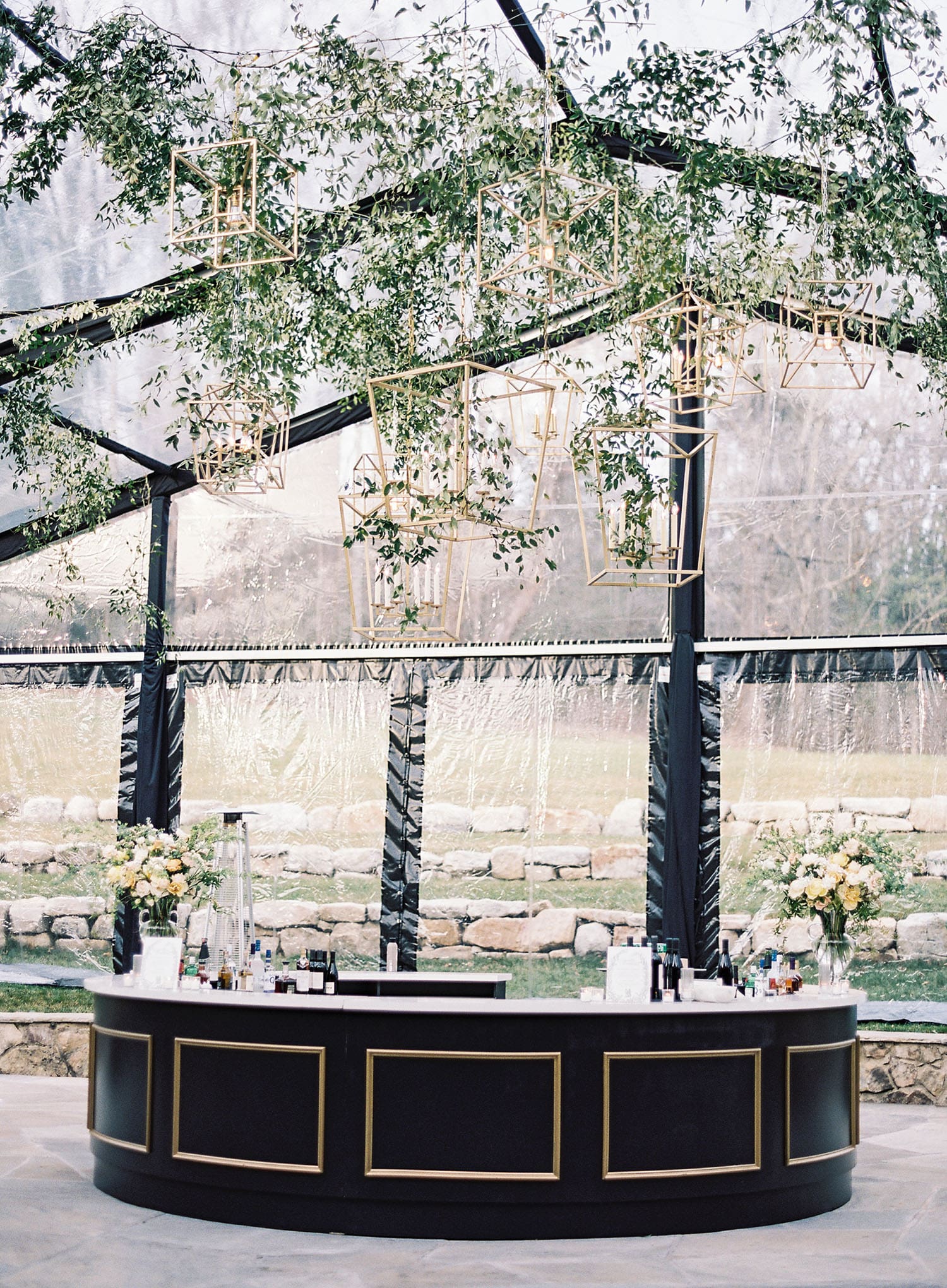
Tent rental decisions should balance operational needs, event goals, and budget expectations. Choosing the right provider and rental package helps ensure smoother execution while reducing the likelihood of last-minute adjustments.
Early planning and detailed consultations improve both pricing transparency and operational preparation.
Evaluating Tent Rental Packages and Services
Corporate event rental packages often include far more than the tent structure itself. Flooring, climate control, lighting, staging, and logistical support all contribute to the overall event infrastructure.
Before selecting a rental package, planners should evaluate:
- Included infrastructure and support services
- Flexibility for customization and branding
- Vendor experience with corporate events
Detailed consultations also help identify hidden operational costs related to labor, transportation, temporary power systems, and installation timelines.
Understanding exactly what is included in the proposal helps businesses compare vendors more effectively by reviewing detailed tent rental quotes before making a decision.
Working With Experienced Corporate Tent Providers
Experienced tent providers offer valuable guidance throughout the planning process. Their expertise helps businesses select structures and infrastructure systems that align with the event’s goals and venue conditions.
Professional providers improve:
- Accuracy of layout and infrastructure planning
- Coordination between vendors and technical crews
- Overall event reliability and operational performance
Consultation services often include site evaluations, CAD layouts, infrastructure recommendations, and logistical coordination that streamline the entire planning process.
Working with experienced corporate event specialists also reduces operational risk while improving the overall quality of the final event environment.
Frequently Asked Questions
Why is climate control important for outdoor business events?
Climate-control systems maintain comfortable temperatures, improve airflow, and protect both guests and technical equipment during outdoor events.
How early should corporate event tents be booked?
Large corporate events should ideally secure rentals several months in advance, especially during peak seasons when premium tent inventory is limited.
Why is site assessment important before installation?
Site assessments identify terrain issues, accessibility limitations, utility needs, and logistical challenges before installation begins.
Conclusion
Corporate event tents provide businesses with flexible and highly customizable environments capable of supporting conferences, networking functions, presentations, and large-scale outdoor gatherings. From clearspan structures and frame tents to lighting systems, flooring infrastructure, and climate-control solutions, every component contributes to the overall success of the event.
Careful planning allows businesses to create professional event environments that improve guest comfort, support operational efficiency, and reinforce brand image. Strategic layouts, integrated infrastructure systems, and strong logistical coordination all help ensure that outdoor business events feel polished, organized, and engaging for attendees.
Skyline Tent Company understands the complexities involved in designing and managing outdoor corporate event environments. Their expertise in architectural tent structures, event infrastructure, lighting systems, and logistical coordination helps businesses create venues that balance functionality, comfort, and elevated presentation standards.
With proper planning, experienced coordination, and the right tent solutions, outdoor corporate events can successfully deliver memorable experiences that combine operational performance with sophisticated event design.