
Tent rental quotes can feel overwhelming when planning a wedding, corporate event, festival, or private celebration because pricing often includes more than the tent itself. The final estimate may reflect tent size, structure type, flooring, lighting, climate control, delivery access, permits, installation labor, and site conditions. Understanding how these details shape a quote helps event planners compare providers more accurately and avoid unexpected costs. A clear quote should explain what is included, what is optional, and what may change based on logistics or event requirements. With the right planning approach, the tent rental process becomes easier to manage and more aligned with the event’s style, comfort needs, and operational goals. By breaking down each component, planners gain confidence in their budget allocations and decision-making, making the entire rental experience less stressful and more predictable.
Understanding the Tent Rental Quote Process
Having a solid grasp of the quote process empowers event planners to communicate clearly with rental companies and receive estimates that truly reflect their needs. It bridges the gap between expectations and actual service delivery, ensuring transparency and better budgeting. Many rental companies follow a standard procedure for creating quotes, but customization based on specific event requirements often leads to variations. Knowing what questions to ask and what information to provide upfront streamlines this interaction and saves valuable time for all parties.
What a Tent Rental Quote Usually Includes
A tent rental quote should give planners a clear view of the basic structure, installation requirements, and any added services. The base price usually covers the tent itself, but additional features can significantly affect the total cost. Commonly included elements are the tent fabric, frame, and stakes, along with an estimate for labor hours. Some companies may also provide insurance or temporary fencing in the quote, depending on the event size and venue rules.
A detailed quote may include tent size, tent type, delivery, setup, takedown, anchoring, sidewalls, flooring, lighting, and climate-control options. The more complete the quote, the easier it becomes to compare vendors fairly. Being aware of which elements are lumped into packages and which are charged separately helps avoid hidden fees that could disrupt the budget during final invoicing.
Why Detailed Event Information Matters
Rental companies need accurate information before preparing a reliable estimate. Guest count, event date, venue address, surface type, setup window, and desired layout all influence pricing. Additional logistical concerns, such as local ordinance restrictions or the need for special equipment, also play a role. Sharing these details proactively enables companies to anticipate challenges and prepare accordingly, ensuring smooth installation and removal.
Before requesting a quote, planners should organize the most important details. This helps rental providers respond faster and reduces the chances of later revisions. Minimizing the need for adjustments lowers operational risks and potential scheduling conflicts on the event day.
Helpful details to provide include:
- Event date and location
- Estimated guest count
- Tent surface type
- Desired seating or layout style
- Need for lighting, flooring, or climate control
Choosing the Right Tent Type for Your Event
Selecting the ideal tent type sets the foundation for event aesthetics and functionality through better venue tent planning. Understanding the distinctions among available options allows planners to choose a structure that best aligns with their vision and logistical needs. Different tent styles also affect the ease and speed of setup, which is an important consideration for venues with tight scheduling constraints.
Clearspan, Frame, and Pole Tents
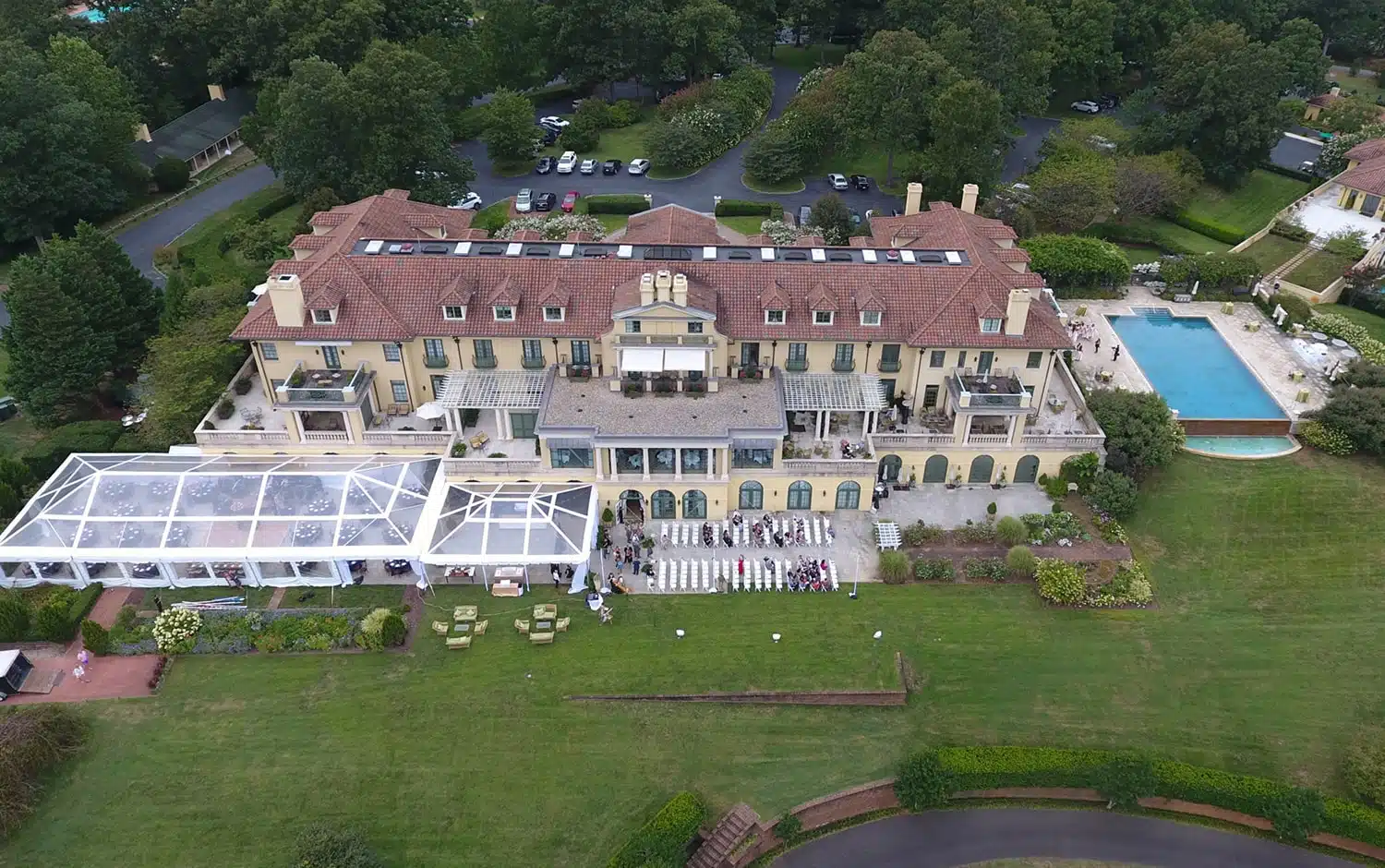
Different tent styles come with different pricing and installation requirements. Clearspan tents are often used for larger or more formal events because they provide open interiors without support poles. Frame tents are flexible and can work on different surfaces. Pole tents offer a traditional look but require more staking space. Each tent type has specific weight and anchoring needs that may affect site preparation and labor costs.
Choosing the correct structure helps balance design goals, guest comfort, and budget expectations. In addition, considering the tent’s wind and weather tolerance ensures the event’s safety and continuity, especially in unpredictable climates. Read more in Choosing Your Ideal Tent Rental Company: A Guide.
Sailcloth and Luxury Tent Options
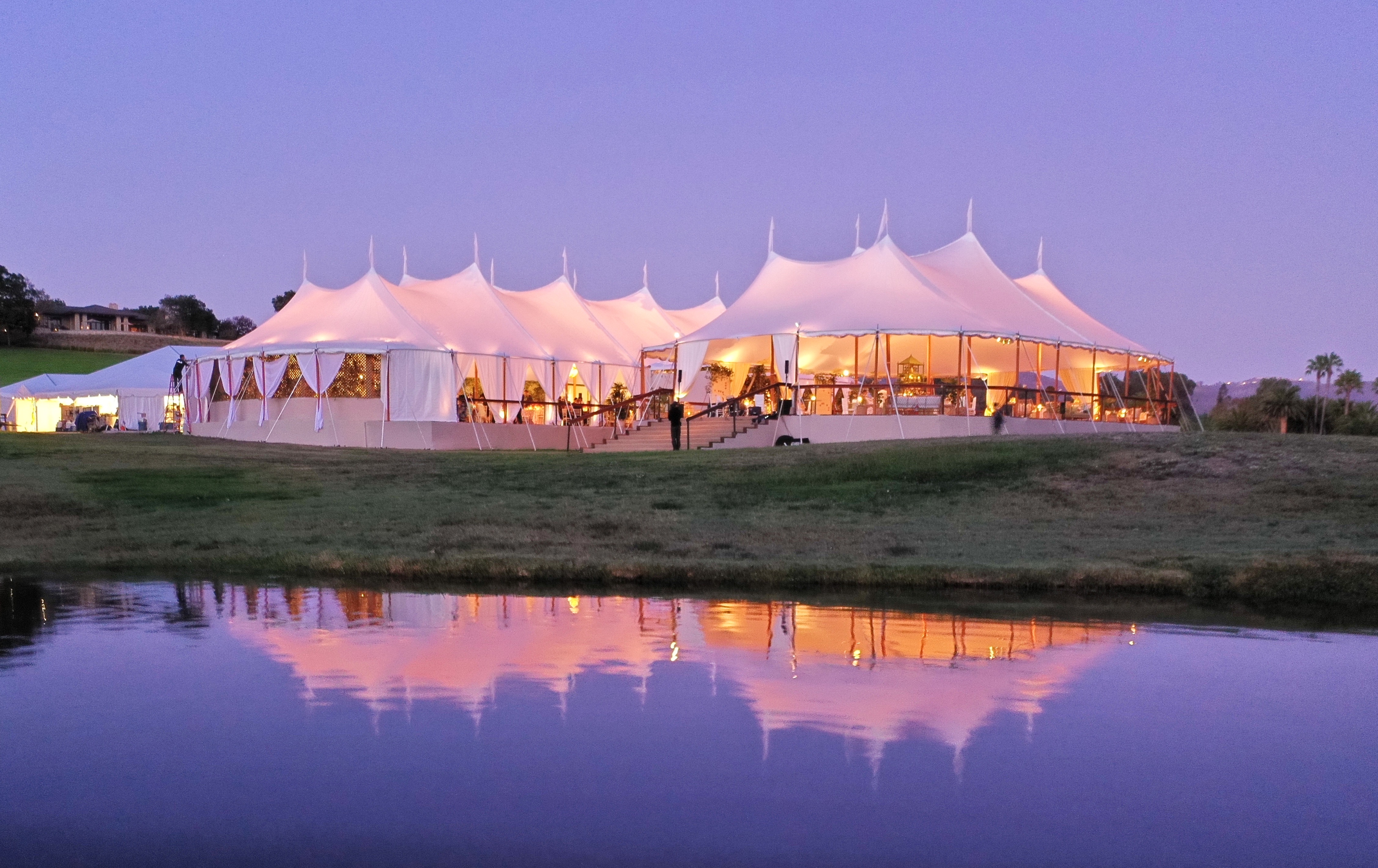
Sailcloth tents are popular for upscale weddings and elegant outdoor events because of their soft fabric, graceful peaks, and natural light effect. These tents often create a more refined visual experience, but they may also require specific anchoring and installation conditions. They tend to be heavier and might need reinforced anchoring points or special permits.
Luxury tent options usually cost more because they involve premium materials, specialized setup, and additional design features often found in luxury event tents.However, they can significantly elevate the overall event atmosphere. Features like draperies, crystal chandeliers, and high-end flooring can be incorporated to enhance ambiance, influencing both price and setup time.
Key Factors That Affect Tent Rental Pricing
Recognizing the variables that influence tent rental prices helps planners make informed decisions and create realistic budgets. Each factor contributes uniquely to the final cost, highlighting the importance of detailed planning. Understanding these cost drivers enables better allocation of resources and prioritization of must-have features.
Size, Guest Count, and Layout
Tent size is one of the biggest pricing factors. Larger tents require more materials, labor, anchoring, and setup time. Guest count also matters because seated dinners, cocktail receptions, dance floors, buffet areas, and stages all require different amounts of space. Safety codes often dictate minimum space per guest, influencing tent dimensions.
A 150-person seated dinner usually needs more square footage than a standing reception with the same guest count. Planning the layout early helps avoid underestimating the required tent size. Additionally, incorporating extra space for entertainment or logistical needs like catering stations can affect tent selection and cost.
Site Conditions and Installation Logistics
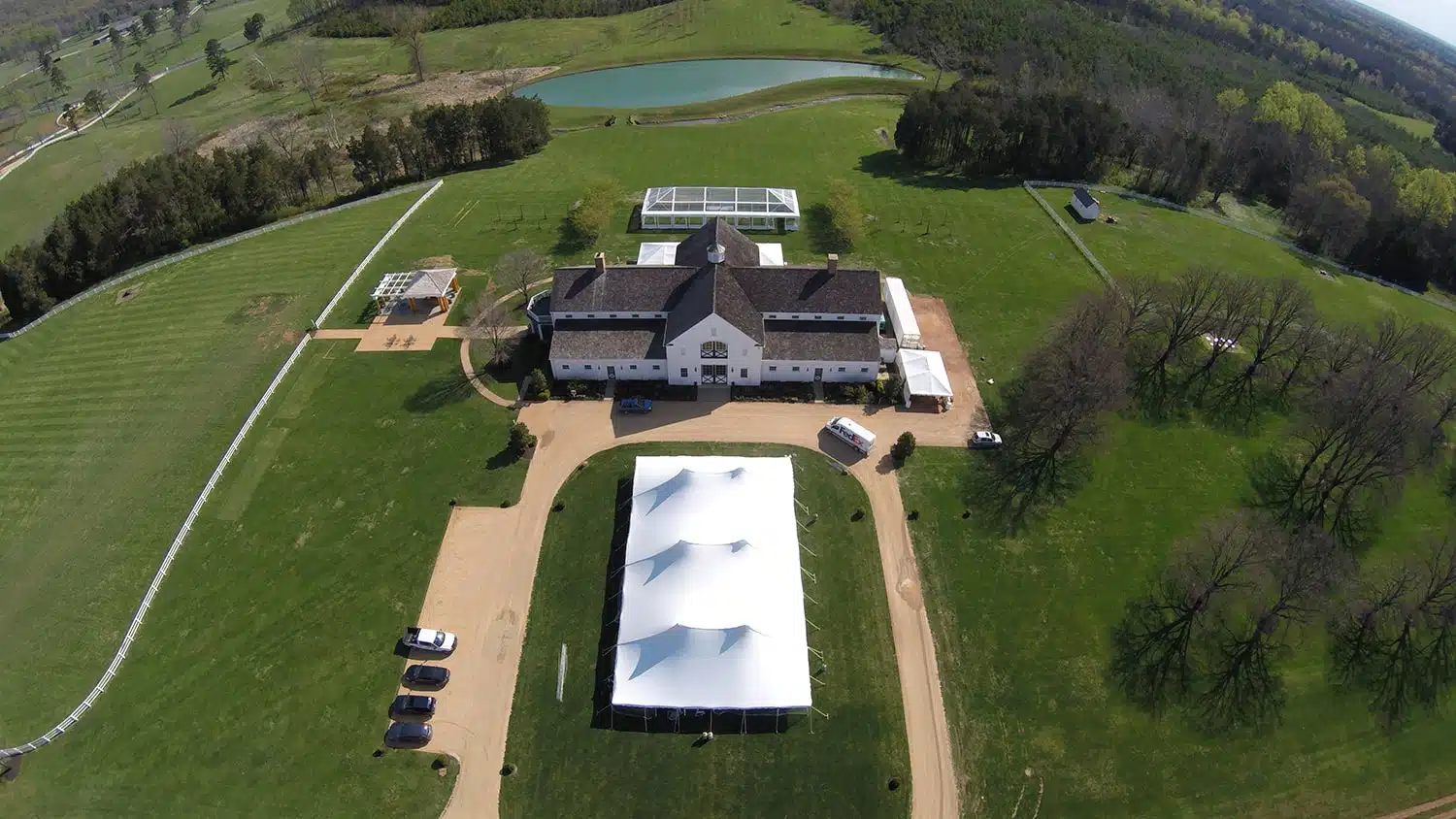
Venue conditions can also increase or reduce the complexity of the quote. A flat grass surface may be easier to install on than concrete, sand, uneven ground, or a restricted-access location. Site elevation and drainage condition impact how the tent is anchored and whether additional equipment, like platforms or mats, are necessary.
Site logistics should be reviewed early because they directly affect labor, equipment, and timing. A quote may change if the crew needs special anchoring, long-distance material transport, or additional setup time. Understanding parking availability, nearby structures, and utility locations before installation helps avoid unexpected complications.
Important site factors include:
- Ground surface and slope
- Truck access and loading space
- Nearby trees, buildings, or utilities
- Permit or inspection requirements
- Setup and breakdown time limits
Add-On Services That Influence the Final Quote
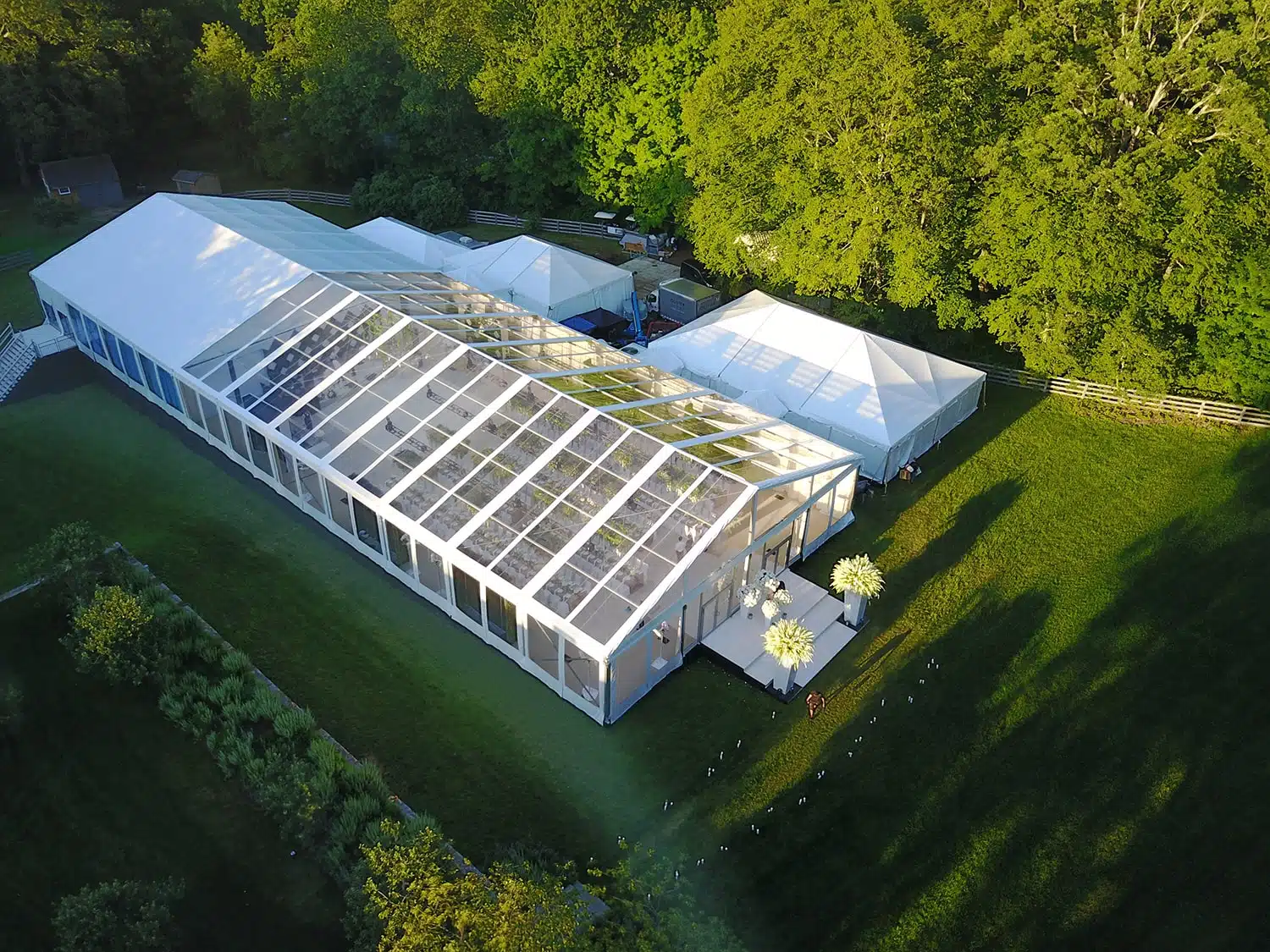
Additional services can greatly enhance the event ambiance and guest comfort but also impact cost. Considering these options early helps planners integrate them smoothly into their budgets. The choice to include extras depends on event style, duration, and expected weather conditions, with some features being essential rather than optional in certain climates.
Lighting and Flooring Options
Lighting and flooring can transform a tent from a basic structure into a polished event space. Chandeliers, string lights, uplighting, and LED fixtures all affect both appearance and cost. Specialized lighting setups, like dimmable systems or colored lights, require more complex wiring and increase expenses.
Flooring options such as wood, vinyl, carpet, or staging platforms also add to the quote. Each flooring type offers different durability, aesthetics, and comfort levels. Choosing an appropriate floor can protect guests from uneven or wet ground and improve overall function. For more detail, see our article 5 Essential Tips for Choosing a Credible Tent Provider.
These upgrades are often worth considering when the event requires a premium look or when the ground surface needs stabilization. Coordinating lighting and flooring design in advance allows for integrated installation schedules and optimizes budget use.
Climate Control and Weather Protection
Outdoor events are affected by temperature, wind, rain, and humidity.Climate-control systems such as heaters, fans, air conditioning, and dehumidifiers improve guest comfort while relying on dependable event power planning for reliable operation.The choice of equipment depends heavily on the season, expected weather, and guest preferences.
Sidewalls, gutters, and weather-resistant features may also be needed depending on the season and venue. Including these items in the initial quote helps prevent last-minute expenses. Some venues require specific weatherproofing measures to maintain safety and compliance.
How to Compare Tent Rental Quotes Correctly
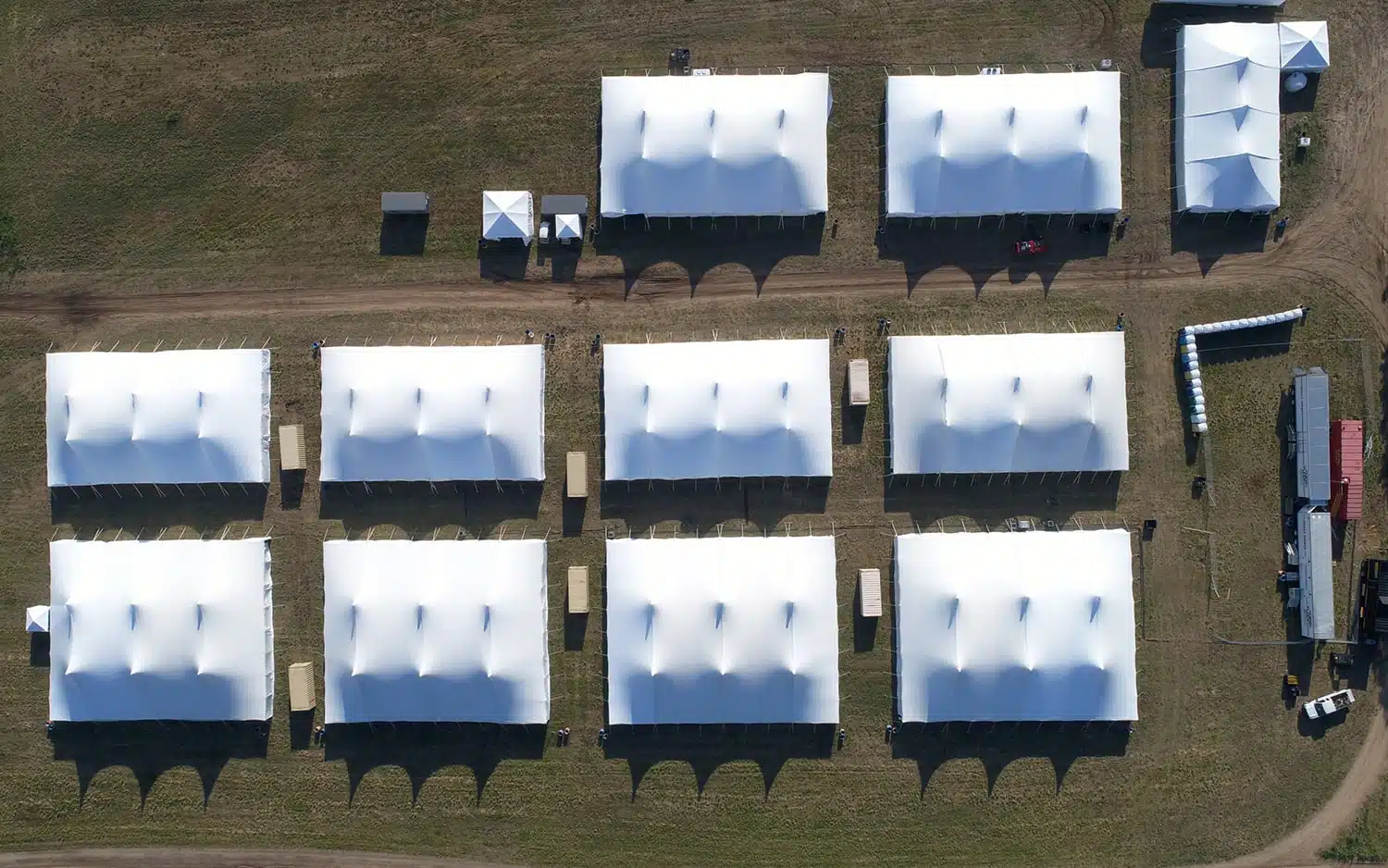
Developing a strategic approach to comparing quotes enables event planners to choose the best provider and avoid surprises. It emphasizes clarity, understanding, and thoroughness in evaluating options. Comparing based on value rather than just price fosters better long-term satisfaction and successful events.
Look Beyond the Base Price
The lowest quote is not always the best value. One provider may include setup, sidewalls, and basic lighting, while another may list those as separate charges. Comparing only the base price can lead to inaccurate budgeting. Several providers also differ in their policies regarding damage waivers, deposits, and overtime charges.
Planners should request itemized quotes so they can clearly see what is included and what costs extra. A comprehensive breakdown helps identify areas for potential savings or necessary upgrades, supporting smarter negotiation and planning.
Ask the Right Questions Before Booking
Before signing a rental agreement, planners should clarify delivery timing, cancellation policies, weather plans, damage waivers, permits, labor charges, and payment schedules. Understanding contractual terms protects against unexpected liabilities and ensures proper coordination with other event vendors.
Strong communication helps avoid misunderstandings and supports smoother event execution. It also gives planners confidence that the rental provider understands the full scope of the event. Establishing a single point of contact can simplify ongoing correspondence and issue resolution.
Useful questions to ask include: You may also find 10 Questions to Determine a Reliable Tent Rental Company helpful.
- Is setup and takedown included?
- Are permits or inspections required?
- What happens if the weather changes?
- Are lighting and flooring priced separately?
- Is there a cancellation or rescheduling policy?
Frequently Asked Questions
How early should I request a tent rental quote?
It is best to request quotes several months before the event, especially during peak wedding or summer event seasons.
Why do tent rental quotes vary so much?
Quotes vary because providers may include different services, tent types, installation labor, delivery fees, and add-ons.
Does guest count affect tent pricing?
Yes. Guest count influences tent size, layout, seating, flooring, climate control, and overall equipment needs.
Are flooring and lighting included in tent rental quotes?
Sometimes they are included, but often they are listed as optional add-ons. Always request an itemized quote.
Do I need a permit for a rental tent?
Some venues or cities require permits, especially for large tents or public spaces. Your rental provider can usually guide you.
What is the most expensive part of a tent rental?
Large tent structures, flooring, climate control, and complex installation logistics are often the biggest cost drivers.
How can I avoid surprise charges?
Provide complete event details early, request an itemized quote, confirm site conditions, and review the rental agreement carefully.
Conclusion
Tent rental quotes are easier to understand when planners know what affects pricing. Tent size, structure type, venue conditions, add-on services, permits, labor, and weather planning all contribute to the final estimate. A detailed quote allows you to compare providers more fairly and make informed decisions based on value rather than price alone. For more detail, see our article Advantages of Local Event Tent Rental Services You Must Know.
The best approach is to begin with a clear event plan, provide accurate details, and ask for transparent pricing. In the middle of this process, working with an experienced provider like Skyline Tent Company can help simplify decisions around tent selection, layout planning, climate control, lighting, flooring, and installation logistics. Leveraging their expertise reduces the risk of costly mistakes and ensures the event unfolds as envisioned.
With thoughtful preparation and a clear understanding of what to expect, tent rental quotes become a useful planning tool rather than a source of confusion. This allows outdoor events to feel polished, comfortable, and professionally executed from setup to celebration.