
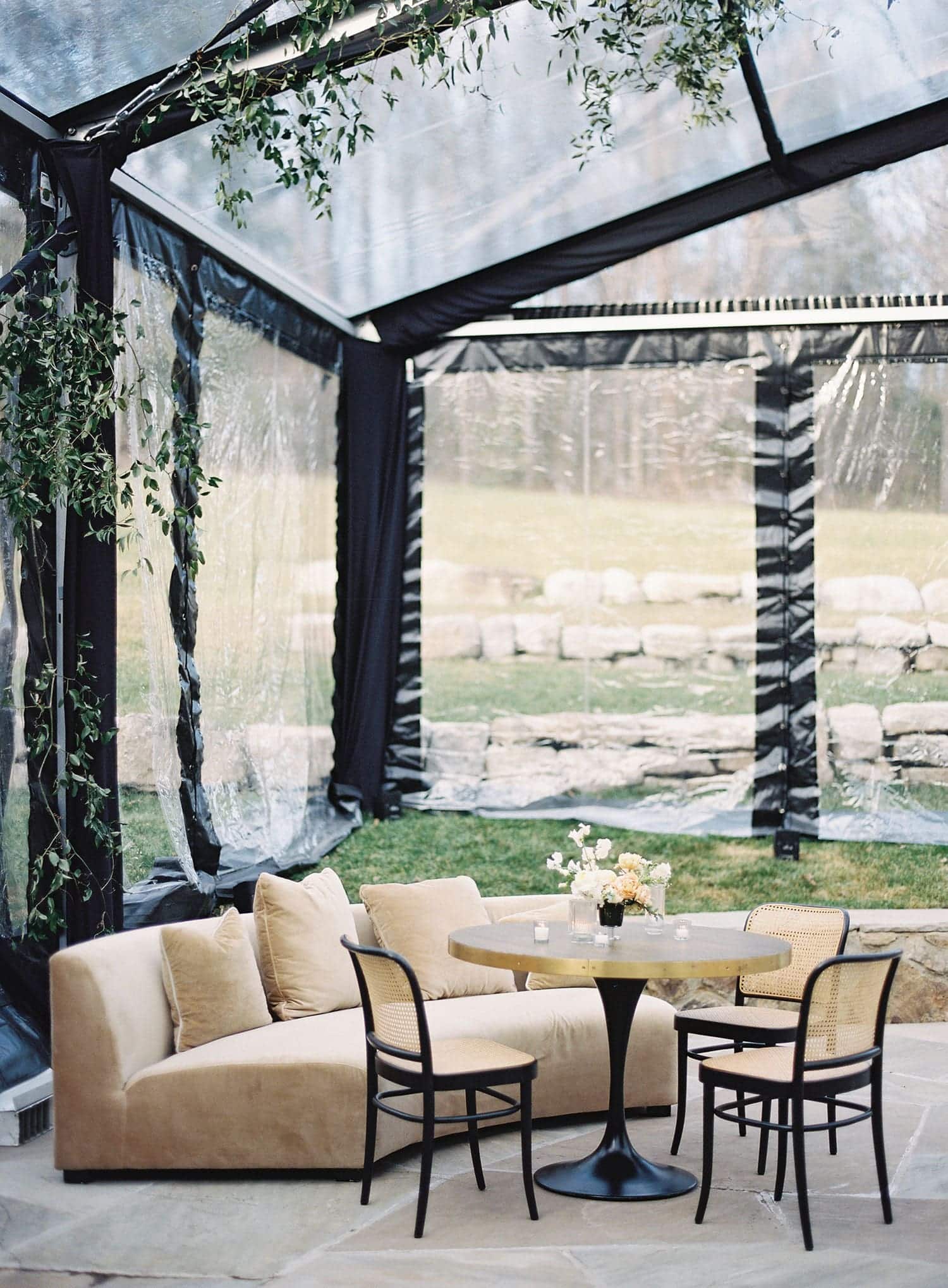
Beach weddings offer one of the most visually breathtaking event experiences, combining ocean views, open skies, and natural coastal beauty with intimate outdoor celebrations. However, planning a successful sandfront wedding requires careful coordination because coastal environments introduce unique logistical and environmental challenges. Wind exposure, shifting sand, humidity, salt air, and unpredictable weather conditions all influence how event infrastructure should be designed and installed. Choosing the right tent structure becomes especially important because the tent not only protects guests from changing conditions, but also shapes the overall atmosphere of the wedding.
Modern beach wedding tents are far more advanced than traditional temporary shelters. Clearspan tents, sailcloth tents, frame tents, and luxury coastal structures now function as fully integrated event venues capable of supporting climate control, lighting systems, flooring, dining layouts, and upscale décor installations. The right structure helps create an elegant and comfortable environment while maintaining the natural beauty of the beach setting.
Choosing the Best Tent Structures for Coastal and Sandfront Weddings
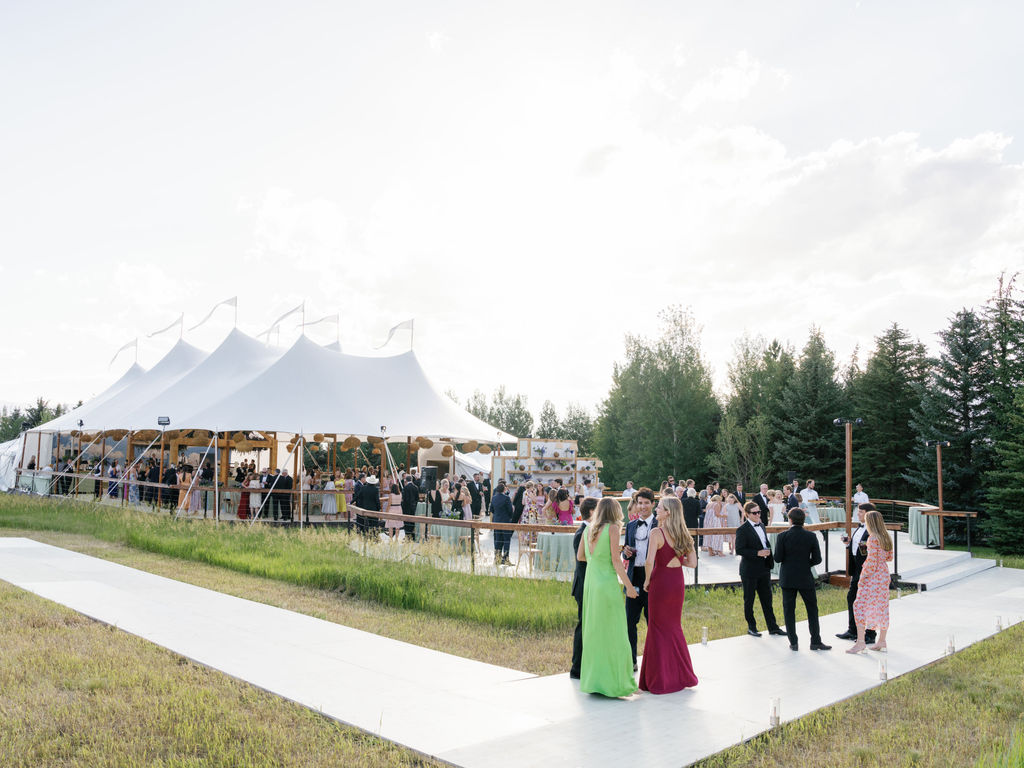
Selecting the right tent style is one of the most important decisions in beach wedding planning. Different structures perform differently in coastal environments depending on wind exposure, terrain stability, and guest capacity requirements.
The ideal tent should combine durability, flexibility, and aesthetic appeal while supporting the operational needs of the event through the right tent venue selection.
Clearspan Tents for Luxury Coastal Wedding Venues
Clearspan tents are among the most popular choices for high-end beach weddings because they eliminate interior support poles, creating expansive open interiors that maximize usable space. Their engineered aluminum framework provides strong resistance against coastal weather conditions while maintaining layout flexibility.
Clearspan structures offer several major advantages:
- Open interiors without obstructed sightlines
- Strong structural stability during windy conditions
- High ceilings for lighting and suspended décor installations
Because these tents support chandeliers, floral installations, climate-control systems, and advanced lighting infrastructure, they are ideal for luxury beachfront receptions and formal outdoor celebrations.
Their modular construction also allows planners to create customized layouts that include dining areas, dance floors, lounge zones, and entertainment spaces within one continuous environment.
Sailcloth, Pole, and Frame Tents for Beachfront Atmosphere
Sailcloth tents remain highly desirable for coastal weddings because their translucent fabric creates soft natural lighting and elegant architectural lines that complement oceanfront scenery beautifully. Pole tents introduce classic peaks and romantic visual appeal, while frame tents provide flexibility across uneven beach terrain.
Popular coastal wedding tent options include:
- Sailcloth tents for romantic natural-light ambiance
- Frame tents for adaptable beachfront installations
- Pole tents for traditional coastal wedding aesthetics
Frame tents are especially effective in tighter beach venues because they require less anchoring space than pole tents. Their freestanding design also improves placement flexibility near dunes, boardwalks, or resort properties.
Using multiple tent styles throughout the venue can help define separate event zones while enhancing visual diversity and guest experience.
Planning Guest Capacity and Functional Tent Layouts
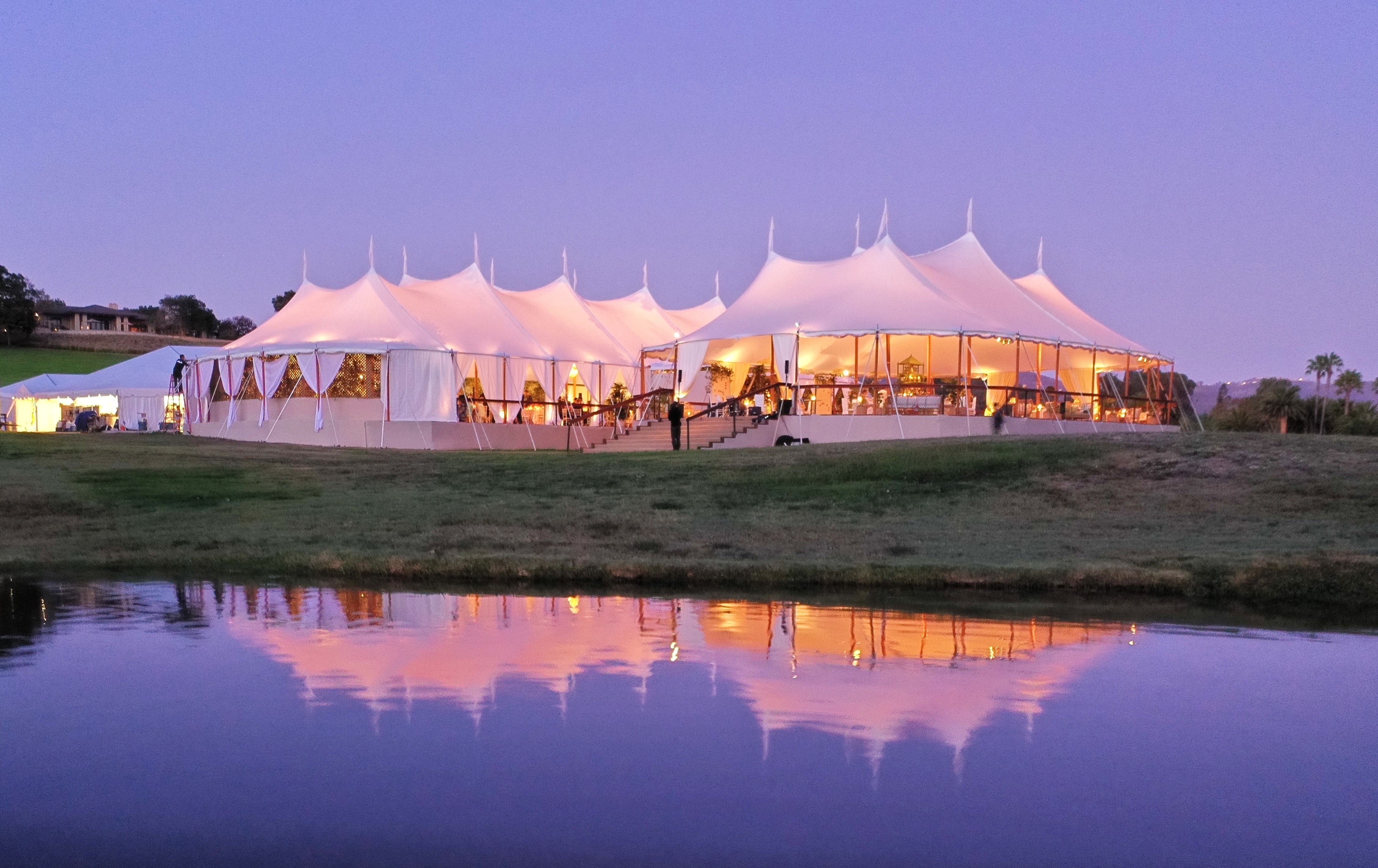
Beach weddings require strategic layout planning because sandfront venues often present space limitations, uneven surfaces, and environmental challenges that affect guest movement and event operations.
Well-designed layouts help create environments that feel organized, spacious, and visually connected to the surrounding coastal scenery.
Determining Tent Size Based on Wedding Requirements
Tent size should account for more than guest count alone. Couples must also consider dance floors, catering stations, staging areas, lounge spaces, and circulation pathways when planning the layout.
Several factors influence sizing decisions:
- Seating arrangements and dining configurations
- Space for entertainment and cocktail areas
- Additional room for weather contingencies and equipment
Formal seated receptions typically require larger footprints because tables, service aisles, and staging infrastructure occupy significant space inside the structure.
Beach weddings may also require extra circulation space because sand surfaces naturally slow guest movement and increase congestion near entrances and dining areas.
Designing Layouts for Guest Comfort and Event Flow
Guest circulation should feel natural and uninterrupted throughout the event. Poorly planned layouts can create overcrowding, operational inefficiencies, and uncomfortable gathering zones.
Effective layout planning improves:
- Guest movement and accessibility pathways
- Visibility for ceremonies and entertainment
- Comfort throughout dining and lounge spaces
Clearspan tents are especially effective because their open interiors allow more flexibility for arranging seating, dance floors, and hospitality areas without visual obstructions.
Dedicated service pathways and vendor corridors also improve operational efficiency behind the scenes while minimizing disruptions during the celebration.
Flooring and Climate-Control Solutions for Coastal Wedding Comfort
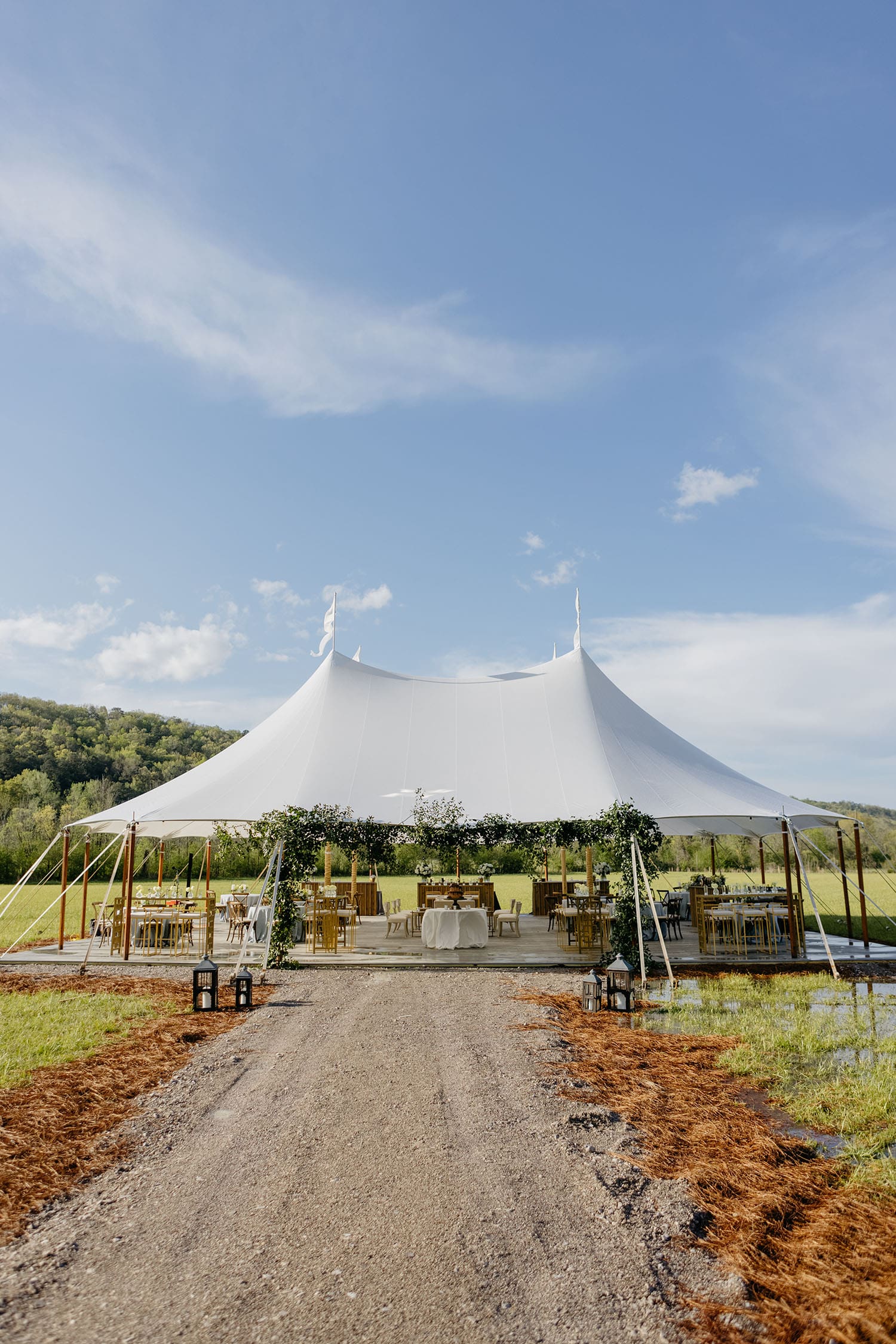
Guest comfort is essential for creating a positive beach wedding experience. Coastal weather conditions can fluctuate quickly, making flooring systems and climate-control infrastructure especially important.
These systems help stabilize the environment while improving safety, comfort, and overall event presentation.
Flooring Systems for Sandfront Wedding Venues
Beach terrain often requires additional stabilization because shifting sand can make walking, dining, and dancing uncomfortable without proper flooring infrastructure.
Popular beach wedding flooring options include:
- Wooden flooring for upscale coastal aesthetics
- Interlocking flooring systems for stability on sand
- Carpet installations for luxury reception environments
Wood flooring remains especially popular because it creates a polished and elegant appearance while improving guest comfort, especially with professionally designed coastal event flooring.
Flooring systems also help define dining spaces, dance floors, ceremony aisles, and lounge areas more clearly within larger tent environments.
Climate-Control Systems for Coastal Event Conditions
Coastal weddings frequently experience humidity, heat, wind, and temperature fluctuations that can affect guest comfort during long outdoor celebrations.
Effective climate-control systems may include:
- Portable air-conditioning systems for warm weather
- Ventilation systems that improve airflow circulation
- Heating solutions for cooler evening receptions
Clearspan and enclosed frame tents are especially effective for climate-controlled environments because they support integrated HVAC systems more efficiently.
Maintaining comfortable indoor temperatures helps improve guest satisfaction while protecting floral installations, catering operations, and technical equipment from environmental stress.
Lighting Design and Luxury Atmosphere Enhancements
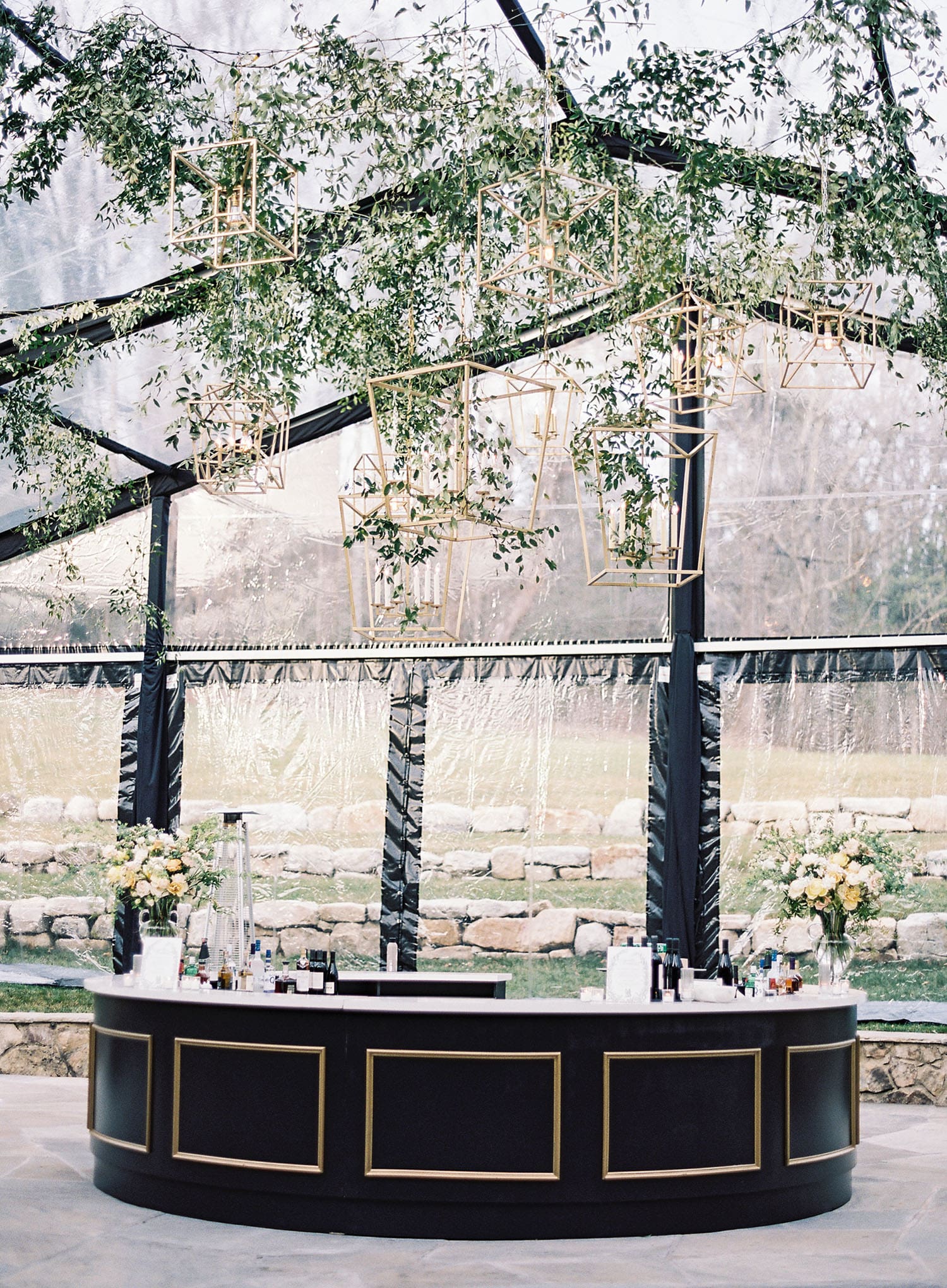
Lighting plays a major role in shaping the emotional atmosphere of beach weddings. Well-designed lighting systems enhance oceanfront scenery while improving visibility and creating elegant evening environments.
Luxury coastal weddings rely heavily on layered lighting strategies that balance functionality with visual warmth.
Decorative Lighting for Coastal Wedding Ambiance
Lighting transforms tent interiors into immersive and romantic event environments after sunset. Different lighting techniques create different emotional effects throughout the venue.
Popular coastal wedding lighting elements include:
- String lighting for warm atmospheric effects
- Chandeliers for upscale focal-point elegance
- Lanterns and candlelight for intimate ambiance
Warm lighting tones pair especially well with natural beach surroundings because they complement ocean sunsets, neutral décor palettes, and coastal textures naturally.
Layered lighting also helps define lounge areas, dining spaces, dance floors, and ceremony pathways more effectively.
Integrating Lighting With Tent Architecture and Décor
Lighting should complement the tent structure rather than compete with it visually. Architectural tent styles such as sailcloth and clearspan structures benefit from carefully integrated lighting systems that enhance their design features.
Thoughtful lighting integration improves:
- Visibility throughout the venue
- Visual depth and architectural emphasis
- Overall cohesion between décor and infrastructure
Suspended chandeliers, uplighting, and hidden accent lighting can dramatically elevate the appearance of luxury coastal tents while maintaining a refined and sophisticated atmosphere.
When coordinated properly, lighting becomes one of the most powerful tools for transforming beachfront tents into premium event environments.
Site Logistics and Weather Planning for Coastal Tent Installations
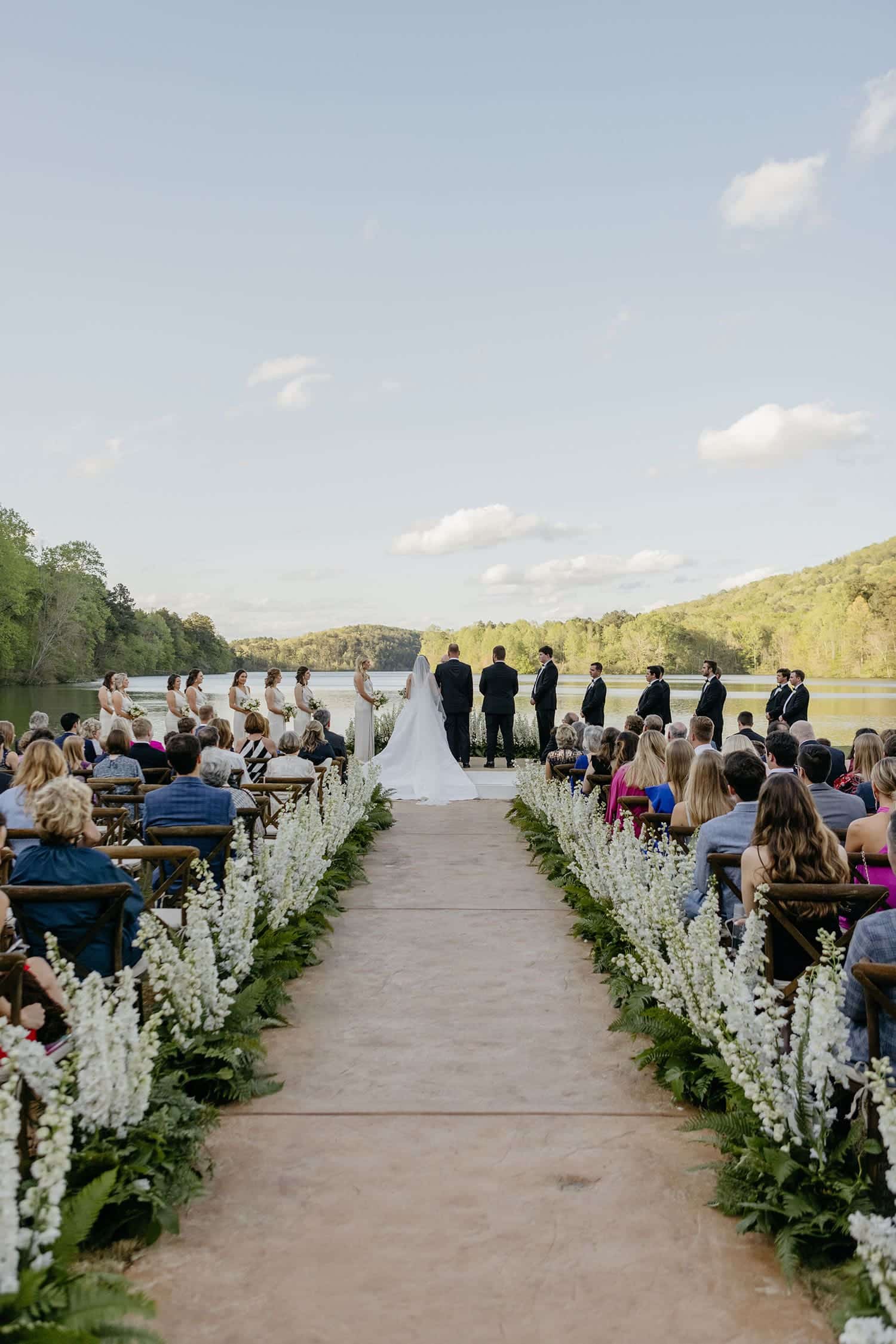
Beach wedding venues often present logistical challenges that require detailed operational planning. Wind exposure, permit requirements, environmental regulations, and limited access routes can all affect installation efficiency.
Strong logistical coordination helps maintain safety, efficiency, and operational reliability throughout the event lifecycle.
Site Assessments and Coastal Installation Planning
Every beach venue should undergo a detailed site assessment before installation begins. These evaluations help identify environmental risks and determine the best tent placement strategies.
Important site-planning considerations include:
- Sand stability and anchoring requirements
- Accessibility for installation crews and equipment
- Local permit and environmental restrictions
Tent placement should also account for tides, prevailing winds, scenic visibility, and emergency access routes while following proper beach anchoring methods.
Detailed preparation minimizes operational disruptions while improving safety and structural performance.
Weather Preparedness and Operational Coordination
Coastal weather can change rapidly, making contingency planning essential for outdoor weddings. Wind, rain, and humidity should all be considered during infrastructure planning.
Strong operational coordination improves:
- Communication between vendors and installation crews
- Setup efficiency during changing weather conditions
- Safety oversight throughout the event lifecycle
Technical walkthroughs and weather contingency plans are especially important for beachfront events because environmental conditions may shift quickly throughout the day.
Professional coordination also helps reduce stress while ensuring smoother execution from setup through breakdown.
Frequently Asked Questions
What tent type works best for beach weddings?
Clearspan and sailcloth tents are often the best options because they combine strong weather resistance with elegant coastal aesthetics and flexible layouts.
Why are clearspan tents popular for sandfront venues?
Clearspan tents provide open interiors without center poles, allowing better guest movement, flexible seating arrangements, and support for luxury décor installations.
How does flooring improve beach wedding comfort?
Flooring stabilizes sandy surfaces, improves accessibility, protects guests from uneven terrain, and enhances the overall visual appearance of the venue.
Why is climate control important for coastal tent events?
Climate-control systems help regulate humidity, airflow, and temperature while improving guest comfort during warm or changing weather conditions.
What lighting works best for beach wedding tents?
String lighting, chandeliers, lanterns, and layered ambient lighting create warm and elegant coastal atmospheres while improving visibility after sunset.
Why is site assessment important before beach tent installation?
Site assessments identify wind exposure, anchoring needs, accessibility limitations, environmental restrictions, and weather-related risks before setup begins.
How early should beach wedding tents be booked?
Luxury beach wedding tents should ideally be reserved several months in advance, especially during peak spring and summer wedding seasons.
Conclusion
Beach and coastal weddings create extraordinary outdoor experiences by combining oceanfront scenery with elegant event design and immersive guest environments. However, coastal venues also introduce unique environmental and logistical challenges that require weather-ready tent systems and careful operational planning.
Clearspan tents, sailcloth structures, frame tents, and luxury coastal event systems each provide unique advantages depending on the venue conditions, guest count, and wedding vision. When combined with flooring systems, climate-control infrastructure, lighting design, and thoughtful layout planning, these structures transform beachfront locations into refined and functional outdoor wedding venues.
Skyline Tent Company understands the complexities involved in designing luxury coastal wedding environments that balance structural durability with elevated visual presentation. Their expertise in clearspan tents, beach wedding logistics, climate-control systems, and customized event layouts helps couples create elegant oceanfront celebrations that remain comfortable, weather-ready, and visually unforgettable.
With professional coordination, strategic preparation, and carefully selected tent solutions, beach weddings can successfully deliver memorable guest experiences that combine natural coastal beauty with sophisticated event execution.