
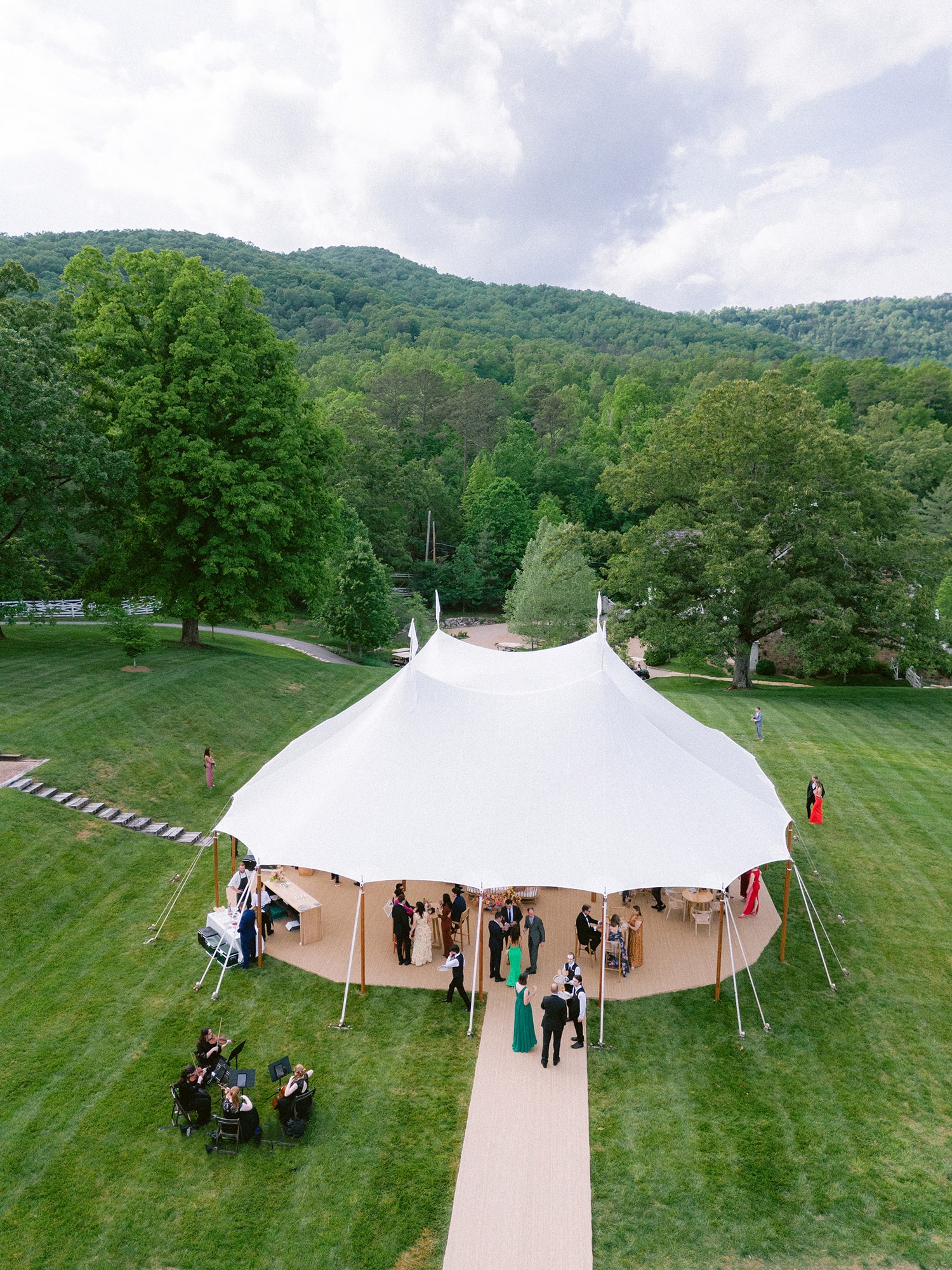
Beachfront events offer a unique combination of natural beauty and memorable guest experiences. Whether hosting a luxury wedding, corporate function, private celebration, or large-scale festival, coastal venues create an atmosphere that few locations can match. However, beach environments also present unique installation challenges that require specialized planning and expertise. Shifting sand, strong coastal winds, salt exposure, and changing weather patterns can all impact the stability and safety of temporary event structures. Proper anchoring and safety planning are therefore essential for ensuring both structural integrity and guest protection throughout the event.
Modern beachfront tent installations involve far more than simply placing a structure on the sand. Professional event planners must evaluate site conditions, select appropriate anchoring systems, monitor environmental factors, and implement ongoing safety protocols. Every decision, from tent selection to anchor placement, affects the success of the event.
When proper installation techniques are combined with comprehensive safety planning, beachfront tents can provide comfortable, secure, and elegant event environments capable of withstanding challenging coastal conditions while delivering exceptional guest experiences.
Understanding the Unique Challenges of Beachfront Tent Installations

Coastal environments differ significantly from traditional event venues. Unlike parks, resorts, or private estates, beaches are constantly influenced by environmental factors that can impact both installation procedures and long-term stability.
Understanding these conditions before installation begins allows event planners to make informed decisions through better event venue planning.
How Sand Conditions Impact Tent Stability
Sand is one of the most challenging surfaces for temporary structures because it is constantly shifting and often lacks the compact stability found in traditional ground surfaces. Different beaches may have dramatically different soil compositions, moisture levels, and load-bearing capacities.
A proper site evaluation helps identify important factors such as sand density, compaction levels, moisture content, and proximity to tidal zones. These conditions directly affect how anchoring systems perform and determine whether additional stabilization measures are required.
Loose or dry sand may require deeper anchoring systems, while compacted sand often provides stronger holding power. Understanding these differences is critical when selecting installation methods.
Managing Wind Exposure in Coastal Environments
Wind is often the most significant safety concern during beachfront events. Open shorelines provide few natural barriers, allowing coastal winds to exert continuous pressure on tent structures.
Professional installers carefully evaluate prevailing wind directions, seasonal weather patterns, and potential storm activity before determining tent placement. The orientation of the structure can significantly influence its ability to withstand wind loads.
Strong wind management begins during the planning phase and continues throughout the event with ongoing monitoring and inspection procedures.
Choosing the Right Anchoring Systems for Beachfront Tents
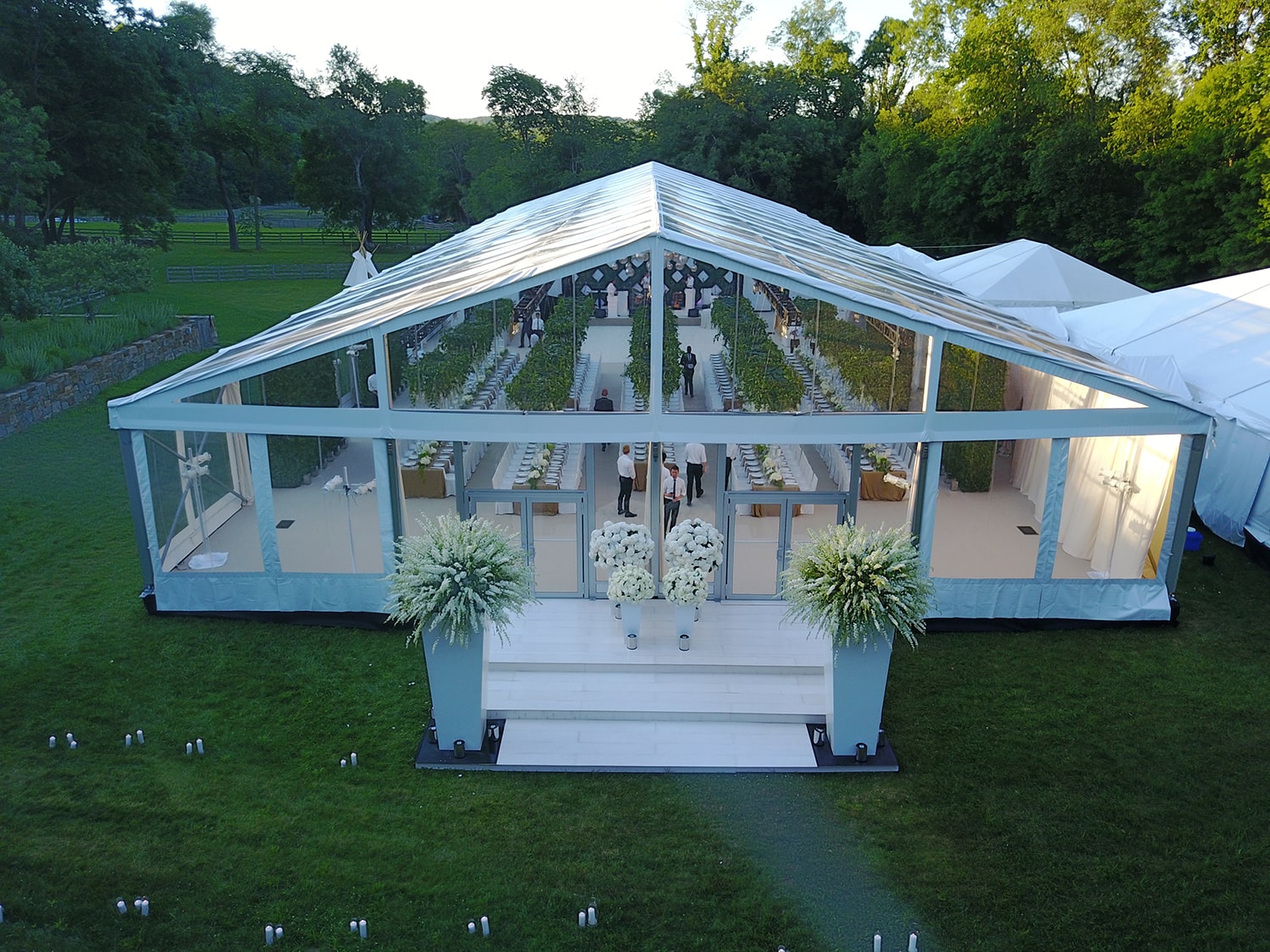
The effectiveness of any beachfront tent installation depends heavily on the anchoring system used. Selecting the correct anchors and installation methods helps maintain structural stability while reducing the risk of movement or uplift during changing weather conditions.
Professional tent installers often use multiple anchoring strategies to maximize security in challenging coastal environments.
Auger Anchors and Advanced Sand Anchoring Solutions
Auger anchors are among the most effective solutions for beachfront tent installations because they penetrate deeply into sandy surfaces. Their spiral design creates greater resistance than traditional straight stakes and provides stronger holding power in loose terrain.
Before choosing an anchoring system, planners should evaluate the specific site conditions. Different beaches may require different solutions depending on sand composition and environmental exposure.
Common anchoring options include:
- Auger anchors for deep sand penetration
- Heavy-duty screw anchors for additional holding strength
- Reinforced tie-down systems for larger structures
These systems are designed to distribute loads more effectively and improve resistance against strong coastal winds.
Proper Anchor Placement and Ongoing Inspections
Even high-quality anchoring systems require proper placement to achieve maximum effectiveness. Anchor angles, spacing, and tensioning all play critical roles in overall performance.
Professional installation teams carefully position anchors based on structural requirements and environmental conditions. After installation, regular inspections help identify any signs of movement or loosening before they become safety concerns.
Ongoing monitoring is particularly important during multi-day events where changing weather conditions can affect anchor performance over time.
Safety Measures That Improve Beachfront Event Security
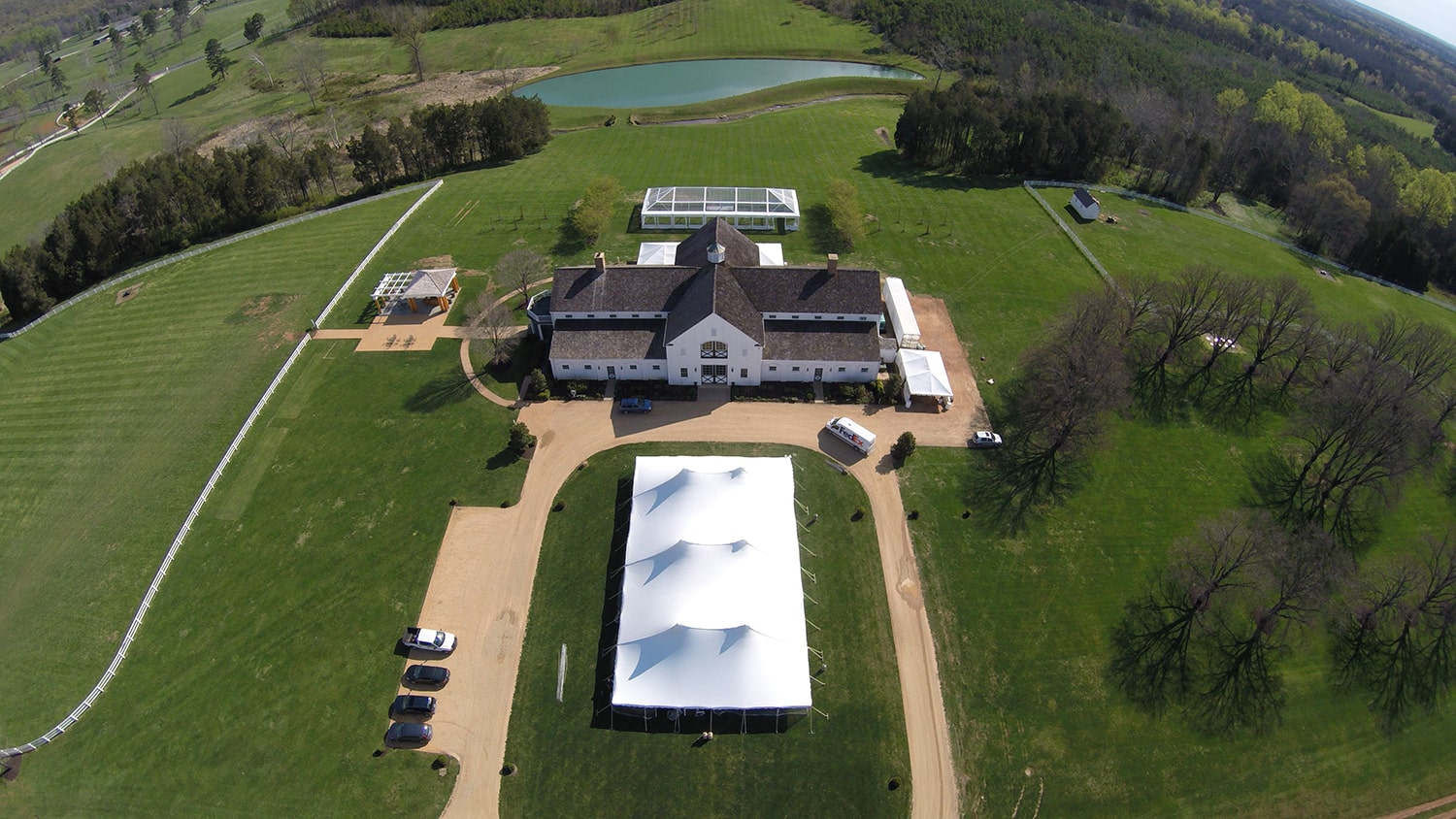
Safety planning should be integrated into every phase of the event lifecycle, from initial site assessment to final breakdown. Comprehensive safety measures help reduce risks while improving operational efficiency and guest confidence.
A proactive approach allows planners to address potential hazards before they affect the event.
Conducting Detailed Site Assessments
Every successful beachfront installation begins with a thorough site evaluation. These assessments help identify environmental conditions that may influence tent placement, anchoring methods, and overall safety procedures.
Site assessments typically evaluate ground stability, drainage patterns, accessibility, tidal activity, and emergency access routes. Understanding these variables early allows planners to create more effective installation strategies.
Comprehensive assessments also help identify potential hazards such as unstable terrain, erosion zones, or areas vulnerable to flooding during changing tides.
Weather Monitoring and Emergency Preparedness
Coastal weather conditions can change rapidly. Even calm conditions can shift unexpectedly, creating challenges for outdoor events.
Strong weather preparedness includes:
- Continuous monitoring of forecasts
- Defined emergency communication procedures
- Evacuation and contingency planning
- Designated on-site safety personnel
By incorporating weather monitoring into daily operations, event teams can respond quickly to changing conditions and minimize disruptions while maintaining guest safety.
Selecting Tent Structures Suitable for Coastal Installations
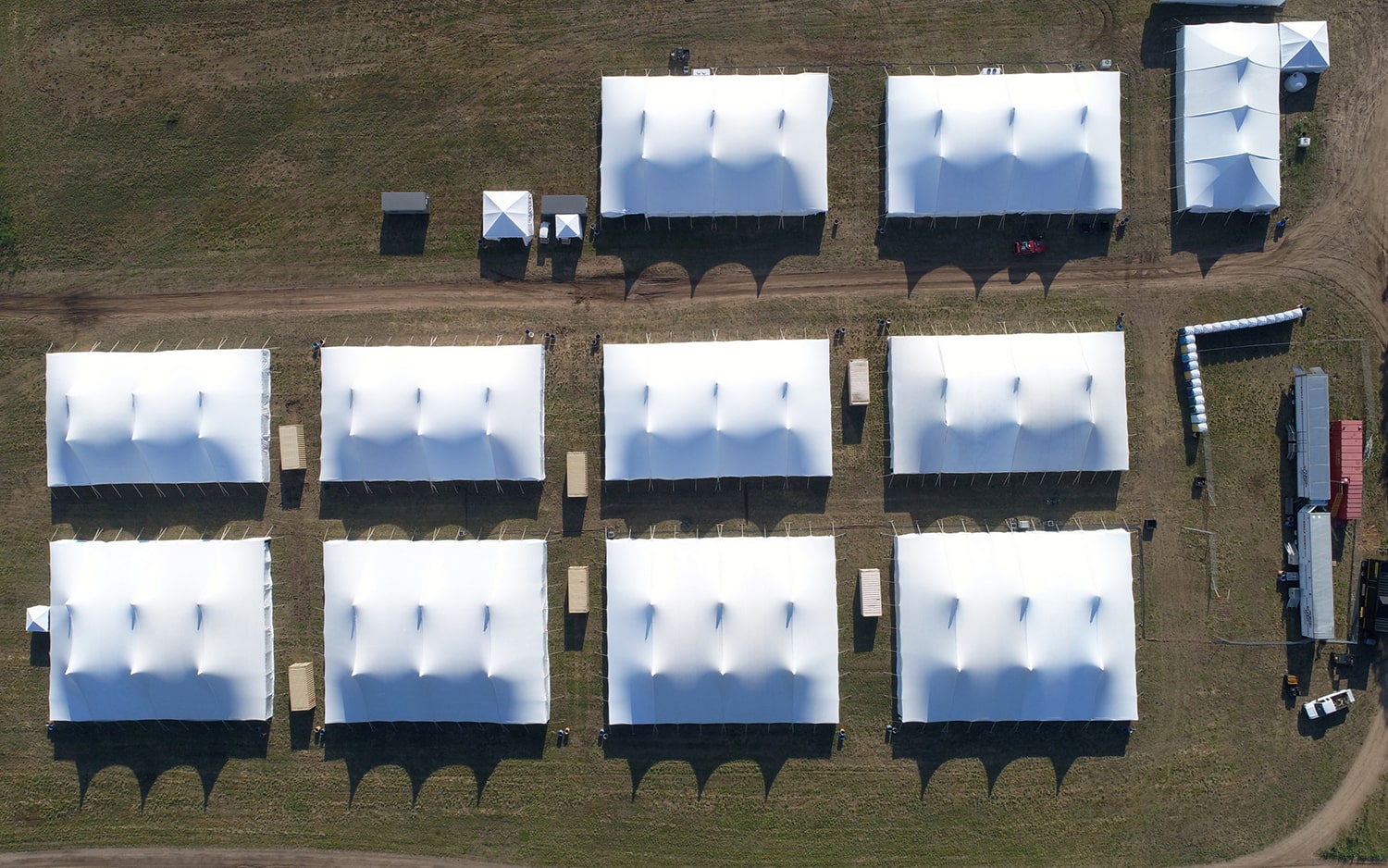
Not all tent designs perform equally in beachfront environments. Structural characteristics influence both anchoring requirements and overall performance under coastal conditions.
Choosing the right tent structure improves stability while enhancing the overall guest experience.
Clearspan Tents for Large Beachfront Events
Clearspan tents are widely used for coastal weddings, corporate events, and luxury receptions because they provide open interiors without center poles. Their engineered aluminum framework delivers excellent structural stability while allowing flexible layouts.
These tents support advanced lighting systems, climate-control equipment, suspended décor, and large guest capacities. Their design also distributes structural loads efficiently, making them well suited for challenging environmental conditions.
For large-scale beachfront gatherings, clearspan tents often provide the best balance between aesthetics, functionality, and safety.
Frame and Sailcloth Tents for Coastal Celebrations
Frame tents offer excellent flexibility and can be installed in areas where space is limited or terrain conditions vary. Their freestanding design allows greater placement flexibility while maintaining strong structural performance.
Sailcloth tents are popular for upscale beach weddings because their translucent fabric creates a soft, elegant atmosphere that complements coastal scenery. Their visual appeal makes them especially attractive for luxury outdoor celebrations.
The choice between tent styles should consider guest count, environmental conditions, event objectives, and site limitations.
Climate Control, Flooring, and Guest Comfort Considerations in Beach Front Tent
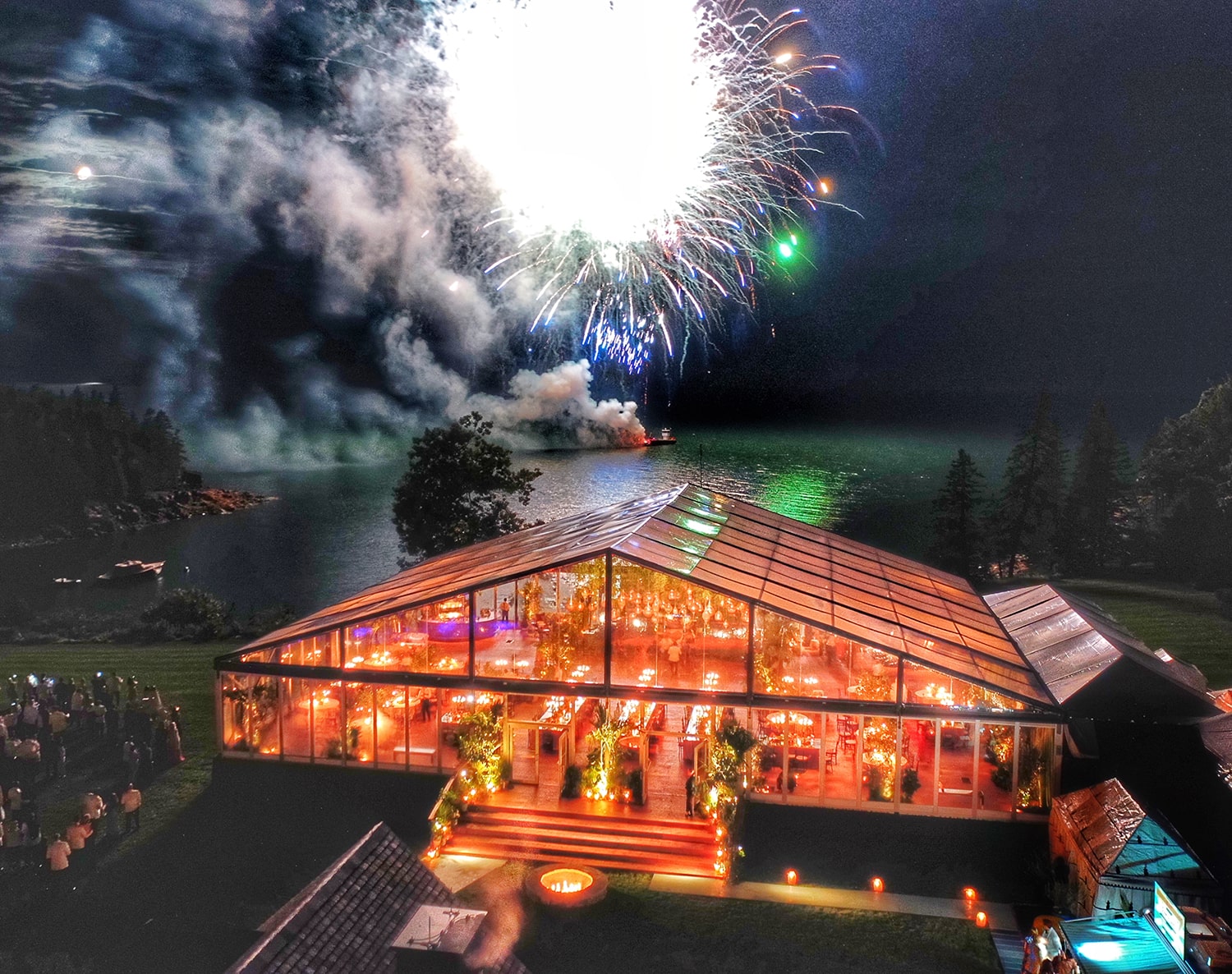
Safety extends beyond structural stability. Guest comfort also plays a significant role in creating successful beachfront events. Climate-control systems and flooring solutions help create environments that remain comfortable despite challenging coastal conditions.
These infrastructure elements contribute to both operational performance and overall guest satisfaction.
Climate-Control Systems for Coastal Events
Beachfront events often experience intense sun exposure, humidity, and temperature fluctuations. Climate-control systems help maintain comfortable conditions throughout the event.
Effective solutions may include portable air-conditioning units, heating equipment for cooler evenings, and ventilation systems that improve airflow within enclosed structures.
Proper climate management not only enhances comfort but also protects catering operations, décor installations, and technical equipment with reliable summer tent cooling during warm-weather events.
Flooring Solutions for Stability and Safety
Sand can create mobility challenges for guests, vendors, and event equipment. Flooring systems help stabilize surfaces while improving accessibility and visual presentation.
Popular beachfront flooring options include:
- Hardwood flooring for luxury receptions
- Interlocking flooring systems for sand stabilization
- Carpet overlays for enhanced comfort
These solutions create safer walking surfaces while contributing to the overall elegance of the event environment.
Well-designed flooring systems also help define guest pathways, dining spaces, and activity areas throughout the venue.
Site Logistics and Ongoing Safety Inspections of Beach Front Teant
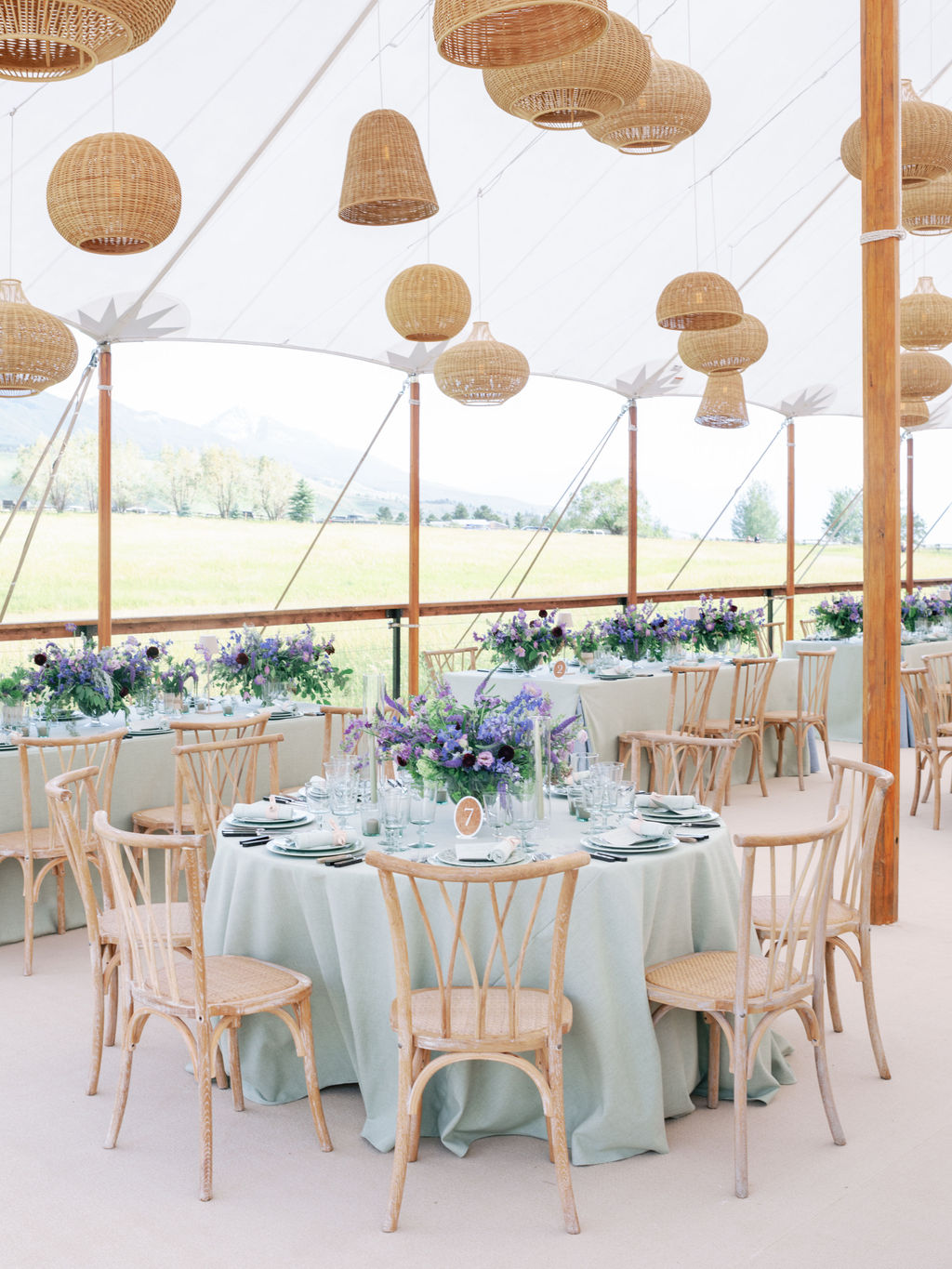
Even the most carefully planned installations require ongoing oversight. Continuous inspections and strong logistical coordination help maintain safety standards throughout the event.
Professional event management involves monitoring structural performance, environmental conditions, and operational procedures from setup through breakdown.
Coordinating Vendors and Installation Teams
Beachfront events often involve multiple vendors operating simultaneously. Coordinating installation schedules, equipment deliveries, and safety procedures helps prevent delays and operational conflicts.
Strong communication between tent installers, production teams, caterers, and event managers improves efficiency with experienced event support services throughout the installation process.
Well-organized operations also help preserve site conditions and minimize disruptions during setup and breakdown activities.
Performing Continuous Safety Inspections
Regular inspections are essential for maintaining tent stability throughout the event. Environmental conditions can change quickly, making ongoing monitoring a critical safety practice.
Inspection procedures should include anchor verification, structural evaluations, tension adjustments, and weather-related assessments. Any issues identified should be addressed immediately to prevent escalation.
Consistent monitoring provides peace of mind for both event organizers and attendees while supporting a safe and professional event environment.
Frequently Asked Questions
What is the best anchoring method for beach tents?
Auger anchors and heavy-duty screw anchors are among the most effective solutions because they provide deeper penetration and stronger holding power in sandy environments.
Why are site assessments important before beachfront installations?
Site assessments identify factors such as sand stability, drainage conditions, tidal activity, and wind exposure, allowing planners to select appropriate installation methods.
Which tent type performs best in coastal environments?
Clearspan tents are often preferred for larger events because of their structural strength and open interiors, while frame and sailcloth tents provide excellent alternatives depending on event requirements.
How often should tent anchors be inspected during an event?
Anchors should be inspected before the event begins and monitored regularly throughout the event, particularly if weather conditions change.
Conclusion
Successful beachfront tent installations require far more than selecting an attractive structure. Environmental conditions, anchoring systems, weather exposure, site logistics, and ongoing inspections all contribute to the overall safety and performance of the installation. By understanding these factors and implementing professional installation practices, event planners can create secure and visually impressive coastal venues that support exceptional guest experiences.
From auger anchors and engineered tent structures to climate-control systems and comprehensive safety protocols, every component plays an important role in maintaining stability and operational reliability. Careful planning helps reduce risks while ensuring that beachfront events remain comfortable, functional, and visually refined.
Skyline Tent Company understands the unique challenges associated with coastal installations and provides expert guidance on tent selection, anchoring strategies, site assessments, and safety planning. Their experience with beachfront environments helps clients create elegant outdoor events that balance beauty, comfort, and structural security.