
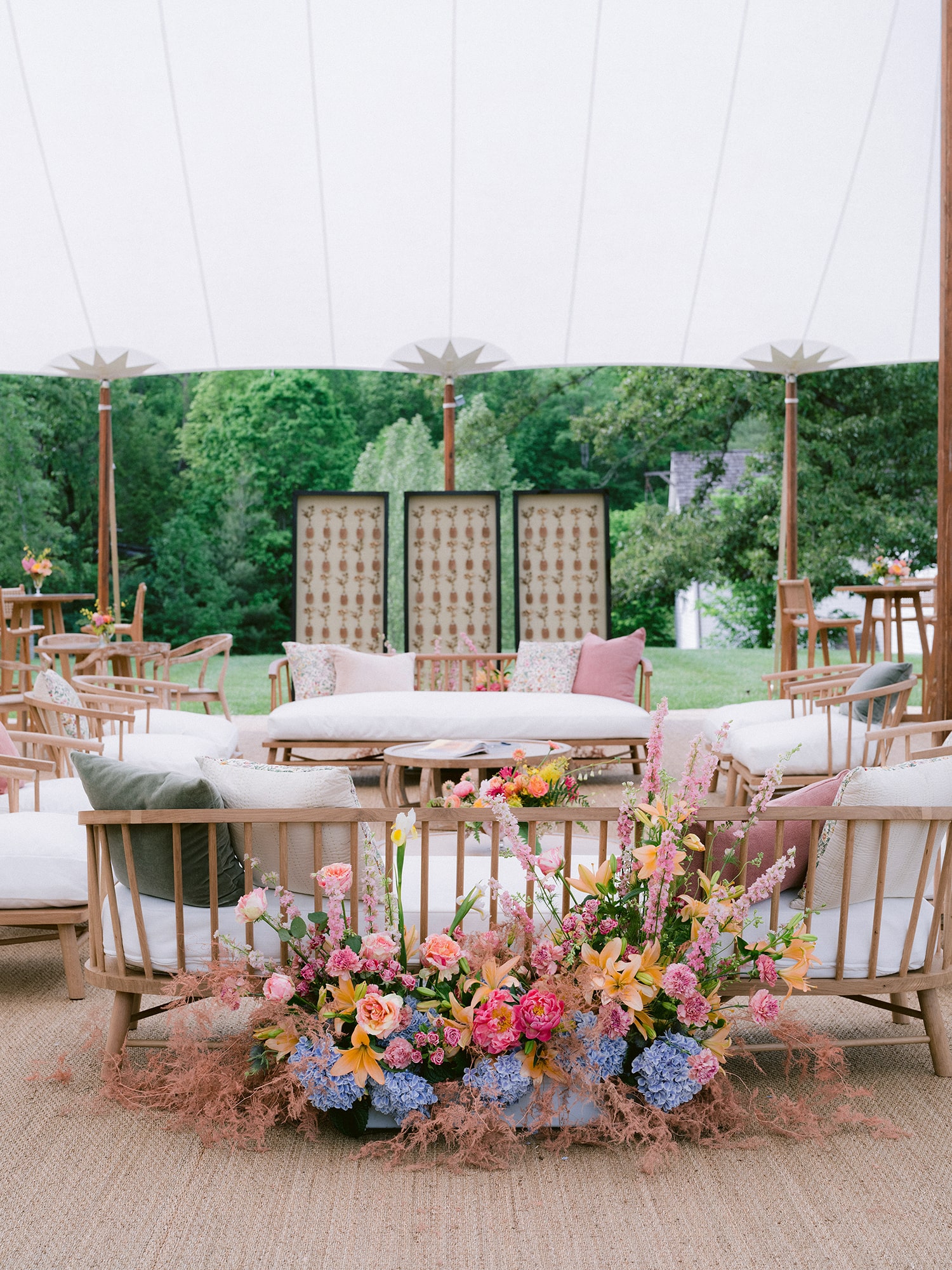
Creating a comfortable environment is one of the most important aspects of planning a successful outdoor tented event. Whether hosting a luxury wedding, corporate gala, fundraising event, private celebration, festival, or large-scale social gathering, guest comfort directly impacts the overall experience. While beautiful tent structures, elegant décor, and exceptional catering contribute to event success, climate control often determines how long guests remain engaged and how positively they remember the occasion. Outdoor conditions can change rapidly, with temperature fluctuations, humidity, direct sunlight, wind, and unexpected weather creating challenges that require proactive planning.
Modern climate-control technologies allow event professionals to transform temporary tent structures into comfortable, climate-managed venues capable of delivering indoor-level comfort in outdoor settings. From advanced HVAC systems and portable cooling equipment to heating solutions, ventilation systems, insulation strategies, and smart monitoring technologies, today’s tented environments can be customized to accommodate virtually any weather condition. Understanding the available climate-control options helps planners create exceptional guest experiences while protecting event investments and maintaining operational efficiency.
Why Climate Control Matters for Luxury Outdoor Events
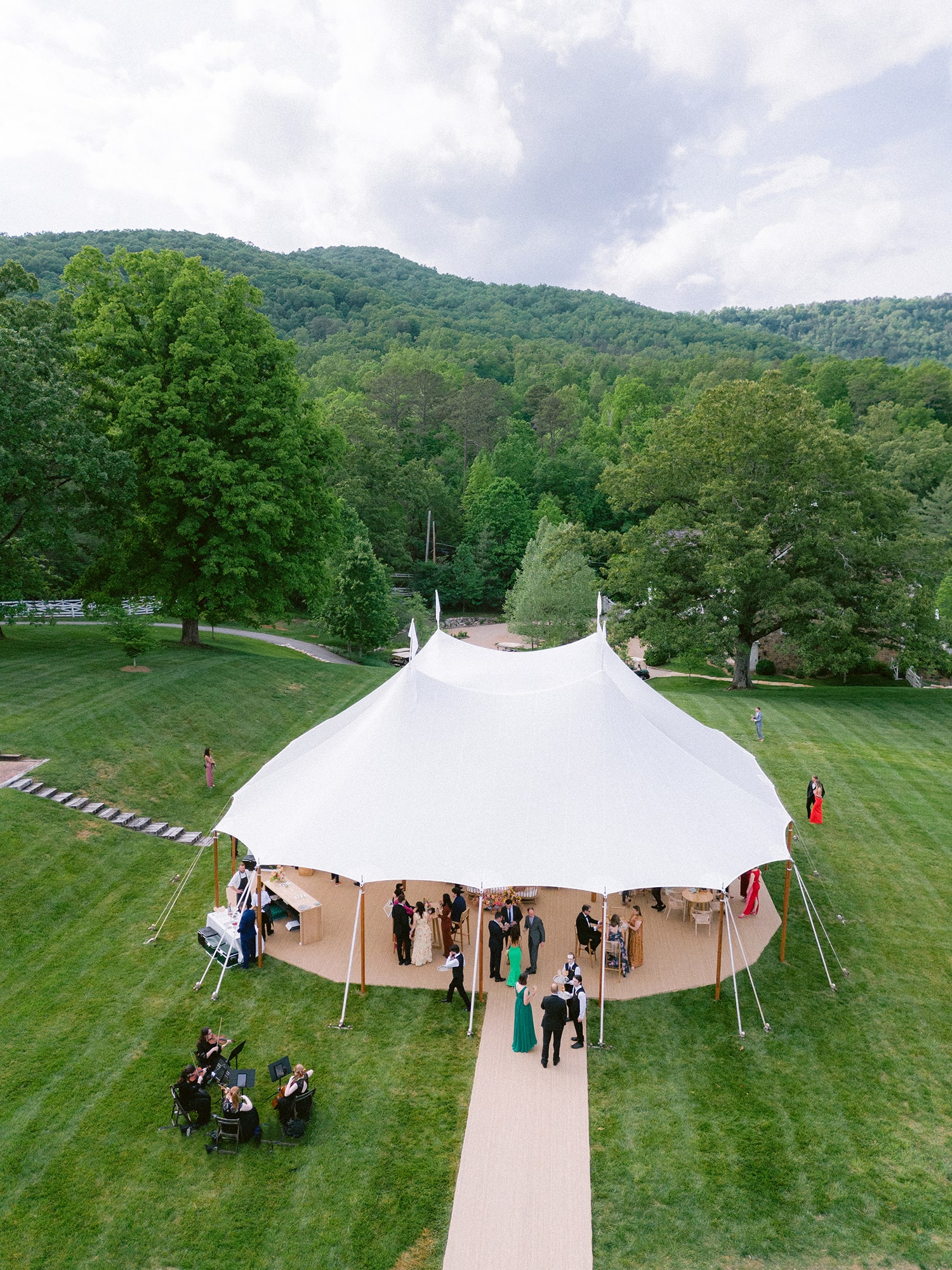
Guest comfort should never be left to chance. Even the most visually stunning event can suffer if attendees are too hot, too cold, or uncomfortable due to poor airflow and humidity management.
Climate control helps ensure guests remain comfortable from arrival through departure.
The Impact of Comfort on Guest Experience
When temperatures become uncomfortable, guests tend to spend less time socializing, participating in activities, and enjoying the event. Excessive heat can lead to fatigue and discomfort, while cold conditions may discourage guests from remaining outdoors.
A properly climate-controlled tent creates a welcoming environment where attendees can focus on the experience rather than the weather.
Comfortable guests are more likely to stay longer and engage more fully with the event.
Protecting Event Investments
Luxury events often involve substantial investments in catering, décor, entertainment, lighting, and production infrastructure. Climate-control systems help protect these investments by maintaining suitable environmental conditions.
Before selecting climate-control equipment, planners should consider several important benefits.
Key advantages of professional climate control include:
- Improved guest comfort and satisfaction
- Better protection for event décor and equipment
- Enhanced event reputation and professionalism
- Greater flexibility for seasonal event scheduling
These benefits contribute significantly to overall event success.
Cooling Solutions for Summer Outdoor Tent Events
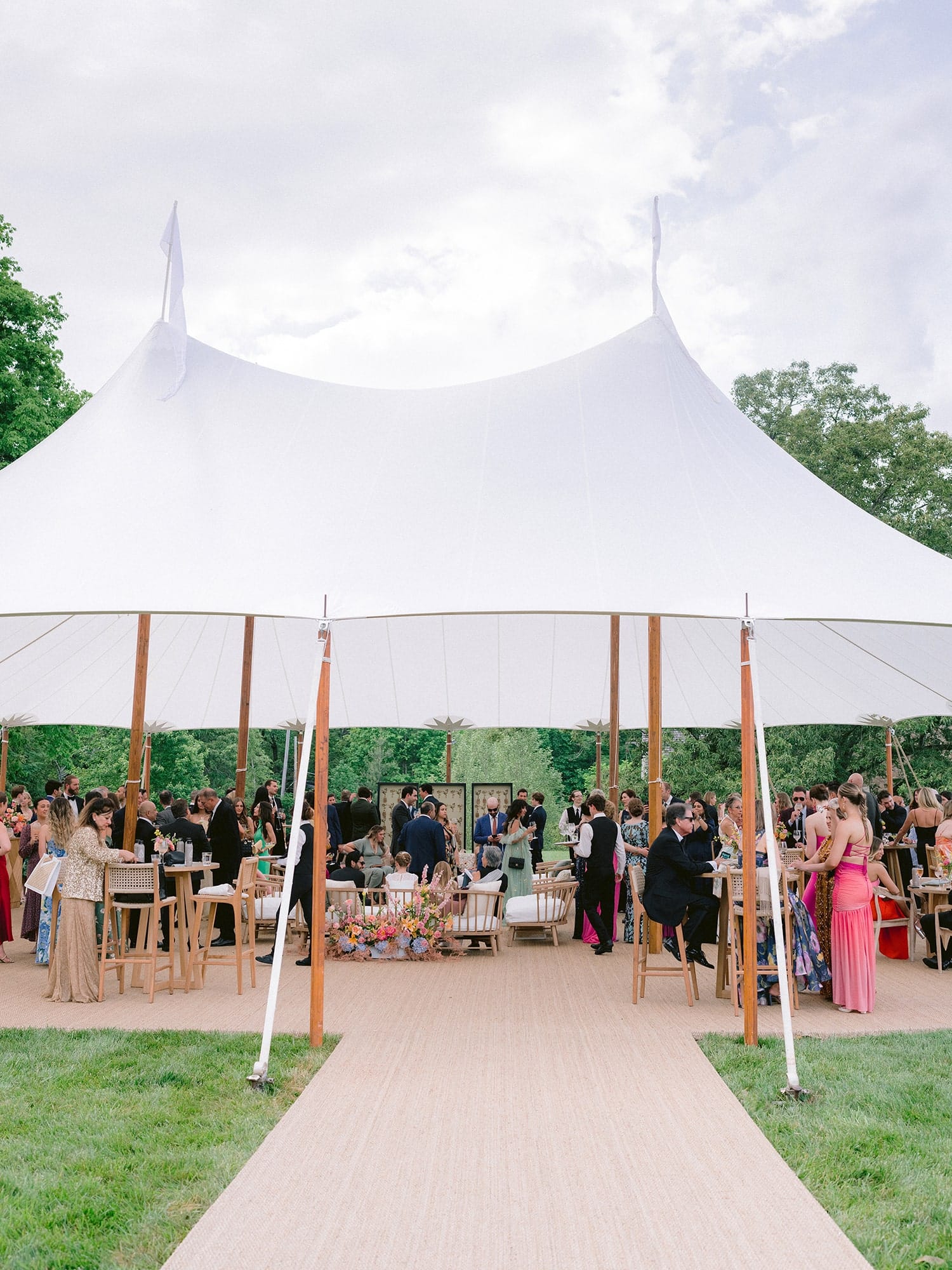
Summer events present unique challenges due to heat, humidity, and intense sunlight. Choosing climate-controlled tents for summer can help maintain comfortable indoor conditions and protect the guest experience even during the warmest months.
Cooling strategies should be tailored to the size and configuration of the tent.
Portable Air Conditioning Systems
Portable air-conditioning units remain one of the most popular cooling solutions for tented events. These systems can effectively lower indoor temperatures while providing flexible deployment options.
For smaller tent installations or targeted cooling zones, portable systems offer cost-effective and efficient performance. They are especially useful for VIP lounges, hospitality tents, and private event spaces.
Their portability allows organizers to adapt quickly to changing conditions.
Centralized Cooling for Large Tent Structures
Larger clearspan structures and luxury event tents often benefit from centralized cooling systems that distribute conditioned air evenly throughout the venue. For upscale summer celebrations, climate-controlled summer event tents can combine sophisticated tent design with consistent cooling across expansive guest area
These systems provide consistent temperatures while supporting larger guest capacities and more complex event layouts.
Before choosing cooling equipment, planners should evaluate several factors.
Important cooling considerations include:
- Tent size and interior volume
- Expected guest count
- Local weather conditions
- Power and infrastructure availability
Proper assessment ensures cooling systems are appropriately sized for the event.
Heating Solutions for Cold-Weather and Evening Events
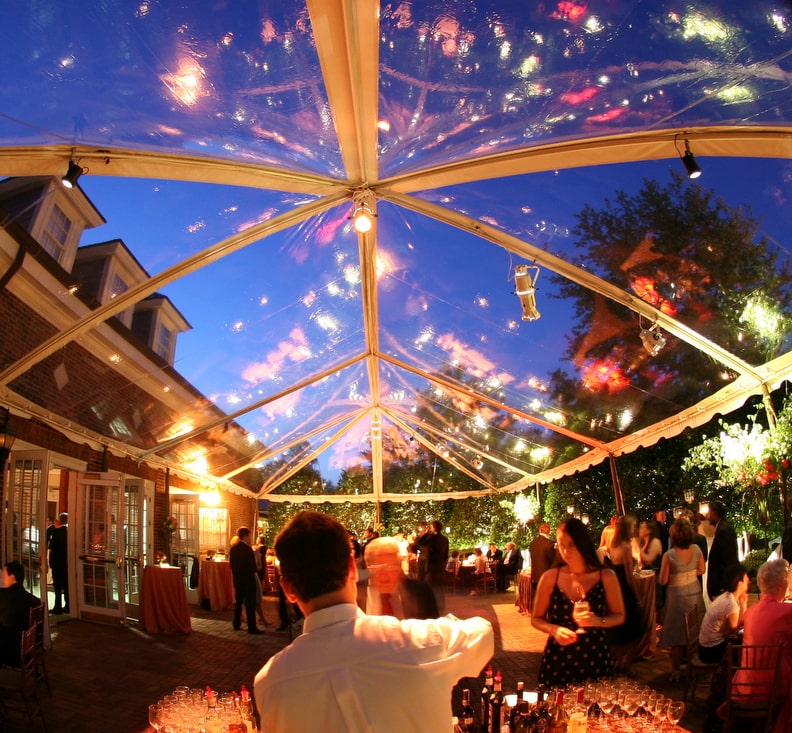
While cooling receives significant attention, heating solutions are equally important for events held during cooler seasons or evening hours.
Maintaining warmth helps preserve guest comfort and encourages attendees to remain engaged throughout the celebration.
Radiant Heating Systems
Radiant heaters provide targeted warmth by transferring heat directly to people and objects rather than heating the surrounding air.
This approach is particularly effective in large event spaces where rapid comfort improvements are required. Radiant systems can create warm, inviting environments without excessive energy consumption.
Their efficiency makes them a popular choice for weddings, receptions, and luxury social events.
Forced-Air and Infrared Heating Options
Forced-air systems distribute warm air throughout the tent, making them suitable for larger enclosed environments. Infrared heaters provide focused warmth for specific zones and seating areas.
Before selecting heating equipment, planners should consider several operational factors.
Key heating considerations include:
- Tent enclosure type
- Guest occupancy patterns
- Fuel and power availability
- Safety and ventilation requirements
These considerations help ensure reliable and effective heating performance.
Ventilation and Airflow Management Strategies
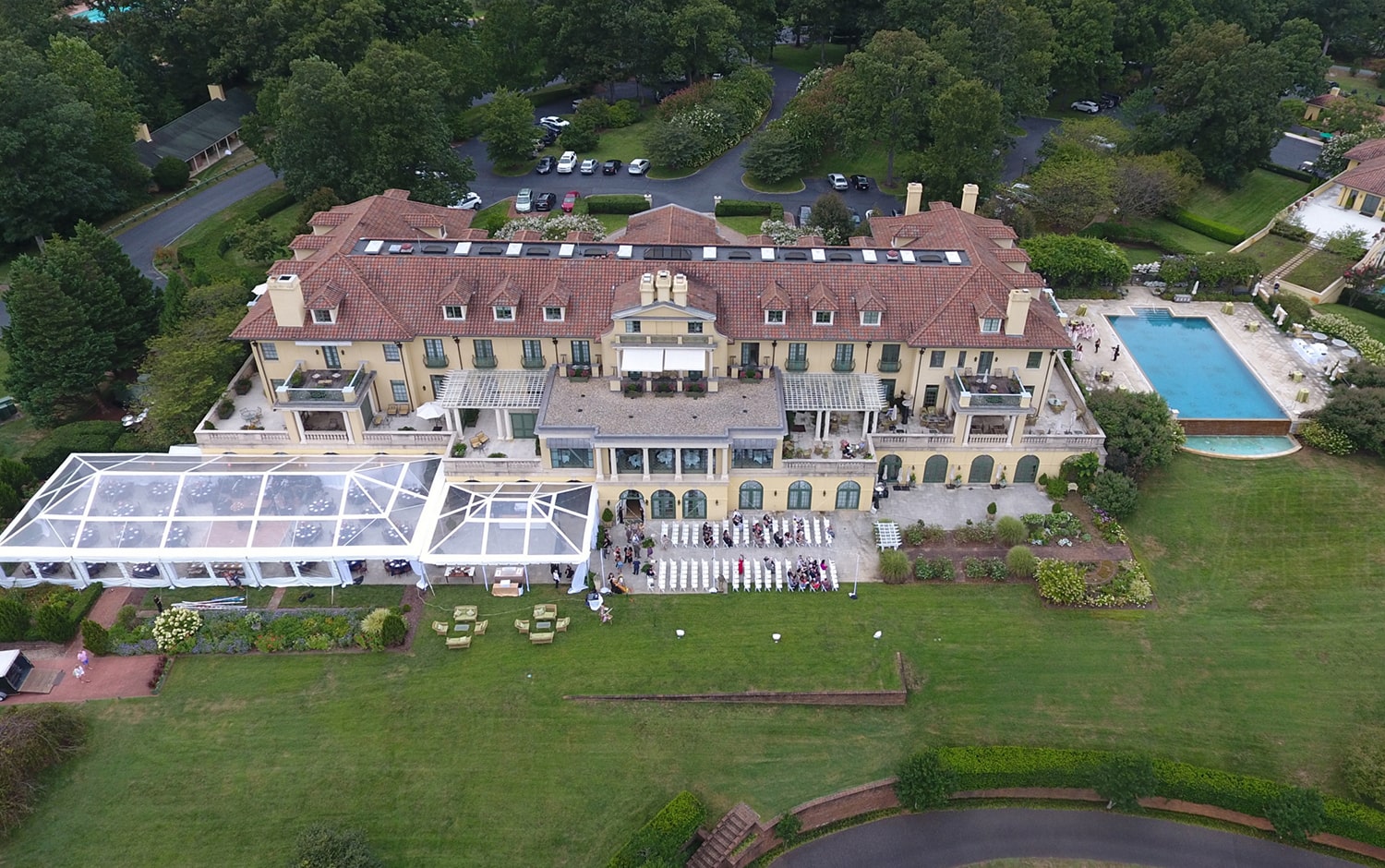
Temperature control alone is not sufficient to create comfortable environments. Proper ventilation plays a critical role in maintaining indoor air quality and preventing stagnant conditions.
Effective airflow strategies improve both comfort and system efficiency.
Natural Ventilation Techniques
Natural ventilation uses strategically placed openings, sidewalls, and vents to encourage fresh-air circulation throughout the tent.
When weather conditions permit, natural airflow can reduce reliance on mechanical systems while maintaining a pleasant environment. For more detail, see our article The Best Tent Materials for Ultimate Weather Protection.
This approach works especially well for partially enclosed structures and seasonal events.
Mechanical Ventilation Systems
Mechanical ventilation systems actively circulate air using fans, ducts, and airflow management equipment.
These systems are particularly valuable for large clearspan structures where consistent air exchange is required.
Before implementing ventilation strategies, planners should evaluate several important elements.
Effective ventilation solutions include:
- High-capacity circulation fans
- Air exchange systems
- Dehumidification equipment
- Strategic vent placement
Together, these solutions improve air quality and guest comfort.
Integrating Climate Control with Tent Design and Infrastructure
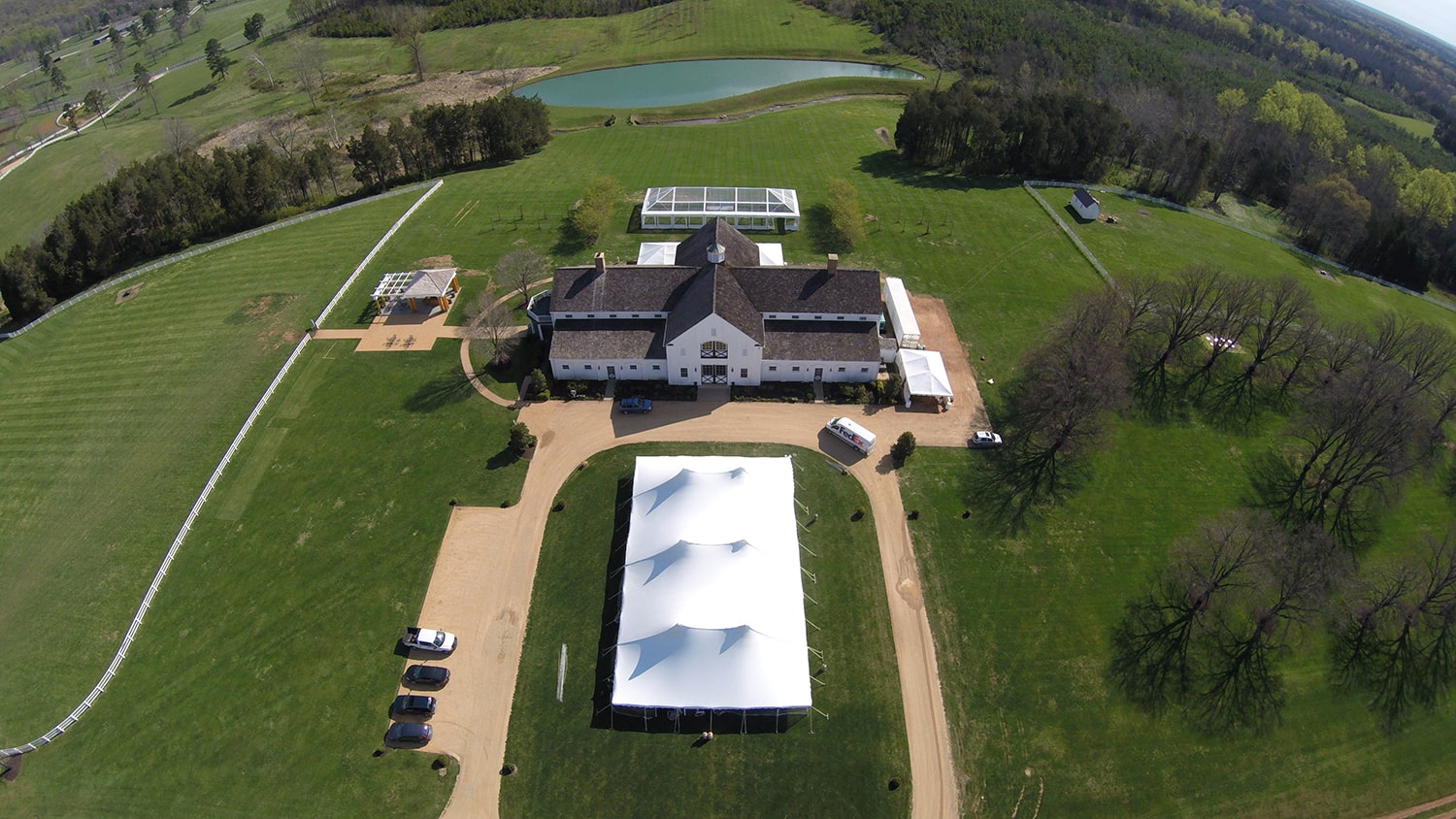
The most effective climate-control systems are integrated into the overall event design from the earliest planning stages. You may also find Guide to Tent Climate Control Rentals for Fall Events helpful.
Coordination between tent structures, flooring systems, lighting, and HVAC equipment helps maximize performance.
The Role of Tent Design and Insulation
Tent configuration directly influences climate-control efficiency. Enclosed structures generally maintain conditioned air more effectively than open-sided tents. For more detail, see our article Climate Control for Summer Winery Event Tenting.
Insulation systems, sidewalls, and specialized tent materials can improve thermal performance while reducing energy consumption.
These features help maintain consistent indoor conditions regardless of external weather.
Power, Logistics, and Equipment Placement
Climate-control equipment requires careful logistical planning. Generators, electrical infrastructure, ductwork, and service access must all be considered during site planning.
Before finalizing installation plans, organizers should evaluate several key factors.
Critical infrastructure considerations include:
- Power supply requirements
- Equipment access and maintenance needs
- Duct routing and airflow design
- Coordination with lighting and décor installations
Early planning helps prevent operational challenges during event execution.
Smart Climate-Control Technologies and Future Trends
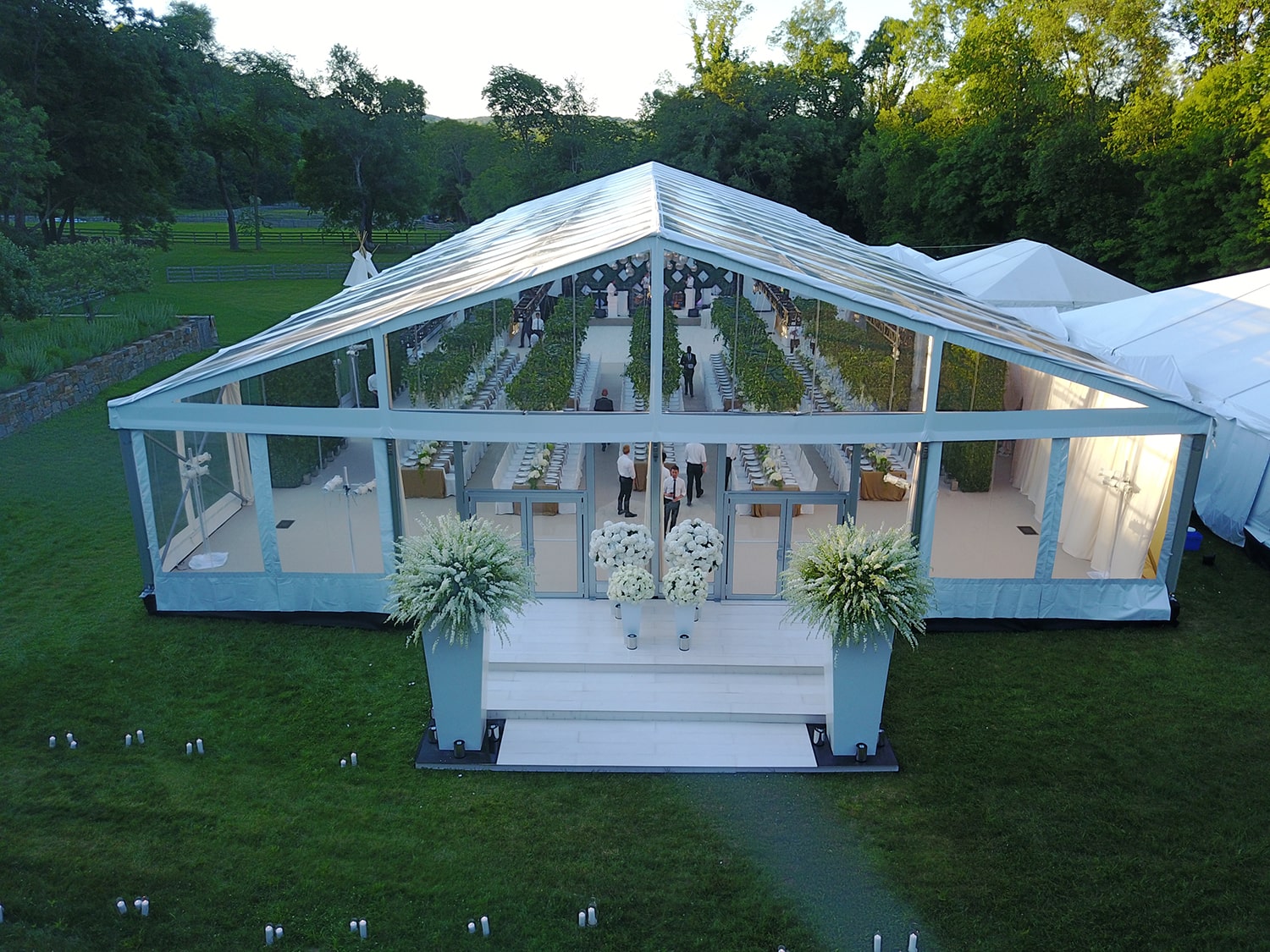
Advancements in technology continue to improve the effectiveness and efficiency of climate-control systems used in outdoor events.
Modern innovations provide greater flexibility while supporting sustainability goals.
Automated Environmental Monitoring
Smart monitoring systems allow operators to track temperature, humidity, and airflow conditions in real time.
These technologies help event teams respond quickly to changing conditions while maintaining optimal guest comfort throughout the event.
Automated controls also improve system efficiency and reduce unnecessary energy consumption.
Sustainable and Energy-Efficient Solutions
The event industry increasingly prioritizes sustainability. Modern HVAC systems are designed to deliver exceptional performance while reducing environmental impact.
Before investing in climate-control technologies, planners should consider emerging trends.
Current climate-control innovations include:
- Smart HVAC automation systems
- Energy-efficient cooling and heating equipment
- Remote monitoring capabilities
- Sustainable environmental management technologies
These advancements continue to raise the standard for outdoor event comfort.
Frequently Asked Questions
What is the best cooling solution for a large outdoor tent?
Centralized HVAC systems are often the most effective solution for large tents because they provide consistent cooling throughout the entire structure.
Are portable air-conditioning units suitable for weddings?
Yes. Portable AC units are commonly used for weddings, VIP lounges, and smaller event spaces requiring targeted cooling.
How important is ventilation in a tented event?
Ventilation is essential because it improves airflow, manages humidity, and maintains indoor air quality.
Can tents be heated effectively during cold weather?
Absolutely. Radiant heaters, forced-air systems, and infrared heaters provide reliable heating solutions for outdoor events.
Does insulation improve climate-control performance?
Yes. Proper insulation helps maintain desired temperatures while reducing HVAC workload and energy consumption.
How early should climate-control planning begin?
Climate-control planning should begin during the earliest stages of event development to ensure seamless integration with tent design and infrastructure.
Are smart climate-control systems worth the investment?
For premium events, smart systems improve efficiency, consistency, and overall guest comfort while simplifying operational management.
Conclusion
Climate control has become an essential component of successful outdoor tented events. From cooling systems that combat summer heat to heating solutions that create warmth during cooler months, the right equipment helps ensure guests remain comfortable regardless of weather conditions. Effective ventilation, insulation, and smart environmental monitoring further enhance the guest experience while supporting operational efficiency. We cover this further in Best Climate Control Options for Outdoor Tented Events.
Modern climate-control solutions can transform stunning summer event structures into comfortable environments that rival permanent indoor venues. When properly integrated into the overall event design, these systems contribute significantly to guest satisfaction, event reputation, and overall success.
Skyline Tent Company understands that exceptional guest experiences begin with comfort. Their expertise in luxury tent rentals, climate-controlled structures, HVAC integration, event infrastructure, and customized site planning helps clients create sophisticated outdoor environments that perform beautifully in every season. Our tent rental FAQs cover the questions hosts ask most.
Whether you’re planning a luxury wedding, corporate gala, festival, or private celebration, contact Skyline Tent Company today to explore premium climate-control solutions and tent rental options designed to keep your guests comfortable while elevating the overall event experience. We cover this further in How Climate Control Enhances Corporate Tent Events.