
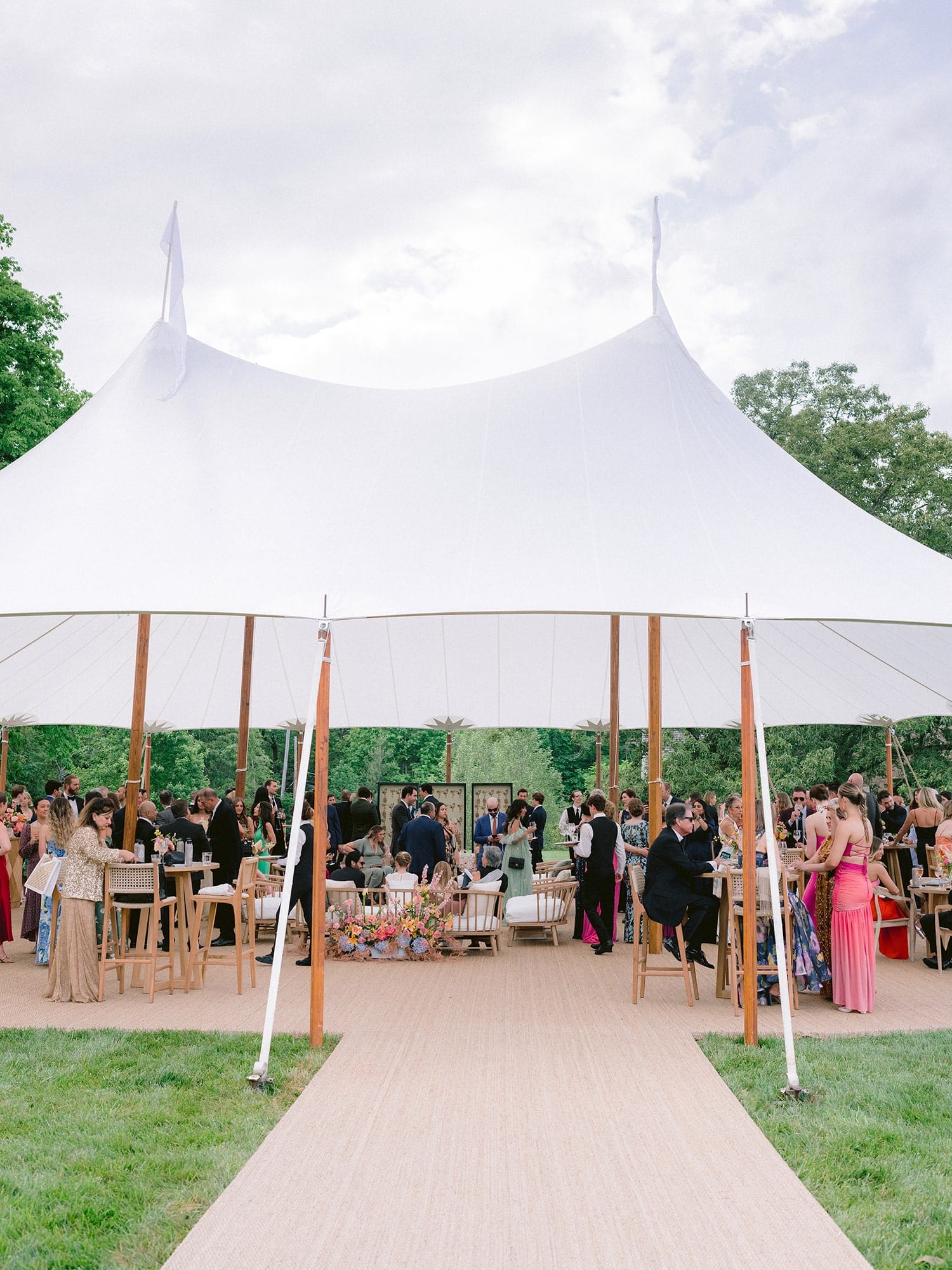
Summer winery events combine stunning vineyard views, elegant outdoor settings, and memorable guest experiences. Whether hosting a wedding, corporate retreat, wine tasting, fundraiser, or private celebration, wineries provide a naturally beautiful backdrop that enhances every occasion. However, warm temperatures, direct sunlight, humidity, and limited airflow can quickly impact guest comfort if climate control is not carefully planned.
Modern tenting solutions allow wineries to host sophisticated outdoor events without exposing guests to uncomfortable summer conditions. Today’s climate-controlled event tents can incorporate air conditioning, ventilation systems, flooring, lighting, and customized layouts that create environments comparable to premium indoor venues. The challenge is selecting the right combination of tent structures, cooling technologies, and operational strategies to maintain comfort throughout the event.
Successful climate control requires more than simply installing cooling equipment. Event planners must consider tent size, guest capacity, airflow patterns, infrastructure requirements, and venue logistics. When these elements work together, winery events become comfortable, elegant, and enjoyable regardless of outdoor temperatures.
Effective Outdoor Cooling Solutions for Winery Events
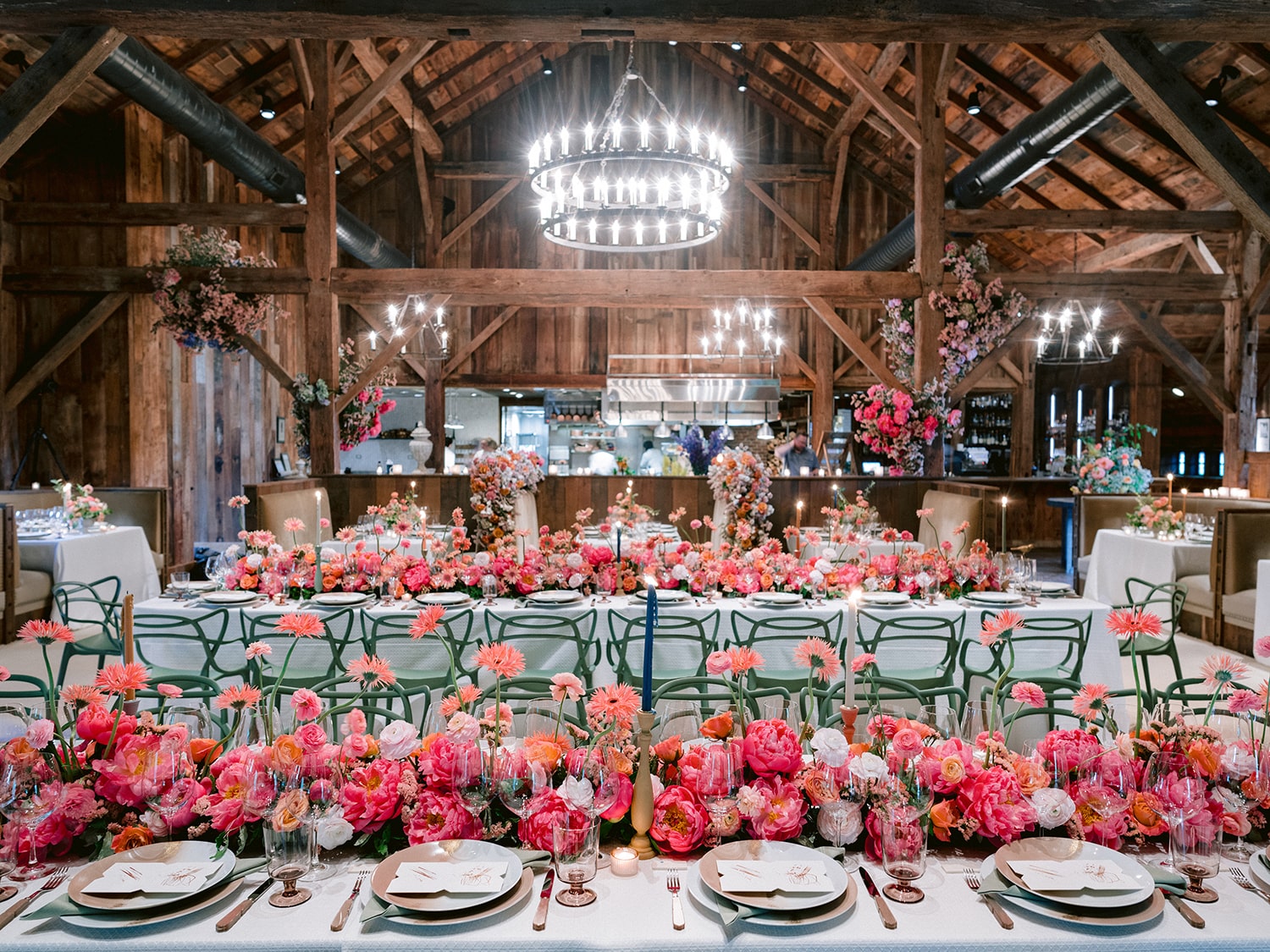
The tent structure forms the foundation of every climate-control strategy. Different tent styles influence airflow, cooling efficiency, and overall guest comfort in unique ways.
Selecting the right tent early in the planning process allows organizers to integrate climate-control systems more effectively through proper venue tent planning.
Clearspan Tents for Maximum Climate Control
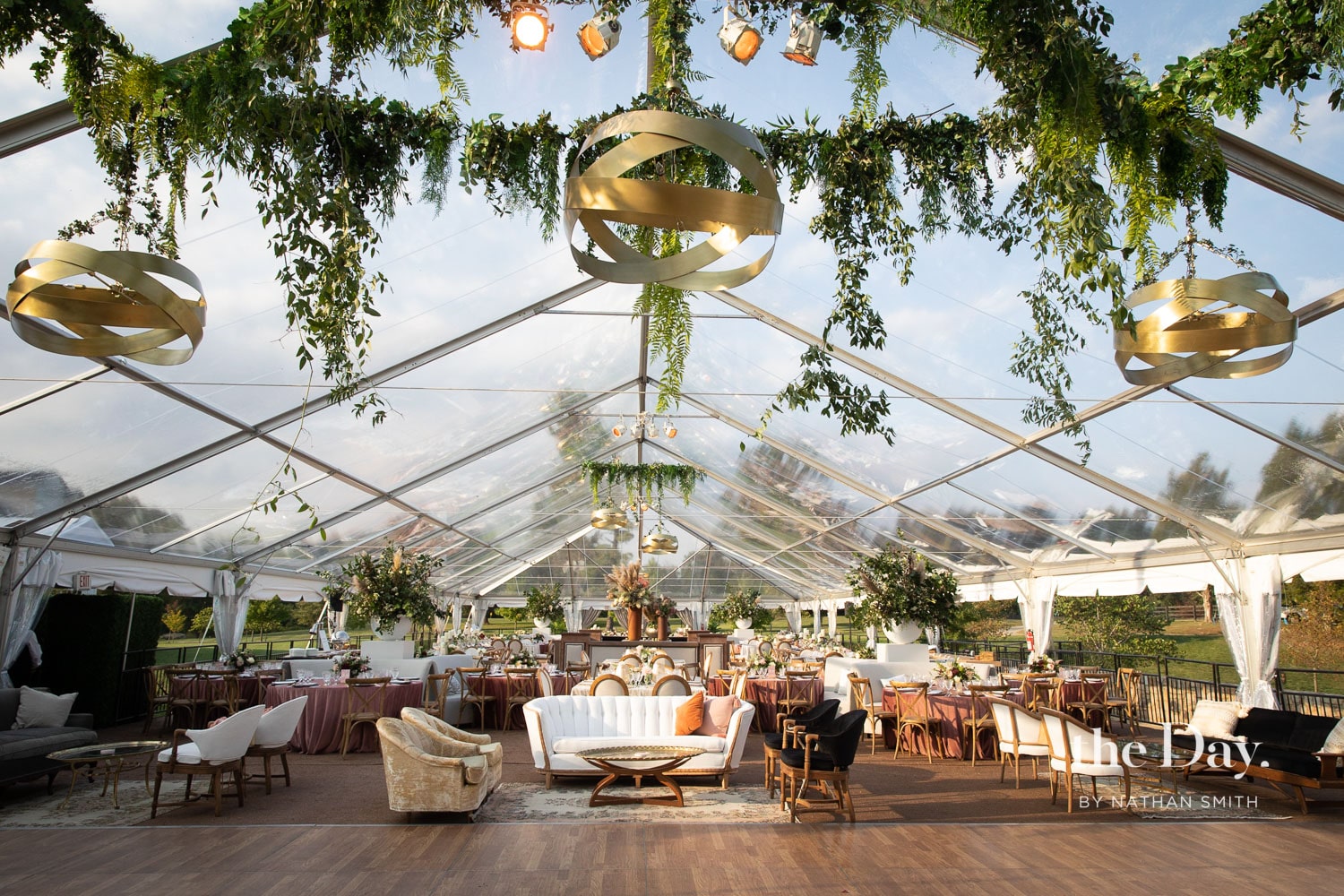
Clearspan tents are among the most popular choices for summer winery events because they provide large, unobstructed interiors without center poles. This open design allows cooled air to circulate more efficiently while giving planners complete flexibility with layouts.
Because these structures support advanced HVAC systems, they are particularly effective for larger weddings, corporate functions, and upscale receptions. Their high ceilings also help improve airflow and reduce heat concentration near guests.
The combination of structural strength and cooling efficiency makes clearspan tents ideal for events where comfort is a top priority.
Frame and Sailcloth Tents for Elegant Winery Settings
Frame tents offer excellent versatility and can be installed in a variety of vineyard locations. Their freestanding design allows for flexible placement and effective integration of cooling systems.
Sailcloth tents, meanwhile, create a refined atmosphere that complements winery landscapes beautifully. Their translucent fabric introduces soft natural light while maintaining a sophisticated appearance.
Before selecting a tent style, planners should evaluate how the structure will interact with cooling equipment and guest movement throughout the venue.
Important tent features to consider include:
- High ceilings that support better airflow
- Compatibility with HVAC and cooling equipment
- Flexible sidewall options for ventilation
- Open interior layouts that improve circulation
Choosing a structure that supports both comfort and aesthetics helps create a more enjoyable event experience.
Guest Capacity and Layout Planning for Better Climate Control
Air-conditioned tents are highly effective, but additional cooling solutions often improve comfort throughout the venue. Outdoor cooling strategies help guests remain comfortable as they move between gathering spaces, tasting areas, and reception zones.
Combining multiple cooling methods typically produces the most consistent results during summer events.
Misting Systems and Portable Cooling Equipment
Misting systems create a refreshing cooling effect by releasing a fine mist that evaporates quickly in the air. These systems are particularly effective in outdoor areas exposed to direct sunlight.
Portable fans also contribute significantly to guest comfort. Large, high-velocity fans improve airflow throughout the venue and help prevent heat buildup in gathering areas.
When positioned strategically, these systems support the primary cooling infrastructure while enhancing the overall guest experience.
Creating Comfortable Outdoor Gathering Areas
Many winery events extend beyond the tent itself. Cocktail receptions, wine tasting stations, and lounge spaces often occupy outdoor areas that require additional attention.
Guests naturally spend time exploring vineyard views and socializing throughout the venue. Providing comfort in these spaces encourages engagement and enhances the overall atmosphere.
Popular outdoor cooling enhancements include:
- Misting systems near gathering areas
- Portable fans positioned throughout the venue
- Shaded lounge spaces for relaxation
- Cooling stations near high-traffic zones
These enhancements help create inviting outdoor environments while reducing pressure on the primary tent cooling system.
Comparing Air Conditioning, Ventilation, and Cooling Technologies in Winery Event Tent
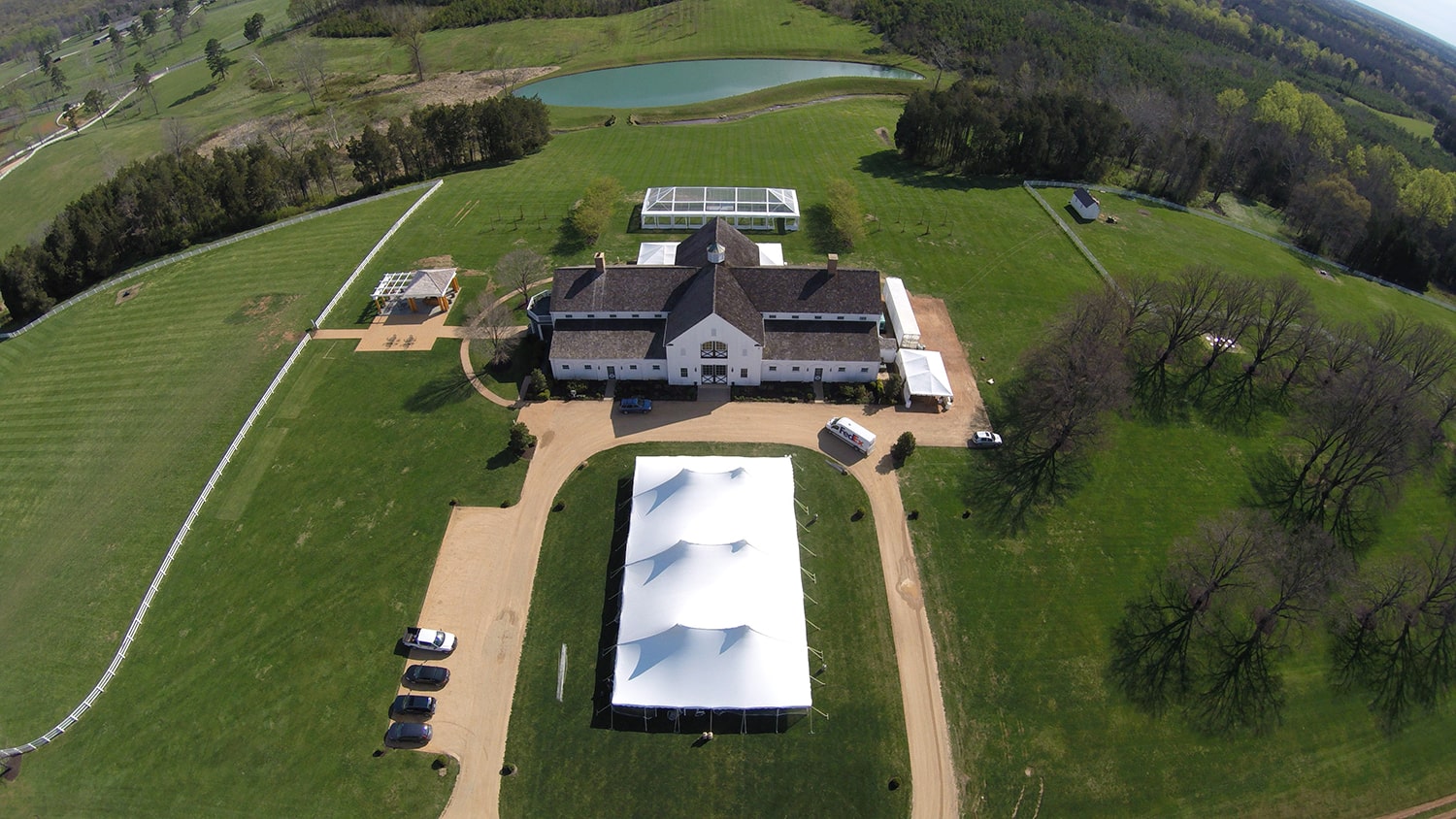
Climate-control success depends not only on equipment but also on how the tent is organized. Guest density, furniture placement, and circulation pathways all influence airflow and temperature management.
Thoughtful planning ensures cooling systems operate efficiently while maintaining guest comfort.
Determining the Appropriate Tent Size
Tent size should be based on more than guest count alone. Dining tables, bars, entertainment areas, and vendor stations all influence how much space is needed.
An overcrowded tent can become difficult to cool effectively, while an oversized structure may require larger HVAC systems than necessary. Balancing space requirements with cooling efficiency is essential.
Providing adequate room for guests also improves movement throughout the venue and helps prevent uncomfortable heat buildup.
Designing Layouts That Promote Airflow
Tent layouts play a significant role in ventilation and cooling performance. Open pathways allow cooled air to circulate freely while preventing congestion in high-traffic areas.
Furniture arrangements should support airflow rather than obstruct it. Strategic placement of seating areas, bars, and staging can improve temperature consistency throughout the tent.
Good layout design also enhances guest comfort by making the venue feel more spacious and organized.
Infrastructure and Site Logistics That Support Climate Control
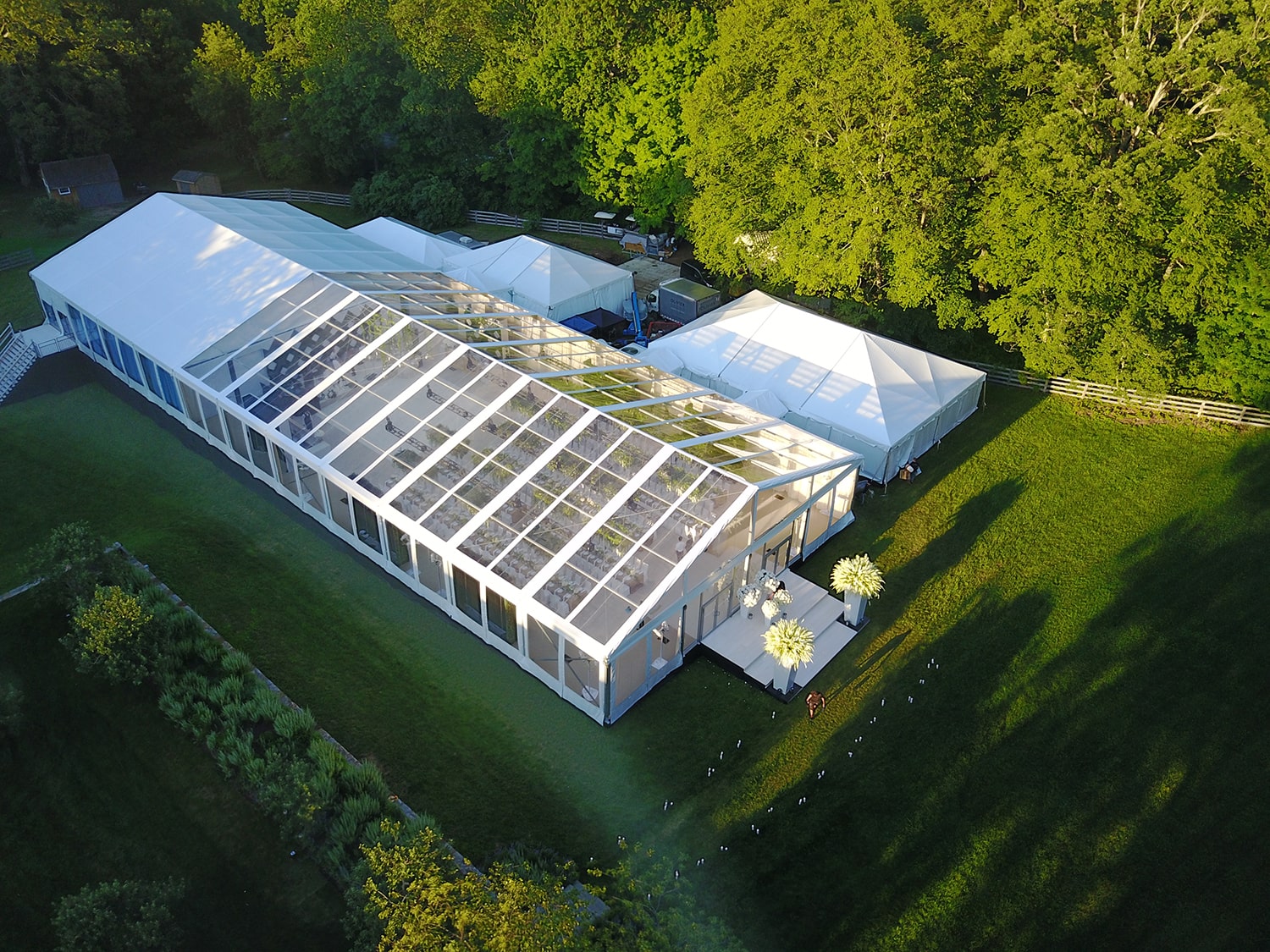
Modern winery events can benefit from a variety of cooling technologies. Understanding how these systems perform under different conditions helps planners select the most effective solution.
Many successful events use a combination of cooling methods rather than relying on a single approach.
Air Conditioning Versus Natural Ventilation
Air conditioning provides precise temperature control and is often the most reliable option for large summer events. It reduces humidity and maintains stable indoor conditions regardless of outdoor temperatures.
Natural ventilation, on the other hand, relies on airflow through open tent walls and strategically placed openings. While it reduces energy consumption, its effectiveness depends heavily on weather conditions.
For many winery events, combining both methods creates the ideal balance between comfort and efficiency.
Evaporative Cooling and Advanced HVAC Systems
Evaporative cooling systems work particularly well in dry climates. By cooling the air through water evaporation, they offer an energy-efficient alternative to traditional air conditioning.
Choosing the right cooling strategy requires evaluating several environmental and operational factors.
Key considerations include:
- Expected guest attendance
- Outdoor temperature and humidity levels
- Tent size and configuration
- Available electrical infrastructure
Understanding these variables helps planners create climate-control strategies that remain effective throughout the event.
Why Tent Structure Selection Influences Climate Control Success
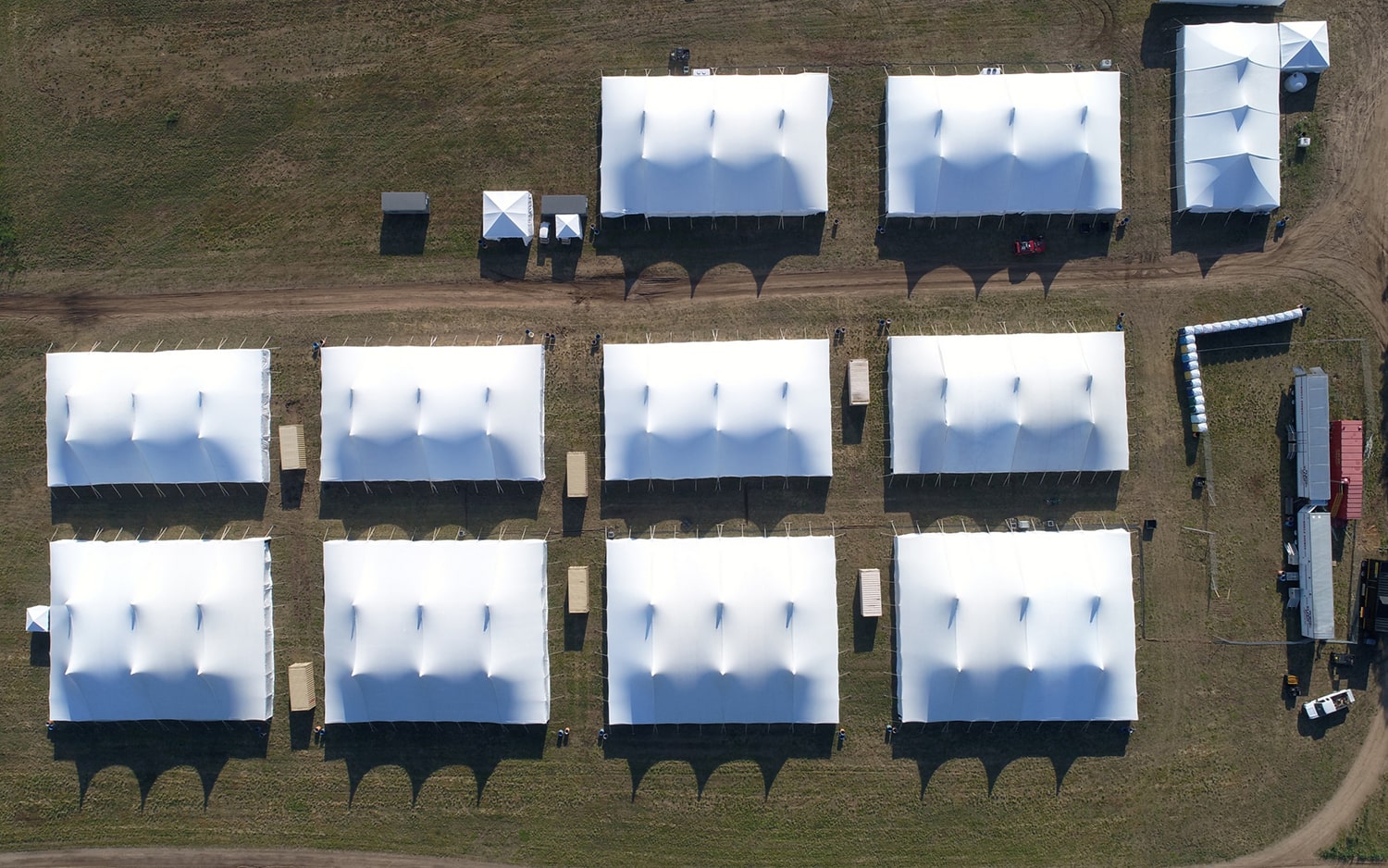
Even the best cooling systems require proper infrastructure to perform effectively. Power availability, flooring systems, lighting choices, and site logistics all influence climate-control performance.
Addressing these elements early helps prevent operational issues and improves overall comfort.
Power Requirements and Equipment Planning
Air-conditioned tents require reliable power sources capable of supporting HVAC equipment, lighting systems, and event operations simultaneously.
Event planners should evaluate power availability during the earliest stages of planning by reviewing reliable event power solutions before installation begins.This helps ensure sufficient electrical capacity while identifying any need for generators or backup systems.
Careful equipment placement also improves efficiency and minimizes disruptions during the event.
Flooring and Lighting Contributions to Comfort
Flooring and lighting have a greater impact on temperature management than many planners realize. Certain flooring materials absorb less heat and improve guest comfort, while energy-efficient lighting systems generate less warmth inside the tent.
Before finalizing event infrastructure, planners should consider how each element contributes to overall climate performance.
Important infrastructure considerations include:
- Adequate electrical capacity for cooling equipment
- Backup power systems for uninterrupted operation
- Light-colored flooring materials that reflect heat
- Energy-efficient LED lighting systems
These details help create a more comfortable environment while supporting the overall cooling strategy.
Why Tent Structure Selection Influences Climate Control Success
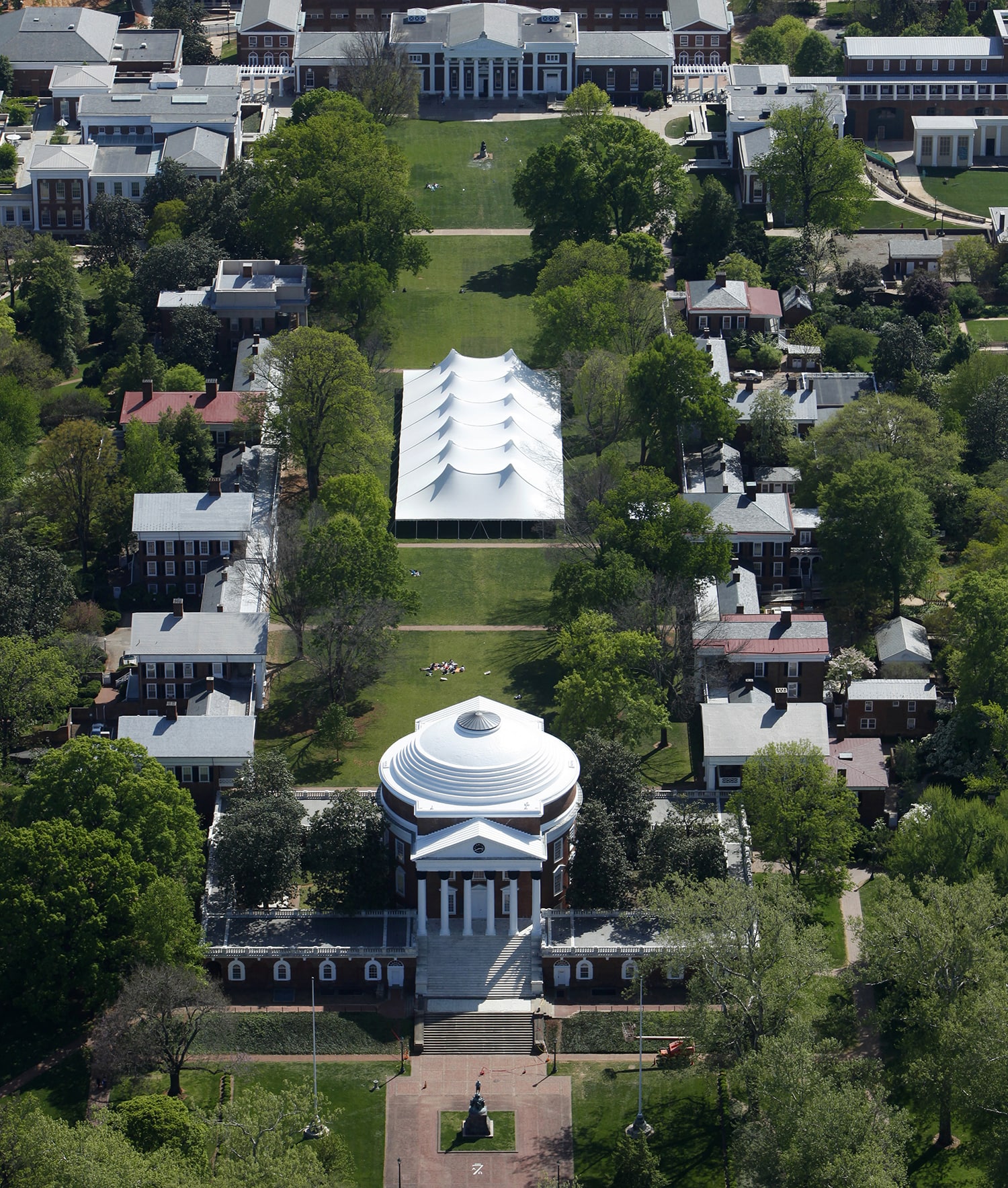
The relationship between tent design and climate control is often underestimated. Structural characteristics influence airflow, equipment placement, insulation performance, and overall temperature management.
Choosing a tent based solely on appearance can create challenges later when cooling requirements are introduced.
Matching Tent Styles to Event Objectives
Different events require different climate-control approaches. A large corporate function may prioritize maximum cooling performance, while a luxury wedding may focus on balancing comfort with aesthetics.
Clearspan tents typically provide the highest level of climate-control flexibility because of their open interiors and support for advanced HVAC systems, making them ideal for wine country events. Sailcloth tents excel in visual appeal, while frame tents offer versatility for challenging venue layouts.
Matching tent selection to event goals helps maximize both comfort and presentation.
Creating a Comfortable Guest Experience
Ultimately, climate control is about creating a positive experience for attendees. Guests who remain comfortable are more likely to stay engaged, enjoy the event, and leave with favorable impressions.
Temperature management affects dining experiences, social interactions, and overall event satisfaction. Investing in proper climate-control planning contributes directly to event success.
By combining thoughtful design, appropriate infrastructure, and effective cooling technologies, wineries can create outdoor environments that feel both luxurious and comfortable.
Frequently Asked Questions
What tent type is best for climate-controlled winery events?
Clearspan tents are often preferred because they provide open interiors, excellent airflow, and strong support for HVAC systems.
How can wineries keep guests cool during summer events?
Air conditioning, ventilation systems, misting equipment, shaded gathering areas, and strategic layout planning all help maintain guest comfort.
Are sailcloth tents suitable for summer winery events?
Yes. Sailcloth tents can remain comfortable when paired with appropriate cooling equipment and ventilation strategies.
How much space should be allocated per guest?
Most planners recommend approximately 10, 15 square feet per guest depending on seating arrangements and event style.
Conclusion
Climate control is one of the most important factors influencing the success of summer winery events. Comfortable guests are more likely to enjoy the venue, engage with activities, and create lasting positive memories. Achieving that comfort requires a coordinated approach that includes selecting the right tent structure, implementing effective cooling technologies, planning efficient layouts, and supporting these systems with reliable infrastructure.
From clearspan and frame tents to air conditioning systems, misting solutions, ventilation strategies, and thoughtful venue design, every element contributes to maintaining a pleasant environment. By integrating these components strategically, wineries can create elegant outdoor event spaces that remain comfortable even during peak summer temperatures.
Skyline Tent Company specializes in customized climate-controlled tent solutions for wineries and outdoor event venues. Their expertise in tent structures, cooling systems, layout planning, and event logistics helps clients create exceptional experiences that combine comfort, functionality, and sophisticated presentation.