
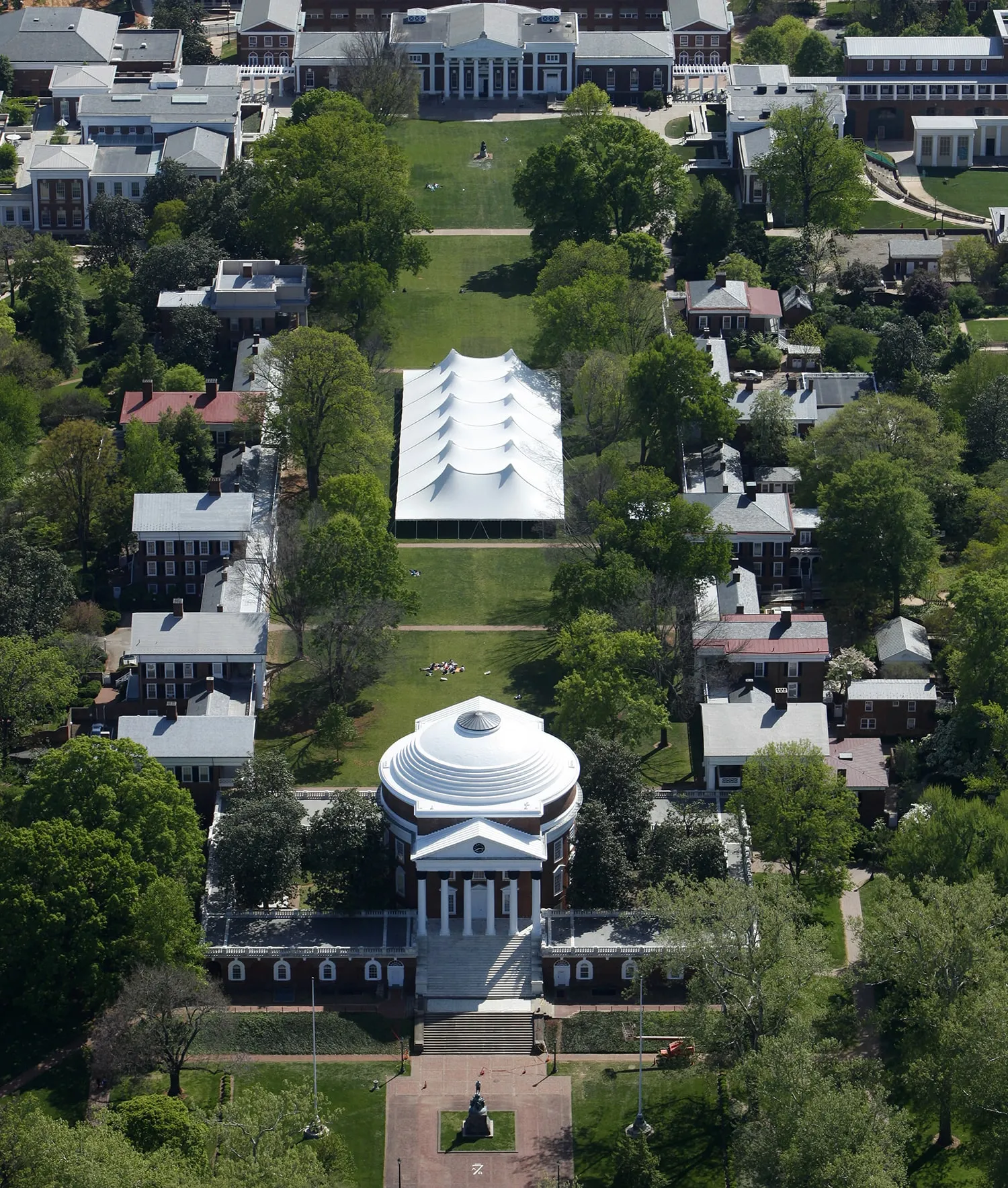
Early fall is one of the most popular seasons for outdoor weddings because it combines pleasant weather with beautiful scenery. However, temperatures during this time of year can vary significantly throughout the day. Warm afternoons, high humidity, direct sunlight, and cool evenings can all affect guest comfort, making climate control an important part of event planning. While many couples assume autumn weather eliminates the need for cooling systems, early fall often requires a balanced approach that includes both air conditioning and heating options.
Whether you’re hosting your celebration under a clearspan, frame, or sailcloth tent, maintaining a comfortable indoor environment helps guests fully enjoy the ceremony, reception, and dance floor. Modern tent climate control solutions allow planners to adjust temperatures throughout the event while preserving the elegance of the venue. This guide explores when air conditioning is necessary, available climate control options, and practical planning strategies that ensure your early fall wedding remains comfortable from beginning to end.
Understanding When Air Conditioning Is Necessary
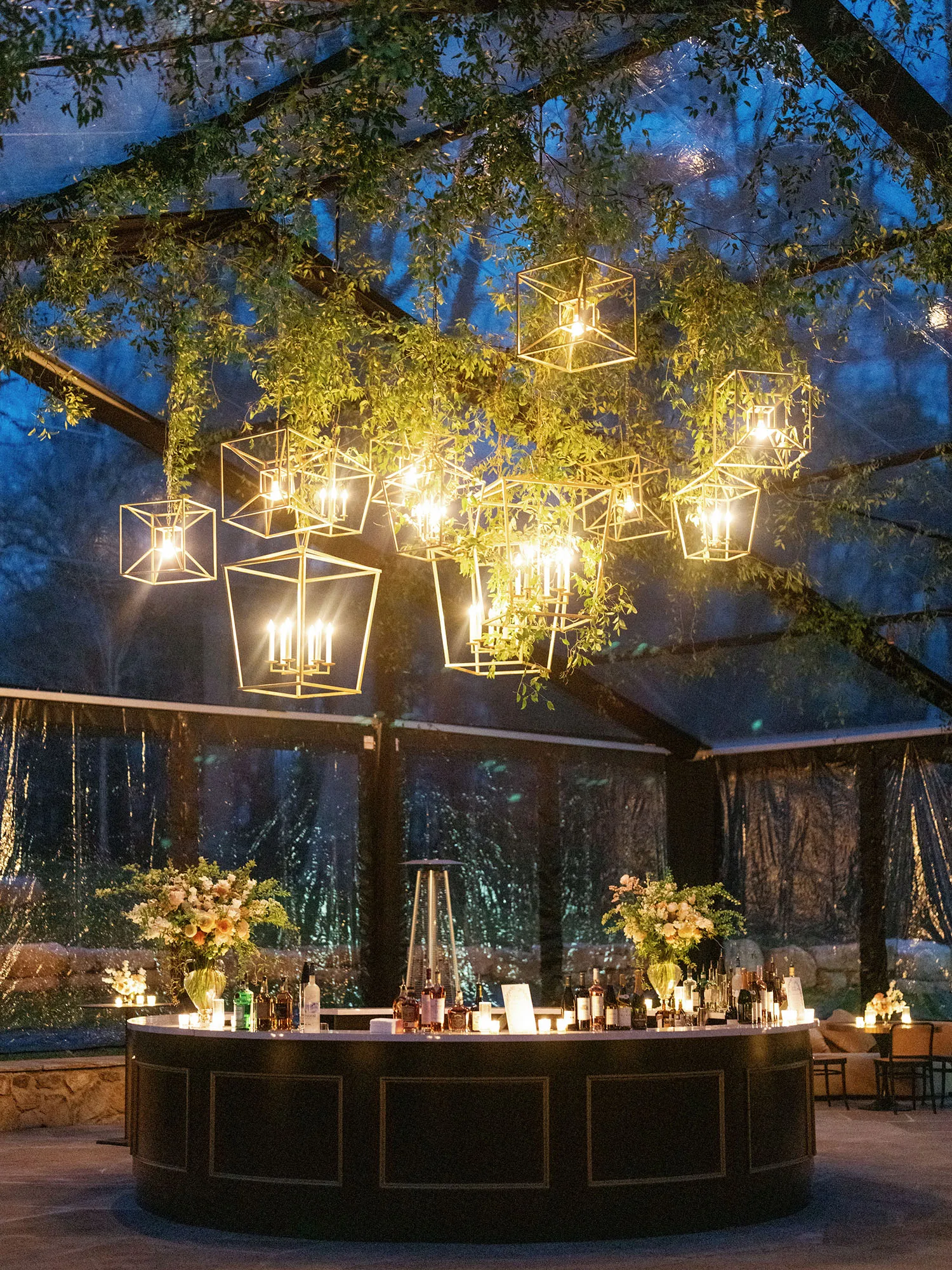
Many couples assume cooler calendar dates automatically mean cooler weather. In reality, early fall temperatures can still climb into the 80s or higher, especially during afternoon ceremonies. Combined with sunlight, humidity, lighting, and a crowded tent, indoor temperatures can quickly become uncomfortable without proper cooling.
Air conditioning helps regulate both temperature and humidity, creating a pleasant atmosphere while preventing the tent from feeling warm or stuffy. Even if outdoor conditions seem comfortable, enclosed event spaces often require additional cooling to maintain consistent comfort throughout the celebration.
Why Climate Control Matters for Early Fall Weddings
Guest comfort plays a major role in the success of any wedding. Excess heat can make formal attire uncomfortable, affect catering quality, and discourage guests from spending time on the dance floor.
Professional climate control helps maintain ideal conditions while allowing guests to comfortably enjoy every part of the event regardless of outdoor weather changes.
Signs Your Wedding May Need Air Conditioning
Several factors indicate that cooling equipment should be included in your event planning.
Consider air conditioning if your wedding includes:
Warm daytime temperatures.
High humidity levels.
Large guest counts generating body heat.
Fully enclosed tent sidewalls.
Long afternoon receptions.
Extensive lighting and entertainment equipment.
Warm daytime temperatures.
High humidity levels.
Large guest counts generating body heat.
Fully enclosed tent sidewalls.
Long afternoon receptions.
Extensive lighting and entertainment equipment.
Evaluating these conditions early allows planners to choose the right cooling solution before installation begins.
Climate Control Solutions for Wedding Tents
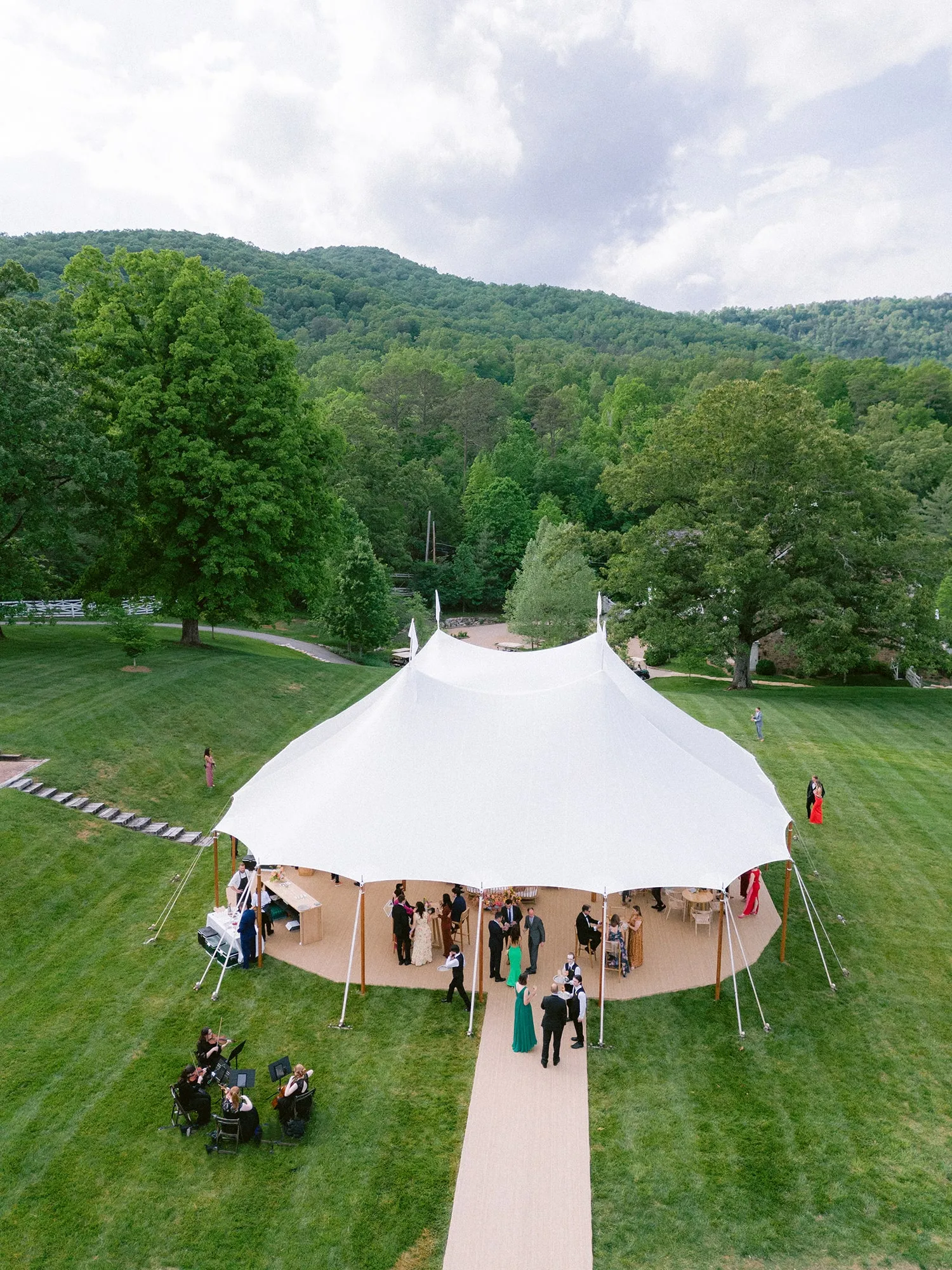
Modern wedding tents offer a variety of climate control options that keep guests comfortable throughout changing fall weather. The best solution often combines cooling systems, ventilation, and heating equipment to create a balanced indoor environment from afternoon through evening.
Professional event specialists evaluate the venue, tent size, and expected weather before recommending the most effective combination of equipment.
Cooling and Ventilation Systems
Portable air conditioning units are ideal for maintaining consistent temperatures inside luxury tents. Larger events may also benefit from evaporative cooling systems or multiple air conditioning units working together to distribute cool air evenly.
Proper ventilation further improves comfort by allowing fresh air to circulate while preventing heat and humidity from building inside the tent.
Climate Control Features to Consider
Choosing the right equipment involves more than simply adding an air conditioner.
Important climate control features include:
Portable air conditioning units.
High-capacity cooling systems for large tents.
Strategic fan placement for airflow.
Ventilation openings for fresh air circulation.
Portable heaters for cooler evenings.
Balanced heating and cooling integration.
Portable air conditioning units.
High-capacity cooling systems for large tents.
Strategic fan placement for airflow.
Ventilation openings for fresh air circulation.
Portable heaters for cooler evenings.
Balanced heating and cooling integration.
Combining these solutions creates a flexible climate control system that adapts as temperatures change throughout your wedding day.
Creating a Comfortable Environment Inside the Wedding Tent
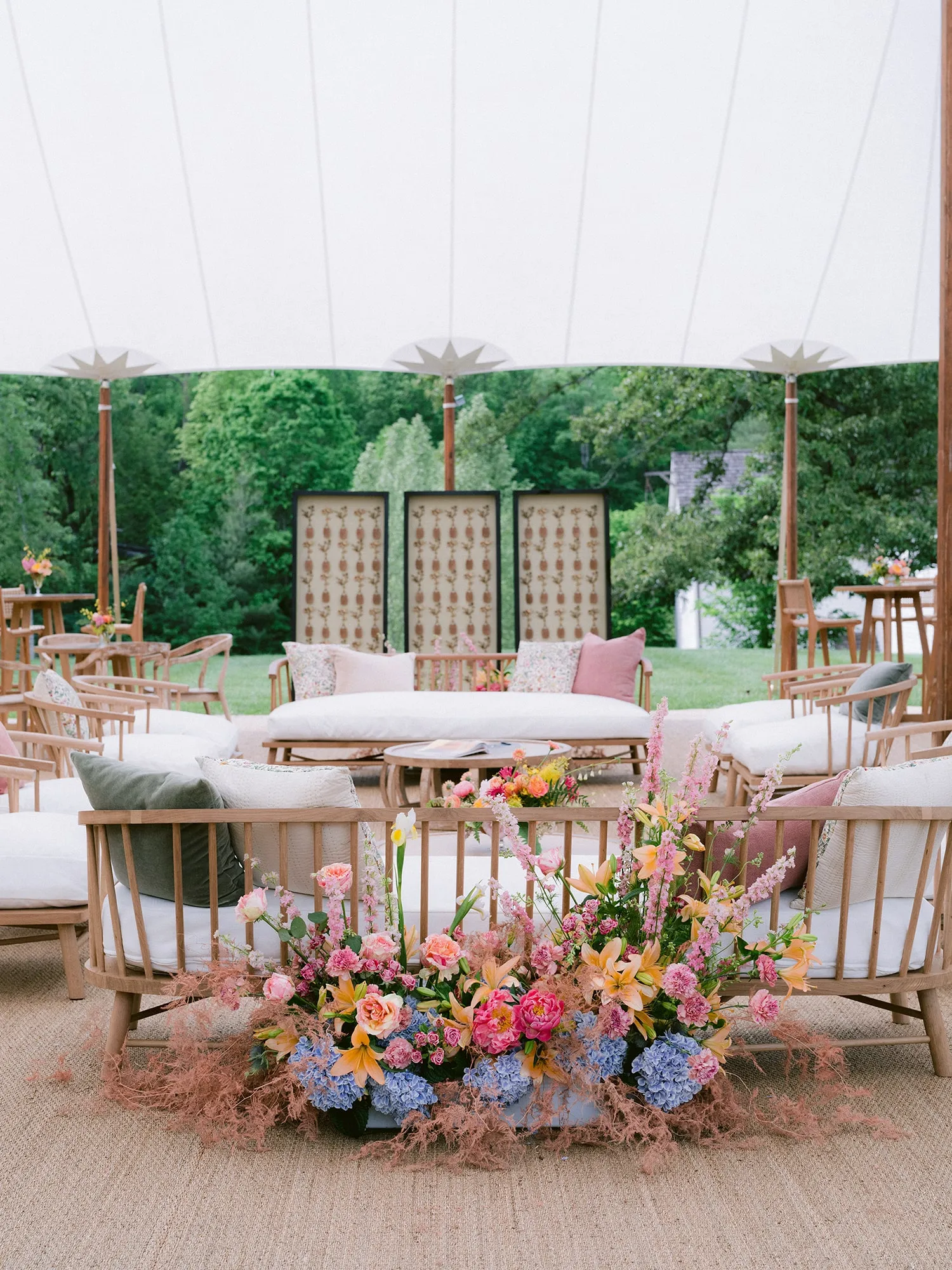
Temperature control is only one part of creating a comfortable wedding experience. The layout of the tent, flooring selection, and preparation for changing weather all work together to maintain a pleasant environment throughout the celebration. A well-designed event space promotes better airflow, reduces heat buildup, and keeps guests comfortable from the ceremony through the evening reception.
Planning ahead also allows couples to adapt quickly if temperatures become warmer or cooler than expected. Combining climate control equipment with thoughtful venue design creates a flexible solution for unpredictable early fall weather.
Optimizing Tent Layout and Flooring
The way a tent is arranged can significantly affect indoor temperatures. Wide walkways, properly positioned entrances, and evenly spaced seating help improve air circulation while preventing overcrowded areas that trap heat.
Flooring also contributes to overall comfort. Insulated flooring systems and full wood flooring help regulate temperature beneath guests’ feet while providing a stable, attractive surface for dining, dancing, and socializing.
Practical Ways to Improve Guest Comfort
Several simple planning decisions can make a noticeable difference throughout the event.
Consider incorporating:
Open layouts that maximize airflow.
Wide entrances for natural ventilation.
Insulated flooring for temperature control.
Full wood flooring for comfort and stability.
Tent sidewalls for changing weather conditions.
Backup heating and cooling equipment.
Open layouts that maximize airflow.
Wide entrances for natural ventilation.
Insulated flooring for temperature control.
Full wood flooring for comfort and stability.
Tent sidewalls for changing weather conditions.
Backup heating and cooling equipment.
These measures help maintain a comfortable atmosphere regardless of changing outdoor temperatures.
Choosing the Right Tent for Climate Control
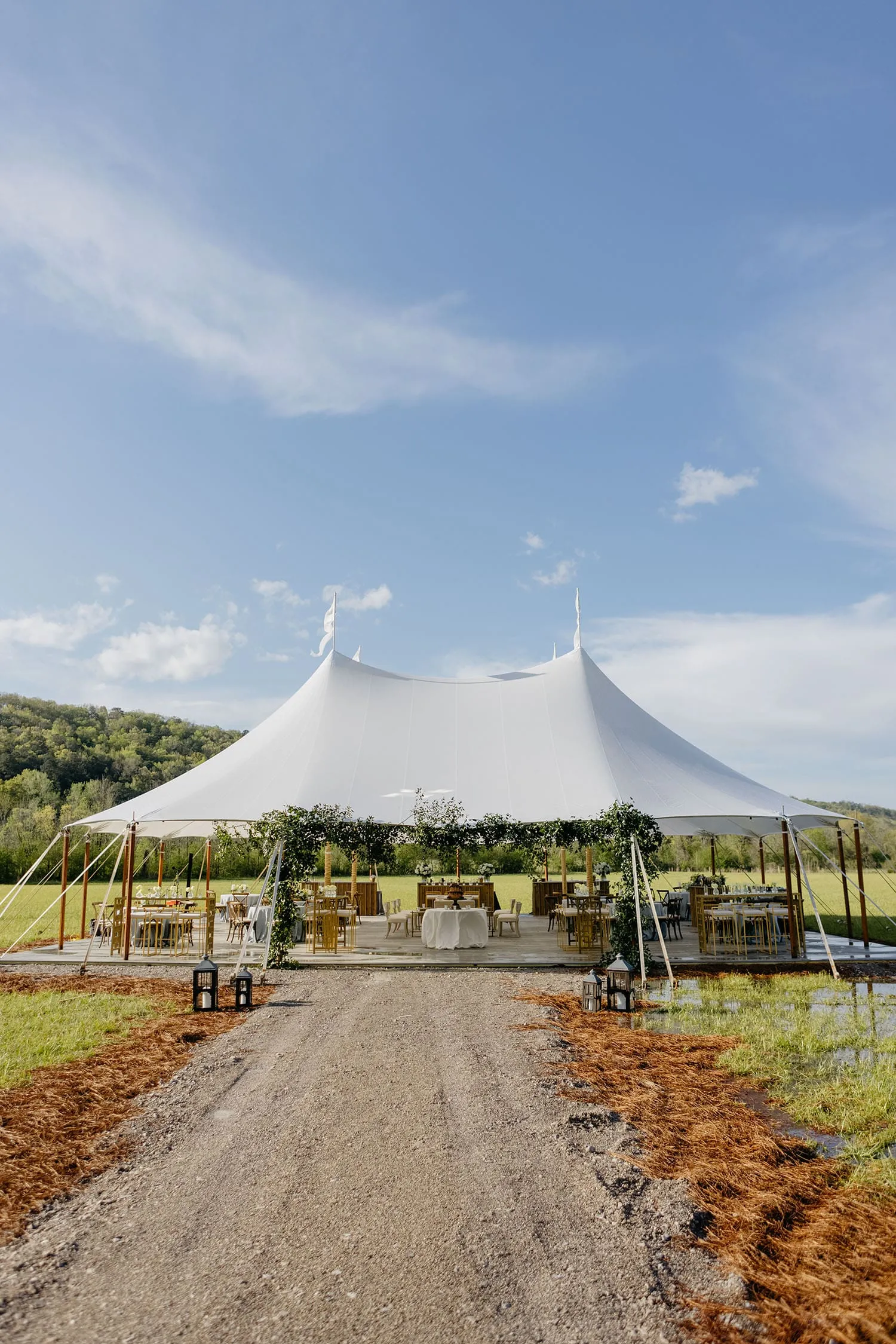
Different tent structures perform differently when it comes to managing indoor temperatures. Selecting the appropriate tent type makes it easier to integrate air conditioning, heating, and ventilation systems while maintaining the elegant appearance couples expect for their wedding.
Understanding how each structure supports climate control allows planners to select the best option based on guest count, venue conditions, and expected weather.
Comparing Popular Wedding Tent Styles
Clearspan tents are often the preferred choice for luxury weddings because they provide unobstructed interiors and excellent compatibility with air conditioning systems. Frame tents offer flexibility for a variety of venues, while sailcloth tents create a beautiful aesthetic that works well during mild weather with proper ventilation. We cover this further in Air Conditioned Tent Rentals for Backyard Summer Parties.
Each tent style can deliver excellent comfort when paired with professionally designed climate control solutions. Read more in Do You Need a Climate Controlled Tent for an Evening Summer Event.
Features That Improve Climate Performance
The effectiveness of air conditioning depends on both the equipment and the tent itself.
Important tent features include:
Strong insulation and weather protection.
Properly sealed sidewalls.
Ventilation openings for airflow management.
Space for air conditioning installation.
Flexible layouts for guest comfort.
Compatibility with heating systems.
Strong insulation and weather protection.
Properly sealed sidewalls.
Ventilation openings for airflow management.
Space for air conditioning installation.
Flexible layouts for guest comfort.
Compatibility with heating systems.
Selecting the right tent and integrating appropriate climate control equipment helps create a consistently comfortable environment throughout your early fall wedding celebration. You may also find Rain Contingency Planning: Keeping Fall Wedding Tents Dry helpful.
Weather Factors That Influence Tent Climate Control
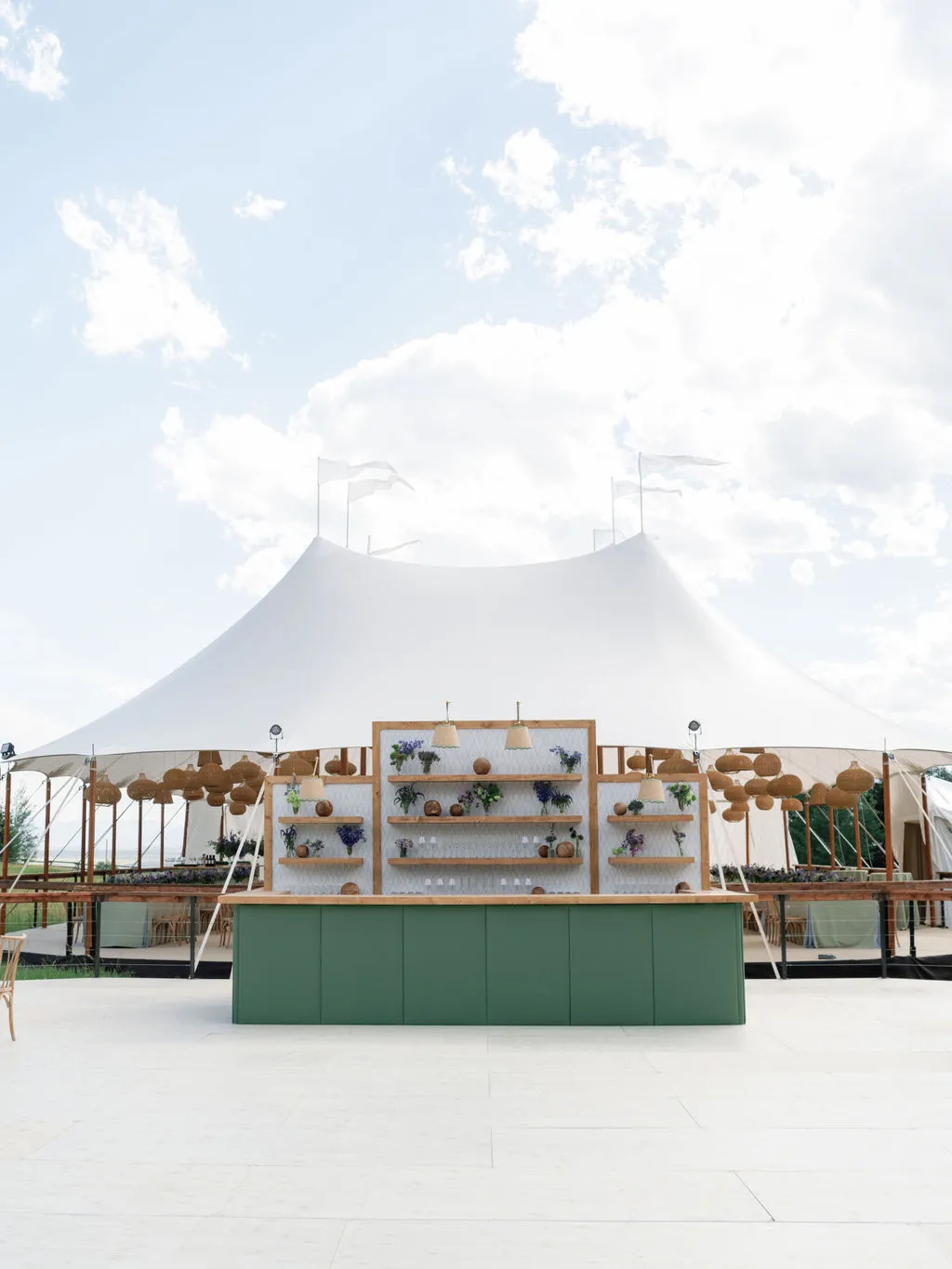
Even with the perfect venue and tent, weather remains one of the biggest variables for an early fall wedding. Afternoon sunshine, humidity, wind, and unexpected temperature drops can all affect how comfortable guests feel throughout the event. Evaluating these conditions in advance allows planners to select the right combination of cooling, heating, and ventilation systems. For more detail, see our article How to Plan a Weather-Proof Fall Tented Wedding.
Monitoring local forecasts in the days leading up to the wedding also provides valuable insight into whether additional climate control equipment may be needed. Being prepared for changing weather ensures guests remain comfortable regardless of what the season brings.
Evaluating Your Venue and Guest Count
The size of the venue and the number of attendees have a direct impact on climate control requirements. Larger guest counts naturally generate more body heat, while tents exposed to direct sunlight often require additional cooling compared to shaded locations.
Other site conditions, including wind direction, nearby trees, surrounding buildings, and proximity to water, should also be considered when designing an effective climate control strategy.
Factors That Affect Cooling Requirements
Several elements determine whether air conditioning should be included in your wedding plans.
Important considerations include:
Expected daytime and evening temperatures.
Local humidity levels.
Total guest count.
Tent size and ceiling height.
Sun exposure throughout the day.
Wind patterns and surrounding landscape.
Expected daytime and evening temperatures.
Local humidity levels.
Total guest count.
Tent size and ceiling height.
Sun exposure throughout the day.
Wind patterns and surrounding landscape.
Evaluating these factors helps planners create a climate control plan that keeps guests comfortable throughout the celebration.
Integrating Climate Control with Lighting and Flooring
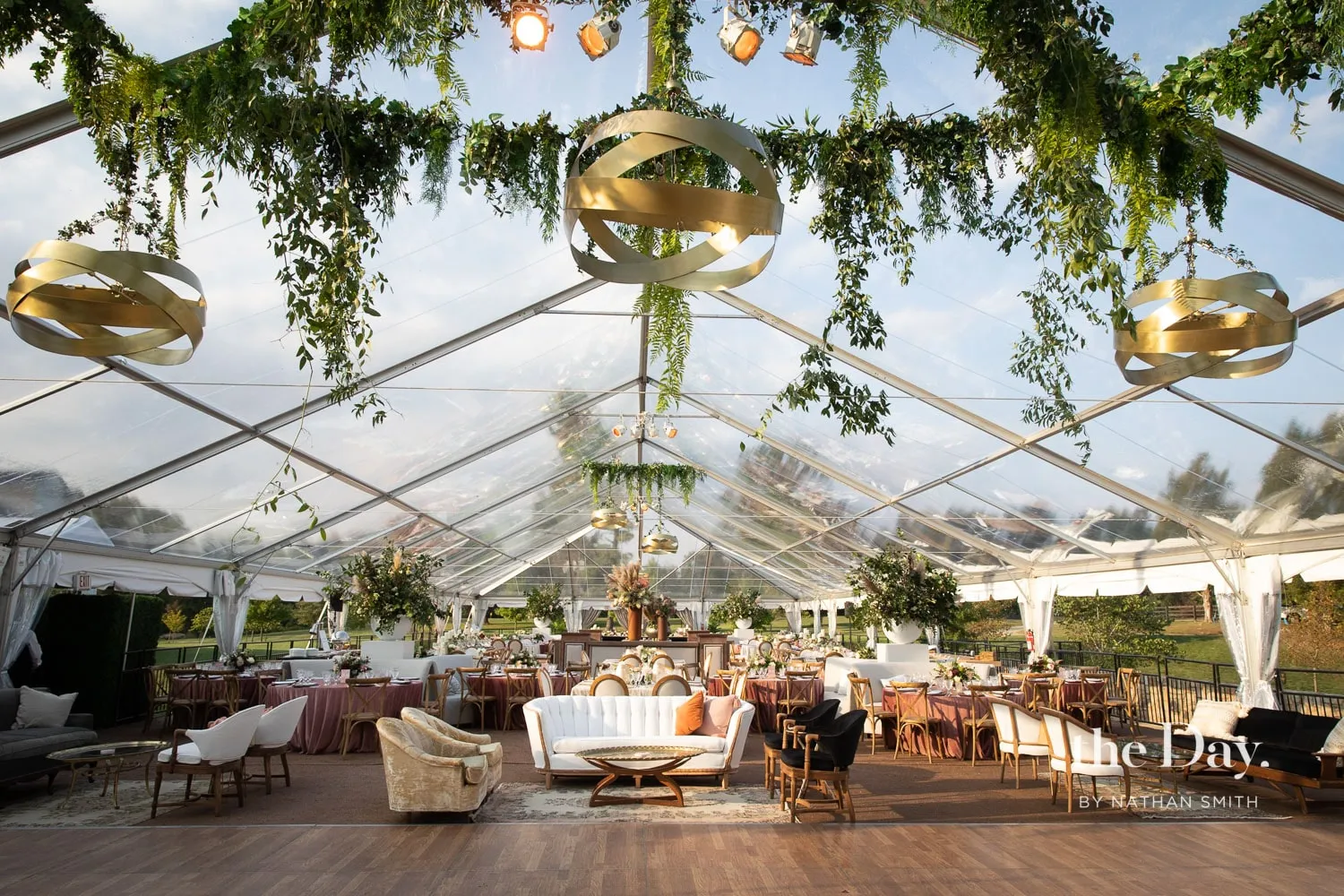
Climate management is most effective when every element of the tent works together. Flooring, lighting, insulation, and HVAC equipment all contribute to maintaining a comfortable indoor environment. Rather than relying solely on air conditioning, professional event planners design integrated systems that maximize efficiency while preserving the elegance of the venue.
Combining these elements creates consistent temperatures while enhancing both the functionality and appearance of the event space.
How Flooring and Lighting Affect Temperature
Energy-efficient lighting produces less heat than traditional fixtures, helping reduce the cooling load inside the tent. Likewise, insulated flooring and full wood flooring provide a comfortable walking surface while minimizing temperature fluctuations from the ground below.
Together, these features improve guest comfort without compromising the overall wedding design.
Best Practices for Balanced Climate Management
Professional planners often combine multiple solutions to achieve optimal results.
Recommended strategies include:
Install energy-efficient event lighting.
Use insulated or full wood flooring.
Select modular climate control systems.
Position equipment for even airflow.
Prepare backup heating for evening temperatures.
Consult experienced tent rental professionals.
Install energy-efficient event lighting.
Use insulated or full wood flooring.
Select modular climate control systems.
Position equipment for even airflow.
Prepare backup heating for evening temperatures.
Consult experienced tent rental professionals.
An integrated approach ensures the tent remains comfortable throughout changing weather conditions while creating an elegant setting for your early fall wedding.
Frequently Asked Questions
Do early fall weddings always require air conditioning?
Not always. The need for air conditioning depends on factors such as daytime temperatures, humidity, tent size, guest count, and the amount of direct sunlight the venue receives. Many early fall weddings benefit from cooling during the afternoon, even if evenings become cooler.
What type of tent works best with air conditioning?
Clearspan tents are generally the best option because they provide enclosed spaces that work efficiently with climate control systems. Frame tents also support air conditioning well, while sailcloth tents may require additional ventilation depending on weather conditions.
Can heating and air conditioning be used together?
Yes. Many professional tent climate control systems combine air conditioning for warm daytime temperatures with portable heaters for cooler evenings. This allows the indoor environment to remain comfortable throughout the event.
How does guest count affect cooling requirements?
Larger guest counts generate more body heat, which raises the temperature inside the tent. Weddings with more attendees often require larger or multiple air conditioning units to maintain consistent comfort.
Should climate control be planned in advance?
Absolutely. Climate control should be included during the early planning stages so the tent layout, ventilation, flooring, and HVAC equipment can all work together efficiently. Professional planning also allows for backup solutions if weather conditions change unexpectedly.
Keep Guests Comfortable Throughout Your Early Fall Wedding
An early fall wedding offers beautiful scenery and comfortable seasonal weather, but changing temperatures can quickly affect the guest experience. By combining the right tent structure with professional air conditioning, heating, ventilation, and flooring solutions, couples can create an elegant environment that remains comfortable from the ceremony through the final dance.
Skyline Tent Company provides luxury tent rentals, professional climate control systems, clearspan, frame, and sailcloth tents, premium flooring, lighting, and complete event solutions for weddings of every size. Our experienced team helps couples plan outdoor celebrations that are both beautiful and comfortable in every season.
Contact Skyline Tent Company today to find the ideal tent and climate control solution for your early fall wedding and create an unforgettable celebration for every guest. Our tent rental FAQs cover the questions hosts ask most.