
Installing a large event tent on pavement, concrete, asphalt, or another hardtop surface requires careful planning because traditional staking may not always be practical. Wind exposure, tent size, structural design, ballast placement, anchoring methods, and local safety requirements all influence how securely the structure performs. Wind ratings help planners understand how a tent has been evaluated against anticipated wind forces, while ballast systems provide essential stability when ground stakes cannot be used. Depending on the structure and site, ballast may include concrete blocks, water-filled weights, or specialized ballast bags positioned strategically around the tent. Effective installation also requires a detailed site assessment, proper tensioning, ongoing weather monitoring, and regular inspections throughout the event. Clearspan, frame, sailcloth, and clear-top tents each have different structural characteristics that can influence their anchoring requirements. By understanding how wind ratings and ballast work together, event planners can make more informed decisions when installing large tents on hard surfaces and create an event environment that prioritizes stability, functionality, and guest safety.
Understanding Wind Ratings for Large Tents on Hardtop Surfaces
Wind ratings are a critical consideration when planning large tent installations. They indicate how a tent structure has been evaluated against wind forces and help planners determine whether a particular structure is appropriate for expected environmental conditions.
The original content explains that wind ratings are established through standardized testing procedures that assess structural integrity. Tent design, material quality, anchoring methods, and anticipated wind conditions can all affect how a structure responds to wind.
How Wind Ratings Affect Tent Safety
A wind rating reflects the wind conditions a tent is designed and tested to withstand when installed according to its requirements. Understanding this information allows event professionals to select structures suited to the conditions anticipated at a particular venue.
Wind pressure does not affect every tent in exactly the same way. The structure’s size, shape, materials, anchoring configuration, and installation all contribute to its performance. Compliance with applicable local codes and regulations should therefore remain part of the planning process.
Monitoring Wind and Weather During an Event
Wind ratings do not eliminate the need for weather monitoring. Conditions can change quickly, especially at exposed outdoor venues, and event teams should remain aware of developing storms or sudden gusts.
The source recommends using weather apps, radar systems, and local forecasts to track changing conditions. Establishing a monitoring routine allows event professionals to respond proactively rather than waiting until severe weather has already reached the venue.
Several factors should be reviewed when evaluating wind conditions for a large hardtop tent installation. These considerations work together rather than independently, so planners should evaluate the complete installation and venue. A professional assessment can help determine what is appropriate for the specific structure.
Tent wind rating: Review the applicable structural rating and installation requirements.
Expected wind conditions: Consider forecasts and the venue’s typical exposure.
Tent design: Different structural profiles respond differently to wind forces.
Anchoring method: Ensure the securing system is compatible with the structure.
Local requirements: Review relevant regulations and safety standards.
Weather monitoring: Continue tracking conditions before and throughout the event.
Tent wind rating: Review the applicable structural rating and installation requirements.
Expected wind conditions: Consider forecasts and the venue’s typical exposure.
Tent design: Different structural profiles respond differently to wind forces.
Anchoring method: Ensure the securing system is compatible with the structure.
Local requirements: Review relevant regulations and safety standards.
Weather monitoring: Continue tracking conditions before and throughout the event.
Understanding these factors creates a stronger foundation for planning the ballast and anchoring system.
Ballast Requirements for Securing Tents on Hard Surfaces

Hardtop surfaces create a particular installation challenge because conventional deep staking may not be possible. When creating temporary event space on patios, parking areas, and hard surfaces, ballast can provide an alternative means of securing the structure by adding strategically positioned weight to resist movement.
The required ballast solution depends on the tent, site, installation method, and expected wind load. The source identifies water-filled weights, concrete blocks, and specialized ballast bags as possible options for hard-surface installations.
Choosing Ballast Materials for Large Event Tents
Concrete blocks can provide substantial weight for large installations, while water-ballasted solutions can offer practical logistical advantages in appropriate applications. Specialized ballast bags filled with materials such as sand or gravel are another option described in the source.
There is no single ballast material that is automatically appropriate for every event. Tent size and anticipated wind conditions affect the amount of weight required, making careful planning essential.
Why Ballast Distribution Matters
Having sufficient ballast is only part of the installation process. Its placement around the structure also influences how effectively loads are managed.
The original article emphasizes evenly distributing ballast around the tent perimeter. Strategic placement reduces the likelihood of concentrating excessive stress in one location and supports a more stable overall securing system.
Ballast planning should begin before equipment arrives at the venue. Planners need to understand both the structural requirements and practical limitations of the site. The following considerations can help guide the process without replacing structure-specific engineering or installation requirements.
Concrete blocks: Provide substantial ballast for suitable installations.
Water-filled weights: Can provide a flexible ballast option where appropriate.
Ballast bags: May use sand, gravel, or similar material to add securing weight.
Weight distribution: Ballast should be positioned according to the installation requirements.
Tent dimensions: Larger structures may have different ballast demands.
Wind exposure: Expected conditions influence the securing strategy.
Concrete blocks: Provide substantial ballast for suitable installations.
Water-filled weights: Can provide a flexible ballast option where appropriate.
Ballast bags: May use sand, gravel, or similar material to add securing weight.
Weight distribution: Ballast should be positioned according to the installation requirements.
Tent dimensions: Larger structures may have different ballast demands.
Wind exposure: Expected conditions influence the securing strategy.
The final ballast system should be based on the specific tent and site rather than a generic weight recommendation.
Anchoring and Tensioning Large Tents on Pavement

Ballast is often central to hardtop installations, but the broader anchoring and tensioning system also plays an important role. Large tents must resist horizontal and other wind-related forces while maintaining the intended structural configuration. For more detail, see our article Comparing Wind Handling: Sailcloth Tents and Regular Tents.
The source discusses heavy-duty anchors, guy lines, and proper tensioning as methods that can contribute to stability. The exact configuration depends on the tent design and installation conditions. For more detail, see our article Comprehensive Guide to Event Tent Rental Insurance.
Heavy-Duty Anchoring Methods
Heavy-duty anchors can provide additional support for appropriate hard-surface applications. Selecting an anchor requires understanding the structure, available installation options, and expected loads.
Professional installers should determine which securing method is compatible with the specific surface and tent system. Using an unsuitable anchor simply because it is convenient can compromise the effectiveness of the overall installation.
Guy Lines and Proper Tent Tension
Guy lines can increase resistance against horizontal forces when incorporated correctly into the securing system. Proper tension helps the tent maintain its intended structural form rather than allowing excessive movement. Read more in 7 Proven Methods to Secure Your Tent Against Strong Winds.
The source also recommends checking and adjusting tension as conditions change. Regular attention to guy lines and attachment points can identify issues early and allow appropriate action during the event.
Matching Tent Type and Site Conditions to Ballast Planning
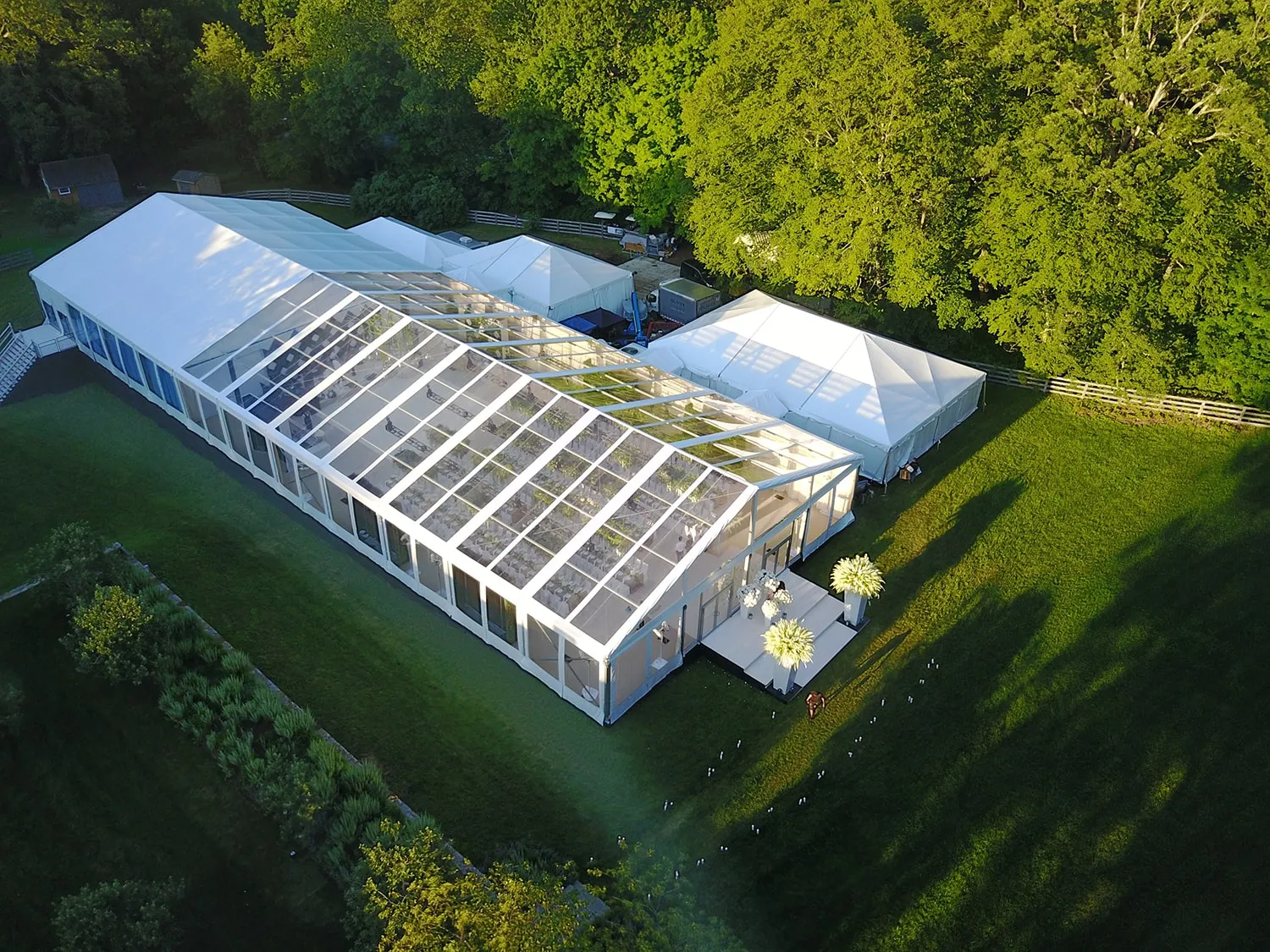
Clearspan, frame, sailcloth, and clear-top tents have different structural characteristics. These differences influence layout possibilities and can also affect the approach to ballast and anchoring on hard surfaces.
The original content notes that all these tent types can be secured effectively on hardtop surfaces, but their designs create different securing requirements. Selecting the structure should therefore account for both event aesthetics and installation conditions.
Clearspan, Frame, Sailcloth, and Clear-Top Tents
Clearspan tents provide expansive interiors without interior poles, making them particularly useful for events requiring unobstructed layouts. Frame tents rely on aluminum or steel frameworks and provide flexible positioning.
Sailcloth tents are recognized for their translucent material and elegant appearance. Clear-top tents combine frame-style characteristics with transparent roofs, creating a distinctive atmosphere while also requiring careful attention to secure anchoring.
Assessing Hardtop Conditions Before Installation
A site assessment should evaluate more than whether the surface is concrete or asphalt. Terrain characteristics, drainage, environmental hazards, available installation space, and wind exposure can all influence the setup. These considerations are also important when planning temporary infrastructure for fall events.
The source specifically identifies surface material, terrain features, drainage issues, and environmental hazards as factors to assess before installation. Guest count and venue logistics can also influence tent size and corresponding ballast requirements.
A thorough site assessment gives planners and installers the information needed to develop a more appropriate securing strategy. It should take place before the final installation plan is confirmed. Particular attention should be given to conditions that could affect either structural stability or event operations.
Surface material: Identify whether the tent will sit on concrete, asphalt, or another hard surface.
Wind exposure: Evaluate how exposed the location is to changing wind conditions.
Drainage: Determine whether water could collect around ballast or event infrastructure.
Available footprint: Confirm there is adequate room for the structure and securing system.
Guest count: Ensure the selected tent dimensions support the required capacity and layout.
Event infrastructure: Consider how flooring, lighting, and climate equipment affect installation planning.
Surface material: Identify whether the tent will sit on concrete, asphalt, or another hard surface.
Wind exposure: Evaluate how exposed the location is to changing wind conditions.
Drainage: Determine whether water could collect around ballast or event infrastructure.
Available footprint: Confirm there is adequate room for the structure and securing system.
Guest count: Ensure the selected tent dimensions support the required capacity and layout.
Event infrastructure: Consider how flooring, lighting, and climate equipment affect installation planning.
Accounting for these conditions helps integrate tent selection, ballast, and event logistics into one coordinated plan. Reviewing premium tent flooring materials and finishes can also help planners coordinate flooring decisions with the overall tent installation.
Maintaining Tent Stability, Compliance, and Safety During the Event

A secure installation requires attention throughout the event, not only during initial setup. Changing weather, tension adjustments, ballast movement, or other site conditions can affect the installation after guests arrive.
Regular inspections, regulatory compliance, and emergency planning therefore form an important part of large-tent management.
Inspecting Ballast, Anchors, and Structural Components
The original article recommends inspecting anchor points, ballast placement, and structural components throughout the event. A checklist can help event teams perform these assessments consistently.
If an inspection identifies a developing problem, timely adjustment may help prevent it from becoming a larger concern. Evaluating anchor placement and ballast distribution is particularly important when wind conditions change.
Local Regulations and Severe Weather Preparedness
Local tent regulations may establish requirements involving wind loads, anchor resistance, occupancy, and other safety considerations. Event planners should understand which requirements apply to their particular venue and installation.
An emergency preparedness plan is equally important. Staff should understand procedures for severe weather and other unexpected situations so that decisions can be implemented efficiently when conditions require action.
Frequently Asked Questions
What does a wind rating mean for a large event tent?
A wind rating relates to how the structure has been evaluated against wind forces under specified conditions. Tent design, materials, anchoring, and applicable installation requirements all contribute to performance.
How are large tents secured on concrete or pavement?
Hardtop installations can use ballast systems and appropriate anchoring techniques when conventional staking is unsuitable. The source identifies concrete blocks, water-filled weights, specialized ballast bags, heavy-duty anchors, and guy-line systems among the available approaches.
How much ballast does a large tent need?
The source does not provide one universal ballast weight. It states that requirements can vary based on tent size and expected wind conditions, so the appropriate amount should be determined for the specific structure and installation.
Can clearspan and sailcloth tents be installed on hardtop surfaces?
Yes. The source states that different tent types can be secured on hard surfaces, although their designs dictate different ballast and anchoring requirements.
Should tent ballast be inspected during an event?
Yes. Regular inspections should include ballast placement, anchor points, structural components, and tension. Monitoring becomes particularly important when weather conditions change.
Secure Your Hardtop Tent Installation with Skyline Tent Company
Installing a large tent on pavement or another hardtop surface requires a coordinated approach to wind ratings, ballast, anchoring, tensioning, site conditions, weather monitoring, and regulatory compliance. Properly securing the structure begins with understanding the venue and tent design, then developing an installation strategy suited to the expected conditions. When you are ready to plan your tent, request a quote from the Skyline team.
Skyline Tent Company provides professional consultation for installation challenges involving large event tents and hard surfaces. Experienced guidance can help planners evaluate tent options, site characteristics, ballast strategies, and other infrastructure requirements while keeping safety and event functionality at the center of the installation plan. For more detail, see our article Permitting and Safety for Large Event Tents in Summer Storms.
Contact Skyline Tent Company today to discuss your venue, tent size, hardtop surface, and event requirements. Our team can help you plan a professionally executed tent installation designed to support the stability, sophistication, and seamless guest experience your event demands. Our tent rental FAQs cover the questions hosts ask most.