
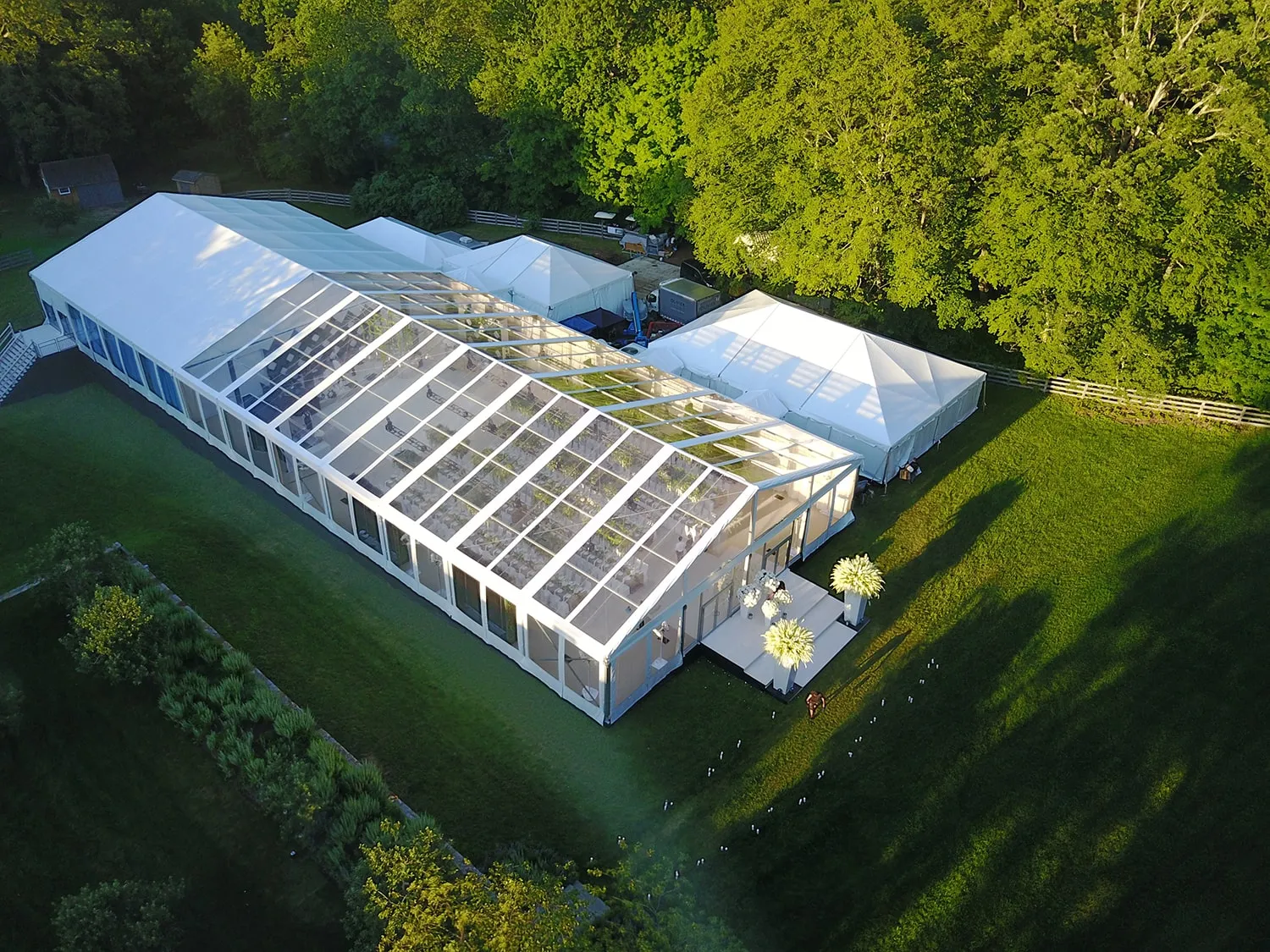
Autumn is one of the most popular seasons for waterfront weddings, corporate gatherings, and private celebrations. The combination of cooler temperatures and stunning coastal scenery creates an unforgettable setting, but it also brings stronger and more unpredictable winds. Unlike inland venues, coastal locations are exposed to frequent gusts that can place significant pressure on tent sidewalls, making proper installation essential for both guest safety and event success. Without the right anchoring methods and wind-resistant materials, loose sidewalls can flap excessively, place strain on the tent frame, and reduce overall structural stability.
Successfully securing tent sidewalls requires more than simply attaching panels to the tent. Every installation should begin with evaluating the venue, selecting the appropriate tent structure, using commercial-grade anchoring systems, and monitoring weather conditions before the event begins. Professional installation helps minimize wind-related risks while creating a comfortable environment for guests throughout the celebration. This guide explains the best techniques, materials, and planning strategies for securing tent sidewalls against autumn coastal winds so your event remains safe, elegant, and weather-ready.
Why Tent Sidewalls Need Extra Protection in Autumn Coastal Winds
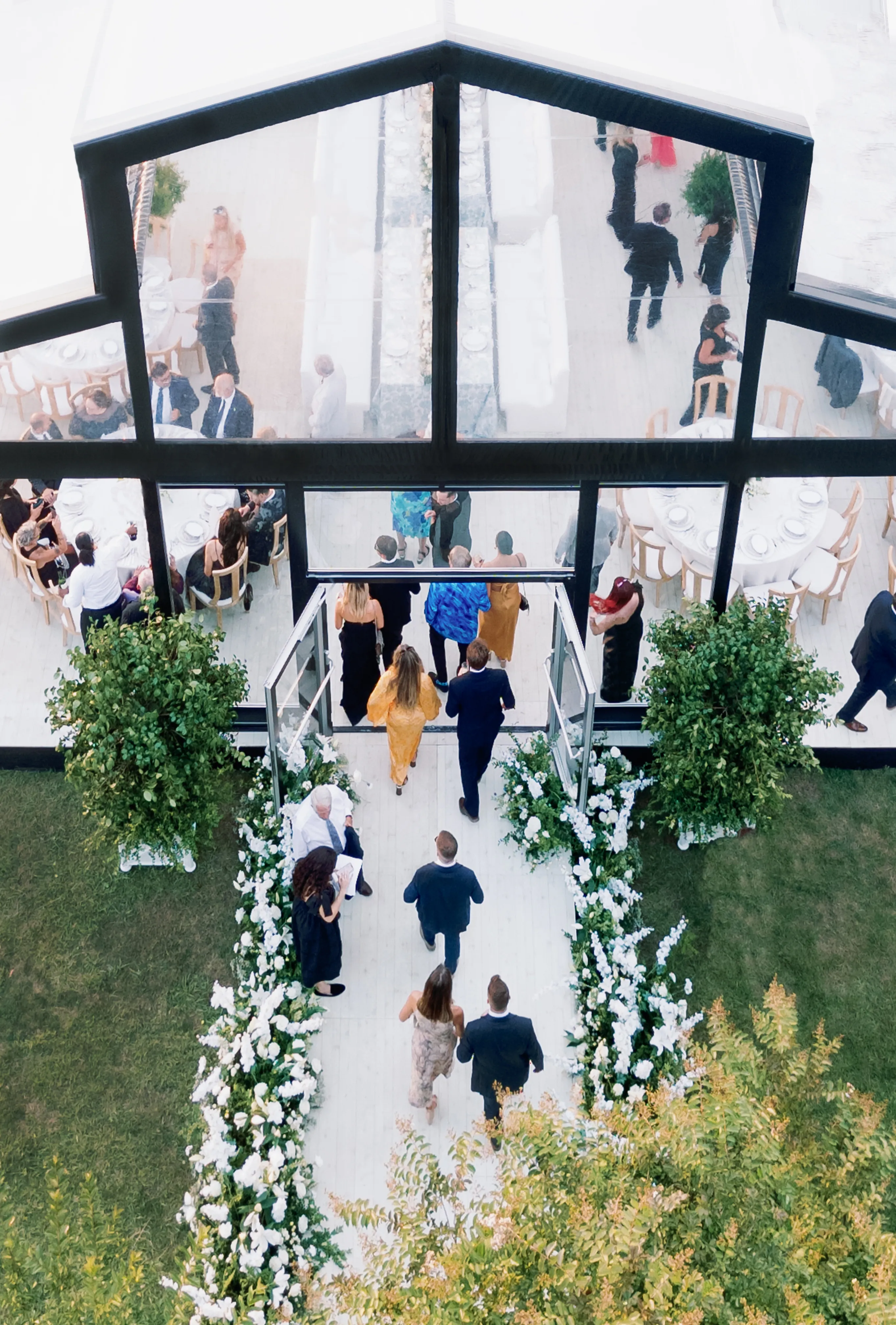
Autumn coastal weather is highly unpredictable. Calm mornings can quickly give way to strong afternoon gusts, while changing tides and open shorelines expose tents to continuous wind pressure. Because sidewalls cover the largest vertical surface of the tent, they experience far more wind resistance than many other components.
Understanding how wind interacts with tent sidewalls helps event planners prepare for changing conditions before installation begins. Proper planning significantly reduces the likelihood of sidewall movement, structural stress, and unnecessary repairs during the event.
How Coastal Wind Conditions Affect Tent Sidewalls
Strong coastal winds create constant pressure against tent panels. If sidewalls are not evenly tensioned, the fabric begins to flap repeatedly, creating additional stress on the attachment points and tent frame. Over time, this movement can loosen anchors and reduce the overall stability of the structure.
Professional installers evaluate prevailing wind direction before positioning the tent, helping create a luxury fall wedding tent layout that works with the environment rather than against it.
Common Causes of Sidewall Failure During Fall Events
Most sidewall issues are preventable with proper preparation. Weak anchoring systems, loose connections, and poor-quality materials are among the most common reasons sidewalls fail during windy conditions.
Routine inspections before guests arrive also allow crews to identify loose connections or damaged components before weather conditions worsen.
Best Sidewall Anchoring Techniques for Coastal Wind Protection
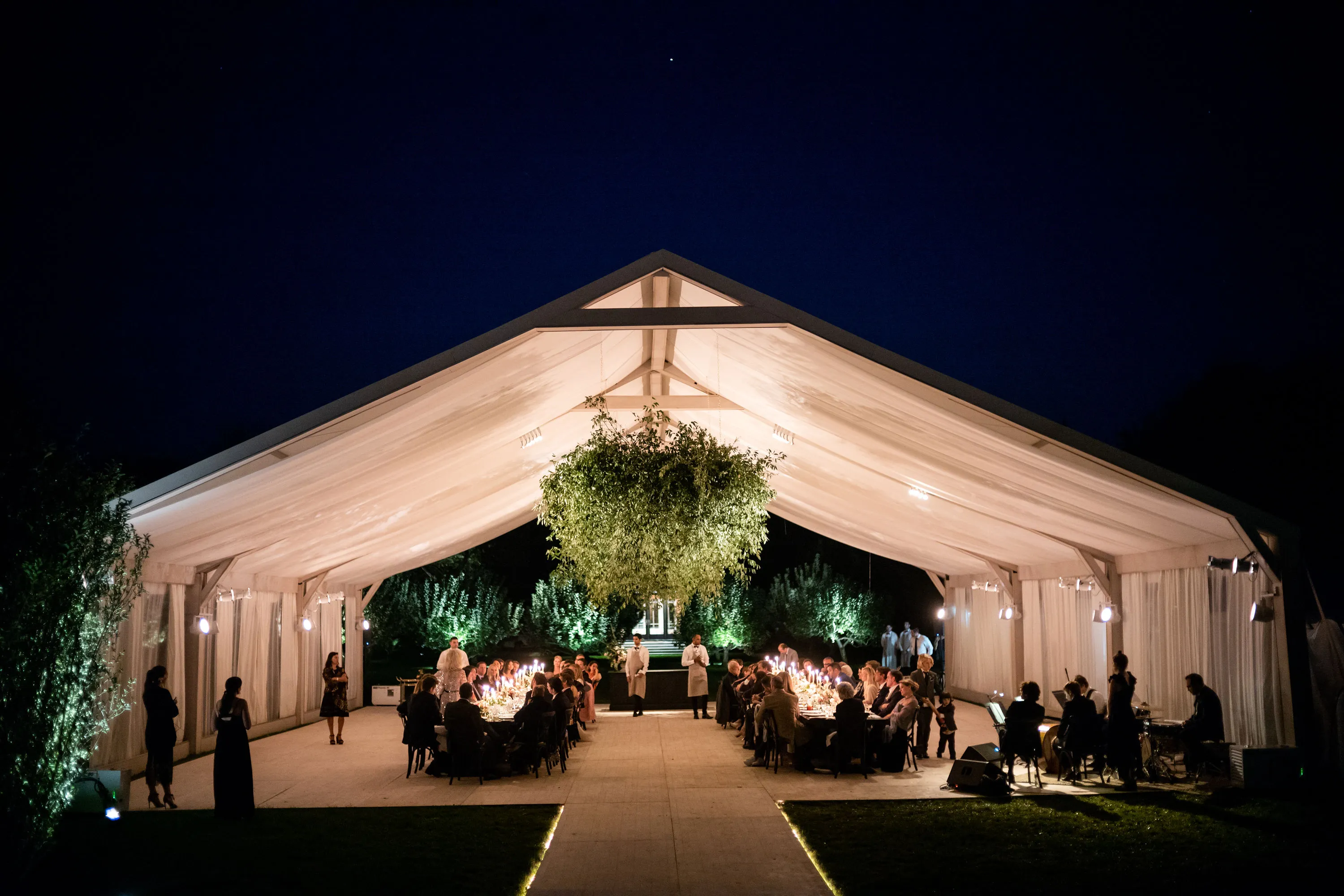
Proper anchoring is the single most important factor in securing tent sidewalls against autumn coastal winds. Commercial-grade anchoring systems are designed to distribute wind loads evenly throughout the structure, reducing stress on both the tent frame and the sidewall panels. When combined with professional tensioning methods, these systems create a stable installation capable of handling changing weather conditions.
No single anchoring method works for every venue. Sandy beaches, grassy lawns, and compact soil all require different solutions to achieve maximum holding strength. Selecting the correct system based on site conditions greatly improves safety and long-term performance.
Using Heavy-Duty Anchors and Guy Lines
Heavy-duty anchors create the foundation of every secure tent installation. Depending on the surface, professionals may use auger anchors, commercial stakes, or engineered anchoring systems specifically designed for coastal environments.
Guy lines further improve stability by distributing wind forces across multiple anchor points rather than concentrating pressure in a single location.
Proper Tensioning Methods to Reduce Sidewall Movement
Proper tensioning keeps sidewalls secure throughout the event. Evenly tensioned panels minimize flapping, reduce wear on attachment points, and help the tent maintain its structural integrity during periods of sustained wind.
Before selecting an anchoring method, it’s important to understand the techniques that contribute most to long-term stability in coastal environments.
The most effective sidewall anchoring practices include:
Install heavy-duty anchors suited to the site’s soil conditions.
Use guy lines to evenly distribute wind loads.
Maintain proper tension across every sidewall panel.
Inspect anchoring systems before guests arrive.
Recheck sidewall connections throughout the event.
Adjust tension if weather conditions change.
Install heavy-duty anchors suited to the site’s soil conditions.
Use guy lines to evenly distribute wind loads.
Maintain proper tension across every sidewall panel.
Inspect anchoring systems before guests arrive.
Recheck sidewall connections throughout the event.
Adjust tension if weather conditions change.
Following these best practices creates a more secure tent installation while helping sidewalls withstand the challenges of autumn coastal winds.
Choosing the Right Materials to Secure Tent Sidewalls
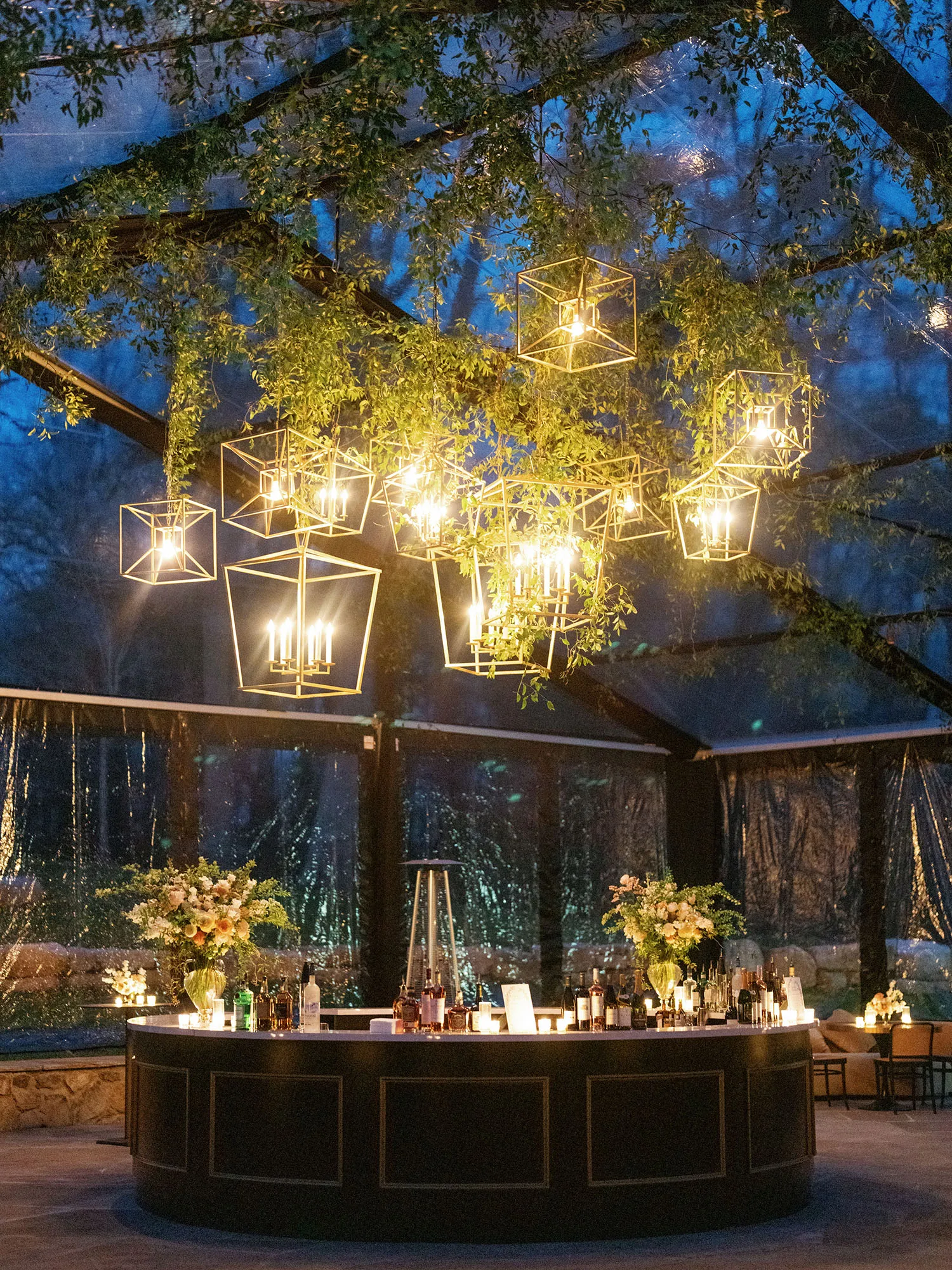
The strength of a tent sidewall system depends on more than proper installation. The materials used for sidewalls, anchors, straps, and hardware all contribute to how well the structure performs during strong coastal winds. High-quality commercial-grade materials are engineered to withstand repeated stress, resist weather-related wear, and maintain structural integrity throughout the event.
Investing in durable components reduces the risk of tearing, loose connections, and equipment failure when wind conditions become unpredictable. Professional tent providers carefully match materials to the venue and expected weather, ensuring every component works together to create a secure installation.
Wind-Resistant Sidewall Fabrics
Not all tent fabrics offer the same level of wind resistance. When choosing between clear and solid tent sidewalls, planners should consider reinforced materials that maintain their shape under pressure while resisting stretching and tearing. These fabrics also provide reliable protection from rain, allowing guests to remain comfortable even when coastal weather changes unexpectedly.
Choosing professionally rated sidewall materials ensures the tent can withstand repeated exposure to wind without compromising its appearance or performance.
Anchoring Hardware for Sandy and Coastal Terrain
Coastal venues often feature loose sand, soft soil, or uneven ground that requires specialized anchoring equipment. Heavy-duty stakes may perform well in compact surfaces, while sandy environments typically require auger anchors or engineered systems capable of achieving greater holding strength.
Using the correct anchoring hardware improves sidewall stability while reducing movement during sustained wind exposure.
Before selecting installation equipment, event planners should evaluate which materials are most appropriate for the venue and expected weather conditions.
Recommended materials include:
Commercial-grade wind-resistant sidewall fabric.
Heavy-duty stakes for compact ground conditions.
Auger anchors for sandy coastal locations.
Ratchet straps for maintaining sidewall tension.
Reinforced attachment hardware and connectors.
Professional maintenance tools for routine inspections.
Commercial-grade wind-resistant sidewall fabric.
Heavy-duty stakes for compact ground conditions.
Auger anchors for sandy coastal locations.
Ratchet straps for maintaining sidewall tension.
Reinforced attachment hardware and connectors. You may also find Comprehensive Guide to Event Tent Rental Insurance helpful.
Professional maintenance tools for routine inspections.
Using quality materials from the start helps create a stronger, safer tent installation that performs reliably throughout autumn coastal events. Read more in Clear Guide to Wedding Tent Installation Regulations FAQs.
Selecting Tent Structures That Support Secure Sidewalls
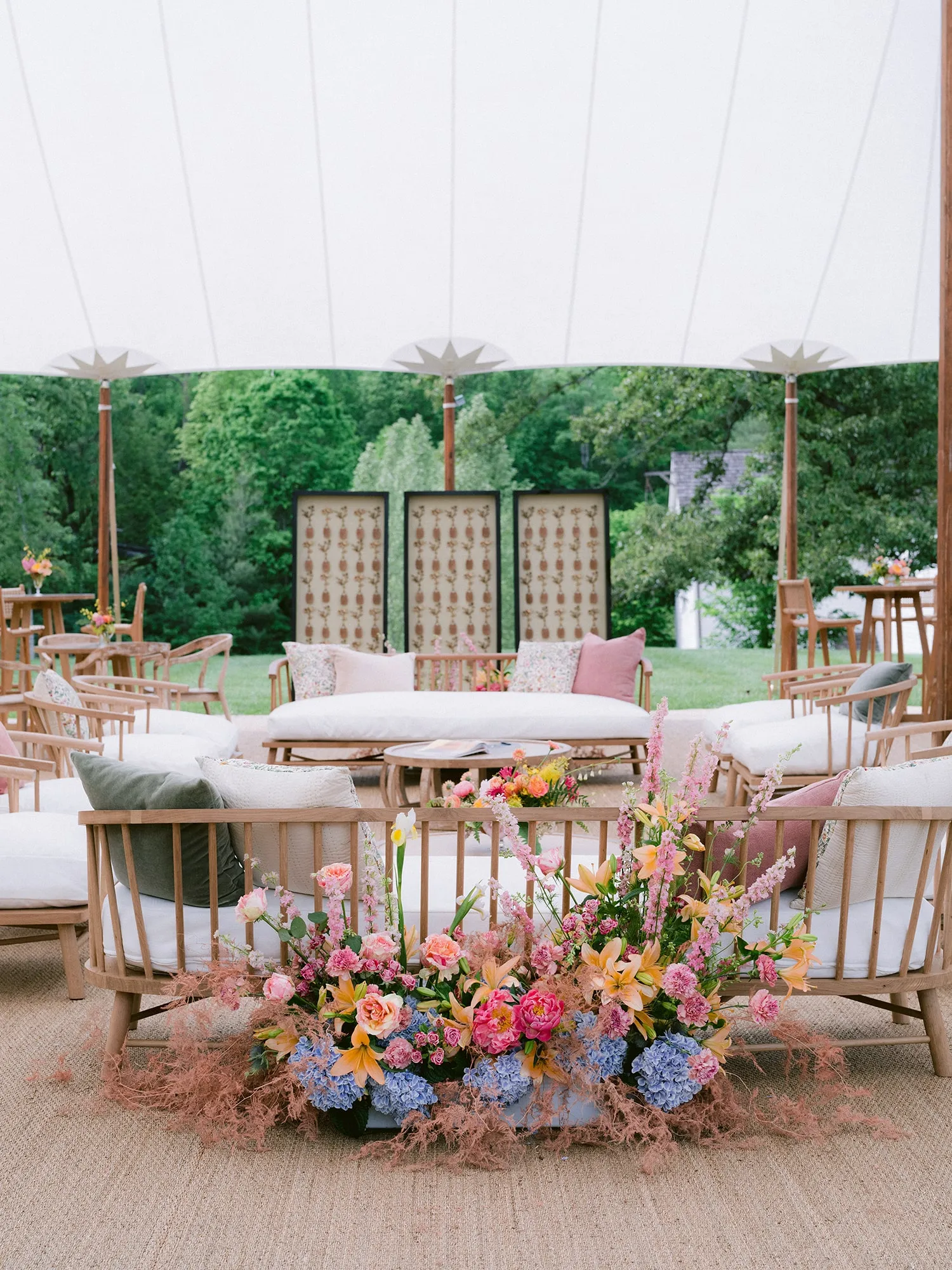
While sidewalls and anchoring systems are essential, the tent structure itself also influences overall wind resistance. Some tent designs distribute wind loads more effectively than others, making them better suited for coastal environments where strong autumn winds are common. You may also find Anchoring & Safety for Beachfront Tent Installations helpful.
Choosing the appropriate structure allows sidewalls to remain properly tensioned while reducing stress on the overall framework. Working with experienced tent professionals ensures the selected structure matches the venue, guest count, and anticipated weather conditions. For more detail, see our article Choosing Between Staking and Anchoring for Event Tents.
Why Clearspan and Frame Tents Perform Better
Engineered clearspan structures for coastal events are widely recognized for their structural strength. Their engineered aluminum framework evenly distributes wind forces while eliminating interior support poles, providing both stability and unobstructed interior space.
Frame tents also perform exceptionally well because their rigid framework allows sidewalls to remain securely attached even during changing weather conditions. Their flexible installation options make them suitable for a variety of coastal venues.
Sailcloth and Century Tents in Coastal Conditions
Sailcloth and century tents remain popular for luxury weddings because of their elegant appearance and dramatic high peaks. However, these structures require professional anchoring and careful sidewall installation to maximize their wind resistance.
With proper engineering, quality anchoring systems, and regular inspections, both tent styles can perform successfully during autumn coastal events while maintaining the refined atmosphere expected at upscale celebrations.
Preparing Tent Sidewalls for Changing Coastal Weather
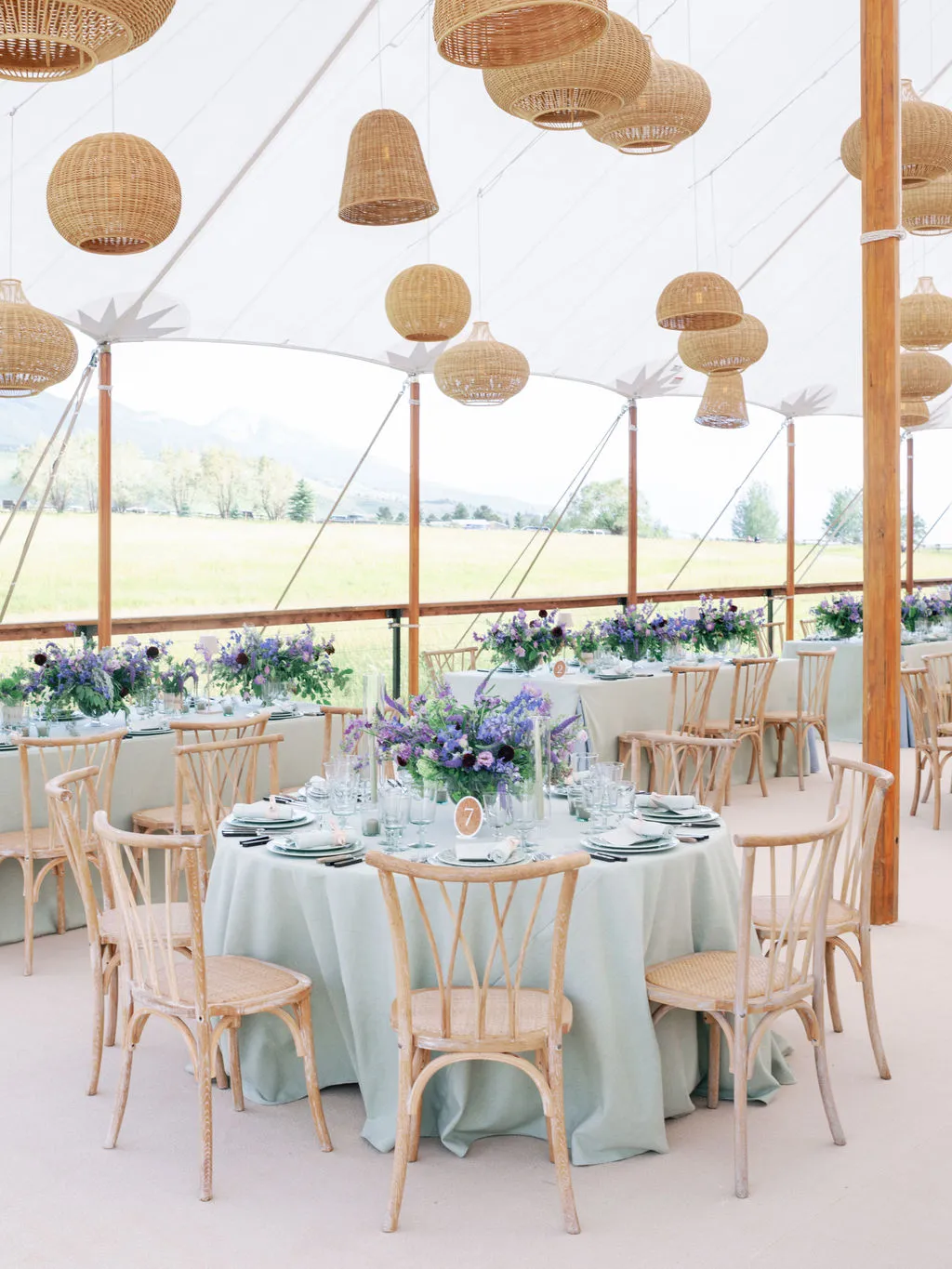
Even the strongest anchoring system requires ongoing preparation and monitoring throughout the event. Coastal weather can change rapidly during autumn, with increasing wind speeds, shifting wind direction, and sudden rain showers affecting tent stability. Preparing for these changes before installation allows sidewalls to perform as intended while minimizing the need for last-minute adjustments.
Professional event teams continually evaluate weather forecasts and site conditions before and during setup. This proactive approach helps identify potential risks early, allowing installers to strengthen anchoring systems or modify sidewall configurations before severe weather impacts the event.
Monitoring Wind Conditions Before Installation
Weather monitoring should begin several days before the event and continue throughout installation. Wind speed, wind direction, and forecast updates all influence how the tent should be positioned and how the sidewalls should be secured.
Evaluating natural windbreaks, nearby buildings, trees, and shoreline exposure also helps installers determine the safest orientation for the tent while reducing direct pressure on sidewall panels.
Safety Checks That Keep Sidewalls Secure
Proper preparation doesn’t end once the tent is installed. Regular inspections help identify loose anchors, worn straps, or changing ground conditions before they become safety concerns.
Before every coastal event, professional installation teams complete a series of inspections that help maintain the stability of the entire tent structure.
Important pre-event safety checks include:
Inspect all anchors and guy lines before opening the venue.
Confirm every sidewall panel is evenly tensioned.
Monitor weather forecasts throughout the event.
Check straps, connectors, and attachment hardware regularly.
Prepare an emergency weather response plan.
Train event staff to recognize potential wind-related issues.
Inspect all anchors and guy lines before opening the venue.
Confirm every sidewall panel is evenly tensioned.
Monitor weather forecasts throughout the event.
Check straps, connectors, and attachment hardware regularly.
Prepare an emergency weather response plan.
Train event staff to recognize potential wind-related issues.
Routine inspections significantly improve safety while helping tent sidewalls remain secure throughout changing autumn coastal weather.
Preventing Sidewall Damage During Strong Coastal Winds
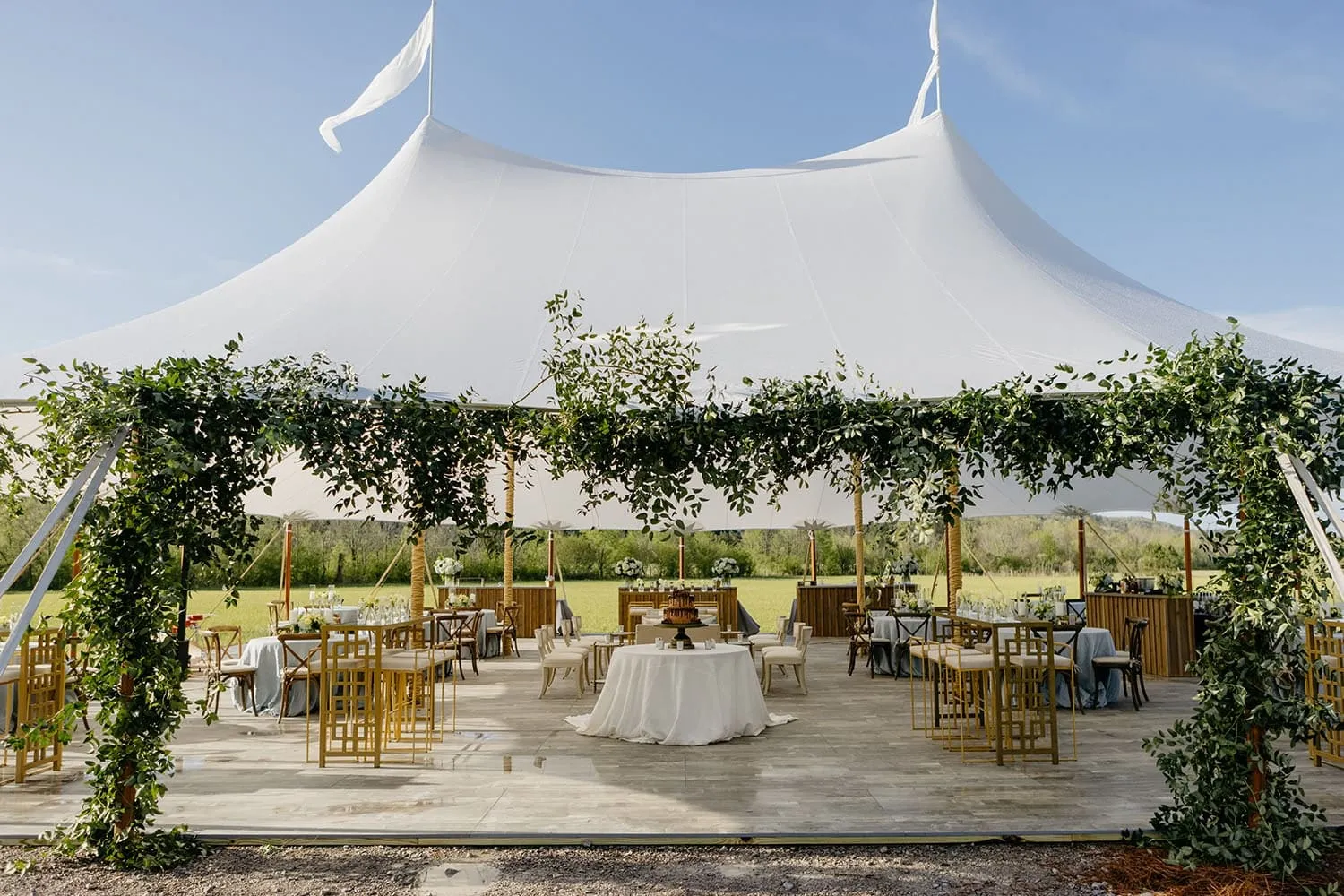
Preventing damage is far easier than repairing it during an event. Strong coastal winds place continuous stress on tent fabrics, attachment points, and anchoring systems, making preventative maintenance an essential part of every installation. Small adjustments made before the event often prevent larger structural issues later in the day.
Professional installers use proven maintenance procedures to preserve both the appearance and structural integrity of the sidewalls while reducing unnecessary wear caused by prolonged wind exposure.
Reducing Stress on Tent Sidewalls
Maintaining proper tension is one of the most effective ways to reduce stress on sidewall panels. Loose fabric creates excessive movement that weakens attachment points over time, while properly tensioned panels distribute wind pressure more evenly across the structure.
Routine inspections also allow installers to tighten hardware and replace worn components before they affect overall stability.
Why Professional Installation Makes a Difference
Securing tent sidewalls for coastal events requires specialized knowledge, commercial-grade equipment, and experience working in challenging weather conditions. Professional installation teams understand how different tent structures, anchoring systems, and site conditions interact during strong winds.
By combining proper engineering, premium materials, and ongoing inspections, experienced providers help ensure sidewalls remain secure while creating a safe and comfortable environment for every guest.
Frequently Asked Questions
What is the best way to secure tent sidewalls against coastal winds?
The most effective approach combines heavy-duty anchoring systems, properly tensioned sidewalls, commercial-grade hardware, and routine inspections. Professional installation ensures the tent is configured to handle changing wind conditions safely.
Which anchors work best for sandy coastal locations?
Auger anchors are commonly used for sandy or loose soil because they provide greater holding strength than standard stakes. The ideal anchoring system depends on the site’s ground conditions, wind exposure, and tent structure.
Should tent sidewalls remain closed throughout a windy event?
Not always. Sidewalls can be adjusted based on weather conditions. During calm periods, some panels may be opened to improve airflow, while stronger winds or rain may require all sidewalls to remain securely closed to maximize protection.
Which tent structures offer the best wind resistance?
Engineered clearspan and frame tents generally provide the highest level of wind resistance because of their rigid structural design. Century and sailcloth tents also perform well when professionally installed with the appropriate anchoring systems and sidewall support.
Why is professional installation important for coastal events?
Professional installers understand how coastal weather, soil conditions, wind direction, and tent engineering affect overall stability. Their expertise helps ensure sidewalls remain secure while maintaining a safe and comfortable environment for guests.
Protect Your Coastal Event with Expert Tent Solutions
Securing tent sidewalls against autumn coastal winds requires careful planning, professional installation, and commercial-grade equipment. From selecting the appropriate tent structure and anchoring system to maintaining proper sidewall tension and monitoring changing weather conditions, every detail contributes to a safer and more successful outdoor event. Taking these preventative measures helps protect your investment while ensuring guests remain comfortable regardless of coastal weather.
Whether you’re planning a waterfront wedding, corporate event, festival, or private celebration, Skyline Tent Company provides the expertise and premium event infrastructure needed for challenging coastal environments. Our team specializes in luxury tent rentals, engineered clearspan and frame tents, professional anchoring systems, weather-resistant sidewalls, and complete event solutions tailored to your venue and seasonal conditions. For a tent layout sized to your guest list, request a quote.
Contact Skyline Tent Company today to learn how our custom tent installations and expert coastal event solutions can help you create a secure, elegant, and unforgettable autumn celebration. Answers to common rental questions are in our tent rental FAQs.