
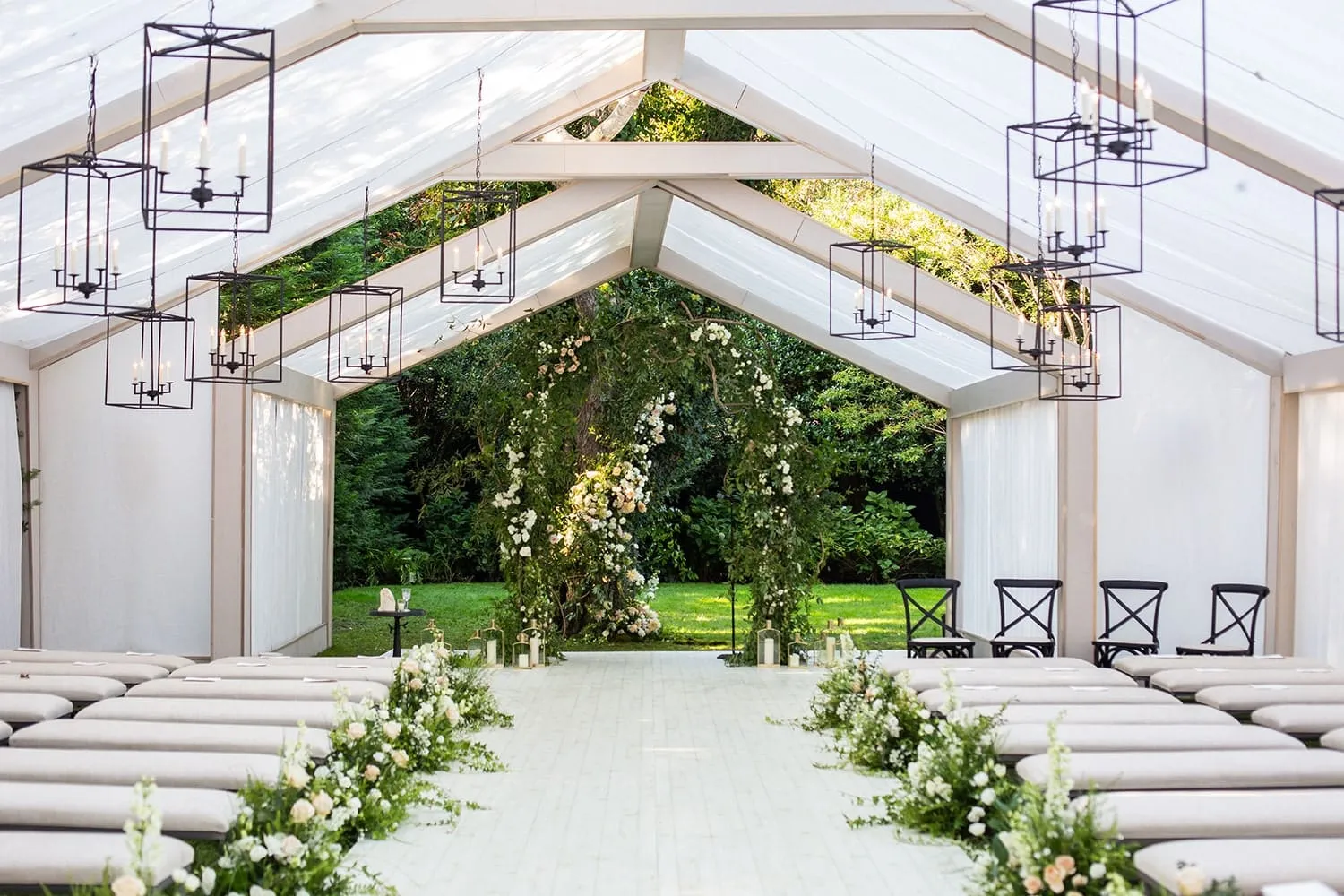
A fall wedding can create an unforgettable outdoor celebration, with cooler temperatures, seasonal scenery, and an elegant natural backdrop. However, autumn weather can also be unpredictable, and unexpected rain can quickly affect guest comfort, flooring, décor, electrical equipment, and the overall flow of an event. Effective rain contingency planning ensures your wedding tent remains a comfortable and protected space even when conditions outside change. The process begins with selecting a tent structure designed to provide dependable rain protection and continues with waterproofing, drainage, flooring, climate control, and careful site preparation. Clearspan and frame tents can provide particularly reliable coverage, while other luxury tent styles can also perform well when properly selected and professionally installed. By planning for wet weather before the wedding day, couples can preserve both the elegance and functionality of their celebration. The right combination of tent design, site logistics, moisture management, and professional installation helps keep guests dry while allowing the event to continue beautifully regardless of an autumn shower.
Choosing the Best Tent Structure to Keep a Fall Wedding Dry
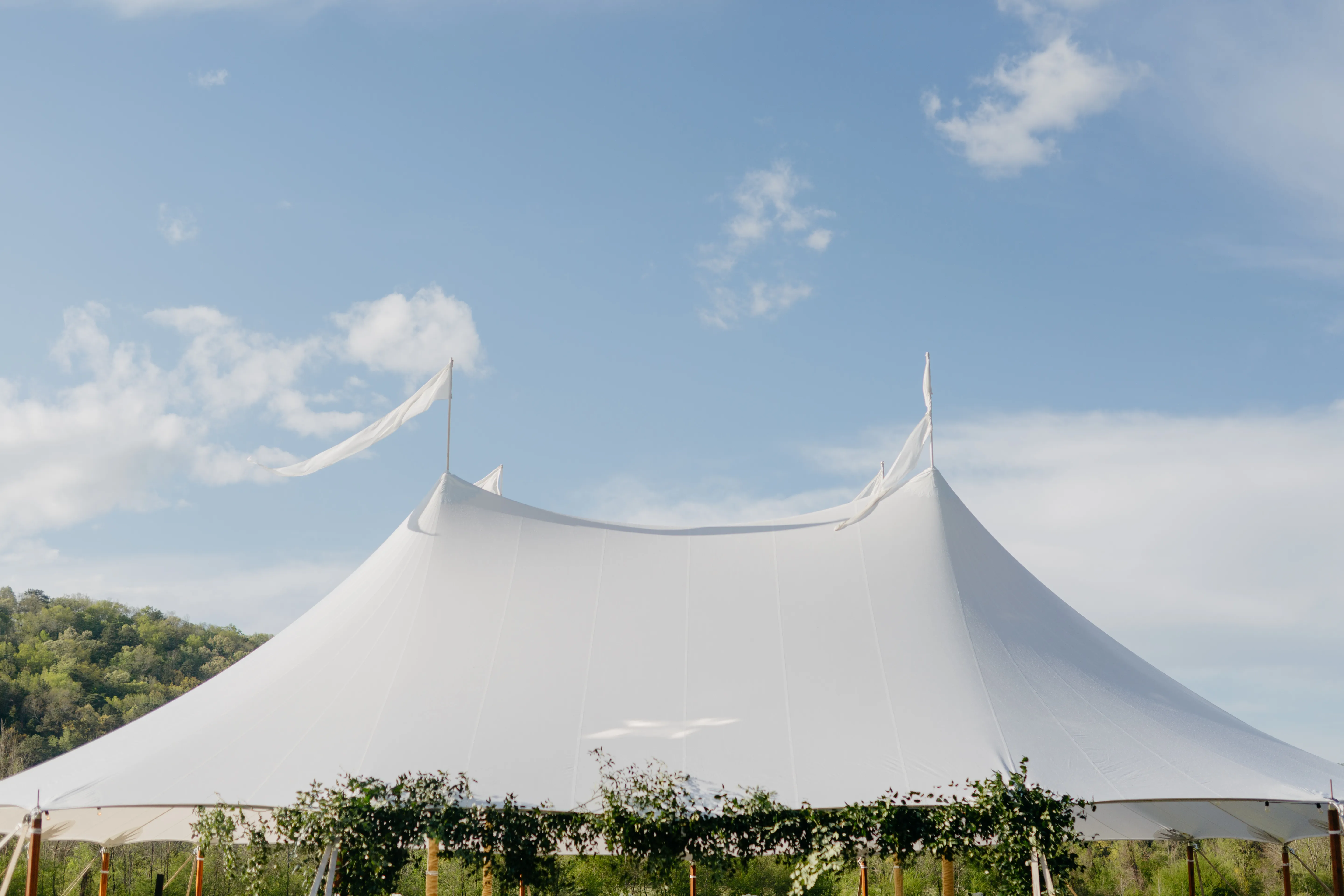
Choosing the appropriate structure is one of the first steps in creating a rain contingency plan. Different tents offer different levels of protection, flexibility, and aesthetic appeal, so the right option should reflect both the venue conditions and the desired wedding design.
Clearspan, frame, pole, sailcloth, and clear-top structures can all serve outdoor celebrations, but their designs respond differently to wet conditions. Understanding those differences allows couples and planners to choose a tent that supports the look of the wedding without overlooking rain protection.
Clearspan and Frame Tents for Reliable Rain Protection
Clearspan tents offer robust construction and an uninterrupted interior because they do not require center poles. The original article highlights their high-grade waterproof materials and flexible interior layout, making them a strong choice when rain protection is a priority. Their open interiors also leave ample room for tables, décor, dance floors, and other reception elements. Read more in The Best Tent Materials for Ultimate Weather Protection.
Frame tents provide similar versatility. Their metal frameworks create adaptable event spaces, while durable waterproof canopies help shield the interior from rain and wind. They can also be anchored in a variety of environments, which makes them useful for venues where site conditions require a flexible installation approach.
Sailcloth, Century Pole, and Clear-Top Tent Options
Couples who prioritize a distinctive aesthetic may also consider Century pole, sailcloth, or clear-top tents. Century pole tents offer traditional peaked profiles, although the original source notes that very wet conditions require careful consideration because pooling can increase the potential for leaks.
Sailcloth tents combine translucent fabric with an elegant atmosphere while repelling water, whereas clear-top tents preserve views of the sky and allow rainwater to move down their sloped surfaces. The appropriate choice should balance waterproof performance with the visual character of the wedding.
Several characteristics deserve particular attention when comparing structures for a rain-ready fall wedding. The tent needs to support the event aesthetically while providing dependable coverage for guests and equipment. Professional installation is equally important because even a quality structure depends on correct setup to perform effectively.
Important considerations include:
Waterproof materials: Choose tent materials designed to resist moisture and limit water penetration.
Secure structural design: Clearspan and frame structures provide strong frameworks suited to challenging conditions.
Proper roof slope: Sloped surfaces help move rainwater away instead of allowing it to collect.
Professional anchoring: Secure installation supports stability when rain arrives with wind.
Interior flexibility: Adequate space allows dining, dancing, and other activities to remain protected beneath the tent.
Venue compatibility: The tent should suit the terrain, available installation area, and drainage characteristics.
Waterproof materials: Choose tent materials designed to resist moisture and limit water penetration.
Secure structural design: Clearspan and frame structures provide strong frameworks suited to challenging conditions.
Proper roof slope: Sloped surfaces help move rainwater away instead of allowing it to collect.
Professional anchoring: Secure installation supports stability when rain arrives with wind.
Interior flexibility: Adequate space allows dining, dancing, and other activities to remain protected beneath the tent.
Venue compatibility: The tent should suit the terrain, available installation area, and drainage characteristics.
Considering these elements early gives couples a stronger foundation for the rest of their rain contingency plan.
Waterproofing Fall Wedding Tents Against Heavy Rain
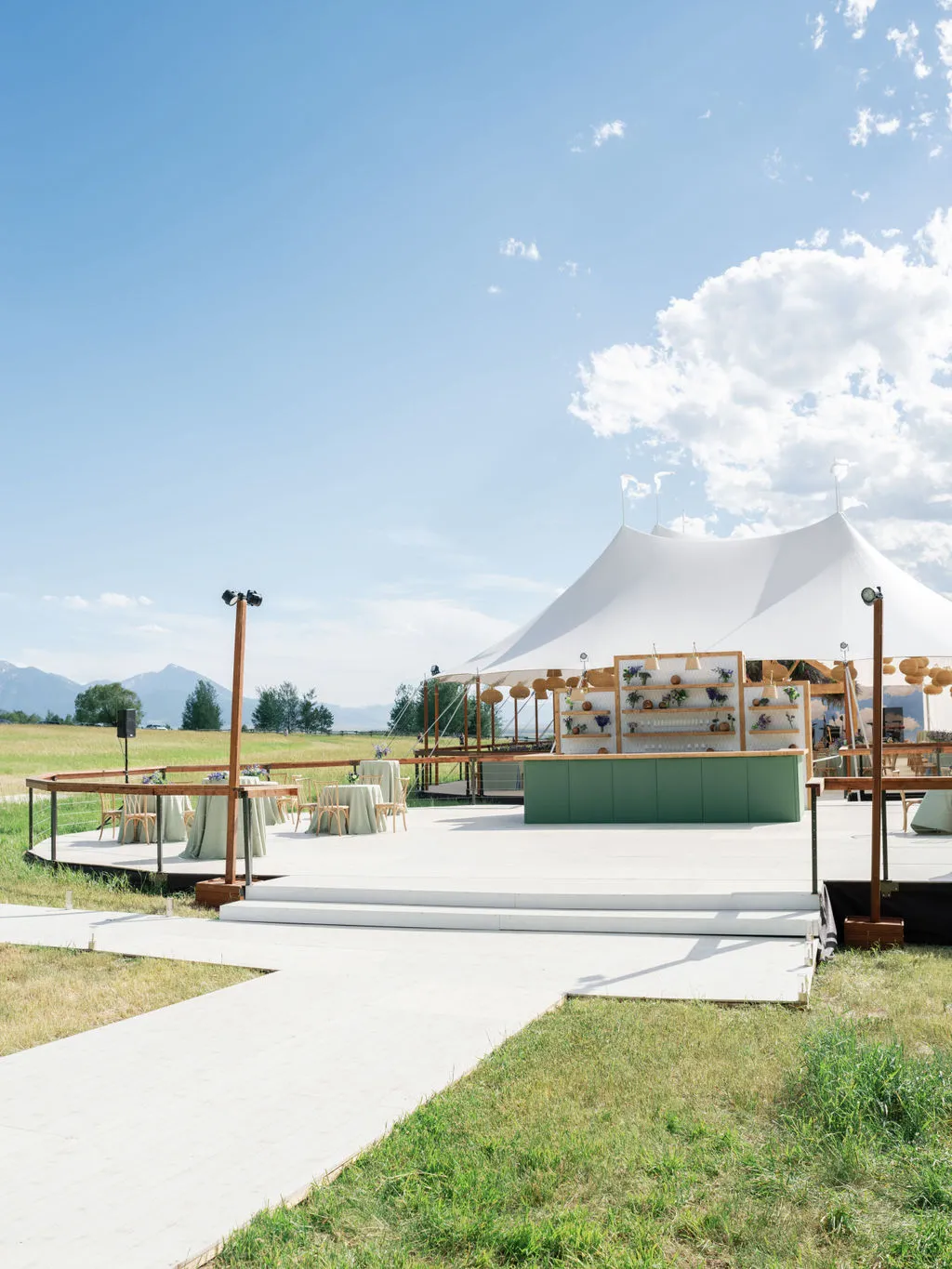
Choosing a suitable tent is only one part of keeping a fall wedding dry. Waterproofing techniques and careful installation provide additional protection at seams, ground-level areas, and other locations where moisture may otherwise enter the event space.
Site conditions should also be considered alongside the tent itself. A waterproof canopy cannot fully compensate for a location where water naturally pools beneath or immediately around the structure. Combining waterproofing with drainage planning creates more comprehensive protection.
Reinforcing Tent Seams and Rain Barriers
Seams can become vulnerable areas during prolonged rainfall. The source recommends seam tape or heat sealing to reinforce these points and create a more tightly sealed enclosure.
Waterproof covers can provide another protective barrier where appropriate, while ground tarps help reduce moisture infiltration from below. These measures work together to protect both the tent interior and the event elements placed inside it.
Directing Rainwater Away from the Tent
Drainage begins with smart site selection. Whenever possible, placing the tent on elevated ground helps minimize pooling and encourages water to move away from the event area.
Ground conditions should be inspected before installation to identify low spots and potential water-retention areas. Drainage channels and appropriate grading can then help direct excess water away from the structure rather than allowing it to accumulate around entrances or beneath flooring.
Keeping Tent Flooring Dry and Safe During Fall Rain
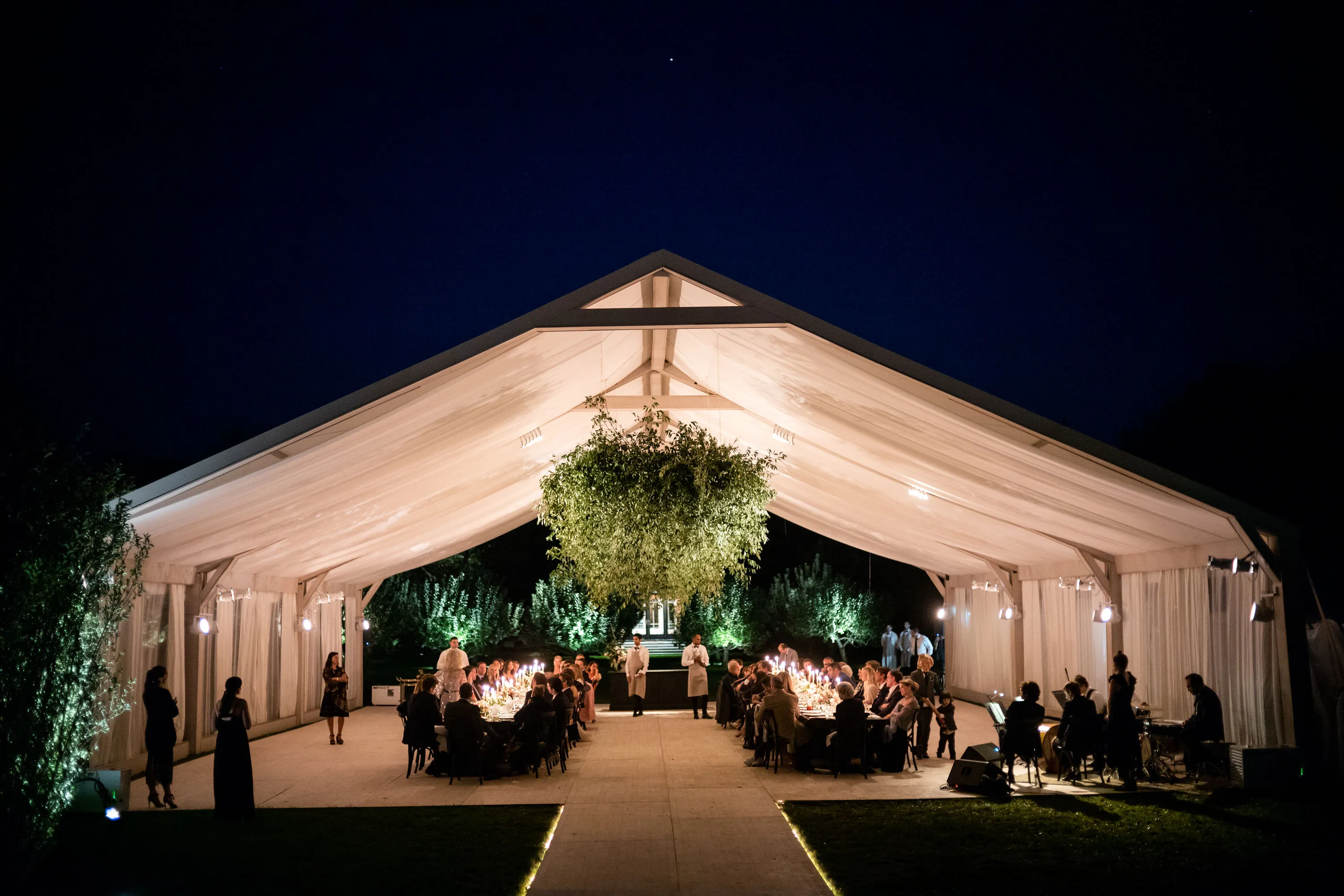
Rain contingency planning must consider what happens underneath the tent as well as above it. Wet or saturated ground can affect walking surfaces, guest comfort, furniture placement, and the appearance of the reception space.
The original article identifies wooden decking, vinyl flooring, and carpeting as potential options for rainy wedding venues. Each has different benefits, so selection should reflect the terrain and the level of moisture protection required.
Flooring Materials for Wet Wedding Venues
Wooden decking provides an elegant foundation and can allow drainage through gaps between boards. Vinyl is waterproof and easy to clean, making it another practical option when moisture is expected.
Carpeting can add warmth and comfort during cooler fall conditions, but the source emphasizes the importance of waterproof backing to prevent ground moisture from affecting the interior.
Installing Flooring to Reduce Water Problems
Flooring performance depends heavily on installation. A level foundation helps prevent unwanted pooling, while drainage details can allow accumulated water to escape rather than remain trapped.
A rain-ready flooring system should be planned as part of the complete tent installation rather than added as an afterthought. The ground, flooring material, drainage strategy, and tent placement all need to work together. Careful installation also helps create a polished surface that supports the luxury appearance of the reception.
Key flooring practices include:
Prepare a level surface: Proper preparation reduces areas where water can collect.
Provide drainage where appropriate: Weep holes can allow accumulated moisture to escape.
Seal vulnerable flooring seams: Waterproof tape can strengthen seams in vinyl installations.
Consider ground moisture: Flooring should provide separation between guests and damp terrain.
Select materials for the venue: Different surfaces may require different flooring systems.
Inspect the installation before the event: Potential moisture or drainage problems should be addressed before guests arrive.
Prepare a level surface: Proper preparation reduces areas where water can collect.
Provide drainage where appropriate: Weep holes can allow accumulated moisture to escape.
Seal vulnerable flooring seams: Waterproof tape can strengthen seams in vinyl installations.
Consider ground moisture: Flooring should provide separation between guests and damp terrain.
Select materials for the venue: Different surfaces may require different flooring systems.
Inspect the installation before the event: Potential moisture or drainage problems should be addressed before guests arrive.
These measures help maintain a safer, more comfortable event space when rain changes the condition of the surrounding property.
Managing Moisture and Condensation Inside a Rainy Wedding Tent

Rain protection does not end once exterior water has been kept outside. Cooler autumn temperatures, humidity, and a fully occupied tent can contribute to moisture and condensation inside the structure.
Climate control and ventilation therefore become important components of the rain contingency plan. The goal is to maintain comfortable interior conditions while reducing excess humidity throughout the celebration.
Climate Control for Rainy Fall Wedding Conditions
Portable heaters can maintain warmth when autumn rain causes temperatures to drop. During unexpectedly warmer or humid periods, air-conditioning equipment may help regulate the interior environment.
The original content also recommends dehumidifiers where humidity is a concern. Reducing excess moisture can help limit condensation and create a more comfortable environment for guests.
Ventilation to Reduce Interior Condensation
Ventilation allows humid interior air to escape while introducing fresh airflow. Strategically positioned vents can therefore play an important role in moisture management during rainy conditions.
Cross-ventilation can also improve airflow when the tent configuration and weather permit. Climate control and ventilation should be coordinated so the interior remains comfortable without sacrificing the rain protection provided by the structure.
Preparing the Wedding Tent Site for Unexpected Autumn Rain

An effective rain plan considers the entire event site rather than focusing exclusively on the tent roof. Terrain, entrances, electrical systems, vendor access, drainage, and weather-resistant lighting can all influence how smoothly a wedding operates during rain. For more detail, see our article Essential Tents for All Weather Conditions: Rain or Shine.
Planning these details in advance makes it easier to adapt if conditions change. It can also help prevent wet-weather problems from affecting guest movement or essential event equipment.
Protecting Lighting and Electrical Equipment from Rain
Lighting remains important during cloudy or rainy weather, but electrical installations require additional consideration around moisture. The source recommends weather-resistant fixtures, outdoor-rated connections, GFCI protection, and properly secured wiring.
LED string lights and other weather-resistant lighting can maintain the desired wedding atmosphere while supporting wet-weather functionality. Cables should also be protected from direct rain exposure and positioned to reduce hazards in guest areas.
Coordinating Site Access, Drainage, and Vendors
A rain-ready site plan should begin with an assessment of the terrain and natural drainage paths. Entry and exit locations also deserve attention because wet conditions can change how guests and vendors move between the tent, parking areas, and other event spaces.
Every vendor should understand the contingency plan before the event. Clear communication makes it easier to coordinate adjustments without creating unnecessary disruption. A comprehensive plan should account for both guest comfort and the practical requirements of catering, entertainment, lighting, and other event services.
Before the wedding, planners should review:
Terrain and drainage paths: Identify where rainwater is likely to travel or accumulate.
Tent placement: Position the structure to take advantage of appropriate drainage conditions.
Guest entrances and exits: Keep access routes clear and manageable during wet weather.
Weather-resistant electrical equipment: Protect essential lighting and power connections.
Vendor access: Ensure vendors understand how weather may affect loading and event operations.
Contingency communication: Make sure everyone involved understands changes that may be required if rain arrives.
Terrain and drainage paths: Identify where rainwater is likely to travel or accumulate.
Tent placement: Position the structure to take advantage of appropriate drainage conditions.
Guest entrances and exits: Keep access routes clear and manageable during wet weather.
Weather-resistant electrical equipment: Protect essential lighting and power connections.
Vendor access: Ensure vendors understand how weather may affect loading and event operations. Read more in Ensure Your Event Success with Weather Contingency Tents.
Contingency communication: Make sure everyone involved understands changes that may be required if rain arrives.
Coordinating these details creates a proactive plan that can adapt more smoothly to changing autumn conditions.
Frequently Asked Questions
What type of wedding tent is best for rainy fall weather?
Clearspan and frame tents are strong options because they combine robust structural systems with waterproof canopy materials. The best choice still depends on the venue, expected conditions, layout, and overall wedding design.
Can sailcloth tents be used when rain is expected?
Yes. The original source describes sailcloth tents as using translucent fabric that can repel water while maintaining an elegant atmosphere. Professional installation and suitable site conditions remain important when rain is part of the forecast.
How can you stop rainwater from getting underneath a wedding tent?
Elevated site selection, appropriate grading, drainage channels, ground protection, and properly installed flooring can all help manage water. Identifying low areas before installation is particularly important.
How can condensation be reduced inside a wedding tent?
Ventilation, cross-ventilation, climate control, and dehumidification can help manage interior humidity and condensation. The appropriate combination depends on outdoor temperature and moisture levels.
What should a fall wedding rain contingency plan include?
A thorough plan should consider tent selection, waterproofing, drainage, flooring, climate control, lighting and electrical safety, guest access, and vendor coordination. Addressing these areas before the event makes it easier to respond effectively if the weather changes. To talk through a tent for your date and site, contact our team.
Keep Your Fall Wedding Dry with Skyline Tent Company
Rain does not have to compromise the elegance or comfort of an outdoor fall wedding. With a carefully selected tent structure, effective waterproofing, properly installed flooring, thoughtful drainage, climate control, and coordinated site logistics, couples can create a protected celebration space designed to remain functional through changing autumn conditions. Our tent rental FAQs cover the questions hosts ask most.
Skyline Tent Company provides premium tenting solutions for luxury outdoor weddings, including sophisticated structures and planning support tailored to individual venues and event requirements. By addressing rain contingency planning early, your tent design can account for both the beauty of the celebration and the practical demands of unpredictable fall weather. We cover this further in Keeping Outdoor Event Venues Operational in Cold Weather.
Contact Skyline Tent Company today to discuss your fall wedding venue, tent requirements, and rain contingency needs, and start planning an elegant outdoor celebration designed with wet-weather protection in mind. You may also find Rain Contingency Planning: Keeping Summer Wedding Tents Dry helpful.