
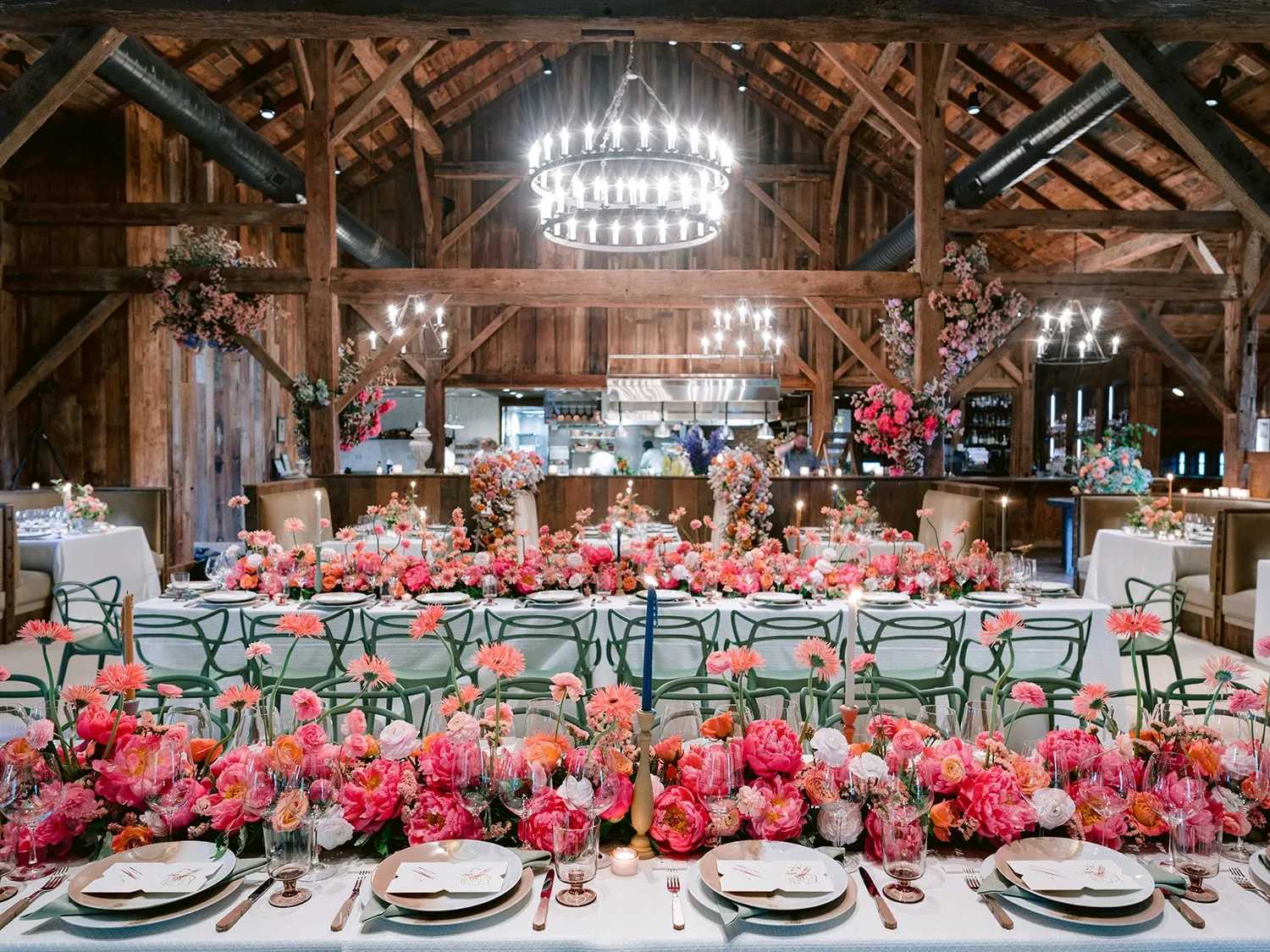
A seasonal tent installation can give an outdoor venue greater flexibility to host weddings, galas, corporate functions, and other luxury events across changing weather conditions. However, deciding when to install a seasonal event tent requires more than selecting an available date. Local weather patterns, scheduled event types, guest counts, site conditions, vendor logistics, climate-control requirements, and the selected tent structure can all influence the ideal installation window. Installing early may provide additional time for layout adjustments, infrastructure planning, and vendor coordination, while waiting until closer to the event can introduce weather and scheduling challenges. Venues also need to determine whether a clearspan, frame, century pole, sailcloth, or clear-top tent best supports their seasonal event calendar. Once the structure is selected, flooring, lighting, HVAC, ventilation, power, and water access must be coordinated to create a comfortable and polished guest environment. By approaching seasonal tent installation as part of a broader venue strategy, event professionals can create additional functional space while maintaining the sophisticated experience expected at high-end outdoor events.
Choosing the Right Time for a Seasonal Tent Installation
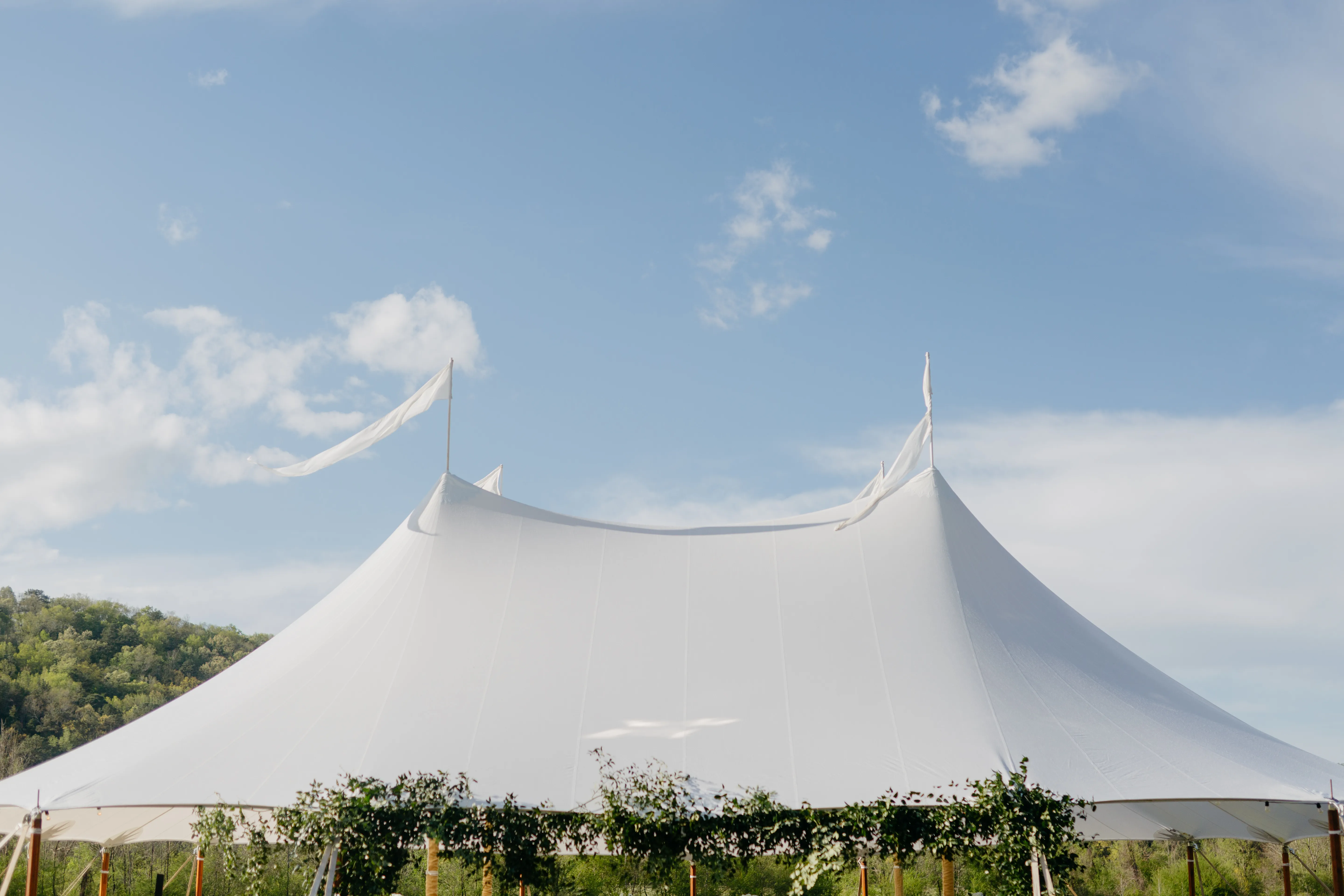
Timing is one of the first decisions a venue should make when considering a seasonal tent. Weather conditions vary significantly throughout the year, and installation timing can influence everything from site preparation to guest comfort.
Historical weather patterns, anticipated seasonal changes, and the venue’s event calendar should therefore be reviewed together. Planning ahead also provides more flexibility if adjustments are needed before the first scheduled event.
How Seasonal Weather Influences Installation Timing
Local weather conditions play an important role in determining when installation should occur. Historical weather information can help planners anticipate rain, high winds, early snowfall, or unexpectedly warm conditions that could complicate installation or affect scheduled events.
Understanding these patterns gives venues additional time to prepare for potential challenges. Rather than reacting to unfavorable weather immediately before an event, planners can incorporate appropriate tent design, flooring, climate control, and other infrastructure into the seasonal plan.
Why Early Seasonal Tent Setup Can Be Beneficial
Early installation provides more time to make layout changes based on guest counts or event requirements. It can also reduce pressure created by last-minute vendor availability or unexpected site preparation issues.
A later installation may reduce some costs, but the original source notes that it can also introduce rushed timelines and weather-related complications. For venues expecting multiple events throughout a season, earlier planning can provide greater operational flexibility.
Several conditions can indicate that a venue should begin planning its seasonal tent earlier rather than waiting until an event date approaches. These factors should be considered together because weather, logistics, and event requirements can influence one another. An early assessment gives planners more time to respond to complications without compromising the guest experience.
A busy seasonal calendar: Multiple scheduled events may justify establishing a dedicated tented space.
Unpredictable weather: Rain, wind, temperature fluctuations, or early snow may require additional preparation.
Changing guest counts: Early installation allows more time to refine seating and event layouts.
Complex vendor requirements: Lighting, catering, climate control, and décor may require coordinated setup.
Site preparation needs: Ground conditions and utility access should be addressed before installation.
Luxury event expectations: Additional preparation time can help ensure the finished environment feels polished.
Evaluating these factors well before the season begins can make the installation process more organized and give venues greater confidence in their event infrastructure.
Selecting the Best Tent Type for a Seasonal Venue Installation
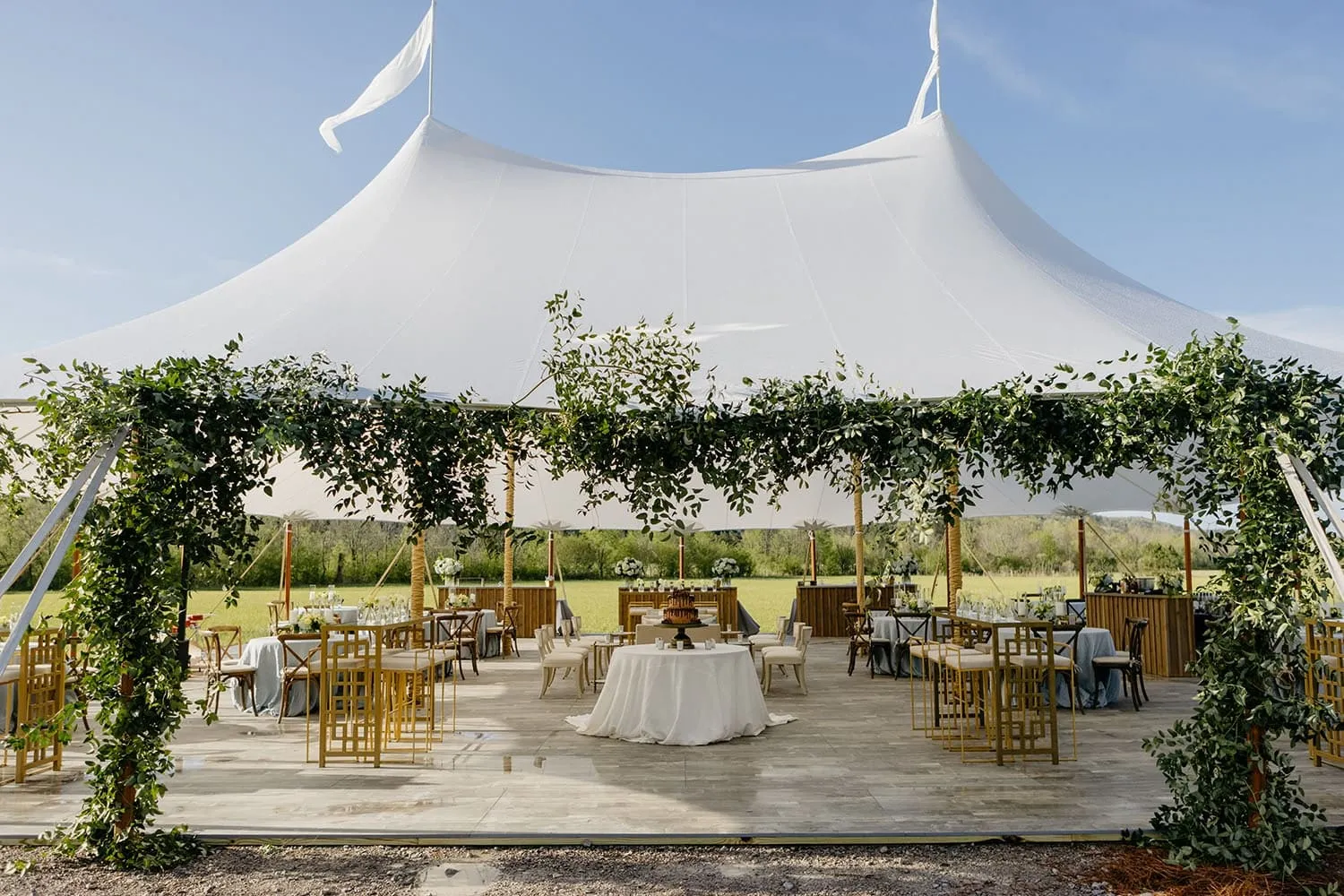
Not every seasonal event tent provides the same aesthetic or functional advantages. The right choice depends on the events the venue expects to host, the available space, desired atmosphere, and operational requirements.
Clearspan, frame, century pole, sailcloth, and clear-top tents are all discussed in the original source. Each structure can contribute differently to a luxury outdoor venue.
Clearspan and Frame Tents for Flexible Seasonal Use
Clearspan tents provide spacious interiors without internal support poles. This maximizes usable floor space and allows venues to adapt layouts for different events throughout the season. Climate-control systems and elegant finishes can also be incorporated to improve comfort and presentation.
Frame tents offer similar versatility through modular configurations available in different sizes. Their adaptable design makes them useful when a venue expects to host events with changing layouts and capacity requirements.
Century Pole, Sailcloth, and Clear-Top Tents for Luxury Events
Century pole tents provide a classic appearance characterized by stylish peaks. They can create an elegant setting for larger gatherings where traditional tent architecture supports the event design.
Sailcloth tents use translucent fabric to allow natural light into the space, creating a warm atmosphere. Clear-top tents provide expansive views of the surroundings and can be particularly effective for evening events where the venue landscape and sky contribute to the overall ambiance.
Planning Seasonal Tent Size, Guest Count, and Site Logistics
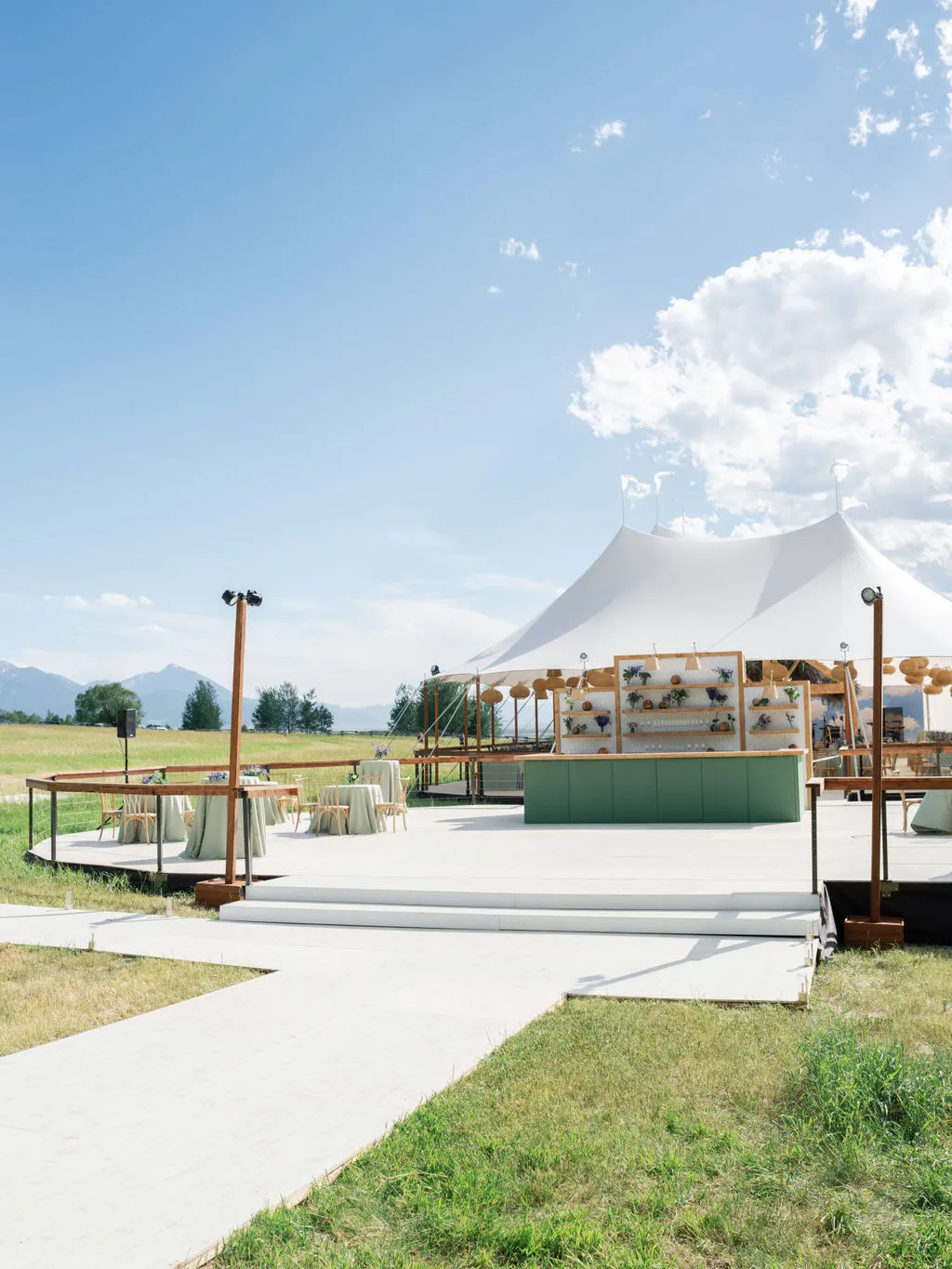
Guest count directly influences tent size, seating arrangements, dining areas, and circulation paths. A structure that is too small can create cramped conditions, while unnecessary excess space can make the event feel disconnected.
Site logistics are equally important. Delivery access, vendor schedules, utilities, and ground conditions all need to support the selected structure before seasonal installation begins.
Matching Tent Size and Layout to Expected Guest Counts
Accurate attendance estimates allow venues to determine the appropriate tent dimensions and interior configuration. Seating, dining areas, walkways, and other amenities need to be distributed so that guests can move comfortably.
Past event information can help venues develop more realistic expectations for upcoming gatherings. The tent can then be configured around anticipated attendance rather than relying on overly optimistic or incomplete estimates.
Preparing the Venue Before Seasonal Installation
A thorough site assessment should confirm that the chosen location supports both the tent and its operational requirements. Delivery vehicles need appropriate access, and the structure should remain conveniently located in relation to essential venue amenities.
Vendor coordination is also important because setup delays can affect other parts of the installation. Access to power and water should be established in advance so lighting, catering, climate control, and other guest amenities can operate as planned.
Site preparation should begin before the tent arrives. A seasonal structure may remain part of the venue for an extended period, making thoughtful placement particularly important. The location needs to work for both the installation process and the events scheduled afterward.
Conduct a site assessment: Confirm that the proposed location meets logistical requirements.
Plan delivery access: Ensure installation vehicles and equipment can reach the site.
Coordinate vendor schedules: Align tent setup with flooring, lighting, catering, and décor teams.
Verify electrical access: Confirm that power is available for event systems and amenities.
Confirm water availability: Water access may be necessary for catering and other operations.
Plan guest circulation: Entrances and pathways should connect naturally with the existing venue.
Addressing these details early helps the seasonal tent function as an integrated extension of the venue rather than an isolated temporary structure. For more detail, see our article Managing a Multi-Week Temporary Venue Installation.
Climate Control for Seasonal Event Tent Installations
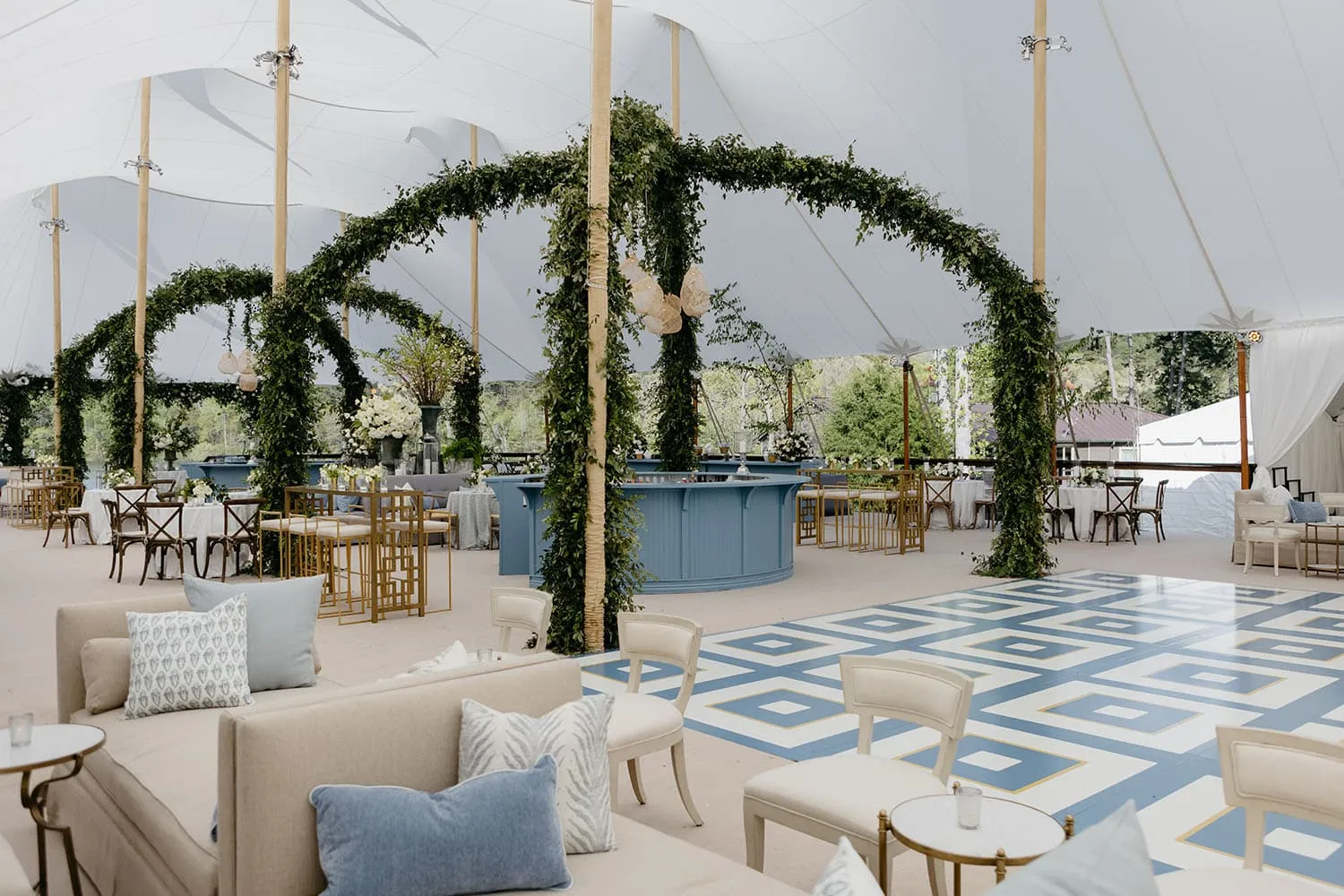
A seasonal tent may need to accommodate substantial changes in temperature over the period it remains installed. Climate control therefore becomes one of the most important considerations for venues extending their outdoor event season.
Heating, cooling, ventilation, ceiling height, airflow features, and insulated materials can all influence interior comfort. The appropriate combination depends on the season and local weather patterns.
Using HVAC and Ventilation Across Changing Seasons
HVAC systems designed for tent applications can respond to changing outdoor temperatures. Heating may be required during cooler periods, while adequate ventilation becomes particularly important when conditions are warmer.
Seasonal forecasting can help event organizers anticipate these changes and adjust systems accordingly. This proactive approach can provide more consistent guest comfort than responding to temperature changes after an event has already begun.
Choosing Tent Features That Support Temperature Regulation
The structure itself can contribute to climate management. High ceilings encourage improved air circulation, while airflow panels can support ventilation during warmer conditions.
Insulated materials can help retain warmth when outdoor temperatures fall. These design characteristics can complement HVAC and ventilation equipment, creating a more complete strategy for maintaining guest comfort throughout the seasonal installation.
Lighting, Flooring, and Installation Timing for Seasonal Tents
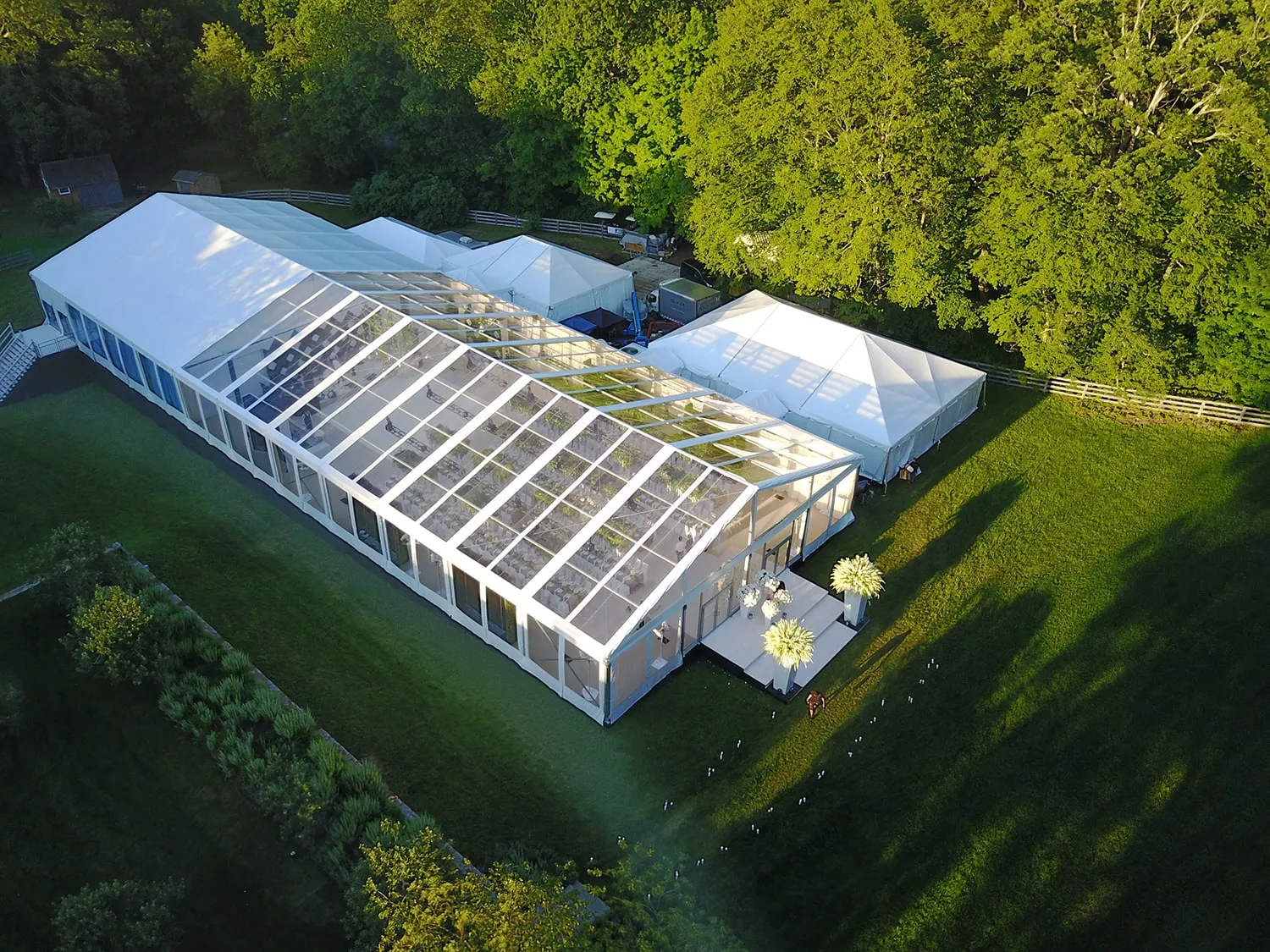
Lighting and flooring transform a tent from a basic covered structure into a complete event environment. Both features influence aesthetics, functionality, safety, and guest comfort.
A clear installation timeline is also essential because flooring, lighting, climate equipment, vendor setups, and final checks often need to occur around the tent installation itself.
Selecting Seasonal Tent Lighting and Flooring
LED lighting provides energy-efficient flexibility and can create atmospheres ranging from intimate to vibrant. The source also identifies solar-powered lighting as an option that may offer sustainability advantages and reduce dependence on certain power sources.
Flooring should balance appearance with stability. Rubber and composite options can provide traction during wet conditions, while elegant wood flooring or carpet can introduce warmth and a more sophisticated visual finish. Exploring premium tent flooring materials and finishes can help venues select options that complement their seasonal event design.
Building a Seasonal Tent Installation Timeline
The source recommends beginning professional consultation approximately 8–12 weeks before the event. Site assessment and logistics planning can then begin roughly 4–6 weeks ahead, providing time to resolve venue-specific requirements.
Tent installation is suggested approximately 1–2 weeks before the event, followed by a final walkthrough and vendor setup 1–2 days beforehand. These recommendations provide planners with time for adjustments and final checks rather than concentrating every task immediately before guests arrive.
A structured timeline helps venues coordinate multiple teams without unnecessary overlap or last-minute pressure. The precise schedule may vary according to the event and site, but the original article provides a useful planning framework. Beginning early also gives professionals time to address unexpected installation or logistical challenges.
8–12 weeks before: Consult with tent professionals and discuss event requirements.
4–6 weeks before: Conduct site assessments and develop the logistics plan.
1–2 weeks before: Complete the tent installation and allow time for adjustments.
Before final setup: Coordinate flooring, lighting, climate systems, and other infrastructure.
1–2 days before: Complete the walkthrough and finalize vendor setups.
Event day: Confirm that the tented venue is prepared for guests and scheduled activities.
Following a defined preparation schedule can make seasonal tent installation more manageable while giving venues time to refine the final environment.
Frequently Asked Questions
When should a venue start planning a seasonal tent installation?
The original source recommends engaging tent professionals approximately 8–12 weeks before the event, with site preparation and logistics planning beginning around 4–6 weeks ahead.
Is it better to install a seasonal tent early?
Early installation can provide greater flexibility for layout changes and help reduce problems associated with last-minute logistics or vendor availability. Later installation may offer some financial advantages but can increase the risk of rushed preparation and weather-related challenges.
Which tent type is best for a seasonal installation?
There is no single structure that is ideal for every venue. Clearspan and frame tents offer flexible configurations, while century pole, sailcloth, and clear-top tents provide distinctive aesthetic benefits for different luxury event styles.
Can seasonal event tents have heating and air conditioning?
Yes. HVAC systems designed for tent applications can provide heating during cooler periods, while ventilation can help manage warmer conditions. Tent design features such as high ceilings, airflow panels, and insulated materials can further support temperature management.
What should a venue prepare before tent installation?
The source recommends site assessment, delivery access planning, vendor coordination, and confirmation of power and water availability. Guest count and layout requirements should also be established to determine appropriate tent sizing.
Plan Your Seasonal Tent Installation with Skyline Tent Company
A venue should consider a seasonal tent installation when it needs greater event flexibility, additional luxury event space, protection from changing weather, or a structure that can support multiple gatherings throughout a season. Successful installation begins with choosing the right time and tent type, but guest capacity, site logistics, climate control, flooring, lighting, utilities, and vendor schedules are equally important. Read more in Choose The Right Location For A Wedding Tent Installation.
Planning early provides time to evaluate these elements as one coordinated system. Whether a venue needs the unobstructed interior of a clearspan structure, the versatility of a frame tent, the dramatic peaks of a century pole tent, the warm translucence of sailcloth, or the views provided by a clear-top structure, professional guidance can help match the tent to the venue and its seasonal event calendar. Skyline Tent Company specializes in high-quality clearspan, frame, and other tent solutions for seasonal events.
Contact Skyline Tent Company today to discuss your venue, upcoming event schedule, guest capacity, site conditions, and seasonal tent requirements. With professional planning and a carefully coordinated installation timeline, Skyline Tent Company can help transform your outdoor venue into an elegant, comfortable, and functional event environment for the season ahead. Our tent rental FAQs cover the questions hosts ask most.