
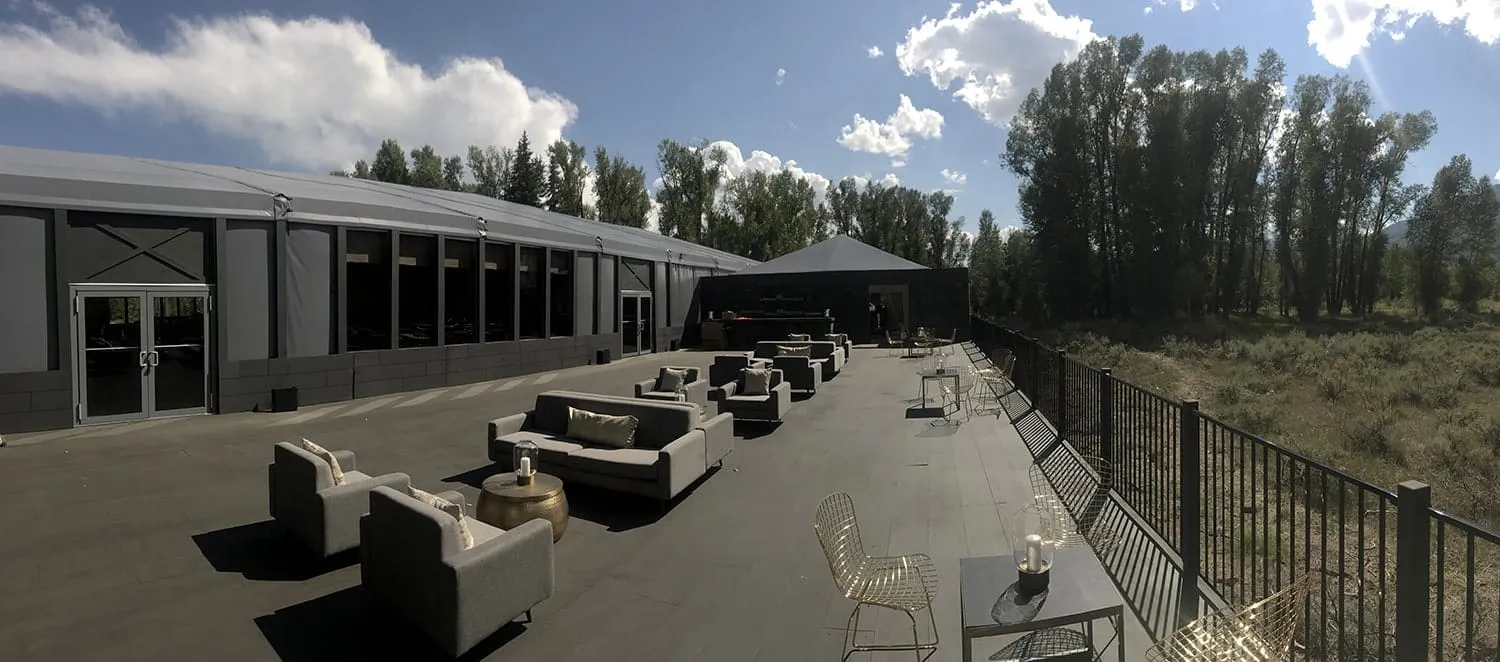
The dramatic high peaks of a Century Tent create an impressive architectural foundation for elegant fall weddings, corporate gatherings, and luxury outdoor celebrations. As autumn brings rich seasonal colors and cooler temperatures, these spacious structures give event planners numerous opportunities to combine sophisticated décor with practical guest comfort. The peaks naturally draw attention upward, making chandeliers, vertical draping, string lights, and elevated floral details particularly effective design choices. Successful fall styling, however, involves more than decorating the ceiling. Flooring can add warmth and stability, while thoughtful lighting helps maintain the atmosphere as daylight fades. Climate-control planning also becomes important as afternoon temperatures transition into cooler evenings. Century Tents are particularly suited to this coordinated approach because their expansive interiors and customizable features can support different layouts and decorative concepts. By bringing seasonal colors, lighting, textiles, flooring, and practical event planning together, planners can transform the high peaks into a memorable focal point for an inviting and sophisticated autumn celebration. You may also find Ultimate Guide to Stunning Summer Event Structures helpful.
Make Century Tent High Peaks the Focus of Fall Décor
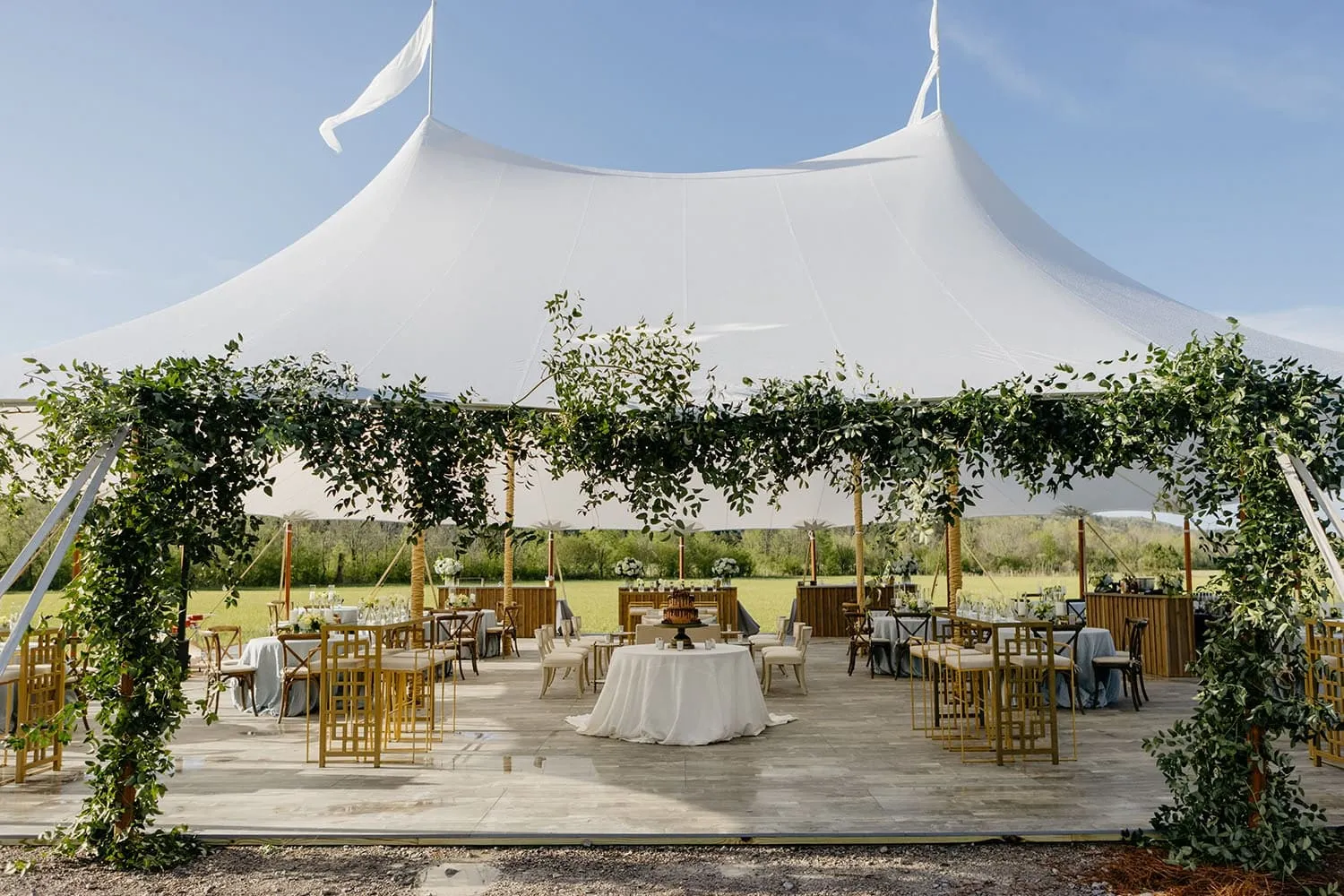
The high peaks are among the most recognizable architectural features of a Century Tent. Rather than treating the structure simply as overhead shelter, planners can incorporate its height directly into the event’s visual concept.
The original content emphasizes using vertical elements, suspended décor, and seasonal details to direct attention upward while maintaining the spacious character of the tent. This approach allows the architecture itself to contribute to the overall fall atmosphere.
Highlight the Tent’s Architectural Height
Tall peaks create a sense of scale that can make an outdoor event feel more sophisticated. Instead of covering every portion of the ceiling, planners can selectively decorate areas that emphasize the natural lines and height of the structure.
Vertical draping is particularly effective because it visually connects the lower guest areas with the peaks above. Chandeliers and other suspended decorative features can provide focal points while allowing the distinctive shape of the Century Tent to remain visible.
The original article also highlights the flexibility of the tent’s expansive interior. Different seating arrangements, lounge spaces, dining configurations, and decorative styles can be incorporated beneath the peaks according to the type and scale of the event.
Bring Autumn Character Beneath the Peaks
Fall décor can soften the expansive interior while complementing the Century Tent’s distinctive architecture. Warm fabrics, rich seasonal tones, natural textures, and carefully selected decorative details can help create a more intimate atmosphere beneath the tall ceiling.
The original content recommends combining seasonal elements with rustic details to connect the interior environment with autumn. Warm ambient lighting can further enhance this effect, especially when an event continues into the evening.
Before selecting individual decorations, planners should determine which architectural features deserve emphasis. The goal is to complement the high peaks rather than conceal them, allowing overhead and ground-level décor to work together as one coordinated design.
Vertical draping: Draws the eye upward and emphasizes the dramatic height of the peaks.
Tent liners: Add softness overhead while introducing another opportunity for seasonal tones and textures.
Sidewalls: Provide practical weather protection while contributing to the finished appearance of the tent.
Autumn textures: Bring warmth and seasonal character into a large open interior.
Elevated decorative elements: Connect table-level arrangements with the architecture overhead.
Rustic accents: Reinforce the natural character of an outdoor autumn venue.
Vertical draping: Draws the eye upward and emphasizes the dramatic height of the peaks.
Tent liners: Add softness overhead while introducing another opportunity for seasonal tones and textures.
Sidewalls: Provide practical weather protection while contributing to the finished appearance of the tent.
Autumn textures: Bring warmth and seasonal character into a large open interior.
Elevated decorative elements: Connect table-level arrangements with the architecture overhead.
Rustic accents: Reinforce the natural character of an outdoor autumn venue.
When these elements are selected around the structure itself, the Century Tent becomes an intentional part of the event design rather than simply the setting surrounding it.
Illuminate Century Tent Peaks for an Elegant Fall Atmosphere
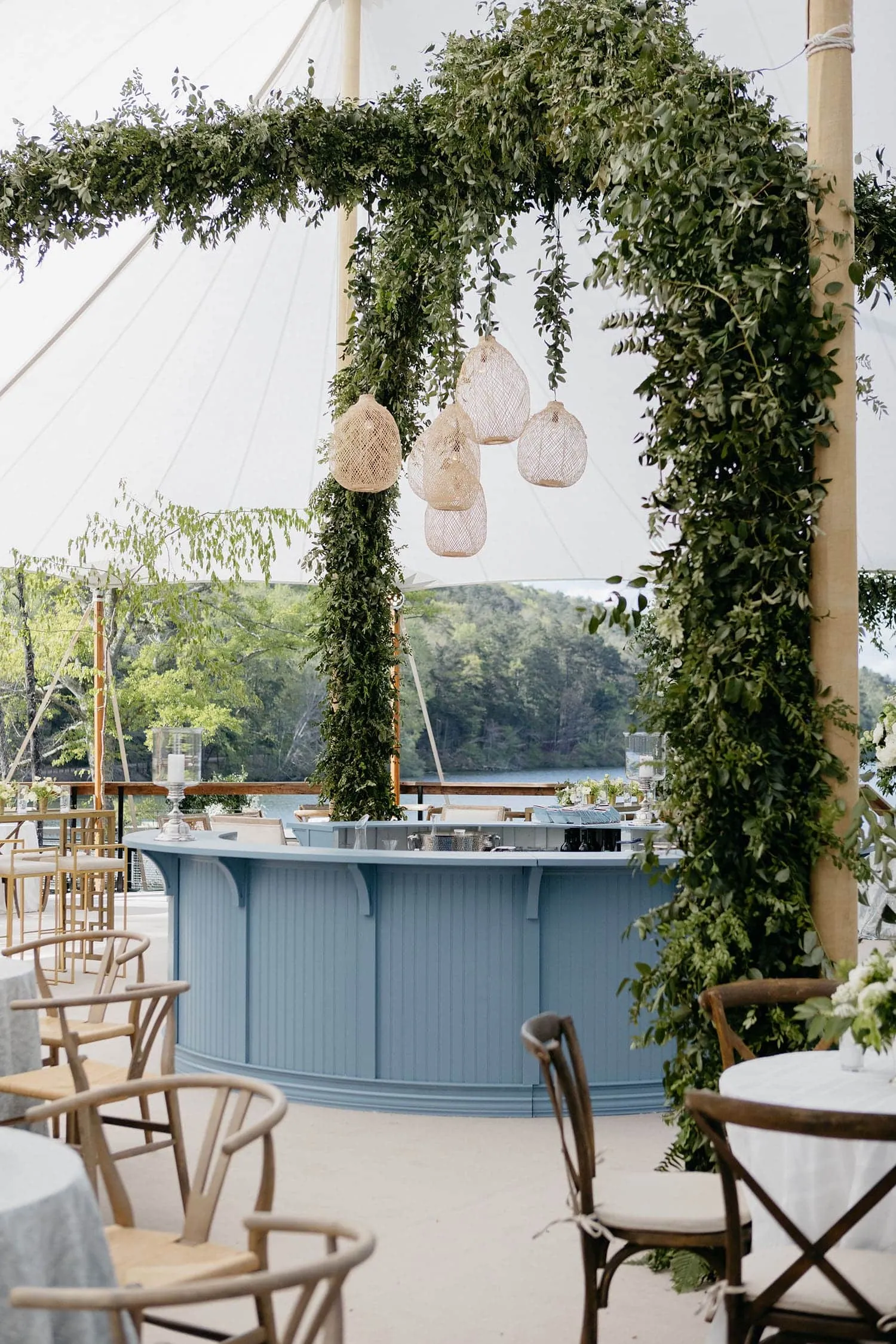
Lighting is one of the most effective ways to showcase the height and shape of a Century Tent. As daylight fades earlier during fall, a carefully developed lighting plan can preserve the architectural impact of the peaks while creating a warm environment for dining, dancing, and conversation.
The original content specifically highlights chandeliers, uplighting, and string lights as useful techniques. Layering these different sources can create greater visual depth than relying on one type of overhead illumination.
Use Chandeliers and String Lights to Draw the Eye Upward
Chandeliers naturally complement Century Tent peaks because their placement directs attention toward the highest parts of the structure. They can become sophisticated focal points above dining areas, dance floors, or other central event spaces.
The fixture style can also contribute to the character of the celebration. An elegant chandelier can reinforce a formal wedding design, while the surrounding décor can incorporate seasonal textures and colors for a distinctly autumnal finish.
String lights offer a softer alternative or complement to statement fixtures. Arranged across the tent or near entrances, they can introduce a romantic glow that works particularly well for fall weddings and evening receptions. You may also find Classic Century Tents for Fall Receptions helpful.
Add Warm Uplighting for Architectural Definition
Uplighting emphasizes the structure from a different direction. Lights positioned near tent poles or edges can illuminate architectural lines from below, guiding the eye upward toward the peaks.
The source recommends warm lighting tones because they coordinate naturally with autumn colors and help create an inviting atmosphere after sunset. Uplighting can be particularly effective when combined with chandeliers or string lights rather than used as the only source of illumination.
Lighting should support both function and design. Planners can use different layers to distinguish important areas while maintaining a consistent atmosphere throughout the tent.
Chandeliers: Establish sophisticated focal points beneath the dramatic peaks.
Warm uplighting: Accentuates poles, edges, and the vertical architecture of the tent.
String lights: Introduce a softer decorative glow across ceilings and entrances.
Ambient lighting: Provides comfortable general illumination throughout guest areas.
Targeted lighting: Draws attention to tables, florals, décor, or other important features.
Layered illumination: Combines multiple lighting levels to create visual depth.
Chandeliers: Establish sophisticated focal points beneath the dramatic peaks.
Warm uplighting: Accentuates poles, edges, and the vertical architecture of the tent.
String lights: Introduce a softer decorative glow across ceilings and entrances.
Ambient lighting: Provides comfortable general illumination throughout guest areas.
Targeted lighting: Draws attention to tables, florals, décor, or other important features.
Layered illumination: Combines multiple lighting levels to create visual depth.
Coordinating these techniques allows the peaks to remain visually prominent after sunset. It also gives planners greater control over the mood of different areas without sacrificing the overall cohesion of the fall design.
Coordinate Fall Flooring and Climate Comfort with the Décor
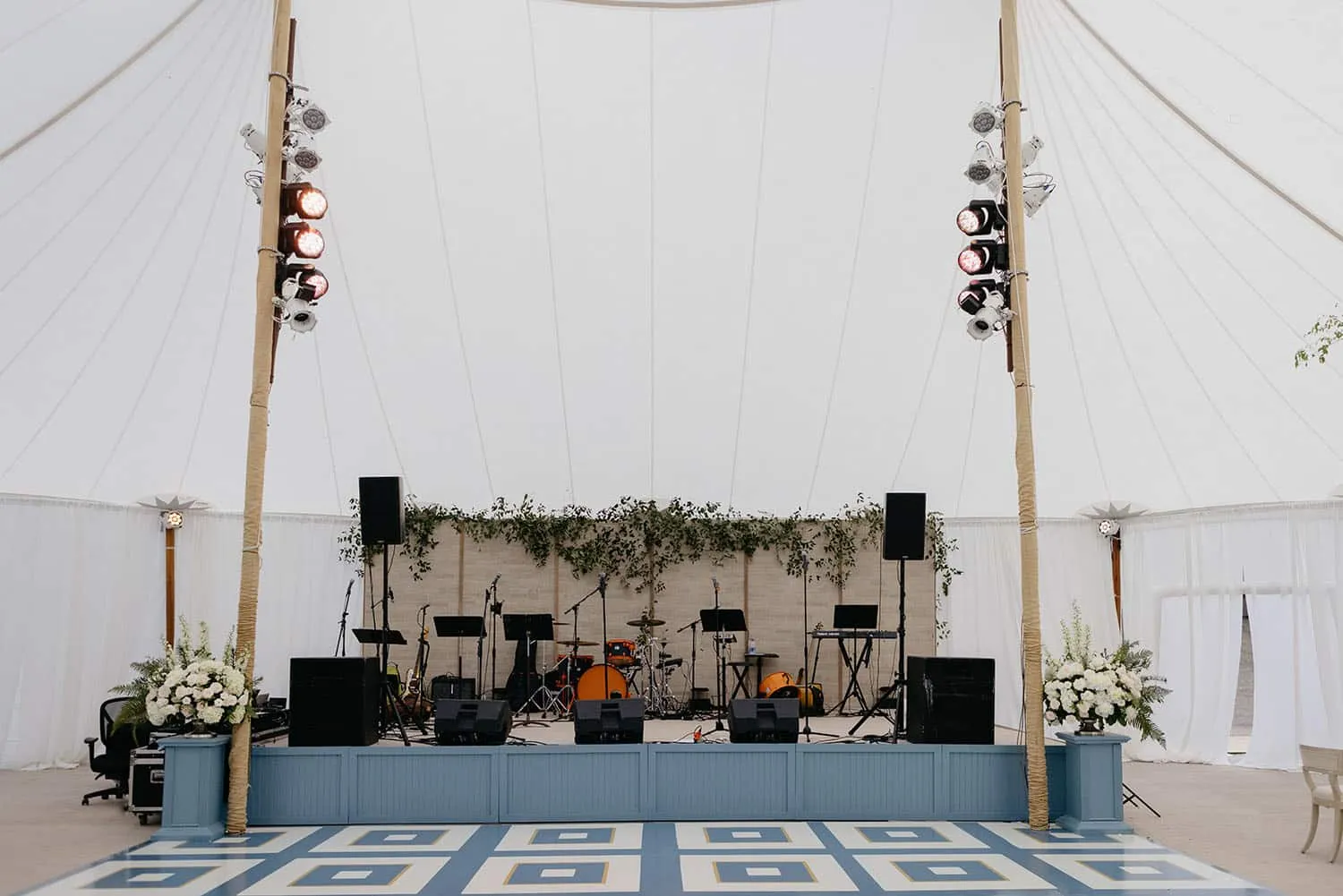
The visual impact of a Century Tent extends from its dramatic peaks to the surface beneath guests’ feet. Flooring establishes a foundation for dining tables, lounge furniture, dance areas, and guest circulation while contributing to the overall appearance of the event.
Fall conditions also make comfort an important consideration. The original article discusses hardwood, carpet, and vinyl flooring alongside heating, ventilation, sidewalls, and humidity management as elements that can help create a more comfortable autumn event environment.
Select Flooring That Complements an Autumn Interior
Hardwood flooring can provide a classic, polished appearance for formal weddings and upscale gatherings. Its natural visual warmth can complement burnt orange, deep red, gold, and other seasonal shades used throughout the tent.
Carpet provides a softer alternative and can add another layer of warmth to the interior during cooler fall events. The source also notes its ability to help absorb sound, which can contribute to a comfortable atmosphere inside a large tent.
Vinyl offers a more weather-resistant option when planners need to prepare for changing outdoor conditions. The best flooring choice ultimately depends on the venue, event style, and practical requirements of the celebration.
Plan Climate Control for Changing Fall Temperatures
Autumn temperatures can shift considerably between afternoon and evening. Climate planning therefore needs to be considered alongside décor, particularly for celebrations that begin during daylight and continue well after sunset.
The original article identifies portable heating, ventilation, sidewalls, and humidity management as important considerations. It also notes that climate equipment should be positioned so it performs its intended function without unnecessarily distracting from the decorative environment.
A complete fall comfort plan may consider: We cover this further in Why Clearspan Structures are Perfect for Late Fall Galas.
Portable heaters: Help maintain comfortable conditions as evening temperatures decline.
Ventilation: Supports airflow throughout the tent.
Windowed sidewalls: Provide additional weather protection while supporting the overall tent configuration.
Humidity management: Helps address changing interior conditions during damp autumn weather.
Dehumidifiers: May provide additional moisture management during wetter periods.
Strategic equipment placement: Integrates practical climate equipment without allowing it to dominate the décor.
Portable heaters: Help maintain comfortable conditions as evening temperatures decline.
Ventilation: Supports airflow throughout the tent.
Windowed sidewalls: Provide additional weather protection while supporting the overall tent configuration.
Humidity management: Helps address changing interior conditions during damp autumn weather.
Dehumidifiers: May provide additional moisture management during wetter periods.
Strategic equipment placement: Integrates practical climate equipment without allowing it to dominate the décor.
Planning these elements early allows flooring, climate equipment, furniture, and decorative installations to function as parts of the same event plan. The result is a Century Tent that delivers dramatic autumn style overhead while maintaining a comfortable and thoughtfully organized environment below.
Coordinate Fall Décor with Century Tent Layout and Event Flow
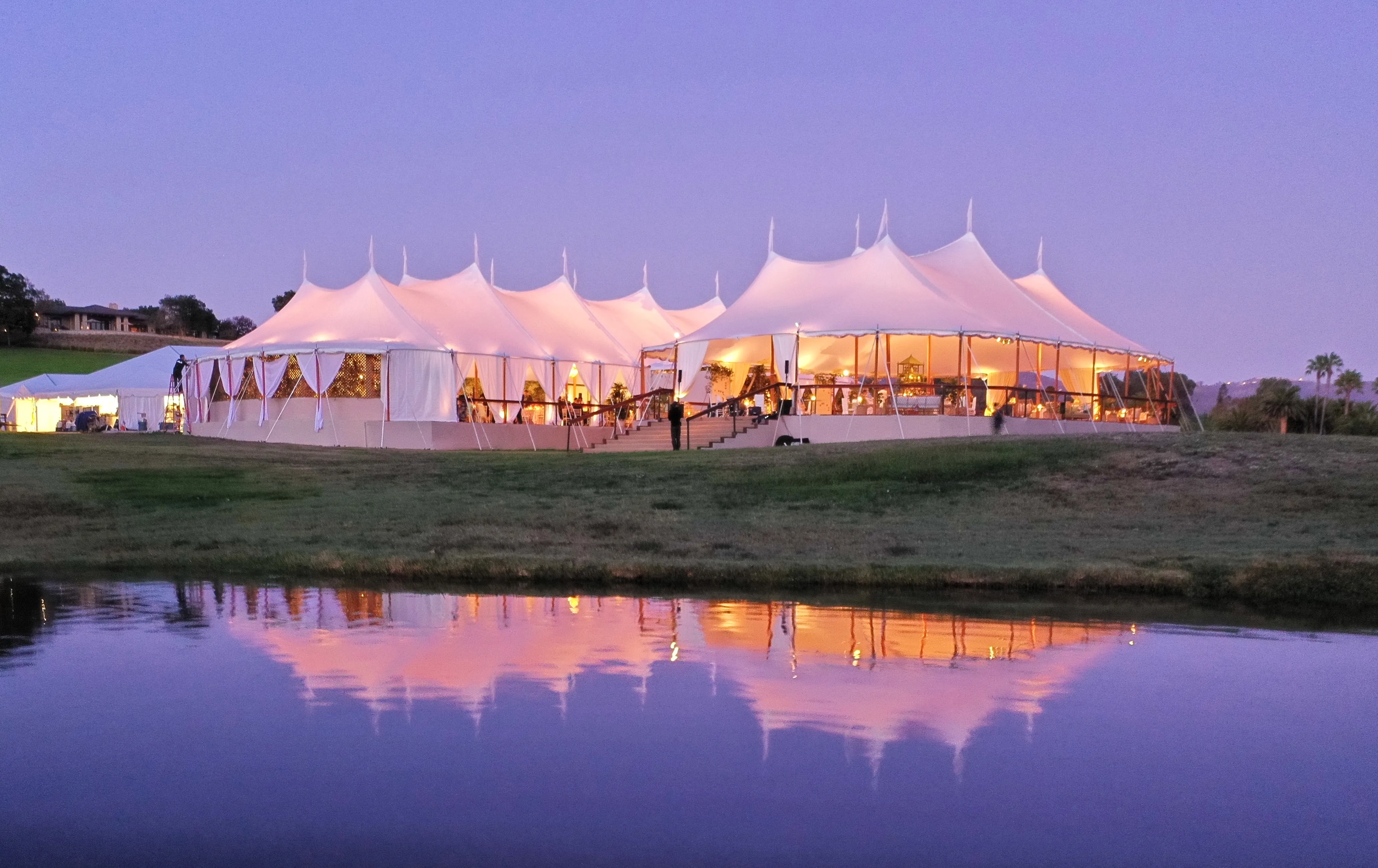
Beautiful high-peak décor needs a thoughtful layout beneath it. The original content emphasizes that site conditions, guest circulation, dining and dancing zones, installation schedules, and vendor coordination can influence how successfully decorative features come together inside a Century Tent.
Planning these practical elements alongside the décor helps maintain the spacious character of the tent while ensuring chandeliers, draping, florals, furniture, and lighting enhance rather than interfere with the guest experience.
Plan Dining, Dancing, and Social Areas Beneath the Peaks
A Century Tent’s expansive interior provides flexibility for dividing the event into distinct experience zones. Dining tables, lounge areas, dance floors, bars, and social spaces can each have their own visual identity while remaining connected through a consistent autumn design.
The original content recommends defining dining and dancing areas during the planning process. This approach can also help determine where overhead decorative elements will have the strongest impact.
For example, a chandelier positioned above a central dining area can establish an elegant focal point, while string lights can visually connect that space with the dance floor or entrance. Vertical draping can further define sections without taking away from the openness and height that make the Century Tent distinctive.
Blend Fall Colors, Florals, and Draping Throughout the Tent
Seasonal color provides a natural way to connect overhead decorations with tables, flooring, lounge areas, and other details closer to guests. The original article recommends burnt orange, deep red, and gold as autumn colors that can bring warmth into the Century Tent.
Fall florals can reinforce this palette. Dahlias and chrysanthemums are specifically identified in the source as seasonal choices for centerpieces and arrangements, while soft draping and ambient lighting can add another layer of visual interest.
Rather than concentrating all of the decorative impact in one location, planners can repeat complementary colors and textures throughout the space. This creates continuity between the dramatic high peaks and the guest-level experience.
Before finalizing the design, planners should consider how each decorative feature contributes to the larger event environment. Colors, flowers, textiles, lighting, and architectural elements are most effective when they share a consistent visual direction. Practical installation requirements should also be considered early so that the finished space feels intentional rather than overcrowded.
Burnt orange: Introduces a rich seasonal tone suitable for textiles, florals, and accent décor.
Deep red: Adds depth and warmth to formal autumn palettes.
Gold: Brings an elegant finish that pairs naturally with warm lighting.
Dahlias: Provide seasonal character for centerpieces and decorative arrangements.
Chrysanthemums: Add recognizable fall texture and color to floral displays.
Soft draping: Connects the color palette with the vertical architecture of the high peaks.
Burnt orange: Introduces a rich seasonal tone suitable for textiles, florals, and accent décor.
Deep red: Adds depth and warmth to formal autumn palettes.
Gold: Brings an elegant finish that pairs naturally with warm lighting.
Dahlias: Provide seasonal character for centerpieces and decorative arrangements.
Chrysanthemums: Add recognizable fall texture and color to floral displays.
Soft draping: Connects the color palette with the vertical architecture of the high peaks.
Using these elements consistently can create a sophisticated autumn setting without hiding the Century Tent’s architecture. The high peaks should remain part of the visual experience, with seasonal décor enhancing their scale and shape rather than competing with them.
Frequently Asked Questions
What Decorations Work Best with Century Tent High Peaks?
Vertical draping, chandeliers, string lights, and elevated decorative elements work particularly well with high peaks because they direct attention toward the architecture. The original content also recommends tent liners, autumn textures, and rustic accents for adding seasonal warmth to the interior.
The most effective design does not need to cover every section of the ceiling. Selective overhead decoration can highlight the tent’s dramatic height while maintaining an elegant sense of openness.
What Lighting Works Best for a Fall Century Tent?
The source recommends chandeliers, warm uplighting, and string lights. Chandeliers establish statement focal points, uplighting emphasizes architectural lines, and string lights create a softer decorative glow.
Combining several complementary lighting techniques can create visual depth while providing suitable illumination for dining, dancing, and social spaces.
What Colors Work Well for an Autumn Tent Event?
Burnt orange, deep red, and gold are specifically recommended in the original article. These shades can appear in table textiles, florals, draping, lounge furnishings, and smaller decorative accents.
A limited, coordinated palette can feel more refined than using every traditional fall color throughout the space.
Which Flooring Is Suitable for a Fall Century Tent?
The source discusses hardwood, carpet, and vinyl as options. Hardwood provides a classic appearance, carpet creates a softer and warmer feel, and vinyl offers greater resistance to wet outdoor conditions.
Flooring should be selected according to the event’s aesthetic as well as practical venue and weather considerations.
How Can a Century Tent Stay Comfortable During Cool Fall Weather?
The original content recommends considering heating, ventilation, sidewalls, humidity management, and strategic equipment placement. These practical elements should be coordinated with the layout so they support guest comfort without unnecessarily distracting from the décor.
How Should Dining and Dancing Areas Be Arranged?
The source recommends defining separate experience zones for dining and dancing while maintaining comfortable guest circulation. Decorative features such as chandeliers and lighting can then help visually distinguish these spaces.
Should Fall Tent Décor Be Planned Before the Site Layout?
The original article emphasizes site assessment, experience zones, installation schedules, and vendor coordination as part of successful planning. For that reason, décor and layout are best considered together rather than as completely separate stages.
Create an Unforgettable Fall Celebration Beneath Century Tent Peaks
Decorating the high peaks of a Century Tent for fall is most successful when the architecture becomes part of the design itself. Vertical draping can emphasize height, chandeliers can establish dramatic focal points, and warm uplighting and string lights can preserve the structure’s visual impact after sunset. Seasonal colors, florals, textiles, and carefully selected flooring can then extend the autumn atmosphere throughout the guest-level space. We cover this further in Decorating the High Peaks of a Century Tent for Summer Events.
Practical planning is equally important. Flooring should complement the event while responding to site conditions, and heating, ventilation, sidewalls, or humidity management may be needed as autumn weather changes. Thoughtful placement of tables, dance areas, social spaces, lighting, and climate equipment helps ensure that visual sophistication does not come at the expense of guest comfort or circulation. The original content emphasizes this coordinated approach to décor, comfort, and event logistics.
The result can be an event environment that feels warm and intimate while preserving the impressive scale of the Century Tent. Instead of simply placing fall decorations inside the structure, planners can use every layer, from flooring and furniture to florals and the peaks overhead, to create one cohesive seasonal experience. For inspiration from past installs, browse our tent gallery.
Planning an elegant fall wedding, corporate gathering, or luxury outdoor celebration? Contact Skyline Tent Company to discuss your venue, guest count, Century Tent layout, flooring, climate-control requirements, and overall event vision. With the right tent infrastructure and thoughtful planning, Skyline Tent Company can help you create a sophisticated autumn setting that makes full use of the dramatic high peaks and provides an inviting environment for your guests from arrival through the final moments of the event.