
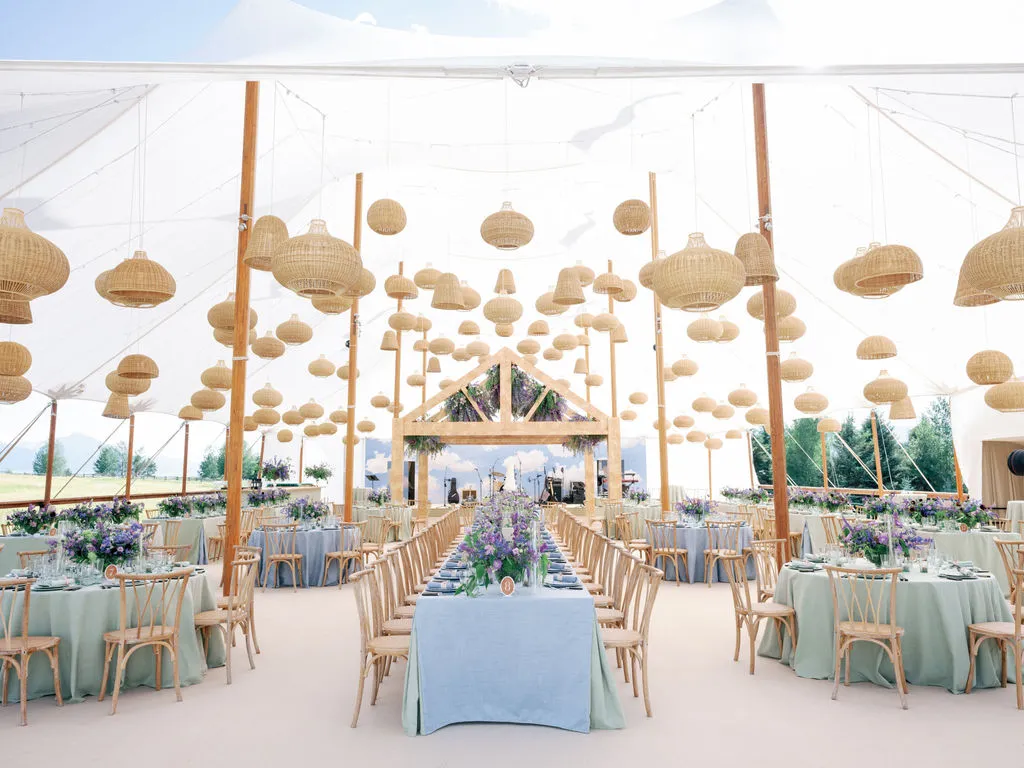
Luxury events held on private estates, ranches, vineyards, coastal properties, and other remote locations often require temporary infrastructure that permanent venues already have in place. Electrical capacity is one of the most important considerations because lighting, climate control, catering equipment, audiovisual systems, entertainment, and other event operations may all depend on reliable power. Event tent generator power allows planners to create a fully functioning temporary venue even when the property has limited or no permanent electrical service. Skyline Tent Company approaches remote events by reviewing electrical access, generator capacity, power distribution, tent selection, climate control, flooring, and site logistics together. Sailcloth tents, Century Pole tents, frame systems, and engineered structures may each suit different properties, but the event cannot operate effectively unless the infrastructure supporting them is planned in advance. By auditing the site before installation and coordinating temporary power with the rest of the venue design, planners can transform private land into a polished setting for weddings, corporate gatherings, galas, and multi-day celebrations.
Planning Generator Power for Remote Luxury Events
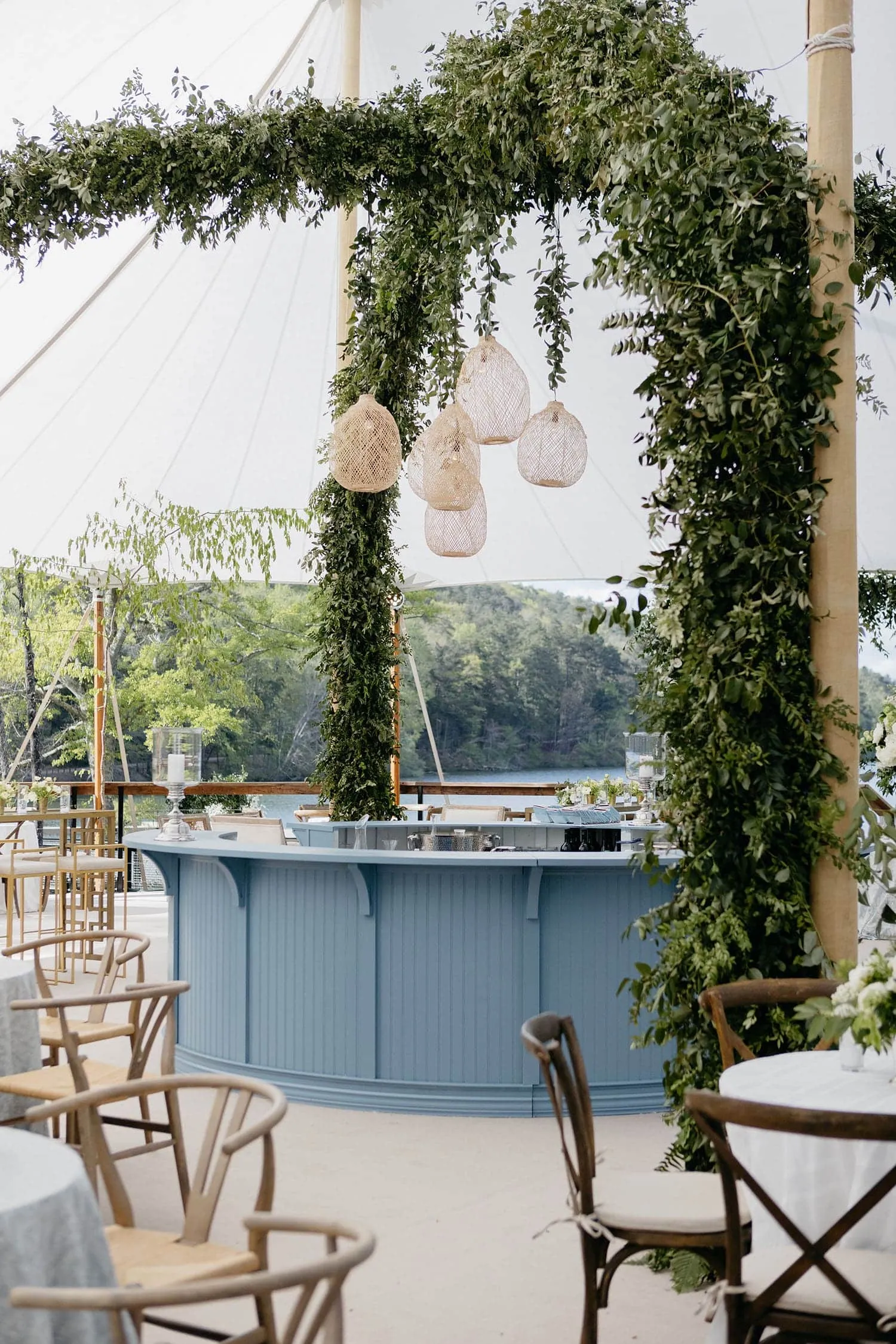
Remote properties are often selected because of their landscape, privacy, or character rather than their existing event infrastructure. A family estate or rural property may provide a remarkable setting while lacking the electrical capacity needed to operate a large tented event.
Temporary power planning fills that gap by calculating what the event requires and determining how those systems will be supplied throughout the property.
Calculating Power Needs Across the Event
Lighting, HVAC equipment, catering operations, entertainment, and audiovisual systems can all place significant demands on temporary power. Those requirements should be calculated together rather than allowing each vendor to plan electrical use independently.
Distribution also matters because power must reach equipment throughout the event footprint without creating unnecessary hazards or visible cables across major guest pathways. Generator placement should also consider noise so that temporary equipment does not interfere unnecessarily with ceremony, dining, or entertainment areas.
A complete power plan should consider more than the total electrical load. Equipment location, event timing, and periods of peak demand can influence how the system is designed. Reviewing these elements before installation helps keep temporary infrastructure aligned with the event layout.
Lighting loads: Include chandeliers, pathway lighting, decorative lighting, and functional work areas.
Climate-control equipment: Heating, cooling, and ventilation systems require dedicated power planning.
Catering equipment: Temporary kitchens and service stations may add substantial electrical demand.
AV and entertainment: Speakers, screens, production equipment, and bands need reliable power.
Distribution routing: Cabling should be organized around guest, staff, and service circulation.
Backup capacity: Additional planning may be appropriate for peak periods or extended events.
Coordinating Power with Tenting and Event Infrastructure
Generator planning should not happen separately from the tent design. Flooring, climate equipment, catering areas, entertainment stages, and lighting all influence where power needs to reach.
Skyline Tent Company provides project management and event consulting alongside power generation and climate-control services, allowing those systems to be considered during the broader temporary venue plan.
This coordinated approach is particularly useful at remote properties where vendors may otherwise be working around limited site access and infrastructure.
Auditing Remote Property Infrastructure Before Setup
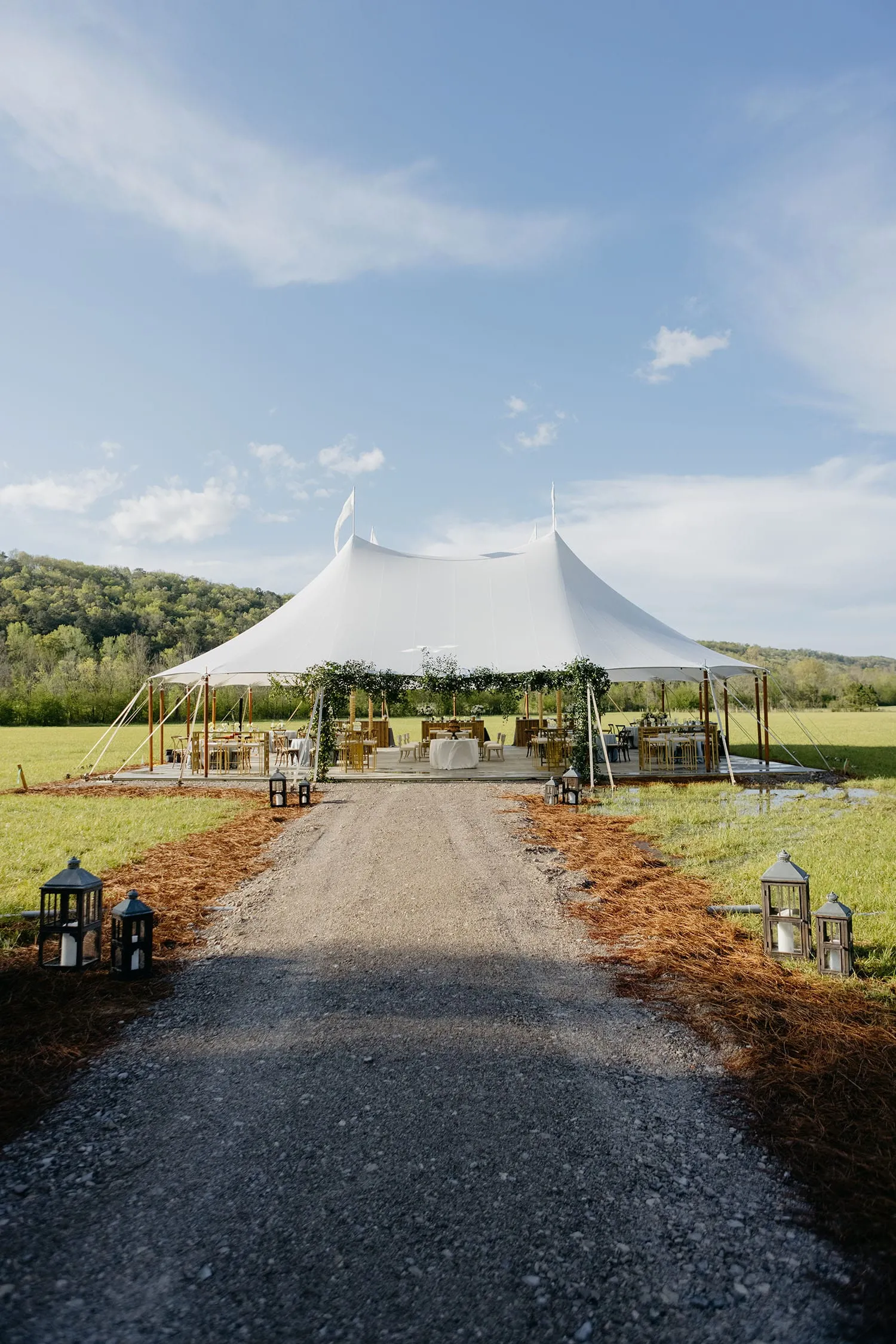
A remote site should be evaluated before detailed design decisions are finalized. Properties that were never intended to operate as event venues may lack power, water, restroom facilities, parking, drainage solutions, catering access, or emergency routes.
Understanding what already exists and what must be brought onto the property establishes the foundation for the temporary venue plan.
Reviewing Access, Utilities, and Site Conditions
Electrical capacity is only one component of the audit. Vehicle access affects whether generators, tent equipment, flooring, and catering infrastructure can reach the installation area.
Water access and restroom requirements also need to be understood, particularly when guests will be on the property for several hours or across multiple days. Drainage and ground conditions influence tent placement and may determine whether engineered flooring or elevated platforms are required.
A useful property assessment should consider the event as a complete temporary venue rather than focusing only on the tent. Each infrastructure category can affect another part of the installation. Reviewing these needs together helps reveal potential gaps while there is still time to address them.
Access routes: Confirm practical routes for guests, vendors, installation crews, and equipment.
Electrical capacity: Determine whether temporary generator power will be required.
Water access: Identify requirements for catering and supporting services.
Restroom facilities: Determine whether existing facilities can support the event.
Parking: Account for both guest and vendor vehicles.
Drainage and terrain: Evaluate whether flooring or site adjustments are necessary.
Catering access: Provide practical staging and delivery routes.
Emergency routes: Maintain access throughout the event footprint.
Turning Infrastructure Gaps into a Temporary Venue Plan
Once the property’s existing capabilities are documented, planners can identify what temporary systems need to be added. A property without sufficient electrical capacity may require generators, while uneven ground may require flooring and a remote location may need temporary climate systems.
Generator sizing should reflect the combined demand of lighting, HVAC, catering, and entertainment rather than treating each item separately. An undersized system may struggle when several components reach peak load at the same time.
Skyline Tent Company reviews site and infrastructure considerations as part of planning for temporary event structures, helping connect practical needs with tent and layout decisions.
How Event Tent Generator Power Supports the Venue
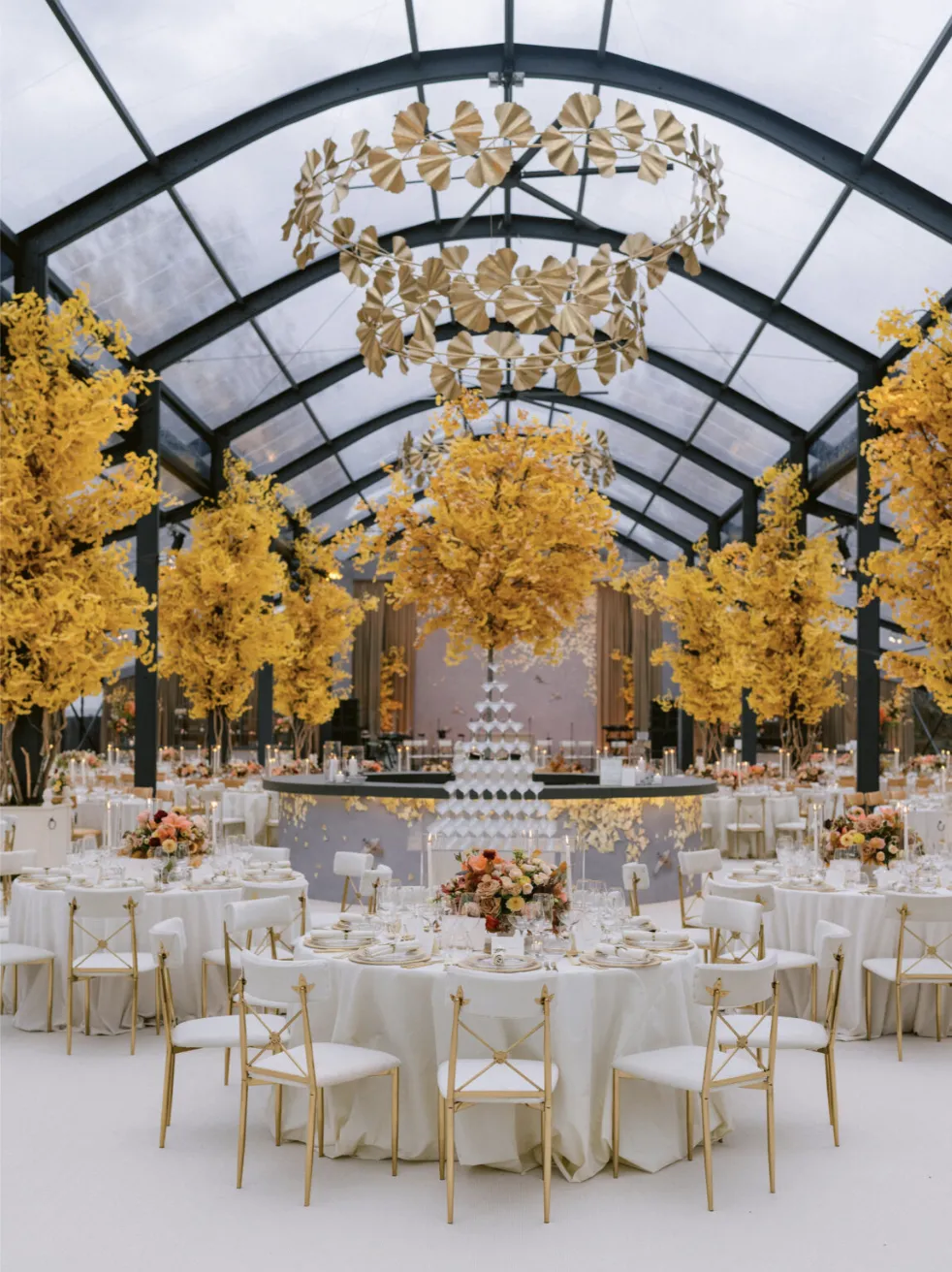
Generator power effectively replaces the electrical infrastructure a permanent venue would normally provide. It allows a tented site to operate lighting, catering, climate control, and production systems even when utility connections are unavailable or inadequate.
At remote estates, farms, vineyards, and rural properties, this temporary infrastructure can be central to making the location usable as an event venue.
Powering Sites with Limited or No Electrical Service
A property without electrical service does not necessarily prevent it from hosting a large tented event. Temporary generators can be brought to the site and connected to the systems that need power.
The planning process begins by understanding how the event will function. Guest count, tent size, catering requirements, entertainment, lighting design, and climate-control needs all contribute to the overall electrical demand.
Distribution should then be designed around the layout so power reaches equipment without creating unnecessary conflicts with entrances, service routes, dining areas, or other guest spaces.
Planning Generator Placement, Distribution, and Backup Capacity
Generator placement should balance practical access with the guest experience. Equipment needs to remain accessible to event teams while being positioned appropriately relative to quieter areas such as ceremonies and dining spaces.
Cabling should follow planned routes that account for flooring and guest circulation. Temporary power also needs to be coordinated with HVAC, lighting, catering, and entertainment equipment before the installation is complete.
For longer or multi-day events, power planning may also include additional capacity based on the duration and operating requirements of the event. Skyline Tent Company provides power generation and related support services as part of its remote event infrastructure planning.
Choosing Tents and Climate Control for Remote Properties
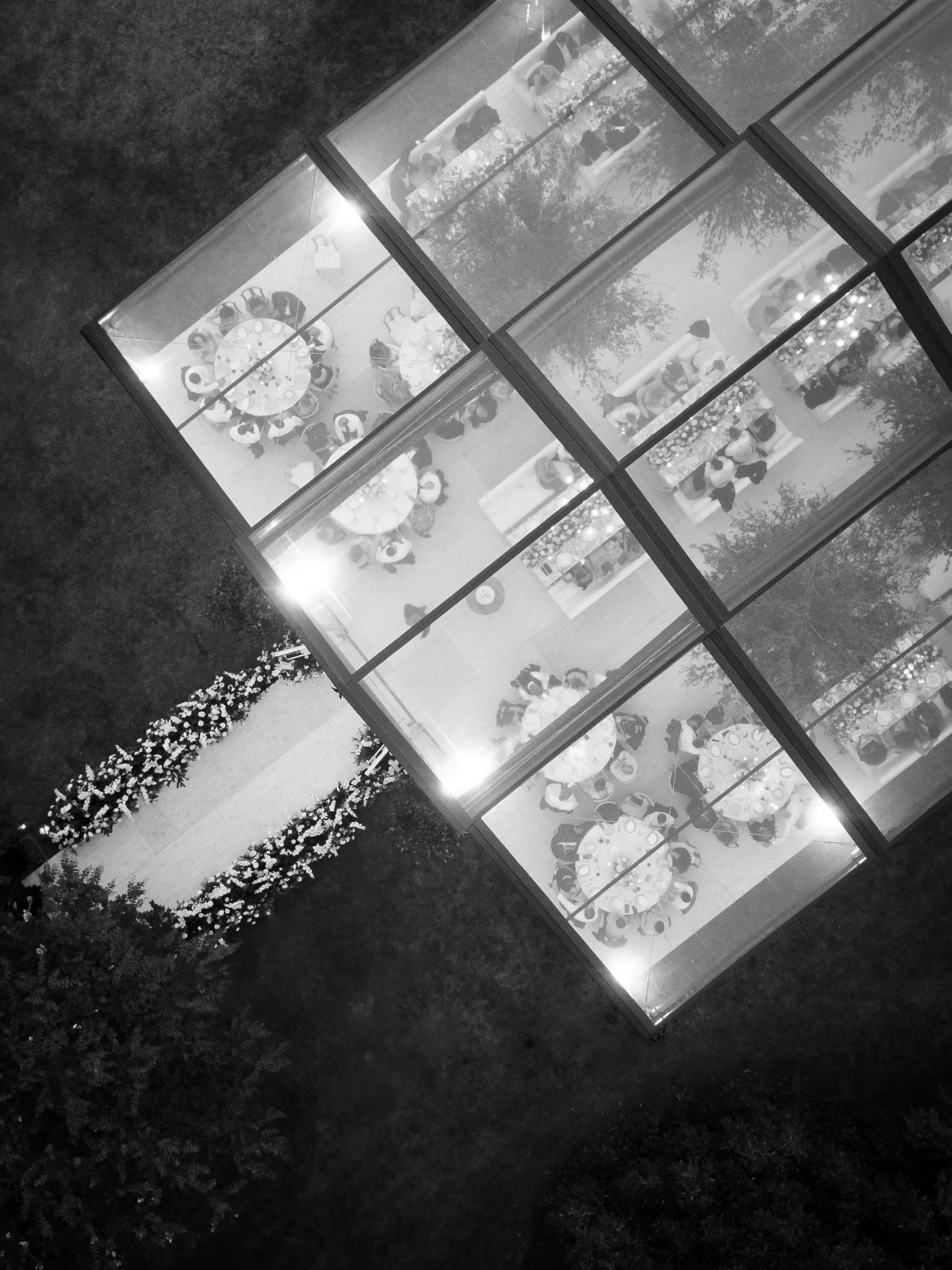
Temporary power is only one part of creating a comfortable remote venue. Tent selection, weather protection, climate systems, flooring, and enclosure all influence how the space performs throughout the event.
Remote settings can include open fields, vineyards, coastal properties, gardens, and estates, each with different terrain and exposure.
Matching Tent Style to the Property
Sailcloth tents can complement vineyards and open landscapes with their translucent fabric and distinctive peaks. They are described as fully waterproof and highly wind-resistant, making them suitable for appropriate exposed installations.
Skyline Tent Company also offers Navitrac, Frame, Century Pole, and Losberger Structure systems. Frame structures can provide flexibility across varied sites, Century Pole tents offer a classic silhouette where suitable ground is available, and engineered structures can support larger events requiring substantial temporary coverage.
The final structure should be selected according to terrain, guest count, weather exposure, access, and event program rather than appearance alone.
Integrating Climate Control with Generator Power
Heating and cooling systems at an off-grid venue depend on the power plan supporting them. Climate equipment should therefore be included when generator requirements are calculated rather than added later.
Custom flooring, elevated platforms, and glass walls can also influence environmental control. More enclosed tent environments can help planners manage temperature and moisture while maintaining the finished appearance expected at a luxury event.
At coastal or exposed sites, wind and changing temperatures require additional attention. Treating climate control and event tent generator power as one coordinated system can help create a more consistent interior environment throughout the event.
Planning Flooring, Layout, and Remote-Site Logistics
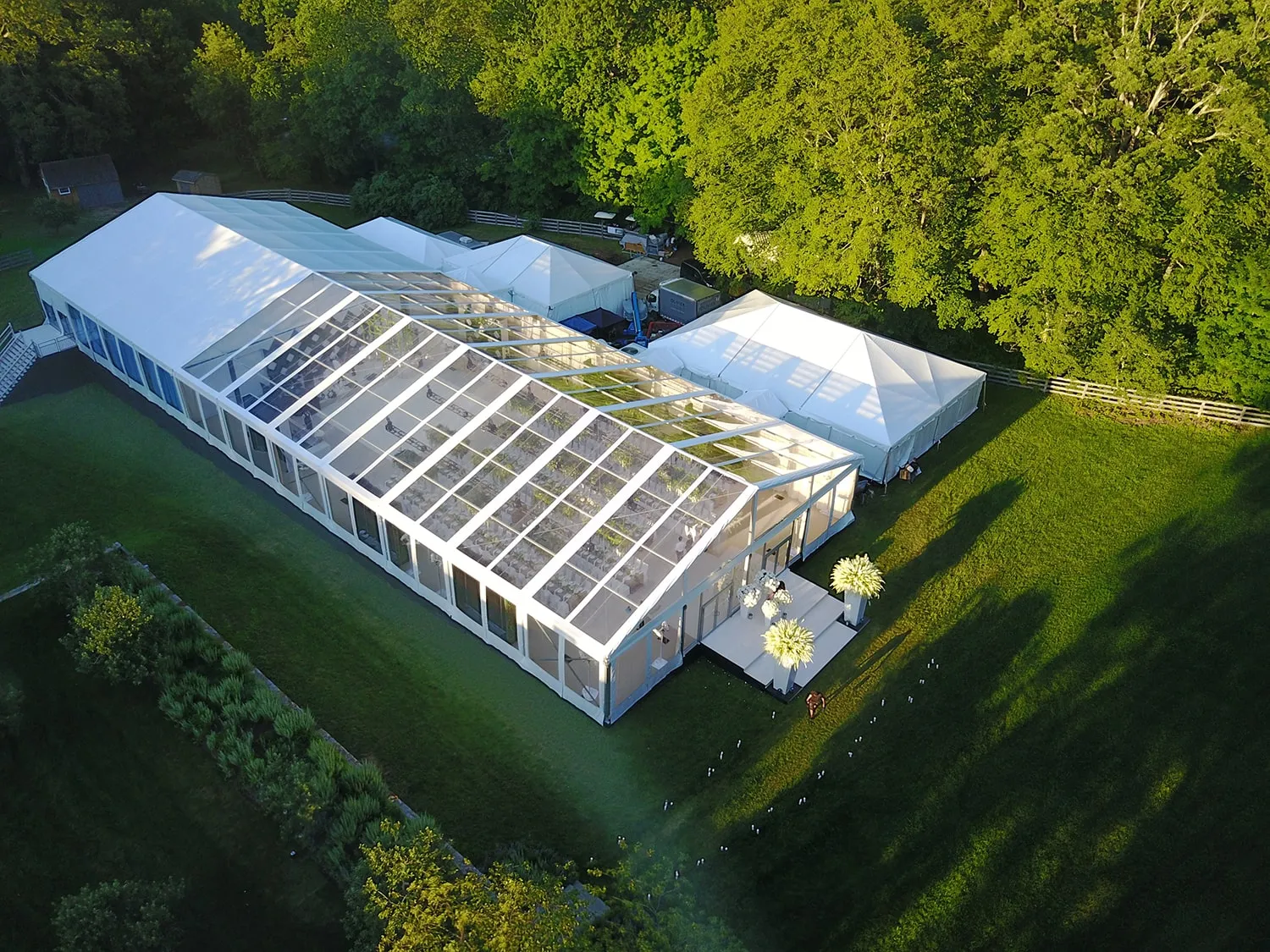
A remote property can provide impressive scenery without offering the level surfaces and defined rooms of a permanent venue. Temporary flooring and careful zoning help transform open land into spaces for ceremony, cocktails, dining, entertainment, and guest circulation.
These decisions should be made before final generator distribution because each zone may create different equipment and power requirements.
Creating Stable Flooring and Defined Event Zones
Uneven fields, gravel, grass, and sloped lawns may require engineered flooring before furniture or event equipment can be installed effectively. Skyline Tent Company uses Biljax TF2100 engineered flooring for temporary venue applications where stable surfaces are needed.
Accurate site measurements allow seating, tables, stages, dance floors, and service pathways to be organized around the property’s actual usable footprint. A private residence itself does not need to accommodate the entire guest count when the surrounding land and tent infrastructure function as the primary venue.
Separate ceremony, cocktail, dining, and dance zones can give an open property structure and help guests understand how to move through the event.
Confirming Site Needs Before Booking
Remote-event planning should begin with infrastructure rather than décor. Tent size and generator requirements depend on guest count, event format, equipment loads, ground conditions, and site access.
The property’s usable event footprint should be measured before the final guest count and layout are confirmed. Power distance and drainage should also be reviewed because both may influence where the structure can be placed.
Several questions should be resolved before booking the temporary venue infrastructure. Completing this review early provides a clearer picture of what the property can realistically support. It also allows tenting, flooring, power, and guest-flow decisions to be developed as one plan.
Ground conditions: Confirm a suitable location for the proposed tent and flooring system.
Access routes: Ensure installation and delivery vehicles can reach the event area.
Power availability: Determine whether supplemental generator power is required.
Guest zones: Define ceremony, cocktail, dining, and reception spaces.
Drainage: Review how rain and runoff may affect the installation area.
Guest capacity: Match attendance to the property’s usable event footprint.
Equipment demand: Calculate lighting, climate, catering, and entertainment requirements.
Frequently Asked Questions
Why do remote events need generator power?
Private estates, ranches, farms, and other remote properties may not have enough permanent electrical capacity for lighting, HVAC, catering, and entertainment systems. Temporary generator power can provide the additional infrastructure required for the event.
What equipment should be included when calculating generator capacity?
Lighting, heating or cooling systems, catering equipment, audiovisual production, entertainment equipment, and other electrical systems should be considered together when determining the overall load.
Where should generators be positioned at a luxury event?
Placement depends on site access, distribution requirements, and the event layout. Noise and proximity to ceremony, dining, and guest spaces should also be considered when determining the installation location.
Can generator power support climate control in event tents?
Yes. Generator systems can support temporary heating and cooling equipment when properly planned for the expected electrical demand. Power and climate control should be designed together.
What other infrastructure may a remote property need?
Remote venues may also require engineered flooring, elevated platforms, temporary restrooms, water access, parking plans, lighting, climate control, catering areas, furnishings, and defined emergency and service routes.
Power Your Remote Luxury Event with Skyline Tent Company
A private estate, vineyard, ranch, coastal property, or open field can become a sophisticated temporary venue when the underlying infrastructure is planned correctly. Tent design receives much of the visual attention, but power generation, climate control, flooring, access, drainage, guest circulation, and site logistics are what allow the venue to function throughout the event.
Skyline Tent Company provides event tent structures along with power generation, climate control, custom flooring, elevated platforms, project management, tables, chairs, linens, and additional support for remote-site events. The company serves clients nationwide and also provides international consulting for projects requiring broader planning support.
Planning these systems together helps transform land without traditional event infrastructure into a coordinated environment for guests, vendors, and production teams.
Contact Skyline Tent Company to discuss your remote property, guest count, tent requirements, electrical capacity, event tent generator power, climate-control needs, flooring, and site logistics. Their team can help develop a temporary infrastructure plan designed around the property and the experience you want to create.