
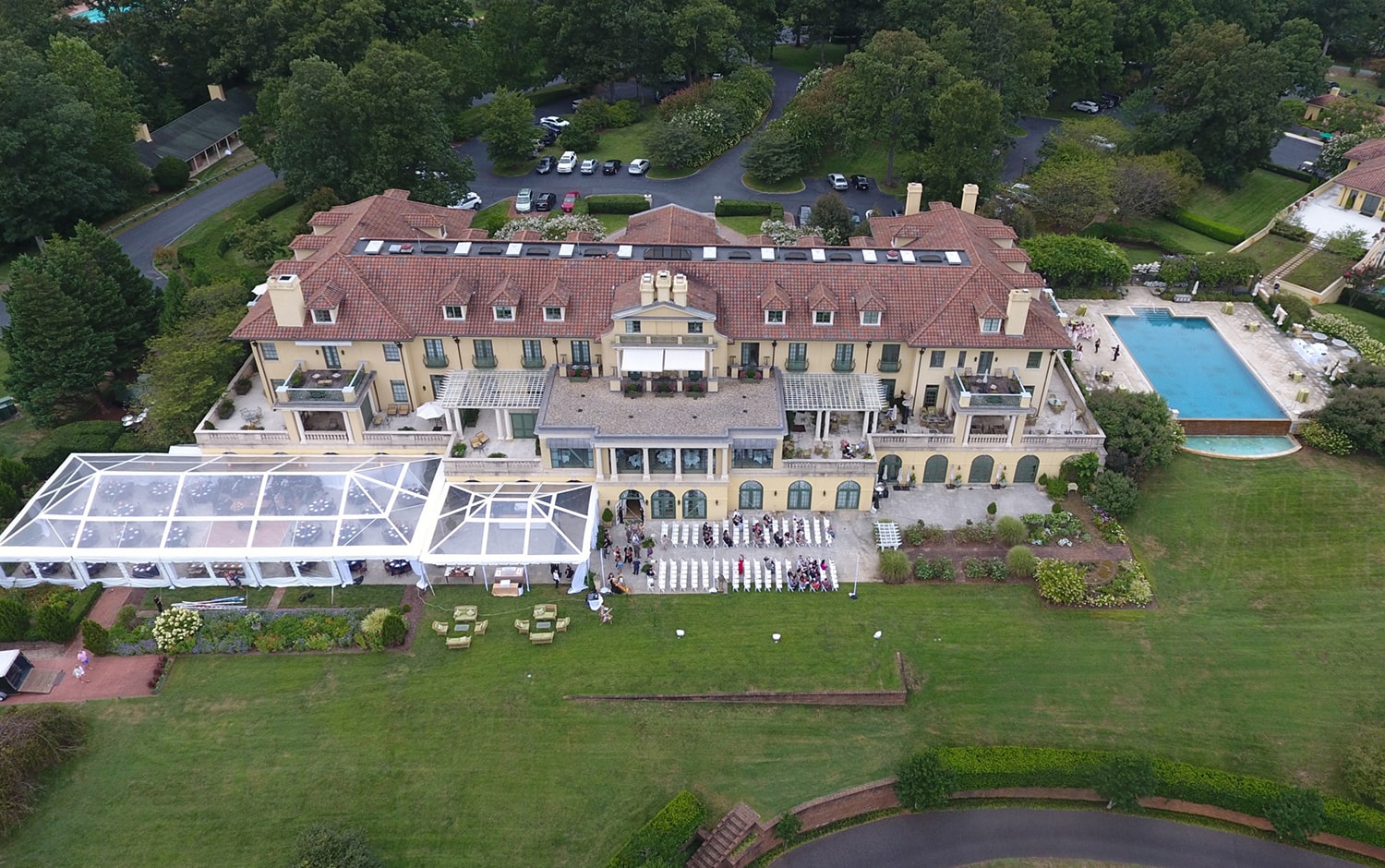
Summer trade shows present an excellent opportunity for businesses to showcase products, strengthen client relationships, launch new services, and build meaningful connections with industry professionals. While the exhibits themselves are important, the overall event environment often determines how attendees interact with brands and remember their experience. A thoughtfully designed corporate event structure provides more than shelter from the weather. It creates a professional venue that encourages networking, supports presentations, improves attendee comfort, and reinforces a company’s brand identity.
Today’s premium event tents combine sophisticated engineering with flexible design possibilities. Clearspan tents, frame tents, and sailcloth structures allow organizers to create customized trade show venues that accommodate exhibitors, presentation areas, hospitality lounges, networking spaces, and product demonstrations without compromising aesthetics or functionality. By integrating advanced lighting, premium flooring, climate-control systems, and branded design elements, companies can transform outdoor venues into polished event environments that rival traditional convention centers.
Selecting the Best Tent Structure for Summer Trade Shows
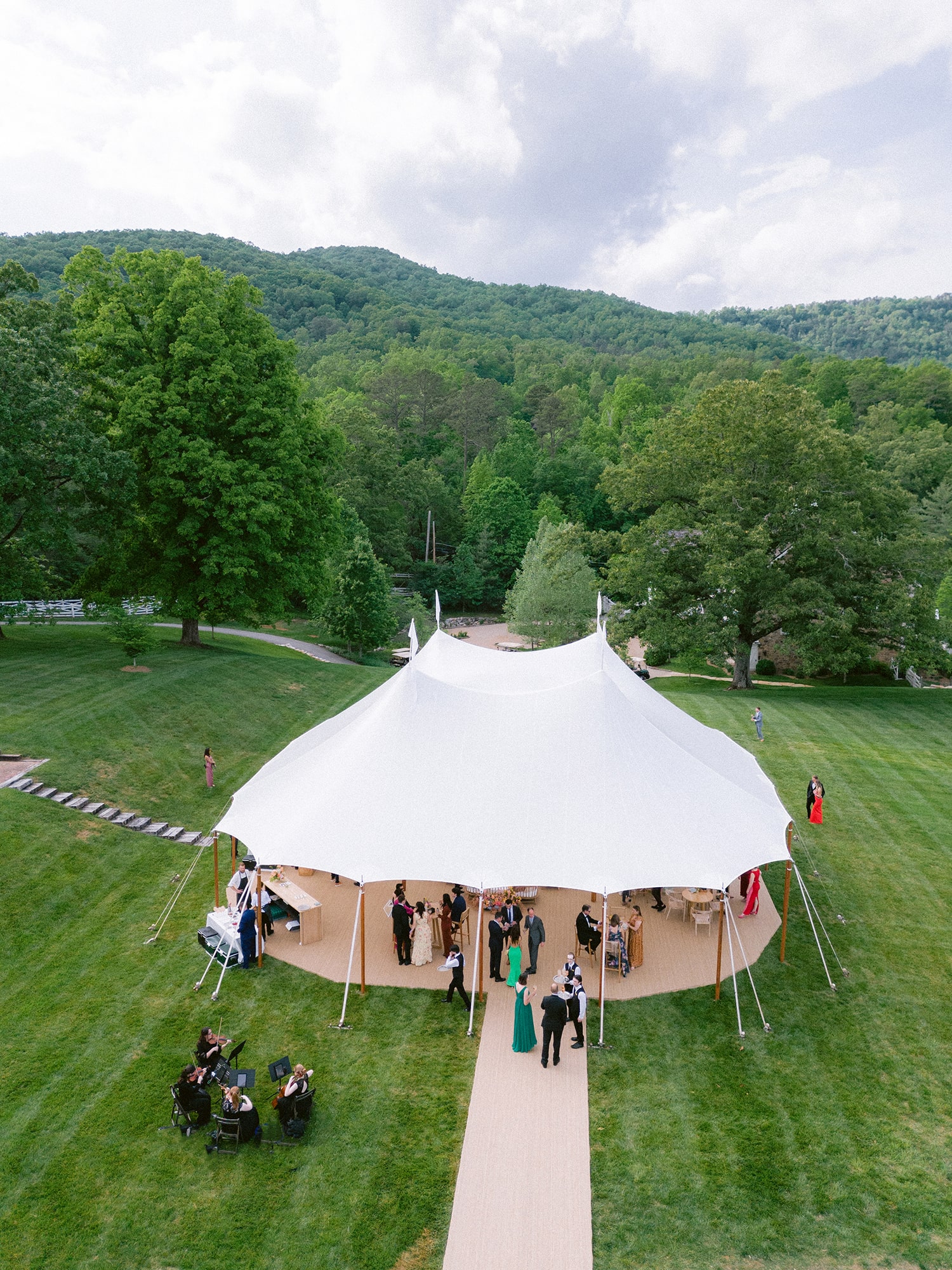
The tent structure forms the foundation of the entire event. Every decision involving layout, branding, technology integration, guest circulation, and comfort begins with selecting the right architectural solution.
Different tent styles provide different advantages depending on the size of the event, venue conditions, and operational requirements. Understanding these differences helps event planners create spaces that support both functionality and visual appeal.
Why Clearspan Structures Are the Preferred Choice
Clearspan structures have become one of the most popular solutions for outdoor corporate events because they provide completely unobstructed interiors. Understanding clearspan versus pole tents can help planners evaluate how engineered frames create open spaces for exhibits, presentations, networking areas, and other large-scale event requirements.
This flexibility allows planners to position exhibitor booths, presentation stages, meeting lounges, product displays, registration counters, dining areas, and hospitality spaces wherever they create the greatest impact.
When Frame and Sailcloth Tents Are the Right Fit
While clearspan structures excel at large trade shows, frame tents and sailcloth tents offer excellent alternatives for specific applications.
Frame tents provide outstanding installation flexibility because they can be erected on concrete, asphalt, courtyards, rooftops, and landscaped areas where staking may not be practical. They work exceptionally well for registration spaces, VIP lounges, sponsor activations, and breakout areas.
Sailcloth tents offer an entirely different aesthetic. Their translucent fabric, graceful rooflines, and natural wood poles create a sophisticated atmosphere that works particularly well for executive receptions, networking events, hospitality suites, and client appreciation gatherings associated with larger trade shows.
Before selecting a tent structure, planners should carefully evaluate the event requirements.
Important considerations include:
- Expected attendance
- Number of exhibitors
- Venue size and terrain
- Technology and infrastructure requirements
Making these decisions early simplifies every stage of the planning process.
Designing Corporate Layouts That Encourage Engagement
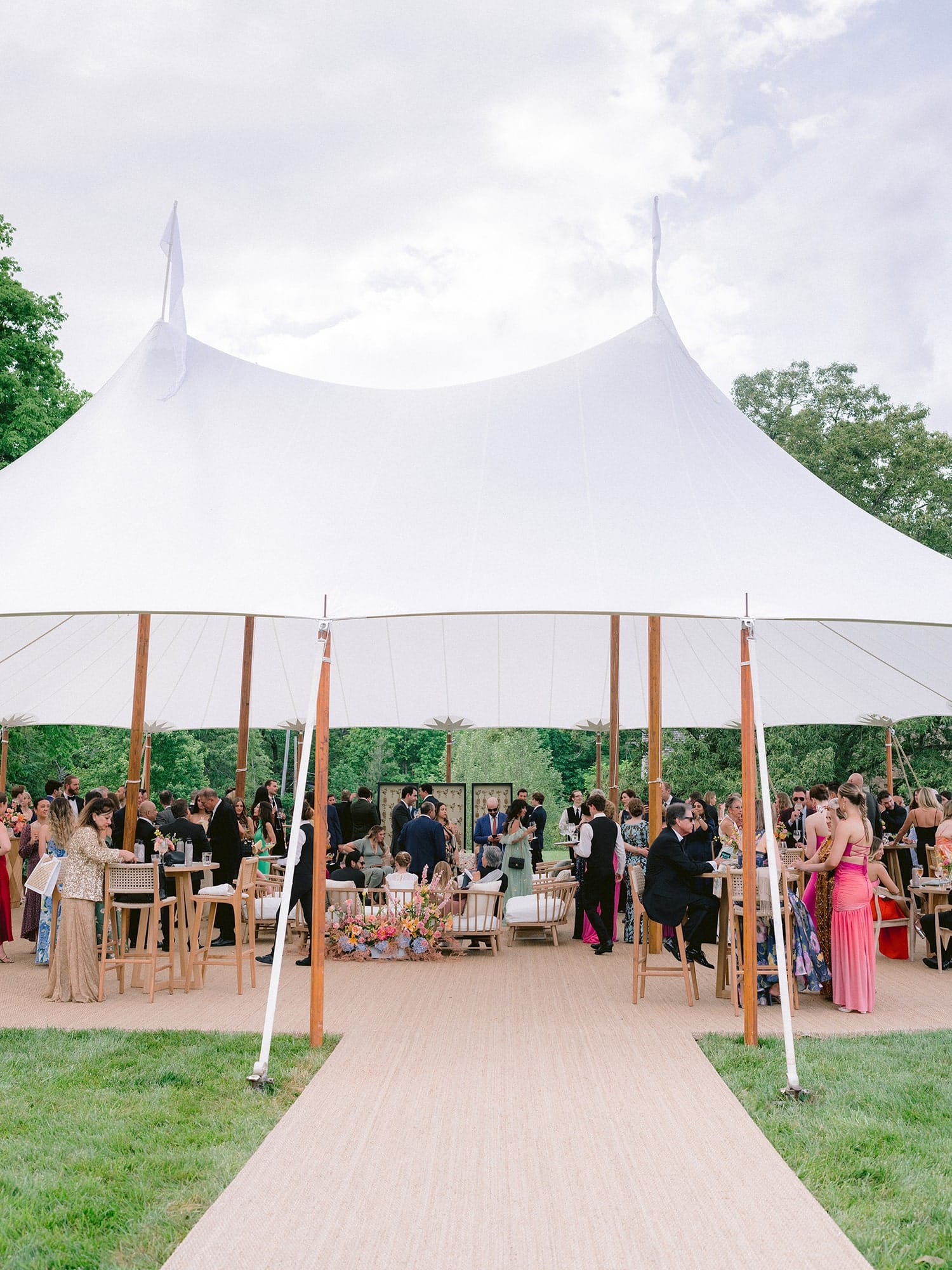
Even the most impressive tent structure requires thoughtful interior planning. Layout design directly influences attendee movement, exhibitor visibility, networking opportunities, and overall event success.
Well-designed corporate environments encourage visitors to explore every section of the venue while allowing exhibitors equal opportunities to engage with attendees.
Creating Functional Exhibit Zones
Trade show attendees naturally move toward spaces that feel organized and easy to navigate. Wide aisles, clearly defined exhibit sections, and logical booth placement improve circulation while reducing congestion.
Instead of arranging booths randomly, planners should group exhibitors strategically based on industries, products, or sponsorship levels. Product demonstration areas should be positioned where they attract attention without interrupting foot traffic.
Creating dedicated presentation spaces within the tent also encourages longer attendee engagement while providing exhibitors with opportunities to educate prospective clients.
An organized floor plan enhances both the attendee experience and exhibitor satisfaction.
Building Comfortable Networking Spaces
Corporate trade shows are about much more than product displays. Many valuable business relationships develop through informal conversations that take place away from exhibit booths.
Dedicated networking lounges, coffee stations, meeting pods, and hospitality areas provide attendees with comfortable spaces to relax while continuing conversations with vendors and colleagues.
These areas should feel integrated into the overall event design rather than functioning as isolated spaces. Comfortable seating, professional lighting, charging stations, and subtle branding all contribute to creating inviting environments that encourage interaction.
Before finalizing the layout, planners should consider the primary functional zones within the venue.
Recommended event zones include:
- Registration and welcome areas
- Product exhibition spaces
- Networking lounges
- Presentation and seminar areas
These spaces work together to create a balanced and engaging attendee journey.
Strengthening Brand Identity Through Tent Customization
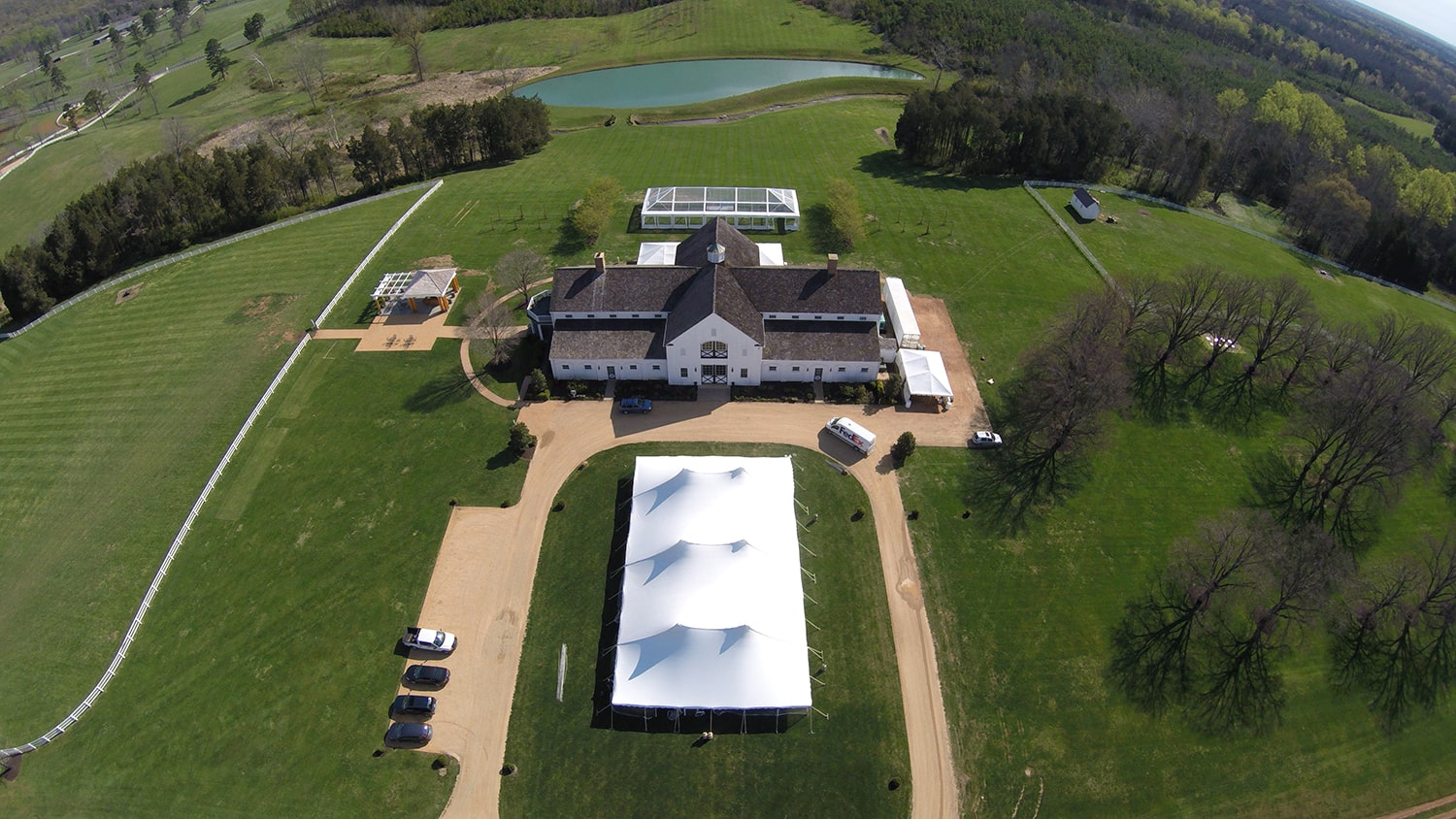
Every element inside a corporate event structure represents an opportunity to strengthen brand recognition. Rather than viewing tents as temporary shelters, modern event planners use them as branded environments that reinforce company messaging from arrival through departure.
Customized structures create memorable first impressions while supporting marketing objectives throughout the event.
Incorporating Branded Design Elements
Large-format graphics, branded entrances, custom wall panels, hanging banners, directional signage, and digital displays all contribute to a cohesive corporate identity.
Brand colors can be incorporated into carpeting, lighting, furniture, exhibit displays, and decorative accents without overwhelming the overall design. Consistency across these elements helps create a polished appearance that reflects professionalism.
Visitors are more likely to remember companies whose event spaces feel organized, visually attractive, and intentionally designed.
Integrating Technology Into Modern Event Structures
Technology has become an essential component of today’s trade shows. Interactive displays, LED walls, touch-screen kiosks, presentation stages, charging stations, and live demonstration areas all enhance attendee engagement.
Successful technology integration requires careful planning. Power distribution, internet connectivity, audiovisual infrastructure, lighting placement, and visitor circulation should all work together seamlessly.
Before finalizing branding and technology strategies, planners should evaluate which features will best support attendee engagement.
Popular enhancements include:
- Interactive digital displays
- LED presentation screens
- Branded welcome entrances
- Sponsor recognition walls
When integrated effectively, these features help transform corporate event structures into immersive brand experiences.
Lighting and Climate Control for Comfortable Summer Events
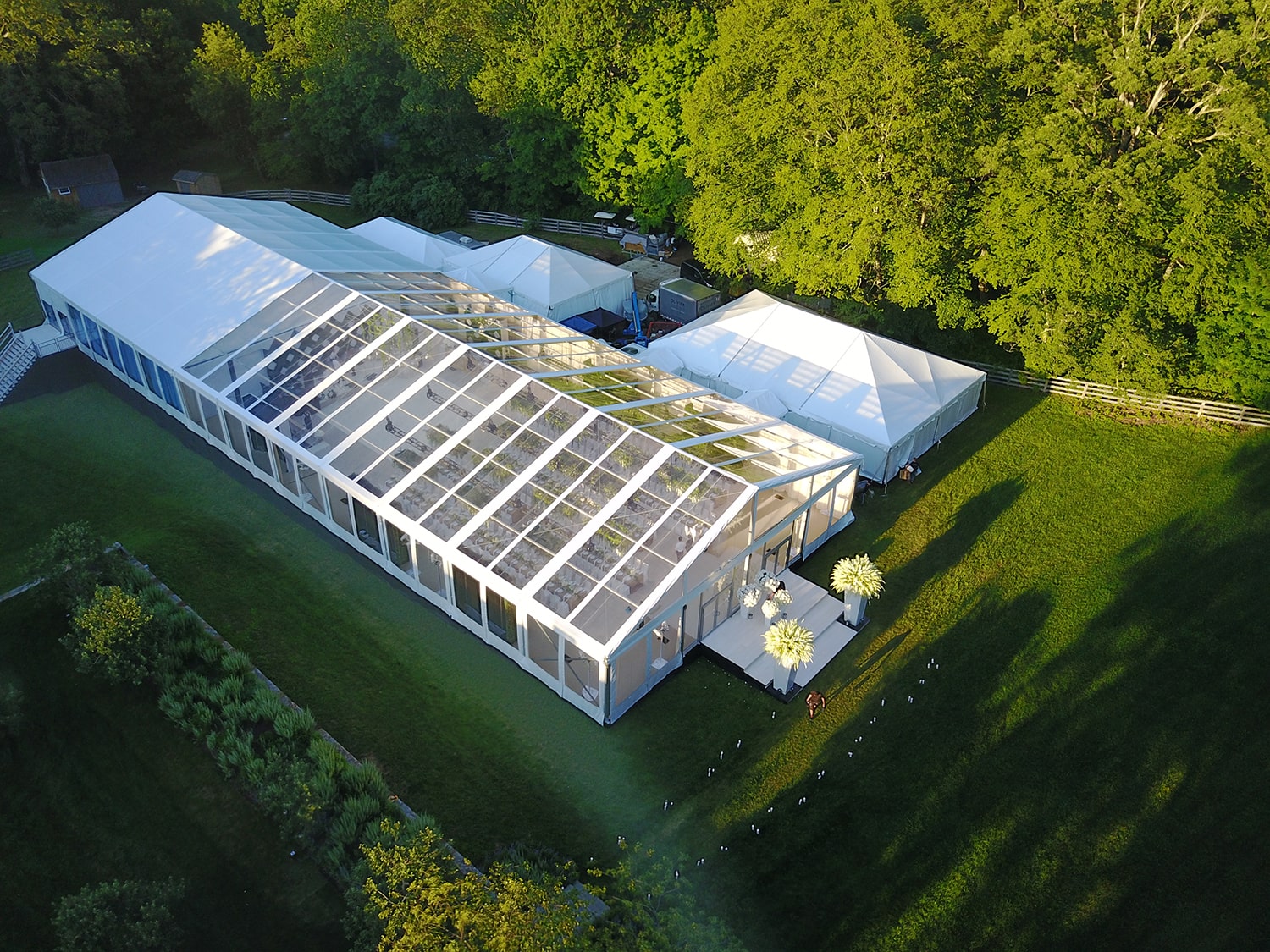
Corporate events often run throughout the day and into the evening, making guest comfort one of the highest priorities. Summer temperatures, changing daylight conditions, and long event schedules require careful planning to maintain a comfortable and inviting environment.
Lighting and climate control work together to support productivity, networking, and attendee satisfaction while enhancing the overall appearance of the venue.
Professional Lighting That Supports Function and Atmosphere
Lighting serves a dual purpose during trade shows. It improves visibility for exhibitors and attendees while also helping define the mood of the event. Layered lighting strategies often combine ambient illumination with accent lighting, booth lighting, and presentation lighting to create a polished environment.
LED fixtures are particularly popular because they provide excellent illumination while remaining energy efficient. Chandeliers, suspended fixtures, and architectural lighting can also be incorporated into premium corporate environments to elevate the overall experience.
Well-planned lighting helps exhibitors showcase products more effectively while making networking spaces feel welcoming and professional.
Climate-Control Systems for Summer Comfort
Maintaining a comfortable indoor environment is essential during outdoor summer events. Using climate-controlled tents for summer can help manage high temperatures and humidity, keeping attendees comfortable and encouraging them to spend more time exploring exhibits and networking spaces.
Modern HVAC systems, portable air-conditioning units, circulation fans, and ventilation strategies help maintain consistent indoor temperatures throughout the day. Integrating these systems early in the planning process ensures they work efficiently without disrupting the visual design of the venue.
Premium Flooring Solutions for Professional Trade Show Environments
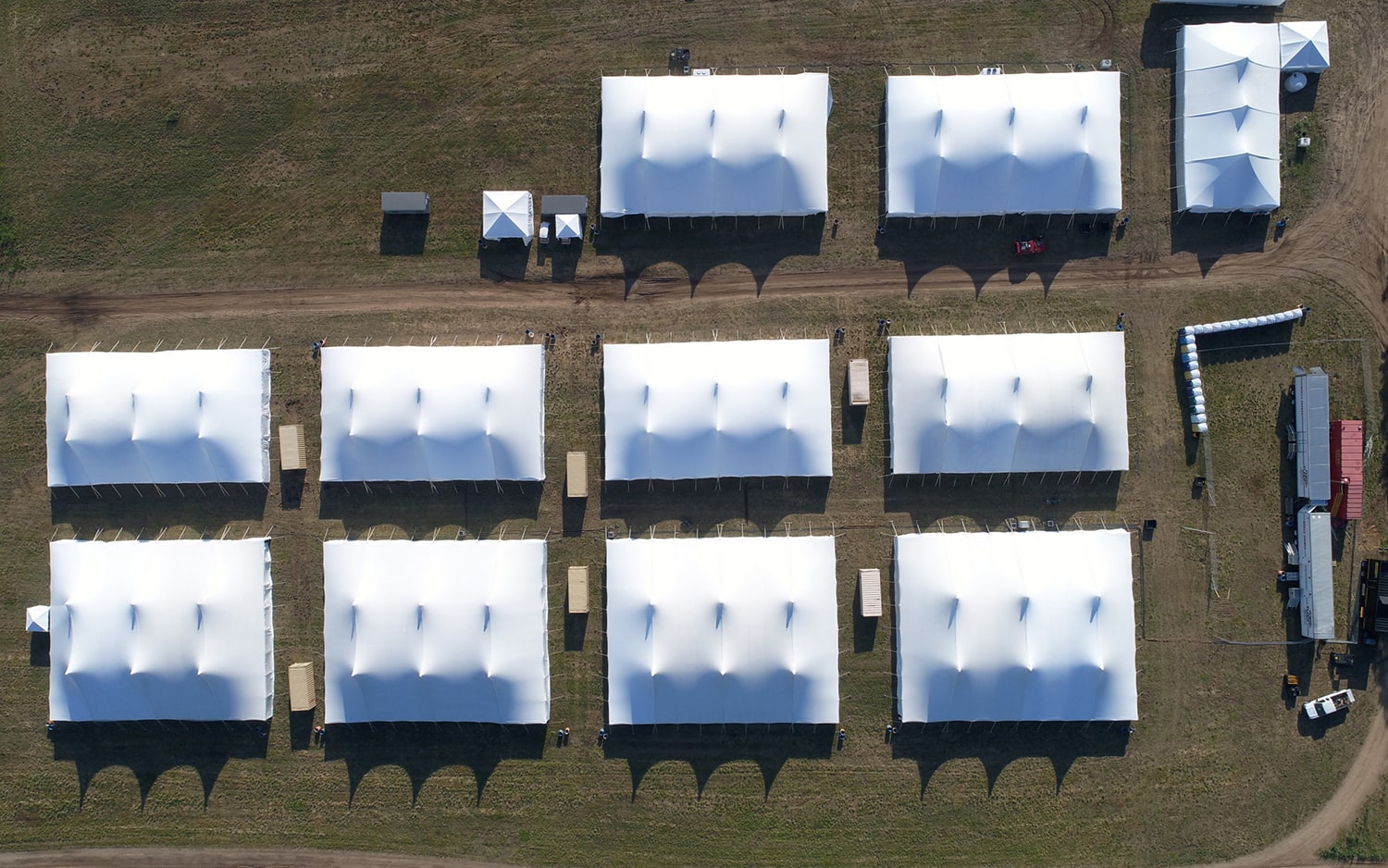
Flooring is often overlooked during the early planning stages, yet it plays a significant role in both aesthetics and functionality. A premium flooring system enhances the appearance of the venue while creating a stable and comfortable surface for attendees, exhibitors, and event staff.
Well-designed flooring also helps define different areas within the event. Walkways, exhibit spaces, presentation zones, and hospitality lounges can each feature distinct flooring styles that guide attendees naturally through the venue while reinforcing the overall event design.
Selecting Flooring That Matches the Venue
The ideal flooring solution depends on the event location, expected foot traffic, and desired appearance. Hardwood flooring is frequently selected for executive receptions and premium hospitality areas because it creates an elegant atmosphere while providing a durable surface for dining and networking.
Modular flooring systems offer exceptional flexibility for large trade shows and exhibition halls. They install efficiently, perform well on uneven terrain, and support heavy booth equipment without compromising stability.
Carpet tiles may also be incorporated into lounge areas or meeting spaces where comfort and sound absorption are priorities.
Creating a Comfortable Guest Experience
Beyond aesthetics, flooring contributes directly to attendee comfort. Walking long distances on grass or uneven surfaces can quickly become tiring, especially during multi-day events.
Professional flooring creates level walking paths, improves accessibility, and supports exhibitors installing large displays or technology equipment. Guests are more likely to spend additional time exploring the event when movement feels effortless.
Before selecting flooring systems, planners should evaluate several important factors.
Flooring considerations include:
- Venue terrain and surface conditions
- Expected attendee traffic
- Booth equipment requirements
- Overall event design
Choosing the right flooring solution improves both appearance and functionality.
Site Planning and Event Logistics
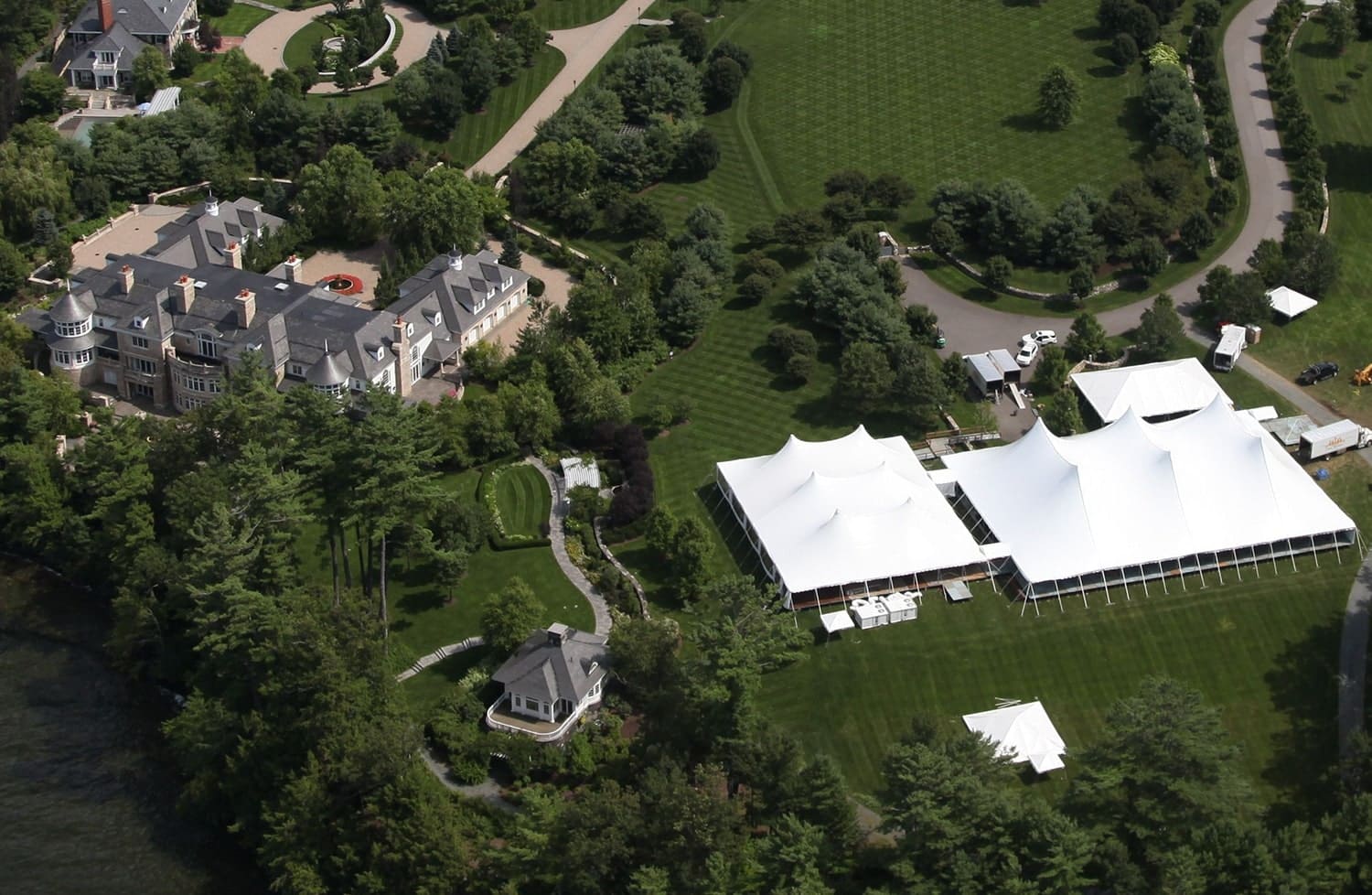
Successful outdoor trade shows begin long before the first tent is installed. Careful site planning allows organizers to identify logistical challenges, optimize layouts, and coordinate vendors efficiently.
Every decision made during the planning stage contributes to smoother installation, improved event operations, and a better attendee experience.
Evaluating Site Conditions
Every venue presents unique opportunities and challenges. Accessibility, drainage, elevation changes, existing utilities, and available installation space all influence tent selection and layout planning.
Professional site evaluations allow planners to determine where structures should be positioned while identifying potential concerns before installation begins.
Planning ahead also helps coordinate delivery routes, emergency access, and utility connections without disrupting the event schedule.
Coordinating Infrastructure and Vendor Operations
Trade shows often involve multiple contractors working simultaneously. Tent installers, electricians, audiovisual providers, decorators, caterers, internet providers, and exhibitors all require coordinated access to the venue.
Establishing a detailed installation schedule helps minimize delays while ensuring every vendor can complete their work efficiently.
Before installation begins, planners should review the essential logistical priorities.
Important planning considerations include:
- Vendor delivery schedules
- Power distribution requirements
- Emergency access routes
- Utility and internet connections
Early coordination helps create a seamless event from setup through breakdown.
Why Professional Event Planning Makes a Difference
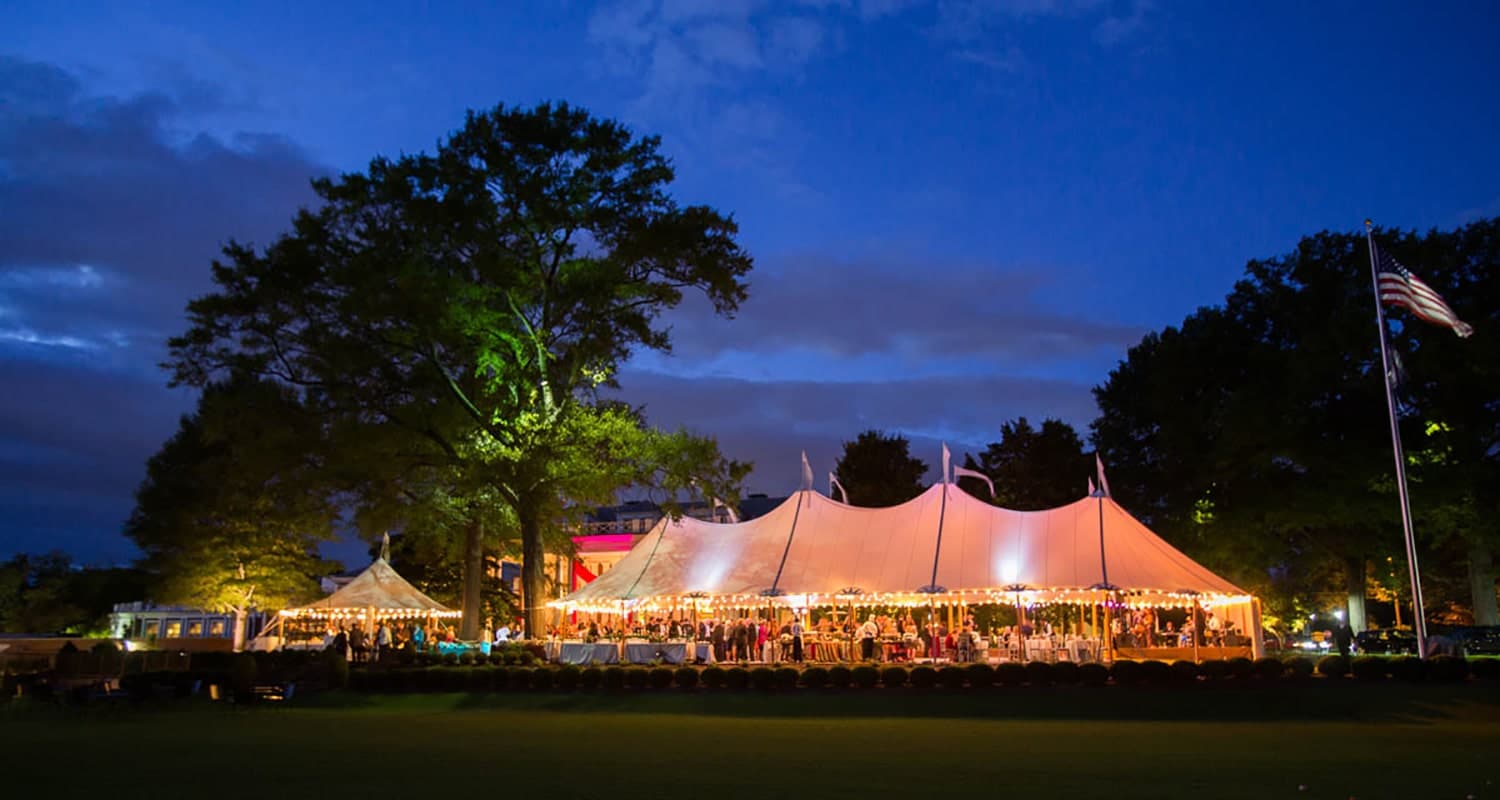
Large outdoor corporate events involve countless moving parts. From selecting the appropriate tent structure to coordinating technology, décor, climate control, and logistics, every detail contributes to the success of the event.
Working with experienced event professionals helps simplify the planning process while reducing potential challenges.
Customized Planning for Every Event
No two trade shows are exactly alike. Guest counts, exhibitor needs, branding goals, venue conditions, and operational requirements vary significantly from one event to another.
Professional planning ensures every recommendation is based on the specific objectives of the event rather than a one-size-fits-all approach. Customized layouts, infrastructure planning, and premium event solutions create environments that feel purposeful and professionally executed.
This tailored approach helps maximize return on investment while improving attendee satisfaction.
Supporting Seamless Event Execution
Preparation is only one part of the process. Successful execution requires experienced teams capable of coordinating installation, managing logistics, and responding quickly to changing conditions.
Professional support allows organizers to focus on exhibitors, attendees, and business objectives rather than operational concerns.
Experienced event specialists also help ensure every aspect of the venue functions together efficiently throughout the event.
Frequently Asked Questions
Why are clearspan tents recommended for trade shows?
Clearspan tents provide unobstructed interiors that maximize exhibit space, improve attendee circulation, and easily accommodate lighting, HVAC systems, and branding installations.
Are frame tents suitable for corporate events?
Yes. Frame tents offer excellent flexibility and can be installed on a variety of surfaces, making them ideal for registration areas, networking lounges, hospitality spaces, and mid-sized corporate events.
Can outdoor corporate tents include air conditioning?
Absolutely. Modern corporate event tents can incorporate HVAC systems, portable air-conditioning units, ventilation equipment, and circulation fans to maintain comfortable indoor temperatures throughout the event.
What flooring works best inside corporate event tents?
Hardwood flooring, modular flooring systems, and premium carpet installations are among the most popular options because they improve comfort, accessibility, and the overall appearance of the venue.
How important is lighting during trade shows?
Lighting enhances product displays, improves visibility, strengthens branding, and creates a professional atmosphere that encourages attendees to engage with exhibitors.
Why should site planning begin early?
Early site planning helps identify logistical challenges, coordinate vendors, determine infrastructure needs, and ensure efficient installation before the event begins.
Can event tents be customized for corporate branding?
Yes. Modern event tents can incorporate branded entrances, custom signage, digital displays, sponsor walls, lighting effects, and personalized layouts that reinforce company identity throughout the venue.
Conclusion
A successful trade show depends on creating stunning summer event structures that support networking, product demonstrations, presentations, sponsor activations, and meaningful business conversations while maintaining exceptional guest comfort and a polished professional atmosphere. From spacious clearspan structures and versatile frame tents to premium flooring, advanced climate control, professional lighting, and customized branding, every element contributes to a polished and memorable event experience.
Skyline Tent Company specializes in creating luxury corporate event environments that combine engineered tent structures with customized layouts, climate-controlled comfort, premium flooring, sophisticated lighting, and seamless logistical planning. Their experienced team helps businesses transform outdoor venues into professional trade show destinations that leave lasting impressions on exhibitors, sponsors, and attendees alike.