
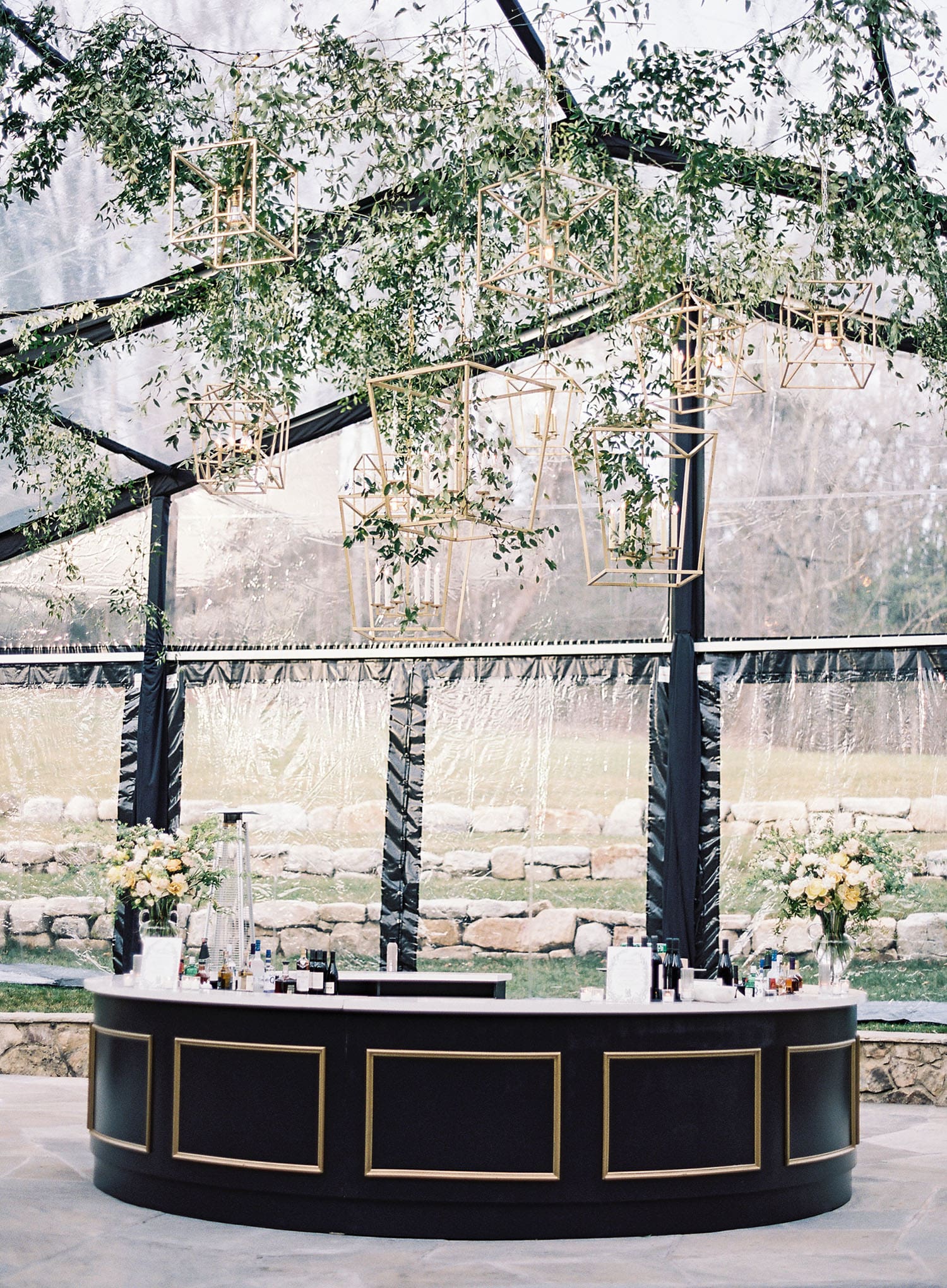
Hosting a large outdoor event during the summer offers countless opportunities to create memorable guest experiences, but it also requires careful planning to address changing weather conditions and local safety requirements. Weddings, corporate gatherings, festivals, charity galas, and community celebrations often rely on premium tent structures to provide comfortable and elegant venues. However, selecting the right tent is only one part of the planning process. Understanding permit requirements, structural safety, and storm preparedness is equally important for protecting guests and ensuring the event runs smoothly.
Modern engineered tent structures are designed to perform exceptionally well when professionally installed and properly planned. Clearspan, frame, and sailcloth tents provide sophisticated environments that combine luxury with functionality while meeting applicable safety standards. By considering site conditions, permitting requirements, weather planning, and emergency procedures from the beginning, event organizers can confidently host successful outdoor events even during the unpredictable summer season.
Understanding Tent Permits and Local Compliance
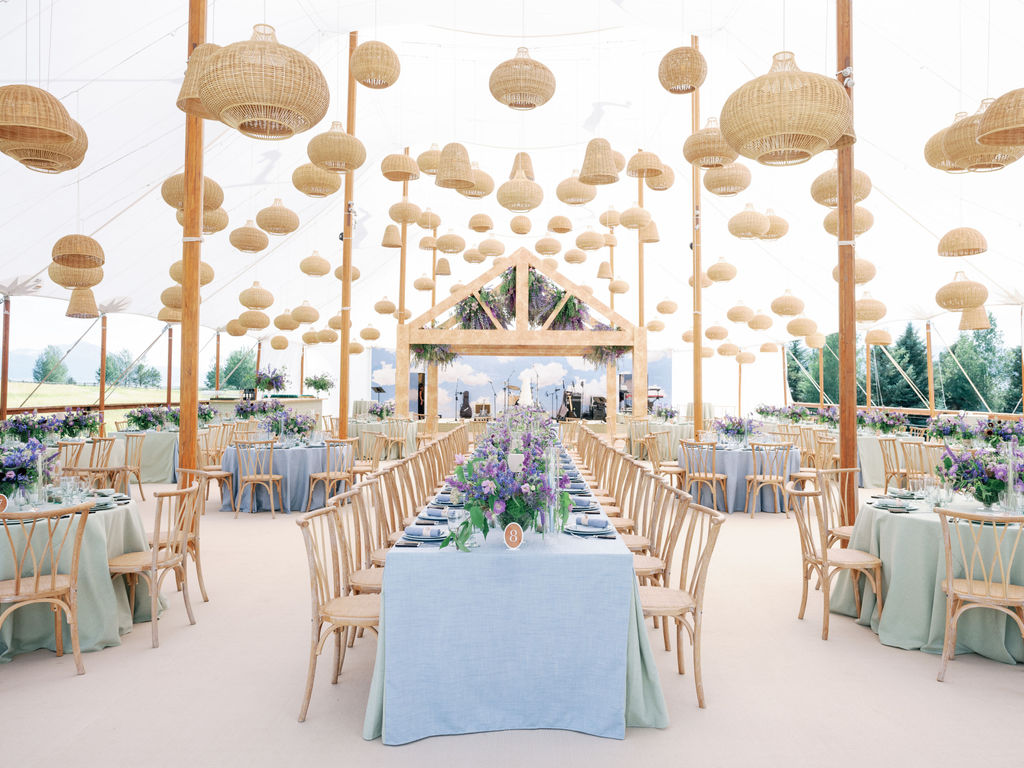
Obtaining the appropriate permits is one of the first and most important steps when planning a large outdoor event. Local regulations help ensure temporary event structures are installed safely and meet building, fire, and occupancy requirements.
Permit requirements vary depending on the event size, tent dimensions, location, and jurisdiction. Working with experienced tent professionals helps simplify this process while reducing delays during event planning.
Why Permits Matter for Large Event Tents
Permits are designed to protect both event organizers and attendees. They verify that tent installations meet structural requirements and comply with local building codes and public safety regulations.
Large tents often require inspections before the event begins. These inspections confirm that anchoring systems, emergency exits, electrical installations, and occupancy limits satisfy applicable standards.
Completing these steps early helps prevent last-minute complications while providing confidence that the venue has been prepared responsibly.
Working with Local Authorities
Successful permitting often involves coordination with multiple local agencies. Depending on the event, organizers may work with building departments, fire officials, health departments, or parks and recreation offices.
Providing accurate site plans, tent specifications, and installation schedules helps streamline the approval process and allows inspectors to review the project efficiently.
Before beginning the permit application process, organizers should prepare several key items.
Permit planning typically includes:
- Tent size and site plans
- Fire and safety documentation
- Event occupancy information
- Installation schedule and inspections
Early communication with local authorities helps ensure the project stays on schedule.
Choosing Tent Structures That Support Safety

Not all tent structures are designed the same way. The type of structure selected affects layout flexibility, installation methods, weather performance, and overall event safety.
Modern engineered tents provide reliable performance while creating elegant event environments suitable for weddings, festivals, and corporate functions.
Clearspan Structures for Premium Outdoor Events
Clearspan tents are widely chosen for large events because their engineered aluminum frames eliminate interior support poles. When evaluating large summer event tents, planners can consider how unobstructed interiors improve guest movement while providing greater flexibility for seating, stages, dining areas, and entertainment spaces.
The structural design also supports premium lighting, suspended décor, climate-control systems, and other event infrastructure without limiting usable space.
Their durability and flexibility make them an excellent solution for large-scale outdoor celebrations.
Frame and Sailcloth Tent Applications
Frame tents provide exceptional versatility and perform well in locations where staking options may be limited. They can often be installed on concrete, patios, courtyards, and landscaped venues while maintaining attractive open interiors.
Sailcloth tents combine architectural elegance with functional performance. Their graceful peaks and translucent fabric create beautiful wedding and gala environments while providing dependable shelter when professionally installed.
Before selecting a tent structure, planners should evaluate several important factors.
Key selection considerations include:
- Expected guest attendance
- Venue conditions
- Event layout requirements
- Seasonal weather expectations
Selecting the appropriate structure helps balance aesthetics, functionality, and safety.
Storm Preparation and Site Planning
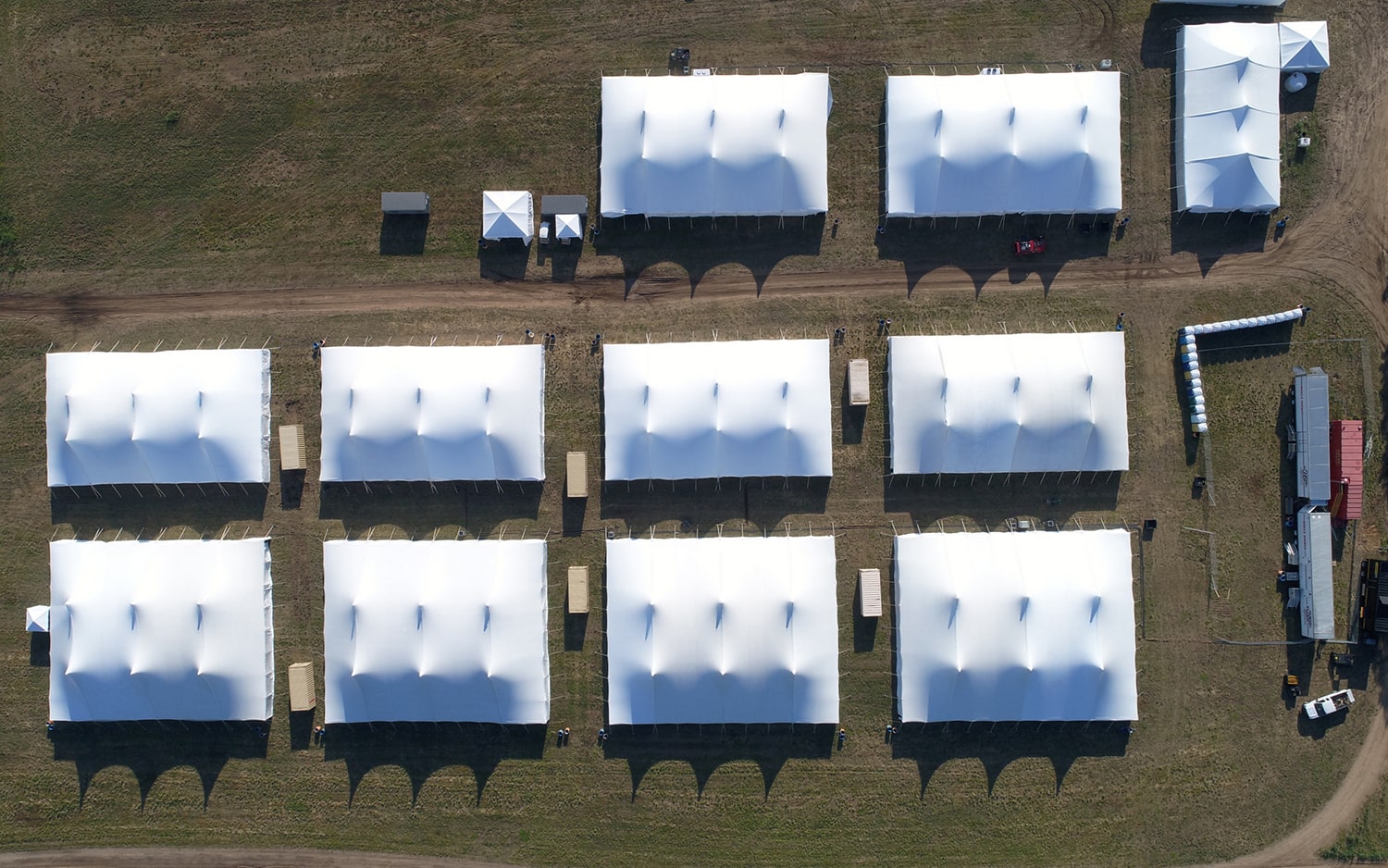
Summer weather can change quickly, making proactive planning essential for outdoor events. Professional site preparation helps reduce weather-related risks while supporting efficient installation and guest comfort.
Preparing for changing conditions does not mean expecting problems. Instead, it allows organizers to respond confidently if weather forecasts change before or during the event.
Evaluating Site Conditions Before Installation
Every venue presents different environmental characteristics. A thorough outdoor event site evaluation can help planners assess ground stability, drainage, elevation, surrounding trees, wind exposure, and other conditions that influence safe tent placement and installation.
Professional site assessments help identify the safest tent location while determining the most effective anchoring methods and equipment placement.
Early evaluations also allow planners to coordinate vendor access, electrical infrastructure, and guest circulation before installation begins.
Planning for Weather and Wind Conditions
Weather planning is an important part of every outdoor event. Monitoring forecasts, understanding seasonal weather patterns, and maintaining communication with installation teams all contribute to successful event preparation.
Tent orientation may also influence comfort and performance. Positioning entrances and open areas thoughtfully can improve airflow while reducing exposure to prevailing winds where appropriate.
Before installation begins, planners should review several important storm preparation priorities.
Storm planning should include:
- Professional site assessment
- Weather monitoring procedures
- Tent anchoring strategy
- Emergency communication plan
Preparing these elements well in advance helps create a safer and more organized event environment.
Emergency Preparedness for Outdoor Events
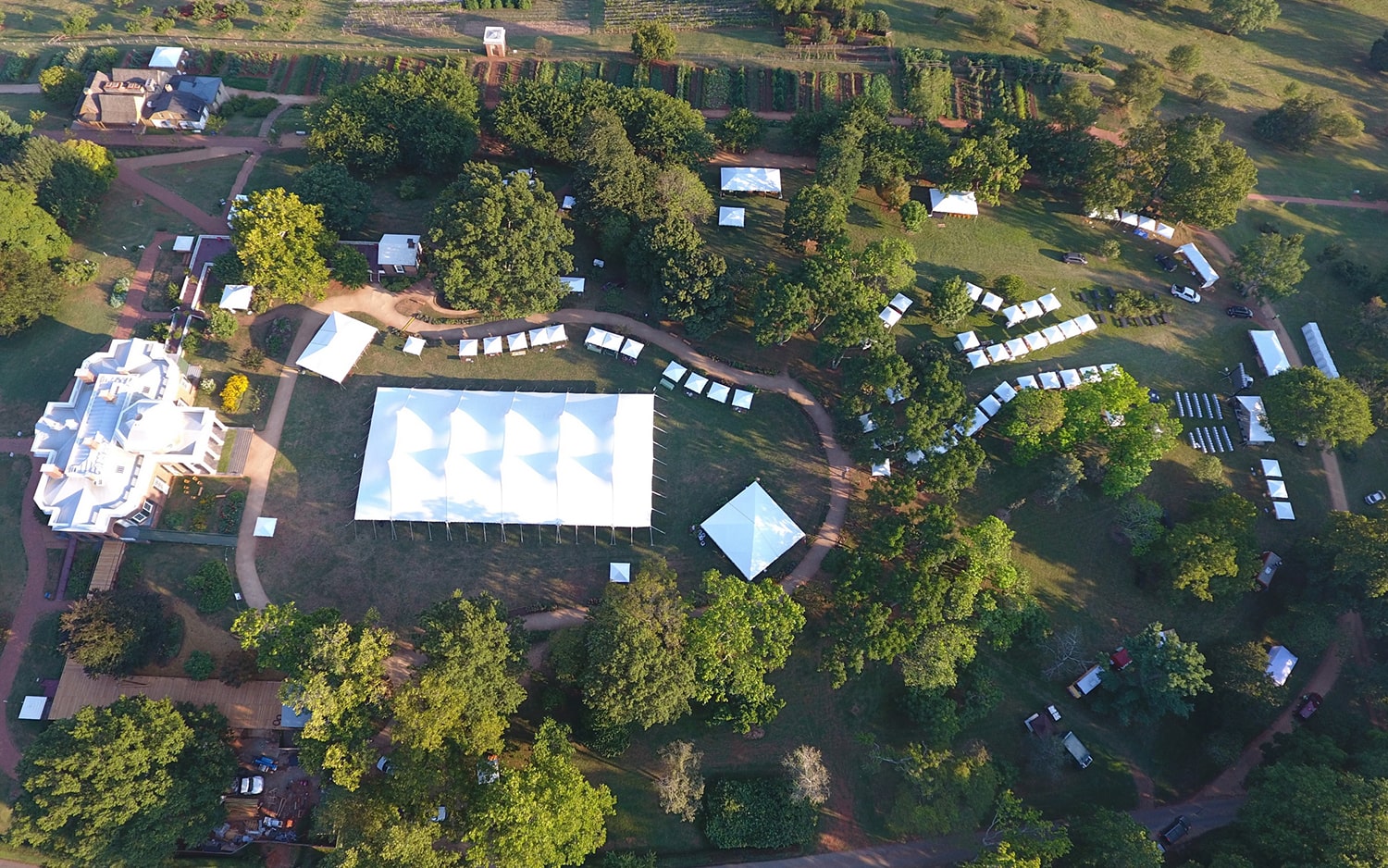
Preparing for changing weather conditions is one of the most important responsibilities of an event organizer. While professionally engineered tents are designed to perform in a variety of conditions, having clear emergency procedures provides additional confidence for both staff and guests.
A well-developed response plan allows event teams to react quickly while maintaining an organized and calm environment if weather conditions change unexpectedly.
Creating an Effective Emergency Response Plan
Every large outdoor event should have a documented emergency plan that outlines responsibilities, communication procedures, and response actions. Event staff should understand evacuation routes, designated shelter locations, and how information will be communicated to guests if severe weather develops.
Assigning responsibilities before the event helps ensure every team member understands their role. Clear communication minimizes confusion while allowing organizers to respond efficiently to changing conditions.
Planning these procedures well in advance helps support a safe and enjoyable guest experience.
Monitoring Weather Throughout the Event
Weather forecasts should be reviewed regularly before and during the event. Designating a team member to monitor official weather updates allows organizers to make informed decisions if conditions begin to change.
Communication between the planning team, tent installation professionals, venue staff, and vendors ensures everyone remains informed throughout the event.
Before guests arrive, organizers should confirm several important emergency planning elements.
Emergency preparedness should include:
- Weather monitoring procedures
- Staff communication protocols
- Guest notification methods
- Evacuation and shelter plans
Reviewing these procedures before the event creates a more confident and organized response if weather conditions require action.
Enhancing Safety with Lighting, Flooring, and Climate Control
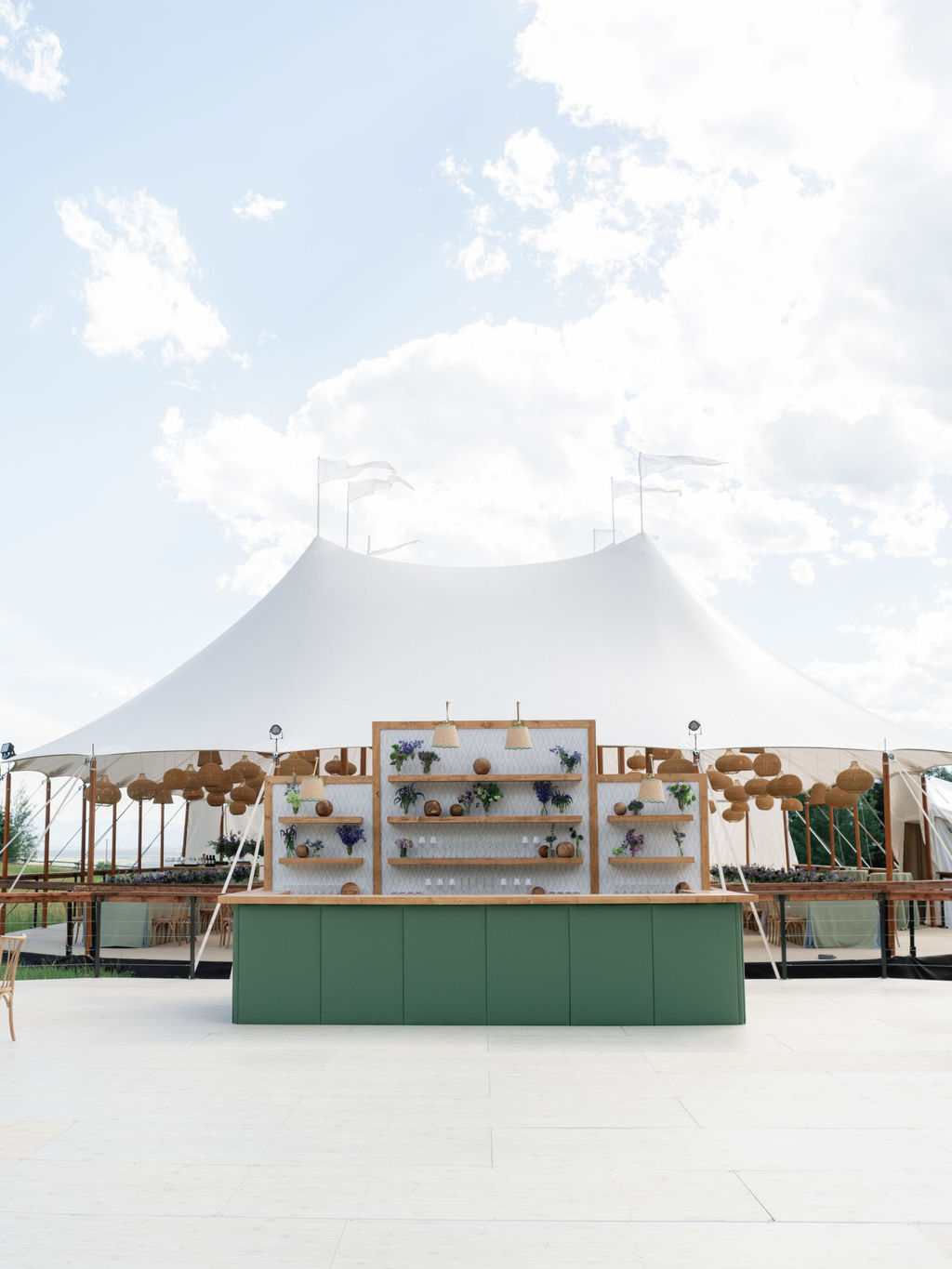
Safety extends beyond the tent structure itself. Proper lighting, stable flooring, and climate-control systems all contribute to a comfortable environment while improving guest mobility and overall event quality.
When thoughtfully integrated, these features enhance both functionality and the overall guest experience.
Flooring That Supports Guest Safety
Professional flooring provides a level surface that improves accessibility while reducing potential trip hazards associated with uneven outdoor terrain.
Hardwood flooring remains a popular choice for luxury weddings and galas because it combines durability with elegant aesthetics. Modular flooring systems also perform well for large festivals and corporate events where flexibility is important.
Quality flooring supports furniture, staging, dance floors, and catering operations while creating a polished appearance throughout the venue.
Lighting and Climate-Control Solutions
Lighting improves both safety and ambiance. Well-lit walkways, entrances, exits, dining spaces, and gathering areas allow guests to navigate the venue comfortably during evening events.
Climate-control systems also contribute to guest safety by maintaining comfortable indoor temperatures during periods of heat and humidity. Proper ventilation improves airflow while supporting HVAC performance throughout the celebration.
Before finalizing event infrastructure, planners should review several important enhancements.
Recommended event infrastructure includes:
- Professional event flooring
- Architectural and pathway lighting
- Climate-control and ventilation systems
- Clearly marked emergency exits
These features help create an environment that is both elegant and functional.
Choosing an Experienced Tent Partner
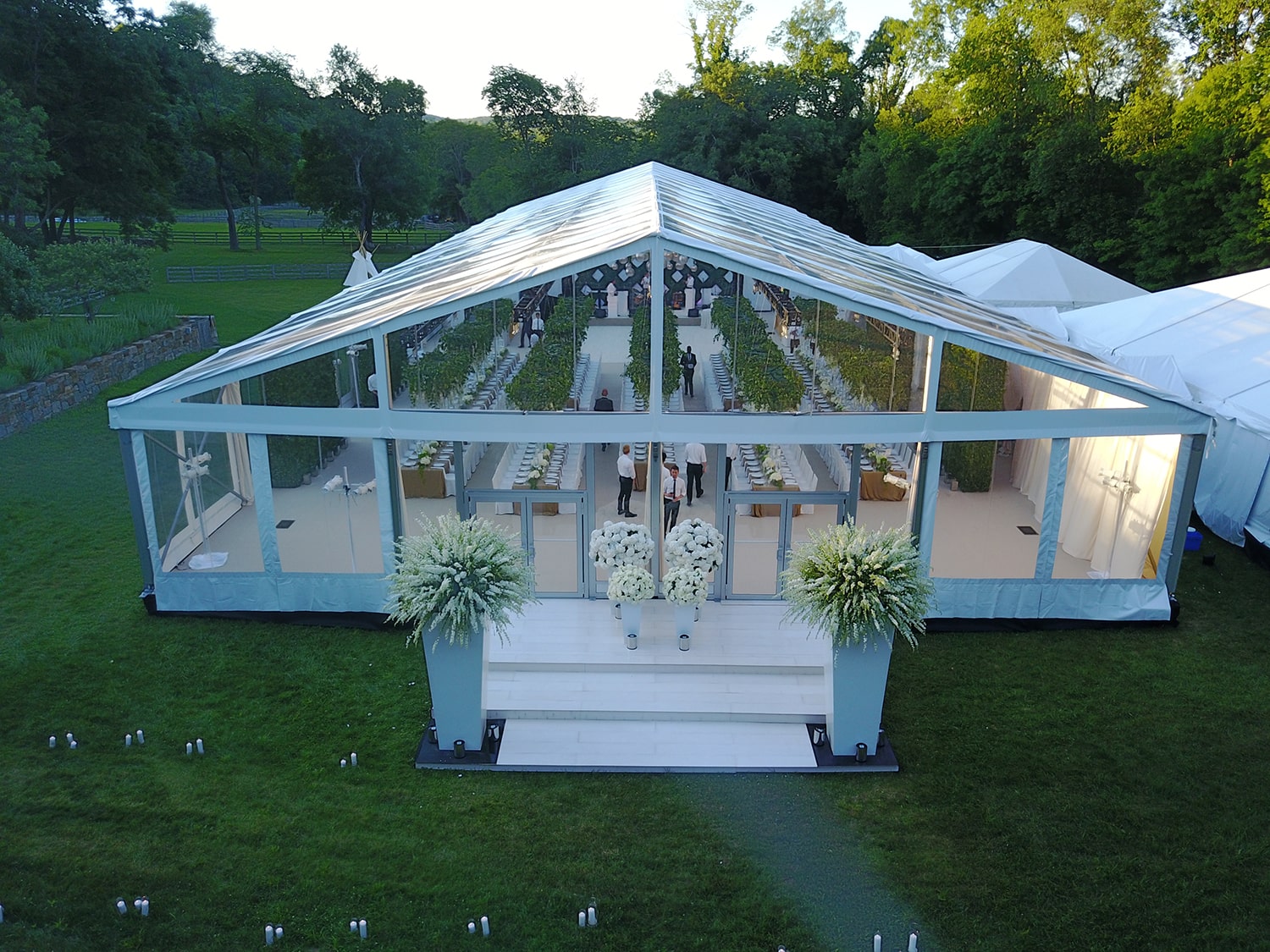
Large outdoor events involve numerous planning considerations, making professional guidance invaluable throughout the process. Experienced tent providers understand how permitting, installation, structural engineering, weather planning, and event logistics work together.
Partnering with knowledgeable professionals simplifies planning while helping ensure the event meets high standards of quality and safety.
Customized Recommendations for Every Venue
Every event site presents different opportunities and challenges. Guest count, venue layout, terrain, weather exposure, and event objectives all influence the most appropriate tent solution.
Rather than relying on standardized layouts, experienced event specialists develop customized recommendations that maximize space, guest comfort, and operational efficiency.
This personalized approach helps create outdoor venues that reflect both the event vision and practical requirements.
Professional Installation and Ongoing Support
Professional installation teams follow established engineering guidelines and manufacturer recommendations throughout every stage of the setup process.
They also coordinate with other vendors to ensure lighting, flooring, climate-control systems, and event infrastructure integrate seamlessly with the tent structure.
Working with experienced professionals allows organizers to focus on delivering an exceptional guest experience with confidence.
Frequently Asked Questions
Do all large event tents require permits?
Permit requirements vary by location and event size. Local authorities typically determine which permits and inspections are required before installation.
Which tent structure performs best during summer events?
Clearspan tents are often preferred for large events because they provide unobstructed interiors, flexible layouts, and excellent compatibility with lighting, flooring, and climate-control systems.
Why is a professional site assessment important?
A site assessment evaluates terrain, drainage, accessibility, utilities, and weather exposure to determine the safest and most effective tent placement.
How can event planners prepare for summer storms?
Monitoring weather forecasts, developing emergency procedures, coordinating with experienced installation teams, and selecting properly engineered tent structures all contribute to effective storm preparedness.
What flooring works best for large outdoor tents?
Hardwood flooring and modular flooring systems are popular choices because they provide stability, improve accessibility, and enhance the overall appearance of the venue.
Can large event tents include climate control?
Yes. Modern event tents can incorporate HVAC systems, portable air-conditioning units, ventilation equipment, and circulation fans to improve guest comfort throughout the event.
Why should organizers work with experienced tent professionals?
Experienced providers assist with permitting, site planning, structural recommendations, installation, and logistical coordination, helping create safe and successful outdoor events.
Conclusion
Creating stunning summer event structures requires more than selecting an attractive venue. Proper permitting, careful site evaluations, professionally engineered tents, and comprehensive safety planning all contribute to an exceptional guest experience while supporting smooth event operations.
Whether organizing a luxury wedding, corporate gathering, fundraising gala, or community celebration, investing in quality tent infrastructure and proactive planning helps ensure confidence regardless of changing weather conditions. Skyline Tent Company specializes in premium clearspan, frame, and sailcloth tent rentals designed to combine elegance, durability, and professional event support for every outdoor occasion.
Ready to plan a safe and sophisticated outdoor event? Contact Skyline Tent Company today to explore premium tent solutions, expert site planning, and customized event infrastructure designed to deliver comfort, confidence, and unforgettable guest experiences.