
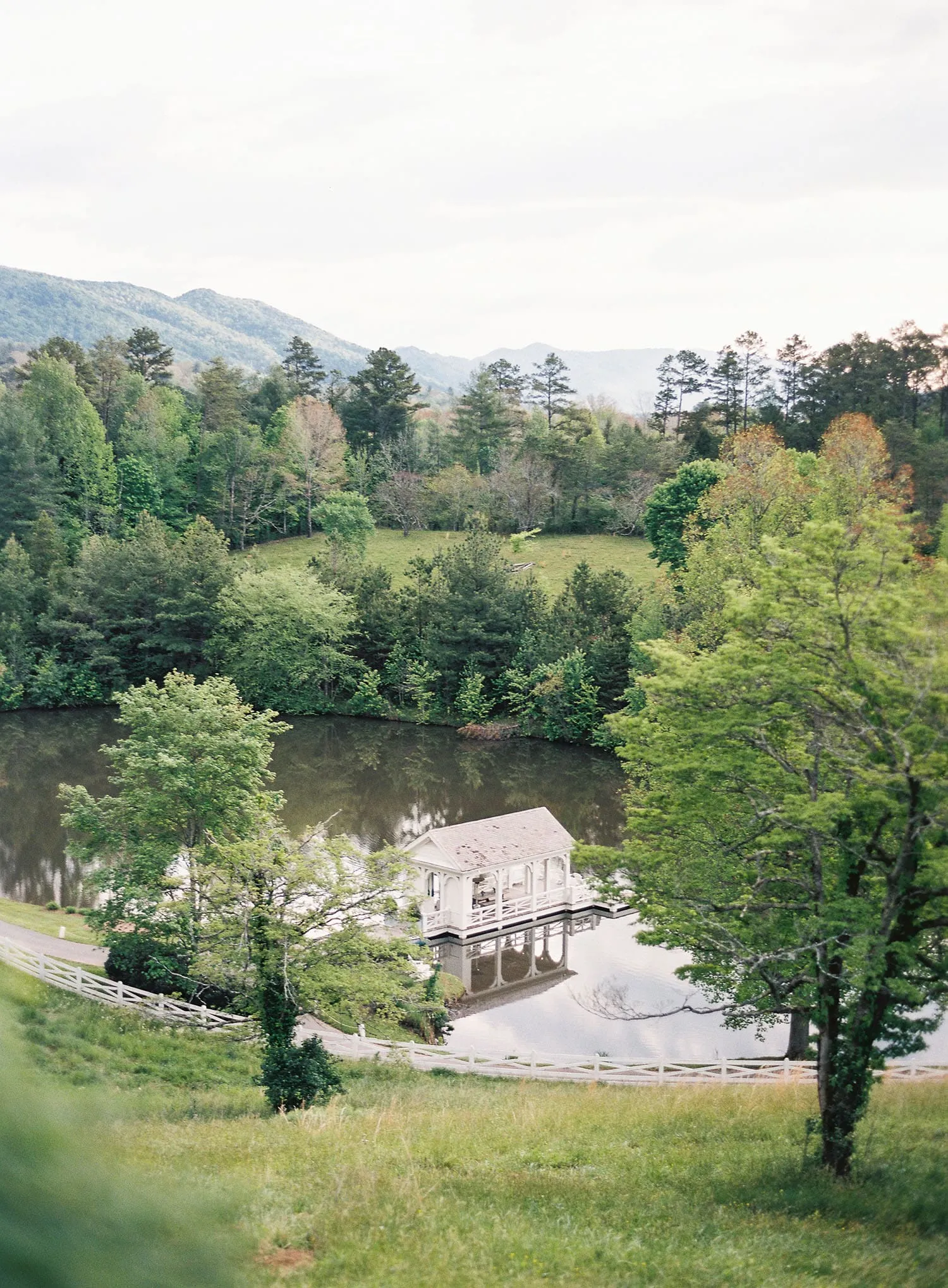
Historic estates offer an exceptional combination of architecture, landscape, and character for weddings, corporate events, private celebrations, and social gatherings. However, expanding their event capacity through permanent construction can alter historic features, disrupt established grounds, and require a significant long-term commitment. Event tent rental solutions provide historic estates with a flexible alternative, allowing suitable outdoor areas to become sophisticated temporary event spaces without permanently changing the property.
Clearspan tents can create expansive, unobstructed interiors for larger gatherings, while frame, sailcloth, and century pole tents provide additional options based on site conditions and event aesthetics. These structures can also incorporate flooring, lighting, heating, air conditioning, ventilation, and customized décor to create a comfortable environment that complements the estate. Successful installation requires careful assessment of terrain, access, guest capacity, permits, infrastructure, and existing historical features. By combining temporary architecture with thoughtful site planning, historic estates can increase usable event space while maintaining the character that makes the property distinctive.
Why Event Tent Rentals Work for Historic Estate Expansion
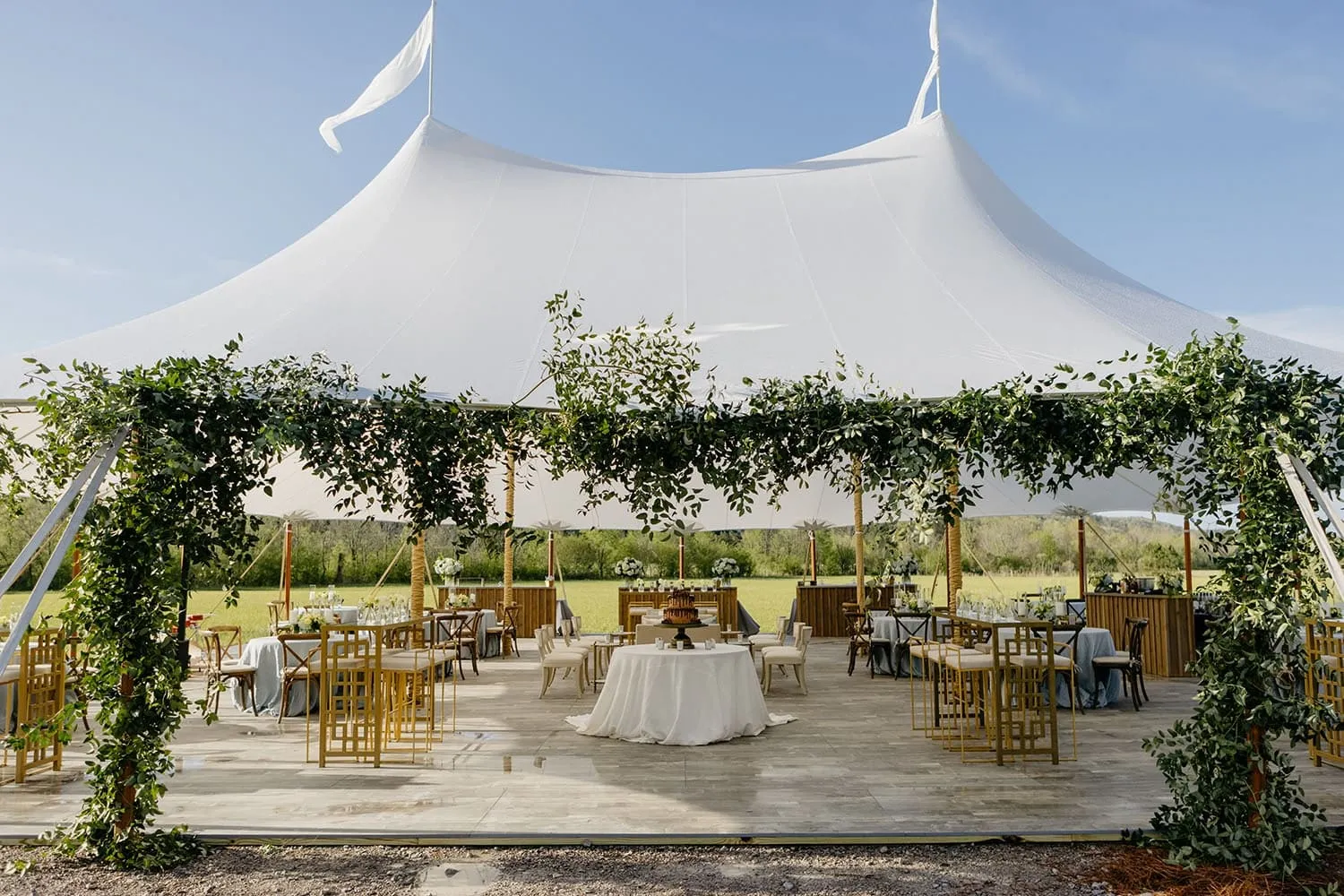
One of the greatest challenges for historic estates is creating additional event space without compromising the property’s existing architecture or landscape. Permanent additions may not always align with preservation goals or changing event requirements.
Temporary event structures provide another approach. They can expand usable space when needed and be configured around different guest counts, layouts, and occasions without becoming permanent additions to the estate.
Flexible Event Space Without Permanent Alterations
Event tents can be customized for intimate receptions, large weddings, corporate functions, and social gatherings. This flexibility allows estate managers to adapt the same property to events with significantly different capacity and layout requirements.
Temporary structures can also be positioned in suitable areas of the estate rather than requiring permanent modifications to existing buildings. This approach allows the property to support larger events while maintaining its historic identity.
Economic and Weather-Protection Advantages
Temporary structures can provide an alternative to the financial commitment associated with permanent construction. Instead of building additional facilities that remain on the property year-round, estates can establish sophisticated event environments according to specific seasonal or event requirements.
Weather protection provides another important benefit. Appropriate tent structures can shelter guests and event infrastructure from changing conditions, making outdoor estate spaces more dependable for scheduled gatherings.
Several benefits make temporary structures particularly relevant to historic properties. These advantages become even more valuable when an estate hosts events with different themes, guest counts, and seasonal requirements.
Flexible configurations: Tent dimensions and layouts can change according to the event.
Reduced permanent impact: Temporary structures avoid adding permanent buildings to historic grounds.
Weather protection: Enclosed or partially enclosed tents provide greater protection from changing conditions.
Custom interiors: Flooring, lighting, climate control, and décor can create sophisticated temporary environments.
Variable capacity: Estates can accommodate both smaller celebrations and larger gatherings.
Property preservation: Thoughtful tent placement can help maintain the estate’s architectural and landscape character.
With professional planning, a tent can function as an intentional extension of a historic estate rather than simply an additional covered area.
Choosing Event Tent Types for Historic Estate Venues
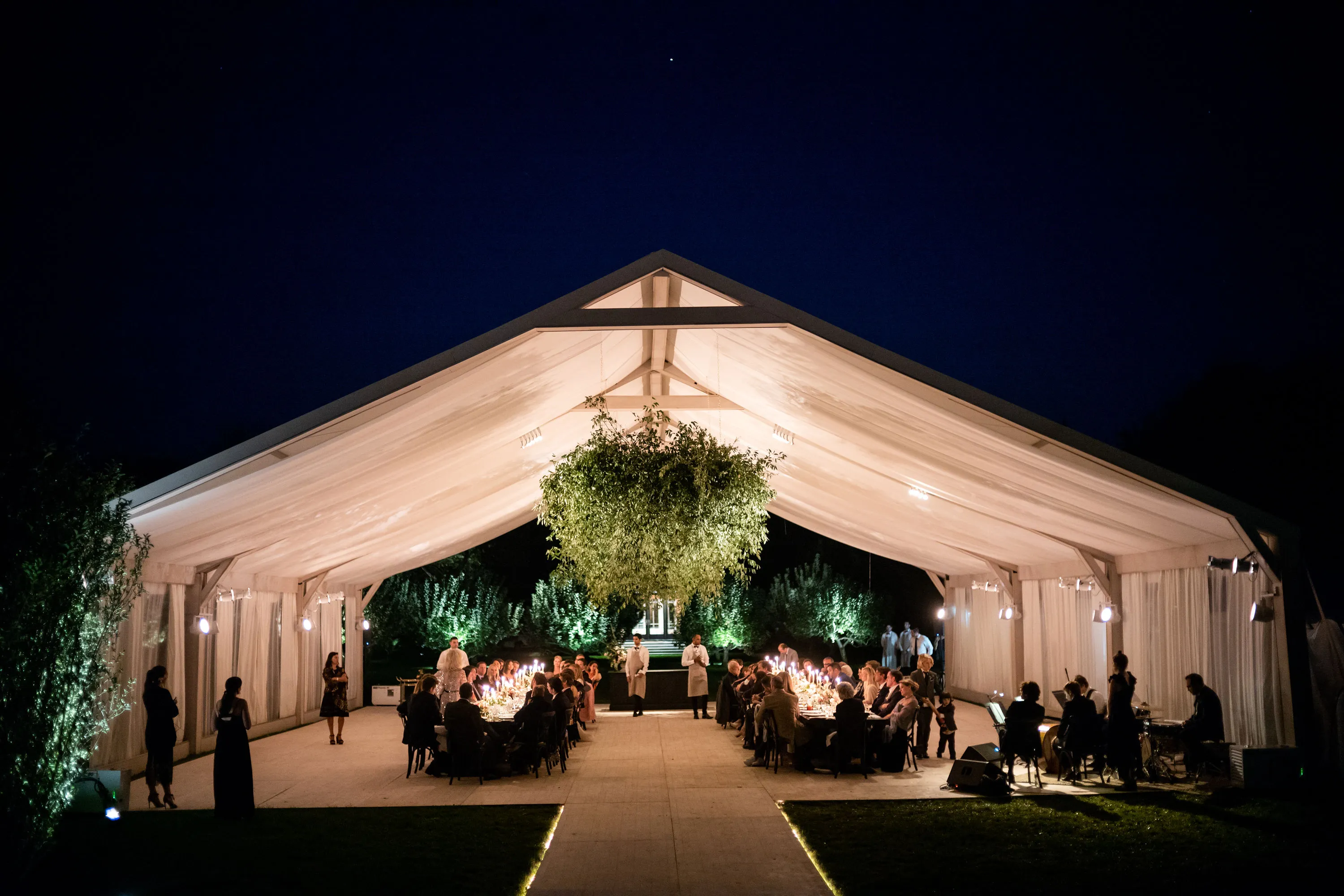
Tent selection should reflect the estate’s available space, guest capacity, terrain, event type, and architectural character. Clearspan, frame, sailcloth, and century pole tents each provide different advantages.
Selecting the appropriate structure can help planners balance functionality with the visual qualities that make historic estates desirable event venues.
Clearspan and Engineered Structures for Larger Events
Clearspan and engineered structure tents are well suited to larger gatherings because they provide expansive interiors without center poles. The unobstructed space gives planners greater freedom when arranging tables, stages, dance floors, lounges, bars, and other event features.
These structures can also accommodate modern climate-control equipment. Their combination of durability, open layouts, and infrastructure compatibility makes them particularly useful when an estate needs substantial temporary event capacity.
Sailcloth, Frame, and Century Pole Tents for Elegant Settings
Sailcloth tents provide graceful lines and translucent fabric that allows natural light into the event space. Their softer appearance can complement historic landscapes and create a romantic environment for weddings and upscale celebrations.
Frame tents provide freestanding configurations that can support customizable interiors, while century pole tents offer dramatic peaks and traditional architectural character. These options allow planners to choose structures that complement the visual identity of the estate.
Tent selection should consider how the structure interacts with both the property and the planned event. The most appropriate option is not necessarily the largest tent but the one that balances capacity, installation requirements, aesthetics, and guest experience.
Clearspan tents: Provide unobstructed interiors for larger guest counts and complex layouts.
Engineered structures: Offer durability and compatibility with modern event infrastructure.
Frame tents: Support flexible layouts and customized temporary interiors.
Sailcloth tents: Provide translucent fabric and an elegant appearance for luxury gatherings.
Century pole tents: Create dramatic peaks and a classic event-tent aesthetic.
Event requirements: Guest count, terrain, weather, and layout should guide final tent selection.
Considering these characteristics before installation helps the temporary structure feel appropriate for both the historic property and the occasion.
Protecting Historic Grounds with Smart Site Planning and Infrastructure
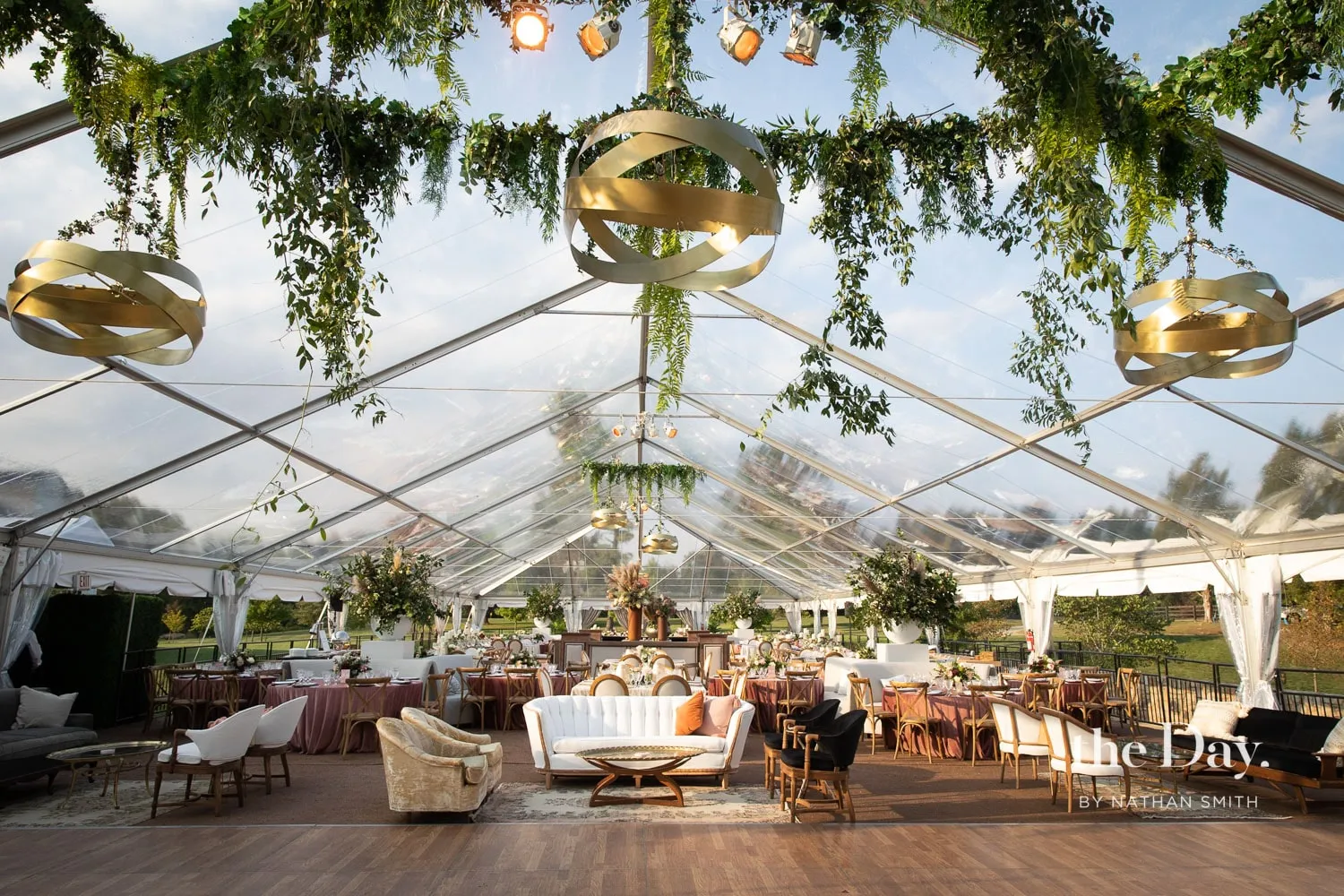
Historic estates require particularly careful site planning because installation should respect existing buildings, landscapes, and significant property features. Tent placement should begin with a thorough understanding of the available terrain and infrastructure.
Ground conditions, drainage, access points, permits, power, sanitation, and installation logistics can all influence where and how a temporary structure should be positioned.
Assessing Terrain, Access, and Permit Requirements
Event planners should begin by defining the scope of the event and expected attendance. A site inspection can then identify suitable installation areas, existing infrastructure, access points, and physical conditions that could influence the tent setup.
Ground conditions and drainage are particularly important when determining structural placement. Local requirements for temporary structures should also be reviewed before installation so the selected tent and capacity align with applicable rules.
Flooring Options for Protecting Estate Grounds
Flooring can create a comfortable guest surface while helping separate event activity from the underlying estate grounds. Different materials provide different combinations of aesthetics, comfort, and installation flexibility.
Wood flooring creates a solid, classic appearance, carpet can introduce additional luxury and softness, and interlocking tiles provide a practical temporary solution that can be installed and removed as needed.
Protecting a historic site requires coordination between the tent structure and supporting event infrastructure. Every component should be considered in relation to the property rather than planned independently.
Assess ground conditions: Review terrain and drainage before selecting the installation location.
Identify access points: Determine how installation crews, equipment, and vendors will reach the site.
Review permits: Understand temporary structure and occupancy requirements before setup.
Plan power access: Determine electrical requirements for lighting, HVAC, catering, and entertainment.
Choose appropriate flooring: Use temporary flooring that supports guest comfort and the event design.
Coordinate sanitation needs: Include necessary guest facilities within the broader logistics plan.
This systematic approach allows event planners to increase usable estate space while remaining attentive to the property’s existing character and conditions.
Creating Comfortable and Customized Tented Estate Events
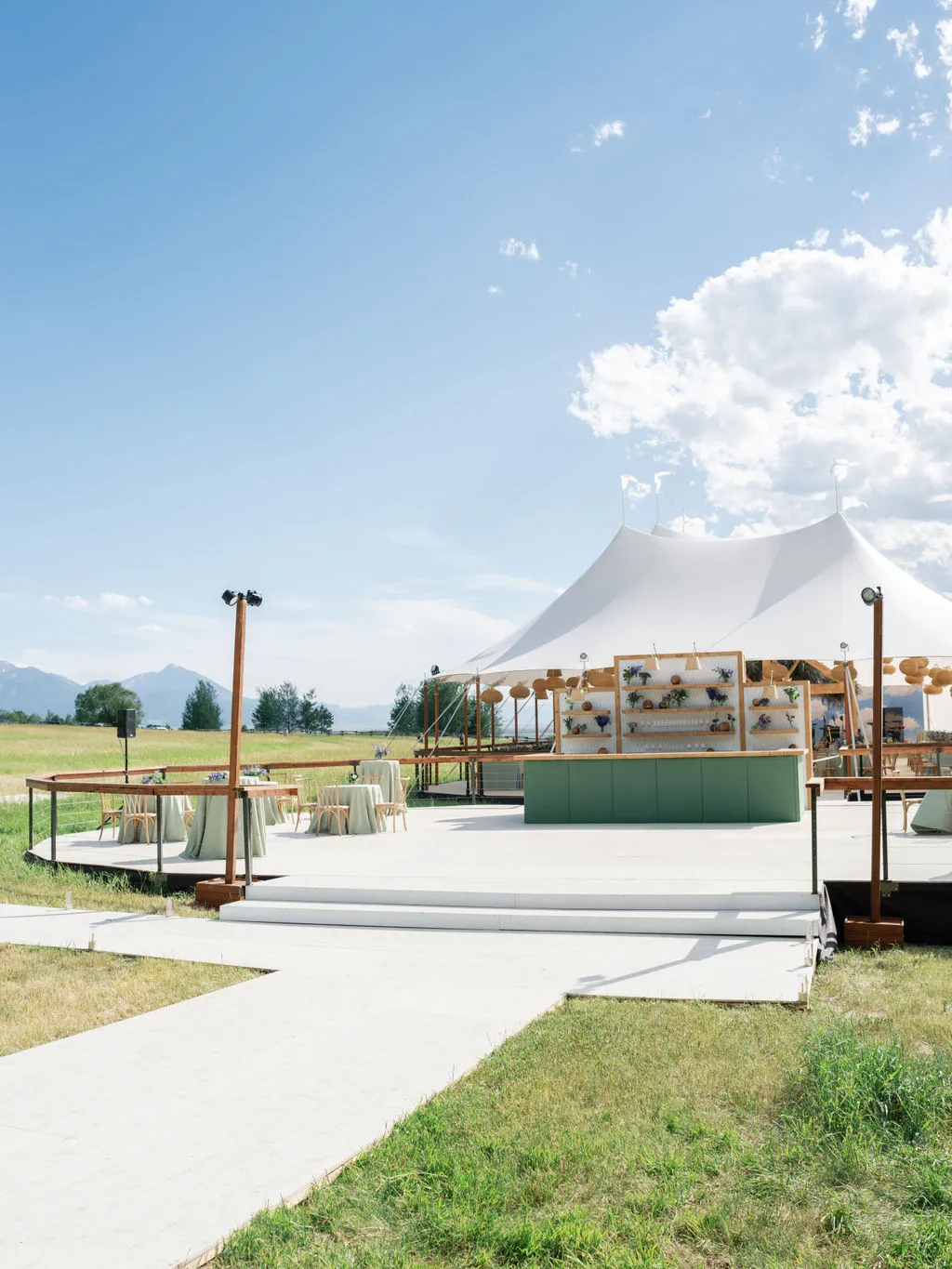
A temporary structure should provide more than weather protection. Lighting, climate control, flooring, fabrics, décor, and layout can transform the tent into a customized venue that reflects both the event theme and the estate itself.
These details are especially important for luxury events, where guests expect temporary spaces to provide comfort and visual refinement comparable to permanent indoor environments.
Climate Control and Lighting for Luxury Estate Events
Heating, air conditioning, and ventilation systems can help maintain comfortable conditions when outdoor temperatures fluctuate. Modern climate systems may also respond to changing temperature and humidity levels, helping planners maintain a more consistent tent environment.
Lighting influences both atmosphere and safety. Layered lighting can move an event from bright social gathering areas to more intimate settings, while adequate illumination helps guests navigate the temporary space comfortably.
Customizing Tent Design Around Estate Character
Decorative choices should complement rather than overpower the estate. Color palettes can reference architectural details, landscaping, or the event’s individual design concept, creating greater visual continuity between the temporary structure and permanent property.
Custom fabrics, branded elements, thematic décor, and flexible layout configurations provide further opportunities for personalization. The same tent can therefore support very different event experiences depending on the client’s requirements.
Customization is most effective when decorative and functional elements are considered together. A beautiful interior still needs to support comfortable movement, appropriate temperatures, and the activities planned throughout the event.
Custom tent fabrics: Coordinate temporary architecture with the event’s visual direction.
Estate-inspired colors: Select palettes that complement existing architecture and surroundings.
Layered lighting: Combine practical illumination with decorative atmosphere.
Heating and cooling: Maintain comfortable temperatures as exterior conditions change.
Thematic décor: Personalize the tent for weddings, corporate functions, or private celebrations.
Flexible layouts: Adjust seating and activity zones according to each event’s requirements.
These elements allow temporary structures to become immersive event environments while maintaining a visual relationship with the historic estate.
Planning Historic Estate Tent Rentals with Experienced Professionals
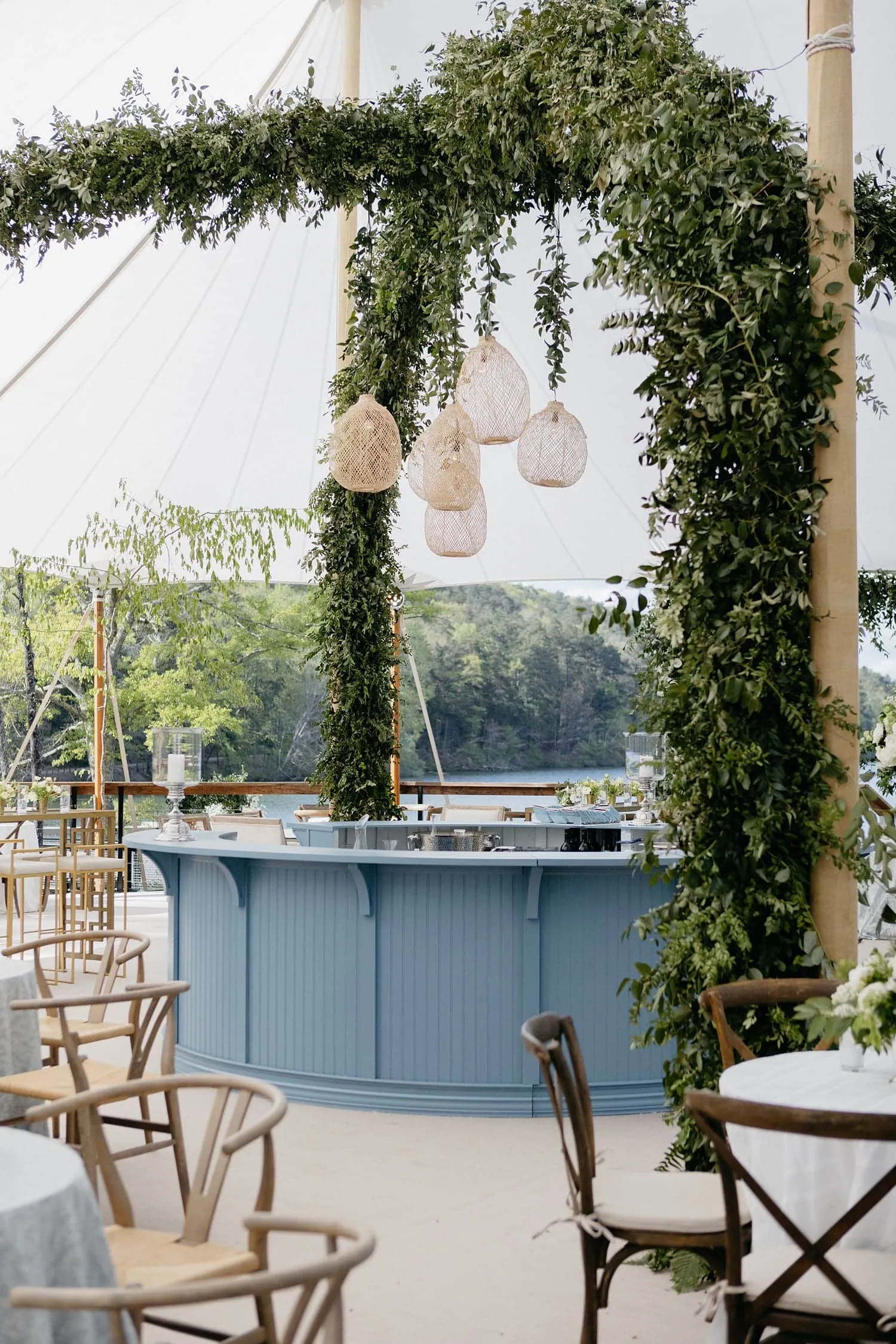
Historic estate installations involve more than choosing a tent from a rental inventory. Guest capacity, terrain, access, existing property features, infrastructure, timelines, and design expectations all need to be coordinated before installation.
A structured consultation process can help align the estate’s requirements with an appropriate temporary event solution.
From Site Assessment to Final Tent Selection
The process can begin with an initial project brief describing the event vision, guest count, intended activities, and desired atmosphere. A professional site assessment can then evaluate the estate and identify appropriate tent configurations.
Tent selection should ultimately reflect both practical requirements and the property’s individual characteristics. Matching structure type, dimensions, layout, and infrastructure to the estate helps create a more harmonious event environment.
Coordinating Quotes, Installation, and Event Logistics
After site evaluation, planners can review proposed solutions and rental requirements before finalizing contracts and schedules. Clear communication during this stage helps ensure that installation, supporting infrastructure, and event timelines remain aligned.
Final coordination should address delivery, setup, flooring, lighting, climate systems, décor, and other vendors. Establishing these requirements before installation reduces unnecessary complications as the event approaches.
A professional consultation process can be organized around several key stages. Each step helps move the project from an initial concept toward a practical temporary venue plan.
Initial inquiry: Define the event vision, guest count, dates, and major requirements.
Site assessment: Evaluate terrain, access, estate features, and infrastructure.
Tent recommendation: Match the structure to capacity, layout, and property characteristics.
Design proposal: Coordinate tent configuration with flooring, lighting, climate control, and décor.
Schedule confirmation: Establish delivery, installation, event, and removal timelines.
Final logistics: Coordinate vendors and confirm important operational requirements before the event.
Following a defined process can help historic estates add temporary event capacity without losing sight of preservation, aesthetics, or guest experience.
Frequently Asked Questions
Can historic estates add event space without permanent construction?
Yes. Temporary event tents can transform appropriate outdoor areas into usable event spaces without requiring permanent additions to existing estate buildings.
Which tent is best for a large historic estate event?
Clearspan and engineered structures can be particularly useful for larger events because they provide unobstructed interiors without center poles. The final choice should also consider terrain, guest count, event activities, and the estate’s appearance.
Are sailcloth tents suitable for historic estate weddings?
Yes. Sailcloth tents offer graceful architecture and translucent fabric that can complement landscaped grounds and create an elegant atmosphere for weddings and luxury gatherings.
What infrastructure does a temporary estate event space need?
Depending on the event, infrastructure may include lighting, temporary flooring, heating or air conditioning, ventilation, electrical power, sanitation facilities, and appropriate guest pathways.
How can temporary tents protect historic grounds?
Careful site selection, ground assessment, appropriate installation methods, and temporary flooring can help planners organize events while minimizing unnecessary disruption to existing estate grounds.
Expand Your Historic Estate Event Space with Skyline Tent Company
Historic estates do not necessarily need permanent construction to accommodate larger or more diverse events. Clearspan, engineered structure, frame, sailcloth, and century pole tents can provide adaptable temporary spaces for weddings, corporate gatherings, private celebrations, and other occasions while allowing the property’s existing architecture and landscape to remain central to the guest experience.
Successful temporary expansion depends on careful coordination. Tent placement should respect historic features and terrain, flooring should provide comfortable surfaces while supporting the site, and lighting and climate-control systems should create an environment appropriate for luxury events. Guest capacity, permits, infrastructure, vendor access, and installation schedules should also be considered before the structure arrives.
Skyline Tent Company can help estate owners and event planners evaluate guest counts, layout requirements, site conditions, and tent options before developing a customized rental solution. Their consultation process can support tent selection, site assessment, design planning, and logistical coordination for sophisticated historic estate events.
Contact Skyline Tent Company today to discuss your historic estate, available outdoor space, guest capacity, and upcoming event requirements. With a carefully selected temporary structure and professionally coordinated event infrastructure, you can expand your estate’s capabilities while preserving the distinctive character that makes the property an exceptional venue.