
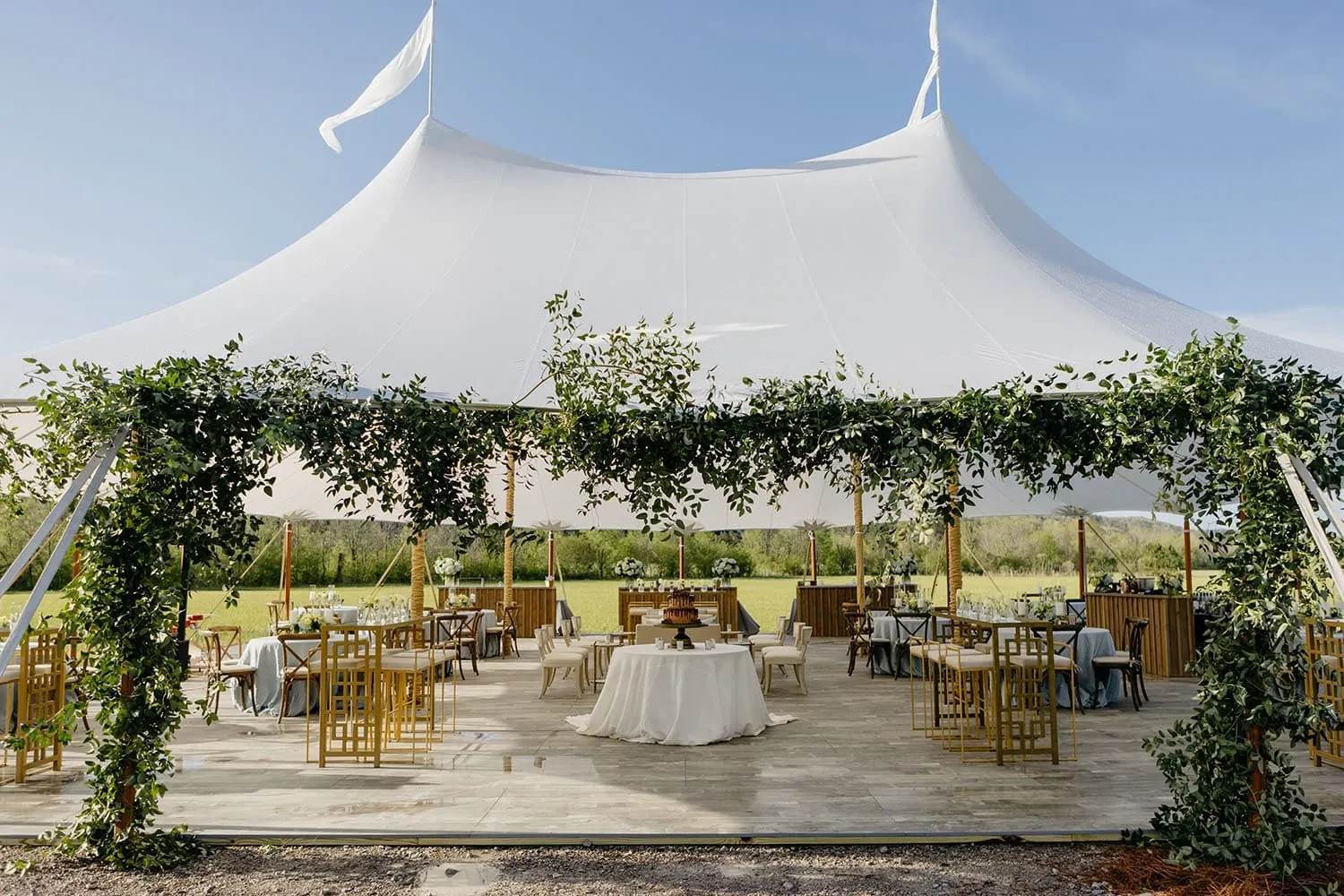
Preparing a temporary venue for several fall events in close succession requires more than installing a tent and resetting the décor between gatherings. Venues need a structure that can support changing guest counts, layouts, weather conditions, lighting requirements, flooring needs, and vendor schedules while remaining functional throughout repeated use. Clearspan, frame, century pole, and sailcloth tents provide different options for multi-event fall venues, with clearspan structures offering particularly flexible interiors for larger or more complex layouts. Flooring should withstand repeated foot traffic, climate-control systems need to respond to changing autumn temperatures, and lighting should support both atmosphere and safe movement as daylight hours become shorter. Site assessments, access routes, permits, vendor coordination, safety inspections, and weather contingency planning also become increasingly important when one event follows another. By designing the temporary space around multiple events rather than a single date, venues can reduce unnecessary resets, improve operational efficiency, and maintain a consistent guest experience throughout the fall season.
Choosing Tent Structures for Consecutive Fall Events
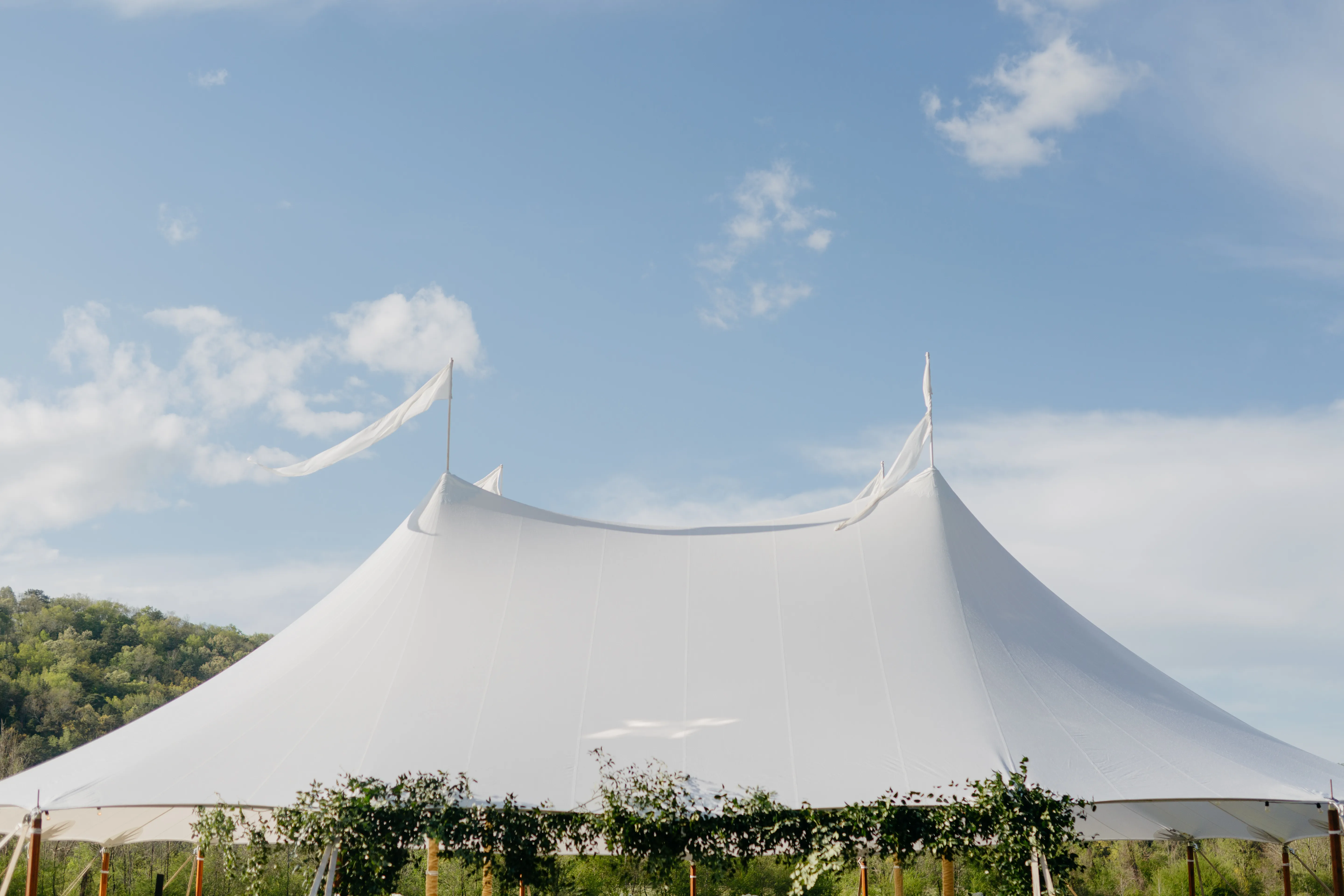
The structure selected for a multi-event venue should be capable of supporting several different layouts without requiring major changes between gatherings. Guest count, available space, event style, terrain, and seasonal weather should all influence the final choice.
The source identifies clearspan, frame, sailcloth, and century pole tents as useful options, each offering a different balance of capacity, flexibility, and appearance.
Clearspan and Frame Tents for Flexible Layouts
Clearspan tents provide unobstructed interiors and high ceilings, making them particularly useful when a venue needs to transition between different event formats. Without interior support poles, planners have more freedom to rearrange dining tables, stages, dance floors, bars, lounges, registration areas, and other features between events.
Frame tents provide another adaptable option. Their lightweight, modular construction supports relatively quick setup and breakdown, and they can work effectively in smaller spaces or on properties where the available installation area is limited.
Sailcloth and Century Pole Tents for Elegant Events
Sailcloth tents use semi-translucent fabric and flowing lines to create a softer, elegant atmosphere. They can be especially appealing for weddings and evening gatherings where the tent itself contributes significantly to the visual experience.
Century pole tents provide a traditional aesthetic with center poles, tall peaks, and classic lines. Their distinctive architecture can work well for sophisticated outdoor gatherings, although the interior poles and site requirements should be considered when planning multiple layouts.
A venue hosting consecutive events should think beyond the appearance of a single gathering. The structure needs to support repeated use, changing attendance, and different floor plans without making every event reset unnecessarily complicated. Comparing each tent against the venue’s operating needs can make that decision easier.
Clearspan tents: Support large guest counts and highly flexible interior configurations.
Frame tents: Fit smaller footprints and provide modular setup flexibility.
Sailcloth tents: Create an elegant atmosphere for weddings and upscale gatherings.
Century pole tents: Offer classic peaks and a traditional event aesthetic.
Guest capacity: Tent dimensions should support the largest expected event.
Weather conditions: Seasonal exposure should influence tent style and enclosure options.
Selecting the structure around the entire fall schedule can help venues maintain consistent infrastructure while allowing individual events to retain their own character.
Designing Lighting for Repeated Fall Event Setups
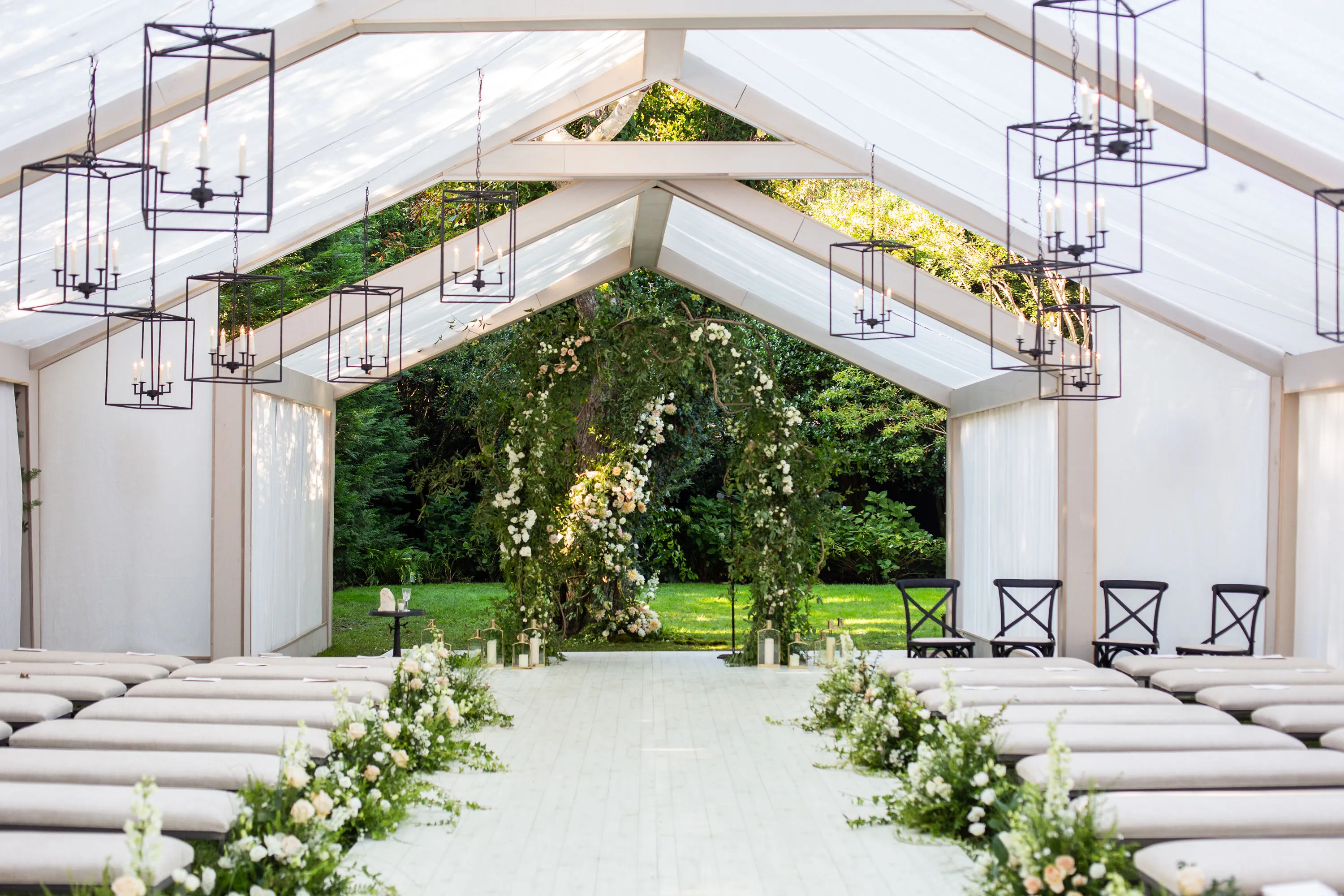
Fall events often continue well after sunset, making lighting an important part of both aesthetics and functionality. A well-planned system should be versatile enough to support several event styles without requiring the entire installation to be rebuilt for each gathering.
Chandeliers, LED lighting, ambient fixtures, string lights, task lighting, and accent lighting can be layered to provide flexibility throughout a multi-event schedule.
Layering Decorative and Functional Lighting
Chandeliers can create a sophisticated focal point for formal events, while string lights introduce a warmer and more relaxed atmosphere. LED systems provide additional versatility because their output can be adjusted to support different visual themes.
Ambient lighting fills the overall space, while task lighting can provide additional visibility around dining areas, registration tables, bars, catering stations, and other functional zones.
This layered approach allows a venue to keep the core lighting infrastructure in place while adjusting individual elements according to each event.
Positioning Lighting for Efficiency and Safety
Lighting should be positioned strategically around entrances, stages, dining areas, service spaces, and high-traffic pathways. This improves the visual experience while helping guests navigate the temporary venue safely.
A practical lighting plan should also consider repeated event turnover. Fixtures that can remain installed and be adjusted rather than removed entirely can simplify resets between consecutive gatherings.
Layering task, ambient, and accent lighting provides the venue with more design flexibility while reducing the need to completely redesign the electrical and lighting plan for every event.
Selecting Flooring for Multi-Day Fall Events
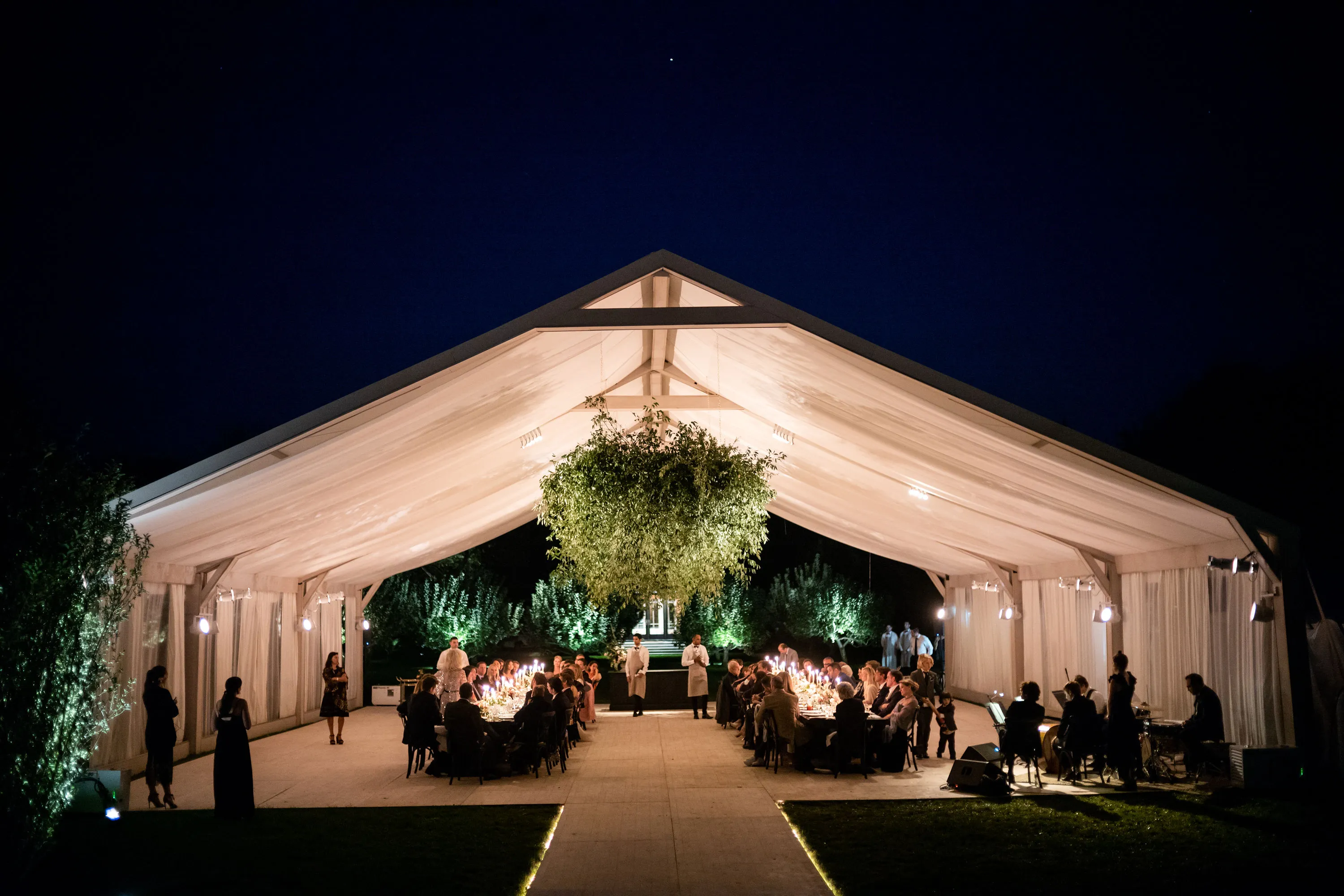
Flooring can significantly influence how well a temporary venue performs through repeated fall events. Outdoor ground may become uneven, damp, or difficult to navigate, particularly after rain or sustained foot traffic.
Wooden decking, interlocking tiles, carpet, elevated platforms, waterproof materials, and slip-resistant surfaces are among the options identified in the original source.
Choosing Durable Flooring for Repeated Use
Wooden decking provides a solid surface and a polished appearance that can withstand repeated guest traffic. It can also help create a more finished environment for weddings and formal gatherings.
Interlocking tiles are adaptable and can cover uneven surfaces while allowing relatively straightforward changes to the floor plan. Carpet adds warmth and comfort, although outdoor use may require additional cleaning and maintenance between events.
The selected flooring should be evaluated according to how many events it will support, not just how it performs during opening night.
Protecting Guests and the Underlying Site
Slip-resistant surfaces can improve safety when fall conditions become wet. Elevated flooring can also address uneven ground and create a more consistent walking surface across the temporary venue.
Appropriate flooring benefits vendor operations as well. Catering staff, event teams, and equipment carts can move more efficiently across a stable surface, while the underlying lawn or site receives additional protection from concentrated traffic.
Multi-event flooring should support comfort, safety, logistics, and durability simultaneously. The surface may need to perform through several setups, breakdowns, weather changes, and guest groups. Evaluating the complete schedule before installation can help venues avoid unnecessary flooring changes later.
Wood decking: Provides a stable and refined surface for repeated events.
Interlocking tiles: Adapt to different layouts and uneven outdoor areas.
Carpet: Adds warmth and comfort for formal environments.
Water-resistant materials: Help maintain functionality during unpredictable fall rain.
Elevated platforms: Create a more level surface on challenging terrain.
Slip-resistant finishes: Improve traction when conditions become damp.
A durable flooring strategy can reduce reset time while maintaining a comfortable and polished environment throughout a series of fall gatherings.
Managing Climate Control Throughout the Fall Schedule
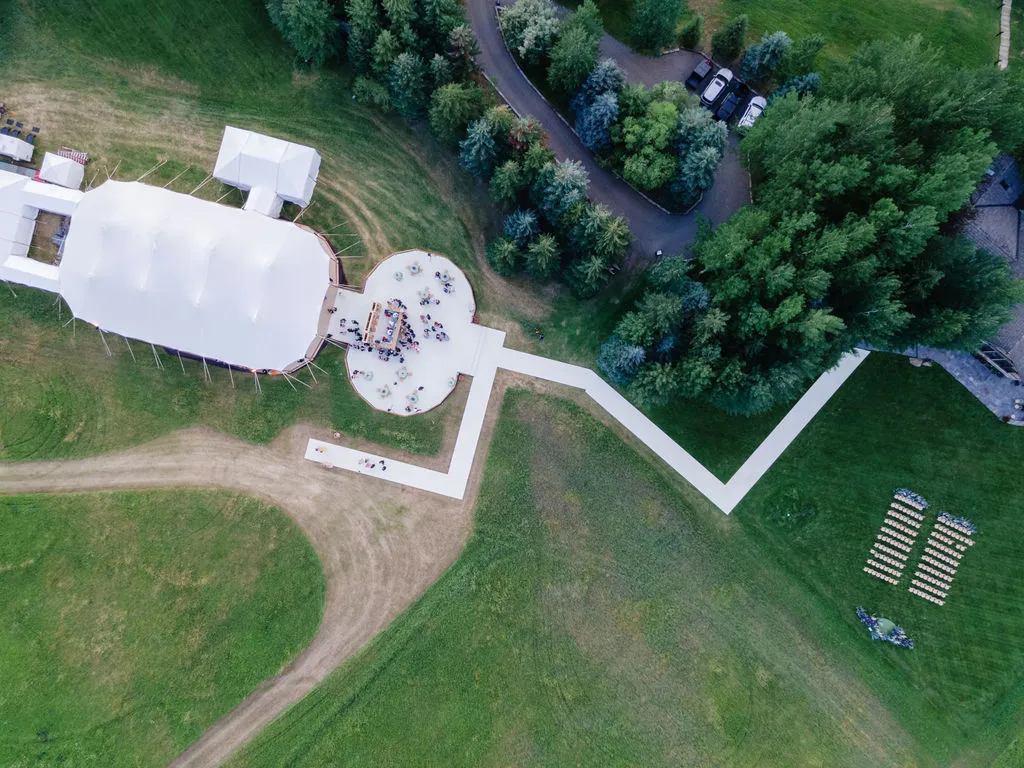
Autumn temperatures can change dramatically between afternoon and evening and from one event date to another. A temporary event space therefore needs climate infrastructure that can respond to changing conditions throughout the season.
The original source highlights HVAC systems, portable heaters, dehumidifiers, radiant heating, energy-efficient systems, and smart monitoring technologies as useful options for temporary fall venues.
Heating, Ventilation, and Moisture Control
HVAC systems can help maintain a more consistent temperature inside an enclosed tent regardless of changing outdoor conditions. Portable heaters provide targeted warmth during cooler evenings, while dehumidifiers can help manage excess moisture.
Radiant heating provides another option for luxury tent environments and may offer comfortable warmth without relying entirely on conventional portable heaters.
Ventilation should remain part of the climate plan even during cooler conditions. Proper airflow can help prevent uncomfortable hot or cold zones when sidewalls or enclosed sections are being used.
Positioning Climate Systems for Consistent Comfort
Climate equipment should be integrated into the layout instead of added wherever space remains. Centralized HVAC equipment can help distribute conditioned air more evenly, while strategically positioned heaters can support areas with substantial guest activity.
Vents should also be placed to encourage balanced airflow. This becomes especially important during consecutive events because the venue should be able to adjust temperatures without completely relocating the system every time the layout changes.
Smart monitoring technologies can provide additional temperature information that helps event teams adjust the environment as conditions change.
Coordinating Logistics Across Multiple Fall Events
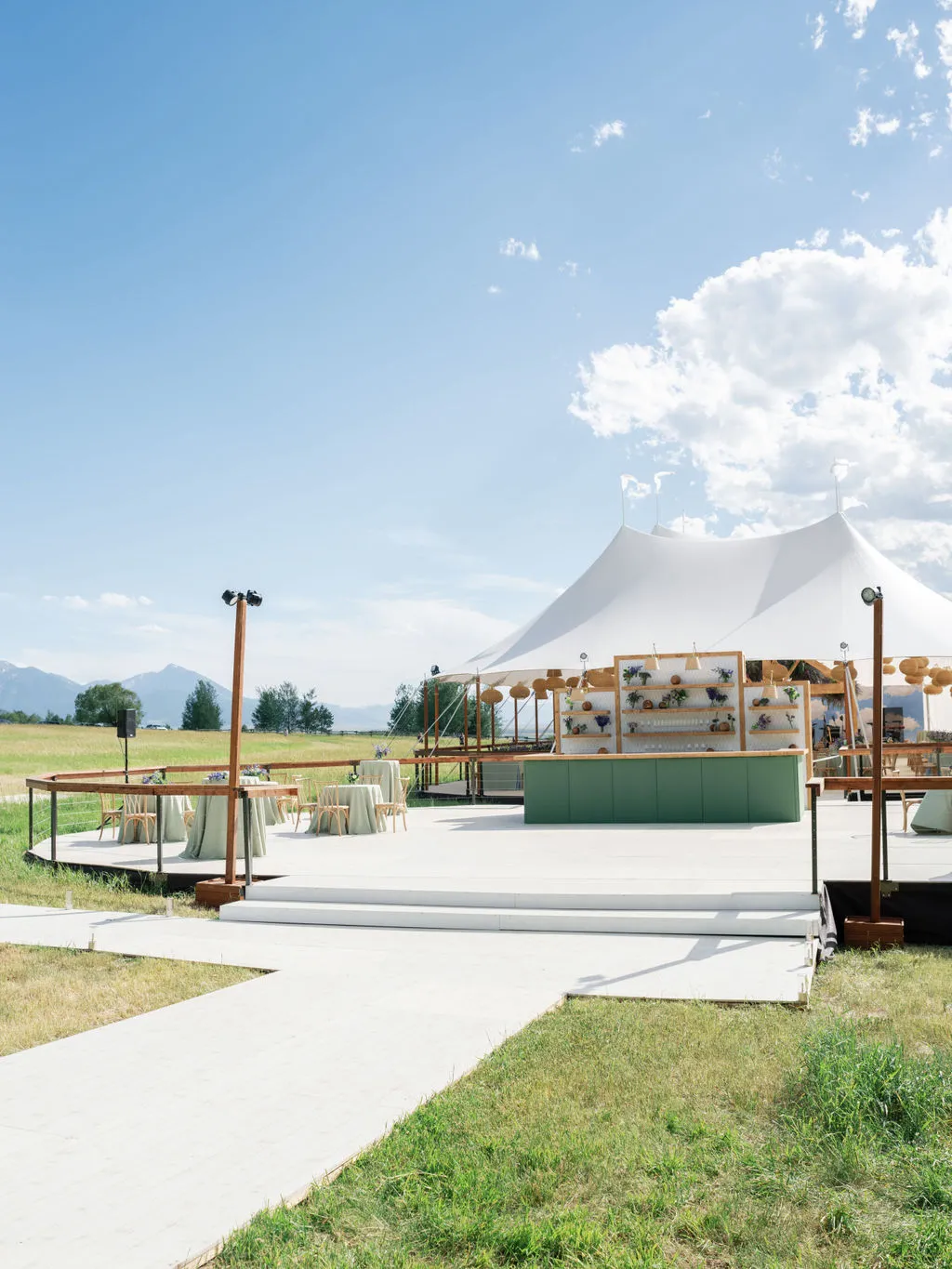
Running several events through the same temporary venue requires a different operational strategy than preparing for a single gathering. Site access, vendor arrivals, resets, inspections, weather contingencies, permits, and guest capacity need to be coordinated across the complete schedule.
A detailed logistics plan can reduce unnecessary breakdowns and help ensure that permanent infrastructure remains useful from one event to the next.
Planning Access, Vendors, Safety, and Compliance
Site assessments should determine the most efficient layout and access routes before the first installation begins. Vendors need clear schedules so catering, décor, lighting, climate-control, and other teams can work without creating unnecessary bottlenecks.
Regular safety inspections should continue throughout the multi-event schedule rather than occurring only during the initial setup. Local regulations and permits for temporary structures should also be reviewed early so compliance issues do not interrupt later events.
Weather contingency planning is equally important. Backup plans should address changing fall conditions so one unexpected forecast does not disrupt the entire event schedule.
Adapting Layouts to Different Guest Counts
Consecutive events may have very different attendance levels and objectives. A corporate dinner, wedding reception, and private gathering may all use the same structure but require different seating, entertainment, and circulation patterns.
Flexible layouts allow the venue to adapt without changing the entire temporary infrastructure. Tent dimensions should be capable of accommodating the largest anticipated event while still allowing smaller gatherings to feel appropriately proportioned.
Climate control, lighting, and flooring should be planned around these possible layout changes so they remain effective even when furniture and activity zones move.
A successful multi-event plan identifies which elements should remain fixed and which should change between gatherings. Keeping the core structure and infrastructure stable can reduce turnaround work, while flexible décor and layouts allow each event to maintain its own identity. The following priorities can help organize that approach.
Complete a detailed site assessment: Confirm layout, access, and infrastructure requirements.
Establish vendor schedules: Coordinate arrival, reset, and removal windows between events.
Create flexible layouts: Plan configurations that can adjust to different guest capacities.
Maintain weather contingencies: Prepare for temperature changes, rainfall, and other fall conditions.
Schedule safety inspections: Review tent, flooring, climate equipment, and access routes regularly.
Confirm permits and compliance: Address regulatory requirements before the event series begins.
Thoughtful coordination can help venues reduce downtime between events while maintaining the level of comfort and presentation guests expect.
Frequently Asked Questions
Which tent is best for several consecutive fall events?
Clearspan tents can be particularly useful because their unobstructed interiors support flexible layouts and larger capacities. Frame tents may also work well when the property requires a smaller or more adaptable footprint.
What flooring works well for multi-day outdoor events?
Wood decking, interlocking tiles, carpet, elevated flooring, and slip-resistant materials can all be considered. The appropriate choice depends on the ground, weather, guest traffic, and aesthetic requirements.
How should lighting change between consecutive events?
A layered lighting system allows venues to retain the core installation while adjusting chandeliers, LED colors, ambient lighting, task lighting, or accent fixtures to reflect different event themes.
How can venues prepare for changing fall temperatures?
HVAC systems, portable or radiant heaters, ventilation, dehumidification, and appropriate equipment placement can help maintain comfortable conditions as temperatures and moisture levels change.
What should remain in place between consecutive events?
Where practical, the main tent structure, core flooring, lighting infrastructure, and climate-control systems can remain installed while furniture, décor, layouts, and event-specific elements are adjusted between gatherings.
Prepare Your Fall Event Schedule with Skyline Tent Company
Hosting several events within the same temporary venue requires infrastructure designed for repeated use. Architectural tents, durable flooring, adaptable lighting, climate control, guest-capacity planning, vendor scheduling, safety inspections, and weather contingencies should all work together throughout the fall schedule.
Clearspan tents can provide the open interior flexibility needed for changing layouts, while frame, sailcloth, and century pole tents give venues additional options for different property conditions and event styles. Flooring can create a stable foundation throughout repeated gatherings, while layered lighting and adaptable climate systems help the venue transition between different guest experiences without rebuilding everything from the beginning.
Skyline Tent Company offers temporary event infrastructure and planning support for venues managing complex or multi-event schedules. The original source highlights customized flooring, integrated lighting and climate solutions, comprehensive project management, and a range of luxury tent options as part of its approach to temporary fall venues.
Contact Skyline Tent Company to discuss your fall event calendar, property conditions, expected guest counts, and temporary venue requirements. With a coordinated tent, flooring, lighting, climate-control, and logistics plan, your venue can support consecutive fall events efficiently while maintaining a comfortable and refined experience for every group of guests.