
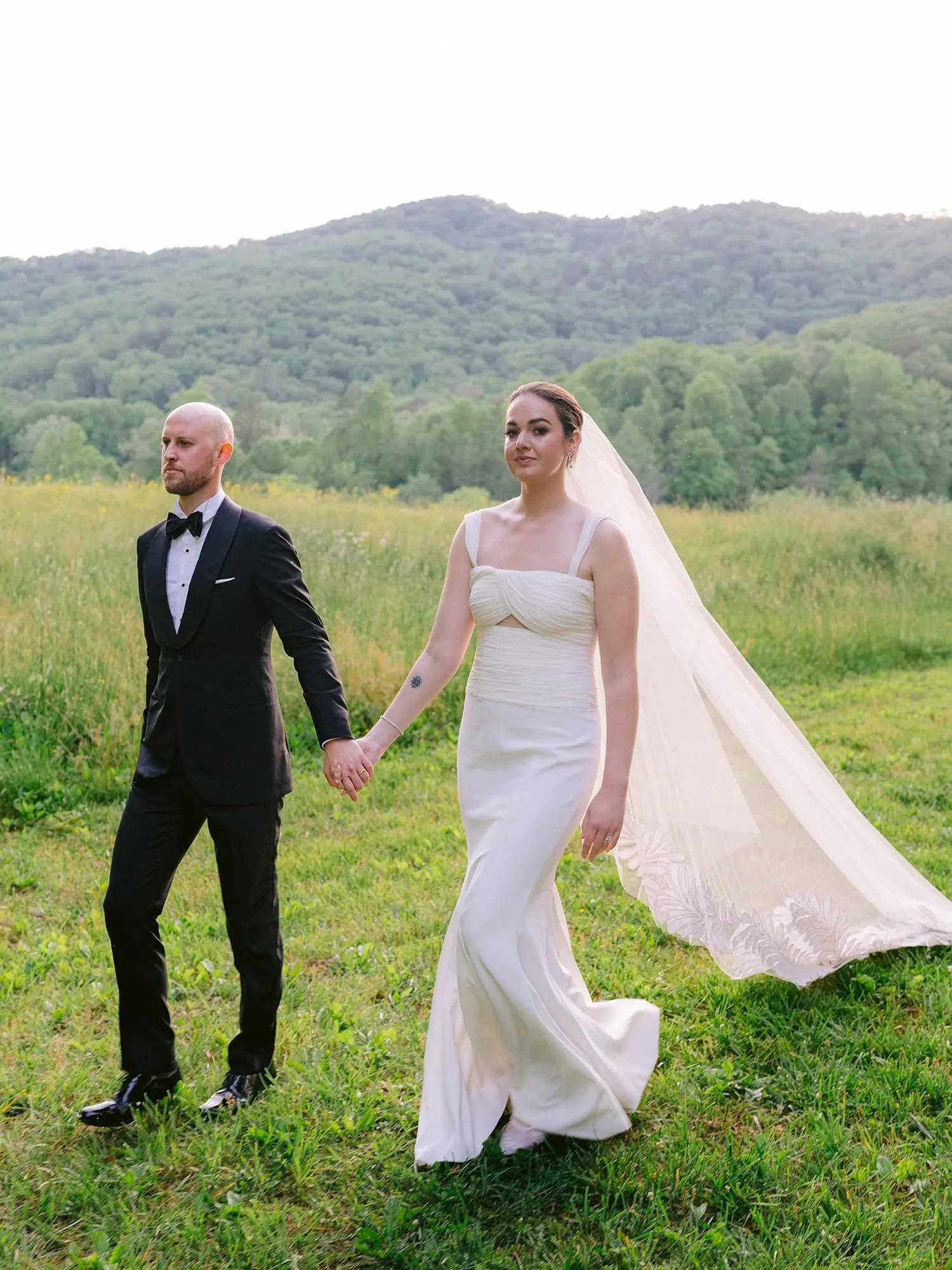
Peak fall season brings some of the most desirable conditions for winery events, with changing foliage, vineyard scenery, comfortable daytime temperatures, and increased interest in outdoor celebrations. As guest demand grows, however, wineries may find that their permanent indoor spaces cannot comfortably accommodate larger weddings, wine tastings, corporate functions, receptions, and seasonal gatherings. Temporary architectural tents provide wineries with a flexible way to expand event capacity while preserving the beauty and character of the vineyard. Clearspan tents are particularly valuable because their unobstructed interiors can accommodate dining areas, bars, entertainment, lounges, and guest circulation without center poles limiting the layout. Frame, sailcloth, and pole tents also offer distinctive advantages depending on the event size, terrain, and desired aesthetic. Successful capacity expansion requires more than adding covered square footage; wineries must carefully coordinate guest flow, climate control, flooring, lighting, site logistics, and vendor operations. With thoughtful planning, temporary tent structures can transform suitable outdoor areas into elegant extensions of the winery, helping venues accommodate larger fall gatherings while maintaining comfort, functionality, and a sophisticated guest experience.
Choosing the Right Tent to Expand Winery Event Capacity
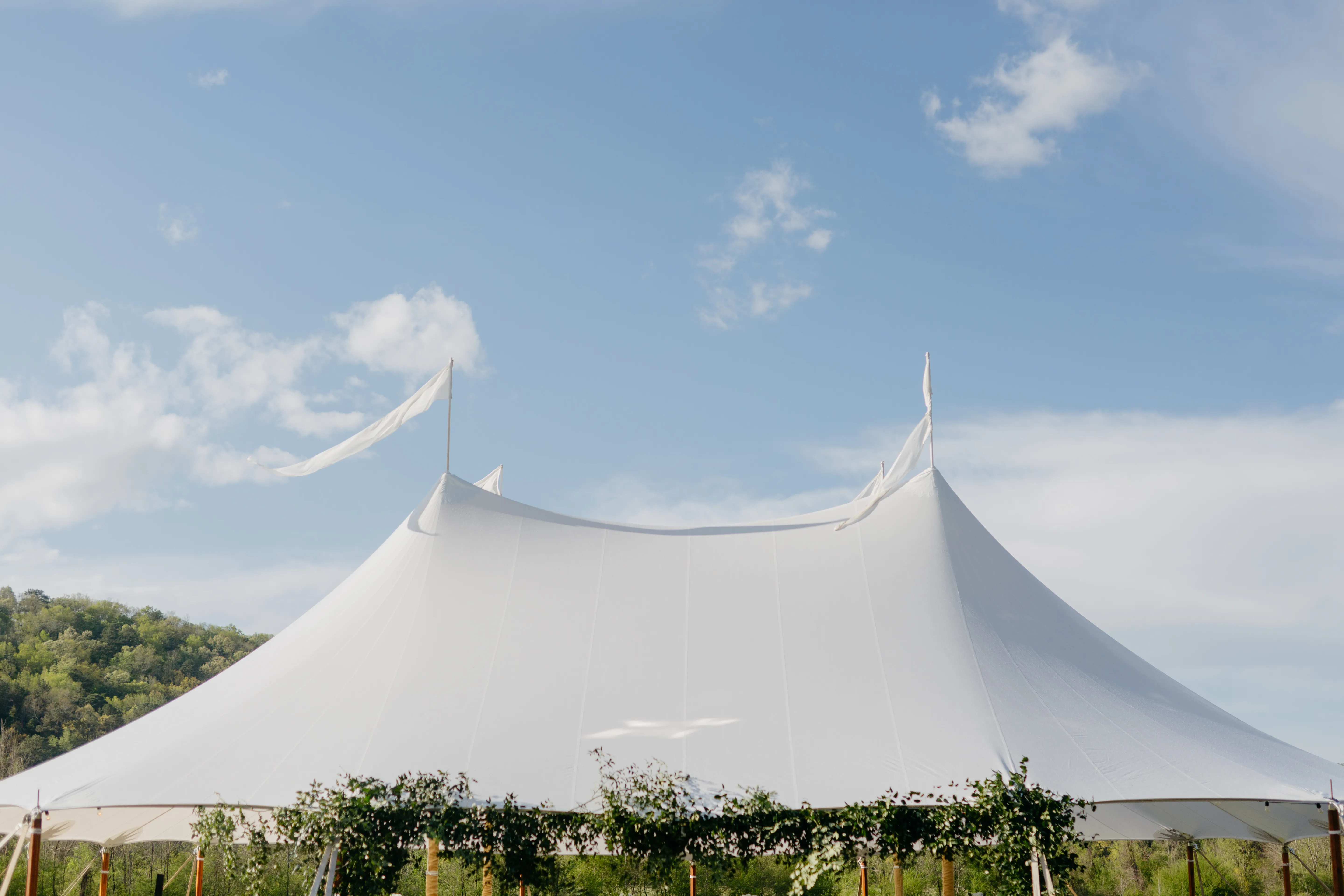
The tent structure is one of the most important decisions when expanding winery event capacity. Different tents influence usable floor space, seating configurations, weather protection, installation requirements, and the overall atmosphere of the celebration.
Clearspan, sailcloth, frame, and pole tents each offer specific advantages. Wineries should select a structure based on expected guest count, event format, vineyard terrain, seasonal weather, and the visual experience they want to create.
Clearspan Tents for Larger Winery Events
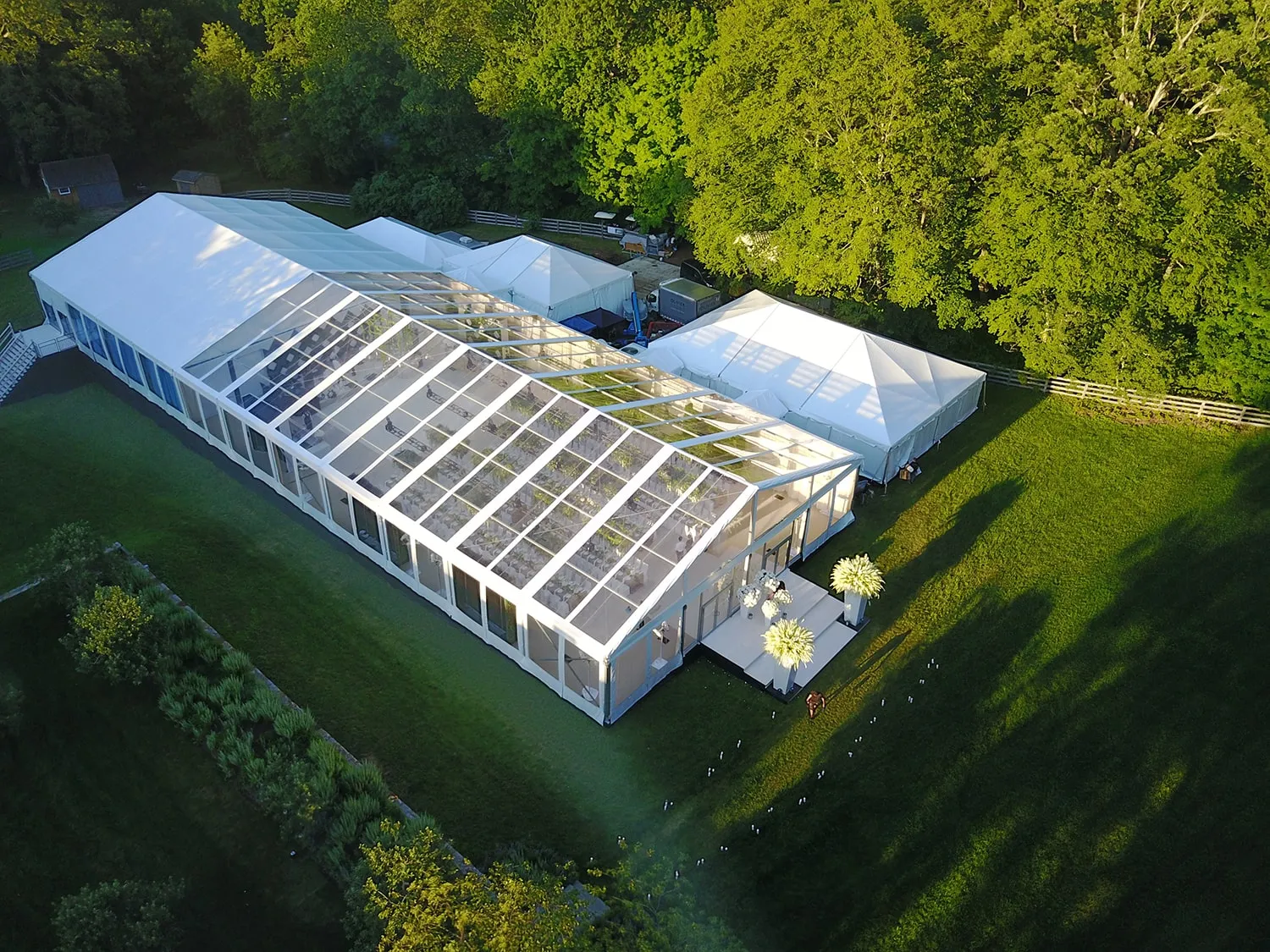
Clearspan tents are especially effective when maximizing usable event space is the priority. Their unobstructed interiors eliminate center poles, giving wineries greater freedom to arrange dining tables, wine stations, entertainment areas, stages, lounges, and walkways.
These structures also provide strong weather resistance and extensive customization opportunities. HVAC systems and other event infrastructure can be integrated into the structure, helping wineries maintain guest comfort as fall temperatures change.
Frame, Sailcloth, and Pole Tents for Different Vineyard Settings
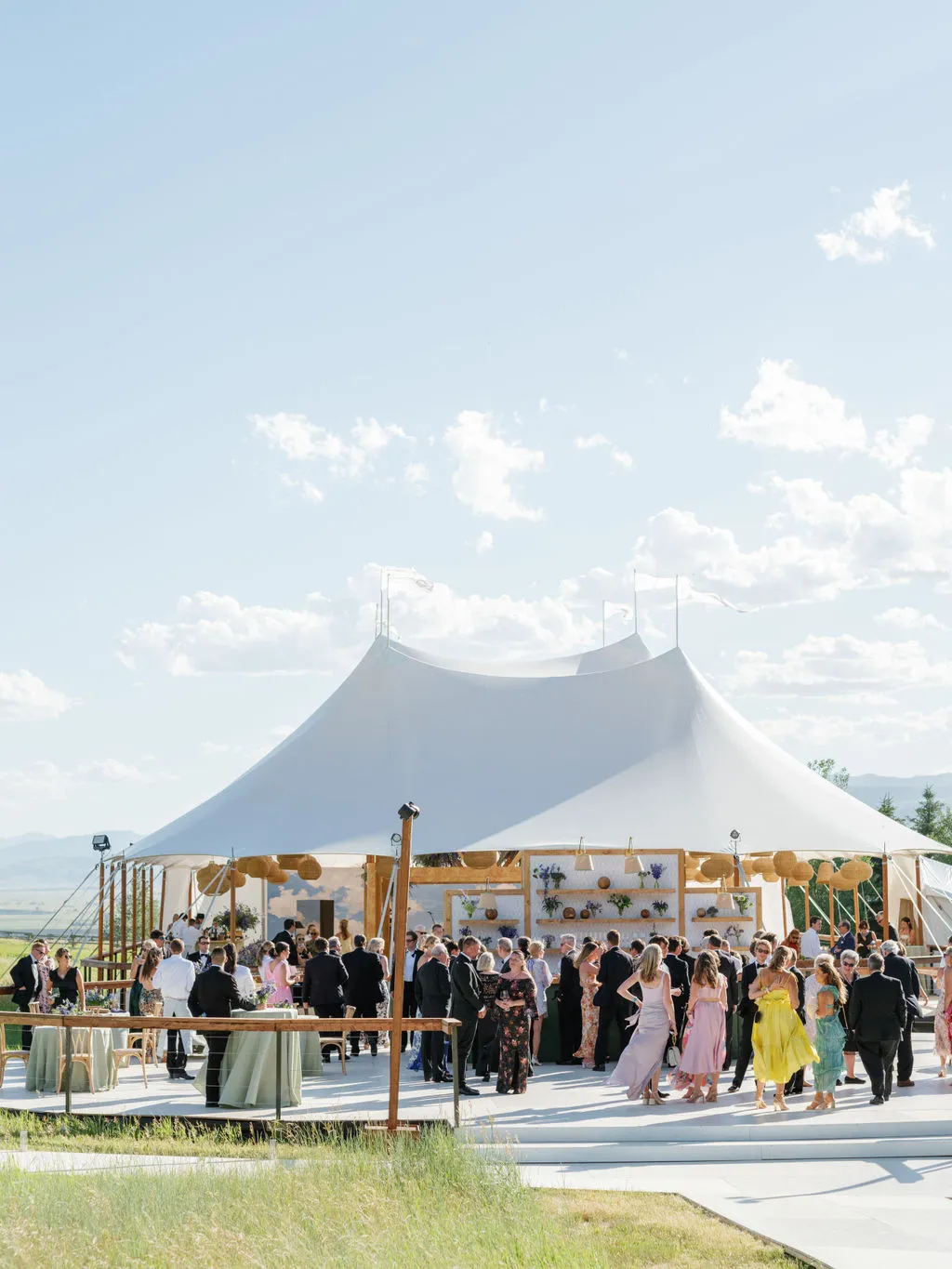
Sailcloth tents use translucent material and graceful curves to create softer natural lighting. Their romantic appearance can blend beautifully with vineyard landscapes, making them particularly suitable for weddings, receptions, and more intimate fall gatherings.
Frame tents provide flexible placement and can accommodate different configurations, including sites with varied terrain. Pole tents bring classic peaks and rustic character that complement traditional vineyard aesthetics, although they require appropriate ground anchoring and careful installation.
Selecting a structure requires wineries to consider more than maximum capacity. The tent should support the specific activities planned inside while complementing the vineyard landscape and handling local conditions. Evaluating these characteristics together can prevent layout compromises later.
Clearspan tents: Offer high capacity, unobstructed interiors, customization, and strong weather resistance.
Sailcloth tents: Provide medium capacity with elegant architecture and soft natural lighting.
Frame tents: Support medium-to-high capacity with versatile layouts and placement options.
Pole tents: Offer medium capacity with classic peaks and rustic vineyard character.
Guest count: Tent dimensions should reflect expected attendance and the intended event layout.
Vineyard terrain: Surface conditions should influence structure selection and installation planning.
The original source identifies clearspan tents as particularly appropriate for formal events and larger gatherings, while the other structures provide valuable alternatives when atmosphere, terrain, or event scale calls for a different approach.
Planning Winery Tent Layouts for More Guests and Better Flow
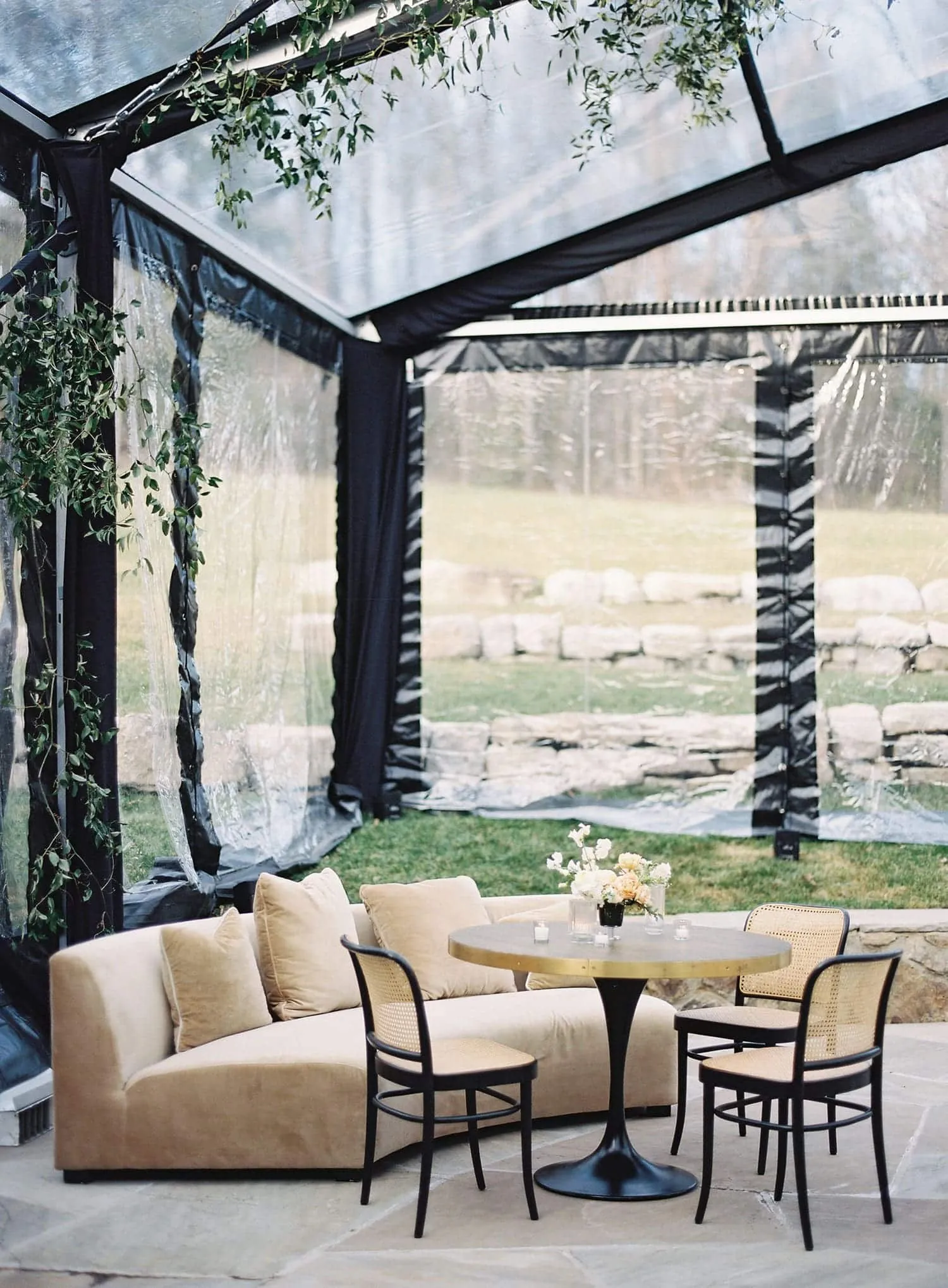
Expanding capacity is only useful when guests can move comfortably through the event. A poorly planned tent can feel crowded even when its total square footage appears sufficient, making interior layout an essential part of winery capacity planning.
Seating arrangements, food and beverage stations, pathways, entrances, and activity areas should therefore be mapped before the final tent configuration is selected. Understanding the available dimensions and expected movement patterns allows wineries to use their temporary space more effectively.
Creating Dining, Wine, and Entertainment Zones
Large winery events often involve multiple activities rather than one uniform seating area. Guests may move between dinner tables, wine stations, bars, entertainment areas, dance floors, and social spaces during the event.
Creating dedicated zones can make these transitions more natural. Clearspan structures are especially helpful because the lack of internal supports allows planners to position these zones according to the event program instead of designing around center poles.
Preventing Congestion as Winery Guest Counts Increase
Pathways and entrances become increasingly important as attendance grows. Traffic patterns should be designed to reduce bottlenecks around high-use locations such as food stations, bars, restrooms, entrances, and entertainment areas.
Vendor operations should also remain separated from major guest pathways wherever practical. The source emphasizes that thoughtful traffic-flow planning, designated vendor areas, and clear communication can improve both operational efficiency and the overall guest experience.
Capacity planning should focus on how the space performs once it is occupied, not simply how many chairs can fit beneath the tent. Guests need sufficient room to circulate, interact, access services, and enjoy the vineyard setting. A thoughtful layout can therefore improve perceived spaciousness even during a larger gathering.
Map guest pathways: Establish clear routes between seating, food, wine, entertainment, and exits.
Create designated zones: Separate dining, socializing, entertainment, and service functions.
Protect major entrances: Avoid placing high-traffic amenities where they could create bottlenecks.
Coordinate vendor areas: Give caterers and other vendors dedicated spaces for efficient operations.
Use capacity tables: Match guest numbers with appropriate tent dimensions and layouts.
Prepare event checklists: Confirm seating, infrastructure, access, and safety considerations before guests arrive.
Capacity tables and comprehensive planning checklists can help wineries use space efficiently while ensuring important event infrastructure is addressed in advance.
Keeping Larger Fall Winery Events Comfortable with Climate Control
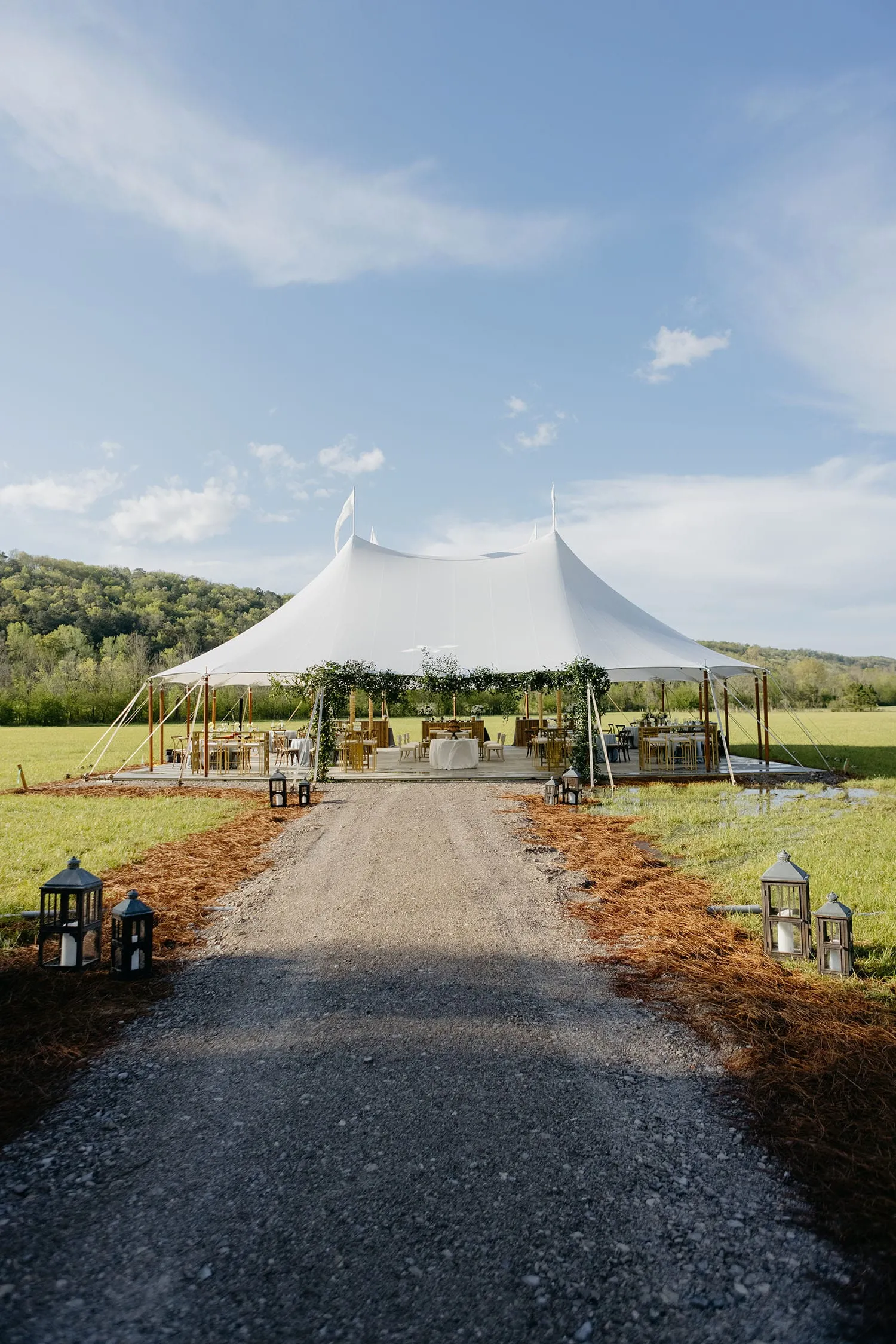
Fall weather is one of the reasons winery events are so attractive, but temperatures can also change substantially during the course of a celebration. A comfortable afternoon may transition into a much cooler evening, while some early fall dates can remain unexpectedly warm.
Climate control allows wineries to respond to these variations and use expanded tented spaces more reliably. Heating, air conditioning, ventilation, humidity management, and modern automated systems can all contribute to a more controlled guest environment.
Heating, Cooling, and Ventilation for Fall Tents
High-quality heating and cooling equipment gives planners greater flexibility when outdoor temperatures fluctuate. Air-conditioning equipment can help during warmer periods, while heating systems can maintain comfort when evening temperatures fall.
Ventilation is equally important. Effective airflow can reduce heat buildup and help manage humidity levels within an enclosed tent, particularly when larger numbers of guests occupy the structure.
Smart Climate Technology for Large Winery Events
The original source also discusses smart technology that can automate temperature regulation using real-time information. These systems can help event teams manage interior conditions more efficiently as the weather and guest activity change.
More advanced smart tent technology may allow temperature and lighting systems to be managed through centralized controls. For wineries hosting larger or repeated fall events, these innovations can support operational efficiency while maintaining the comfortable atmosphere expected by guests.
Climate control should be selected according to the structure, attendance, local weather, and event schedule. Planning it alongside the tent layout also makes it easier to determine equipment locations and power requirements. The following considerations can support a more complete comfort strategy.
Heating systems: Maintain comfortable conditions during cooler fall evenings.
Air conditioning: Helps regulate unexpectedly warm daytime temperatures.
Ventilation: Supports airflow and helps reduce heat buildup inside enclosed structures.
Humidity management: Contributes to a more pleasant environment during changing conditions.
Smart controls: Can support automated temperature adjustments based on real-time information.
Weather planning: Local fall patterns should inform the overall climate-control strategy.
Reliable climate control can make temporary winery event spaces more dependable throughout peak fall season and reduce the impact of unpredictable temperature changes.
Using Flooring and Lighting to Transform Expanded Vineyard Space
Temporary capacity should still feel like part of the winery experience. Flooring and lighting are two of the most effective ways to transform an outdoor tent from a practical expansion area into an elegant event environment.
Both elements also contribute to functionality. Flooring can provide more stable surfaces over uneven vineyard terrain, while well-designed lighting supports visibility, movement, atmosphere, and the presentation of the surrounding property.
Flooring Solutions for Uneven Winery Terrain
Interlocking flooring can provide additional stability across varied outdoor surfaces. Dedicated dance flooring can support high-traffic entertainment areas, while carpet can introduce comfort and a more formal visual character.
Material choice also affects the atmosphere. Wood provides warmth and a classic aesthetic, vinyl offers durability and easier cleaning, and carpet can soften the interior and enhance ambiance. The appropriate solution should balance the condition of the vineyard terrain with the desired event design.
Lighting Strategies for Elegant Fall Winery Events
Layered lighting can combine string lights, chandeliers, uplighting, ambient fixtures, task lighting, and accent lighting. Using multiple sources creates visual depth while ensuring important areas remain functional after sunset.
Warm lighting can encourage a more inviting atmosphere, while strategically placed fixtures can highlight vineyard architecture and tent features. Seasonal lighting concepts can further personalize the event and reinforce the distinctive character of a fall celebration.
Lighting should enhance both the tent and the surrounding vineyard rather than compete with them. Energy efficiency can also be incorporated without sacrificing sophisticated design. LED technology and carefully selected fixtures can support both aesthetic and operational goals.
Interlocking flooring: Provides a stable temporary surface over varied terrain.
Wood flooring: Creates a warm, classic aesthetic for upscale or rustic winery events.
Vinyl flooring: Offers durability and easier maintenance across changing conditions.
Carpet: Adds comfort and can contribute to a more formal interior.
Layered lighting: Combines ambient, task, and accent illumination for functionality and atmosphere.
LED fixtures: Provide an energy-efficient option while supporting elegant lighting designs.
By coordinating flooring and lighting, wineries can make expanded capacity feel like a carefully designed extension of the venue rather than an overflow area.
Managing Vineyard Site Logistics for Peak Fall Event Capacity
Increasing winery event capacity also increases logistical demands. More guests can mean additional catering equipment, seating, service areas, entertainment infrastructure, parking considerations, vendor activity, and traffic throughout the property.
A comprehensive site assessment should therefore occur before the tent and event layout are finalized. Terrain, tent placement, accessibility, installation requirements, guest circulation, and vendor operations all influence whether the expanded event space functions successfully.
Installing Tents Safely on Vineyard Grounds
Vineyard terrain can present installation challenges, particularly when surfaces are uneven. Ground assessments can help identify specific setup requirements before equipment arrives.
The source identifies staking and ballast weights as stability techniques and recommends incorporating clear pathways and ramps where needed for accessibility. These details can help guests navigate the site while supporting a more organized event environment.
Coordinating Winery Vendors During High-Demand Fall Events
Caterers, entertainment providers, tent professionals, and logistical support teams need clear communication throughout planning and setup. Establishing designated vendor areas can reduce conflicts and help equipment move through the site efficiently.
Strong coordination becomes even more important during peak fall season, when wineries may have busy event calendars and vendors may be managing multiple commitments. Early planning helps minimize last-minute problems while keeping the winery focused on delivering an exceptional guest experience.
Site logistics should be treated as part of capacity planning rather than a separate operational concern. A larger guest count affects nearly every aspect of the event, from vendor access to pathway widths. Establishing these details early creates a stronger foundation for the expanded event.
Complete a ground assessment: Identify terrain conditions that may affect tent installation.
Select appropriate tent placement: Protect accessibility and key winery operational areas.
Plan anchoring and stability: Determine suitable staking or ballast requirements for the site.
Create accessible pathways: Use clear routes and ramps where appropriate for guest movement.
Designate vendor areas: Give catering and support teams efficient spaces for setup and service.
Coordinate schedules: Align tent installation, flooring, lighting, catering, and entertainment setup.
Combining these measures with accurate guest planning allows wineries to increase event capacity without allowing additional attendance to overwhelm the property or event operations.
Frequently Asked Questions
Which tent is best for increasing winery event capacity?
Clearspan tents are particularly effective for larger gatherings because they provide unobstructed interiors and high capacity. Frame tents also support medium-to-high capacity and flexible placement, while sailcloth and pole tents may be appropriate when aesthetics and more intimate settings are priorities.
Can winery tents be climate controlled during fall?
Yes. Heating, air conditioning, ventilation, and smart temperature-control technologies can be incorporated to manage changing autumn conditions and maintain a more comfortable environment.
What flooring works on uneven vineyard terrain?
The source recommends options including interlocking flooring, dance floors, and carpet. Wood and vinyl are also discussed as materials offering different combinations of aesthetics, durability, comfort, and maintenance.
How can wineries prevent congestion at larger events?
Thoughtful traffic planning should establish clear entrances, pathways, service zones, and vendor areas. Mapping guest movement in advance can help reduce bottlenecks and support smoother event operations.
Can temporary winery tents be customized?
Yes. Clearspan structures can support different layouts, themes, HVAC equipment, and other customized features. Other tent styles also offer different aesthetic and configuration possibilities based on the event.
Expand Your Peak Fall Winery Events with Skyline Tent Company
Peak fall demand gives wineries an opportunity to welcome larger guest lists while showcasing the natural beauty of their vineyards. Temporary architectural structures can make that growth possible without forcing every gathering into the winery’s existing indoor footprint. Clearspan tents provide particularly valuable pole-free space for larger events, while sailcloth, frame, and pole tents give wineries additional options for matching capacity, terrain, and aesthetics.
Successful expansion requires the tent to work as part of a complete event infrastructure plan. Guest flow, climate control, flooring, lighting, installation stability, accessibility, and vendor coordination all contribute to how comfortably additional guests can use the space. Modern technologies such as smart climate systems and integrated lighting can further improve the functionality of temporary outdoor environments.
Skyline Tent Company specializes in luxury tent solutions that can help wineries accommodate larger peak-season gatherings while maintaining the refined atmosphere their guests expect. Contact Skyline Tent Company today to discuss your vineyard, anticipated guest count, fall event calendar, terrain, and design goals, and start planning a customized temporary event space built around your winery’s capacity and guest-experience needs.