
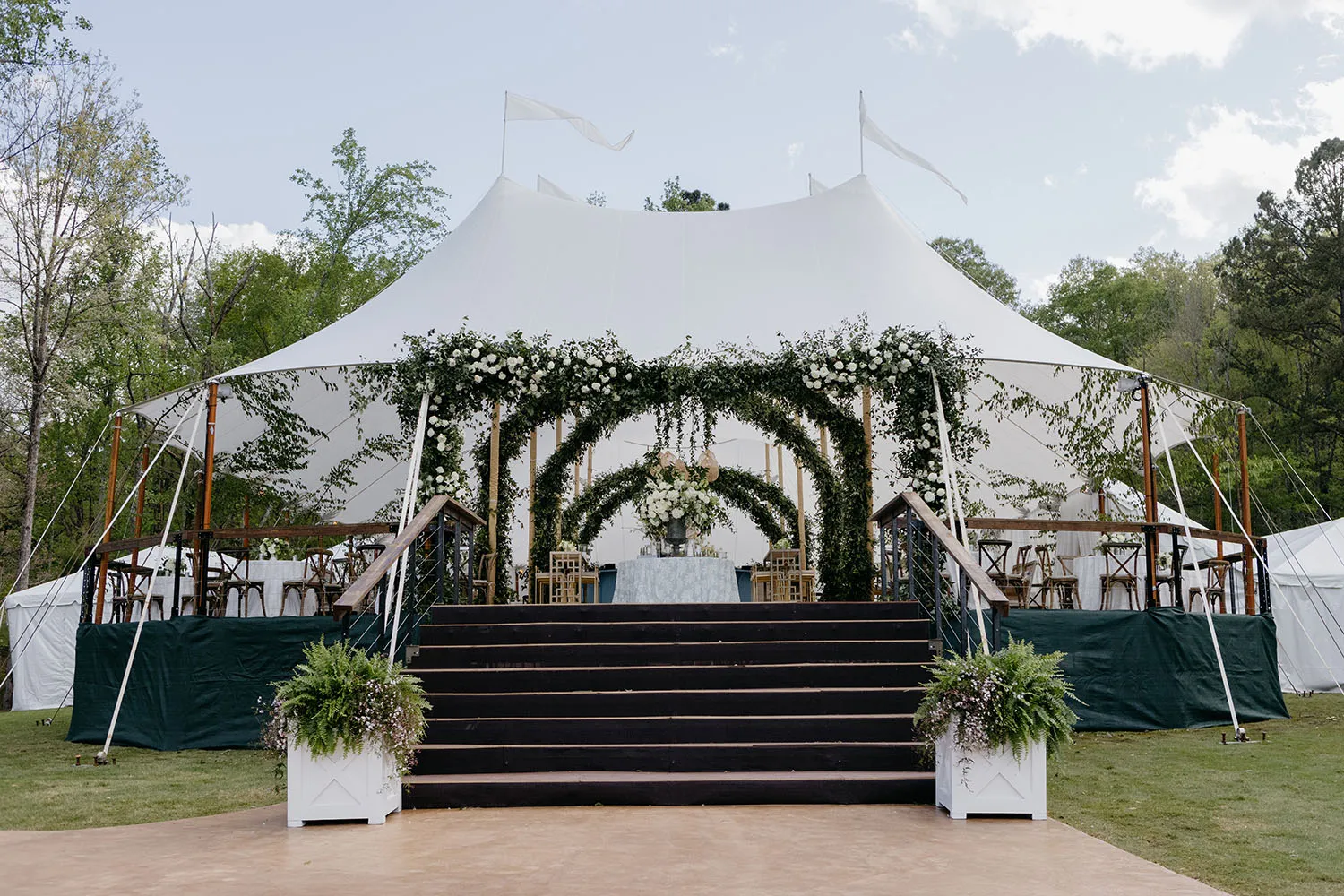
Power is one of the most important components of any successful outdoor corporate event. From lighting and audiovisual presentations to climate-control systems and catering equipment, every aspect of a large-scale event depends on a reliable electrical infrastructure. During the summer, power planning becomes even more critical as cooling systems, entertainment, and technology place greater demands on the electrical supply. Whether hosting a corporate retreat, product launch, company celebration, conference, or networking event, investing in a professionally planned power solution helps create a seamless experience for every guest.
Modern event tents are designed to support sophisticated electrical systems while maintaining the elegant appearance expected at premium corporate events. Clearspan, frame, Century pole, and sailcloth tents can all accommodate integrated lighting, temporary HVAC systems, staging, audiovisual equipment, and customized event layouts. By understanding power requirements early in the planning process, organizers can create a safe, efficient, and visually impressive outdoor venue that supports every stage of the event.
Understanding Power Requirements for Corporate Event Tents
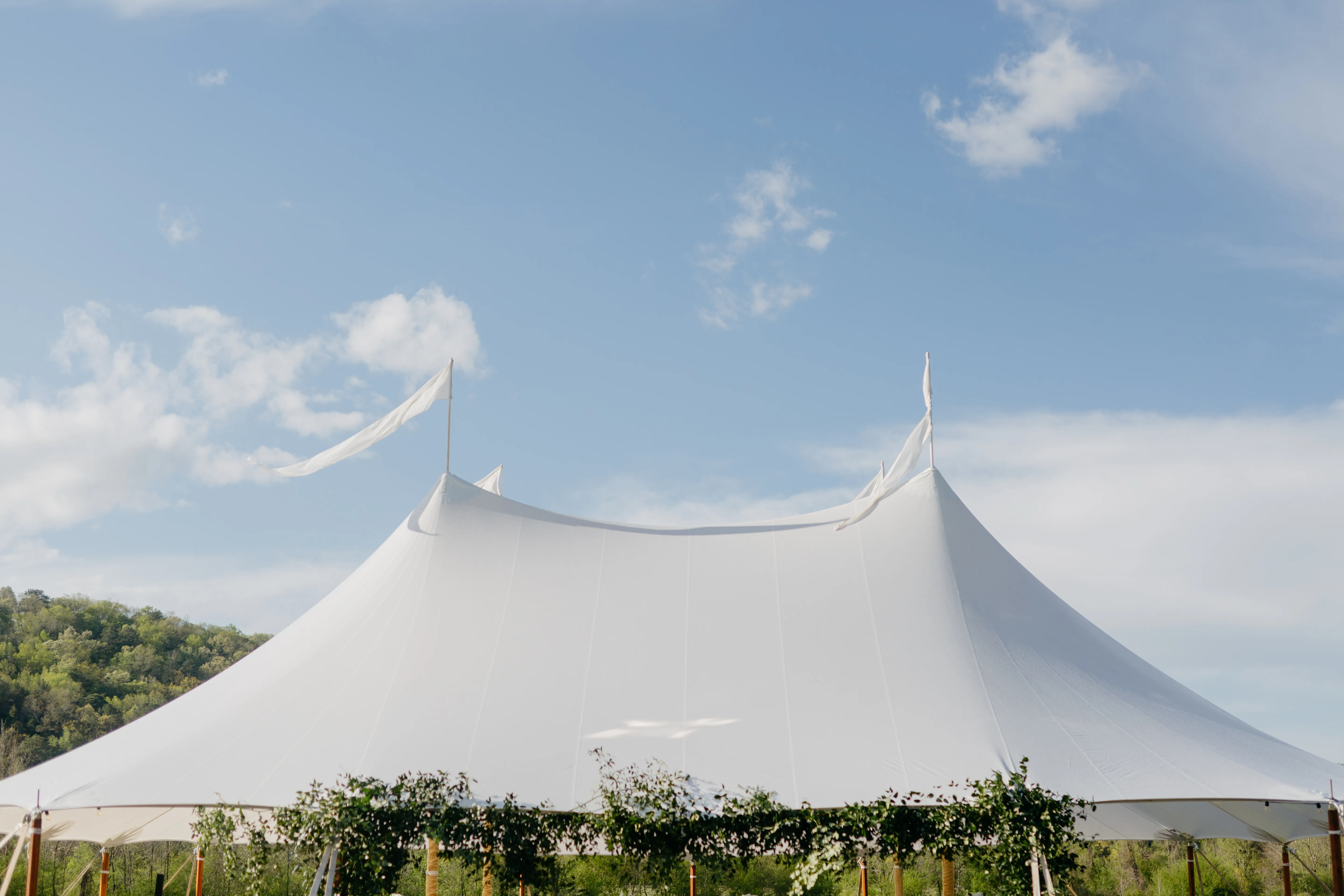
Every successful event begins with a clear understanding of its electrical needs. Proper planning helps ensure that essential systems operate reliably while reducing the risk of unexpected interruptions.
A professional power assessment considers every piece of equipment that will be used throughout the event, allowing planners to develop an electrical infrastructure that supports both functionality and guest comfort.
Calculating Total Electrical Demand
Large corporate events often require electricity for lighting, audiovisual presentations, catering equipment, charging stations, climate-control systems, entertainment, and event operations. Each system contributes to the overall electrical load, making accurate calculations essential before installation begins.
Understanding these requirements helps planners determine the appropriate power source while ensuring sufficient capacity for both scheduled activities and unexpected operational needs.
Careful load planning also supports safe distribution throughout the venue.
Planning for Peak Power Usage
Electrical demand changes throughout the event. Presentations, evening lighting, food service, live entertainment, and HVAC systems may all operate simultaneously during peak hours.
Planning for maximum demand rather than average usage provides additional reliability while minimizing the possibility of overloaded circuits or service interruptions.
Professional planning creates confidence that every system will perform consistently throughout the event.
Before finalizing electrical requirements, organizers should evaluate several important factors.
Key power planning considerations include:
- Total guest attendance
- Lighting and audiovisual requirements
- Climate-control equipment
- Catering and operational power needs
Evaluating these factors early creates a reliable foundation for the event’s electrical infrastructure.
Choosing the Right Power Source for Your Corporate Event Tent
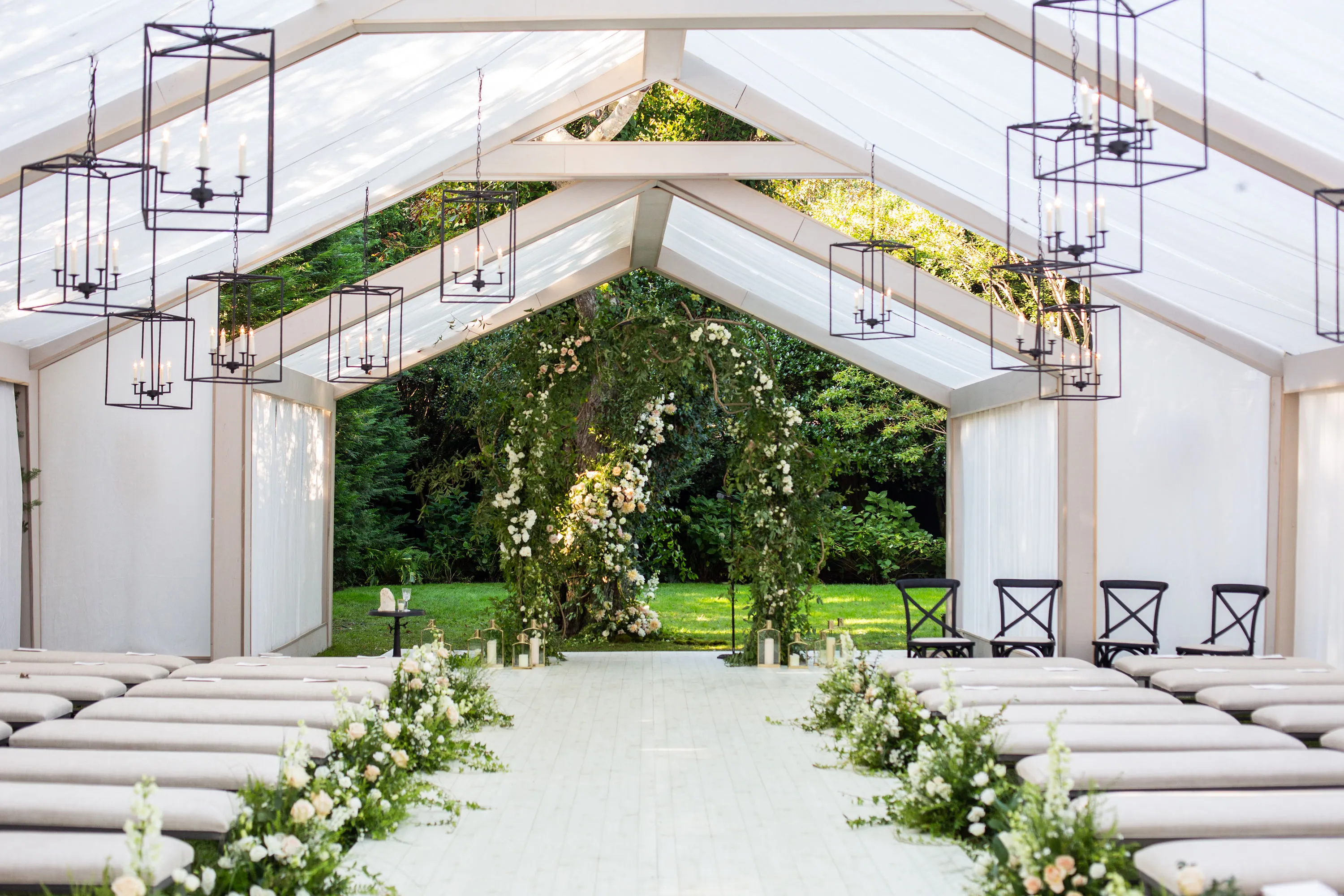
Selecting the appropriate power source depends on the venue, event size, and overall electrical demand. Modern outdoor events often combine multiple solutions to create dependable and efficient power distribution.
The ideal system should support continuous operation while integrating seamlessly with the event layout.
Generator Systems for Large Events
Generators remain one of the most dependable power solutions for large outdoor corporate events. Properly sized generators provide sufficient electricity for lighting, presentations, HVAC systems, catering equipment, and other essential event infrastructure.
Professional installation teams position generators away from guest areas whenever possible to reduce operational noise while maintaining convenient access for monitoring and servicing.
Reliable generator capacity provides peace of mind throughout the event.
Alternative and Supplemental Power Solutions
Some events may benefit from supplemental battery systems or hybrid energy solutions that complement traditional generators. These systems can support specific equipment while helping improve operational flexibility.
Selecting the most appropriate combination depends on venue conditions, equipment requirements, and event objectives.
Professional planners evaluate every option to develop an efficient and dependable electrical strategy.
Before selecting a power source, planners should review several important considerations.
Power source selection should include:
- Generator capacity requirements
- Backup power availability
- Fuel and operational planning
- Equipment accessibility
Choosing the appropriate power solution helps maintain uninterrupted event operations from setup through breakdown.
Safe Power Distribution Throughout the Event Tent
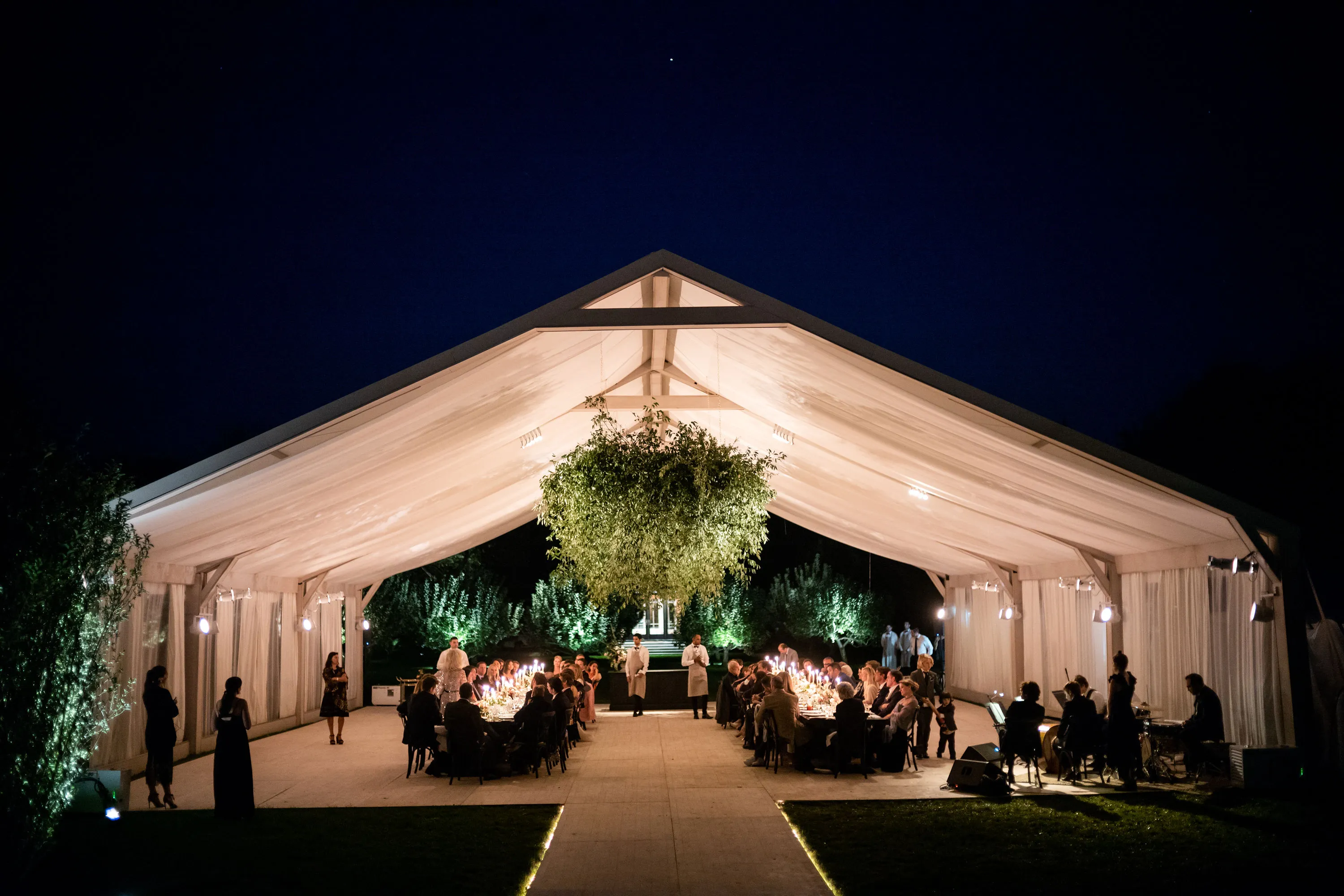
Reliable electricity depends not only on the power source but also on how it is distributed across the event site. Organized electrical layouts improve efficiency while supporting guest safety.
Professional distribution planning ensures every event area receives dependable power without creating unnecessary congestion.
Distribution Panels and Equipment Placement
Distribution panels help organize electrical circuits while directing power to lighting, audiovisual systems, catering stations, climate-control equipment, and other event infrastructure.
Strategic equipment placement shortens cable runs, improves efficiency, and simplifies system monitoring throughout the event.
Organized distribution also allows technicians to respond quickly if adjustments become necessary.
Professional Cable Management
Electrical cables should be routed carefully to minimize trip hazards while preserving the appearance of the venue. Protective cable covers, designated utility paths, and organized routing strategies help maintain both safety and aesthetics.
Proper cable management also supports easier equipment servicing while reducing the likelihood of accidental damage during the event.
Before installation begins, planners should review several important safety priorities.
Essential electrical safety practices include:
- Organized power distribution
- Professional cable management
- Clearly identified electrical circuits
- Routine equipment inspections
These practices help create a safe, efficient, and professionally managed event environment.
Powering Lighting, Climate Control, and Audiovisual Systems in Corporate Event Tents
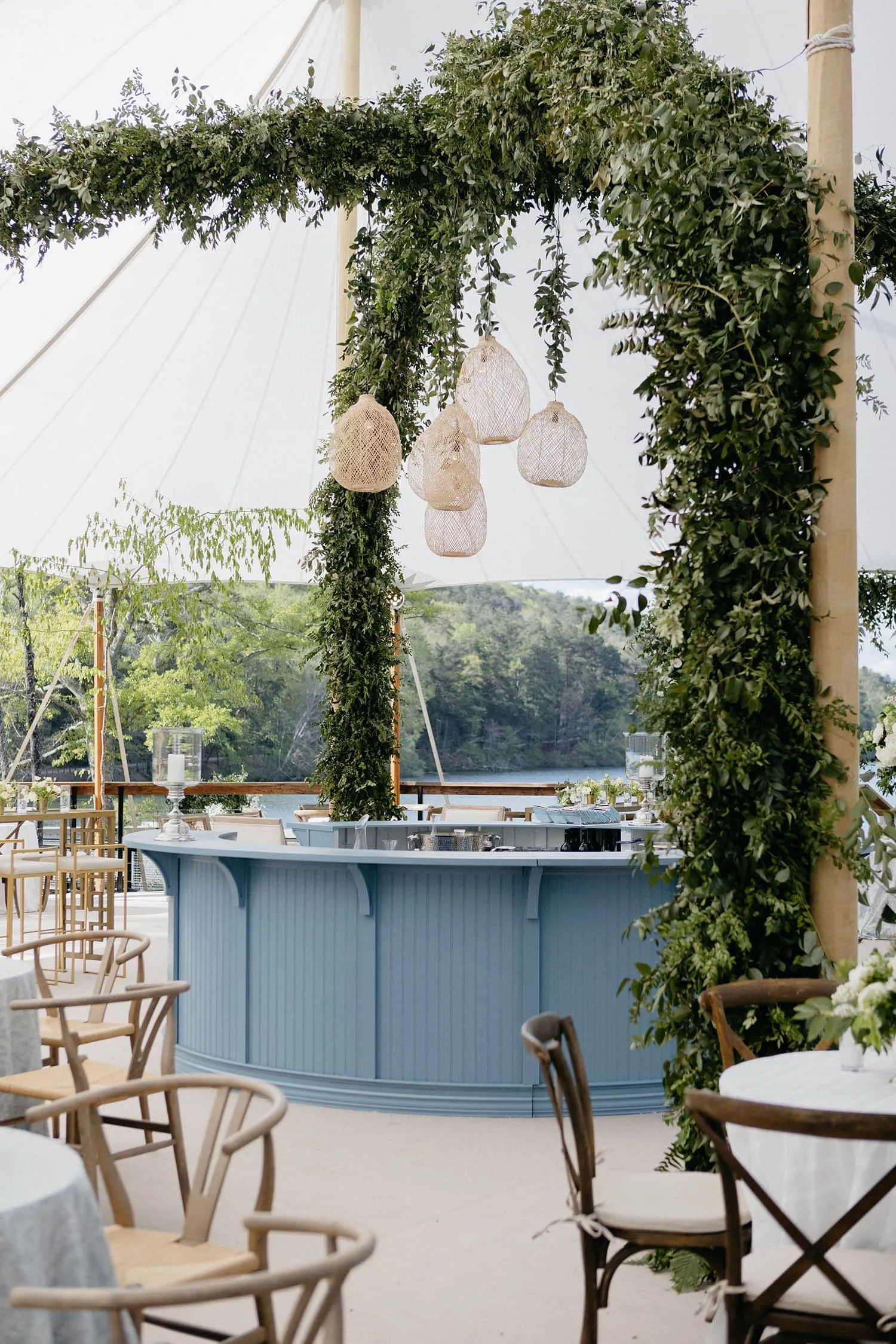
A dependable electrical system supports far more than basic operations. It powers the features that transform a corporate tent into a sophisticated event venue where guests can network, collaborate, and enjoy the experience in complete comfort.
When power planning is integrated into the event design from the beginning, every lighting fixture, cooling system, and presentation operates efficiently without disrupting the event schedule.
Powering Professional Lighting Systems
Lighting is essential for creating the right atmosphere while supporting presentations, networking sessions, dining, and evening entertainment. Layered lighting enhances the architecture of premium event tents while ensuring excellent visibility throughout the venue.
Crystal chandeliers, architectural uplighting, decorative pendant fixtures, and ambient LED lighting all require carefully planned electrical distribution. Professional designers coordinate lighting circuits to ensure balanced power loads while allowing different lighting scenes to transition smoothly as the event progresses.
Energy-efficient LED fixtures are particularly valuable because they reduce overall power consumption while producing less heat during summer events.
Supporting HVAC and Climate-Control Systems
Corporate events held during the summer often rely on temporary HVAC systems to maintain comfortable indoor temperatures. Understanding how air-conditioned event structures work can help planners coordinate cooling equipment with the electrical capacity needed to support air-conditioning units, circulation fans, and ventilation systems reliably throughout the event.
Planning adequate power capacity for these systems helps ensure consistent comfort throughout keynote presentations, networking sessions, dining experiences, and evening receptions.
When cooling systems are professionally integrated into the event infrastructure, guests remain comfortable without compromising the venue’s elegant appearance.
Before finalizing power allocations, planners should evaluate several important equipment requirements.
Major power-dependent systems include:
- Professional lighting installations
- Temporary HVAC equipment
- Audiovisual presentation systems
- Catering and hospitality equipment
Careful planning ensures every system performs reliably throughout the event.
Site Planning and Power Coordination for Corporate Event Tents
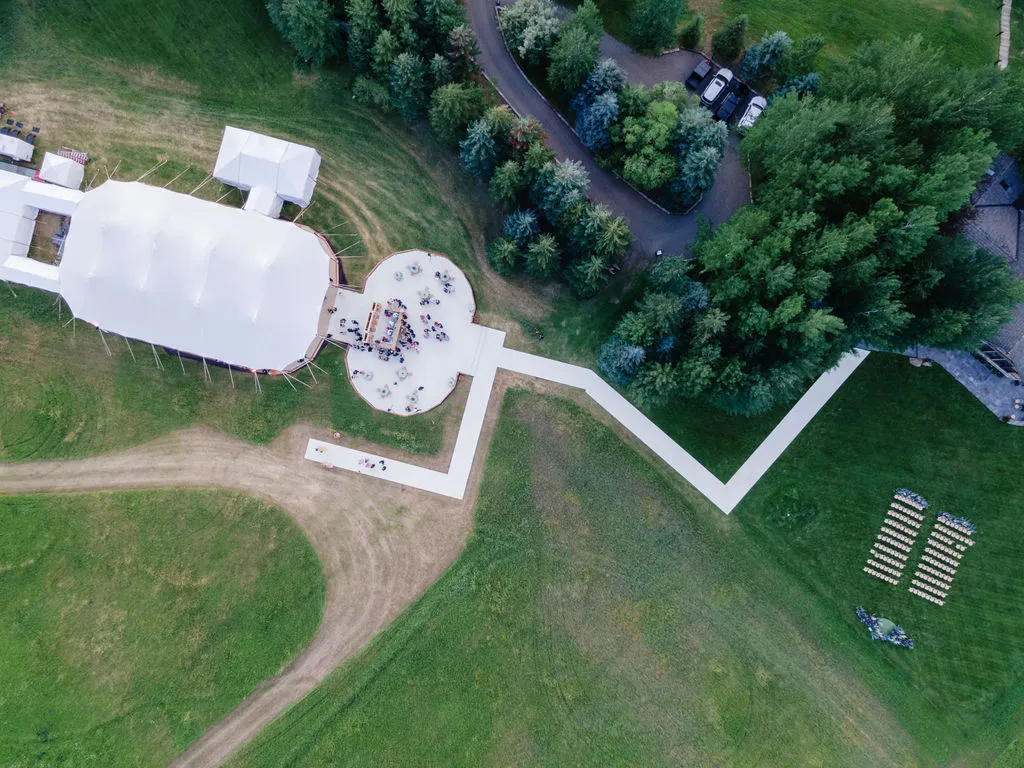
Reliable power infrastructure begins with thoughtful outdoor event site logistics. Coordinating the placement of generators, distribution panels, HVAC equipment, utility connections, and vendor access early can improve operational efficiency while supporting a safer and more organized event setup.
Professional coordination allows every component of the electrical system to integrate seamlessly into the event layout.
Equipment Placement and Utility Access
Generators, electrical panels, and temporary power equipment should be positioned where they remain easily accessible for technicians while minimizing their visibility to guests.
Carefully planned equipment placement shortens cable runs, improves operational efficiency, and helps preserve the refined appearance expected at luxury corporate events.
Professional site evaluations also identify ideal locations for lighting systems, staging, catering operations, and audiovisual equipment before installation begins.
Coordinating Vendors and Installation Schedules
Large corporate events often involve multiple production teams working simultaneously. Electricians, lighting designers, audiovisual specialists, caterers, HVAC technicians, and tent installers all rely on coordinated schedules to complete their work efficiently.
Clear communication between every vendor helps avoid installation conflicts while ensuring the electrical infrastructure supports every aspect of the event.
Before installation begins, organizers should review several logistical priorities.
Important site planning considerations include:
- Generator and equipment placement
- Utility and electrical access
- Vendor installation schedules
- Cable routing and guest circulation
Thorough planning creates a more organized installation process while supporting reliable event operations.
Frequently Asked Questions
Why is power planning important for large corporate event tents?
Power planning ensures lighting, audiovisual systems, HVAC equipment, catering operations, and other essential event infrastructure operate safely and reliably throughout the event.
What is the most common power source for large outdoor corporate events?
Professionally sized generators are commonly used because they provide dependable power for large-scale outdoor events while supporting multiple electrical systems simultaneously.
How are electrical loads calculated for an event?
Electrical load calculations consider all equipment operating during the event, including lighting, sound systems, HVAC units, catering equipment, presentation technology, and other temporary infrastructure.
Can temporary HVAC systems be powered inside corporate event tents?
Yes. Temporary HVAC systems can be integrated into professionally designed power plans to maintain comfortable temperatures during summer corporate events.
Why is cable management important?
Organized cable routing improves safety, reduces trip hazards, protects electrical equipment, and preserves the clean appearance of the event venue.
How early should power planning begin?
Power requirements should be evaluated during the early planning stages so electrical infrastructure, equipment placement, and vendor coordination can be integrated into the overall event design.
Why work with an experienced event infrastructure provider?
Professional providers coordinate tent selection, power planning, lighting, HVAC integration, installation logistics, and site management to deliver safe and efficient outdoor corporate events.
Conclusion
Reliable power infrastructure is essential when creating stunning summer event structures for corporate gatherings, ensuring lighting, audiovisual presentations, climate-control systems, catering equipment, and other essential infrastructure perform seamlessly throughout the event.Investing in professional power planning helps create a comfortable, efficient, and visually impressive environment where guests can focus on networking, presentations, and memorable experiences.
Whether you’re organizing a company conference, product launch, executive retreat, or corporate celebration, working with experienced professionals simplifies complex infrastructure planning. Skyline Tent Company specializes in premium clearspan, frame, Century pole, and sailcloth tents while supporting customized event infrastructure that integrates power distribution, lighting, climate control, and professional site planning for exceptional outdoor corporate events.
Planning a large corporate event this summer? Contact Skyline Tent Company today to explore premium event tents and customized infrastructure solutions that deliver reliable power, outstanding comfort, and a flawless event experience from beginning to end.