
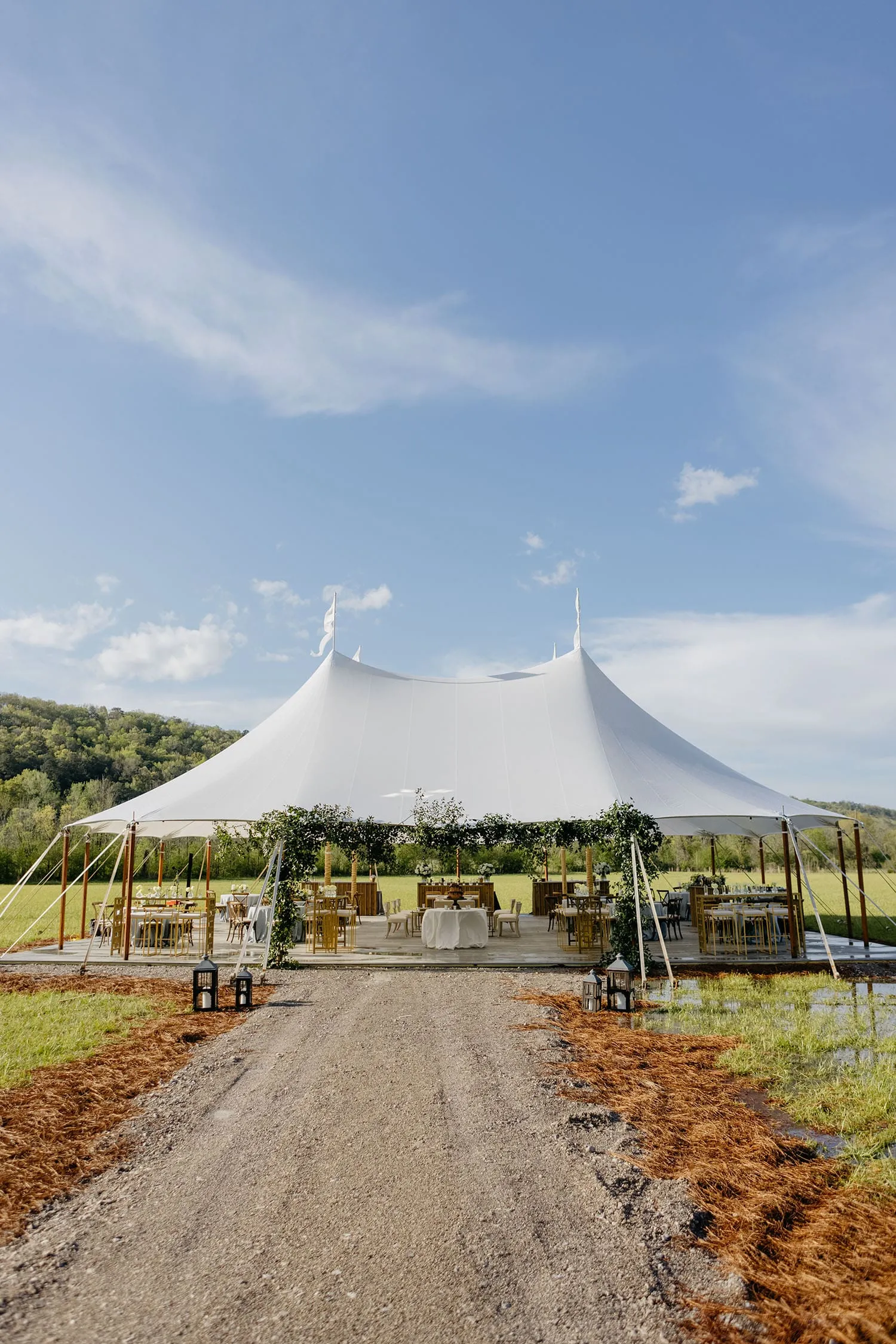
A spring bridal shower feels naturally suited to an outdoor setting. Gardens begin to bloom, estate lawns turn green, and softer seasonal light creates an inviting backdrop for celebrating the bride. A bridal shower tent makes it possible to enjoy that setting while creating a defined event space for dining, gifts, conversation, and entertainment. It also gives hosts more control over changing spring weather without giving up the surrounding views. The key is deciding where the event budget will have the greatest effect. Some celebrations may focus on a beautiful Sailcloth structure and simple floral details, while larger events may include engineered flooring, glass walls, climate control, layered lighting, and coordinated furnishings. A thoughtful plan does not require adding every available feature. It means choosing the tent, infrastructure, and design elements that matter most for the property, guest count, and overall atmosphere. Skyline Tent Company offers multiple tent styles, flooring systems, elevated platforms, climate control, power generation, glass walls, tables, chairs, and linens that can be coordinated around different spring event needs.
Choose a Bridal Shower Tent That Fits the Event
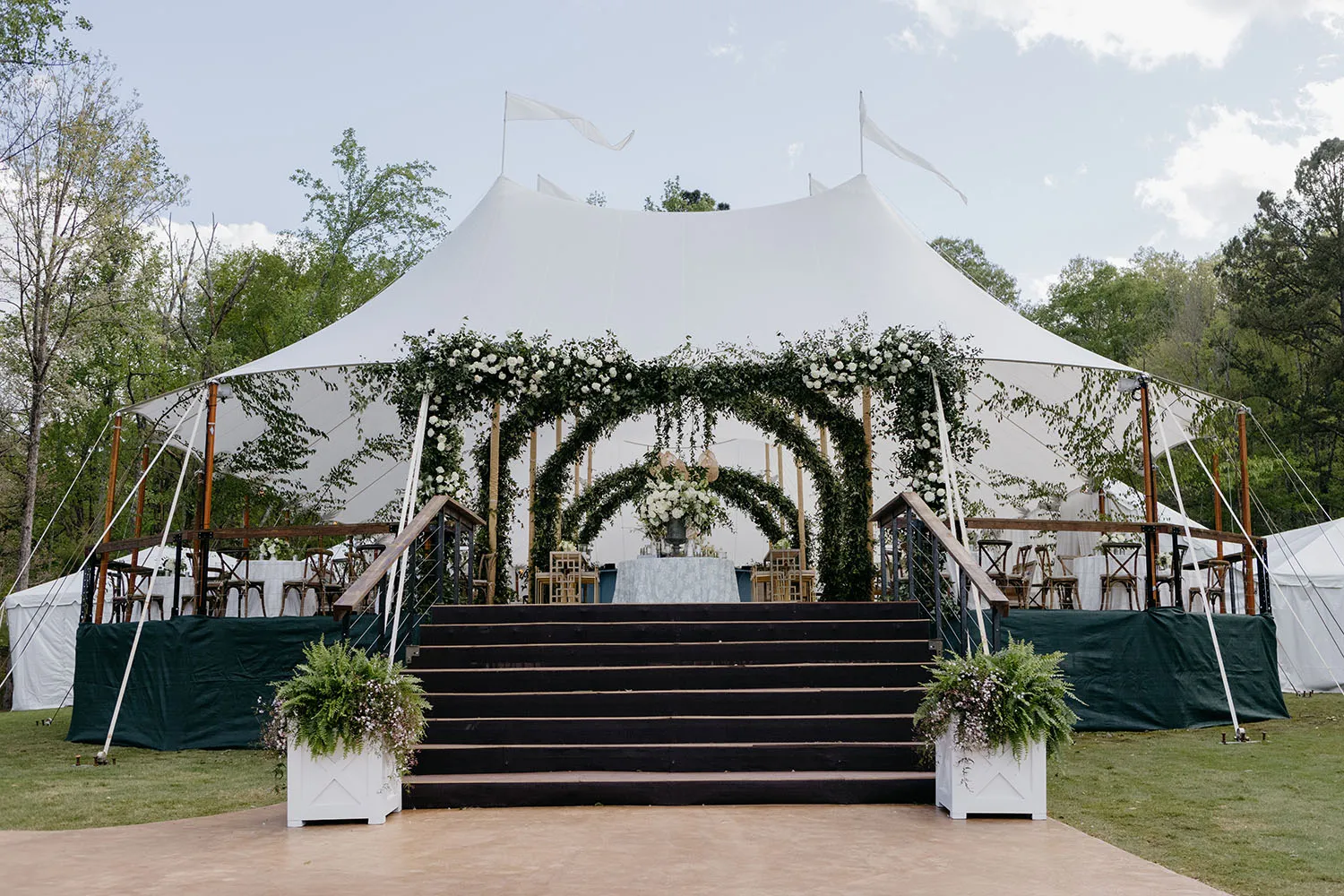
The tent itself establishes the visual foundation of the bridal shower.
Before choosing décor, consider the guest count, property size, weather exposure, and type of gathering you are planning. A seated luncheon may need a different structure from a relaxed afternoon with lounge furniture and cocktail tables.
Sailcloth Tents for an Intimate Garden Look
Sailcloth tents work especially well for spring bridal showers because their translucent fabric allows natural light to soften the interior.
Their peaked shape and wooden poles create a romantic appearance that complements gardens, vineyards, estate lawns, and private properties.
For a smaller gathering, the structure itself can do much of the visual work. Instead of filling the tent with heavy decoration, hosts can use a few intentional floral arrangements, simple table settings, and soft lighting.
This approach keeps the event polished while allowing the natural setting to remain visible.
Sailcloth tents are also designed to provide protection when spring weather becomes unpredictable, making them useful for outdoor celebrations where rain or wind is a concern.
Century Pole Tents for a Classic Setting
Century Pole tents create a traditional event silhouette with elevated peaks and a spacious interior.
They can work particularly well for bridal showers that lean toward a classic garden party style.
Long tables, round dining tables, or mixed seating can be arranged around the poles to create an inviting layout.
The height of the tent can also support hanging floral elements or decorative lighting without making the space feel crowded.
For hosts who want the event to feel formal without becoming overly elaborate, a Century Pole tent can provide a strong architectural foundation.
Frame and Clearspan Tents for Larger Gatherings
Frame and engineered clearspan structures provide more open interior space.
Because there are fewer or no center poles, the layout can be organized more freely around dining areas, lounge seating, gift displays, catering stations, or entertainment.
These structures can be especially useful for larger bridal showers or properties where every part of the interior needs to serve a specific purpose.
A clear interior also gives planners more freedom to create a polished floor plan without working around structural poles.
Build the Budget Around the Features Guests Notice Most
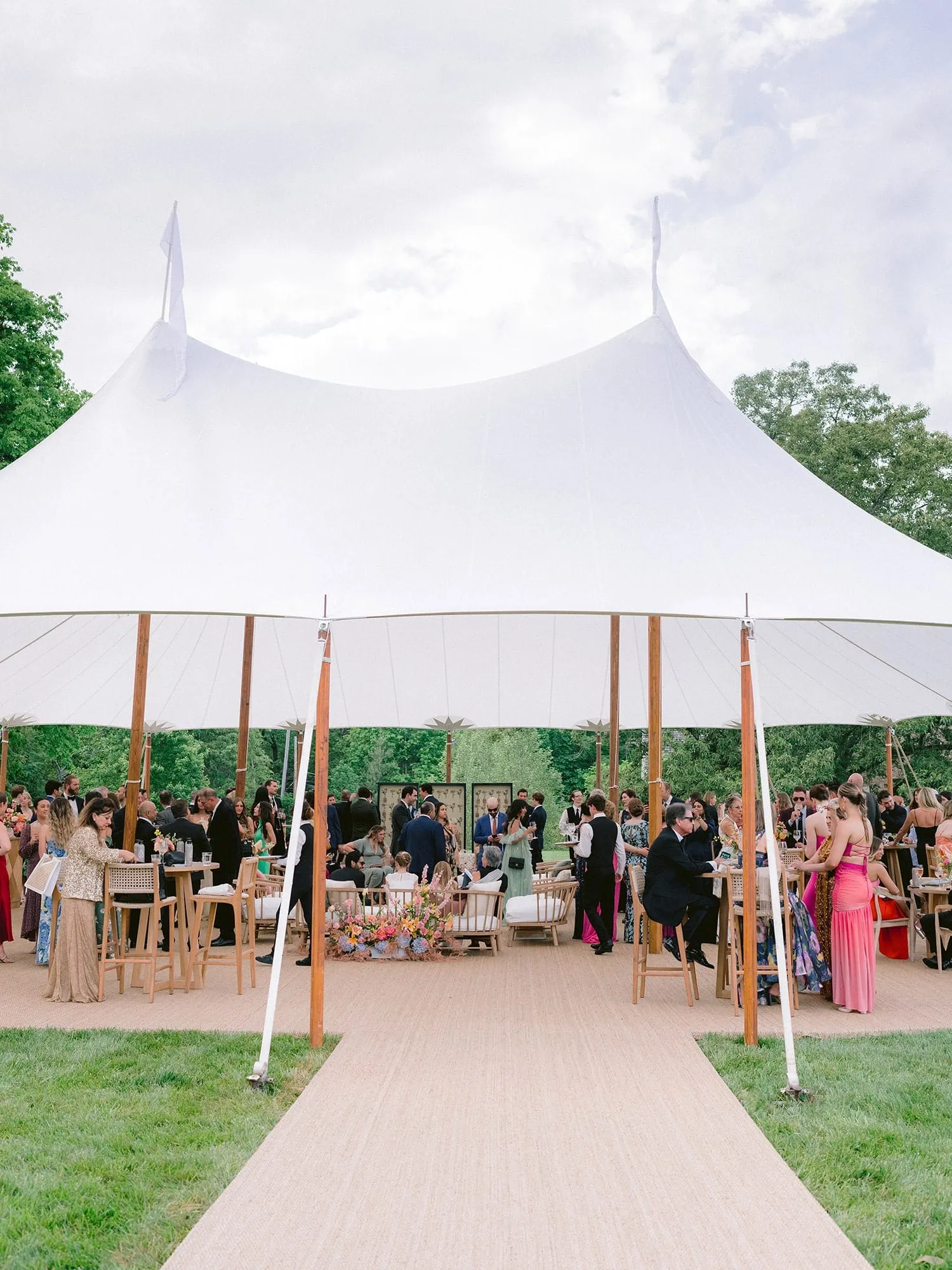
A successful bridal shower does not need every available design upgrade.
The better approach is to decide which elements will have the strongest effect on guest comfort and the overall atmosphere.
This keeps the event intentional instead of overcrowded with features.
Prioritize the Structure and Guest Comfort
The tent and basic infrastructure should come before decorative extras.
Guests will notice if the space feels too hot, too cold, uneven underfoot, or difficult to move through.
They are much less likely to remember whether every decorative surface was covered.
Start with the essentials:
Appropriate tent size
Comfortable seating
Stable walking surfaces
Weather protection
Clear guest circulation
Adequate lighting
Once those needs are covered, the remaining design budget can go toward details that personalize the shower.
Choose a Few High Impact Design Elements
Instead of adding decoration everywhere, select a few areas to make visually memorable.
The entrance is one option.
A floral installation, draped opening, or styled welcome area immediately establishes the event theme.
The dining tables are another strong focal point because guests spend a large portion of the event seated around them.
A final focus area might be the dessert display, gift table, or bride’s seating area.
Concentrating decorative details in these places can make the entire tent feel thoughtfully designed without requiring every section to receive the same treatment.
Let the Property Become Part of the Design
A garden, vineyard, or private estate already provides scenery.
Use it.
Position the tent so guests can see flowering gardens, surrounding trees, open lawns, or other important views.
A simple interior can feel much more luxurious when the property becomes the visual backdrop.
This is one reason spring tented events can work well at several different budget levels.
The landscape itself contributes color and atmosphere without needing to be recreated inside the tent.
Use Flooring and Furniture to Create a Finished Space
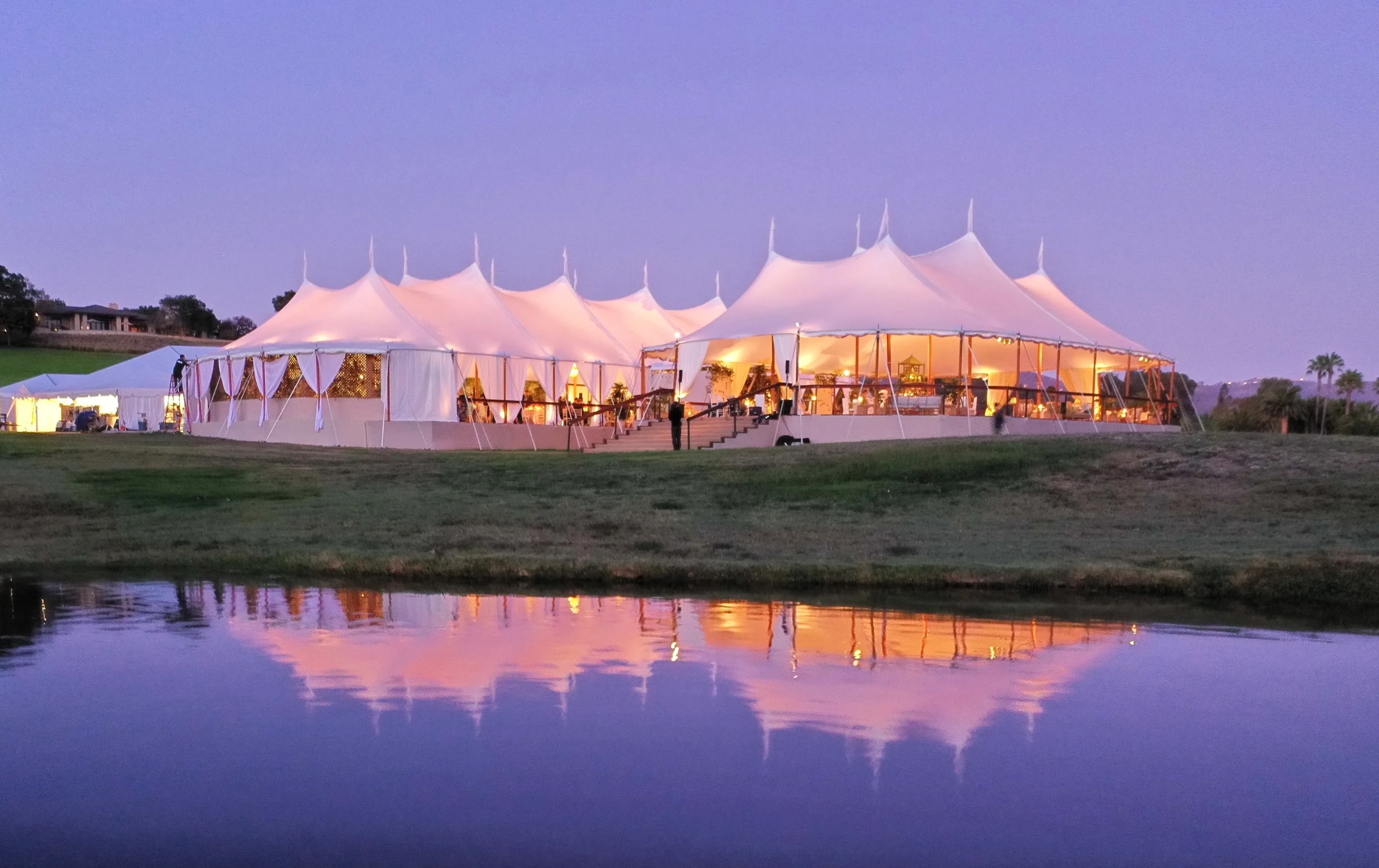
Flooring and furnishings may not be the first details people imagine when planning a bridal shower, but they can have a major effect on how complete the event feels. We cover this further in The Complete Guide To Outdoor Wedding Tents For Summer.
They also influence comfort and movement throughout the tent.
Decide Whether the Property Needs Flooring
Not every site requires the same flooring solution.
A firm, level lawn may support a simpler event layout, while sloped or uneven terrain may need engineered flooring or an elevated platform.
Flooring can help create a more stable surface for tables, chairs, catering equipment, and formal footwear.
It can also provide a more finished appearance inside the tent.
For bridal showers using heavier furniture or more elaborate installations, a level floor can make the overall design easier to execute. You may also find How to Protect Lawn During Multi-Day Luxury Tent Installations helpful.
Use Furniture to Shape the Atmosphere
Furniture determines how guests interact with the space.
Traditional dining tables create a structured luncheon environment.
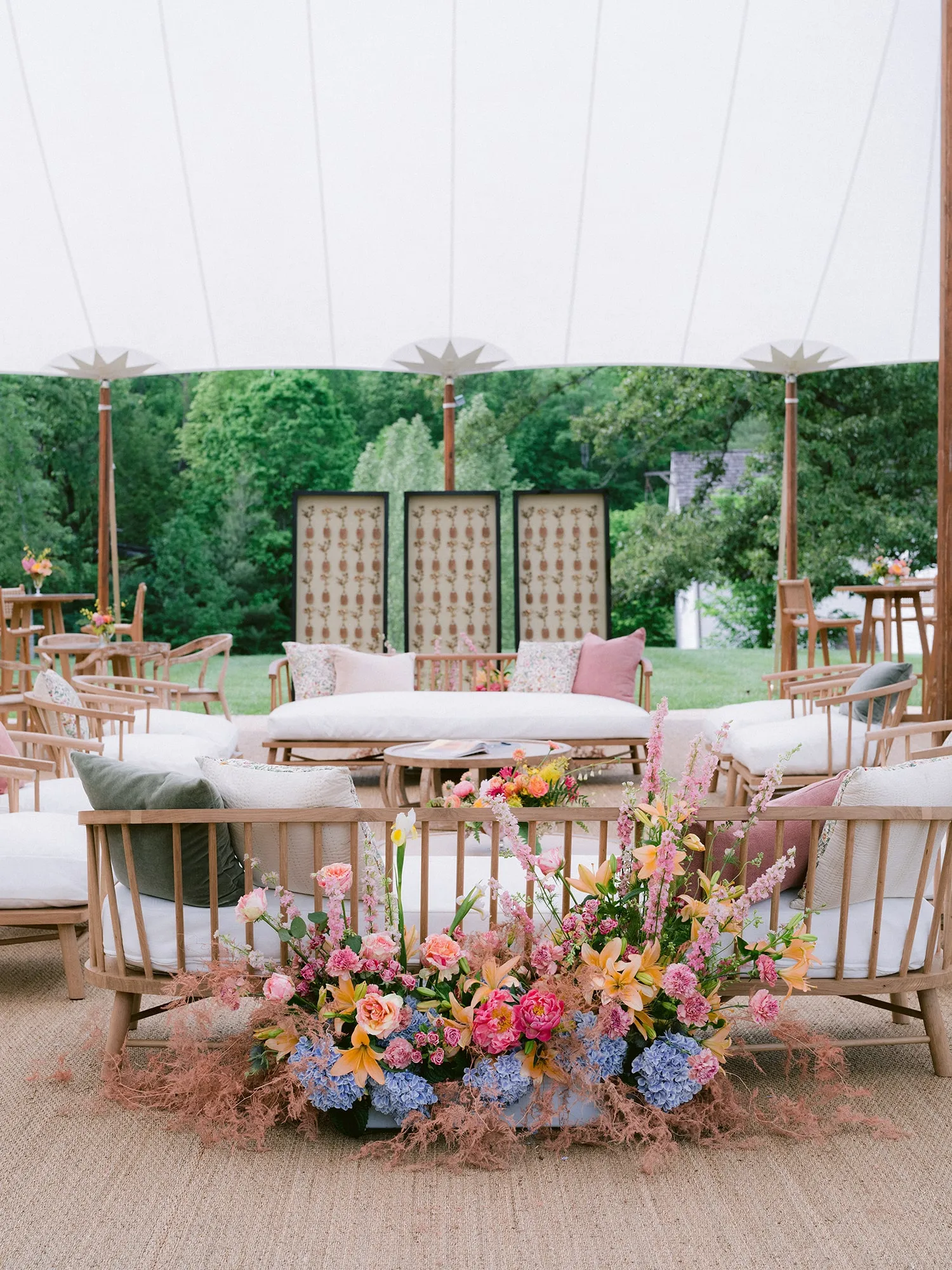
Lounge furniture encourages slower conversation and gives guests places to gather between activities.
High top tables can add flexibility for a more social cocktail style shower.
The right combination depends on the schedule.
If most of the event revolves around a seated meal, dining space should remain the priority.
If the shower includes games, gift opening, or informal social time, adding a small lounge area can make the tent more versatile.
Coordinate Tables, Chairs, and Linens
Tables, chairs, and linens should support the visual direction without becoming disconnected from the tent style. You may also find Easy-to-Implement Wedding Tent Decor Ideas for Every Style helpful.
A Sailcloth tent may pair naturally with lighter fabrics and softer colors.
A more structured Frame or clearspan tent can support modern furniture and cleaner lines.
Spring palettes often work well when they take cues from the surrounding property.
Soft neutrals, greens, floral tones, and natural textures can create a seasonal feeling without relying on an overly themed design. Read more in Luxury Tent Lighting and Truss Rigging Design Guide.
The goal is cohesion.
Every rental does not need to be dramatic when the pieces already work well together.
Prepare the Tent for Spring Weather
Spring is beautiful, but it is also unpredictable.
Morning temperatures can feel cool, afternoons may become warm, and rain can appear quickly.
Weather planning should be built into the bridal shower setup from the beginning.
Plan for Temperature Changes
Climate control can help keep the tent comfortable as outdoor conditions change.
The requirements will depend on the tent size, guest count, walls, event time, and site exposure.
A morning shower may require a different plan from an afternoon event that continues into early evening.
Hosts should also think about sun exposure.
A tent positioned in full afternoon sun may feel different from one placed beside mature trees or on a shaded estate lawn.
Planning for those conditions early can make climate systems more effective.
Use Glass Walls Without Losing the Garden View
Glass walls can help enclose the tent while keeping the outdoor setting visible.
This can be particularly useful on cool or windy spring days.
Guests remain connected to the garden or vineyard while gaining additional protection from changing conditions.
Glass walls can also make the tent feel more architectural and finished.
For events where scenery is a major part of the venue, this approach can provide enclosure without replacing views with solid walls.
Coordinate Power With the Event Plan
Power requirements should be considered alongside climate control.
Lighting, catering equipment, music, decorative installations, and temperature systems may all need electrical support.
The power plan should reflect the actual equipment being used rather than being treated as a last minute detail.
Equipment placement also matters.
Generators and service systems should remain accessible to event staff while staying away from conversation areas and important sightlines.
Style the Bridal Shower With Seasonal Details
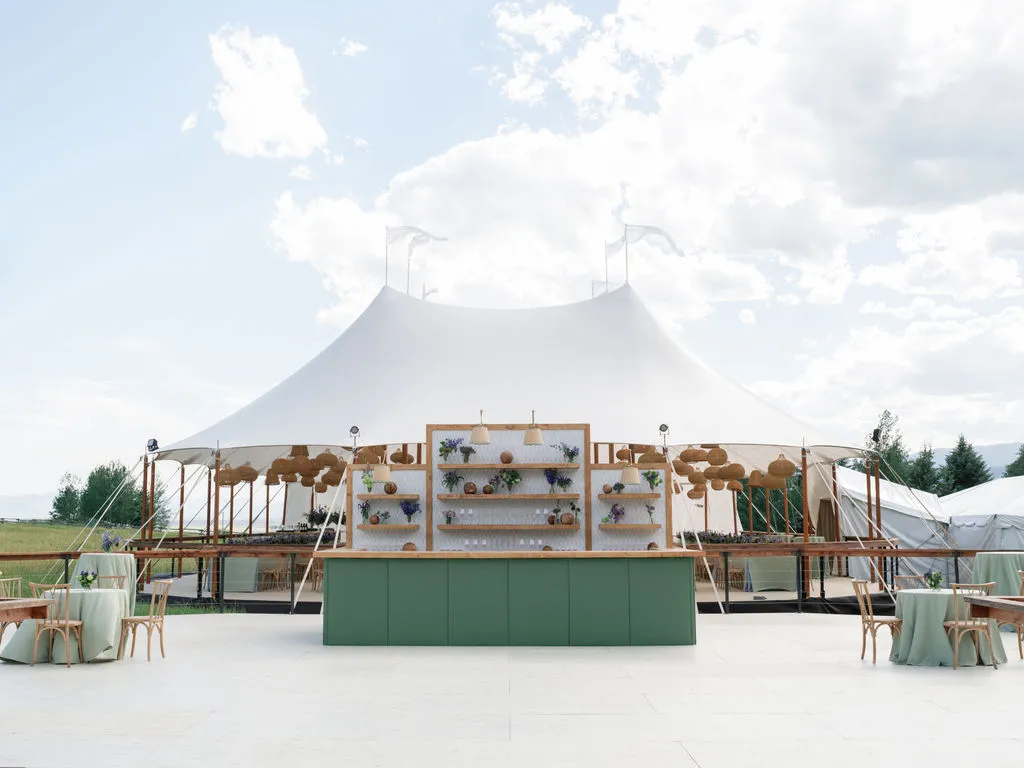
Once the tent and infrastructure are settled, spring styling can bring the event to life.
The most successful designs tend to feel connected to the season instead of covering every surface with decoration.
Create an Intentional Entrance
The entrance is the first part of the tent guests experience.
A floral frame, soft drapery, greenery, or another simple installation can define the transition from the outdoor property into the event space.
This is also a natural location for a welcome sign or other personalized detail.
The entrance does not need to be oversized.
It simply needs to communicate that guests are entering a thoughtfully designed celebration.
Layer Florals and Drapery Throughout the Space
Spring naturally supports floral design.
Arrangements can be concentrated on dining tables, the bride’s seating area, entry points, or dessert displays.
Greenery can also be used to soften structural elements without hiding the architecture of the tent.
Drapery adds another layer.
Used selectively, soft fabric can frame certain areas or bring additional texture to the interior.
The strongest approach is usually restraint.
Leaving some of the tent structure visible can keep the space airy and connected to its outdoor setting.
Use Lighting to Complete the Atmosphere
Daytime bridal showers often benefit from natural light, but lighting still deserves attention.
Chandeliers, string lighting, or subtle accent fixtures can add depth to the tent even before sunset.
Lighting can also highlight specific areas such as the bride’s table, floral installations, dessert displays, or lounge zones.
If the event continues later into the day, the lighting becomes even more important.
A carefully planned system can carry the atmosphere from bright spring afternoon into a warmer evening setting without changing the entire design.
Frequently Asked Questions
What type of tent is best for a spring bridal shower?
The best choice depends on guest count, property conditions, and design style. Sailcloth tents suit romantic garden settings, while Century Pole tents provide a classic profile. Frame and clearspan structures offer greater layout flexibility for larger events.
Does a spring bridal shower tent need flooring?
Not always, but flooring can be helpful on soft, uneven, or sloped ground. It also creates a more finished surface for dining tables, furniture, catering equipment, and formal footwear.
How can I plan a bridal shower tent without overdecorating?
Focus on a few important areas such as the entrance, dining tables, bride’s seating area, or dessert display. Let the tent structure and surrounding landscape contribute to the overall design.
Can a tented bridal shower be comfortable in changing spring weather?
Yes. Proper enclosure, climate control, and site planning can help create a more consistent environment when outdoor temperatures or weather conditions change.
What should be planned before choosing bridal shower décor?
Start with tent size, layout, flooring, weather protection, seating, climate needs, and power. Once these functional details are confirmed, florals, linens, lighting, and other decorative features can be designed around them.
Create a Spring Bridal Shower That Feels Effortlessly Refined
A spring bridal shower tent can be as simple or as detailed as the celebration requires. The most important decisions are not about adding the greatest number of features. They are about choosing the features that create the right experience for the guests and the property.
A beautiful tent structure, comfortable seating, thoughtful flooring, weather planning, seasonal florals, and carefully chosen lighting can work together to make an outdoor shower feel complete. Hosts can then adjust the level of décor, furnishings, glass walls, climate control, or other enhancements according to the priorities of the event. For a tent layout sized to your guest list, request a quote.
Skyline Tent Company can help coordinate Sailcloth, Century Pole, Frame, and clearspan tents along with flooring, elevated platforms, climate control, power generation, glass walls, tables, chairs, linens, and event planning support. With the right foundation in place, a spring bridal shower can feel light, polished, and naturally connected to the garden or estate around it. See real Skyline weddings in our wedding galleries.