
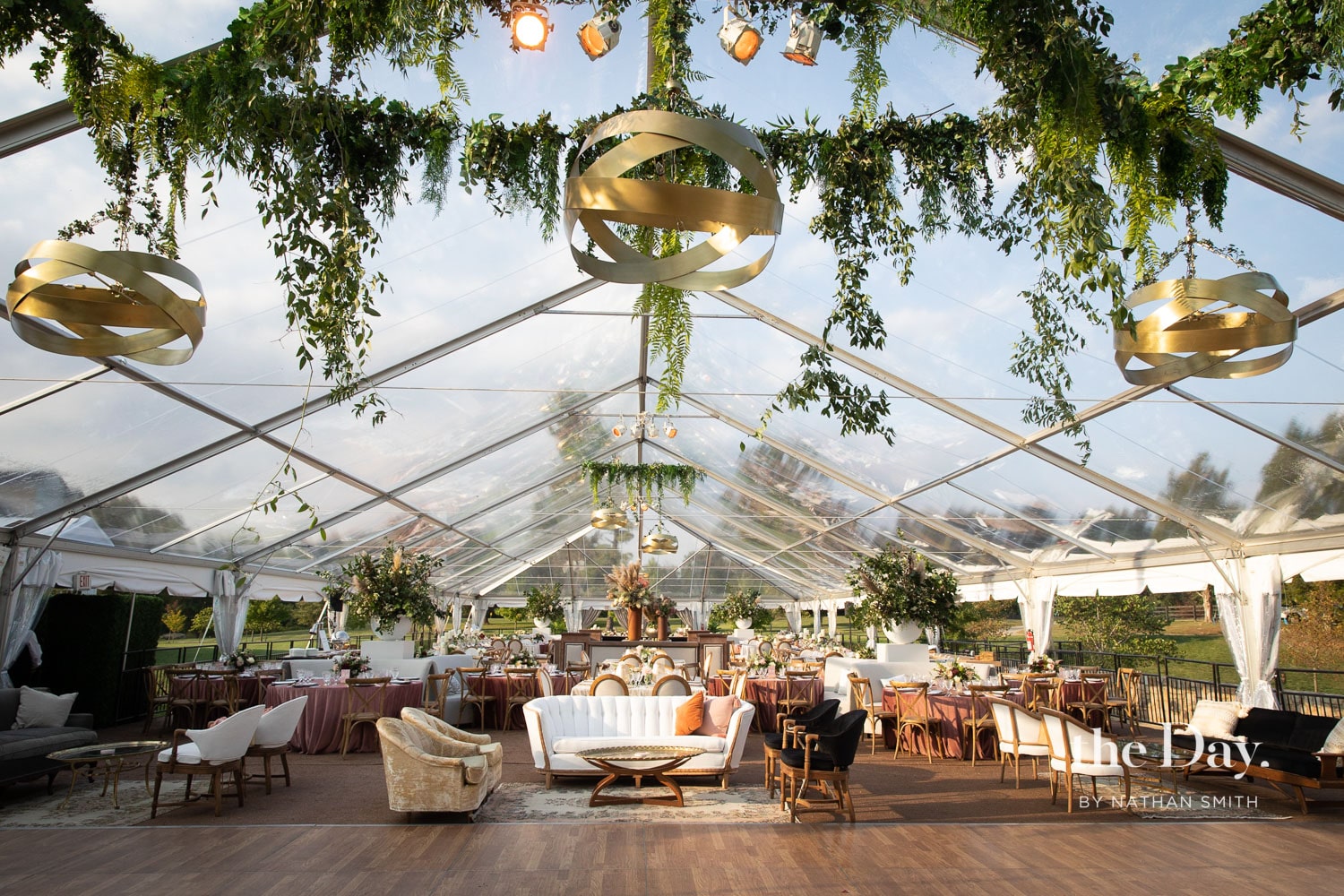
Historic venues offer a level of character, architectural beauty, and cultural significance that modern event spaces often cannot replicate. From grand estates and heritage properties to historic mansions and botanical landmarks, these venues create memorable experiences that connect guests with history while providing elegant settings for weddings, corporate events, galas, and private celebrations. However, hosting events at historic properties presents unique challenges. Event planners must balance guest comfort, venue preservation, weather protection, and operational efficiency without compromising the site’s historical integrity. Glass wall tents have emerged as one of the most innovative solutions for achieving this balance. By combining modern engineering with transparent architectural design, these structures allow guests to enjoy the beauty of historic surroundings while benefiting from a comfortable, climate-controlled environment.
Unlike traditional tents, glass wall structures create a seamless connection between indoor and outdoor environments. Their transparent walls maximize natural light, preserve sightlines, and showcase architectural landmarks without obstructing the venue’s visual appeal. At the same time, they provide protection from weather conditions and support modern event infrastructure including lighting, flooring, climate control, and audiovisual systems.
Understanding Glass Wall Tents and Their Role in Historic Venues
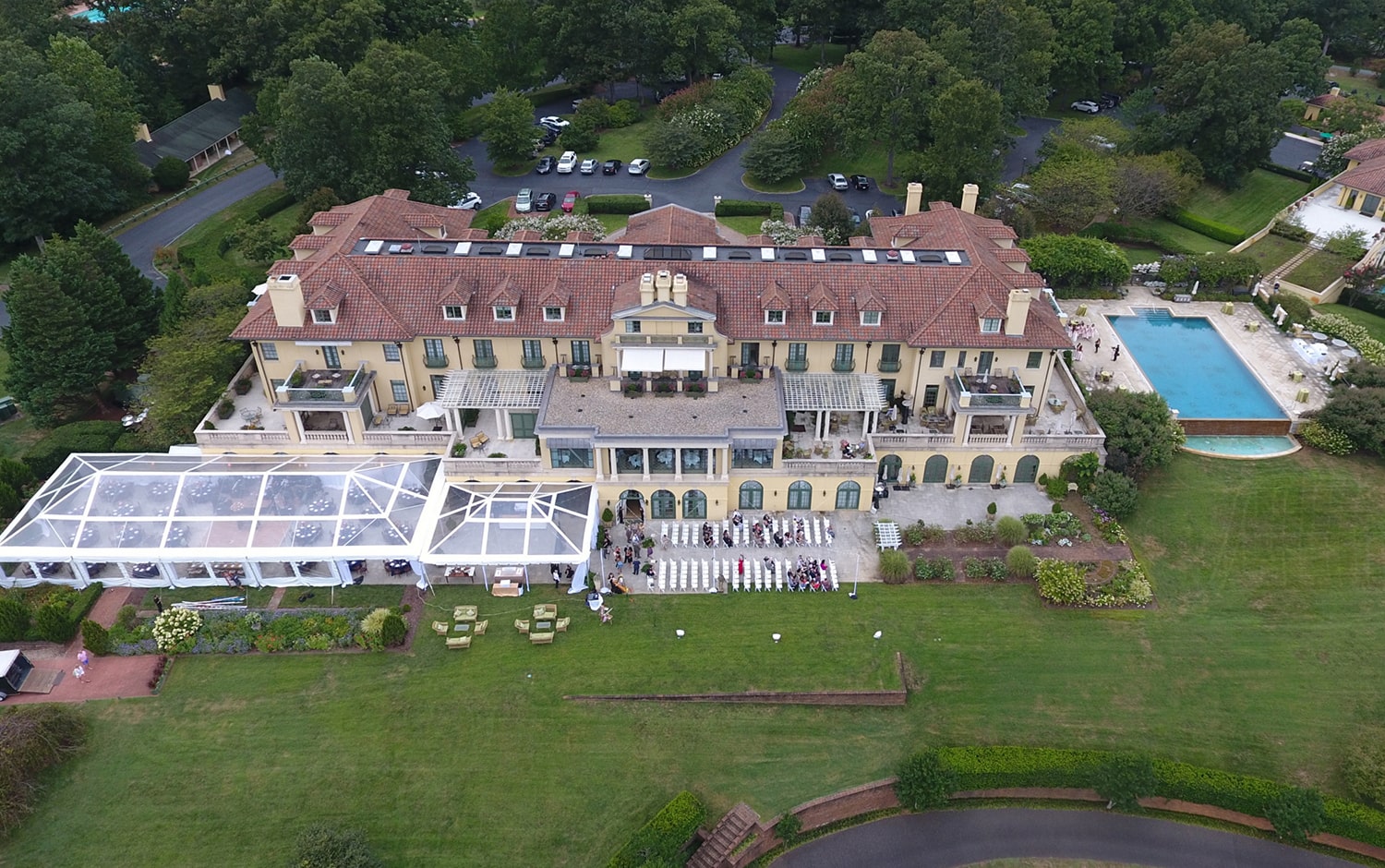
Glass wall tents are architectural event structures that utilize transparent wall systems to create elegant environments while maintaining visibility of the surrounding landscape through thoughtful venue tent pairing.These structures bridge the gap between modern event functionality and heritage preservation.
For historic venues, maintaining visual connections to the surrounding property is often just as important as providing weather protection. Glass wall tents accomplish both objectives simultaneously.
How Glass Wall Tents Preserve Historic Character
One of the primary advantages of glass wall tents is their ability to complement rather than conceal historic architecture. Traditional event structures can sometimes block views of important buildings or landscapes, reducing the impact of the venue itself.
Glass wall systems allow guests to remain visually connected to the property’s most important features. Whether overlooking a historic estate, formal gardens, or architectural landmarks, attendees remain immersed in the venue throughout the event.
Before selecting an event structure, planners should carefully consider how the tent will interact with the surrounding environment. Preservation-sensitive event design requires solutions that enhance the venue rather than dominate it.
Key preservation benefits include:
- Unobstructed views of historic architecture
- Greater integration with surrounding landscapes
- Reduced visual impact on heritage properties
These features help maintain the authenticity of historic venues while supporting modern event requirements.
Creating a Unique Guest Experience Through Transparency
Transparency significantly enhances the atmosphere of an event. Natural light enters the structure throughout the day, creating bright and inviting interiors that feel connected to the outdoors.
As evening approaches, glass wall tents provide stunning views of illuminated gardens, historic facades, and surrounding landscapes. This visual connection helps create memorable guest experiences that would be difficult to achieve within traditional enclosed spaces.
The result is an event environment that feels elegant, immersive, and uniquely tied to the venue itself.
Architectural Features That Make Glass Wall Tents Exceptional
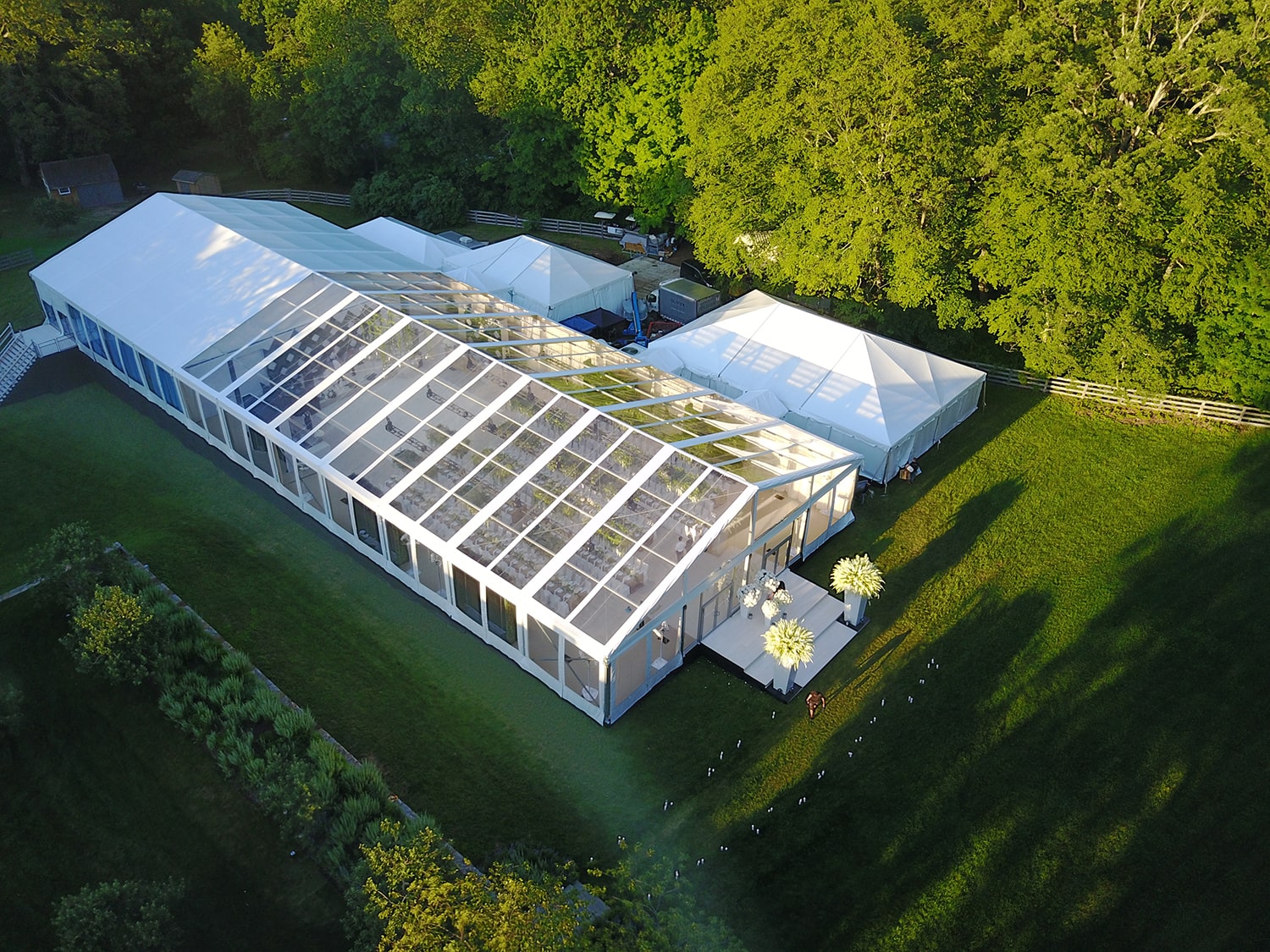
Glass wall tents combine advanced engineering with refined aesthetics, making them one of the most sophisticated event structures available today. Their architectural features support both functionality and visual appeal.
These structures are designed to meet the demands of luxury events while remaining sensitive to the character of historic locations.
Clearspan Design and Open Interior Layouts
Many glass wall tents utilize clearspan construction, eliminating the need for interior support poles. This creates fully open interiors that maximize usable space and provide exceptional flexibility for event layouts.
Large historic venues often require adaptable floor plans capable of accommodating dining areas, dance floors, presentation stages, lounge spaces, and circulation pathways.
The benefits of clearspan construction include:
- Uninterrupted sightlines throughout the venue
- Greater flexibility for seating and décor arrangements
- Improved guest circulation and accessibility
These features allow event planners to create highly customized environments without structural limitations.
Durable Materials and Structural Performance
Glass wall tents are engineered using high-quality materials that provide durability while maintaining elegant aesthetics. Tempered glass panels and aluminum framework systems deliver both strength and visual sophistication.
These materials are specifically designed to withstand changing weather conditions while supporting integrated event infrastructure with durable engineered tent systems.
For historic venues where reliability is essential, these engineering standards provide confidence that the structure will perform effectively throughout the event.
Choosing the Right Tent Structures for Historic Estate Events
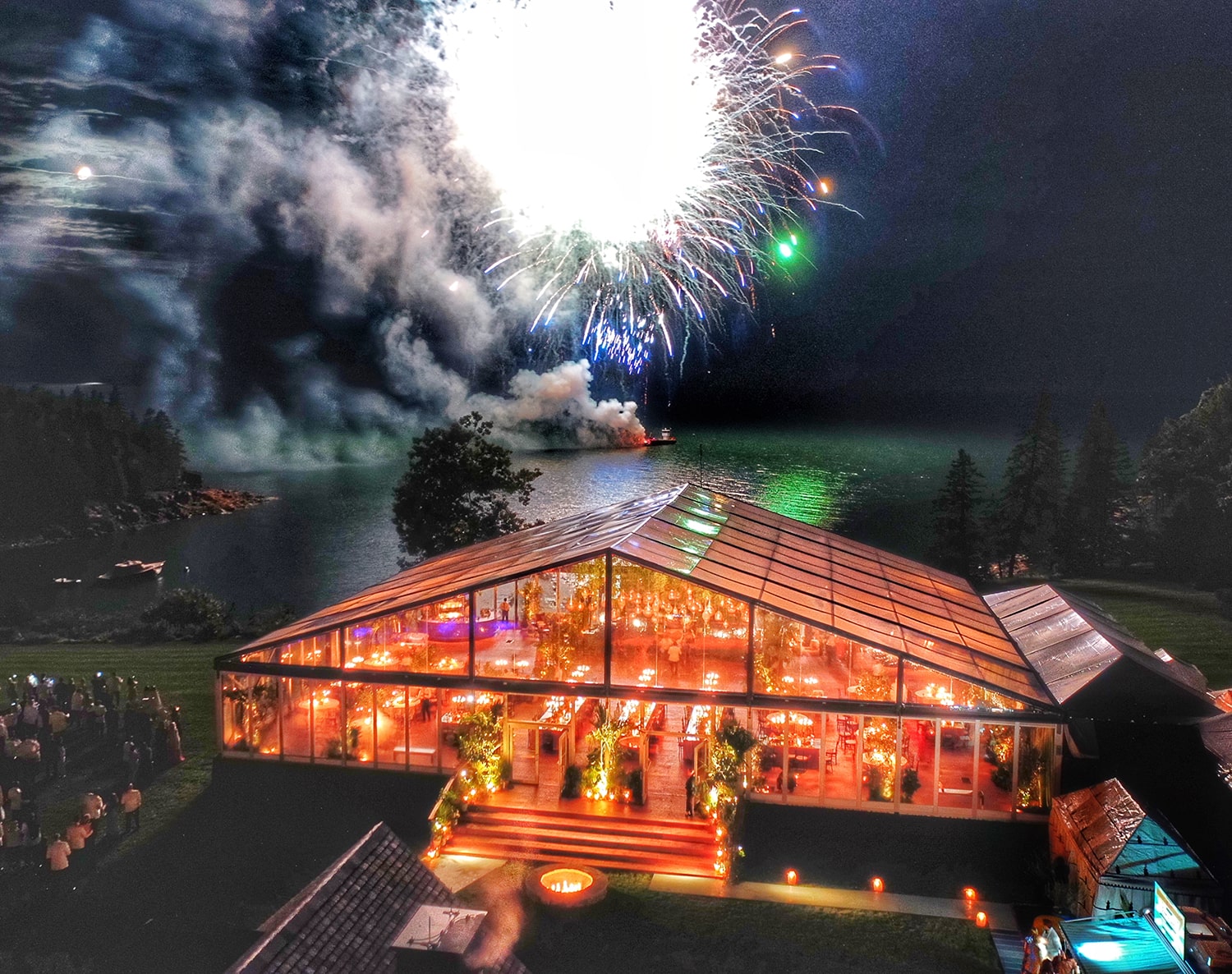
While glass wall tents offer unique advantages, they are often complemented by other architectural tent styles depending on the event requirements and venue characteristics.
Selecting the right structure requires careful evaluation of aesthetics, functionality, and preservation goals.
Clearspan and Frame Tents for Historic Properties
Clearspan tents remain one of the most versatile solutions for estate events because they provide open interiors and strong structural performance. When combined with glass wall systems, they create luxurious environments that feel permanent and sophisticated. We cover this further in Engineered Clearspan Tent Rentals for Stunning Estate Events.
Frame tents offer additional flexibility for smaller spaces or locations with installation limitations. Their freestanding design allows placement in areas where staking options may be restricted.
Before making a final decision, planners should evaluate the venue’s layout, guest capacity requirements, and preservation considerations.
Common advantages include:
- Flexible installation options
- Adaptability to complex site conditions
- Compatibility with preservation-sensitive environments
These structures help create functional event spaces while respecting historic site requirements. You may also find Ultimate Guide to Stunning Summer Event Structures helpful.
Century Pole and Sailcloth Tents in Preservation Settings
Century pole and sailcloth tents offer traditional aesthetics that pair beautifully with historic properties. Their elegant profiles and classic appearance often complement heritage architecture and landscaped grounds.
Modern engineering allows these structures to incorporate climate-control systems, flooring, and lighting without compromising their visual appeal. As a result, they remain popular choices for weddings and upscale outdoor events held at historic venues.
When thoughtfully integrated, these tent styles help create timeless event environments that celebrate both history and modern comfort.
Climate Control and Comfort Solutions for Glass Wall Tent Events
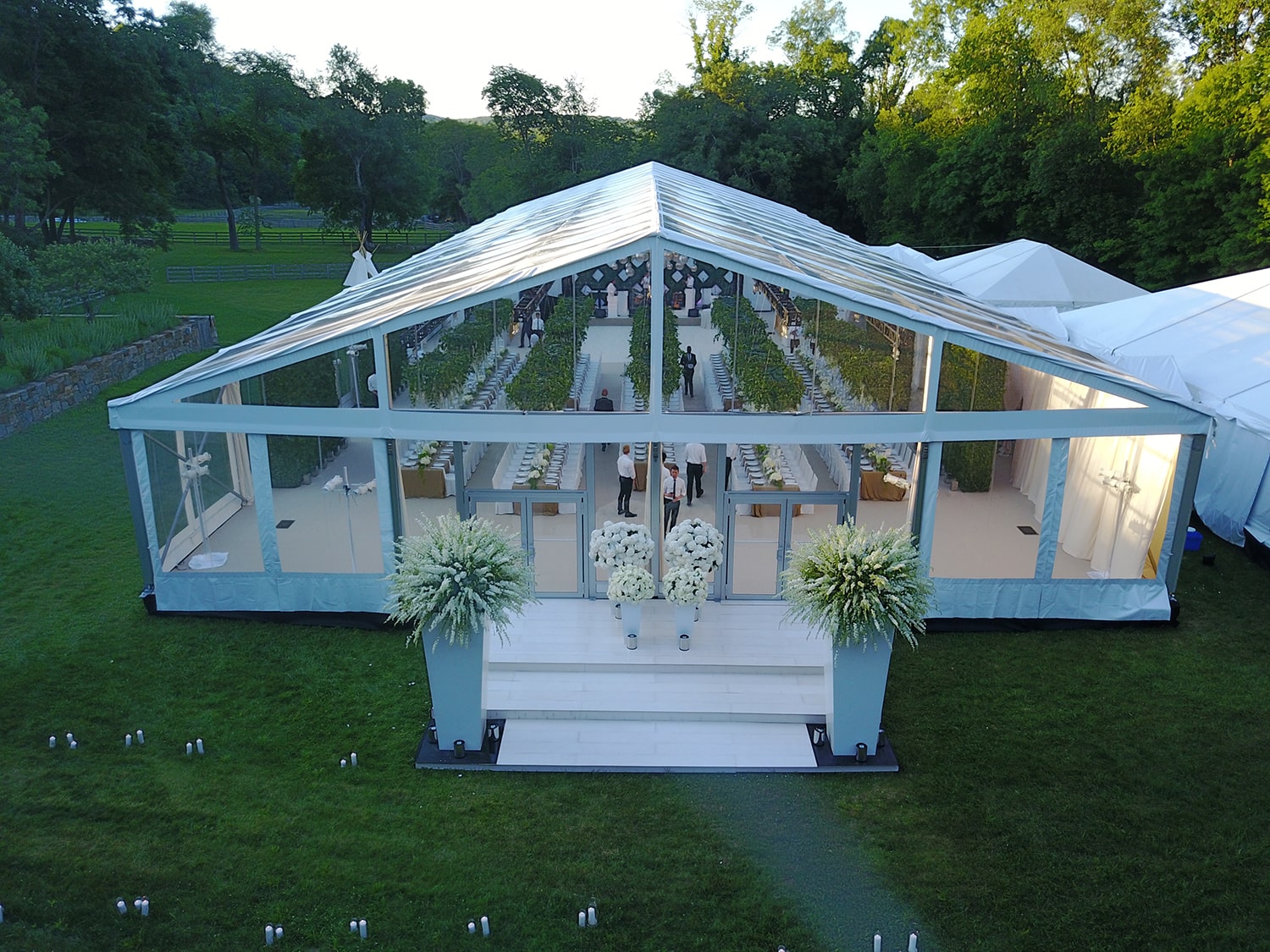
Guest comfort plays a major role in event success, particularly when hosting gatherings in outdoor environments. Glass wall tents provide excellent opportunities for integrating advanced climate-control systems while preserving scenic views.
Effective climate management ensures guests remain comfortable regardless of weather conditions.
Heating, Cooling, and Ventilation Systems
Historic venues often host events throughout the year, making temperature management a critical consideration. Glass wall tents support a variety of climate-control solutions that help maintain comfortable indoor environments. For more detail, see our article Making the Right Choice: Single vs Double Wall Tents.
Maintaining a stable interior climate requires careful planning and integration of specialized equipment.
Popular solutions include:
- Heating systems for cooler seasons
- Air-conditioning systems for warm-weather events
- Ventilation systems that improve airflow and comfort
These technologies help create enjoyable guest experiences while supporting the operational needs of the event.
Sustainable Climate-Control Innovations
Recent innovations have made climate-control systems more efficient and environmentally responsible. Automated climate-management technology can adjust conditions in real time based on occupancy levels and weather patterns.
Energy-efficient insulation materials and renewable energy integration are also becoming increasingly common. These advancements support sustainability goals while reducing the environmental impact of temporary event infrastructure.
For historic venues focused on preservation and environmental stewardship, these innovations offer significant benefits.
Lighting, Flooring, and Site Logistics for Historic Venue Events
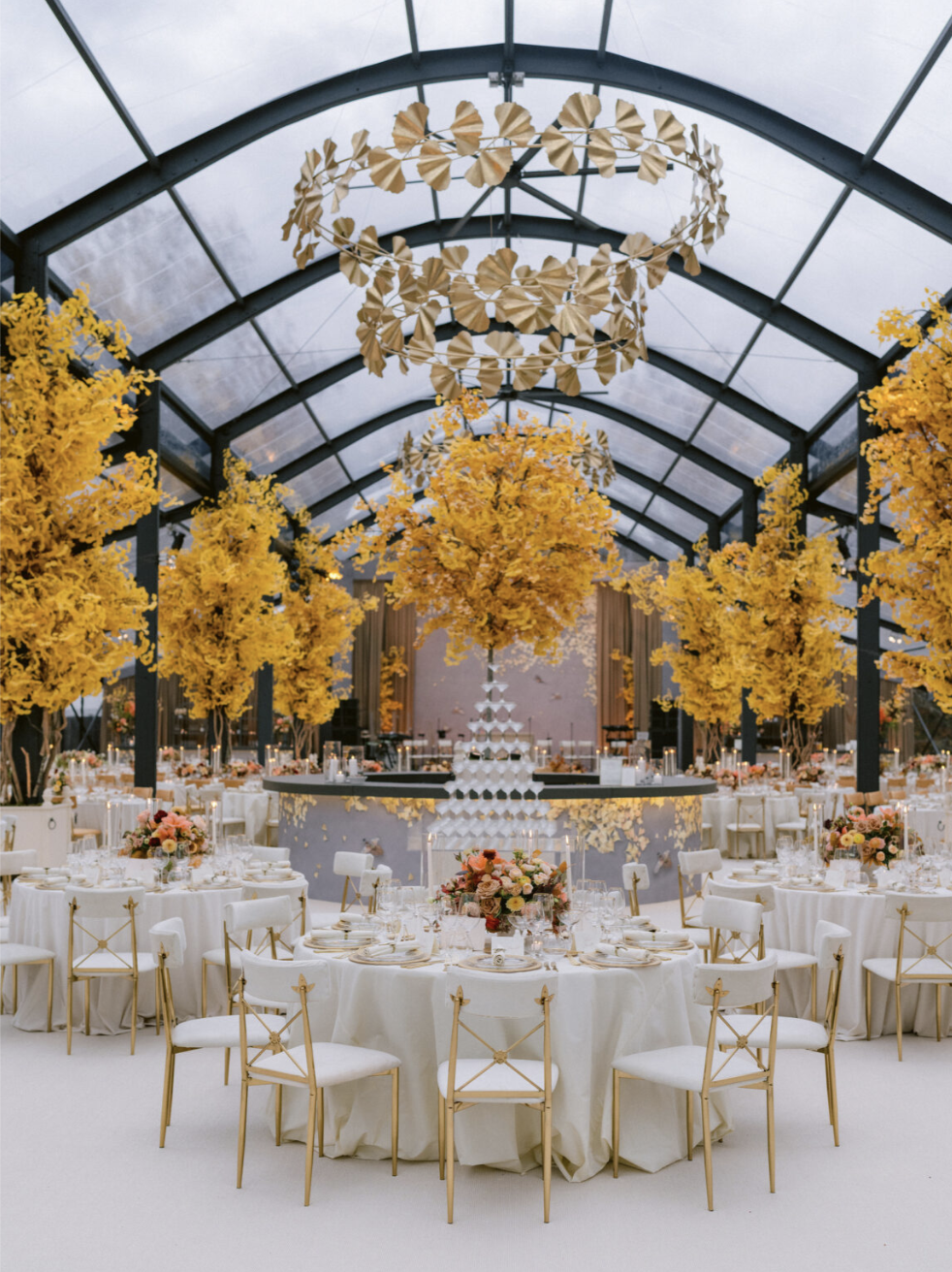
The atmosphere of an event is shaped not only by the tent itself, but also by supporting infrastructure such as lighting, flooring, and logistical planning. These elements contribute significantly to guest comfort, safety, and overall presentation.
Thoughtful planning ensures that event infrastructure complements the venue while protecting its historic features.
Enhancing Atmosphere Through Lighting and Flooring
Lighting design has a profound effect on how guests experience a venue. Glass wall tents naturally maximize daylight, but evening events benefit from carefully layered lighting strategies that enhance both the structure and the surrounding property. You may also find Connecting a Temporary Event Structure to an Existing Venue helpful.
Before implementing design elements, planners should consider how lighting and flooring will interact with the venue’s architectural character.
Common enhancements include:
- Chandeliers and decorative suspended fixtures
- Architectural uplighting and accent lighting
- Premium flooring systems that protect historic grounds
These features elevate the visual appeal of the event while improving guest comfort and functionality.
Site Logistics and Preservation-Focused Planning
Historic venues often require specialized logistical planning to protect sensitive landscapes and architectural features. Event infrastructure must be installed in ways that minimize impact while maintaining operational efficiency.
Careful coordination helps preserve the integrity of the property throughout setup, event operations, and breakdown activities with experienced professional event services.
Key planning priorities include:
- Protecting lawns, gardens, and pathways
- Managing guest circulation effectively
- Ensuring compliance with preservation guidelines
A preservation-focused approach helps maintain the venue’s condition while supporting successful event execution.
Frequently Asked Questions
What are glass wall tents?
Glass wall tents are architectural event structures featuring transparent wall systems that provide weather protection while preserving views of surrounding landscapes and historic architecture.
Why are glass wall tents ideal for historic venues?
They allow guests to remain visually connected to heritage buildings and landscapes while providing modern comfort and event functionality.
Can glass wall tents be climate controlled?
Yes. They support advanced heating, cooling, and ventilation systems that maintain comfortable indoor conditions throughout the event.
How do glass wall tents support historic preservation?
Their transparent design minimizes visual impact and allows historic architecture to remain a central feature of the event environment.
Conclusion
Glass wall tents have transformed the way events are hosted at historic venues by combining modern architectural innovation with preservation-conscious design. Their transparent walls, clearspan interiors, and advanced infrastructure capabilities allow planners to create elegant event environments that remain deeply connected to the surrounding property.
By preserving sightlines, enhancing natural light, and supporting modern amenities, these structures help historic venues accommodate contemporary events without sacrificing their character. Whether hosting weddings, corporate retreats, galas, or private celebrations, glass wall tents provide a unique balance of sophistication, functionality, and respect for heritage environments.
Skyline Tent Company understands the specialized requirements of historic venue events and provides expert guidance in selecting, designing, and implementing glass wall tent solutions. Their experience with preservation-sensitive installations, luxury event infrastructure, and customized layouts helps clients create exceptional experiences while honoring the integrity of historic properties.
For inspiration from tented receptions we have installed, browse our wedding galleries.