
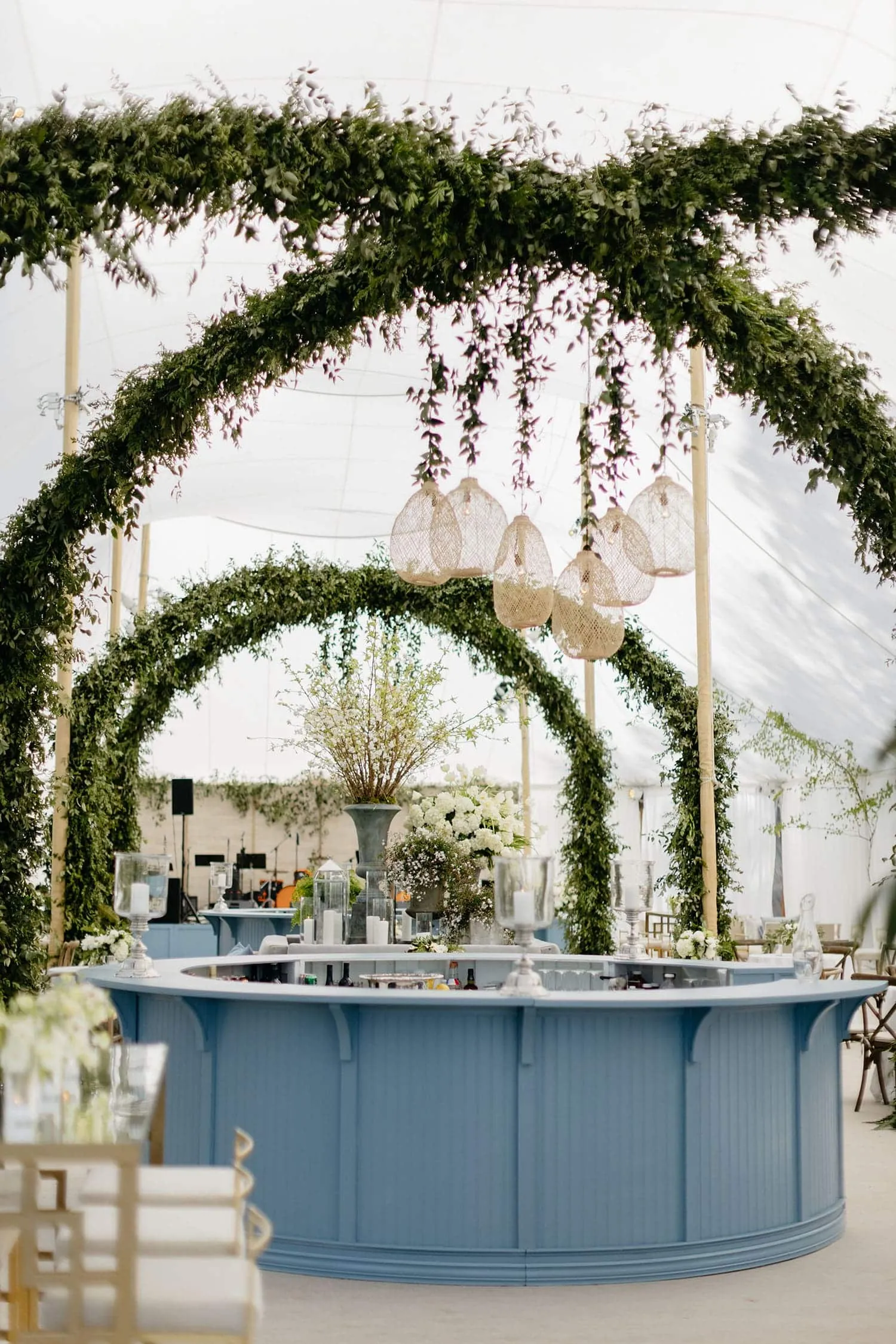
A busy fall event calendar can place significant demands on venues hosting weddings, corporate gatherings, festivals, and other outdoor celebrations within a short seasonal window. Temporary event infrastructure gives planners the flexibility to create functional spaces that can adapt to changing guest counts, layouts, weather conditions, and design themes without requiring permanent construction. Architectural event tents such as clearspan, frame, and sailcloth structures can support different event formats while incorporating flooring, lighting, climate control, sidewalls, and customized design features. Clearspan tents provide open interiors for larger gatherings, frame tents offer flexibility across different surfaces, and sailcloth tents introduce an elegant architectural style for upscale events. Effective fall planning also requires professional installation, site assessments, power planning, weather contingencies, accessibility, guest-flow strategies, and coordination between vendors. By planning the tent and supporting infrastructure around the entire fall calendar rather than treating each event independently, venues can create adaptable temporary spaces that remain comfortable, attractive, and operational throughout a demanding event season.
Choosing Architectural Event Tents for a Busy Fall Schedule
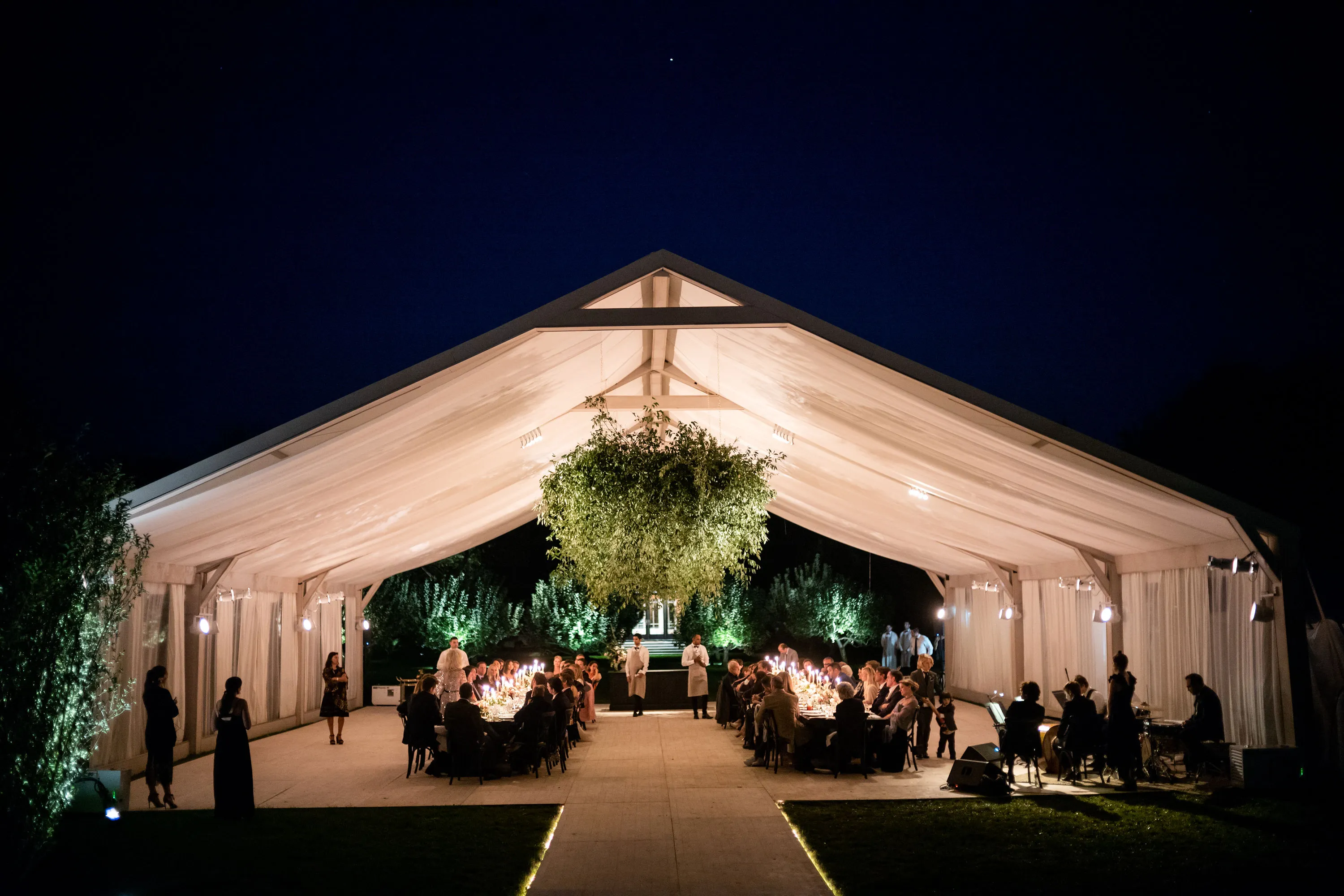
Architectural tents form the foundation of temporary fall event infrastructure. Different structures provide different combinations of usable space, installation flexibility, weather protection, and visual appeal, so the final selection should reflect both the property and the events scheduled throughout the season.
The original content identifies clearspan, frame, and sailcloth tents as important options for fall events, with each serving different logistical and aesthetic requirements.
Clearspan Tents for Large and Flexible Fall Events
Clearspan tents provide wide-open interiors without internal support poles. This design gives planners greater freedom to configure dining areas, dance floors, stages, lounges, bars, registration points, and other event features without having to work around structural obstructions.
Their flexible interiors make them especially useful when the same venue will host events with significantly different layouts during the fall season. A structure used for a corporate gathering one week can be reorganized for a wedding or larger social event later without changing the fundamental tent infrastructure.
The source also notes that clearspan tents can be installed on surfaces including grass, asphalt, and concrete, which gives planners additional flexibility when evaluating available event areas.
Frame and Sailcloth Tents for Different Fall Settings
Frame tents use a metal structural system that allows flexible installation and can work effectively where available space is more limited. They can also adapt to different surfaces and site conditions, making them useful for smaller gatherings or properties with unusual installation areas.
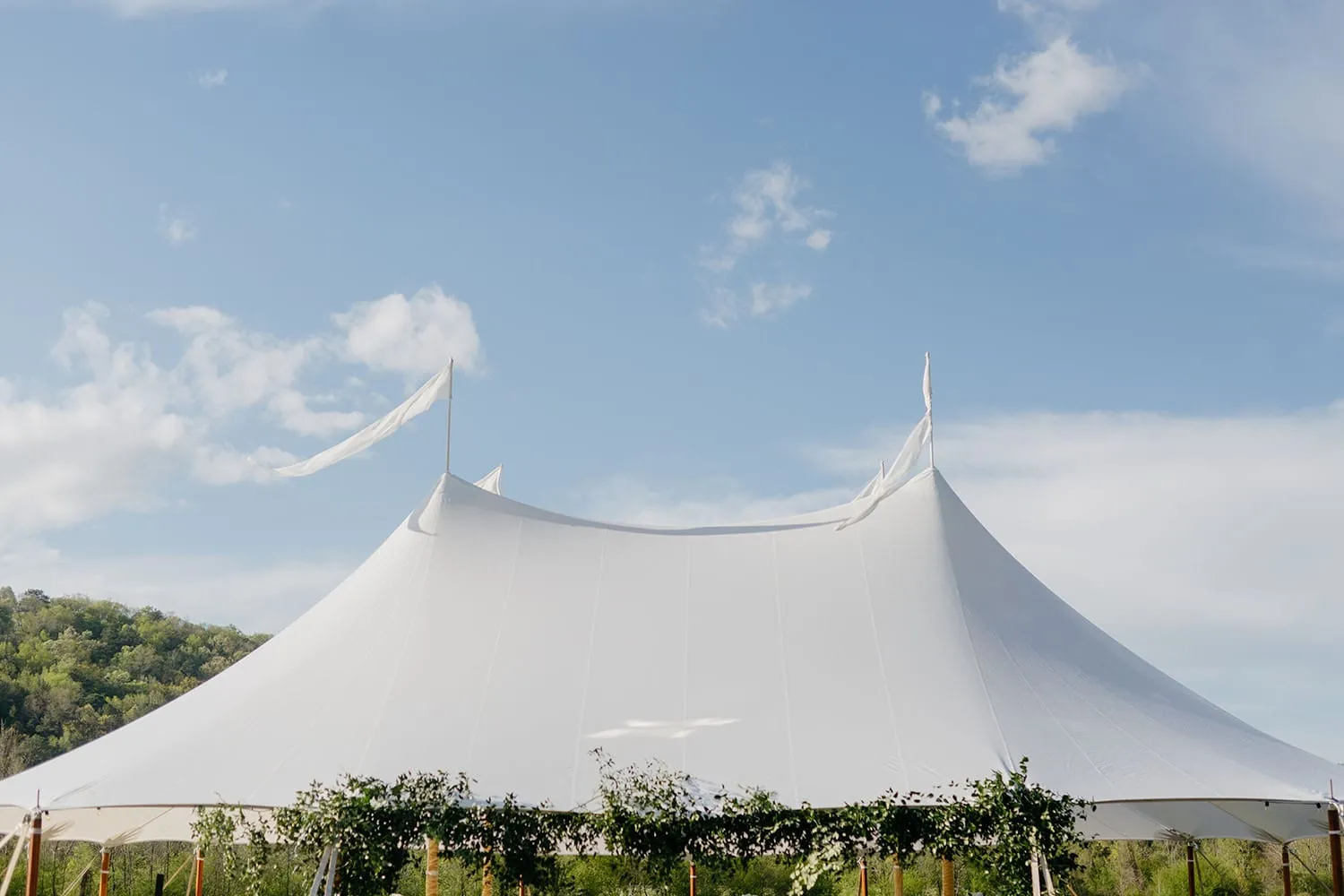
Sailcloth tents prioritize visual impact through graceful peaks and flowing lines. Their elegant appearance can complement weddings and other upscale outdoor gatherings where the structure itself becomes part of the event design.
Tent selection should account for more than the visual style of one event. Venues with a full fall schedule need infrastructure capable of supporting changing attendance, different layouts, and seasonal weather conditions. Considering the following factors before installation can simplify planning across multiple events.
Clearspan tents: Provide open interiors for large gatherings and flexible configurations.
Frame tents: Adapt to varied surfaces and more restricted event footprints.
Sailcloth tents: Create an elegant atmosphere for upscale outdoor gatherings.
Guest capacity: Determine whether the structure can accommodate the largest scheduled event.
Event format: Consider weddings, corporate gatherings, festivals, and other layout requirements.
Available surface: Evaluate grass, asphalt, concrete, slopes, and surrounding site restrictions.
Selecting infrastructure around the overall fall calendar allows venues to create a stronger foundation for repeated seasonal use.
Planning Installation and Site Logistics Before Fall Events
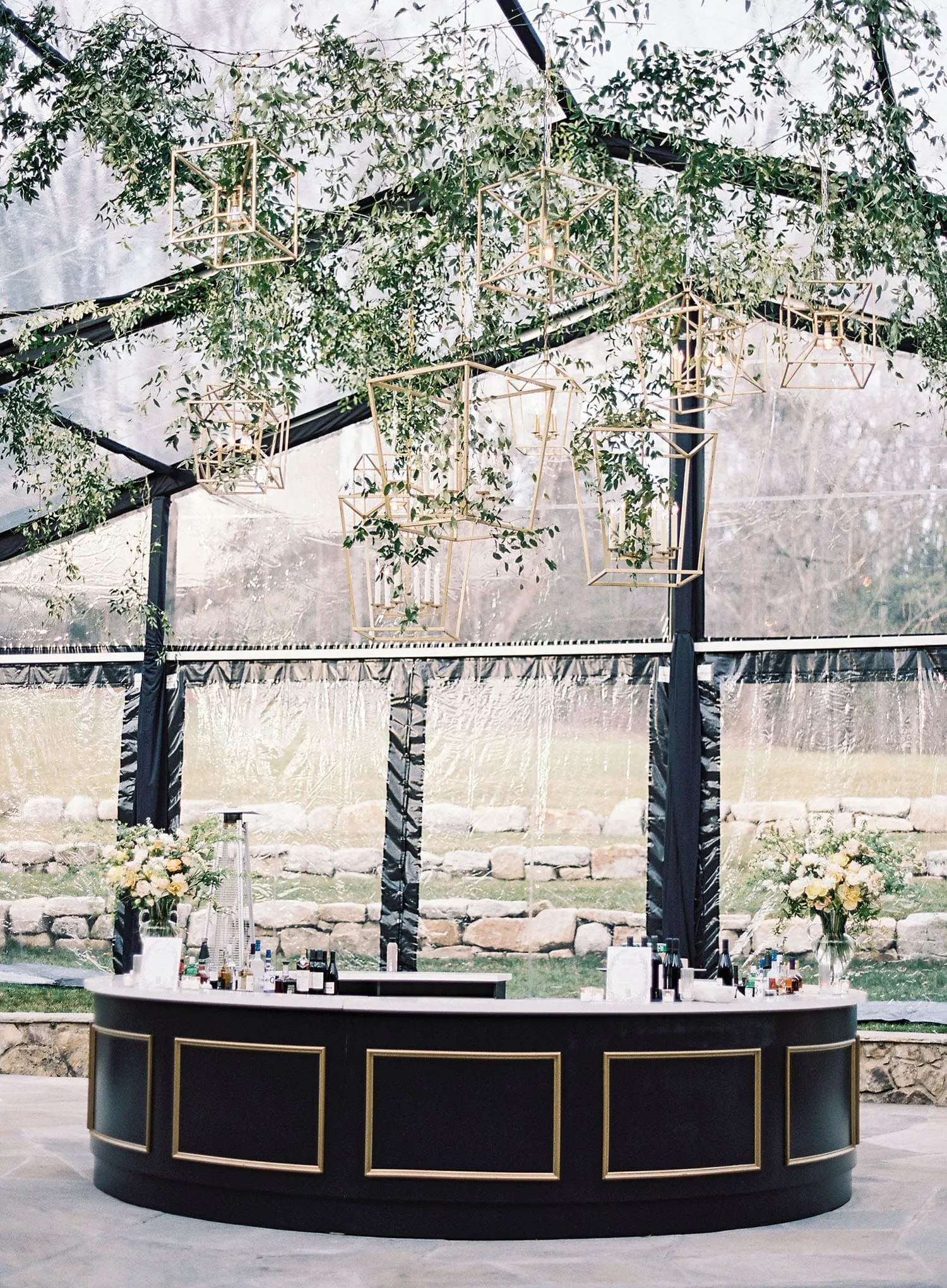
Temporary infrastructure depends on detailed preparation before the structure arrives. Site access, terrain, utilities, vendor schedules, local requirements, and installation sequencing can all affect whether setup runs efficiently.
The source emphasizes professional installation, vendor coordination, site assessment, power planning, and compliance as important parts of temporary event infrastructure.
Evaluating the Site and Installation Requirements
A comprehensive site assessment should review the property’s layout, accessibility, terrain, natural features, and available installation area. Trees, slopes, buildings, and other physical characteristics may influence where a structure can be positioned.
Equipment access also needs to be considered. Tent components, flooring, HVAC equipment, lighting systems, furniture, and catering infrastructure all need practical routes onto the site.
Power planning should occur at the same stage. Lighting, heating, cooling, and audiovisual systems may create significant electrical requirements, making early utility planning important for avoiding operational problems once the event begins.
Coordinating Vendors, Safety, and Compliance
Professional installation helps ensure that the tent is assembled according to the structure and conditions of the site. Tent providers should coordinate with catering teams, lighting professionals, flooring crews, entertainment vendors, and other suppliers so installation activities happen in a logical sequence.
Temporary event structures may also be subject to local requirements related to fire safety, occupancy, structural integrity, or other standards. These considerations should be addressed before the installation window begins rather than after the venue has already been assembled.
A detailed logistics plan can prevent multiple vendors from competing for the same access areas or working around equipment installed too early. Fall schedules can leave little time between events, so the initial infrastructure should be organized with efficient resets in mind. Preparing these details before the first event helps reduce complications later.
Complete a site assessment: Review terrain, accessibility, natural features, and available space.
Plan equipment access: Determine how tents, flooring, HVAC systems, and furniture will reach the site.
Coordinate vendor schedules: Establish a clear order for installation and event preparation.
Review power requirements: Account for lighting, climate control, audiovisual equipment, and catering.
Confirm applicable requirements: Address relevant safety and temporary-structure regulations early.
Inspect the completed setup: Verify major infrastructure before guests enter the venue.
Strong logistical preparation helps the temporary venue remain reliable throughout a demanding seasonal schedule.
Preparing Tent Infrastructure for Changing Fall Weather
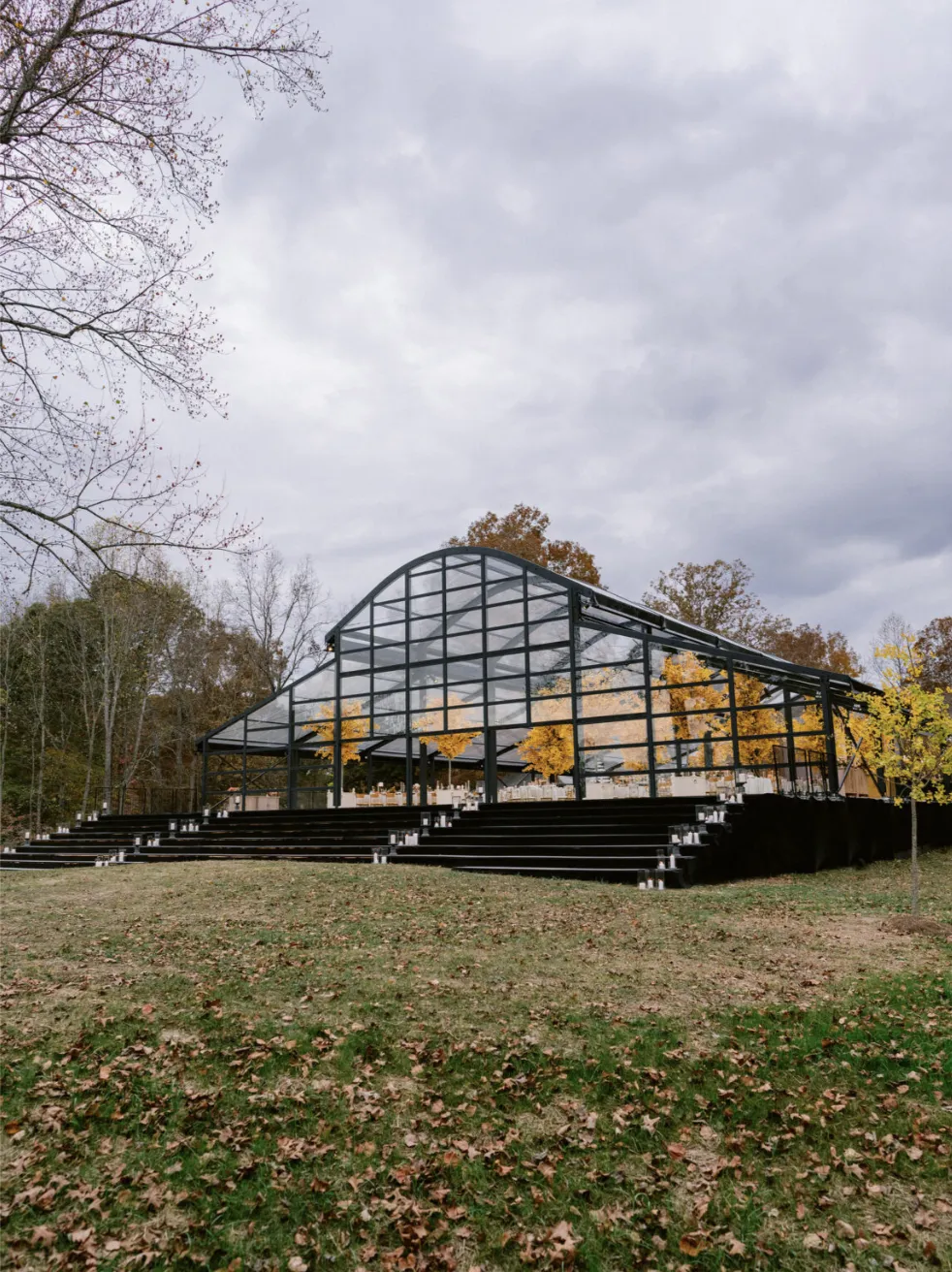
Fall conditions can change quickly from one event to the next and even within a single day. Comfortable afternoon temperatures may give way to much cooler evenings, while rain, wind, and humidity can affect both the tent and the surrounding site.
Temporary infrastructure should therefore include a climate and weather plan rather than relying solely on favorable forecasts.
Heating, Cooling, and Air Circulation for Fall Tents
Portable or mounted heaters can help maintain comfortable conditions during colder fall evenings. When daytime temperatures remain warm, air-conditioning systems may provide cooling inside more enclosed tent environments.
Air circulators can also help manage airflow and humidity. The appropriate combination depends on tent size, guest count, event activities, enclosure level, and the expected weather.
Climate equipment should be incorporated into the infrastructure plan so electrical capacity, equipment placement, and guest circulation can all be coordinated in advance.
Sidewalls, Ventilation, and Weather Preparation
Tent sidewalls can provide additional protection when wind or rain becomes a concern. However, increased enclosure can also change airflow and interior temperature, which makes ventilation planning important.
The source recommends reviewing weather information, considering insulated fabrics, and incorporating ventilation as part of the strategy for variable autumn conditions. Drainage should also be considered during site planning so rainfall does not create unnecessary issues around entrances or tent perimeters.
Fall weather preparation is most effective when it is built into the temporary venue before the event calendar begins. A system that can adapt to warmer afternoons, cool evenings, and wet conditions gives planners more flexibility across the season.
Integrating Lighting and Flooring into Fall Event Infrastructure
Lighting and flooring are not simply decorative upgrades. Together, they help define the atmosphere, improve functionality, create stable guest areas, and allow temporary structures to feel more like complete event venues.
The original content identifies string lights, lanterns, spotlights, subfloor systems, decking, and carpeted flooring as useful options for temporary fall environments.
Creating Fall Atmosphere with Event Lighting
String lights can introduce warm ambient illumination that works particularly well for evening gatherings. Lanterns add another decorative layer and can reinforce a classic autumn aesthetic.
Spotlights provide more focused illumination for areas such as stages, dining spaces, or entertainment zones. Combining ambient and functional lighting allows planners to create atmosphere without sacrificing visibility.
Integrated lighting systems can also become part of the tent architecture. Thoughtful fixture placement can support entrances, guest circulation, entertainment, branding, and overall design while reducing the need to redesign the entire lighting infrastructure for every event.
Selecting Flooring for Fall Terrain and Guest Traffic
Uneven or natural outdoor surfaces may require subfloor systems that create a more stable and level event environment. Decking provides a durable option for locations expected to experience substantial foot traffic, while carpeted flooring can introduce warmth and a more refined appearance.
The amount of guest traffic should influence the final flooring choice. Heavy-duty systems may be appropriate for entrances, dining areas, and other high-traffic zones, while lighter temporary solutions may be sufficient in areas that see less activity.
Flooring should be selected early because it influences furniture placement, accessibility, vendor movement, and the overall finished height of the event space. Coordinating it with lighting and tent design helps create a more cohesive temporary venue.
Managing Guest Flow and Flexible Infrastructure Across the Fall Calendar
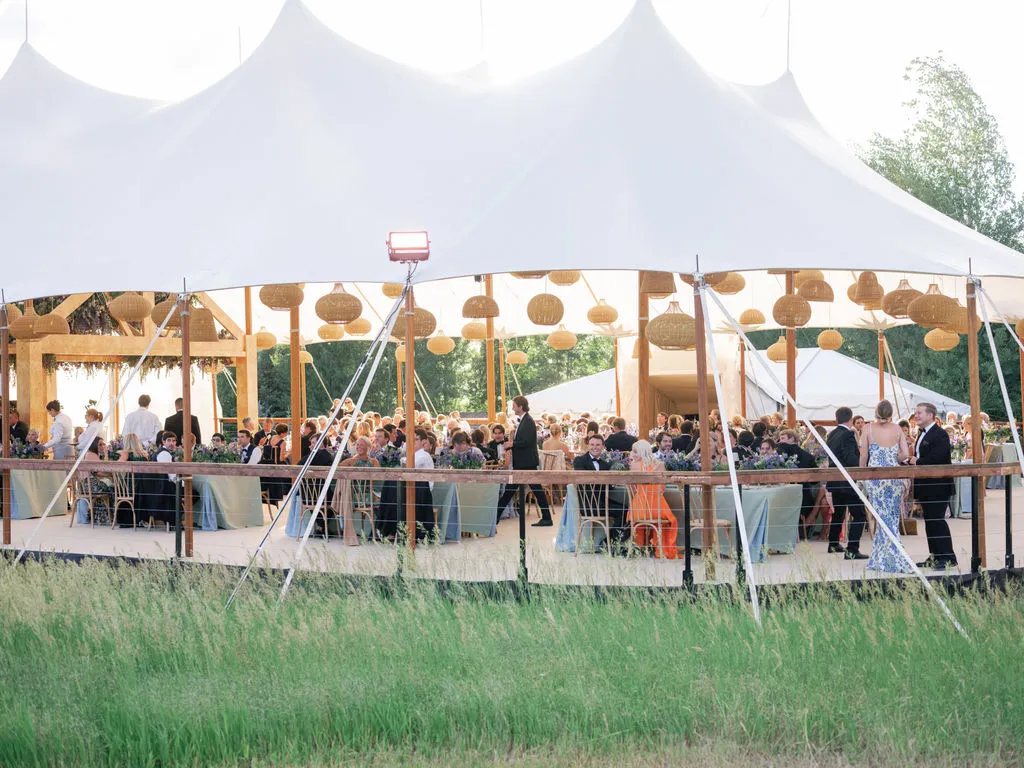
A busy event schedule requires infrastructure that can adapt instead of being completely rebuilt every time the guest count or event format changes. Tent dimensions, entrances, exits, circulation routes, décor, and modular components should be planned with repeated use in mind.
The source highlights guest-flow planning, clear signage, modular tent systems, customization, and flexible architectural elements as useful strategies for temporary fall venues.
Planning Guest Capacity, Entrances, and Movement
Expected attendance should guide the tent size and internal configuration. Entrances, exits, and walkways should be positioned so guests can move naturally through dining, entertainment, registration, and gathering areas without unnecessary congestion.
Clear signage can make larger temporary venues easier to navigate. Designated entry and exit points also help organize movement and create more predictable traffic patterns throughout the event.
For venues hosting several fall events, these routes can remain relatively consistent even when interior furniture or décor changes.
Using Modular Design and Customization Across Multiple Events
Modular tent systems can provide additional flexibility when space requirements change during the season. Rather than designing an entirely different infrastructure solution for every event, planners can adapt the same temporary environment according to attendance and activity requirements.
Customization can then distinguish individual events. Branding, colored fabrics, decorative lighting, custom layouts, chandeliers, and furniture can change the appearance without requiring the core structure to be replaced.
A successful fall infrastructure plan separates the elements that should remain consistent from those that need to change between events. The main structure, flooring, utilities, and climate systems may remain relatively stable while layout and design elements adapt. This approach can make transitions across a busy calendar more manageable.
Maintain core infrastructure: Keep major structural and utility systems consistent where practical.
Use flexible layouts: Reconfigure seating and activity zones according to individual events.
Plan clear guest routes: Maintain understandable entrances, exits, and circulation paths.
Customize décor: Use lighting, furnishings, and thematic elements to distinguish each event.
Adapt capacity: Configure modular spaces according to attendance requirements.
Monitor seasonal conditions: Adjust climate and enclosure systems as fall weather changes.
Flexible infrastructure allows venues to support a diverse event calendar without treating every gathering as an entirely new installation.
Frequently Asked Questions
Which tent type works best for a busy fall event calendar?
Clearspan tents can be especially useful because their unobstructed interiors allow different layouts throughout the season. Frame and sailcloth tents can also support fall events depending on site conditions, capacity, and aesthetic requirements.
What climate-control systems can be used in fall event tents?
The source identifies heaters, air-conditioning systems, and air circulators as options for responding to changing autumn temperatures and humidity.
What flooring works for uneven outdoor fall venues?
Subfloor systems can provide level surfaces, decking can support heavy traffic, and carpeted flooring can add warmth and a more refined appearance.
How should venues prepare for rain and wind?
Weather planning can include appropriate tent structures, drainage strategies, sidewalls, ventilation, and heating based on expected conditions.
What should be included in a temporary event site assessment?
Planners should review the site’s layout, accessibility, terrain, natural features, tent placement, equipment access, utilities, and guest-flow requirements before installation.
Prepare Your Fall Event Calendar with Skyline Tent Company
A busy fall calendar requires temporary infrastructure that can perform consistently across different events, guest counts, layouts, and weather conditions. Architectural tents, flooring, lighting, climate control, utilities, professional installation, and detailed site logistics should function as one coordinated system rather than a collection of separate rentals.
Clearspan tents can provide flexible space for larger events, while frame and sailcloth tents offer additional options for different sites and design goals. Heating, cooling, ventilation, sidewalls, lighting, and flooring can then be incorporated according to seasonal conditions and the level of comfort expected by guests.
The strongest approach is to plan for the full calendar before the first event begins. Establishing reliable core infrastructure while leaving room for layout and design changes can make it easier to transition between weddings, corporate events, festivals, and other fall gatherings.
Contact Skyline Tent Company to discuss your fall event calendar, property conditions, expected guest counts, and temporary infrastructure requirements. With a professionally coordinated tent, flooring, lighting, climate-control, and site plan, Skyline Tent Company can help create flexible event environments designed to support a full season of successful fall gatherings.