
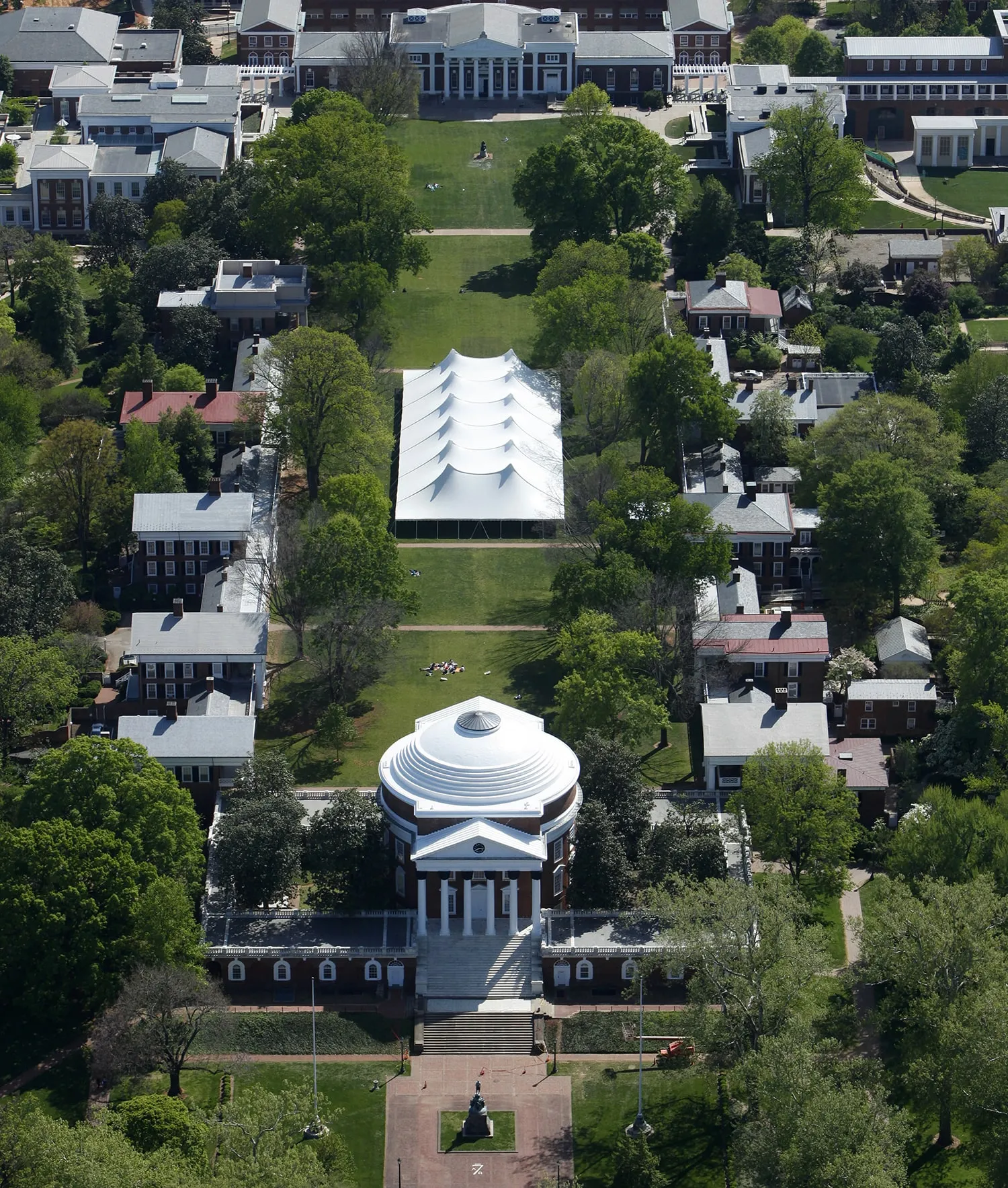
Preparing for next year’s peak event season should begin long before the calendar fills with weddings, corporate gatherings, galas, and other large celebrations. Venues that plan early have more time to evaluate outdoor capacity, secure appropriate tent structures, coordinate vendors, review site logistics, and develop weather strategies before demand increases. Clearspan tents, frame tents, century pole tents, and sailcloth tents can help venues expand usable event space while offering different combinations of flexibility, aesthetics, and guest comfort. Preparation also involves determining appropriate tent sizes for expected attendance, planning flooring and lighting, integrating climate control, assessing delivery access, and confirming applicable permits or requirements. These decisions become especially important during peak periods when multiple events may occur within a short timeframe and preferred rental equipment can become more difficult to secure. By evaluating infrastructure needs well in advance, venues can create a more reliable system for accommodating larger guest counts, responding to different client expectations, and delivering polished outdoor experiences throughout their busiest season. You may also find Elevate Your Celebration with New Year’s Event Tent Rentals helpful.
Selecting Tent Structures for Peak Season Venue Needs
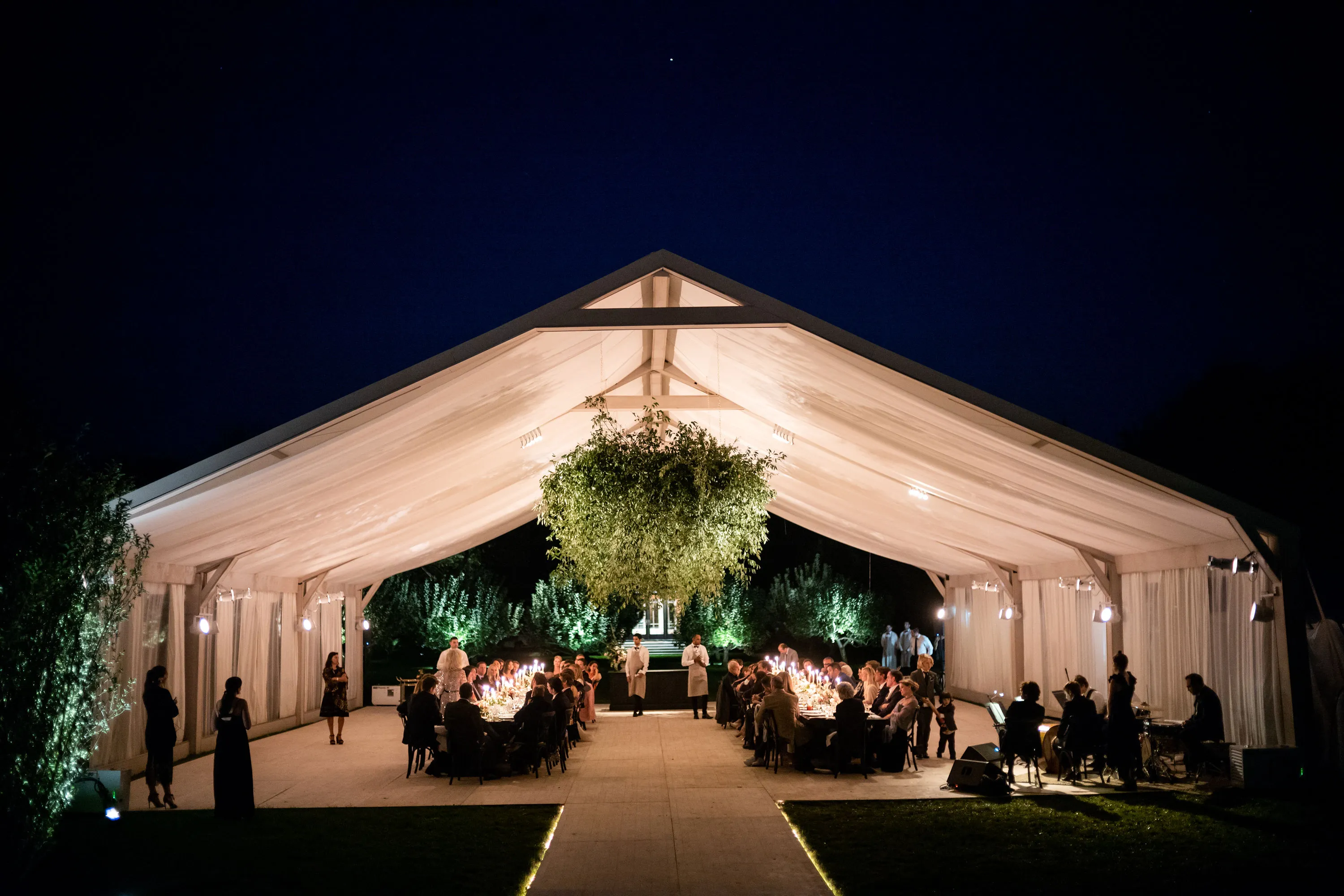
Tent selection should reflect the types of events a venue expects to host, the available property, anticipated guest counts, and the overall level of presentation clients expect. Clearspan, frame, century pole, and sailcloth tents each offer different advantages for temporary venue expansion.
Understanding these differences before peak season allows venue teams to recommend appropriate structures more confidently and reserve the infrastructure they are most likely to need.
Clearspan and Frame Tents for Flexible Venue Expansion
Clearspan tents provide large interiors without internal support poles, which gives planners greater flexibility for seating, stages, dance floors, décor, and other event installations. Their high ceilings can also accommodate more elaborate lighting and design features, making them suitable for larger gatherings and events requiring open space.
Frame tents provide another versatile solution and are available in a range of sizes. They can be useful on sites where terrain or surface conditions make other tent configurations less suitable, allowing venues to adapt temporary event space to different areas of the property.
Both structures can support venues that need to change layouts frequently during a busy season.
Century Pole and Sailcloth Tents for Elevated Events
Century pole tents are recognizable for their high peaks and graceful lines, creating a traditional and visually impressive outdoor event environment. They require adequate surrounding installation space because of their structural configuration, so site planning is especially important.
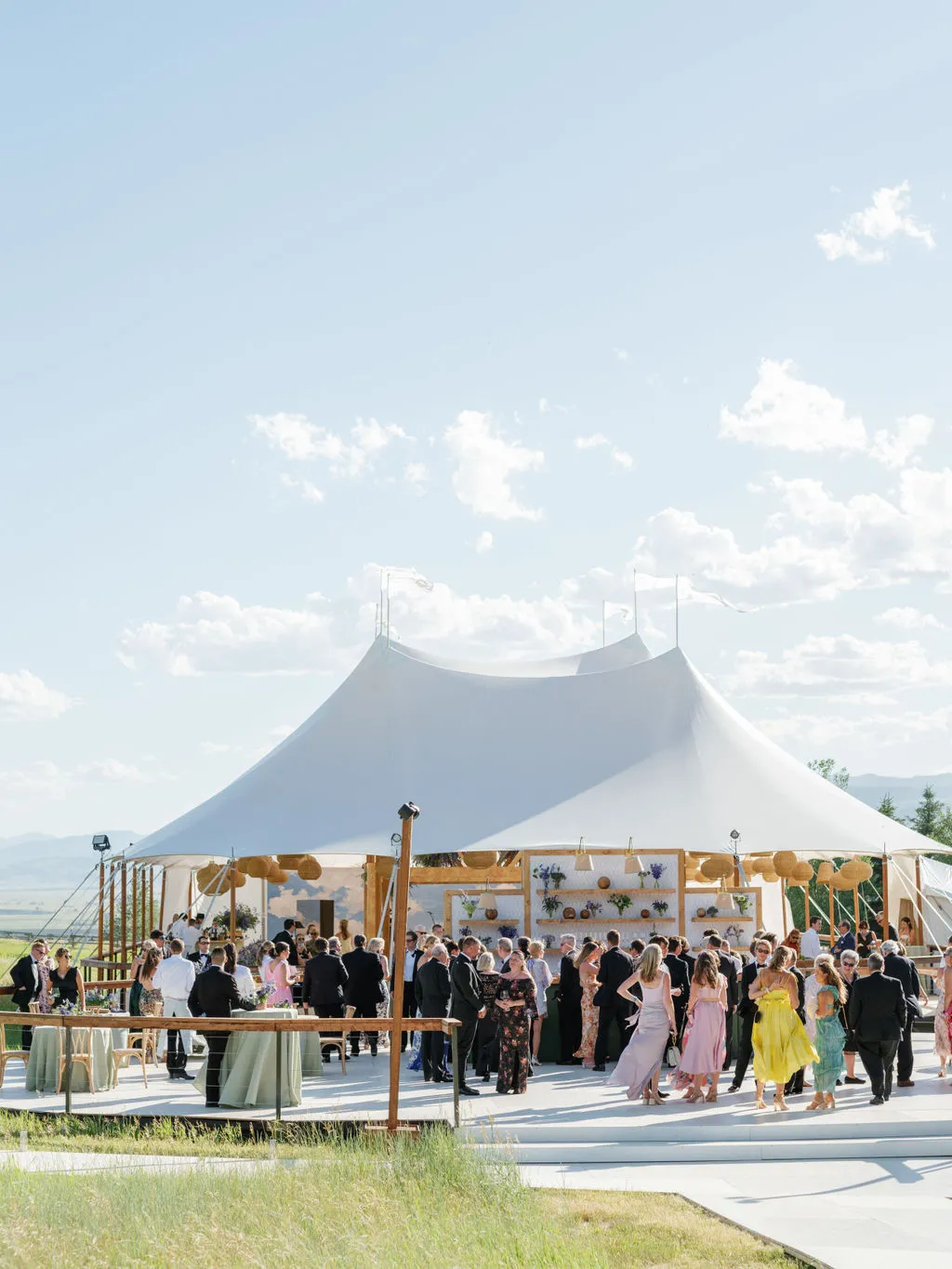
Sailcloth tents use translucent fabric that allows natural light to filter through and can create an elegant atmosphere, particularly around sunset and during evening events. Sidewalls may also provide additional protection when weather conditions require greater enclosure.
Venues should consider both operational requirements and visual expectations when deciding which structures to prioritize. A single property may benefit from more than one tent style depending on the areas available and the types of events being booked. Early evaluation makes it easier to match future clients with practical options.
Clearspan tents: Provide unobstructed interiors for large and flexible layouts.
Frame tents: Adapt well to varied venue conditions and different event sizes.
Century pole tents: Create dramatic peaks and a classic event aesthetic.
Sailcloth tents: Offer translucent fabric and an elegant outdoor atmosphere.
Event type: Match the structure to weddings, corporate events, galas, or other gatherings.
Site conditions: Consider terrain, hard surfaces, installation space, and access.
Matching Tent Size and Layout to Venue Conditions
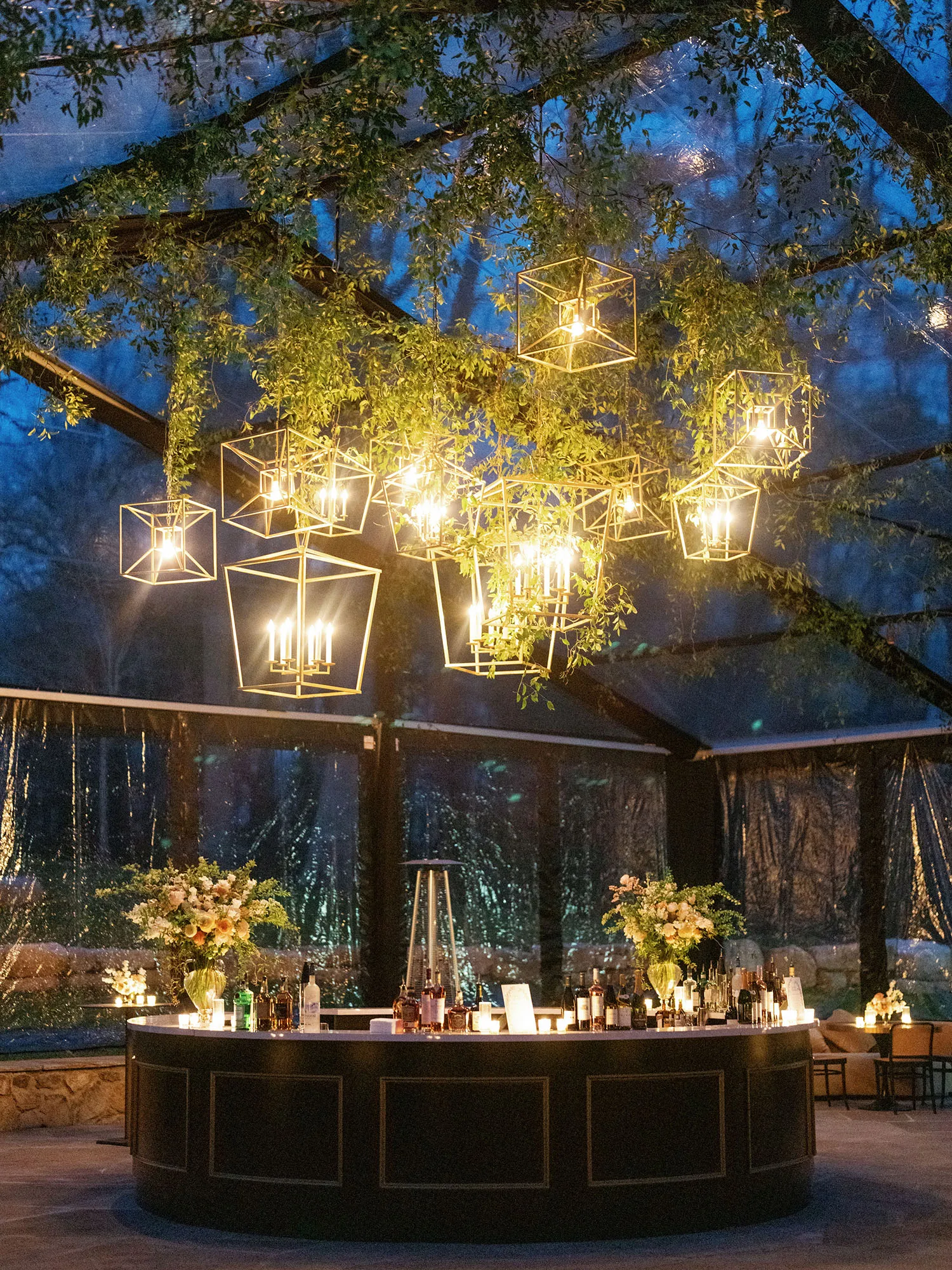
A visually attractive tent still needs to fit the guest list and the physical conditions of the property. Venue teams should review capacity requirements and site limitations before recommending a structure to clients.
Guest count, terrain, accessibility, event duration, climate-control needs, and planned amenities can all influence the amount and type of temporary space required.
Calculate Space Around the Complete Event Layout
The original content provides a general guideline of approximately 10 square feet per guest for seated events and 5 to 8 square feet for standing gatherings. These figures can serve as an initial planning reference, but the final tent footprint also needs to accommodate the actual event layout.
Dining tables, stages, dance floors, bars, lounges, service areas, and circulation routes all consume additional space. Venues should therefore avoid selecting a tent based only on the number of people who can physically fit inside.
Planning around the complete event program helps prevent crowded interiors and gives guests more comfortable routes between different areas.
Assess Terrain, Access, and Event Requirements
Site conditions influence which structures can be installed successfully. The original article notes that grassy locations may accommodate pole tents, while uneven or hard-surface areas may make frame tents more appropriate.
Accessibility should also be evaluated so guests, vendors, and installation teams can move effectively around the property. Event duration, flooring needs, heating or air conditioning, and specific design requests can further influence the final structure.
Completing these assessments in advance helps venues develop realistic outdoor capacity options before inquiries increase during peak booking periods.
Preparing Climate Control, Lighting, and Flooring in Advance
Luxury event tents become more functional when climate control, lighting, and flooring are treated as part of the primary infrastructure plan. These systems influence comfort, appearance, and the ability to use the temporary venue under changing conditions. We cover this further in Hosting an Elegant New Year’s Eve Dinner Under a Luxury Tent.
Peak-season demand makes early coordination particularly valuable because the tent itself is only one component of the completed event environment.
Plan Climate Control for Seasonal Temperature Changes
Tented events remain exposed to seasonal temperature changes even when guests are protected from direct weather. Air conditioning, heating, and insulated sidewalls can help regulate conditions when outdoor temperatures fluctuate.
Climate equipment should be considered during the planning phase because it may affect power needs, equipment placement, tent enclosure, and interior layout. Waiting until immediately before an event can make these systems more difficult to integrate effectively.
Venues should consider how temperature conditions typically change throughout their peak season and what infrastructure may be required to support different events.
Integrate Lighting and Flooring with Tent Design
Lighting helps establish both atmosphere and functionality. Chandeliers can create focal points for formal gatherings, string lights can introduce softer illumination, and LED uplighting can change the appearance of the tent interior through customizable color.
Flooring contributes to both presentation and durability. Hardwood, carpeting, and synthetic materials can be selected according to the tent style, expected traffic, terrain, and overall event design.
These systems should be planned together rather than selected independently. The lighting design may influence electrical requirements, while flooring affects furniture, décor, circulation, and the finished appearance of the venue. Coordinating them early helps venues provide a more complete offering during peak season. Read more in How Venues Can Extend Outdoor Events Into Late Fall.
Heating systems: Support cooler seasonal events and evening celebrations.
Air conditioning: Helps maintain comfort during warmer conditions.
Chandeliers: Add a formal focal point inside luxury tent structures.
String lights: Create a warm atmosphere for outdoor celebrations.
LED uplighting: Allows flexible color and mood customization.
Durable flooring: Supports high guest traffic while improving the finished interior.
Developing Site Logistics for Peak Season Execution
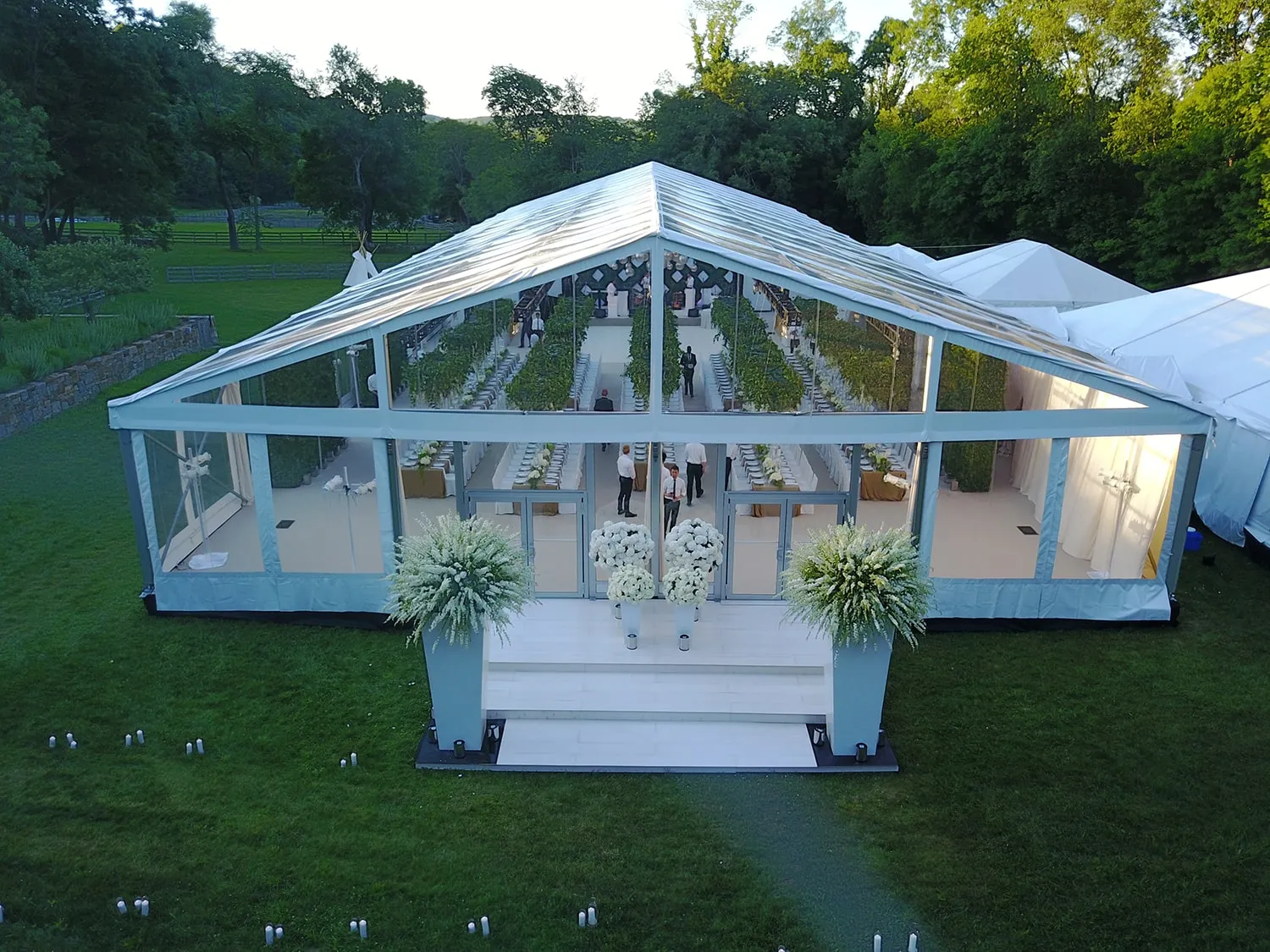
Peak season can put additional pressure on venue access, delivery schedules, installation crews, and vendor coordination. Detailed logistics planning helps prevent these operational demands from interfering with the guest experience. Read more in Discover the Benefits of Summer Tent Rentals.
The original content emphasizes site assessments, permitting, vendor coordination, delivery access, setup scheduling, and structured breakdown procedures as important components of venue preparation.
Complete Site Assessments and Permit Planning Early
A site assessment can identify potential challenges related to access points, available facilities, catering operations, restrooms, installation areas, and guest circulation. These conditions should be documented before venues begin committing temporary spaces to clients.
Applicable permits and licenses should also be confirmed in advance. Requirements can affect tent placement or other aspects of the event plan, making early review important for avoiding preventable scheduling issues.
Establishing a repeatable site review process can also make future bookings easier because venue teams already understand which areas can support different tent sizes and configurations.
Coordinate Deliveries, Installation, and Breakdown
Equipment vehicles need clear access to installation areas without unnecessary obstructions. Delivery lanes and staging areas should therefore be identified before multiple vendors begin arriving at the property.
Tent delivery should also be scheduled around flooring, lighting, catering, furniture, and other suppliers so crews do not compete for the same access routes. After the event, a defined breakdown plan can help restore the property efficiently and maintain productive relationships with rental partners.
This coordination becomes increasingly important when a venue hosts consecutive events during its busiest months.
Starting Next Year’s Peak Season Planning Early
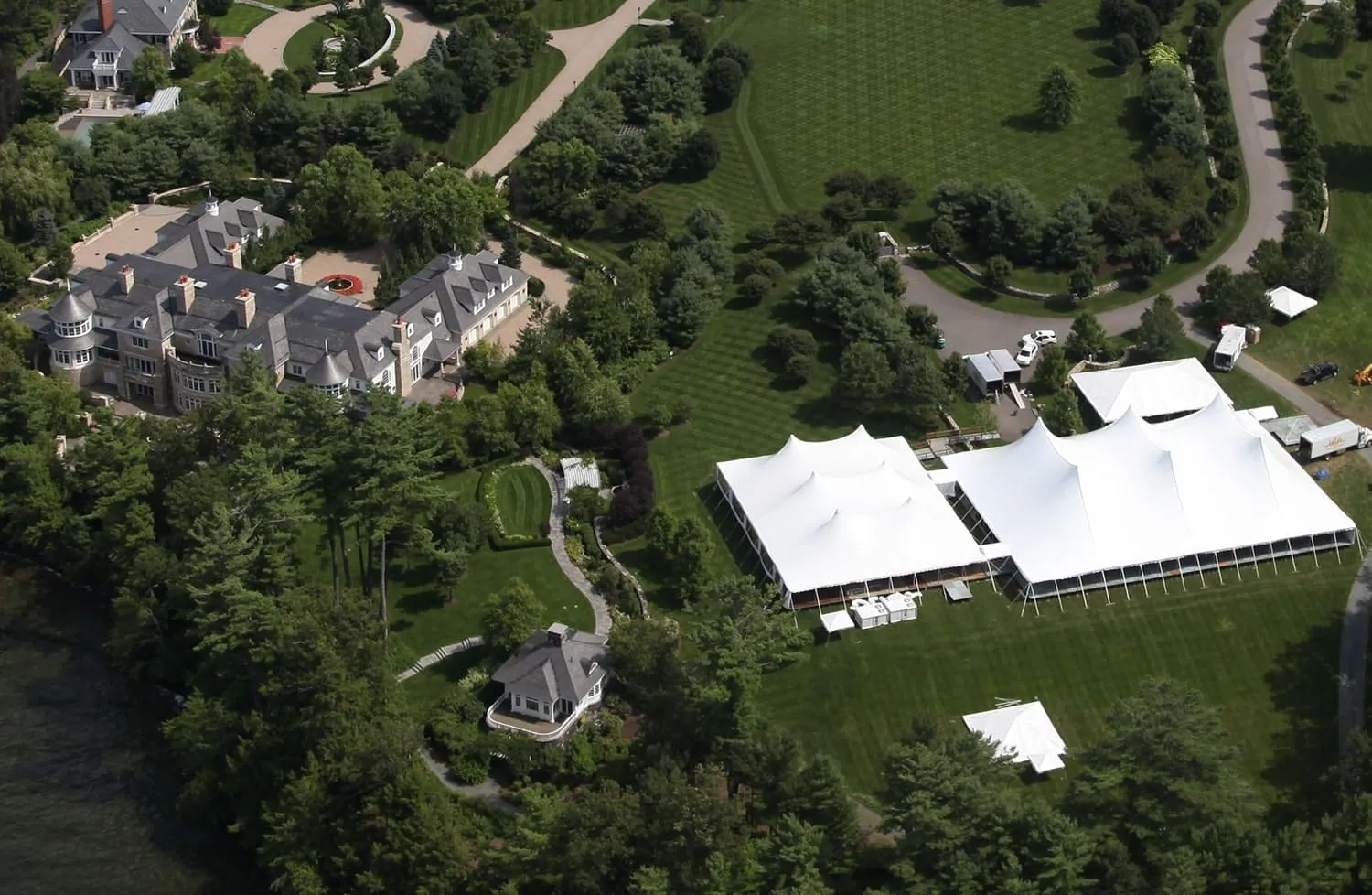
Waiting until peak season approaches can limit tent availability, reduce infrastructure choices, and create unnecessary pressure on venue teams. Early preparation allows operators to anticipate demand and establish a clearer operational plan.
The original content recommends beginning broad preparation well in advance and securing tent rentals several months before individual event dates.
Build a Preparation Timeline Before Demand Increases
The source recommends beginning peak-season preparation at least six months ahead of the relevant dates. Early steps may include assessing event areas, reviewing permit needs, evaluating vendor availability, and determining which temporary structures are likely to be requested.
For individual events, it suggests aiming to secure tent rentals approximately three to four months before the event date. Availability of popular structures, weather considerations, and delivery schedules can all affect that timeline.
Actual booking requirements can vary, so venues should coordinate specific timelines with their rental partners as early as practical.
Reduce Peak Season Risk Through Advance Planning
Late preparation can create difficulty securing important resources or coordinating the desired setup. Early communication and established logistics plans provide more time to identify potential conflicts and develop alternatives.
Preparation also gives venues an opportunity to review what worked during previous seasons. Tent choices, traffic patterns, flooring durability, climate-control performance, and vendor coordination can all provide useful information for improving the following year.
Peak-season preparation works best when venues develop a clear list of priorities before inquiries accelerate. This allows teams to focus on the infrastructure most likely to influence operational efficiency and guest experience. A proactive strategy can also make communication with planners and rental partners more consistent.
Review last season: Identify logistical problems and successful infrastructure choices.
Assess event areas: Confirm capacity, terrain, access, and temporary expansion opportunities.
Plan permits early: Determine which requirements may affect future tent installations.
Confirm vendor availability: Discuss anticipated demand before the calendar becomes crowded.
Reserve key infrastructure: Secure preferred tents and supporting equipment when appropriate.
Create contingency plans: Prepare options for weather, schedule changes, and operational disruptions.
Early preparation reduces the number of major decisions that need to be made while venues are already managing their busiest event dates.
Frequently Asked Questions
When should an event venue start preparing for peak season?
The source recommends beginning broad preparation at least six months ahead of peak season. This gives venues time to assess sites, investigate requirements, and coordinate important rental and vendor needs.
How early should tent rentals be booked?
The original article suggests aiming to secure tent rentals around three to four months before the event, while recognizing that availability and event requirements may influence the final timeline.
Which tent is best for large peak season events?
Clearspan tents are particularly useful for larger gatherings because they provide open interiors without center poles. Frame, century pole, and sailcloth tents may be preferable depending on terrain, event style, and property conditions.
What infrastructure should venues plan alongside tent rentals?
Climate control, flooring, lighting, power, delivery access, guest circulation, and vendor coordination should all be considered alongside the main tent structure.
How can venues prepare for changing weather?
Venues can plan climate control, sidewalls, appropriate tent structures, weather contingencies, and site logistics in advance so outdoor events can respond more effectively to changing conditions.
Prepare Your Venue for Next Peak Season with Skyline Tent Company
Peak-season success begins before the busiest dates appear on the calendar. Evaluating outdoor capacity, selecting appropriate tent structures, reviewing site conditions, planning logistics, and coordinating supporting infrastructure ahead of time gives venues more flexibility when demand increases.
Clearspan tents can provide expansive interiors for large events, while frame, century pole, and sailcloth structures offer alternatives for different sites and aesthetics. Climate control, flooring, and integrated lighting can then turn these temporary structures into comfortable and polished event environments that complement the venue’s permanent spaces. For a tent layout sized to your guest list, request a quote.
Early planning also gives venues time to establish practical delivery routes, setup schedules, vendor coordination procedures, and contingency plans before consecutive events begin putting pressure on operations. The original content emphasizes that early tent selection and supporting amenities such as lighting and flooring are important considerations when preparing comprehensive peak-season experiences. See how these ideas look on real sites in our tent gallery.
Contact Skyline Tent Company to start planning your venue’s temporary event infrastructure for next year’s peak season. By evaluating your property, anticipated guest counts, tent requirements, flooring, lighting, climate control, and logistical needs early, Skyline Tent Company can help you prepare flexible outdoor event spaces that are ready to perform when your busiest season arrives. You may also find How to Prepare Event Spaces for Consecutive Fall Events helpful.