
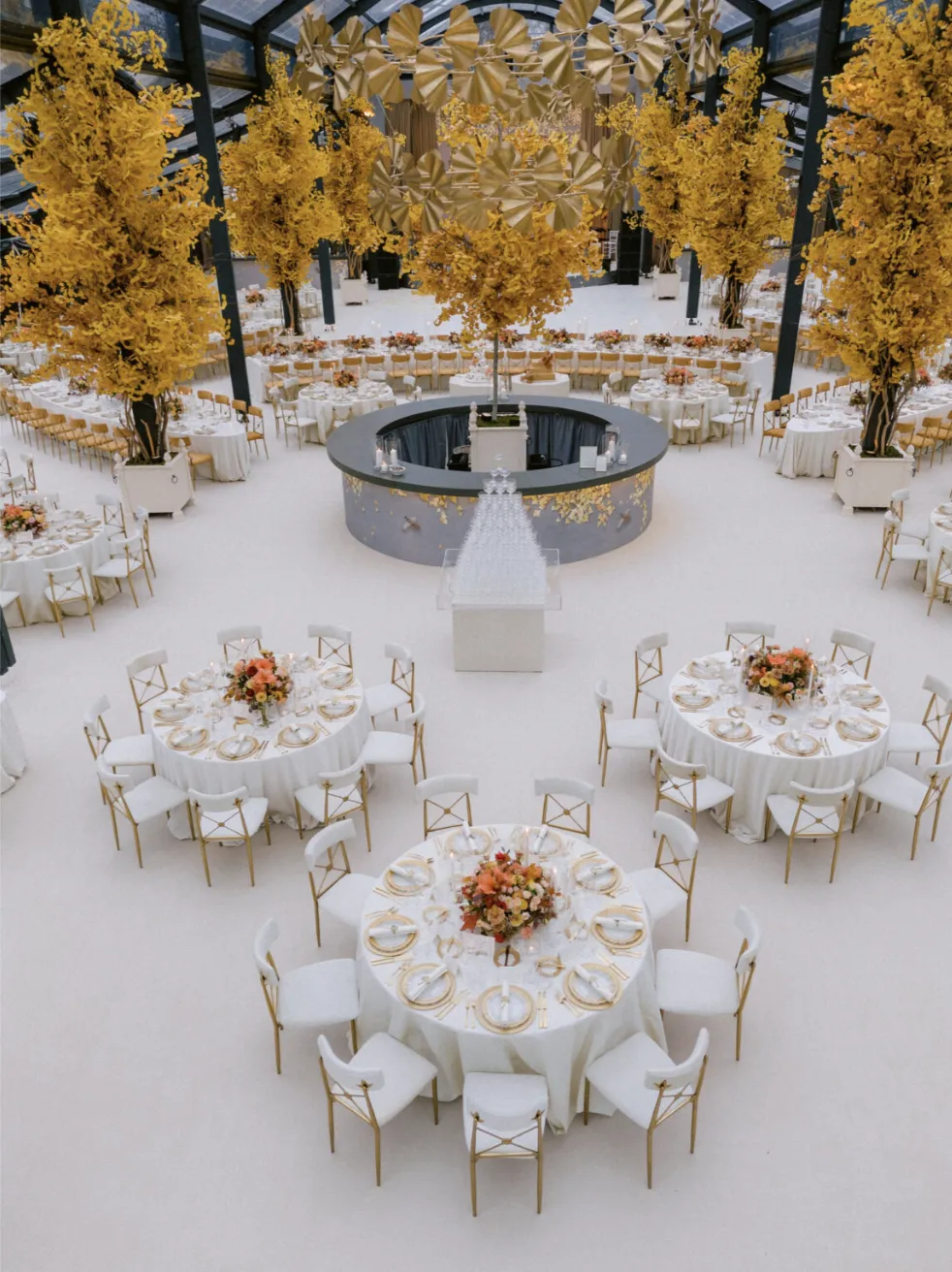
Spring weddings in Virginia offer beautiful outdoor settings, from landscaped estates and private gardens to scenic countryside venues. However, April and May can bring changing temperatures, unexpected rain, damp ground, and cool evenings that require careful preparation. A well-designed wedding tent allows couples to enjoy the natural surroundings while creating a comfortable, functional environment for their celebration.
Choosing the right tent structure is only the beginning. Sidewalls, climate control, engineered flooring, and thoughtful rain planning all influence how the venue performs throughout the day. Skyline Tent Company offers luxury wedding tent rentals and supporting event infrastructure that can help couples create elegant outdoor wedding environments while preparing for the practical challenges of spring weather.
Choose a Wedding Tent That Works with Virginia’s Spring Weather
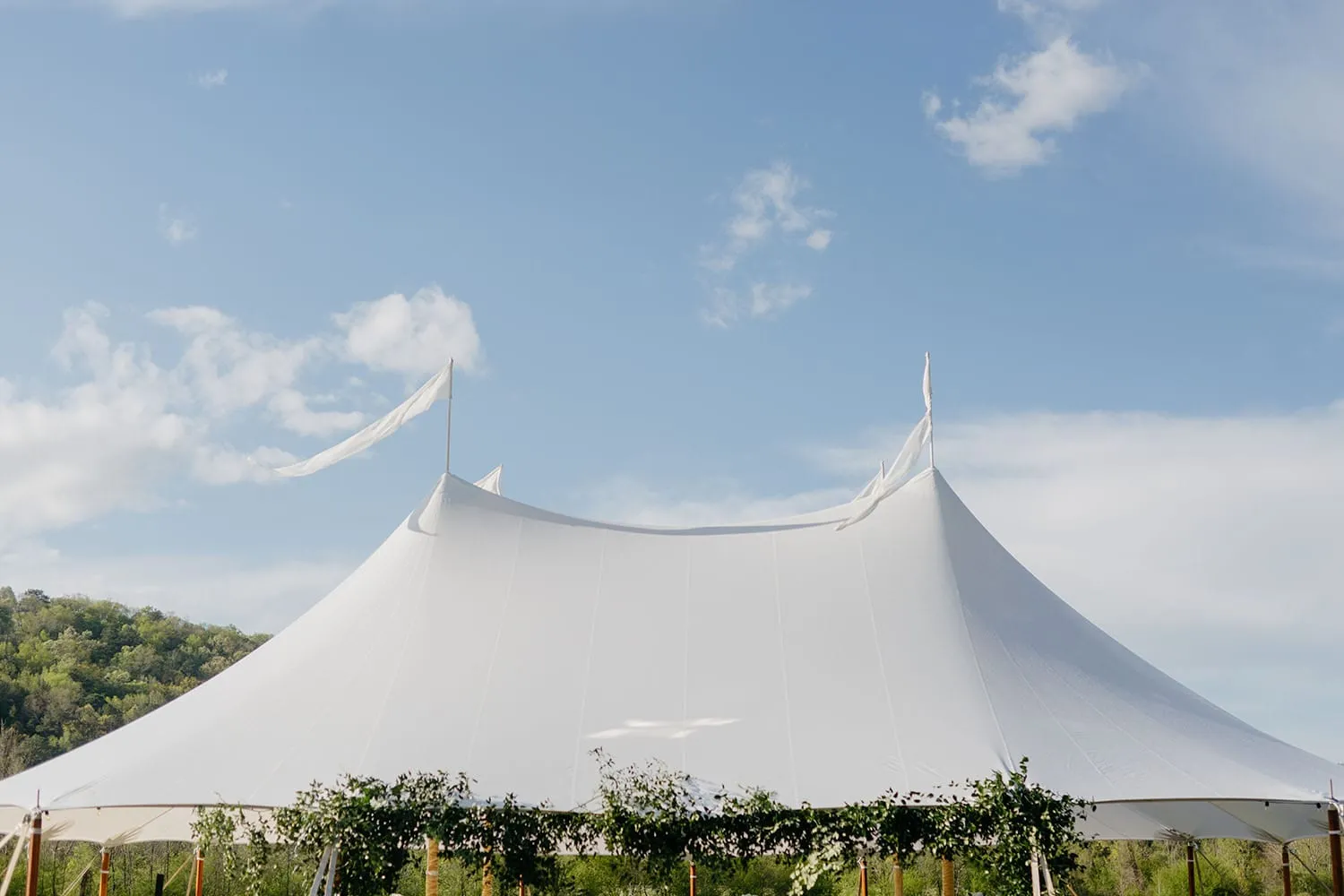
A spring wedding tent should complement the venue while providing appropriate coverage for the ceremony, reception, or both. The ideal structure depends on the property, guest count, layout, and anticipated weather conditions.
Consider the Tent Structure and Venue Layout
Different tent styles offer different advantages for outdoor weddings. Sailcloth tents create a soft, elegant atmosphere that complements garden weddings and estate celebrations. Frame tents provide flexible layout possibilities, while clear span structures can accommodate larger reception environments with expansive interior space.
When selecting a structure, consider the location of dining tables, dance floors, entrances, and guest circulation routes. The tent should provide enough usable space without forcing important event activities into exposed outdoor areas.
Plan for Weather Protection Without Losing the Outdoor Atmosphere
Many couples choose spring weddings because they want to experience Virginia’s seasonal scenery. The tent design should preserve that connection while providing protection from changing conditions.
Open sides may work well during pleasant afternoon weather, while compatible sidewalls can provide additional protection when temperatures drop or rain moves through the area.
The objective is to create a venue that feels connected to its surroundings without depending on consistently favorable weather.
Select Tent Sidewalls for Rain, Wind, and Temperature Changes
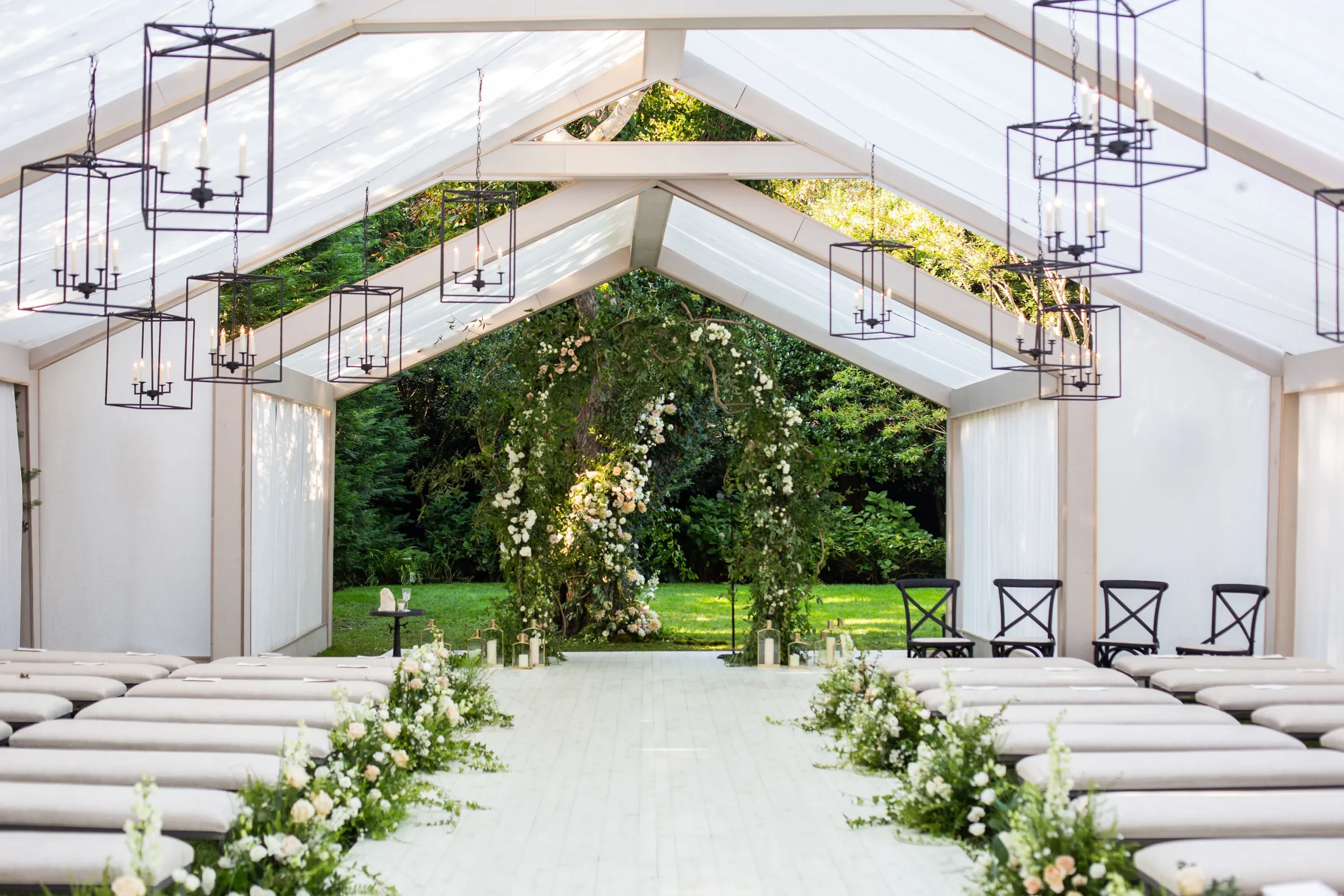
Tent sidewalls are particularly useful during April and May because spring conditions can shift between the ceremony and evening reception. Planning their configuration early helps couples maintain flexibility without compromising the overall design.
Compare Clear and Solid Sidewalls
Clear sidewalls can provide weather protection while preserving views of gardens, trees, and surrounding landscapes. They are especially appealing for venues where the outdoor scenery is an important part of the wedding design.
Solid sidewalls offer greater visual privacy and can help create a more enclosed reception environment. They may be useful along service areas, property boundaries, or sections where exterior views are less important.
The best configuration often depends on the location of each tent opening and how guests will use the space.
Coordinate Sidewalls with Heating and Ventilation
Sidewalls influence how air moves through the tent and how effectively climate-control equipment maintains comfortable conditions.
A more enclosed structure may help retain warmth during cool evenings, but it also requires appropriate ventilation and careful equipment planning. Heating, airflow, entrances, and sidewall placement should be evaluated together rather than treated as separate decisions.
Couples should also confirm how sidewall arrangements will be handled if conditions change during the event.
Prepare for Cool April Evenings with Tent Heating

Virginia’s spring afternoons may feel comfortable, but evening temperatures can be noticeably cooler. This matters for weddings that transition from an outdoor ceremony into dinner, dancing, and late-evening celebrations.
Evaluate Heating Needs Based on the Event Schedule
Heating requirements depend on several factors, including the tent dimensions, sidewall configuration, outdoor conditions, and number of guests.
A reception beginning in the afternoon may have different comfort needs from an evening celebration continuing after sunset. Couples should evaluate the entire event timeline rather than relying only on the expected daytime temperature.
Skyline Tent Company’s climate-control offerings can be considered alongside the selected tent structure to support guest comfort during cooler conditions.
Position Climate-Control Equipment Carefully
Heating equipment should be incorporated into the tent layout before installation begins. Equipment placement, airflow distribution, ducting where applicable, and access requirements can influence the available interior space.
The arrangement should also account for guest entrances, dining areas, dance floors, and service corridors.
A coordinated layout helps maintain comfortable conditions without allowing technical equipment to interfere with the wedding’s visual design or circulation.
Build a Rain Plan Around Flooring, Drainage, and Guest Access
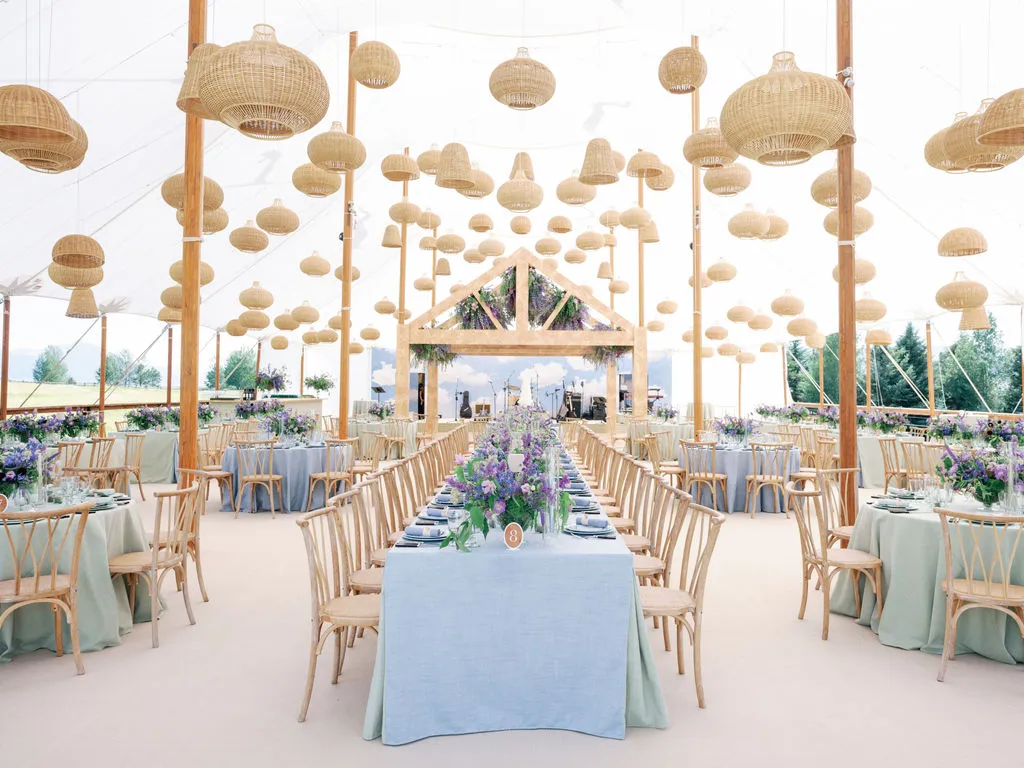
Spring rain can affect more than the tent canopy. Saturated lawns, muddy entrances, slippery walkways, and water collecting around the venue can create challenges even when the reception space itself remains covered. We cover this further in Expanding Historic Estate Event Space Without Construction.
A practical rain plan should address the entire event footprint, including how guests arrive, move between spaces, and access essential facilities.
Protect Reception Areas with Engineered Flooring
Grass can become soft and uneven after prolonged rainfall, making it difficult to maintain stable surfaces for dining tables, chairs, and dance floors.
Engineered event flooring can create a more consistent surface above challenging ground conditions. Depending on the property, elevated flooring may also help address slopes and areas where moisture accumulates. Read more in Elevated Tent Platforms for Sloped Properties.
Skyline Tent Company offers engineered flooring and event flooring solutions that can be incorporated into luxury wedding tent installations. We cover this further in How to Heat an Outdoor Wedding Tent Safely and Elegantly.
Flooring selection should account for guest movement, furniture placement, ground conditions, and the loads the finished surface must support.
Prepare Entrances and Walkways for Wet Conditions
A dry reception tent is less effective if guests must cross muddy ground to reach it.
Covered entrances, suitable walkway surfaces, and thoughtfully positioned transitions between tents can reduce exposure to rain. Drainage patterns should also be reviewed so water does not collect near entrances or flow toward the occupied tent area.
For April and May weddings, the rain plan should include:
Covered or protected guest entrances
Stable walkways between important event areas
Appropriate drainage around the tent footprint
Flooring transitions that accommodate guest movement
An alternative arrangement for activities originally planned outdoors
These measures help maintain a polished guest experience without relying on the weather remaining dry.
Finalize a Spring Wedding Weather Plan Before Installation
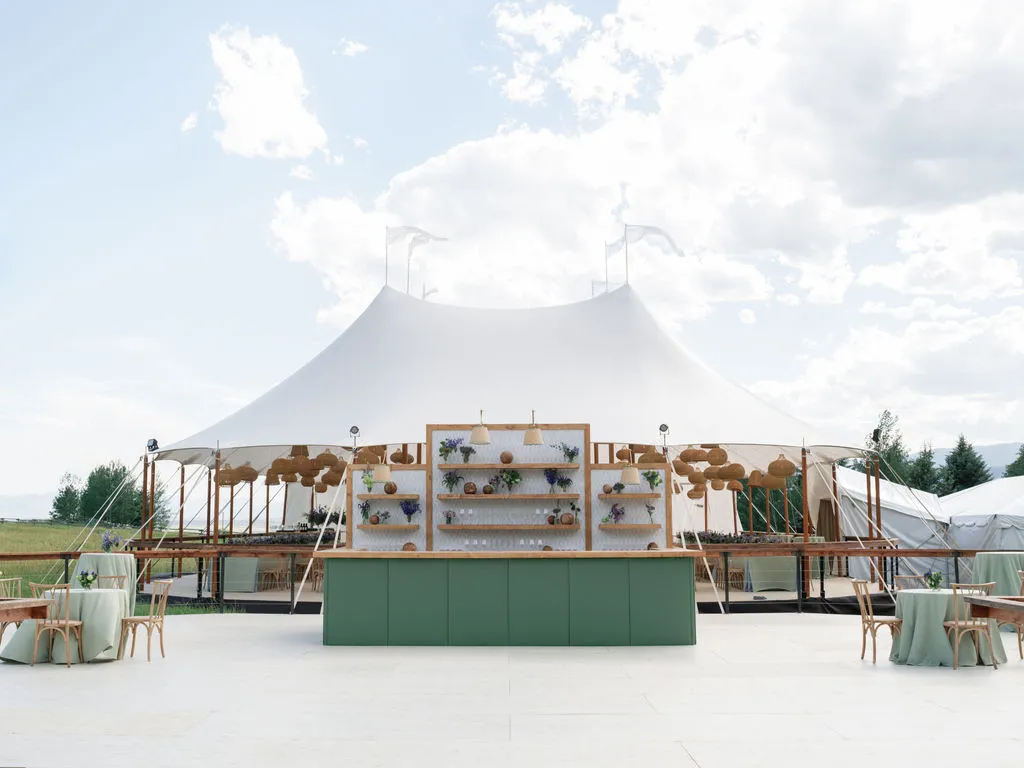
The most effective weather preparations happen before the wedding week. Tent selection, climate control, flooring, and event scheduling should work together so that changes in conditions do not require major last-minute decisions.
Coordinate the Ceremony and Reception Backup Plans
Couples planning an outdoor ceremony should identify an alternative covered location before finalizing the venue layout. You may also find Planning a Weather-Ready Temporary Venue for Fall Events helpful.
This might involve reserving space within the main reception tent or arranging a separate tented ceremony area. Either approach should account for seating, sightlines, entrances, and the transition between ceremony and reception activities.
The backup layout should be practical without depending on furniture rearrangements that cannot be completed within the available schedule.
Planning ahead also gives vendors a clear understanding of where their equipment and services will be positioned if the outdoor ceremony arrangement changes.
Establish Weather Decisions and Safety Procedures
Rain and cool temperatures can often be managed through suitable tent infrastructure, but severe thunderstorms, lightning, or high winds require a separate safety plan.
Before the wedding, couples and planners should confirm who will monitor forecasts, when decisions about sidewalls or heating must be made, and who has authority to change or suspend outdoor activities.
A useful final planning checklist includes:
Confirming the tent structure and anchoring requirements
Reviewing sidewall configurations and installation arrangements
Establishing heating and ventilation requirements
Checking drainage, flooring, and access routes
Confirming the covered ceremony alternative
Establishing severe-weather and evacuation procedures
A tent should never be treated as a guaranteed safe shelter during severe weather. Any evacuation or shelter plan should follow venue procedures and applicable local safety guidance.
Frequently Asked Questions
What type of wedding tent is best for Virginia in April or May?
Sailcloth tents, frame tents, and clear span structures can all work for spring weddings. The best choice depends on the venue, guest count, desired appearance, sidewall compatibility, and weather-protection requirements.
Do spring wedding tents in Virginia need sidewalls?
Sidewalls are worth considering because April and May can bring rain, wind, and cooler evening temperatures. Clear or solid sidewalls can provide additional protection while supporting the intended venue design.
Should I include heating for an April wedding reception?
Heating may be useful for evening receptions, particularly when temperatures drop after sunset. Requirements depend on the tent size, enclosure configuration, weather forecast, and event duration.
Can wedding tent flooring help when the lawn is wet?
Yes. Engineered flooring can create a more stable walking and dining surface over uneven or damp ground. However, flooring does not replace proper site drainage or eliminate every issue associated with saturated soil.
What happens if it rains during an outdoor wedding ceremony?
Couples should have a covered ceremony alternative arranged in advance. This may involve using the reception tent or a separate covered space, with seating and vendor arrangements prepared for either option.
How early should couples plan their spring wedding tent rental?
It is best to begin planning once the wedding date, venue, and approximate guest count are established. Early coordination provides more time to determine tent dimensions, sidewall requirements, climate control, flooring, and installation logistics.
Plan Your Virginia Spring Wedding with Skyline Tent Company
A successful spring wedding in Virginia combines beautiful outdoor surroundings with thoughtful preparation for changing weather. The right tent structure, sidewalls, heating, engineered flooring, and rain arrangements can help create a comfortable celebration throughout April and May.
Skyline Tent Company provides luxury wedding tent rentals, sailcloth tents, frame tents, clear span structures, climate control, tent sidewalls, engineered flooring, lighting, and full-service tent installation. These offerings allow couples to develop a refined outdoor wedding environment suited to their venue and event requirements. To talk through a tent for your date and site, contact our team.
Contact Skyline Tent Company to discuss your Virginia spring wedding, explore tent options, and plan the weather-related details that will support your celebration from the ceremony through the final dance. Our tent rental FAQs cover the questions hosts ask most.