
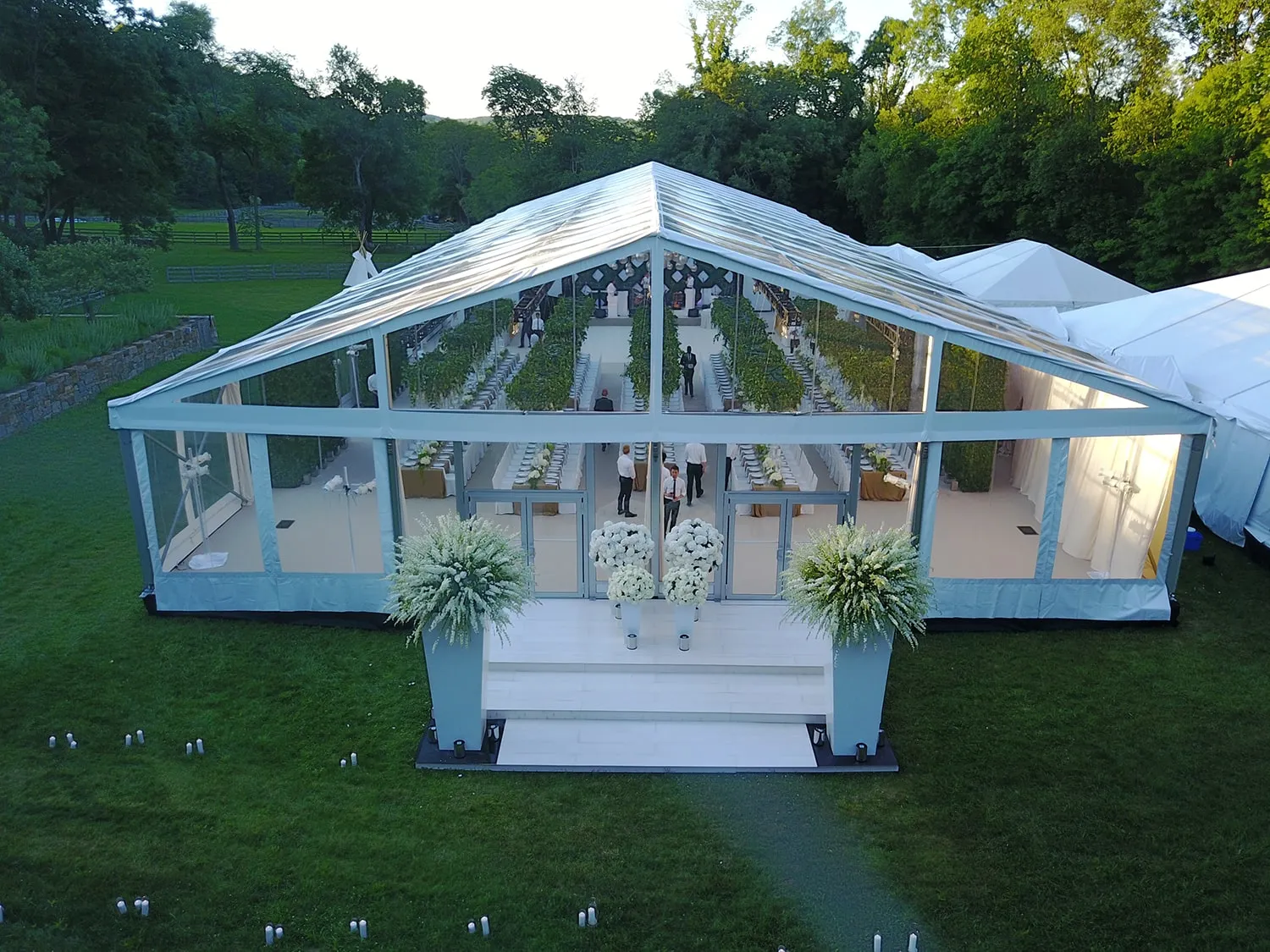
Planning an outdoor summer wedding with a tent requires careful attention to tent size, weather preparation, layout design, lighting, and vendor logistics. The tent becomes the central structure of the event, shaping the atmosphere while providing shelter and comfort for guests. When couples plan these elements early, they can transform an outdoor space into an elegant and well-organized wedding venue.
Outdoor weddings offer a unique atmosphere that blends natural scenery with personalized event design. A tent provides structure to the celebration while allowing couples to host their wedding in gardens, estates, beaches, or private properties. With thoughtful planning, a tented wedding can combine the beauty of an outdoor setting with the reliability of a professionally designed event space.
Planning early also allows couples to secure experienced vendors and coordinate the layout of the event around the tent structure using efficient tent reception layouts. The tent often determines where guests gather, how traffic flows through the reception, and where focal areas such as dining tables or the dance floor are placed.
Choosing the Right Tent Size and Style
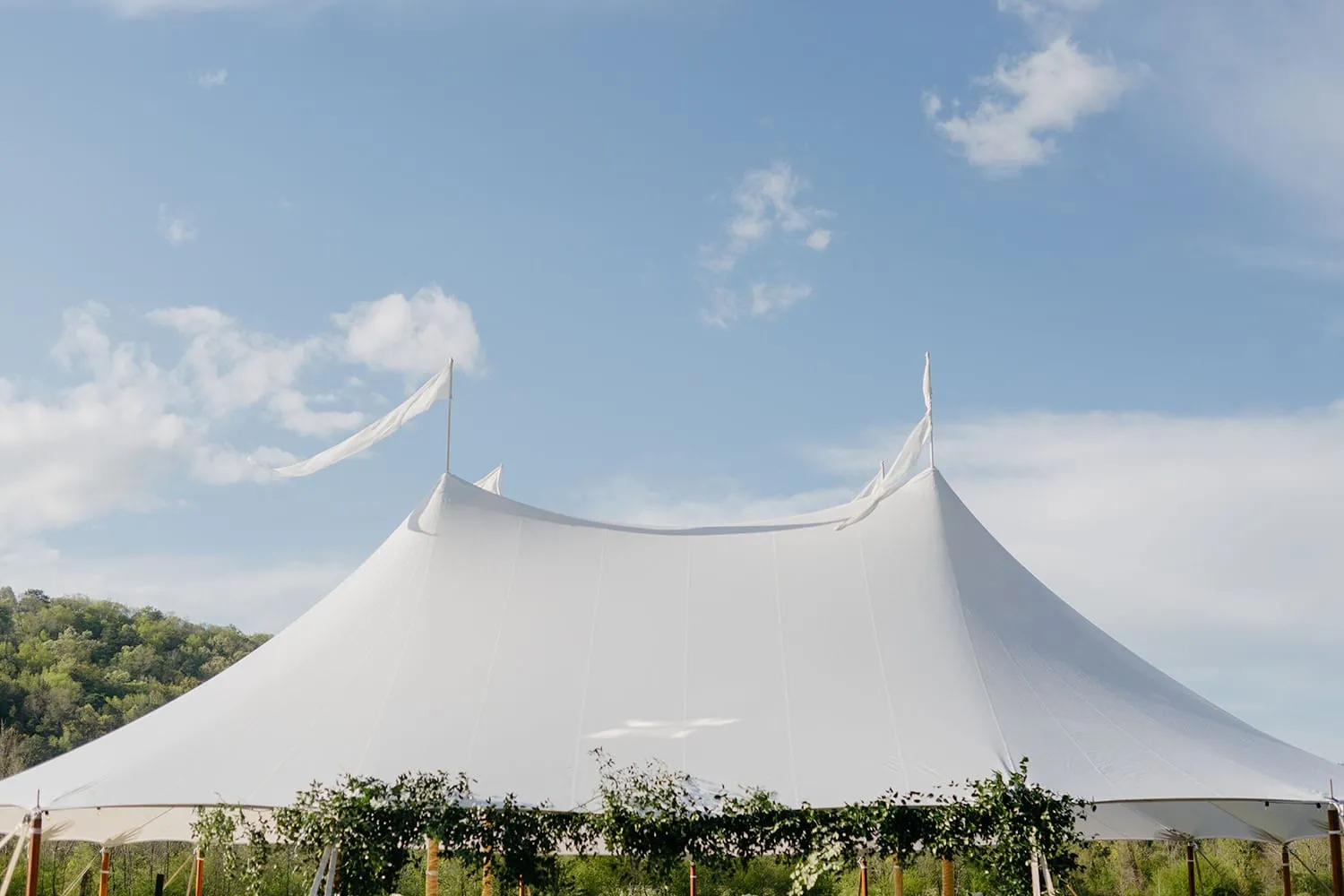
Selecting the appropriate tent size and type is one of the first decisions when planning a tented wedding with the right summer wedding tent setup. The structure must accommodate guests comfortably while allowing space for dining, dancing, and service areas.
Tent specialists often help determine the correct footprint by reviewing guest count, seating arrangements, and site conditions. Careful sizing ensures guests can move freely throughout the space without creating congestion around tables or service areas.
The style of the tent also influences the overall atmosphere of the event. Different structures create different visual impressions and affect how lighting and décor are installed inside the space.
Determining Tent Size Based on Guest Count
Tent size should reflect both the number of guests and the activities planned inside the structure. Tables, walkways, staging areas, and catering stations all require additional space beyond basic seating.
Many planners create a simple floor layout showing dining tables, a dance floor, and vendor service areas. This layout helps determine how much interior space the event will require while ensuring guests remain comfortable.
Typical capacity guidelines include:
- 20×20 tents for smaller gatherings or cocktail areas
- 20×30 tents for mid-size receptions
- 30×60 tents or larger for weddings with larger guest counts
These estimates provide a starting point, but the final tent size often increases when lounge areas, stages, or decorative installations are included. Couples hosting entertainment or live music may also require additional space for staging and sound equipment.
Popular Tent Types for Summer Weddings
Different tent styles create different visual and structural effects. Choosing the right tent type allows couples to match the event design with the surrounding environment.
Sailcloth tents are known for their elegant peaks and translucent fabric, which create a romantic atmosphere during both daytime and evening events. Frame tents offer flexibility because they do not require interior poles, making them suitable for uneven surfaces or patios. Clear-top tents provide a dramatic aesthetic by allowing natural light during the day and views of the sky at night.
The tent style should also match the landscape of the venue. Gardens, vineyards, and coastal locations often benefit from tent designs that complement the natural scenery while maintaining a refined event environment.
Preparing for Summer Weather Conditions
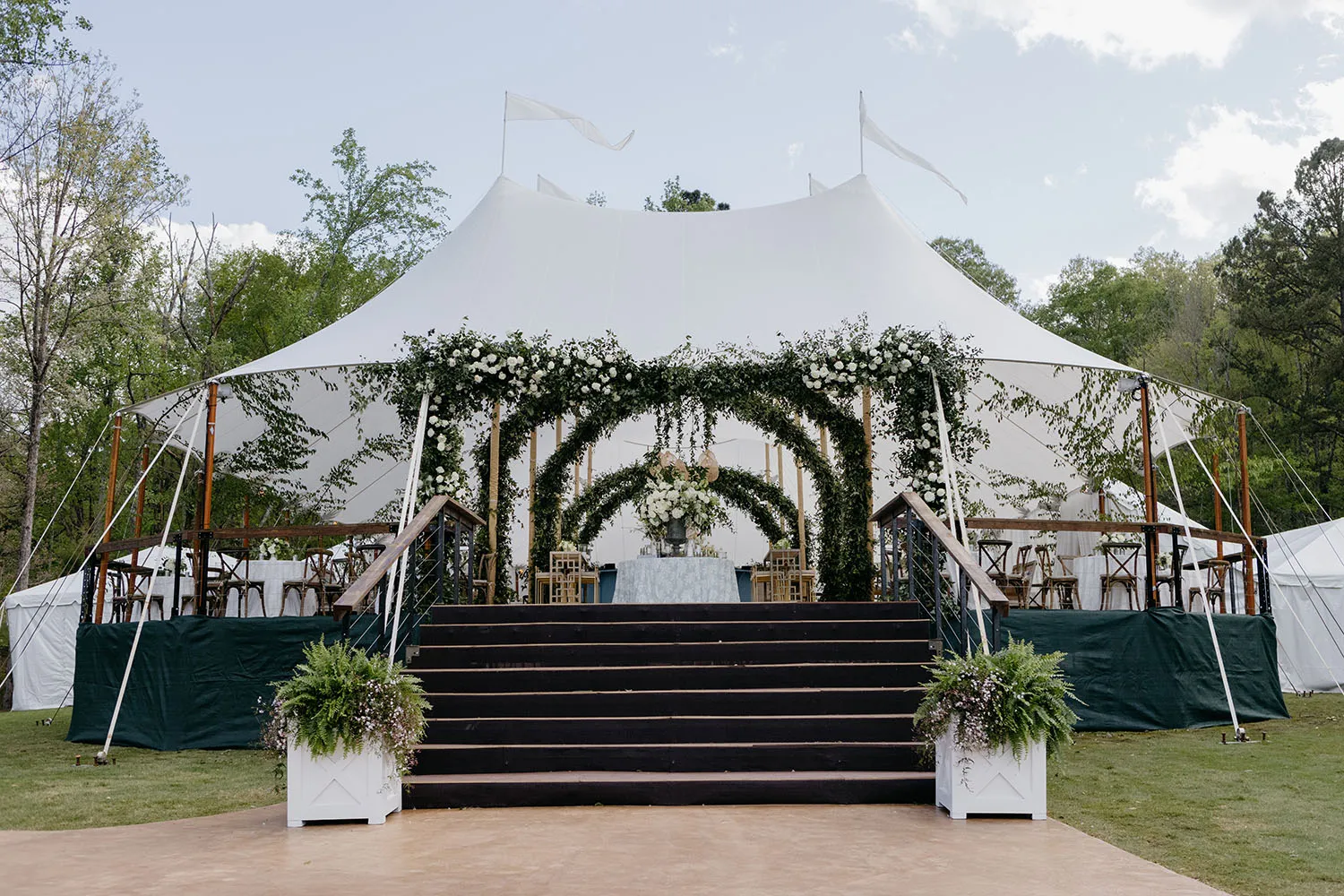
Weather is one of the most important factors when planning an outdoor wedding. Even during summer months, sudden rain, wind, or temperature changes can affect the event.
A well-designed tent setup protects guests while maintaining airflow and comfort throughout the celebration. Couples should plan for both sunny conditions and unexpected weather shifts to ensure the event remains enjoyable.
Understanding local climate patterns can also help couples determine the best time of day for their ceremony or reception.
Ventilation Strategies for Warm Weather
Ventilation helps regulate temperature inside the tent and prevents heat buildup during warm summer afternoons. Open sidewalls, strategically placed fans, and natural airflow can significantly improve guest comfort.
Tent peaks and ridge vents allow hot air to rise and escape, while fans positioned near entrances or seating areas encourage cross-ventilation. These features help maintain fresh airflow throughout the event.
Cooling strategies may also include shaded lounge areas or beverage stations that allow guests to relax and stay refreshed during warmer parts of the day.
Weather Protection and Contingency Planning
Outdoor events benefit from having flexible weather protection options. Couples should consider features that allow the tent to adapt quickly if weather conditions change.
Effective protection measures include:
- Installing removable sidewalls that can block wind or rain
- Choosing waterproof tent fabrics designed for outdoor events
- Preparing backup plans for severe weather situations
Planning these measures ahead of time ensures the event can continue smoothly even if weather conditions shift unexpectedly. Event planners often monitor weather forecasts leading up to the wedding to determine whether additional protection or cooling systems are needed.
Designing Décor and Lighting for a Wedding Tent
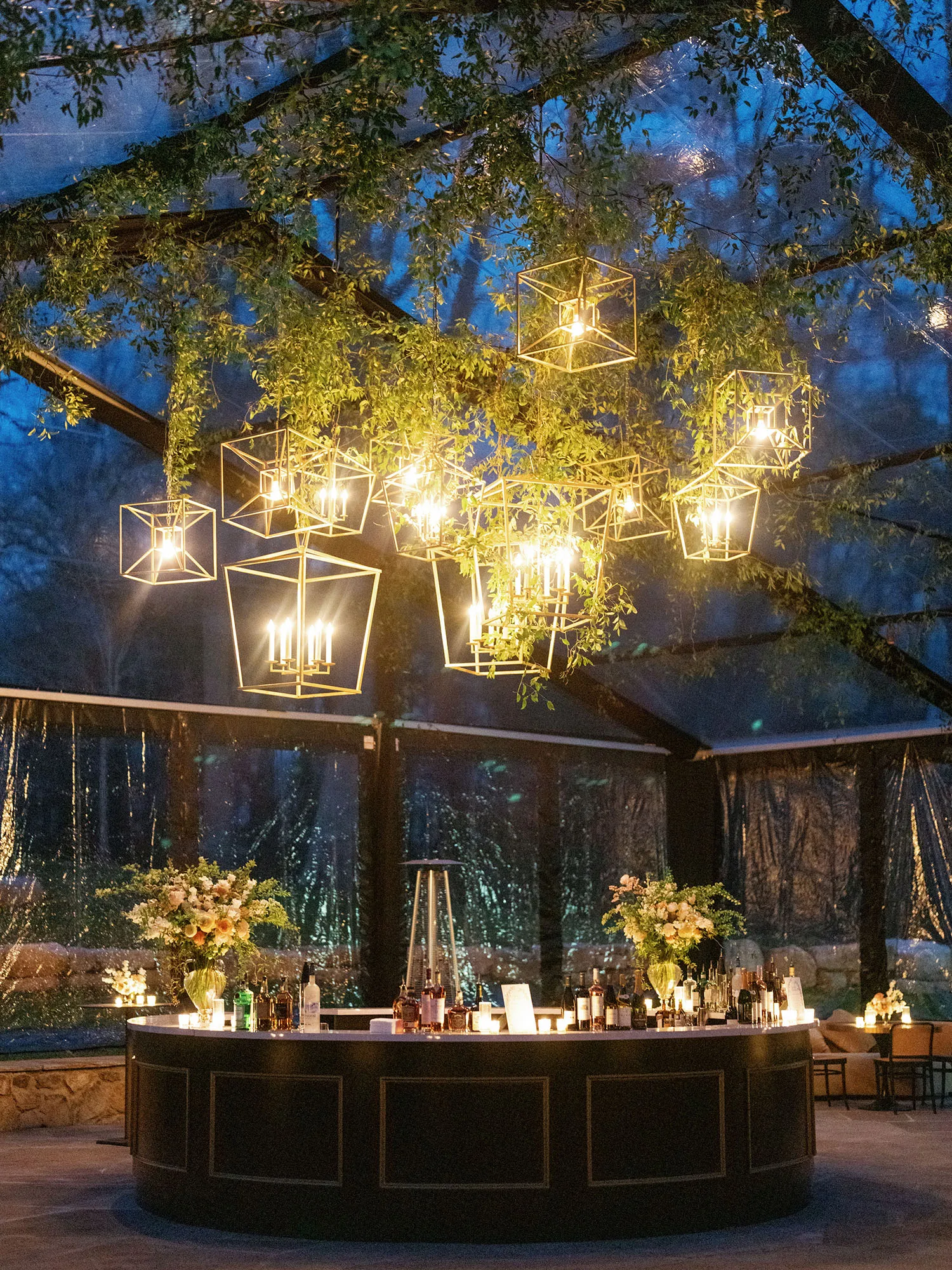
Decor and lighting transform a simple tent into an elegant wedding venue. These design elements help establish the atmosphere of the event while highlighting important areas within the reception space.
A coordinated approach ensures the décor complements both the tent structure and the natural surroundings. Couples often work with designers or planners to create a visual theme that flows throughout the entire event.
Well-planned décor also helps define spaces within the tent, such as dining areas, lounge spaces, and the dance floor.
Summer Wedding Tent Decoration Ideas
Summer weddings often incorporate vibrant colors, natural textures, and seasonal floral arrangements. Flowers, greenery, and fabric draping can soften the structure of the tent while reinforcing the overall wedding theme.
Decorative installations may also include hanging floral arrangements, greenery garlands, or fabric panels suspended from tent peaks. These elements help create a layered design that feels visually rich without overwhelming the space.
Couples sometimes incorporate local or seasonal flowers that reflect the environment surrounding the venue. This approach helps create a cohesive design that feels connected to the outdoor setting.
Lighting Techniques That Enhance the Atmosphere
Lighting plays a major role in defining the mood of the reception as daylight fades. A layered lighting approach provides both ambiance and functionality.
Soft string lights create warm ambient lighting across the ceiling, while spotlights highlight focal areas such as the dance floor or cake table. Lanterns or decorative fixtures placed around the perimeter of the tent help guide guests while adding visual charm.
Lighting also helps emphasize architectural features of the tent structure, including its peaks and interior framework. These highlights create depth and visual interest inside the reception space.
Managing Event Logistics and Vendor Coordination
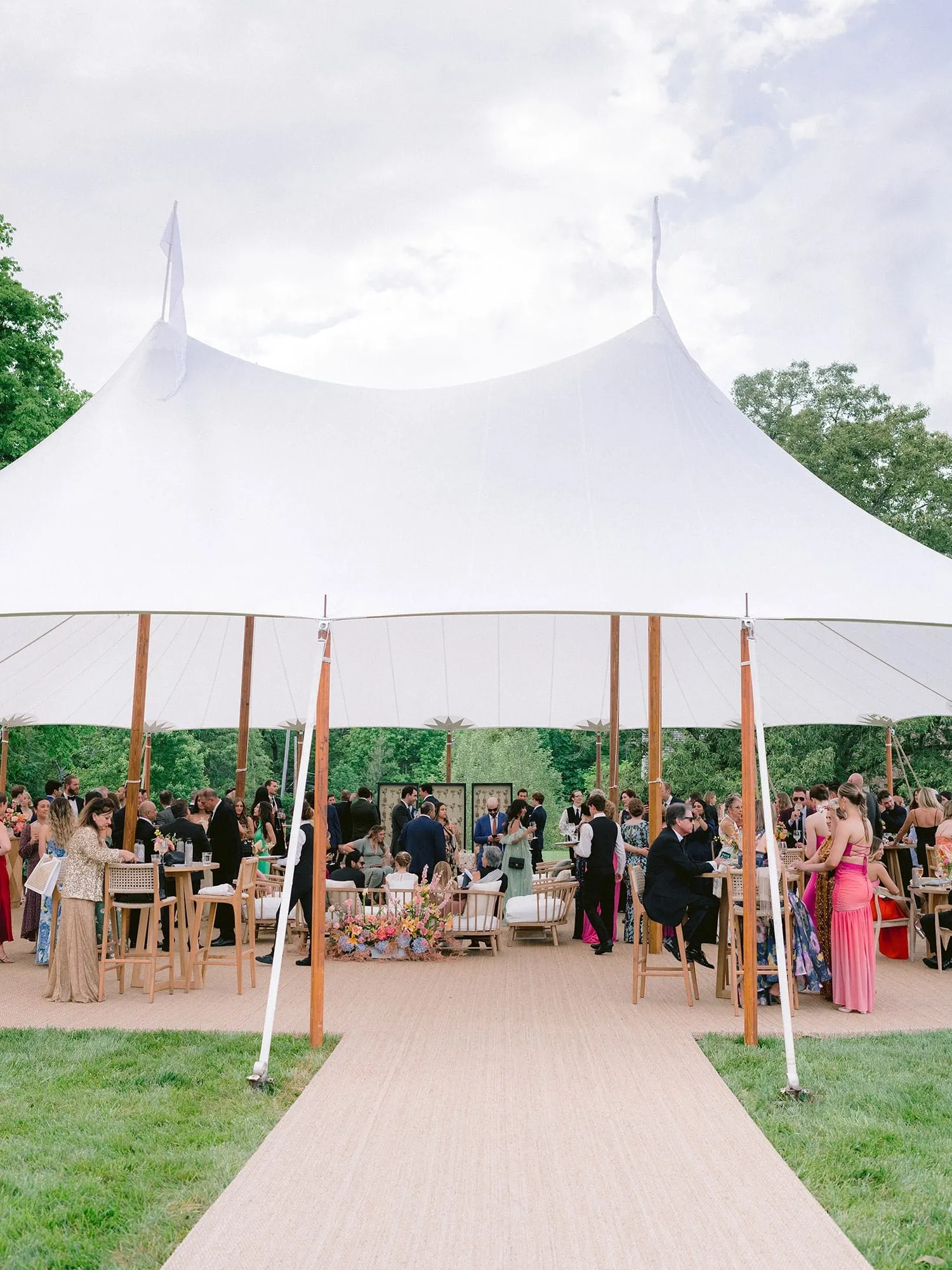
Successful tent weddings depend on careful coordination between vendors, planners, and installation crews. Clear timelines and organized communication help ensure everything runs smoothly on the wedding day. For more detail, see our article Plan Your Ideal Day with Local Wedding Tent Rental Services.
Logistics planning should begin well before the event to allow time for site inspections and adjustments. Early coordination reduces the likelihood of delays or installation challenges.
Vendors such as caterers, rental companies, and lighting technicians all rely on clear schedules to complete their work efficiently.
Scheduling Tent Setup and Installation
Tent rentals should typically be reserved several weeks before the wedding date, especially during busy summer seasons. Early booking allows the rental provider to inspect the site and recommend the best installation plan. For more detail, see our article Which Tent Works Best For A Summer Wedding On The Beach.
Site visits often identify factors such as slopes, trees, or underground utilities that may influence tent placement. Addressing these details ahead of time prevents unexpected complications during installation.
Scheduling setup a day or two before the event can also allow time for décor installation and final adjustments.
Coordinating Vendor Access and Event Layout
Coordinating vendor arrival times prevents congestion during setup. Caterers, lighting technicians, and equipment rental teams should all have designated loading zones and installation schedules.
Event planners often create a master timeline that outlines when each vendor will arrive and begin setup. This timeline helps maintain order and ensures that all elements of the event are completed before guests arrive.
Clear communication between vendors also helps ensure that equipment such as lighting, flooring, and sound systems are installed in the correct sequence.
Incorporating Sustainable and Modern Tent Features
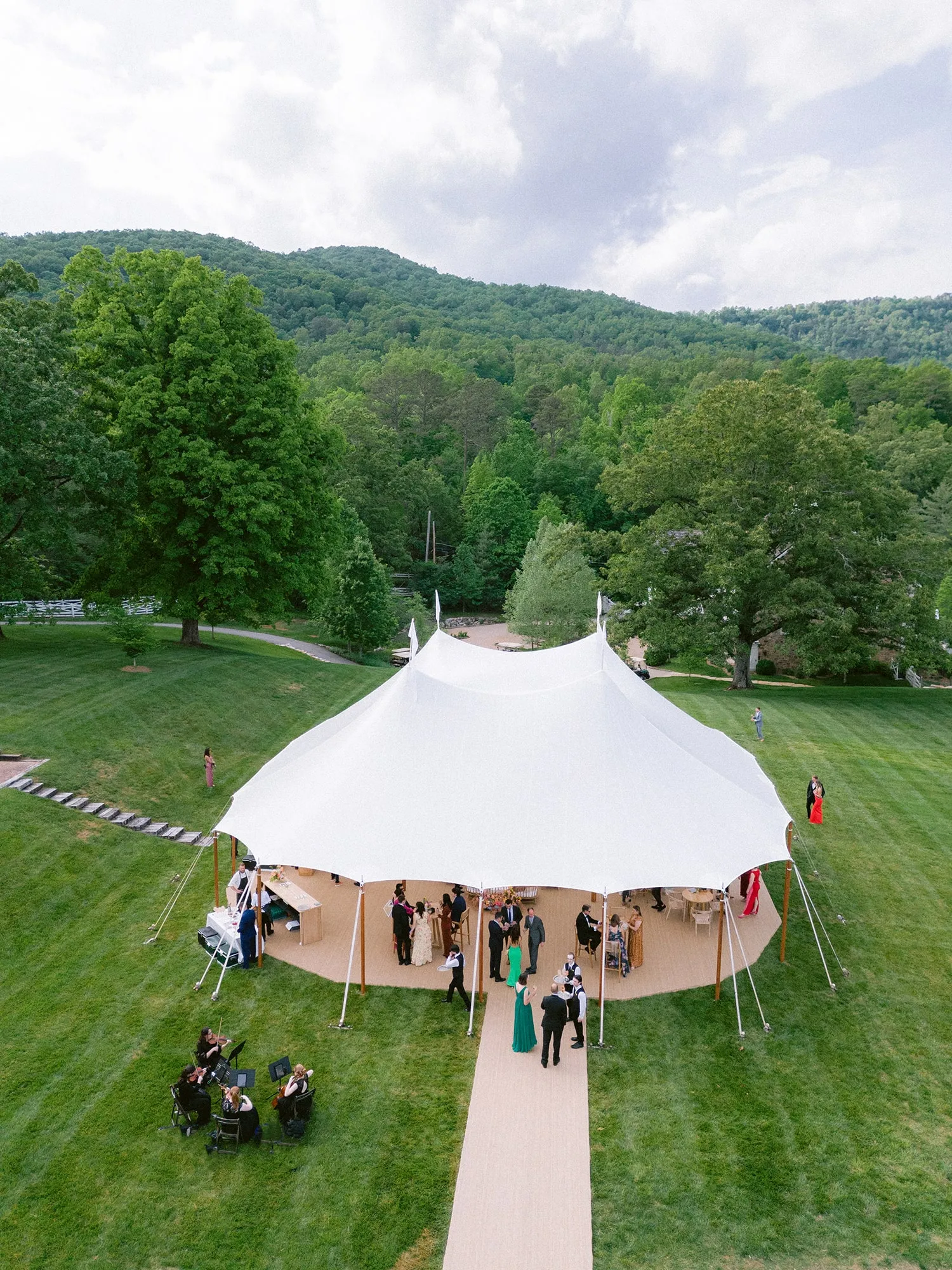
Many couples are incorporating environmentally conscious choices into their wedding planning. Sustainable materials and modern technology can enhance the tent environment while reducing environmental impact.
These features allow couples to host elegant celebrations while supporting responsible event practices.
Modern tent designs also allow for improved climate control and lighting efficiency.
Eco-Friendly Materials for Wedding Tents
Some tent providers now offer materials designed to reduce environmental impact. Recyclable flooring systems, reusable décor, and energy-efficient lighting options can all contribute to a more sustainable event.
Couples may also choose locally sourced flowers, digital invitations, or compostable serviceware to reduce waste during the celebration.
These choices help reduce the environmental footprint of the event while maintaining the high design standards expected at weddings.
Smart Lighting and Ventilation Technology
Modern tent systems can incorporate automated lighting or climate controls. Smart lighting systems allow planners to adjust brightness levels throughout the event, transitioning from dinner to dancing with ease.
Automated ventilation systems and energy-efficient fans can also help maintain a comfortable interior environment while reducing energy consumption.
These technologies provide flexibility during the event and allow planners to adapt lighting or temperature levels as the evening progresses.
Frequently Asked Questions
What is the best tent type for a summer wedding?
Sailcloth and frame tents are among the most popular choices because they combine visual elegance with structural reliability. The best option depends on the venue surface, guest count, and desired aesthetic.
How far in advance should couples book a wedding tent?
Most tent rentals should be booked at least two to three months before the wedding date. Early booking ensures availability and allows time for site inspections and layout planning. See real Skyline weddings in our wedding galleries.
How can couples keep guests comfortable in summer heat?
Good ventilation, shaded areas, and airflow from fans or open sidewalls help keep guests comfortable. Providing cold beverages and shaded lounge spaces can also improve the overall experience.
Conclusion
Planning an outdoor summer wedding with a tent requires thoughtful coordination of structure, design, and logistics. By selecting the right tent size, preparing for weather conditions, designing effective lighting and décor, and coordinating vendors carefully, couples can create a memorable and comfortable outdoor celebration. Skyline Tent Company specializes in designing luxury tented environments for weddings and large-scale events. Schedule a private consultation with our team to explore tent solutions that bring your summer wedding vision to life. Read more in Design Trends Are Popular For Luxury Summer Wedding Tents.