
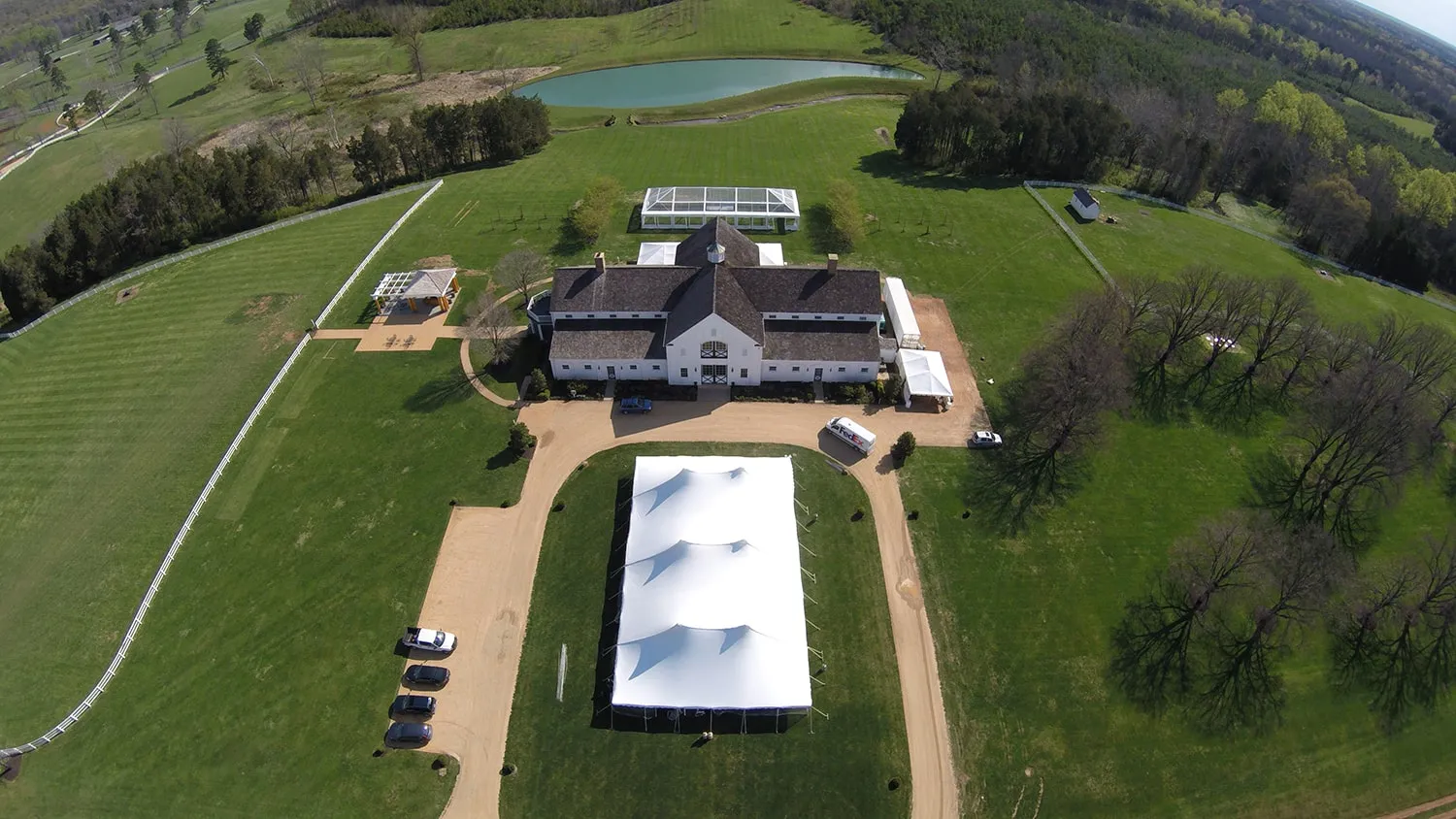
Large luxury wedding tents are installed safely through a structured process that includes detailed site evaluation, engineered structural design, professional installation teams, and secure anchoring systems. Every stage, from planning to final inspection, is carefully managed to ensure the tent remains stable, weather-resistant, and safe for guests throughout the event. When executed correctly, the installation transforms an open space into a refined and secure environment suitable for high-end celebrations.
Luxury tent installations go far beyond simply assembling a structure and are an important part of planning a complete summer wedding tent setup. They require coordination between planners, engineers, and installation crews to ensure that every component performs as expected. The scale of these tents, combined with environmental variables such as terrain and weather, makes safety a central priority throughout the process.
Site Planning and Pre-Installation Preparation
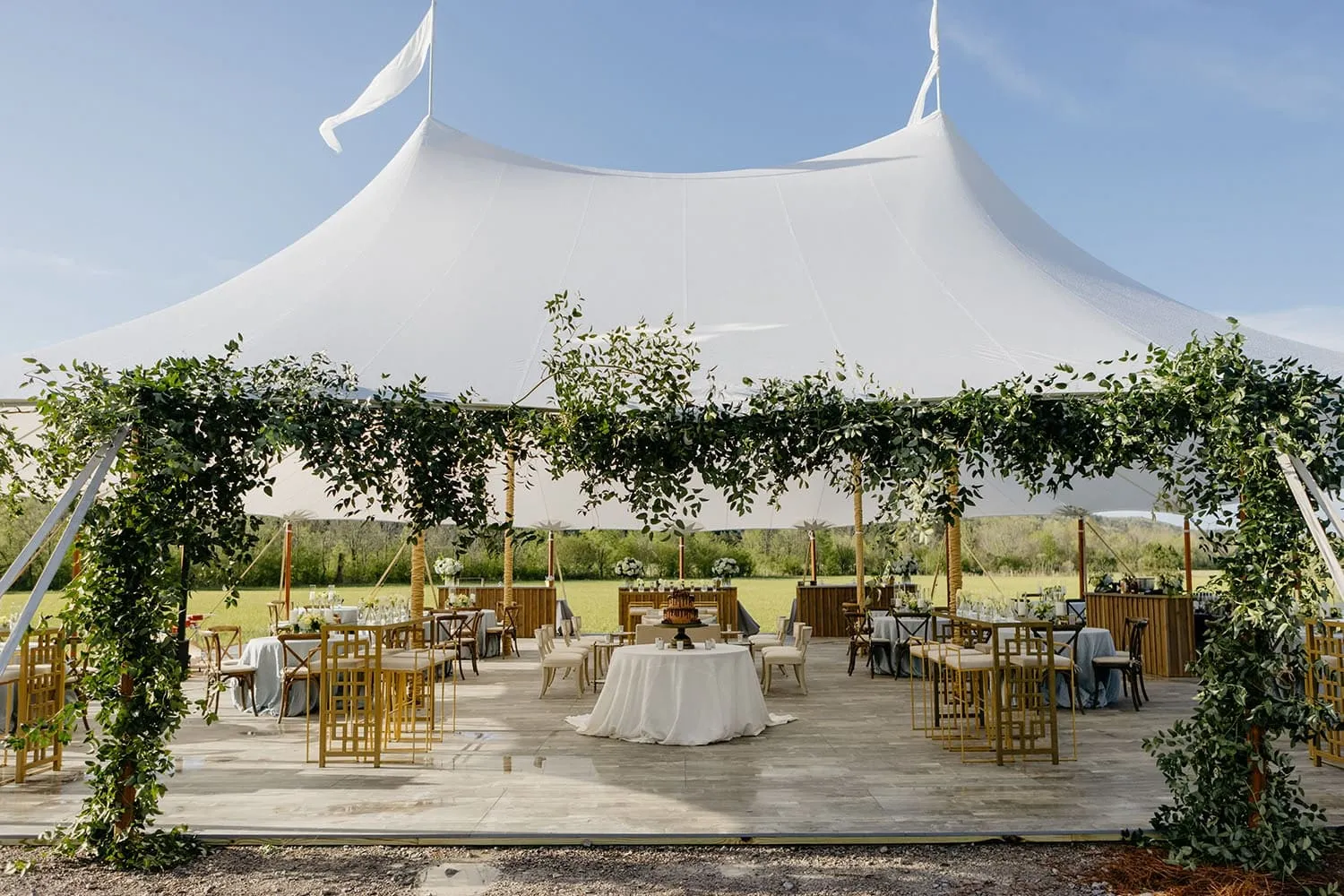
Successful tent installation begins long before equipment arrives on-site. Careful planning ensures that the structure is positioned correctly and supported by appropriate ground conditions.
Pre-installation preparation allows teams to identify potential challenges early and create solutions that support a smoother wedding tent installation timeline.
Site Evaluation and Ground Conditions
A detailed site assessment is essential for determining how the tent will be installed. Installers evaluate terrain, soil stability, drainage patterns, and surrounding structures to ensure the location can support the tent safely.
Important factors considered during site evaluation include:
- Ground level and slope consistency
- Soil type and load-bearing capacity
- Drainage and potential water accumulation areas
Understanding these conditions allows crews to select the correct anchoring method and structural approach. It also helps prevent issues such as shifting, instability, or water-related complications during the event.
In some cases, additional ground preparation may be necessary, such as grading uneven terrain or installing temporary flooring to create a level surface. These measures not only enhance safety but also improve the overall guest experience by providing a stable and comfortable foundation. Site evaluation also includes assessing access routes for delivery vehicles and emergency services, ensuring that the installation process and event operations proceed without interruption.
Pre-Installation Planning and Coordination
Planning involves more than selecting a location. It includes coordinating access points, delivery logistics, and equipment staging areas to ensure a smooth installation process.
Installation teams typically prepare:
- A detailed site layout and tent positioning plan
- Equipment lists and crew assignments
- Timeline for setup, inspection, and final adjustments
This level of coordination ensures that every step of the installation is executed efficiently while maintaining safety standards.
Effective communication among all parties involved is crucial during this phase. Project managers often hold pre-installation meetings to align expectations, review safety protocols, and confirm resource availability. Contingency plans are also developed to address potential challenges such as adverse weather or equipment delays. This proactive approach minimizes risks and helps maintain the project schedule.
Structural Design and Engineering Considerations
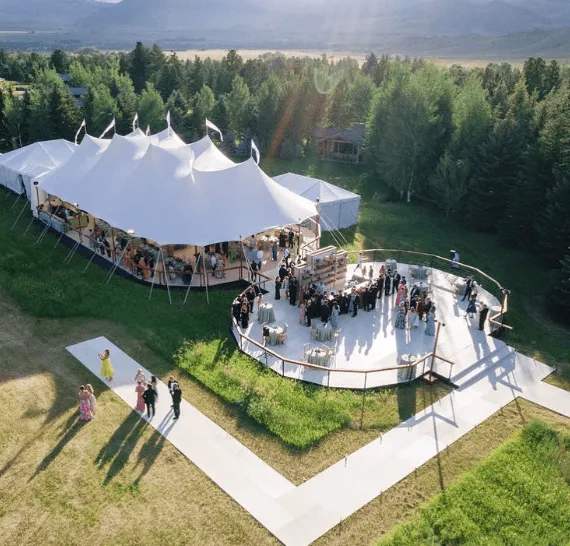
The structural design of a luxury wedding tent determines how it performs under load and environmental conditions. Engineered systems ensure that the tent can handle occupancy, wind, and other external forces without compromising safety.
Each component of the structure is selected based on performance, durability, and compatibility with the overall design.
Engineered Frames and Load Distribution
Modern luxury tents rely on engineered frame systems that distribute weight evenly across the structure. These frames eliminate unnecessary stress points and provide consistent support throughout the tent.
Key structural features include:
- High-strength aluminum frames for durability and stability
- Reinforced connection points that secure structural joints
- Balanced load distribution across beams and supports
These systems allow large tents to maintain their shape and stability even when accommodating significant guest counts and event infrastructure.
Engineering teams use advanced modeling software to simulate various load scenarios, including wind gusts, snow accumulation, and dynamic movement caused by guests or equipment. This analysis informs design decisions that optimize safety and performance. The modular nature of these frames also allows for customization, enabling the creation of unique tent shapes and sizes tailored to specific event requirements.
Fabric Materials and Performance
Tent fabrics play a critical role in both safety and performance. High-quality materials are designed to withstand environmental exposure while maintaining structural integrity.
Performance-focused fabric characteristics include:
- Weather-resistant coatings that repel water and moisture
- UV protection to maintain durability under sunlight
- Flame-retardant treatments that meet safety standards
These materials ensure that the tent remains reliable and visually refined throughout the event.
Fabric selection also considers aesthetic elements such as color, translucency, and texture, which contribute to the overall ambiance of the event. Some fabrics incorporate sound-dampening properties to enhance acoustics within the tent, creating a more pleasant environment for guests. Maintenance and cleaning protocols are established to preserve fabric quality and appearance, especially for tents that are reused multiple times.
Professional Installation Process and Execution

The installation process follows a structured sequence designed to maintain safety at every stage. Professional crews work systematically to assemble the tent, verify stability, and prepare the space for event use.
Each step is carefully coordinated to ensure precision and efficiency.
Step-by-Step Installation Workflow
Tent installation begins with ground preparation and progresses through structural assembly and final inspection. Each phase is completed according to established procedures.
The process typically includes:
- Preparing and leveling the installation area
- Assembling the frame and securing structural components
- Installing fabric coverings and tension systems
- Conducting final inspections before event readiness
Following a defined workflow ensures that no critical steps are overlooked during installation.
During assembly, teams use specialized tools and equipment to handle large components safely and efficiently. Safety checks are performed continuously to identify and mitigate hazards such as unstable footing or improperly secured elements. Once the tent is erected, crews conduct thorough inspections to verify that all connections are tight, fabrics are properly tensioned, and anchoring systems are secure. This meticulous approach guarantees that the tent meets all safety and quality standards before guests arrive.
Role of Skilled Installation Teams
Experienced installation crews play a vital role in ensuring safety and efficiency. Their knowledge allows them to adapt to site conditions and make adjustments when necessary.
Professional teams bring:
- Expertise in handling large-scale tent systems
- Familiarity with safety protocols and structural requirements
- Ability to respond quickly to unexpected challenges
This level of experience ensures the installation meets both technical and aesthetic expectations.
Training and certification programs are often required for installation personnel to maintain high standards of workmanship and safety awareness. Teams work closely with event planners and clients to accommodate specific design preferences and logistical needs. Their ability to troubleshoot on-site issues, such as uneven terrain or last-minute design changes, is critical to delivering a successful installation under tight timelines.
Anchoring Systems and Structural Stability
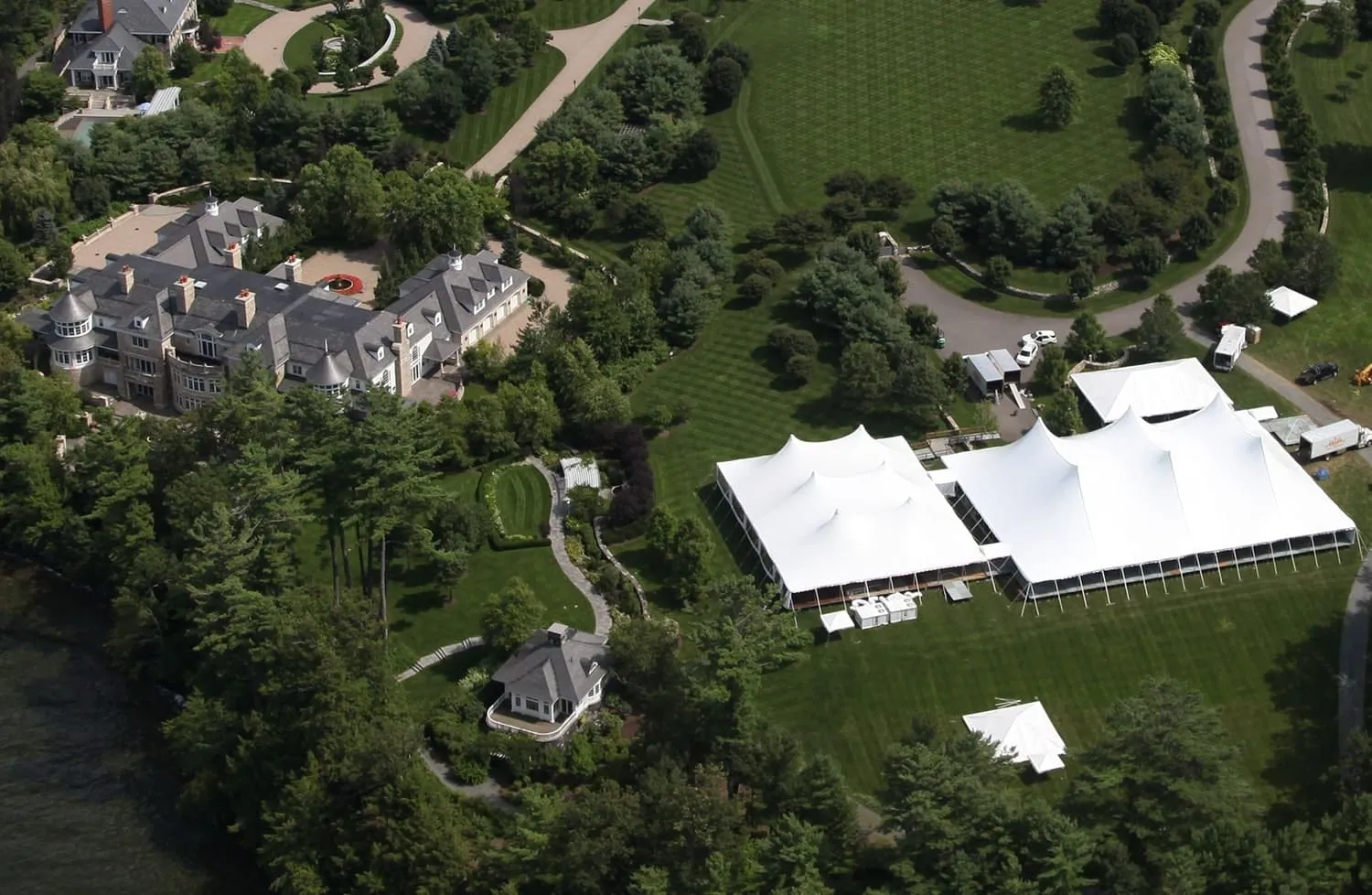
Anchoring is one of the most critical aspects of tent safety. Proper anchoring ensures the structure remains secure under varying conditions, including wind and shifting ground.
The choice of anchoring method depends on site conditions and structural requirements.
Anchoring Methods for Different Surfaces
Different surfaces require different anchoring solutions. Installers select methods based on soil composition, surface type, and load demands.
Common anchoring approaches include:
- Ground stakes driven into soil for secure positioning
- Ballast systems used on hard surfaces where staking is not possible
- Engineered tie-down systems for added stability
Each method is designed to provide reliable support while protecting the integrity of the site.
In addition to selecting the appropriate anchoring technique, installers consider the environmental impact of their methods. For example, temporary anchoring solutions may be used in sensitive ecological areas to minimize ground disturbance. The anchoring system is also designed to accommodate potential changes in soil moisture or temperature that could affect stability during the event.
Reinforcement and Stability Measures
Beyond primary anchoring, additional reinforcement systems enhance stability. These systems distribute tension evenly and reduce movement within the structure.
Reinforcement strategies include:
- Guy lines that provide lateral support
- Tension systems that maintain structural alignment
- Regular checks to ensure anchors remain secure
These measures ensure the tent performs consistently throughout the event.
Periodic tension adjustments may be necessary during the event to respond to shifting loads or environmental changes. Installation teams often use monitoring devices to track structural stress and alert crew members to any areas requiring attention. This proactive reinforcement approach helps prevent structural fatigue and extends the lifespan of the tent components.
Weather Adaptation and Ongoing Safety Monitoring
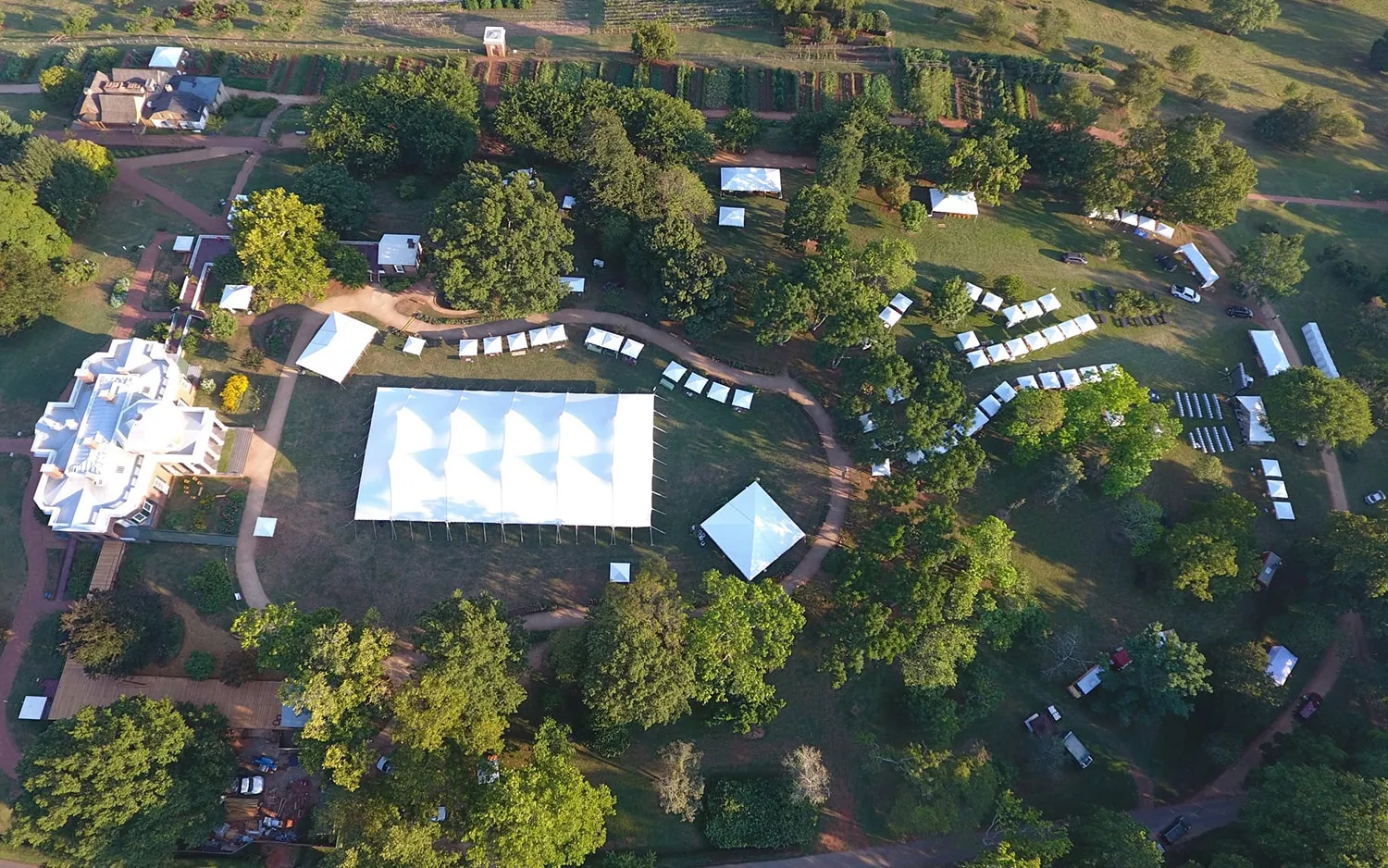
Environmental conditions can change quickly, making ongoing monitoring essential for maintaining safety. Installation teams prepare for these changes by implementing adaptable safety protocols.
A proactive approach helps prevent issues before they impact the event.
Preparing for Wind, Rain, and Temperature Changes
Weather conditions influence how the tent performs during the event. Planning for these variables ensures the structure remains stable and comfortable for guests.
Key considerations include:
- Reinforcing anchoring systems in windy conditions
- Managing water runoff to prevent accumulation
- Ensuring proper airflow during warm temperatures
These strategies allow the tent to perform reliably under different environmental conditions.
Installation teams also monitor weather forecasts closely and have protocols in place to respond to sudden changes. For example, in the event of high winds, temporary closures or evacuations may be coordinated to protect guests. Drainage systems are designed to channel water away from the tent perimeter, preventing flooding or damage to flooring and furnishings. Ventilation features such as adjustable sidewalls and roof vents help regulate temperature and humidity, enhancing guest comfort throughout the event.
Continuous Monitoring and Safety Checks
Safety does not end once the tent is installed. Ongoing inspections ensure that all components remain secure throughout the event.
Monitoring practices typically involve:
- Checking anchor tension and structural alignment
- Observing weather conditions and adjusting as needed
- Maintaining clear communication between crew members
Consistent monitoring ensures that any potential issues are addressed quickly and effectively.
Dedicated safety personnel may be assigned to oversee the tent during the event, conducting regular walkthroughs and coordinating with event staff. Technology such as tension sensors and weather monitoring apps supports real-time decision-making. This vigilant approach helps maintain a safe environment and allows for rapid response to any emerging concerns.
Frequently Asked Questions
How long does it take to install a large wedding tent?
Installation time depends on the size of the tent and site conditions, but large luxury tents typically require coordinated setup over multiple stages to ensure safety and precision.
Can tents be installed on any surface?
Tents can be installed on various surfaces, including grass and hard ground, but the anchoring method must be adjusted to suit the conditions.
Why is professional installation important for large tents?
Professional installation ensures the structure is assembled correctly, anchored securely, and inspected for safety, reducing risks during the event.
Conclusion
Installing a large luxury wedding tent safely requires careful planning, engineered design, skilled execution, and continuous monitoring. Each stage of the process contributes to creating a stable, secure, and visually refined event environment that supports both guest comfort and operational reliability.
Skyline Tent Company specializes in delivering expertly installed luxury tent structures for weddings and large-scale events. Schedule your private consultation to create a tented experience that is both beautifully designed and flawlessly executed.