
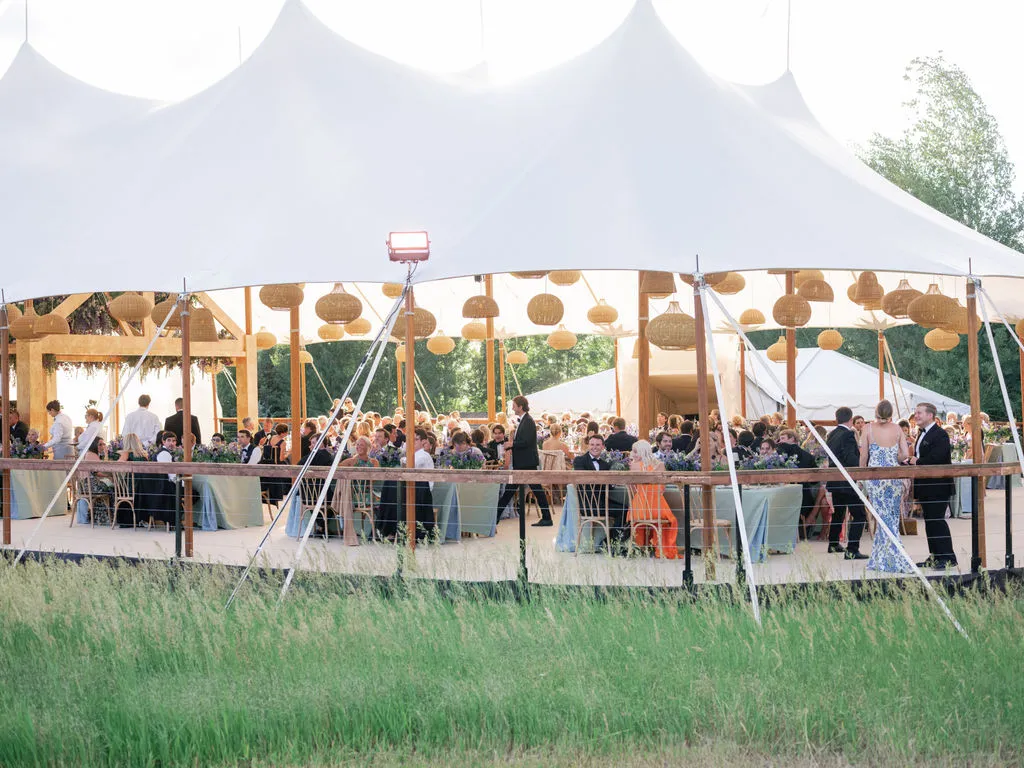
The best tent size for a summer wedding with 100–500 guests depends on guest count, seating layout, and how the space will be used for dining, dancing, and service areas. While general size ranges provide a starting point, the ideal tent must account for circulation, vendor operations, and overall guest comfort. A well-planned tent size ensures the event feels open, organized, and comfortable rather than crowded or underutilized.
Choosing the right tent size is one of the most important decisions in planning a tented wedding, which is why many couples begin with a complete tent guide before finalizing layouts and guest capacity. The structure defines how guests experience the event, how vendors operate, and how the overall design comes together. For larger summer weddings, the tent must support both visual impact and practical functionality.
How to Determine the Right Tent Size for Your Guest Count
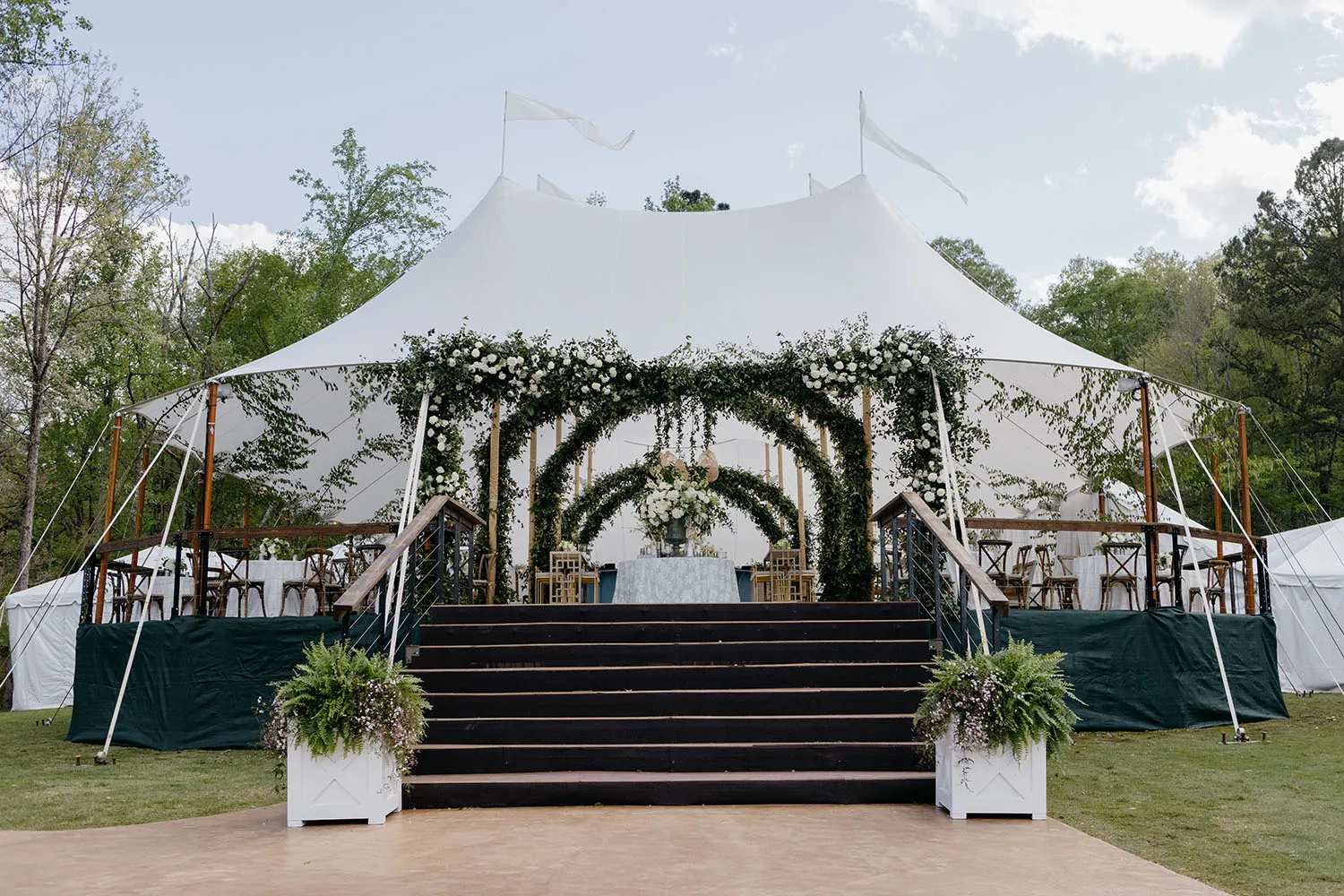
Selecting the correct tent size begins with understanding how the event will function. Guest count alone is not enough layout, service style, and event flow all influence space requirements, especially when planning wedding tent layouts for large summer receptions.
A well-defined plan ensures that every part of the event has enough room without compromising comfort. It is important to map out the event timeline and consider how different activities will overlap or transition, as this can affect how much space is needed at various times. For example, a cocktail hour may require more open space for mingling, while the seated dinner demands a more structured layout.
Consulting with experienced tent rental professionals and event planners can provide valuable insights into space planning. They can help translate guest numbers and event details into practical tent dimensions, ensuring that the final choice supports both the aesthetic vision and operational needs of the wedding.
Estimating Space Per Guest for Summer Weddings
Each guest requires adequate space based on seating style and event layout. Seated dinners need more room for tables and service aisles, while cocktail-style events require less. Features like dance floors and lounges increase overall space requirements.
For summer weddings, spacing should be generous to support airflow, reduce congestion, and maintain comfort during peak conditions. Proper spacing also improves service efficiency by allowing staff to move freely without disruption.
Key spatial planning considerations include:
- Minimum clearance between tables to support guest movement and service access
- Dedicated circulation aisles that remain unobstructed throughout the event
- Separation between high-traffic zones such as bars, dance floors, and seating areas
- Additional space allowances for accessibility, including mobility aids and family movement
Adequate spacing enhances both functionality and inclusivity while creating a clean, balanced visual layout that supports a refined event experience.
Accounting for Event Elements Beyond Seating
Beyond seating, the tent must accommodate a range of additional elements that contribute to the event experience.
These typically include:
- Dance floors, stages, and entertainment setups
- Bars, buffet stations, or service areas
- Lounge seating and transitional spaces
Each of these features requires dedicated space, which must be factored into the overall tent size. Ignoring these elements often leads to overcrowding and limits how effectively the event can function.
For example, a dance floor should be large enough to encourage guests to participate without feeling cramped, while bars and buffet stations need sufficient room to prevent bottlenecks. Lounge areas provide comfortable spots for guests to relax and socialize away from the main dining area, enhancing the overall flow and atmosphere.
Recommended Tent Sizes for 100 to 500 Guests
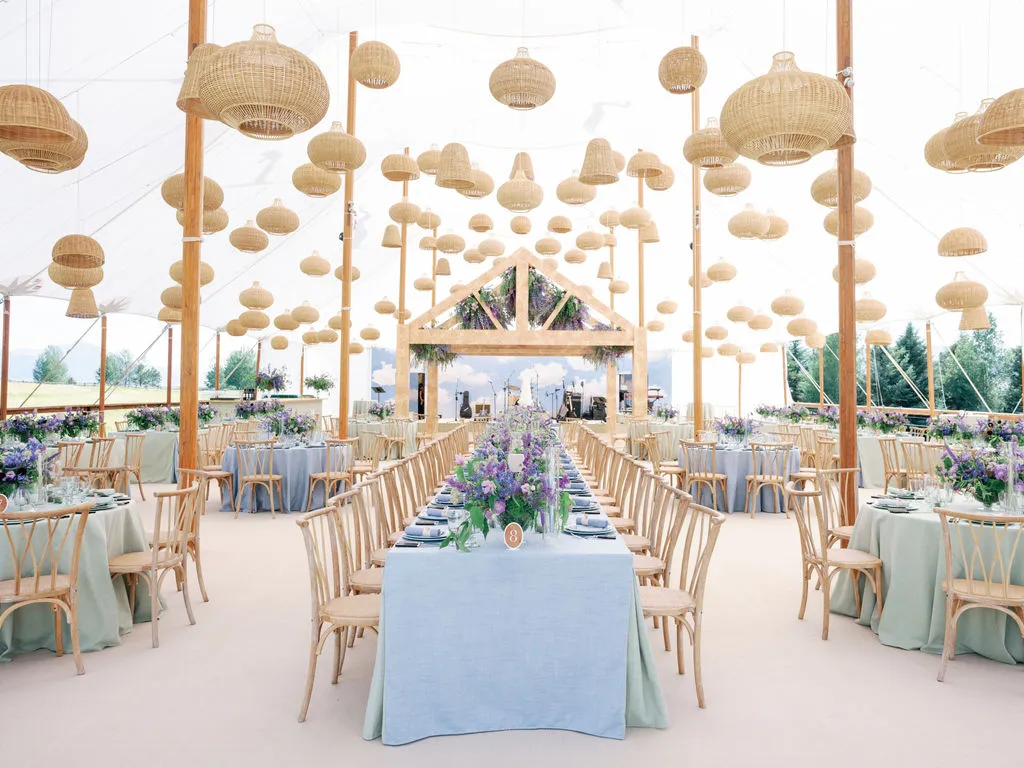
Tent size recommendations provide a starting point, but they must be adjusted based on layout, design, and event requirements. As guest count increases, more space is needed to maintain balance, circulation, and overall comfort.
Smaller weddings may fit within compact tents for simple dining setups, while larger events require expanded footprints to accommodate dining, dancing, and additional features. Elements such as stages, bars, and lounges significantly increase total space requirements.
Key sizing considerations include:
- Guest count in relation to seating style and event format
- Space allocation for dance floors, staging, and service areas
- Circulation paths required for guests and staff movement
- Flexibility to create defined zones within the tent layout
Tent shape also plays an important role in layout efficiency. Rectangular tents offer greater flexibility, making it easier to establish distinct zones for dining, dancing, and social interaction while maintaining a smooth flow throughout the space.
Typical Tent Dimensions by Guest Count
For weddings with 100 to 500 guests, tent sizes generally scale with the complexity of the event. Smaller gatherings may fit comfortably within compact layouts, while larger events require expansive structures.
As guest count increases, additional space is needed for circulation, vendor operations, and design features. The goal is to create an environment that feels open and well-organized.
Larger tents also allow for greater flexibility in layout, making it easier to incorporate multiple zones and design elements.
For example, a wedding with 300 guests might require a tent around 40×80 feet, which can comfortably fit dining tables, a dance floor, and a bar area. For 500 guests, tents of 60×120 feet or larger may be necessary to maintain comfort and flow.
Planning for extra space beyond the minimum requirements can also accommodate unexpected needs, such as additional vendor equipment or last-minute guest additions, ensuring the event runs smoothly without feeling cramped.
Adjusting Size Based on Layout and Experience
Two weddings with the same guest count may require very different tent sizes depending on the layout. A formal seated dinner with a large dance floor requires more space than a simplified layout.
Spacing decisions influence how the event feels. Generous layouts create a sense of luxury and comfort, while tighter layouts may feel more constrained.
Adjusting tent size based on the desired guest experience ensures that the space supports both functionality and atmosphere.
How Seating Layout Impacts Tent Size and Flow
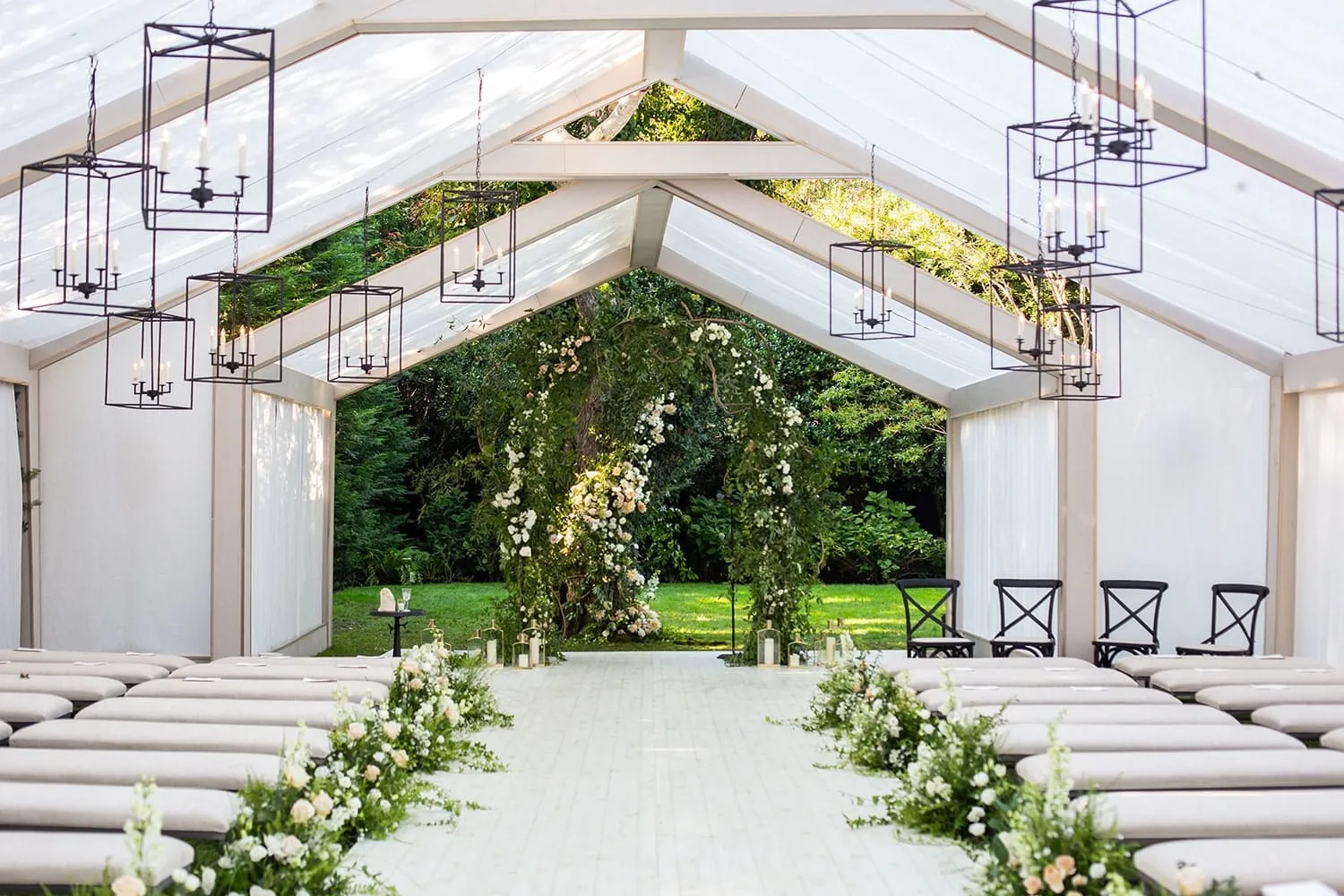
Seating layout is one of the most important factors affecting tent size. The arrangement of tables, chairs, and pathways determines how much space is required.
A well-planned layout improves both comfort and efficiency.
Careful attention to seating layout can also influence the social dynamics of the event. Grouping tables to encourage interaction or creating intimate spaces for smaller groups can enhance the guest experience. The layout should balance accessibility with privacy, allowing guests to feel comfortable and engaged.
Comparing Seating Styles and Space Requirements
Different seating styles require different amounts of space. Round tables typically require more room for circulation, while rectangular tables can be arranged more efficiently.
The choice of seating style should align with the event design while still allowing for comfortable movement. Guests should be able to navigate the space easily without disrupting others.
Spacing between tables should also accommodate service staff, ensuring smooth operation throughout the event.
Designing for Circulation and Guest Movement
Circulation is essential for maintaining a comfortable and functional environment. Guests should be able to move easily between key areas such as dining, dancing, and social spaces.
Wide, clearly defined pathways help prevent congestion and improve overall flow, particularly when managing guest flow planning for larger weddings. Strategic layout planning ensures that high-traffic areas do not interfere with seating or service.
A well-designed layout allows the event to feel seamless, with each area naturally connecting to the next.
Incorporating natural flow patterns into the design can also enhance the guest experience. For example, placing the bar near the entrance or situating the dance floor centrally encourages movement and interaction. Thoughtful circulation planning reduces bottlenecks and keeps the event lively and engaging.
Choosing the Best Tent Type for Large Summer Weddings
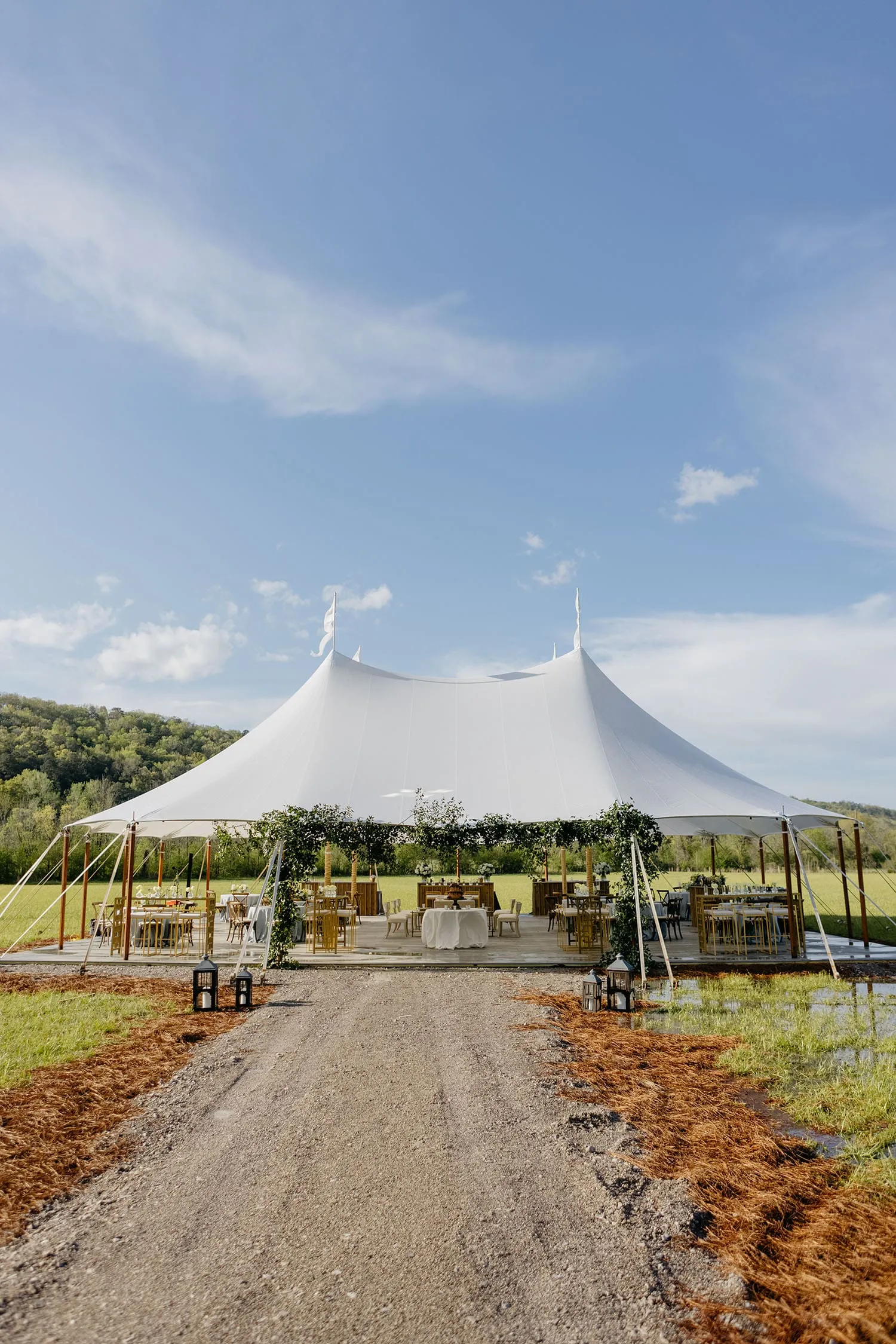
The type of tent selected plays a significant role in both space efficiency and overall experience. Different structures offer varying levels of flexibility, openness, and visual appeal.
Selecting the right tent type ensures that the space meets both functional and aesthetic goals.
Consideration of the tent’s appearance is also important, as it contributes to the overall wedding theme. Some couples may prefer the traditional elegance of a pole tent, while others might opt for the modern look of a clear span tent. The choice should complement the event’s style and setting.
Comparing Pole, Frame, and Clear Span Tents
Each tent type offers distinct advantages depending on the event requirements.
Key differences include:
- Pole tents create a classic look but include interior supports
- Frame tents offer flexible layouts without interior poles
- Clear span tents provide completely open interiors for large-scale events
Selecting a Tent That Enhances Summer Comfort
In summer conditions, tent design should support airflow and temperature control. Open structures allow natural ventilation, while enclosed designs may require additional cooling solutions.
The placement of the tent also affects comfort. Positioning the structure to take advantage of natural shade or airflow improves the overall environment.
Comfort should be considered alongside aesthetics to ensure that guests remain relaxed throughout the event.
Using light-colored tent fabrics can help reflect sunlight and reduce heat buildup inside the tent. Incorporating mesh sidewalls or removable panels allows for adjustable ventilation depending on weather conditions. These design choices contribute to a pleasant atmosphere even during warm summer days.
Enhancing Comfort, Ventilation, and Overall Guest Experience
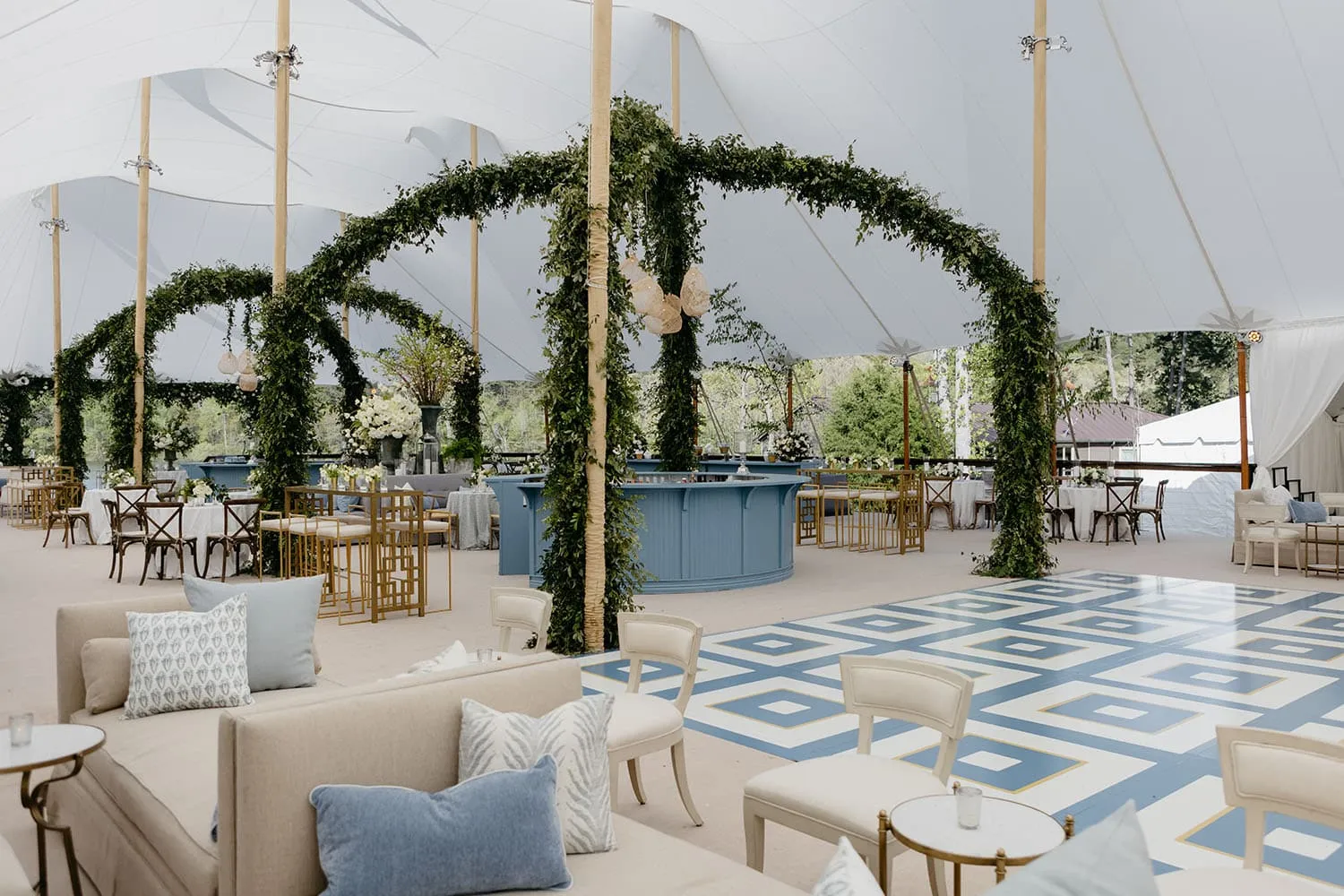
Guest comfort is a critical factor in tented summer weddings. Temperature, airflow, and flooring all contribute to how the space feels.
A well-designed tent environment ensures that guests remain comfortable from start to finish.
Comfort also extends to noise control and lighting. Proper acoustics help maintain a pleasant sound environment, while thoughtful lighting design enhances mood and visibility without causing discomfort. These elements work together to create a memorable and enjoyable event.
Ventilation and Cooling Strategies for Summer Events
Proper airflow helps regulate temperature and prevents the tent from feeling enclosed. Open sides, strategic placement, and ventilation systems all contribute to a more comfortable space.
Cooling strategies may include fans or airflow systems that support consistent circulation. These elements should be integrated into the overall design rather than added as an afterthought.
A balanced approach ensures that the environment remains comfortable without disrupting the visual aesthetic.
Flooring, Shade, and Environmental Considerations
Flooring improves stability and enhances the overall experience by creating a consistent surface underfoot. It also helps manage ground conditions and supports event layout.
Shade plays an important role in maintaining comfort during daytime events. Tent materials and positioning should help reduce direct sunlight exposure.
Environmental considerations should be addressed early in the planning process to ensure that the tent performs effectively under summer conditions.
Choosing flooring materials that are durable and slip-resistant enhances safety, especially if the event involves dancing or high foot traffic. Additionally, incorporating natural elements such as plants or fabric draping can soften the environment and contribute to a cooler, more inviting atmosphere.
Frequently Asked Questions
What size tent is needed for 200 guests?
The required size depends on layout, but a medium-to-large tent with space for dining and a dance floor is typically needed.
How do you calculate tent size for a wedding?
Calculate based on guest count, seating style, and additional features such as dance floors, bars, and service areas.
What type of tent is best for large summer weddings?
Clear span tents are often preferred because they provide open interiors and flexible layouts.
Conclusion
Choosing the right tent size for a summer wedding is about more than accommodating guests, it is about creating a space that feels comfortable, functional, and visually refined. By considering layout, tent type, and environmental factors, couples can design an event that flows effortlessly and enhances the overall experience.
Skyline Tent Company specializes in creating premium tented environments tailored to weddings of every scale. Schedule your private consultation to design a space that brings your vision to life with precision and elegance.