
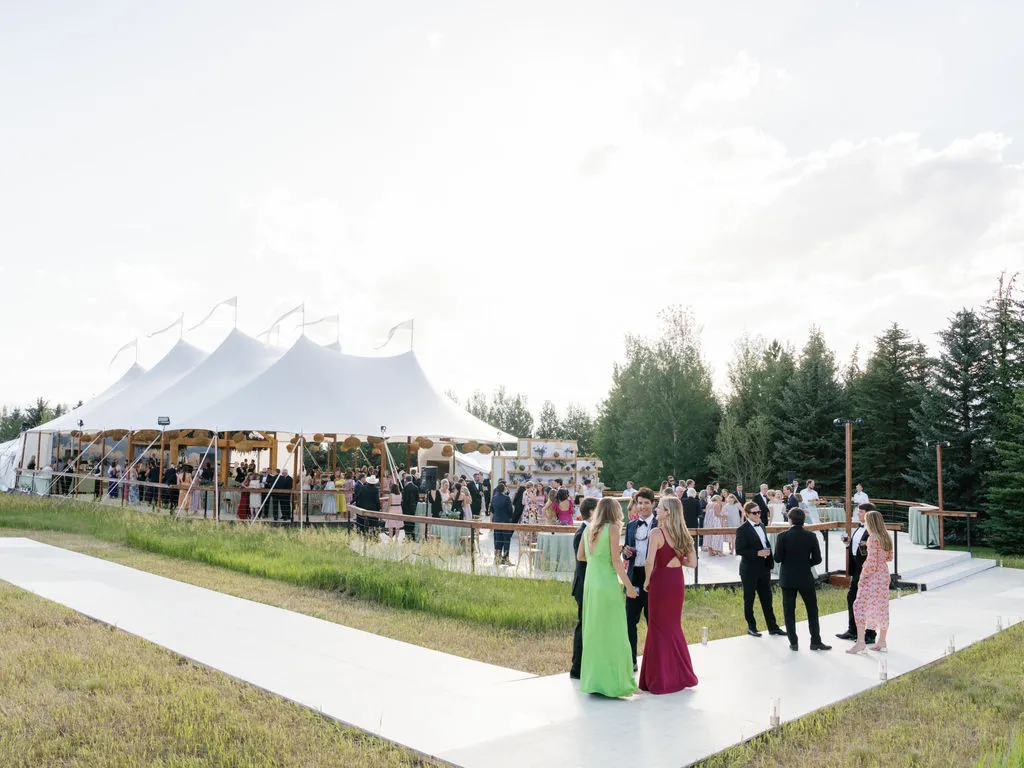
Dance floor layouts inside summer wedding tents work by balancing space, placement, and guest flow to create an inviting and functional focal point for the reception. The most effective layouts position the dance floor where it is visible, accessible, and integrated with surrounding seating and entertainment. When designed correctly, the dance floor becomes the center of energy within the tent, encouraging participation while maintaining smooth movement throughout the event.
A well-planned dance floor does more than provide space for dancing, it influences how guests interact, where they gather, and how the entire reception unfolds, which is why many planners start with a complete tent guide before designing reception layouts. From sizing to placement, every decision affects both the atmosphere and operational flow.
In summer tent settings, these decisions become even more important. The layout must account for ventilation, circulation, and comfort while supporting entertainment and visual design. When these elements are aligned, the dance floor enhances both the experience and the overall structure of the event. A thoughtfully positioned and scaled dance area also helps anchor the layout, giving the entire tent a clear sense of purpose and direction.
Determining the Right Dance Floor Size for Your Wedding
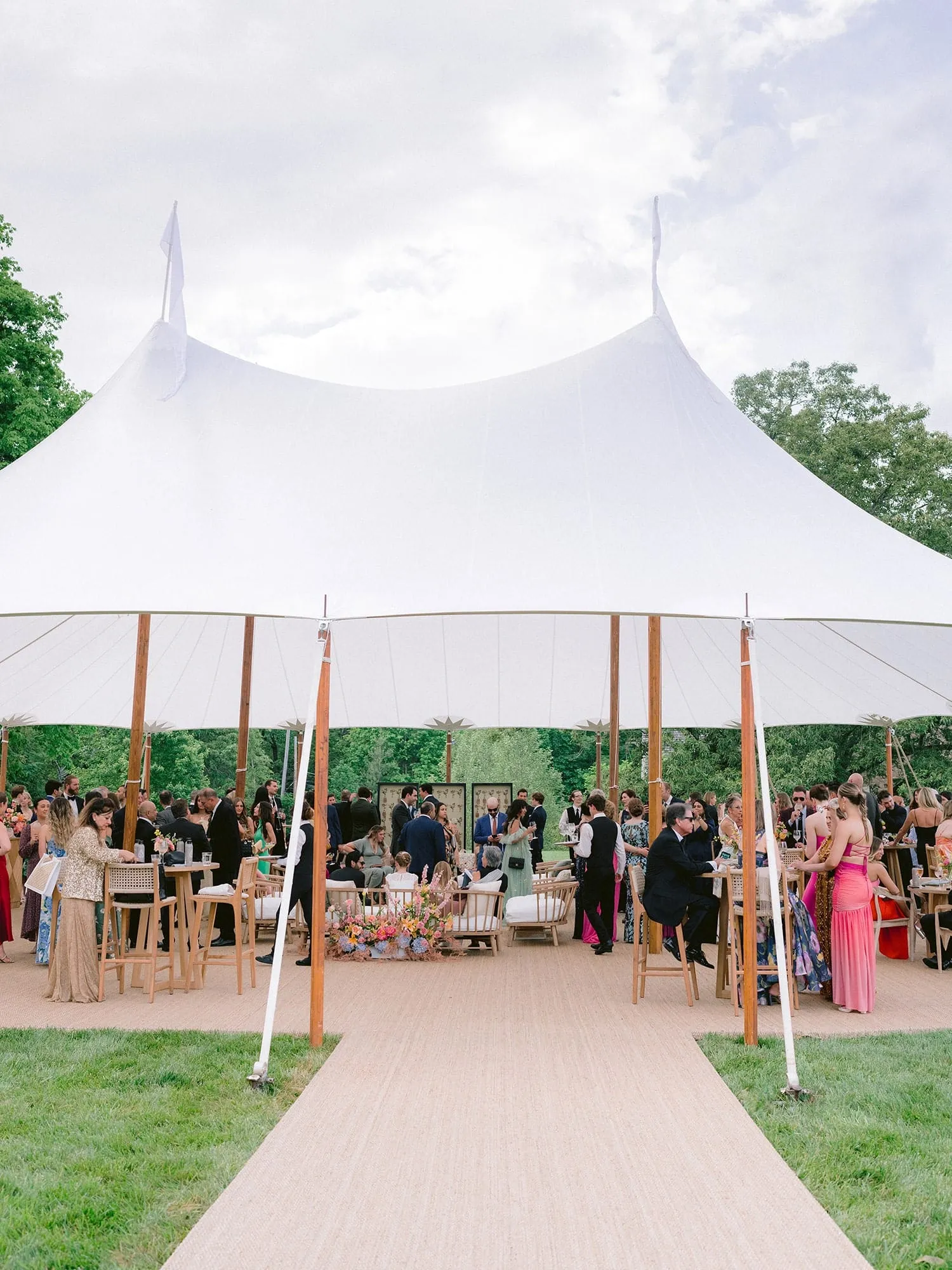
Selecting the appropriate dance floor size ensures guests can move comfortably while maintaining energy and engagement. The goal is to create a space that feels active without becoming overcrowded. For more detail, see our article A Guide to Determining the Right Tent Size for Your Guests.
Sizing decisions should be based on expected participation rather than total guest count alone. Understanding how guests will interact with the entertainment helps refine the overall dimensions of the floor.
Estimating Space Per Dancing Guest
A practical guideline is to allocate approximately 4 to 5 square feet per dancing guest. This allows enough room for movement while keeping the space lively and full.
Not all guests will be on the dance floor at once, so estimating participation is key. Events with strong entertainment or younger guest demographics may require larger dance areas.
Planning for peak moments, such as after dinner or during key songs, ensures the floor remains comfortable even at its busiest. This approach helps avoid overcrowding while maintaining an energetic atmosphere that encourages guests to join in.
Adjusting Size Based on Tent Layout
Dance floor size must align with the overall tent layout, ensuring space for dining, circulation, and service areas without conflict. Larger floors suit expansive tents, while compact layouts require careful balance to maintain functionality.
Key layout considerations include:
- Allocating space for dining tables without restricting movement
- Maintaining clear circulation paths around the dance floor
- Positioning service areas so they do not interfere with guest flow
- Ensuring proportional balance between the dance floor and surrounding elements
Proper sizing keeps the floor proportional to the space and supports a cohesive layout. It also allows flexibility in arranging nearby elements, ensuring the dance floor remains a focal point without overwhelming the overall design.
Choosing the Best Placement for the Dance Floor
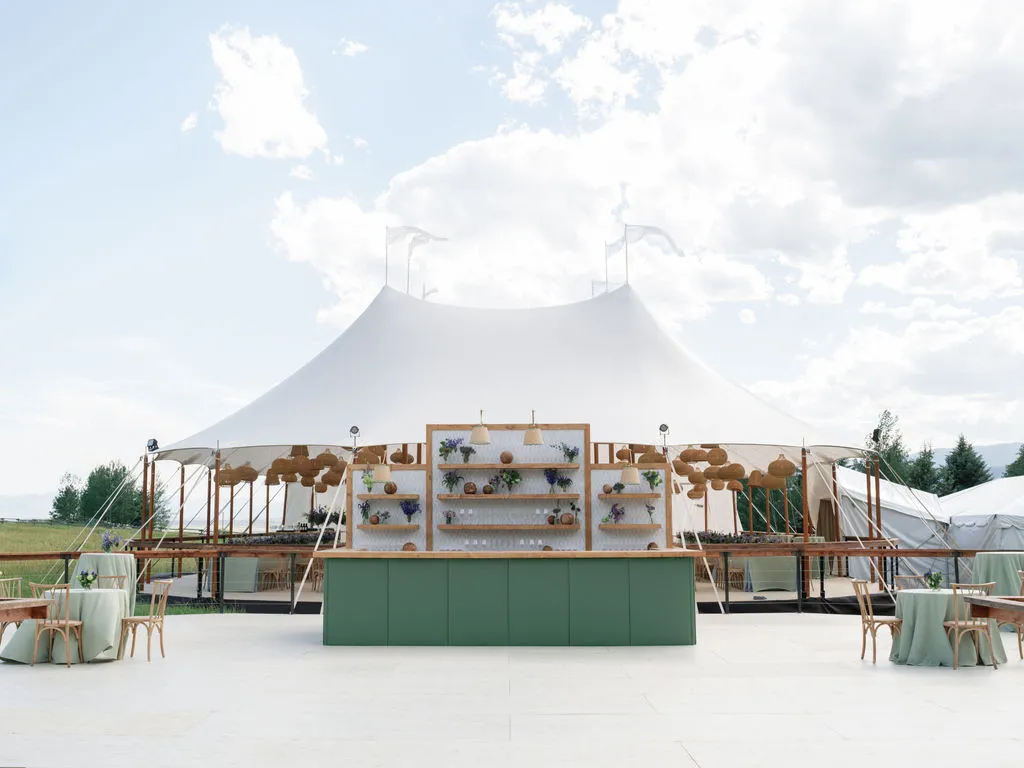
Placement is one of the most important factors in dance floor design. The location determines visibility, accessibility, and how guests engage with the space.
A well-positioned dance floor naturally draws guests in and becomes a central feature of the event. Its placement should feel intuitive within the overall layout.
Central vs. Offset Dance Floor Placement
A central dance floor is often the most effective option, as it keeps the energy of the event visible from all areas. Guests seated at tables can easily observe and join the activity.
Offset placement can also work in certain layouts, particularly when emphasizing a stage or creating distinct zones. This approach allows for more structured organization while maintaining accessibility.
The choice between central and offset placement should reflect the overall event design and flow. Each option offers unique advantages depending on the scale and style of the celebration.
Aligning the Dance Floor With Entertainment
The dance floor should be positioned in relation to the band or DJ to create a cohesive focal point, especially when arranging bars and service stations within the tent layout. Guests naturally gravitate toward the source of music and energy.
Keeping the entertainment and dance floor aligned ensures a stronger visual and experiential connection. This arrangement also simplifies technical setup and improves sound distribution.
When these elements are coordinated, the dance area becomes more engaging and inviting. It also helps maintain consistent energy throughout the event, encouraging guests to stay connected to the celebration.
Designing Layouts That Support Guest Flow and Interaction
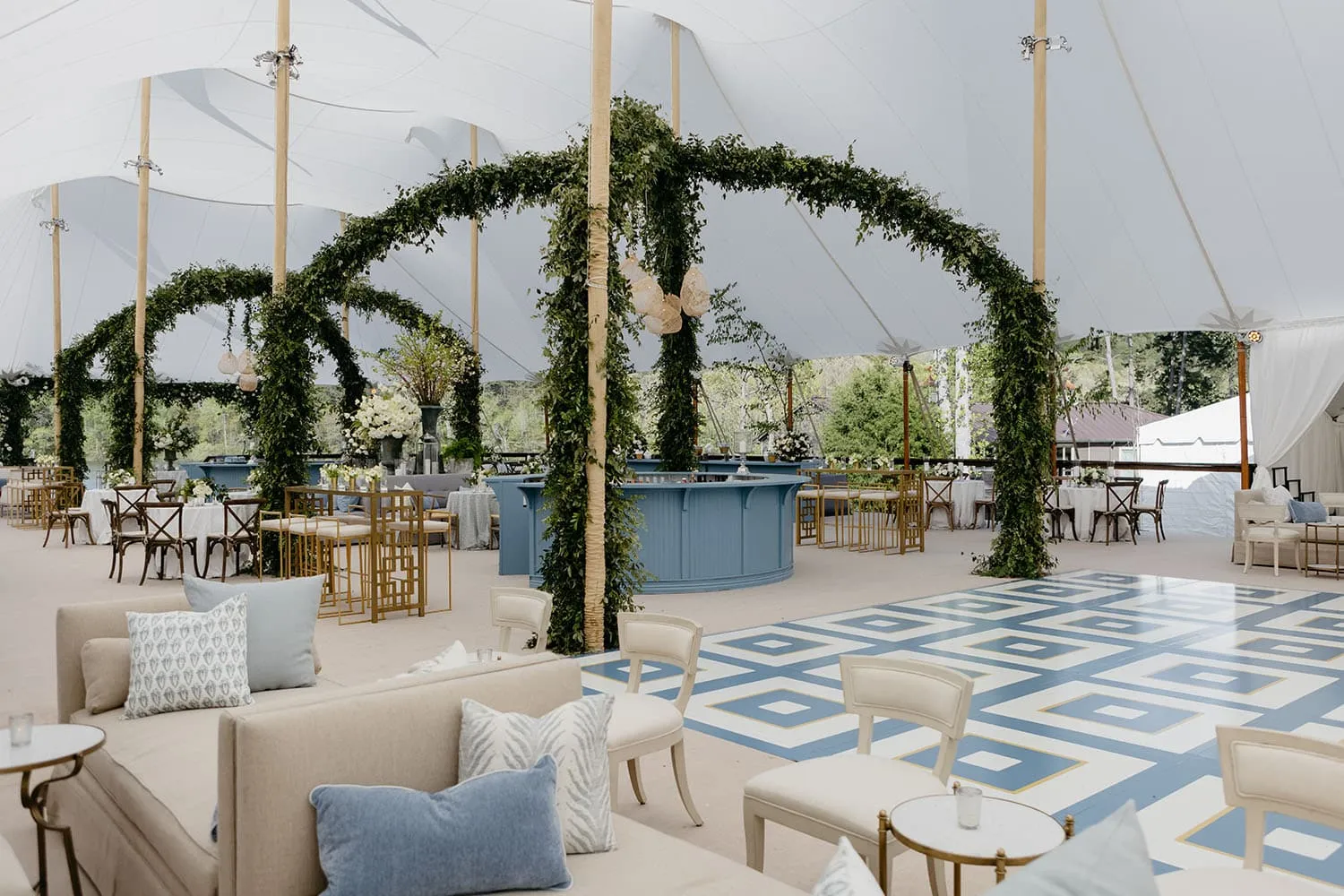
A successful dance floor layout works in harmony with the surrounding environment. Seating, pathways, and social areas should all support easy movement.
The goal is to create a space where guests can transition naturally between activities. This balance helps maintain both energy and comfort throughout the event.
Arranging Seating Around the Dance Floor
Seating should be positioned to maintain clear access to the dance floor while preserving sightlines. Guests should feel connected to the activity even when seated.
Common approaches include perimeter seating or mixed layouts that combine dining tables with lounge areas. These arrangements create a balance between participation and relaxation. For more detail, see our article Perfect Tent Layouts for Outdoor Wedding Receptions.
Providing nearby seating also encourages guests to remain engaged throughout the event, particularly when incorporating wedding tent lounge areas for relaxation and conversation. It allows them to step away from the dance floor without feeling disconnected from the experience.
Maintaining Clear Circulation Paths
Clear pathways are essential for maintaining flow. Guests should be able to move between seating, bars, and the dance floor without obstruction. For more detail, see our article The Essential Guide to Luxury Fall Wedding Tent Layouts.
Key layout considerations include:
- Wide aisles leading directly to the dance floor
- Separation between high-traffic zones such as bars and seating
- Unobstructed routes for both guests and service staff
Well-defined circulation paths prevent congestion and allow the event to feel open and organized. They also support efficient service, ensuring staff can move seamlessly without disrupting guest experience.
Selecting Flooring Materials and Ensuring Safety
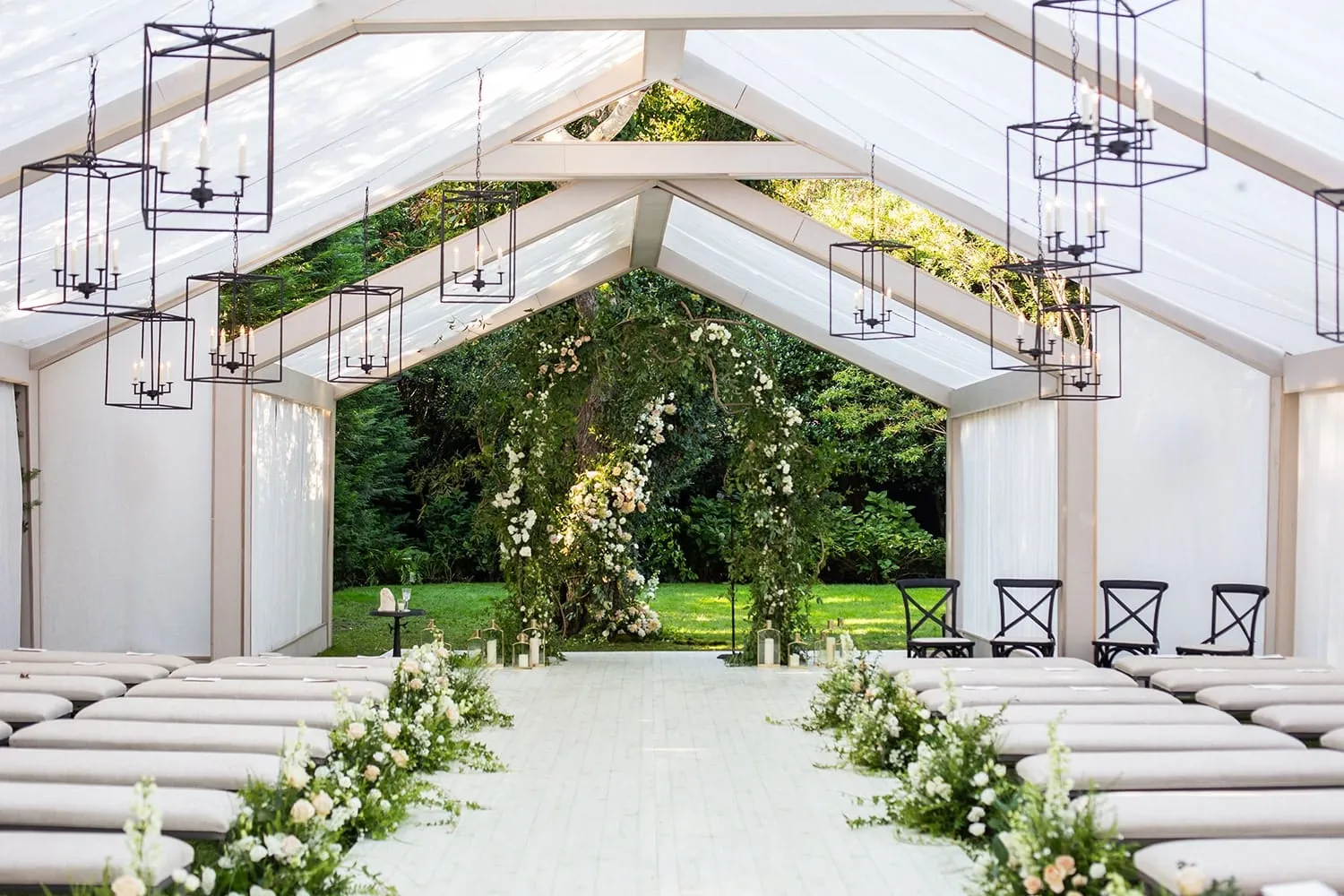
Dance floor materials and construction play a critical role in both performance and safety. The surface must be stable, durable, and comfortable for extended use.
Choosing the right flooring enhances both functionality and overall design. It also ensures that the dance area performs consistently throughout the event.
Best Flooring Options for Summer Wedding Tents
Engineered wood flooring is a preferred option for its durability, stability, and refined appearance, making it well-suited for active dance environments. Modular flooring systems provide flexibility and can adapt to varying layouts and uneven terrain, which is especially important for outdoor installations. For more detail, see our article Sailcloth Tent Layouts for Cozy Fall Wedding Receptions.
Key flooring considerations include:
- Surface durability to support continuous foot traffic and dancing
- Structural stability across different ground conditions
- Flexibility to accommodate custom layouts and tent configurations
- Compatibility with the overall event design and aesthetic
The selected material should integrate seamlessly with the tent structure and surrounding layout while maintaining consistent performance throughout the event.
Safety and Stability Considerations
Safety begins with proper installation and site preparation. The ground should be level and secure to support the flooring system.
Important safety factors include:
- Slip-resistant surfaces that reduce the risk of falls
- Secure connections between flooring panels
- Stable transitions between flooring and surrounding areas
Regular checks throughout the event help maintain a safe environment for all guests. A stable and secure dance floor allows guests to enjoy the event with confidence and comfort.
Enhancing the Dance Floor With Lighting and Design
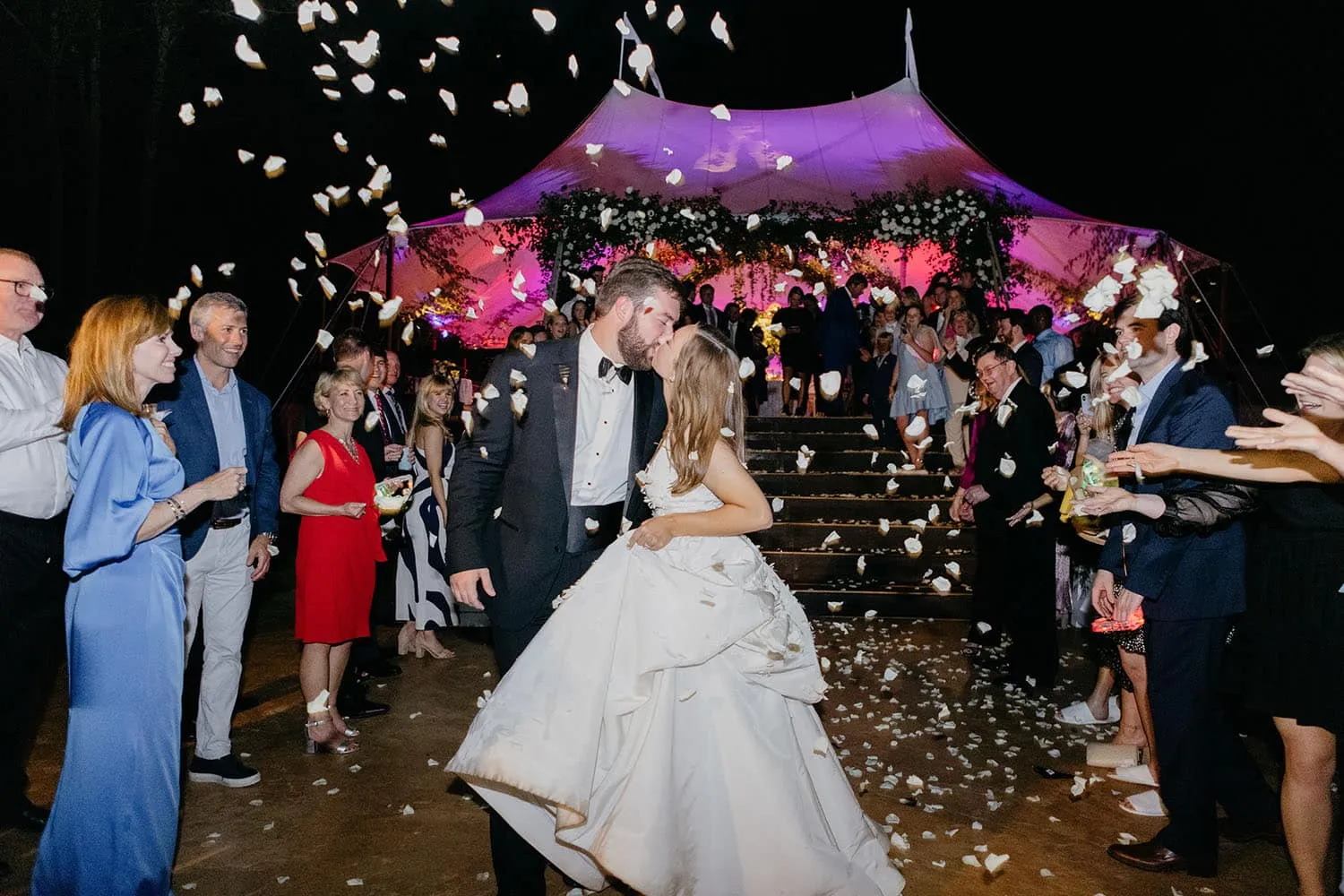
Lighting and décor define the atmosphere of the dance floor and influence how guests interact with the space. A well-designed environment encourages participation and enhances the overall experience.
These elements should work together to create a cohesive and visually engaging setting that evolves throughout the event.
Lighting Techniques That Highlight the Dance Floor
Layered lighting creates depth and draws attention to the dance area. Overhead fixtures such as chandeliers or string lights provide ambiance, while accent lighting adds focus.
Lighting should evolve throughout the event, transitioning from soft illumination during dinner to more dynamic effects during dancing. This progression helps maintain energy and engagement.
Strategic lighting placement ensures the dance floor remains the visual centerpiece. It also enhances the overall atmosphere, creating a memorable environment for guests.
Integrating Décor With Dance Floor Design
Décor should complement the dance floor without obstructing movement. Elements such as floral arrangements, draping, and coordinated color palettes help unify the space.
Design details should enhance visibility and flow rather than compete with functionality. A balanced approach ensures that the dance floor remains both practical and visually appealing.
When décor and layout are aligned, the entire tent feels cohesive and intentional. This integration elevates the overall design and reinforces the sense of a thoughtfully curated event.
Frequently Asked Questions
How big should a dance floor be for 150 guests?
It depends on participation, but a medium-sized floor that allows comfortable movement is typically recommended.
Where is the best place to put a dance floor in a wedding tent?
A central location is usually best, as it improves visibility and encourages guest participation.
What type of flooring is best for outdoor wedding tents?
Engineered wood or modular flooring systems are commonly used for their stability and durability. For a tent layout sized to your guest list, request a quote.
Conclusion
A well-designed dance floor layout transforms a wedding tent into a dynamic and engaging environment. By carefully planning size, placement, materials, and lighting, couples can create a space that feels both functional and inviting. You may also find Summer Wedding Tent Layouts: Maximizing Airflow and Space helpful.
Skyline Tent Company specializes in designing premium tent environments that bring every element together seamlessly. Schedule your private consultation to create a wedding experience that is elevated, refined, and unforgettable. Answers to common rental questions are in our tent rental FAQs.