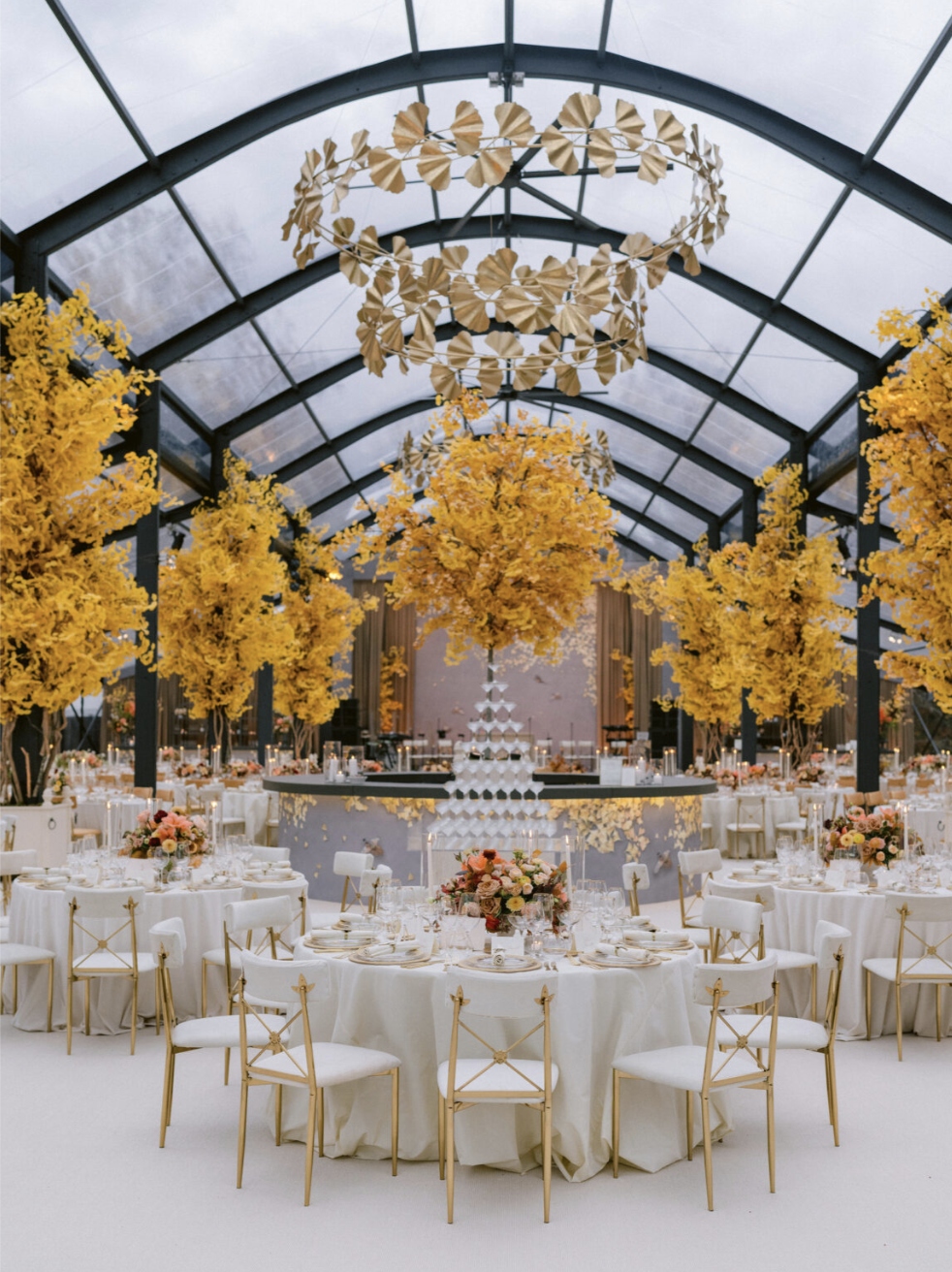
Outdoor corporate tents provide a controlled, customizable environment that allows businesses to host high-impact summer events without the limitations of traditional venues, making them ideal for summer corporate tents. The right tent structure, combined with thoughtful layout, lighting, flooring, and climate control, directly influences how the event performs and how guests experience it. These tents also offer the flexibility to adapt to various weather conditions, ensuring that events proceed smoothly regardless of unexpected changes in temperature or precipitation.
A successful corporate tent event is not defined by the structure alone. It is the combination of design decisions, technical planning, and execution that creates a space that feels intentional, comfortable, and aligned with brand objectives. When all elements work together, the result is an environment that supports engagement, presentation, and seamless guest flow. Incorporating elements such as branded décor, interactive technology, and customized signage further enhances the guest experience and reinforces the company’s message.
What Tent Structure Should You Choose for Corporate Events?
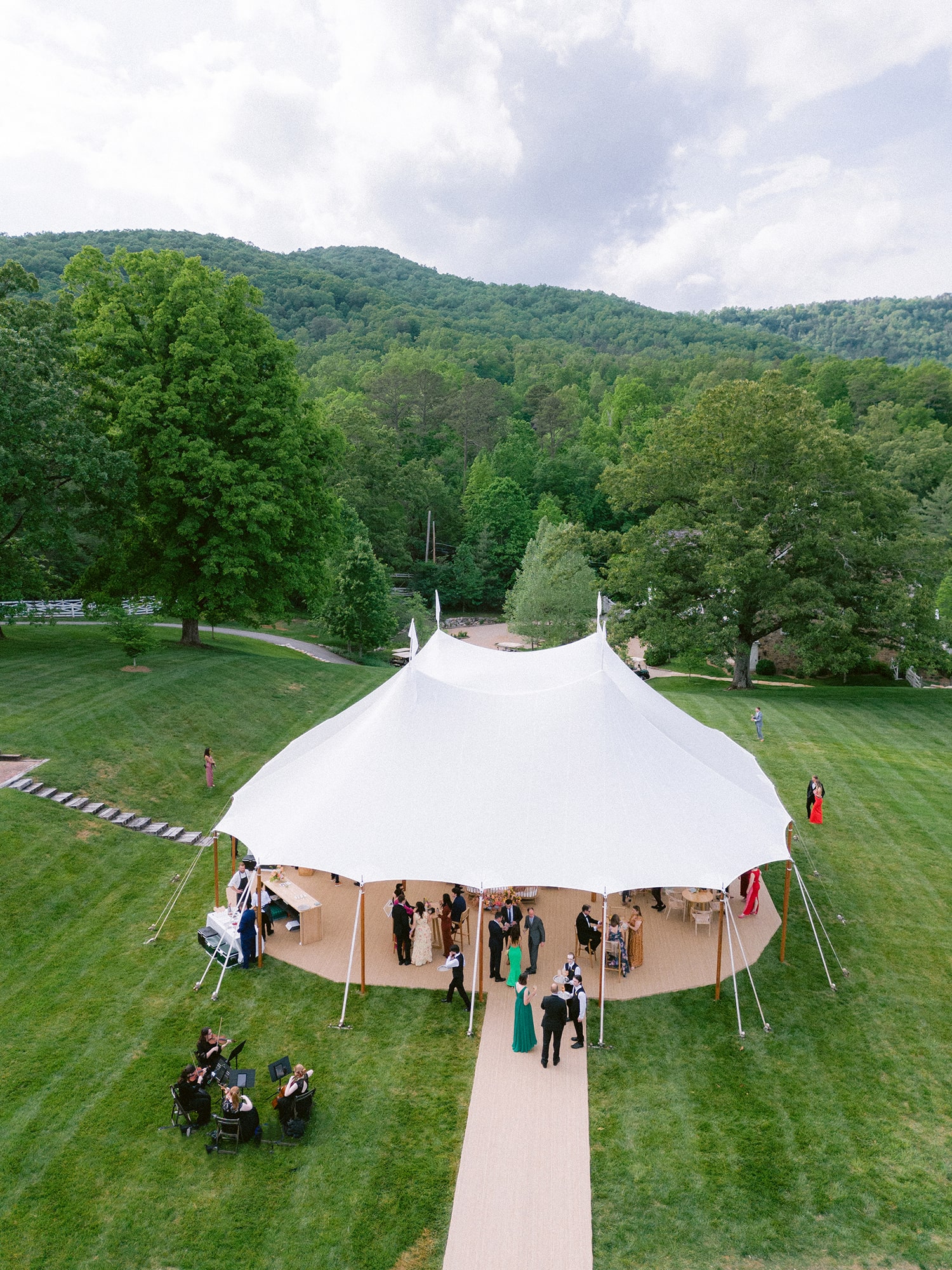
The type of tent selected shapes everything that follows. It affects layout flexibility, technical capabilities, and the overall atmosphere of the event. Selecting the appropriate tent also impacts logistical considerations such as setup time, transportation, and cost efficiency.
Understanding Core Tent Options
Each structure serves a different purpose depending on the scale and function of the event. Understanding the unique benefits and limitations of each tent type helps event planners make informed decisions that align with their goals.
Clearspan tents are often the preferred choice for large corporate gatherings. Their open interiors allow complete flexibility, making them ideal for conferences, exhibitions, and events that require staging or audiovisual integration. The absence of internal poles maximizes usable space and sightlines, which is critical for presentations and performances.
Matching Structure to Event Function
Selecting a tent is not just about appearance. It should support how the event operates. The choice of structure influences acoustics, lighting options, and the ease of integrating technology, all of which affect the overall event experience.
For presentation-heavy events, clear sightlines and technical support become critical. For networking-focused events, open layouts and natural movement matter more. Additionally, the tent’s ability to accommodate catering setups, registration areas, and breakout spaces should be considered.
Key factors to evaluate include:
- Guest count and event scale
- Site limitations and surface conditions
- Technical requirements such as lighting and AV
- Desired atmosphere and brand alignment
- Duration and timing of the event
- Accessibility and emergency egress considerations
When structure and function align, the event feels natural and well-organized. This alignment also facilitates smoother coordination among vendors and staff, reducing the risk of operational issues during the event.
How Can You Design Tent Layouts That Support Flow and Engagement?
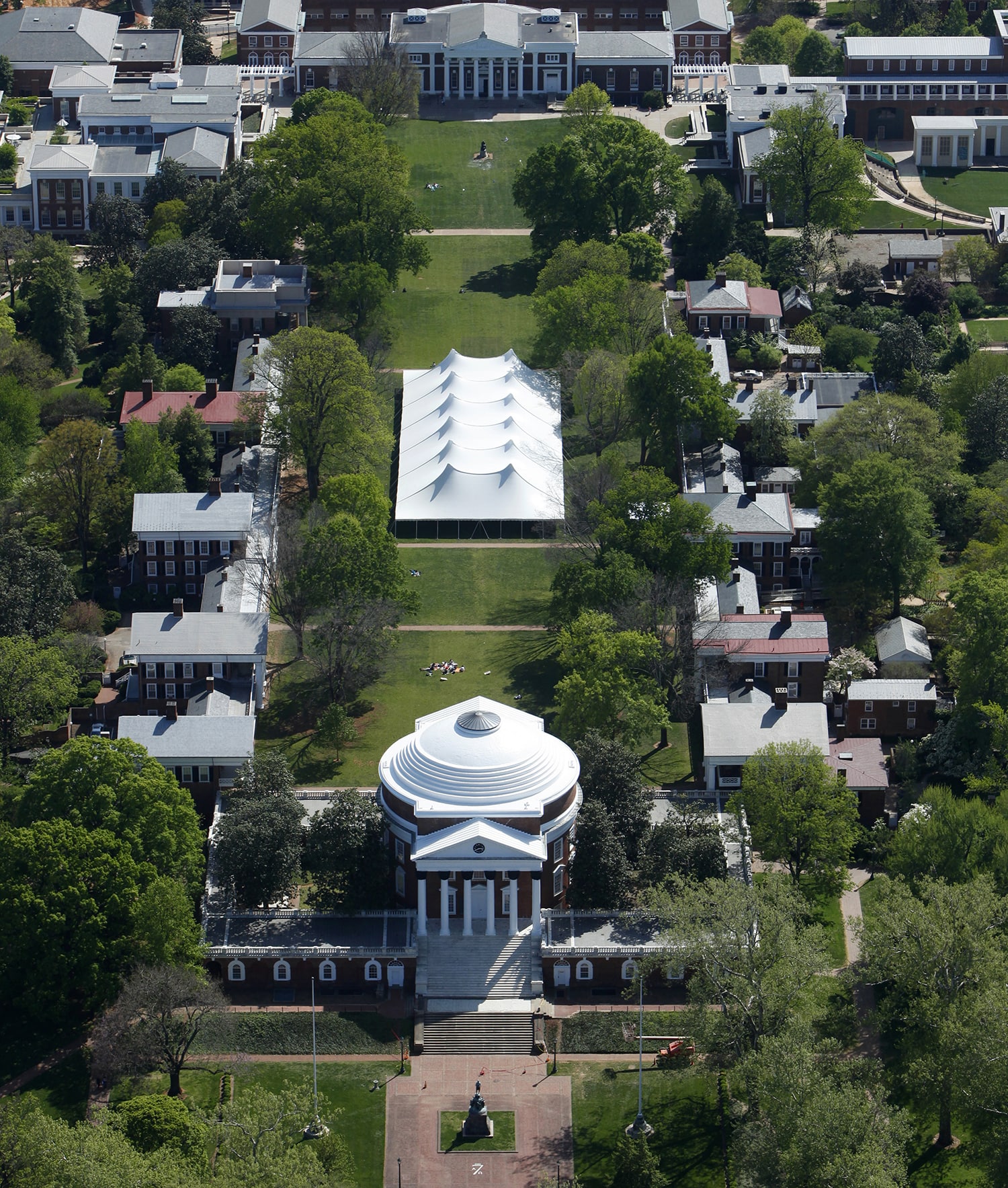
A well-designed layout determines how guests move, interact, and experience the event. Poor layout creates friction, while strong layout feels effortless. Thoughtful spatial planning can also enhance safety by minimizing bottlenecks and ensuring clear evacuation routes.
Planning for Movement First
Instead of focusing only on where things go, effective layouts start with how people move. Understanding guest behavior and anticipated traffic patterns informs the placement of key elements.
Guests should be able to:
- Enter and exit without congestion
- Navigate between areas without confusion
- Access key features without disruption
Pathways should be clear and intuitive. High-traffic areas such as bars and entry points should be positioned to distribute movement evenly. Incorporating signage and visual cues can further assist guests in navigating the space.
When flow is prioritized, even large events feel manageable and organized. This approach also supports inclusivity by accommodating guests with mobility challenges through wider aisles and accessible routes.
Creating Defined Yet Connected Spaces
Breaking the tent into zones improves clarity without restricting movement. Zoning also allows for tailored experiences within the same event, such as quiet areas for meetings and lively spaces for socializing.
A typical corporate tent layout may include: Read more in Elegant Tent Rentals for Unforgettable Corporate Events.
- A central presentation or stage area
- Networking or lounge spaces
- Dining or hospitality sections
- Service and operational zones
These areas should feel connected rather than isolated, which is a key principle behind successful custom layouts. Subtle transitions, such as lighting changes or furniture placement, help define spaces without creating barriers. Incorporating flexible furniture and modular elements allows the layout to adapt as the event progresses.
The goal is to guide guests naturally through the environment. This intentional design enhances engagement by encouraging movement and interaction while maintaining comfort.
What Role Do Lighting and Flooring Play in Enhancing the Event Environment?
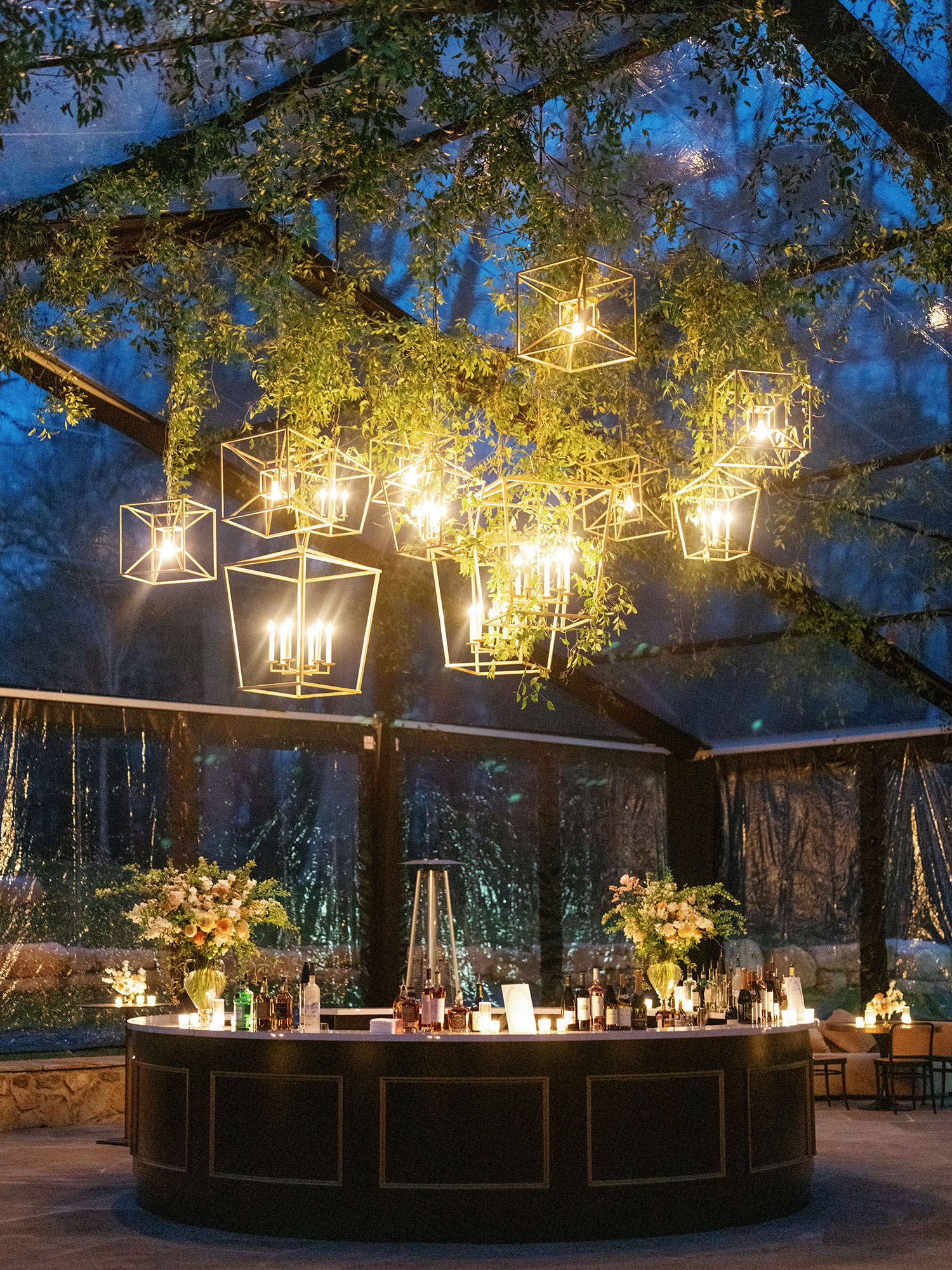
The structure creates the space, but lighting and flooring define how that space is experienced. These elements contribute significantly to the event’s mood, safety, and overall aesthetic.
Lighting That Balances Atmosphere and Function
Lighting is one of the most impactful design elements in a tented event. It influences mood, visibility, and how guests interact with the space. Proper lighting design can also highlight branding elements and create focal points that draw attention.
A layered approach is often the most effective, especially when incorporating professional tent lighting to balance atmosphere and functionality.
- Ambient lighting creates overall visibility
- Accent lighting highlights key areas such as stages or décor
- Task lighting supports service and operational zones
Lighting should also evolve throughout the event. A brighter setup may be appropriate for presentations, while softer lighting creates a more relaxed atmosphere during networking. Dynamic lighting controls enable seamless transitions that enhance the guest experience.
Safety should also be considered. Walkways, entrances, and transitions should always be clearly illuminated. Emergency lighting and backup power systems are essential components of a comprehensive lighting plan.
Flooring That Supports Comfort and Performance
Flooring plays a critical role in both comfort and functionality. It provides stability, improves accessibility, and contributes to the overall look of the event. The right flooring choice can also reduce noise and prevent damage to the underlying surface.
Common options include hardwood for a polished appearance, carpet for comfort, and turf for a natural outdoor feel. Specialized flooring such as interlocking tiles or raised platforms may be used to address uneven terrain or create distinct zones. Read more in Outdoor Tent Options for Unforgettable Corporate Events.
The choice depends on:
- Terrain and ground conditions
- Expected foot traffic
- Event style and design goals
- Weather considerations, such as moisture resistance
Well-installed flooring ensures guests can move comfortably while maintaining a consistent, high-end appearance throughout the space. It also supports the safe operation of equipment and furniture.
How Do You Manage Climate Control for Summer Corporate Tent Events?
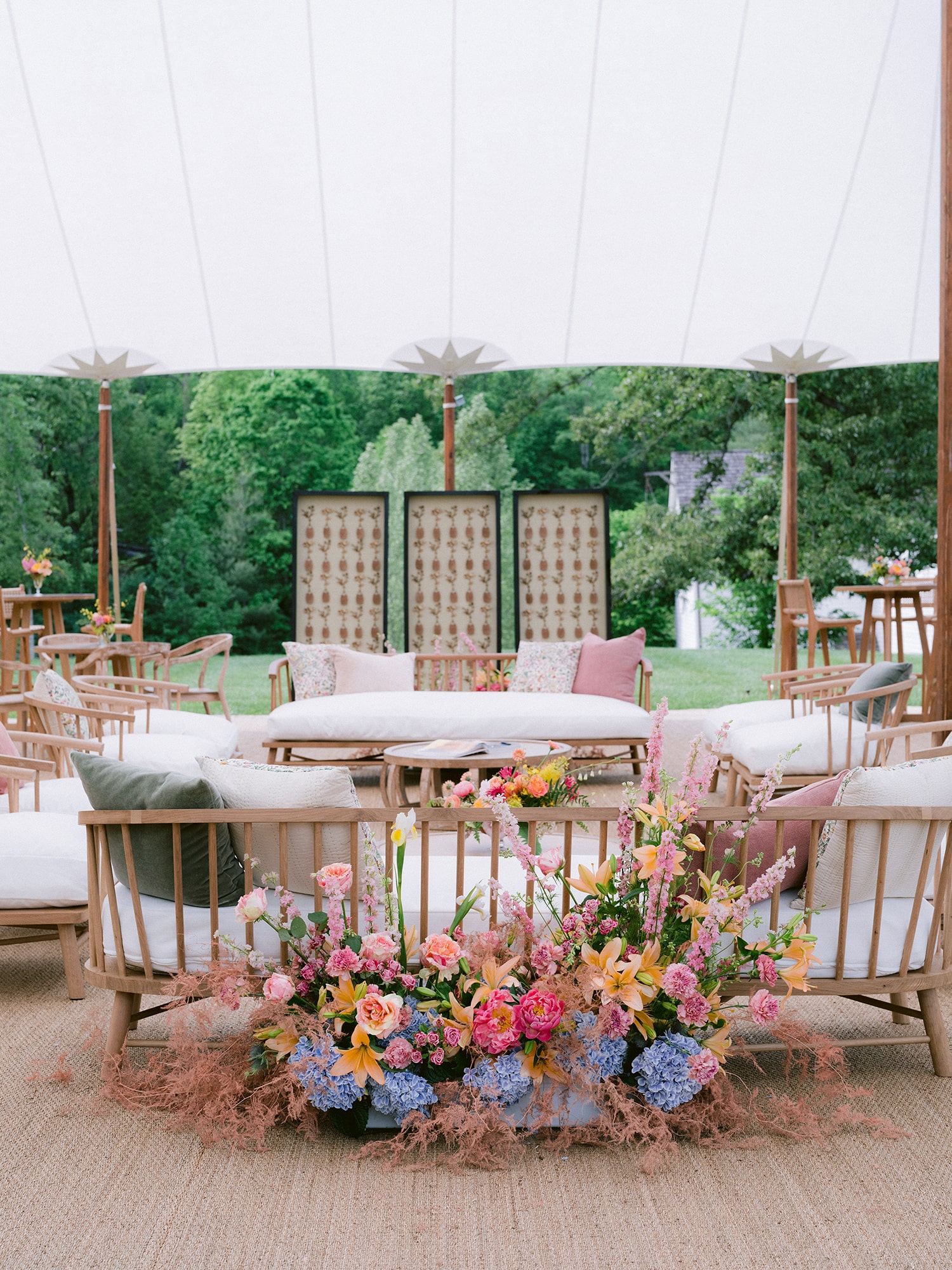
Temperature and airflow directly affect how guests experience an event. Without proper planning, even a well-designed space can become uncomfortable. Effective climate control enhances guest satisfaction and can extend the duration of outdoor events.
Creating a Stable Indoor Environment
Summer conditions can vary, so climate control must be adaptable. Planning for temperature fluctuations and humidity levels is essential to maintain comfort throughout the event. Read more in Summer Corporate Tent Rentals for Unforgettable Events.
Effective solutions include: You may also find Customized Corporate Tent Solutions for Unforgettable Events helpful.
- Air conditioning systems for temperature regulation
- Fans to improve airflow and circulation
- Heaters for cooler evening conditions
Equipment should be positioned carefully to avoid disrupting the layout or guest experience. Balanced airflow is more effective than simply lowering temperature. Integrating climate control with the tent’s design ensures efficient operation and minimizes noise.
Improving Airflow and Guest Comfort
Airflow is one of the most overlooked aspects of tent design. Poor circulation can make a space feel crowded and uncomfortable. Proper ventilation also helps reduce odors and maintain air quality.
Simple strategies can improve conditions significantly:
- Keeping sections of the tent open when possible
- Positioning fans to support natural airflow
- Allowing adequate spacing between seating and activity areas
Comfort is not just about convenience. It influences how long guests stay engaged and how they perceive the event. Thoughtful climate management contributes to a positive atmosphere that encourages participation and enjoyment.
How Should You Plan Logistics and Execution for Seamless Corporate Tent Events?
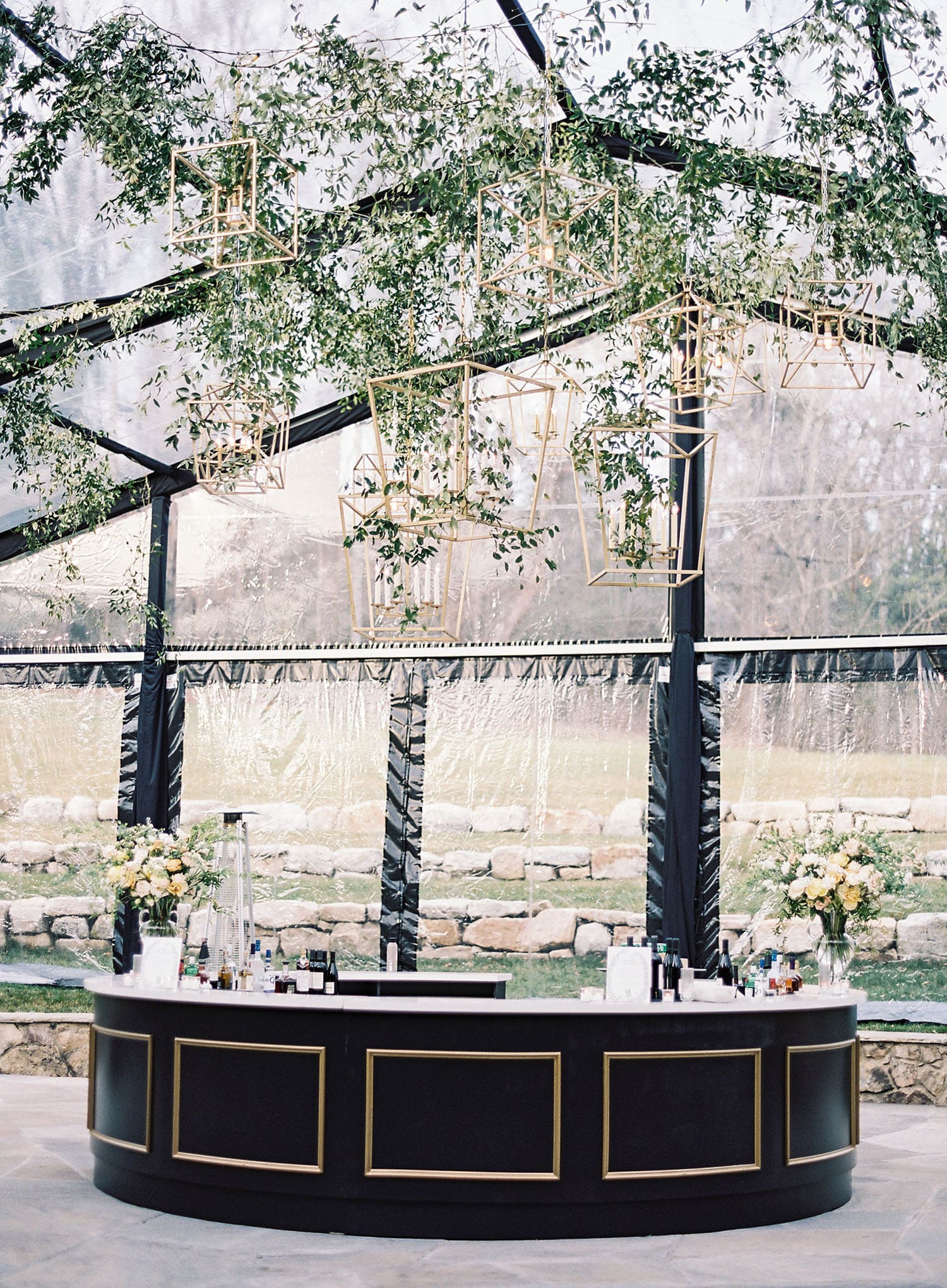
Execution is where planning is tested. Even the best designs require careful coordination to succeed. Effective project management ensures that all components come together on time and within budget.
Site Preparation and Setup Strategy
Every site introduces unique challenges. Ground conditions, access points, and surrounding structures all affect installation. Early site visits and assessments help identify potential obstacles and inform logistical planning.
Early assessment helps identify potential issues such as uneven terrain or limited access for equipment. Addressing these factors in advance prevents delays during setup. Contingency plans for weather or equipment failure should also be developed.
The installation process should follow a clear sequence:
- Tent structure installation
- Flooring and infrastructure setup
- Lighting, décor, and technical integration
This order ensures efficiency and prevents unnecessary rework. Coordinating deliveries and staging areas optimizes workflow and minimizes disruption.
Coordinating Vendors and Event Operations
Corporate tent events involve multiple teams working in the same space. Without coordination, setup can quickly become disorganized. Establishing a central point of contact and clear communication channels is vital.
Clear communication and defined timelines are essential. Each vendor should understand their role and when they are expected to work. Regular check-ins and progress updates help maintain alignment and address issues promptly.
Well-coordinated execution ensures that:
- Setup progresses without delays
- Spaces remain organized during installation
- The event begins without last-minute disruptions
When logistics are handled properly, the entire event feels smooth and controlled. This professionalism reflects positively on the host organization and enhances the overall guest experience.
Frequently Asked Questions
What is the best tent type for large corporate events?
Clearspan tents are often the best option due to their open interiors and ability to support large-scale layouts and technical setups.
How do I ensure proper airflow in a summer tent event?
Use a combination of ventilation, fans, and strategic spacing to maintain consistent airflow throughout the space.
What is the most important factor in tent event planning?
Layout and execution are critical, as they directly impact guest movement, comfort, and overall event success.
Conclusion
Outdoor corporate tent events offer a level of flexibility and control that traditional venues cannot match. When the right structure, layout, and supporting elements are combined, the result is a space that feels organized, comfortable, and aligned with the event’s purpose. This adaptability allows companies to create unique experiences that resonate with attendees and leave lasting impressions.
Skyline Tent Company specializes in designing premium tent environments that bring structure, precision, and visual impact to corporate events. From early planning to final execution, every detail is carefully managed to ensure a seamless experience. Schedule your private consultation to create a refined event space that delivers both performance and a lasting impression. For inspiration from past installs, browse our tent gallery.