Summer tent rentals provide a controlled, customizable environment that allows outdoor events to be executed with precision, comfort, and visual consistency, making them ideal for corporate tent rentals. Instead of relying on fixed venues, tents give planners the ability to shape the space entirely around the event, from layout and guest flow to lighting and climate control. This adaptability extends to accommodating various event types, from casual gatherings to formal celebrations, ensuring that each event feels unique and tailored to its purpose.
This flexibility is especially valuable during summer when weather conditions can shift quickly. A well-designed tented environment protects guests from heat and unexpected rain while maintaining a refined, cohesive atmosphere. When structure, layout, and supporting systems are aligned, the result is an event space that feels intentional rather than temporary. Additionally, tents can be equipped with advanced climate control systems and integrated technology, enhancing guest comfort and event functionality.
Understanding Summer Tent Structures and Their Role in Event Planning
The tent structure is the foundation of the entire event. It defines how the space can be used, how it performs under summer conditions, and how easily it supports different event formats. Structural integrity and material quality are critical factors that influence durability and safety, especially in unpredictable weather.
Choosing a Structure That Supports the Event
Different tent systems serve different purposes, and selecting the right one should always be based on how the event needs to function. Considerations include the expected number of guests, the type of activities planned, and the overall aesthetic desired.
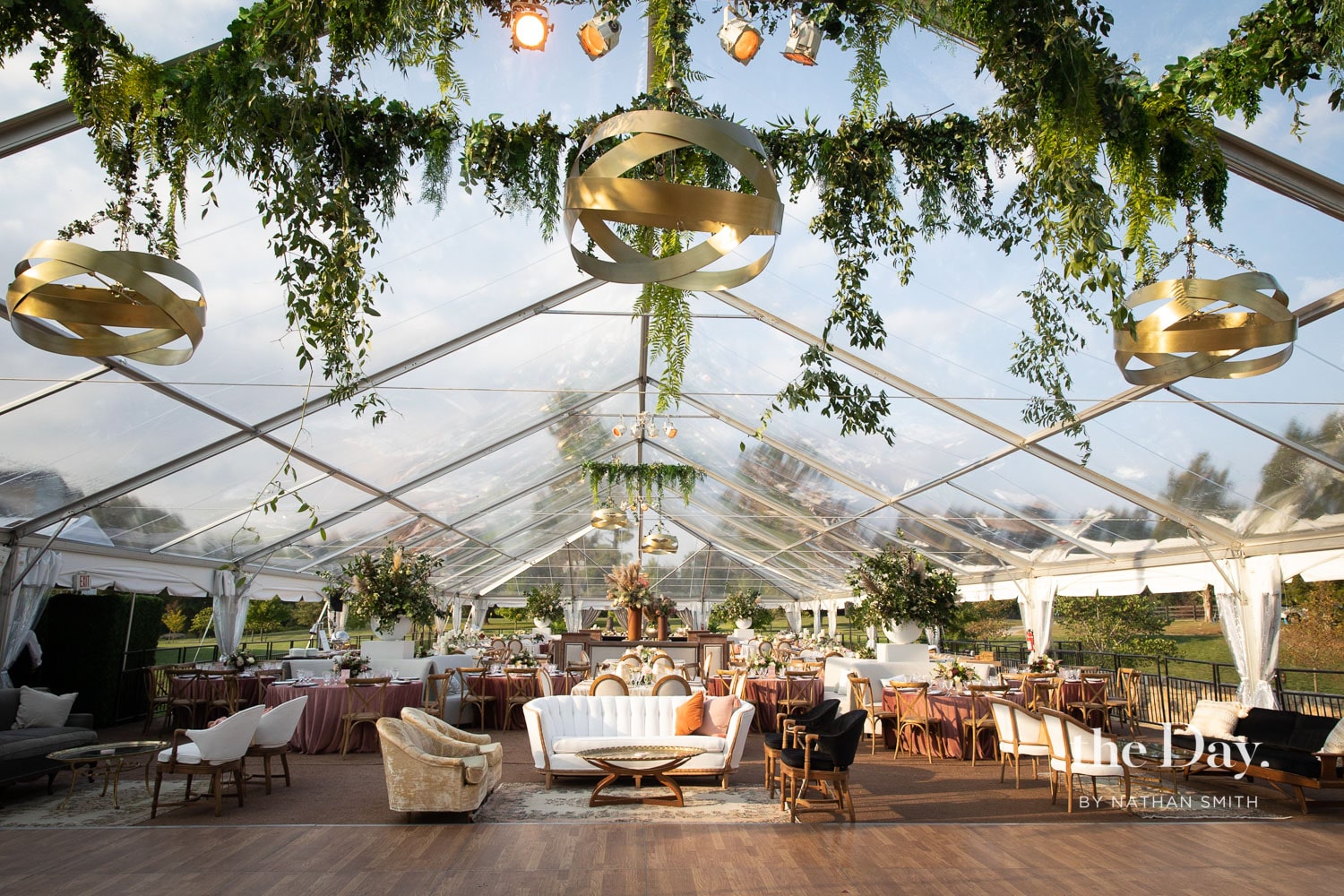
Clearspan tents are ideal for large-scale events that require open interiors and flexible layouts. Their unobstructed space supports staging, seating, and technical installations without limitation. These tents often feature high ceilings, which enhance ventilation and create a spacious atmosphere.
Frame tents provide adaptability. They can be installed on a variety of surfaces and are well suited for sites with access limitations or uneven terrain. Their modular design allows for easy expansion or reduction in size, accommodating fluctuating guest counts.
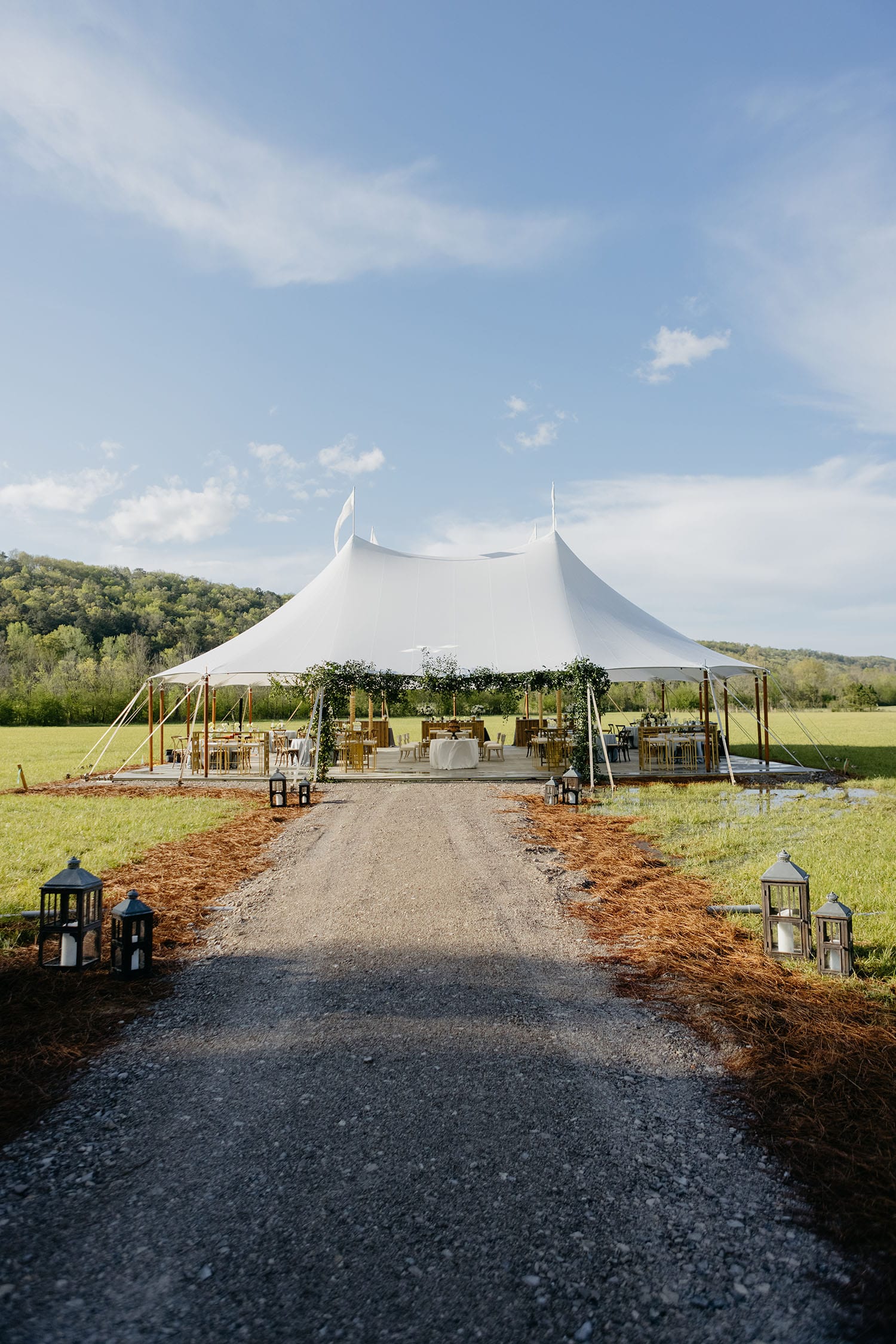
Sailcloth tents introduce a softer, more refined aesthetic, making them a popular choice for sailcloth tents and upscale outdoor celebrations. Their translucent fabric allows natural light to filter through, creating a warm atmosphere that works well for upscale gatherings. The elegant curves and peaks of sailcloth tents add visual interest and can be complemented with decorative lighting for evening events.
Pole tents offer a traditional profile with strong visual presence, often used in open outdoor settings where style plays a central role. Their classic design is well suited for rustic or vintage-themed events and can be enhanced with draping and floral arrangements.
How Structure Influences Layout and Experience
The tent type affects how space is organized and how guests interact with it. The choice of structure impacts acoustics, lighting options, and even the psychological comfort of attendees.
Clearspan tents allow for open layouts and large continuous zones. Frame tents enable more flexible configurations in constrained environments. Sailcloth and pole tents shape the visual experience while influencing how zones are arranged. The structural elements can be used creatively to define spaces without physical barriers.
Understanding these differences helps planners create environments that feel natural and well-balanced. Incorporating elements such as drapery, partitions, and themed décor can further enhance the spatial experience within the chosen structure.
Designing Tent Layouts That Support Flow and Guest Engagement
Layout planning determines how effectively the event operates. A well-designed layout allows guests to move comfortably while maintaining structure and clarity. It also supports the event’s objectives, whether that is networking, entertainment, or dining.
Planning Movement Before Design
The most effective layouts begin with movement rather than placement. Mapping guest pathways and anticipating traffic patterns ensures a smooth experience.
Guests should be able to:
- Enter and exit without congestion
- Move between areas without confusion
- Access key features without disrupting others
Clear pathways and logical positioning of high-traffic areas help distribute movement evenly. When flow is intuitive, the event feels organized without requiring direction. Incorporating signage and visual cues can further assist guests in navigating the space.
Structuring Spaces for Function and Interaction
Large tents benefit from defined zones that support different activities. These zones can be designed to encourage interaction or provide quiet spaces as needed.
Instead of rigid divisions, subtle transitions can guide guests naturally. Lighting, furniture arrangement, and spacing help define areas while maintaining a cohesive environment. Using varied textures and colors can also delineate zones without physical barriers.
A balanced layout may include:
- A central focal area such as a stage or main feature
- Secondary zones for networking or relaxation
- Dining or hospitality areas positioned for accessibility
The goal is to create structure without restricting movement, allowing the space to feel connected and easy to navigate. Incorporating flexible seating options and multi-use areas can adapt to changing event needs throughout the day.
Enhancing the Tent Environment With Lighting, Flooring, and Design
The interior of the tent defines how the event is experienced. Structure alone does not create a premium environment. Thoughtful design choices elevate the ambiance and functionality. You may also find Elevate Your Celebration with New Year’s Event Tent Rentals helpful.
Lighting and Flooring That Shape the Experience
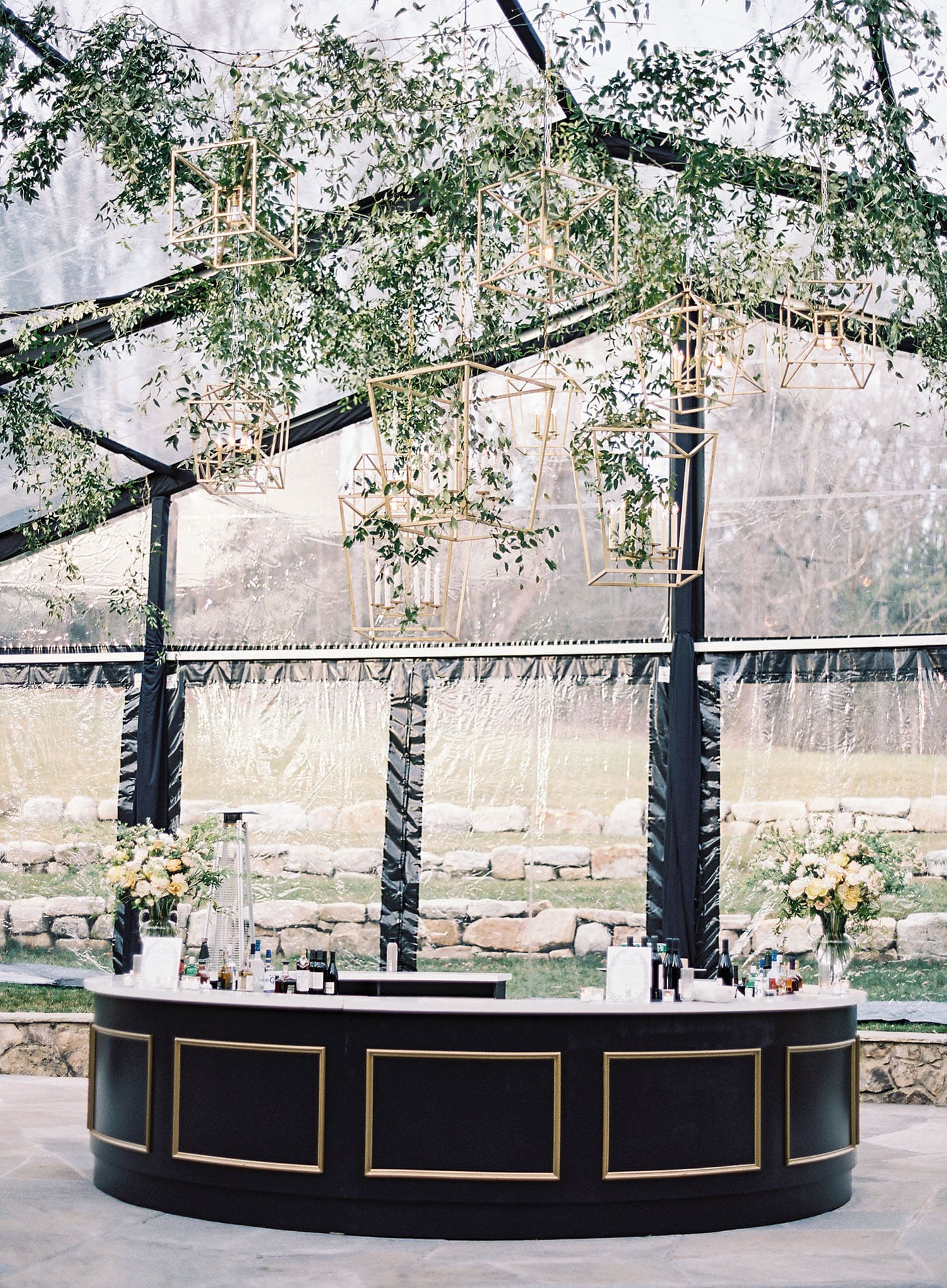
Lighting influences both atmosphere and functionality, which is why professional tent lighting is often used to enhance the overall guest experience. It highlights focal points, improves visibility, and supports different phases of the event. The use of dimmable and color-adjustable lighting allows for dynamic changes that match the event’s mood.
A layered approach creates balance:
- Ambient lighting for overall visibility
- Accent lighting for focal areas
- Functional lighting for service zones
Lighting should evolve throughout the event, adapting to different moments such as presentations, dining, and social interaction. Incorporating natural light during daytime events enhances the connection to the outdoor setting.
Flooring plays a key role in comfort and accessibility. It creates a stable surface for guests and contributes to the overall visual consistency of the space. Options range from elegant hardwood floors to durable interlocking tiles, chosen based on event style and site conditions. You may also find Discover Tips for Elegant Black-Tie Tent Events This Holiday helpful.
The choice of flooring should reflect both the event style and the site conditions, ensuring durability without compromising design. Proper flooring also supports the installation of heavy equipment and protects the ground beneath.
Creating a Cohesive and Refined Environment
Design elements such as décor, materials, and layout should work together to create a unified space. Attention to detail in color schemes, textures, and thematic elements enhances the overall guest experience.
Consistency across lighting, flooring, and furnishings ensures the environment feels intentional. When these elements are aligned, the tent becomes a fully developed venue rather than a temporary structure. Incorporating custom branding and personalized touches can further elevate the event’s identity.
Managing Climate and Comfort in Summer Tent Events
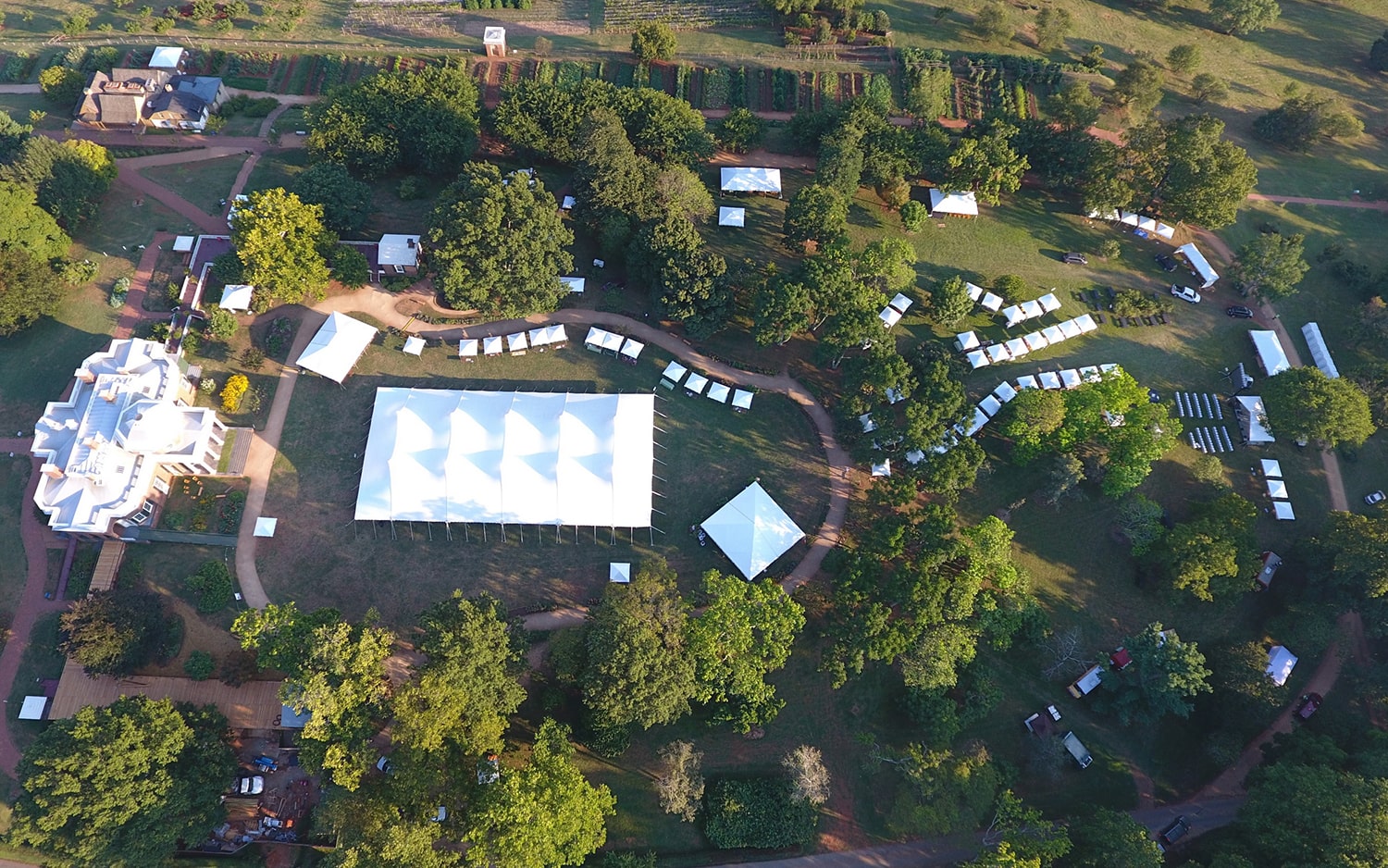
Comfort is one of the most important factors in guest experience. Summer conditions require careful planning to maintain a consistent environment. Addressing both temperature and humidity ensures guests remain comfortable throughout the event. You may also find Discover What Affects Pricing for Summer Tent Rentals helpful.
Controlling Temperature and Airflow
Temperature management is essential, especially during peak summer conditions. Advanced cooling systems can be integrated seamlessly into the tent design to maintain optimal conditions.
Effective solutions include:
- Cooling systems to regulate temperature
- Fans to support air circulation
- Strategic spacing to prevent overcrowding
Equipment should be positioned to maintain comfort without interfering with layout or design. Using energy-efficient systems also supports sustainability goals.
Improving Ventilation and Overall Experience
Airflow is often overlooked but plays a critical role in how the space feels. Proper ventilation reduces heat buildup and prevents stagnant air, contributing to guest well-being.
Simple strategies can improve comfort:
- Positioning openings to encourage natural ventilation
- Allowing sufficient space between seating areas
- Using fans to maintain consistent airflow
When airflow and temperature are balanced, guests remain comfortable and engaged throughout the event. Incorporating greenery and water features can also enhance the microclimate within the tent.
Planning Logistics and Execution for Seamless Delivery
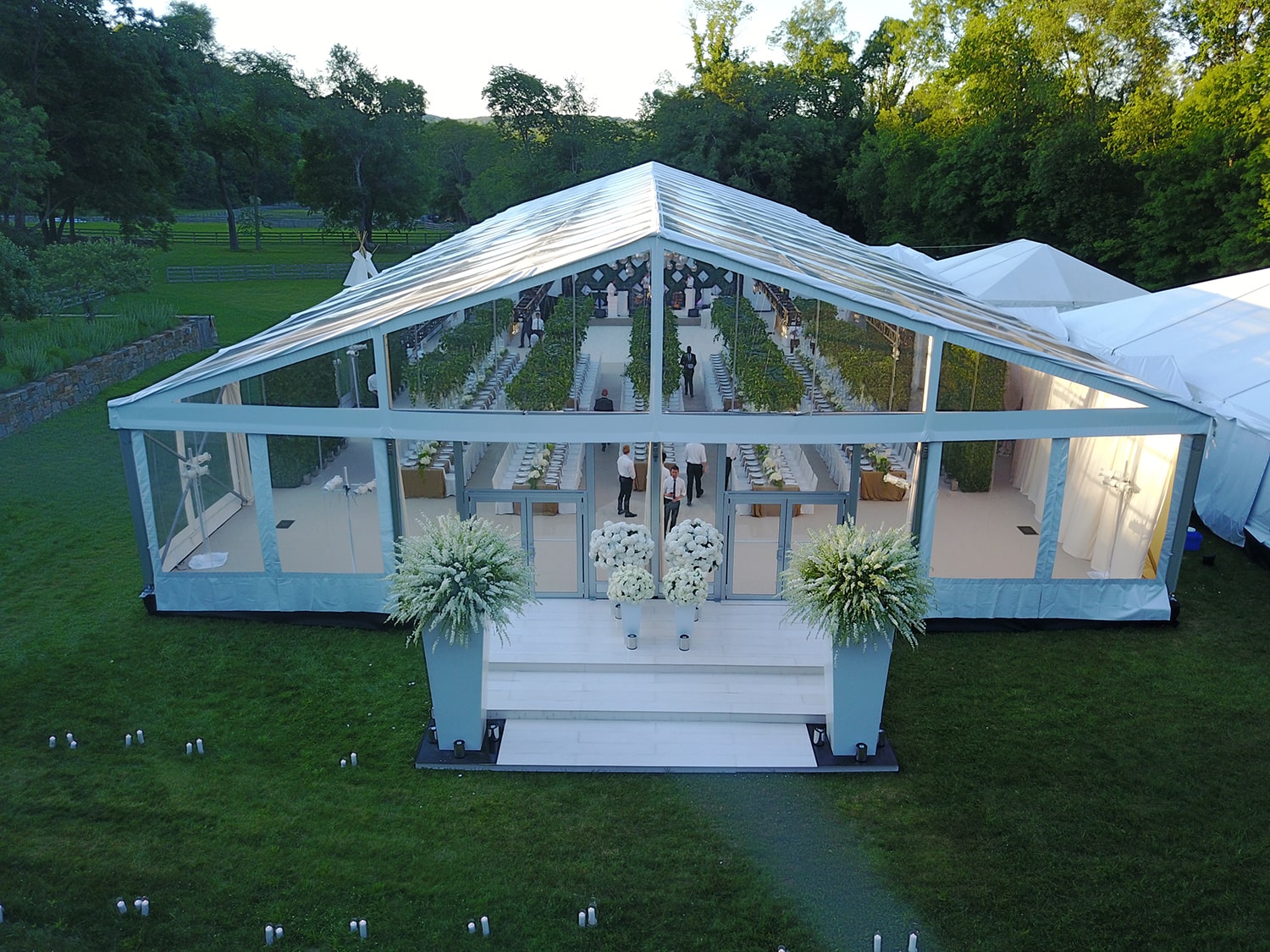
Execution is where planning becomes reality. Without proper coordination, even well-designed events can encounter challenges. Detailed timelines and contingency plans are essential for smooth delivery.
Preparing the Site for Installation
Every site introduces variables that affect setup. Thorough site analysis helps anticipate and mitigate potential issues.
Key considerations include:
- Terrain and ground stability
- Access for equipment and vendors
- Local regulations and permitting requirements
Early site assessment helps identify potential challenges and allows adjustments before installation begins. Environmental impact and neighboring properties should also be considered to minimize disruption.
A structured setup process ensures efficiency:
- Tent installation first
- Infrastructure such as flooring and power next
- Lighting, décor, and technical elements last
This sequence keeps the process organized and prevents conflicts. Regular communication and on-site supervision maintain quality control throughout installation.
Coordinating Vendors and Maintaining Control
Tented events involve multiple teams working together. Clear communication is essential. Establishing a central point of contact streamlines coordination and problem-solving.
Each vendor should understand:
- Their role in the setup process
- The timeline for their work
- How their work interacts with others
Strong coordination ensures that setup progresses smoothly and that the event begins without disruption. Post-event teardown and site restoration should also be planned to maintain good relations with venue owners and local authorities.
Frequently Asked Questions
What makes summer tent rentals a good choice for outdoor events?
They provide flexibility, weather protection, and the ability to design a customized environment that supports both function and aesthetics.
How do I choose the right tent for my event?
Consider guest count, site conditions, and the type of event to ensure the structure supports layout, design, and operational needs.
What is the most important factor in a successful tented event?
Proper layout and coordination, as they directly affect guest flow, comfort, and overall experience. For inspiration from past installs, browse our tent gallery.
Conclusion
Summer tent rentals offer a refined and flexible solution for outdoor events, allowing planners to create environments that balance design, comfort, and functionality. When the right structure, layout, and supporting elements are combined, the result is a space that feels intentional, organized, and aligned with the event’s purpose. The ability to customize every aspect of the tent environment ensures that each event is memorable and meets the highest standards of quality. For more detail, see our article Unique Tent Designs for Memorable Summer Events.
Skyline Tent Company specializes in delivering premium tent environments designed for elevated outdoor experiences. From initial planning to final installation, every detail is managed with precision to ensure seamless execution. Schedule your private consultation to create a customized event space that reflects your vision with elegance, comfort, and lasting impact. For more detail, see our article Discover Joyful Private Estate Holiday Tent Rentals.