Choosing the right outdoor tent for a corporate event directly impacts how the event functions, how guests move through the space, and how the brand is experienced, making it a critical part of planning corporate tent rentals. Different tent structures offer distinct advantages in layout flexibility, visual presentation, and operational performance. The goal is not simply to cover an outdoor space, but to create a controlled, intentional environment that supports the event from start to finish. Selecting the appropriate tent also involves considering the duration of the event, expected weather conditions, and the specific needs of the attendees to ensure a seamless experience.
Corporate events often involve multiple moving parts including presentations, networking, dining, and technical production. A well-selected tent allows all of these elements to work together without conflict. When the structure, layout, and infrastructure are aligned early, the result is a space that feels organized, professional, and easy to navigate. Additionally, the choice of tent can influence the acoustics within the space, which is critical for presentations and speeches, ensuring clear communication throughout the event.
Understanding Outdoor Tent Structures for Corporate Event Planning
Not all tents perform the same way. The structure you choose determines how the space can be used, how it will handle environmental conditions, and how easily it integrates with event logistics. Each tent type offers unique benefits and limitations that must be weighed against the event’s objectives and site characteristics.
Clearspan Tents: Built for Scale and Precision
Clearspan tents are engineered structures designed to create large, open interiors without internal support poles. This gives planners complete freedom to design layouts without structural interference. Their robust framework can withstand harsh weather conditions, making them suitable for events in unpredictable climates.
They are most commonly used for:
- Conferences with large seating requirements
- Trade shows or exhibitions with multiple installations
- Corporate events requiring staging and technical rigging
Because of their predictable geometry, clearspan tents make it easier to plan sightlines, lighting grids, and large-scale layouts. This consistency reduces last-minute adjustments and supports more complex event designs. Their modular design also allows for easy expansion or reduction in size, accommodating fluctuating guest counts without compromising structural integrity.
Frame and Sailcloth Tents: Flexibility Meets Visual Impact
Frame tents are often selected for their adaptability. They can be installed on a variety of surfaces and do not require interior poles, which allows for clean layouts in smaller or mid-sized events. Their lightweight frames facilitate quicker installation and dismantling, which is beneficial for events with tight schedules.
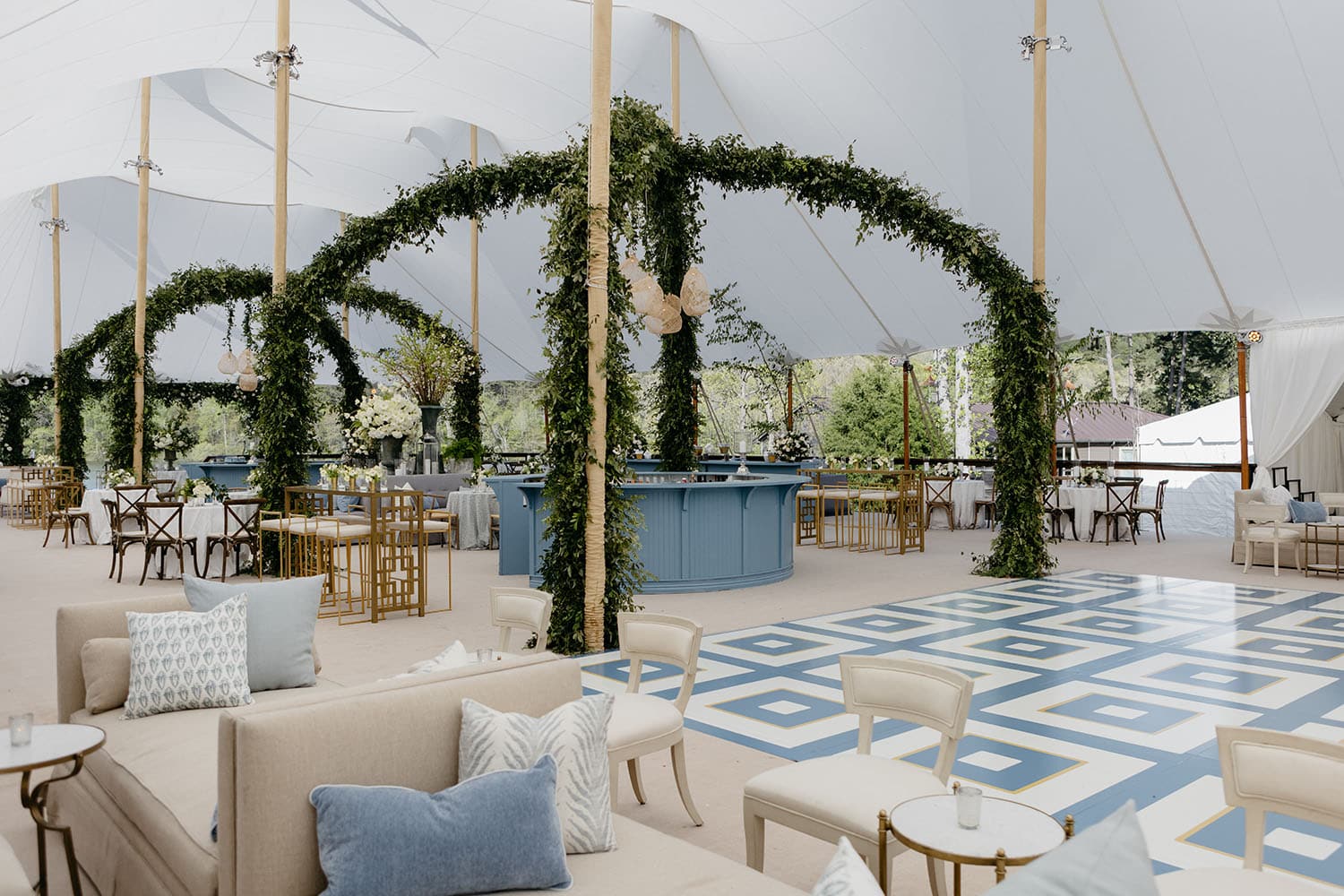
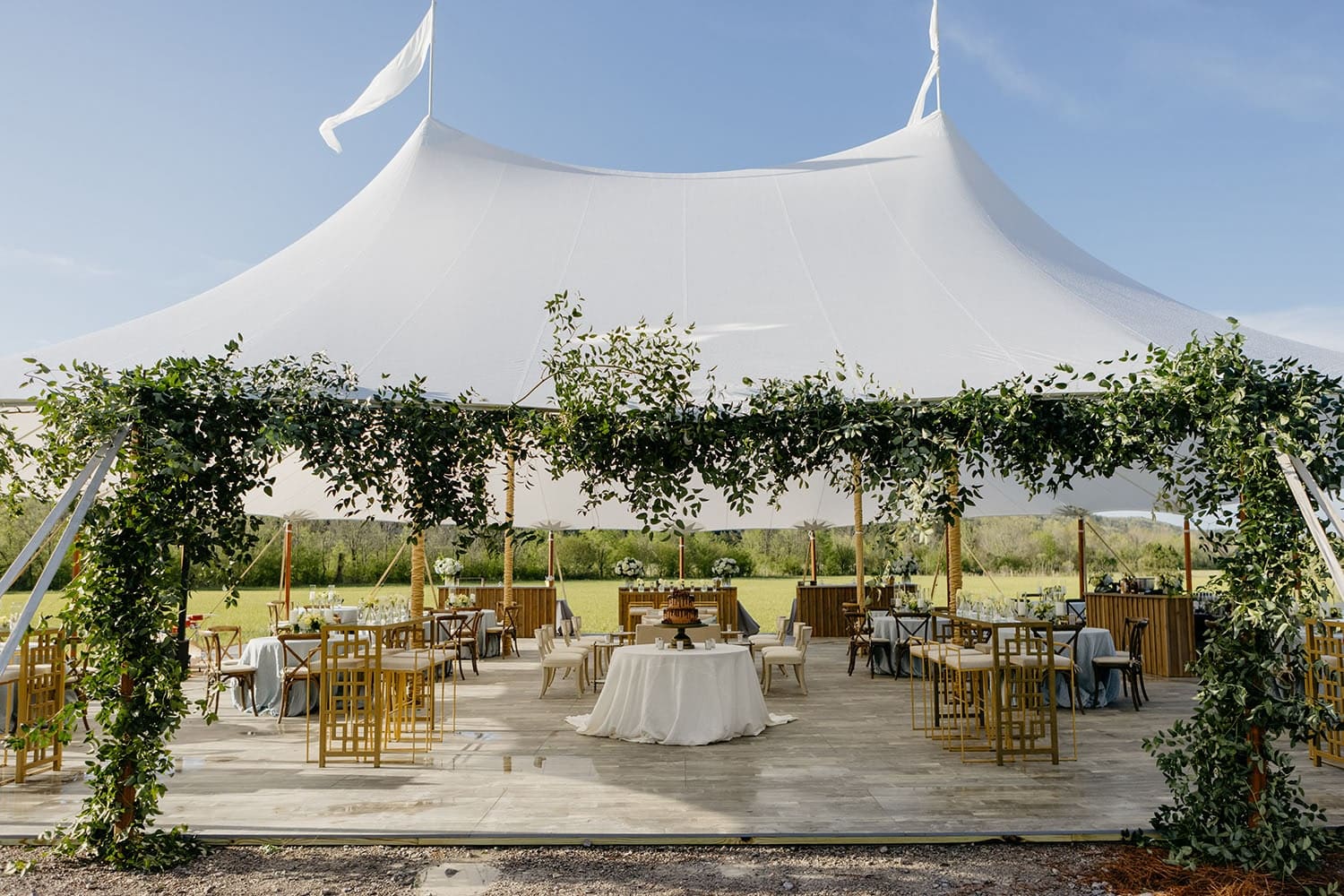
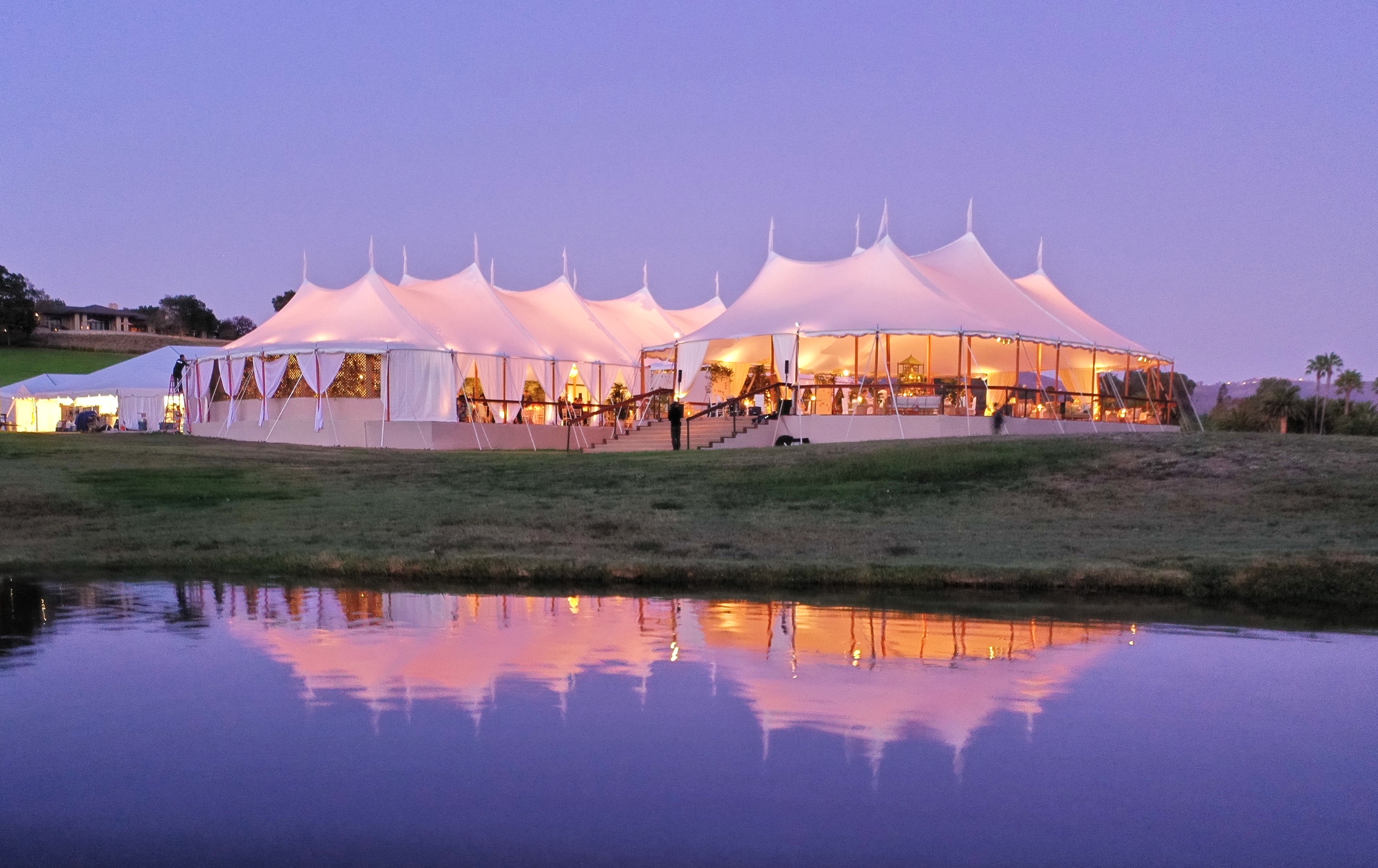
Sailcloth tents offer a different advantage, particularly for planners seeking the elegance and visual appeal of sailcloth tents. Their translucent fabric allows natural light to filter through, creating a softer, more atmospheric environment. These are often used when visual experience is just as important as functionality. The elegant curves of sailcloth tents add a distinctive aesthetic that can elevate the event’s ambiance and complement branding elements.
The choice between these options depends on how the event needs to operate. Some events require technical precision. Others benefit from a more experiential atmosphere. Consideration of the event’s theme and desired guest experience will guide the selection process effectively.
How Tent Selection Impacts Layout, Flow, and Event Performance
The tent is not just a structure. It directly influences how the event functions in real time. Poor alignment between structure and layout can lead to congestion, poor visibility, and operational inefficiencies. Thoughtful tent selection supports smooth transitions between event segments and enhances overall guest satisfaction.
Layout Planning Starts With Movement
A strong layout begins with understanding how guests will move through the space. Mapping guest flow early in the planning process helps identify potential pinch points and areas that require additional space or signage.
Guests should be able to:
- Enter without delay
- Navigate without confusion
- Transition between areas naturally
Instead of placing elements randomly, layout planning should prioritize pathways first. Once circulation is clear, zones such as seating, staging, and networking areas can be positioned around that flow. This method also facilitates emergency egress planning, ensuring safety compliance without compromising design.
This approach prevents bottlenecks and ensures that the event feels intuitive. It also allows for strategic placement of amenities such as restrooms, refreshment stations, and information desks to enhance guest convenience.
Structuring the Space Without Overcomplicating It
Large open tents can feel unstructured if not properly organized. Breaking the space into zones helps define purpose without restricting movement. Clear delineation of areas supports both guest comfort and operational efficiency.
A functional corporate layout typically includes: Read more in Summer Corporate Tent Rentals for Unforgettable Events.
- A central focal area such as a stage or presentation space
- Secondary zones for networking or informal interaction
- Service areas placed away from primary traffic paths
The key is balance. Too much separation can make the space feel disconnected. Too little structure can create confusion. The most effective layouts guide guests without making the design feel forced. Incorporating flexible partitions or modular furniture can further enhance the adaptability of the space to accommodate different event activities.
Outdoor Tent Infrastructure That Defines Comfort, Safety, and Experience
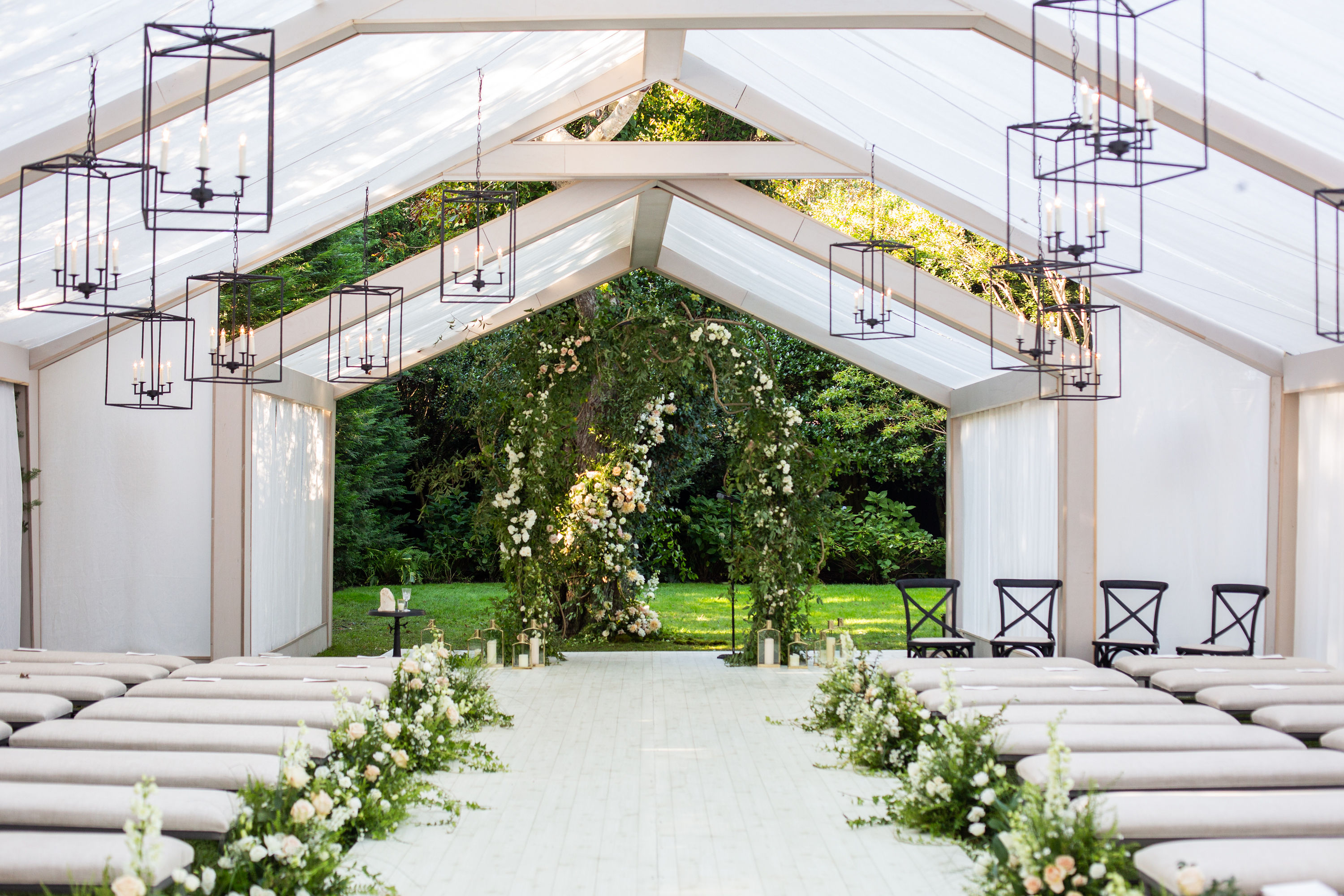
What happens inside the tent determines how the event is experienced. Structure alone does not create a high-quality environment. Supporting infrastructure does. Attention to detail in these elements elevates the overall event quality.
Flooring, Lighting, and Core Setup Elements
Flooring is one of the most overlooked but critical elements. It creates a stable surface for movement, improves accessibility, and supports equipment. Specialized flooring options can also protect sensitive grounds and provide insulation against cold or damp conditions. You may also find Summer Corporate Tent Options for Unforgettable Events helpful.
Lighting shapes the entire atmosphere, which is why strategic event lighting is often incorporated into premium tent environments. It defines visibility, highlights key areas, and influences how the space feels at different times of day. Layered lighting strategies combine ambient, task, and accent lighting to create a dynamic environment that adapts to the event’s schedule.
Important infrastructure elements include:
- Stable flooring systems for safety and consistency
- Layered lighting for both function and ambiance
- Power distribution that supports technical and service needs
When these components are planned together, the environment feels cohesive rather than assembled. Integrating technology such as wireless controls and energy-efficient fixtures can further enhance operational efficiency and sustainability.
Climate Control and Environmental Stability
Outdoor events are always affected by environmental conditions. Temperature, airflow, and humidity all influence guest comfort and equipment performance. Proactive climate control measures ensure the event remains comfortable regardless of external weather fluctuations. You may also find Backyard Tent Rental Options for Unforgettable Celebrations helpful.
Effective climate planning includes:
- Ventilation strategies that allow consistent airflow
- Cooling or heating systems based on seasonal conditions
- Placement of equipment that does not interfere with the event experience
Comfort is not just a luxury consideration. It directly impacts how long guests stay engaged and how the event is perceived overall. Incorporating real-time monitoring systems can help adjust climate controls dynamically, maintaining optimal conditions throughout the event.
Tent Site Planning: Where Most Issues Are Prevented
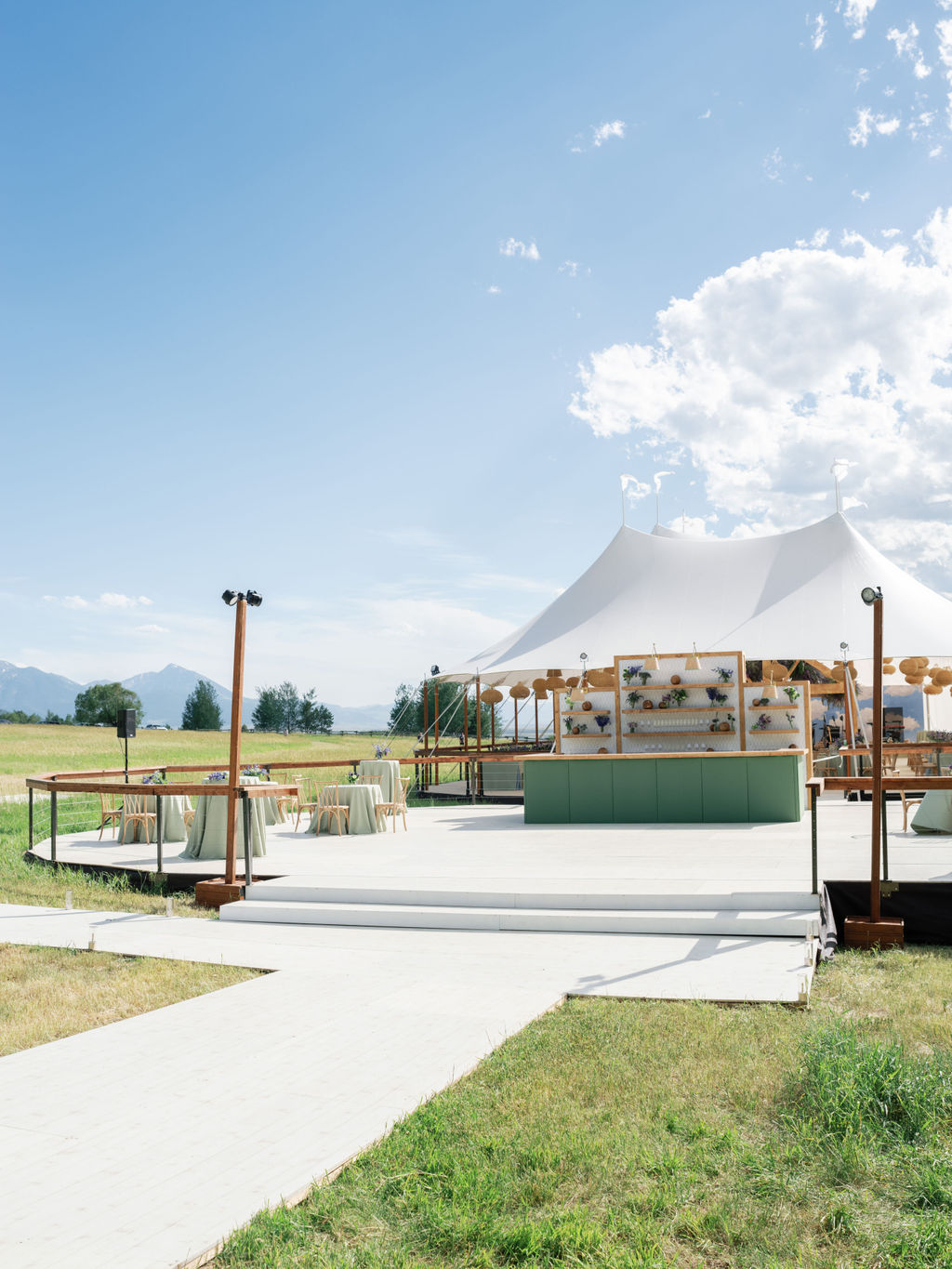
Many event challenges are not caused by design decisions, but by overlooked logistical details. Proper site planning ensures that the event runs smoothly before the first guest arrives. Early collaboration with site managers and vendors is essential to identify potential obstacles and streamline operations.
Evaluating Site Conditions Before Installation
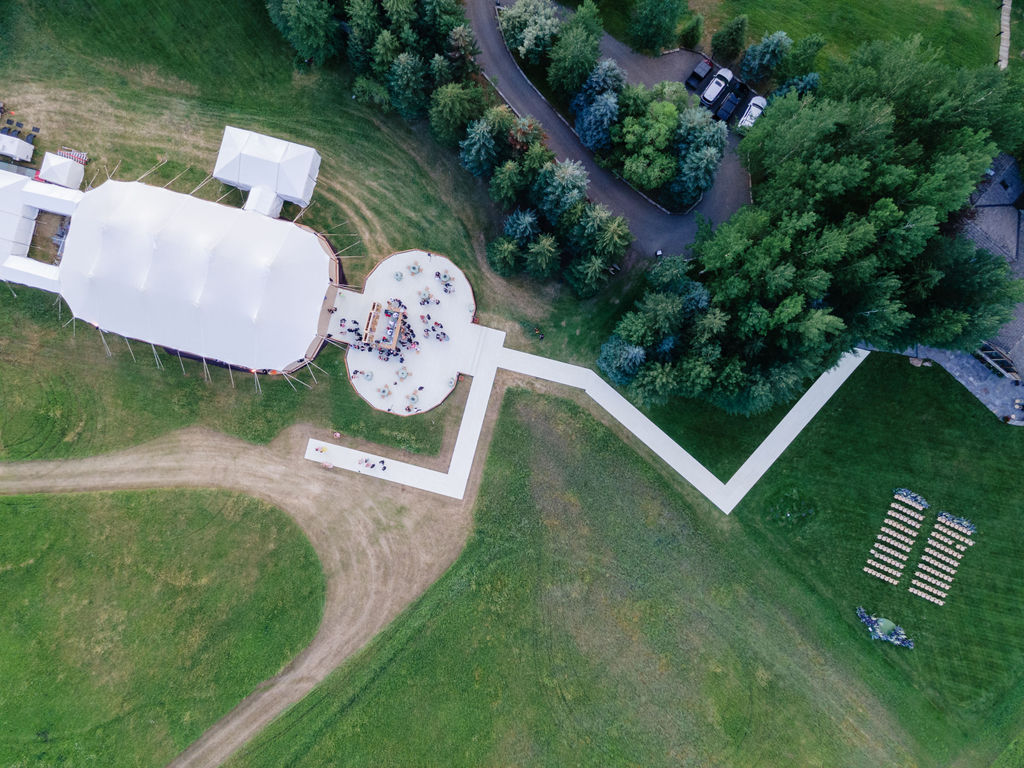
Every site introduces variables that affect tent installation. Ground conditions, access points, and surrounding structures all influence how the setup is executed. Comprehensive site surveys help anticipate challenges and inform necessary adjustments.
Key factors to evaluate include:
- Terrain and ground stability
- Entry points for equipment and vendors
- Drainage and weather exposure
Identifying these conditions early allows planners to adjust specifications without disrupting the timeline. It also supports compliance with local regulations and environmental considerations, reducing the risk of last-minute complications.
Coordinating Installation and Vendor Activity
Tented events involve multiple teams working in the same space. Without coordination, setup becomes inefficient and delays are common. Establishing clear roles and responsibilities among vendors fosters collaboration and accountability.
A structured installation sequence helps prevent this:
- Tent structure is installed first
- Flooring and infrastructure follow
- Lighting, décor, and technical elements are added last
This order ensures that each team has the space and time needed to complete their work properly. Scheduling regular check-ins during setup allows for timely issue resolution and keeps the project on track.
Clear communication between vendors is just as important as the timeline itself. When everyone understands their role and sequence, execution becomes predictable and controlled. Utilizing project management tools can enhance coordination and documentation throughout the process.
Aligning Tent Design With Corporate Event Objectives
A tented event should not feel generic. It should reflect the purpose of the event and the identity of the organization hosting it. Customization options such as branded graphics, color schemes, and thematic décor help reinforce the event’s message. You may also find Enhanced Tent Options for Unforgettable Outdoor Events helpful.
Translating Brand Identity Into Physical Space
Corporate events often aim to reinforce brand perception. This can be achieved through more than visual branding. The spatial arrangement, choice of materials, and even scent can contribute to a multisensory brand experience that resonates with attendees.
Layout, lighting, and material choices all contribute to how the brand is experienced. Even subtle design decisions such as spacing, symmetry, and flow influence how professional the event feels. Incorporating interactive elements or technology can further engage guests and deepen brand connection.
The goal is to create consistency between the message and the environment. This alignment supports memorable experiences that extend beyond the event itself.
Balancing Aesthetics With Practical Performance
While visual design is important, it cannot come at the expense of functionality. The best event spaces marry form and function to create environments that are both beautiful and efficient.
A successful event balances:
- Clear visibility for presentations
- Comfortable circulation for guests
- Efficient access for service teams
When design and function are aligned, the space feels effortless. Guests can focus on the event rather than navigating the environment. Incorporating feedback from previous events can inform improvements and innovations in tent design and layout.
Frequently Asked Questions
What is the most versatile tent type for corporate events?
Clearspan tents are often the most versatile due to their open interiors and ability to support large, complex layouts.
How do I choose between frame and sailcloth tents?
Frame tents are better for flexibility and varied surfaces, while sailcloth tents are ideal when visual atmosphere is a priority.
What is the biggest mistake in tent event planning?
Ignoring layout flow and site logistics, which often leads to congestion and operational challenges.
Conclusion
Selecting the right outdoor tent for a corporate event is not just a structural decision. It is a strategic one that affects layout, guest experience, and overall event performance. When structure, infrastructure, and logistics are aligned, the result is a controlled environment that supports both function and presentation. Thoughtful planning and expert execution transform a simple tent into a dynamic venue that elevates the entire event.
Skyline Tent Company provides premium tent solutions designed for corporate events that demand precision and impact. From early planning to final execution, their team ensures every element is carefully considered and professionally delivered. Schedule your private consultation to create a refined event environment that supports your goals with clarity and confidence. For inspiration from past installs, browse our tent gallery.