
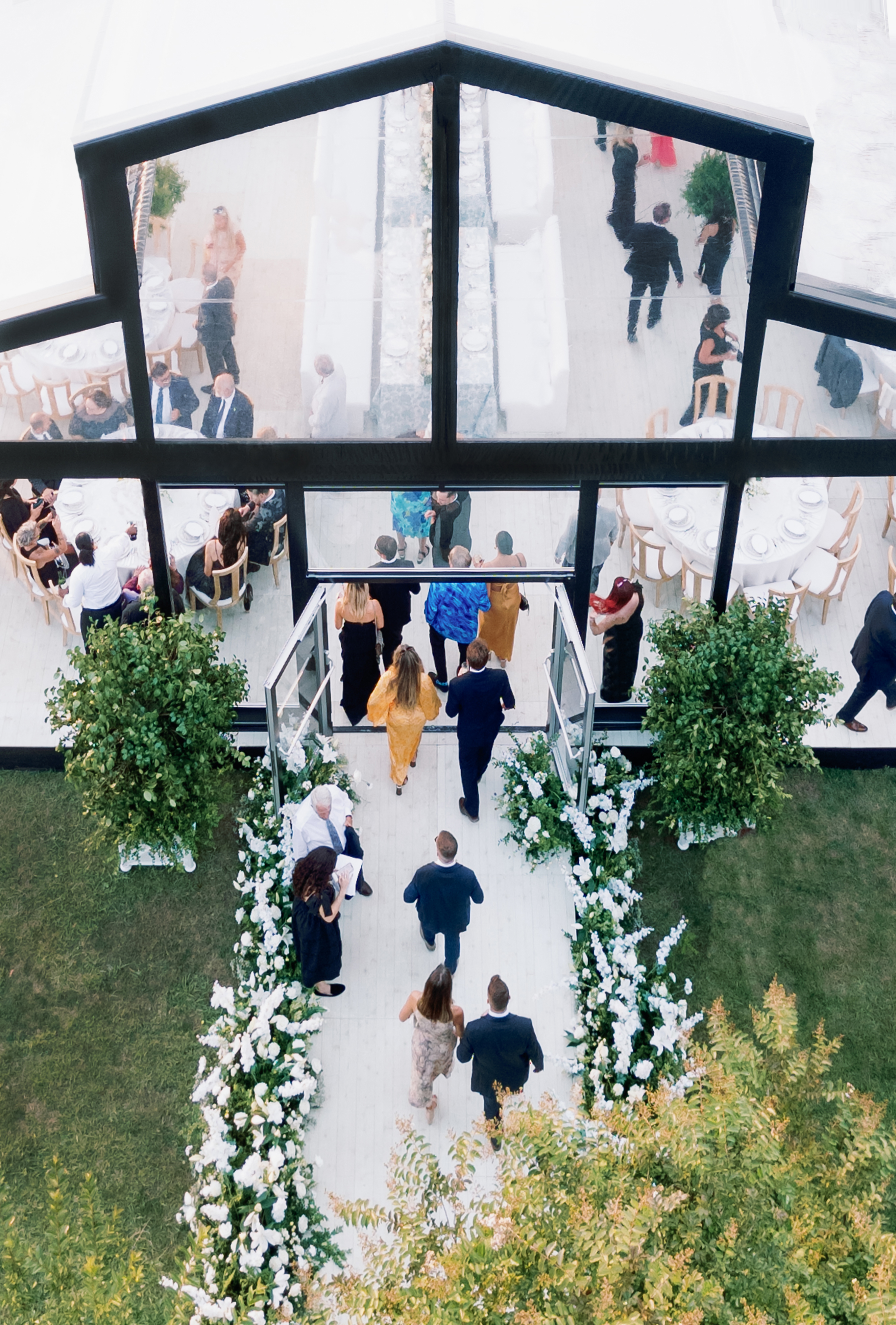
Selecting the right tent solution for an outdoor event requires more than a basic setup. It involves aligning structure, layout, and infrastructure with the event’s purpose and guest expectations. Advanced tent options allow planners to create controlled environments that support both functionality and visual impact. Understanding the nuances of different tent types and their capabilities is essential to crafting an event that not only meets logistical needs but also elevates the overall guest experience.
From large corporate gatherings to refined outdoor experiences, the right tent system provides flexibility, protection, and a foundation for seamless execution, making it a critical component of successful summer corporate tent rentals. When structure, climate control, and design elements work together, the result is an event space that feels intentional, comfortable, and professionally organized. The integration of technology and design within these tents can transform a simple outdoor area into a dynamic venue that adapts to the event’s evolving requirements.
Clearspan Tent Solutions for Large-Scale Outdoor Events
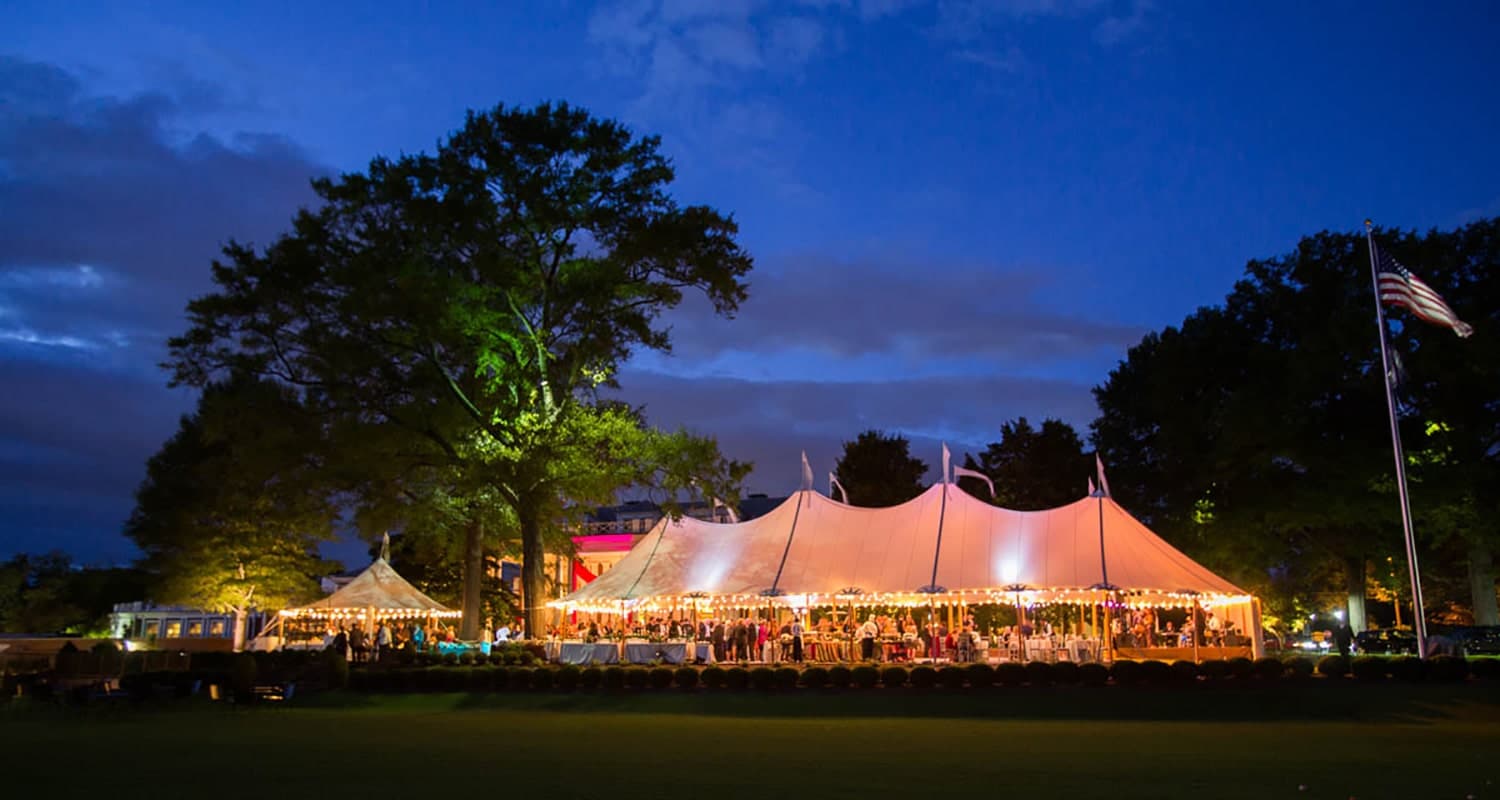
Clearspan tents are one of the most effective solutions for large outdoor events due to their structural design and versatility. Their column-free interiors allow planners to create open layouts that support multiple functions within a single space. This design eliminates visual obstructions and maximizes usable area, which is particularly beneficial for events requiring large stages, dance floors, or exhibition booths.
Without internal poles, these tents provide uninterrupted sightlines, making them ideal for events that include presentations, staging, or large seating arrangements. This flexibility allows designers to create structured environments without physical limitations. The ability to customize the interior space with partitions, lighting rigs, and décor elements further enhances the adaptability of clearspan tents.
Key advantages of clearspan tents include:
- Open interiors that support flexible layouts
- Strong structural performance in varying weather conditions
- Easy integration of lighting, AV, and climate systems
- Durable materials that withstand extended use
- Quick assembly and disassembly for efficient event turnover
These features make clearspan tents especially valuable for corporate events, exhibitions, and high-capacity gatherings where both design and performance matter. Their robust construction also allows for the installation of heavy equipment and complex staging setups, ensuring that technical requirements are met without compromising safety or aesthetics.
Architectural Tent Options for Elevated Event Design
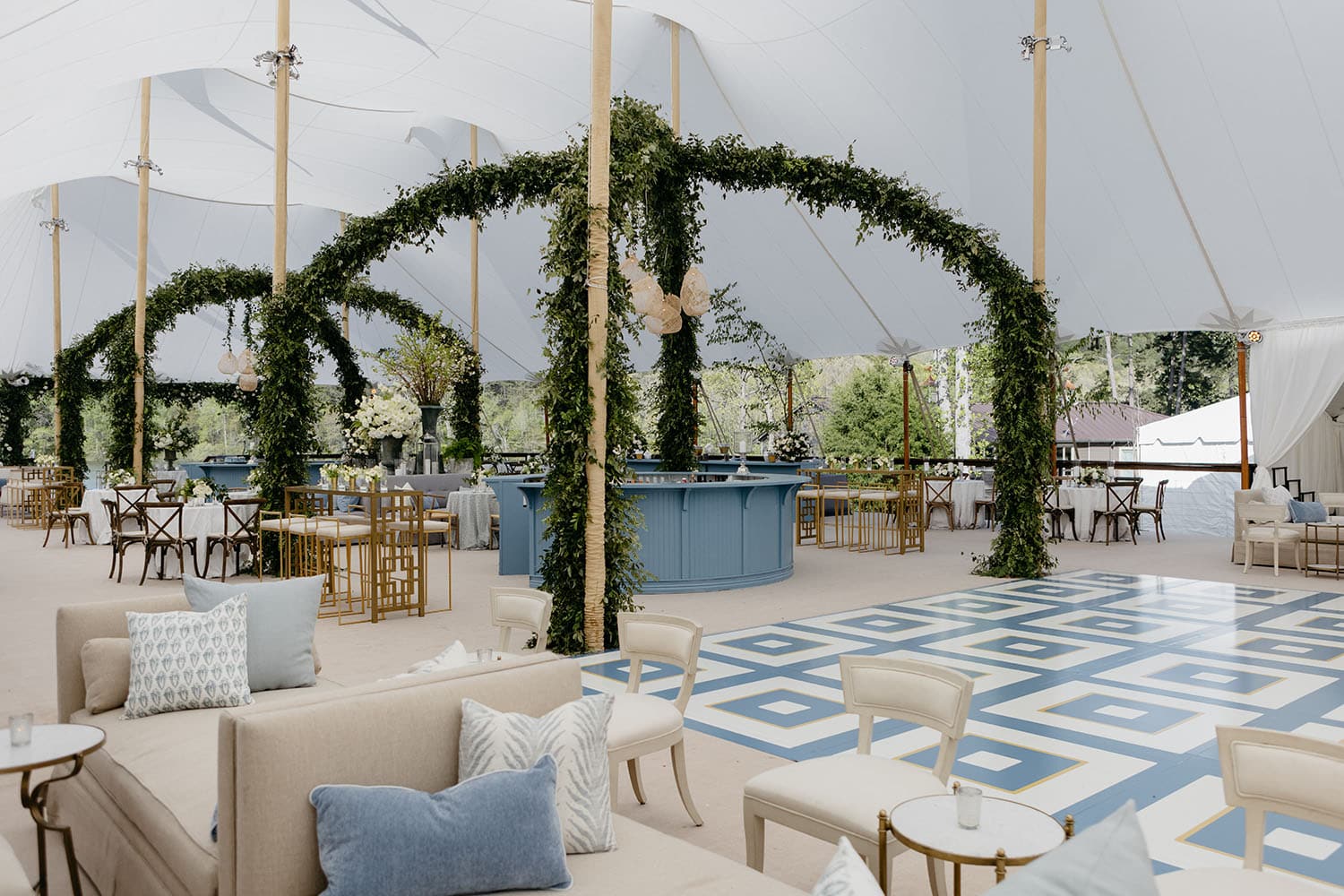
Selecting the right architectural tent structure plays a critical role in shaping both the functionality and aesthetic of an event. Different tent types offer distinct advantages depending on the environment and event requirements. The choice of tent can influence everything from guest flow to acoustics, making it a foundational decision in event planning.
Frame and Pole Tent Applications
Frame tents are known for their adaptability. They can be installed on various surfaces, including paved areas, making them suitable for venues with structural limitations. Their modular design allows for flexible layouts that can be adjusted based on event needs. Frame tents also support the attachment of sidewalls, windows, and doors, providing options for weather protection and ventilation. For more detail, see our article Luxury Tent Decor Options for Unforgettable Events.
Pole tents, on the other hand, provide a classic visual appeal. Their high peaks and sweeping lines create a distinctive atmosphere that works well for formal or traditional outdoor events. The tensioned fabric and central poles contribute to a spacious interior with a unique silhouette, often enhancing the event’s ambiance and photographic opportunities.
Sailcloth and Clearspan Design Advantages
Sailcloth tents offer a softer and more refined aesthetic, which is why many planners appreciate the benefits of sailcloth tents for upscale outdoor events. Their translucent fabric allows natural light to filter through, creating a warm and inviting environment during the day while enhancing ambiance in the evening. The gentle curves and elegant shapes of sailcloth tents make them popular for weddings, upscale parties, and artistic events where atmosphere is paramount.
Clearspan tents, while highly functional, also support elevated design through their ability to accommodate complex layouts and integrated décor elements. Their versatility makes them a strong choice for events that require both scale and sophistication. The structural integrity of clearspan tents allows for the incorporation of chandeliers, draping, and other decorative features that contribute to a polished and memorable setting.
Integrating Lighting, Flooring, and Climate Control
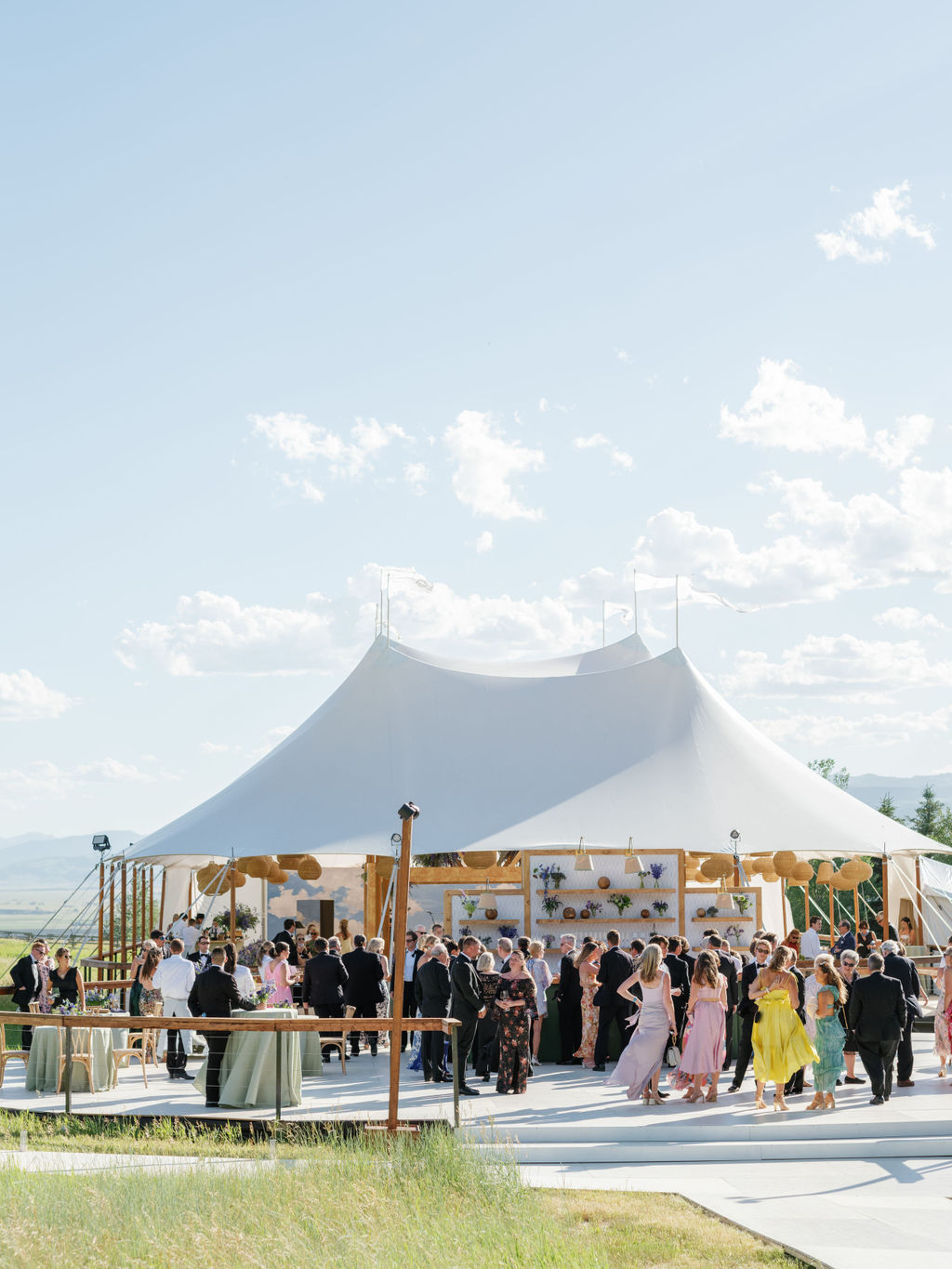
Interior infrastructure plays a major role in defining how a tented event is experienced. Lighting, flooring, and climate control systems must be carefully coordinated to ensure both comfort and visual consistency. These elements work in tandem to create an environment that supports the event’s tone and functionality.
Lighting and Flooring That Define Atmosphere
Lighting influences both mood and functionality, making creative event lighting ideas an important part of designing memorable tent environments. A layered approach allows the space to transition throughout the event while maintaining clarity and focus. Ambient lighting sets the overall tone, task lighting highlights key areas, and accent lighting adds depth and interest. The use of color-changing LEDs and programmable systems enables dynamic effects that can adapt to different segments of the event.
Flooring provides stability and enhances the overall look of the environment. The choice of material should reflect both the event’s design and the site conditions. Options range from temporary carpet and interlocking tiles to more permanent wood or vinyl flooring. Proper flooring improves accessibility, reduces dust and mud, and contributes to guest comfort, especially during long events. Read more in Backyard Tent Rental Options for Unforgettable Celebrations.
Important considerations include:
- Lighting design that supports different phases of the event
- Flooring systems that improve comfort and accessibility
- Coordination between design and technical requirements
- Durability and safety compliance of materials
- Ease of installation and removal to minimize setup time
When these elements are aligned, the tent environment feels complete rather than temporary. Thoughtful integration of lighting and flooring enhances the guest experience by creating a cohesive and inviting atmosphere that supports the event’s objectives.
Climate Control for Consistent Comfort
Outdoor events are heavily influenced by environmental conditions. Climate-controlled tents provide stability by regulating temperature and airflow. This control is essential not only for guest comfort but also for protecting sensitive equipment and ensuring the longevity of décor and furnishings.
Properly designed systems ensure that guests remain comfortable regardless of external weather conditions. This is especially important for events that involve long durations or technical equipment. Climate control solutions can include heating, cooling, dehumidification, and ventilation, tailored to the specific needs of the event and location.
Effective climate strategies include:
- Balanced airflow to prevent heat buildup
- Strategic placement of HVAC systems
- Integration with tent layout to maintain efficiency
- Use of energy-efficient equipment to reduce environmental impact
- Monitoring systems to adjust conditions in real time
Comfort directly impacts guest engagement, making climate control a critical component of successful event planning. Proper temperature regulation also helps maintain the integrity of food and beverages, ensuring safety and quality throughout the event. You may also find Summer Corporate Tent Options for Unforgettable Events helpful.
Selecting the Right Tent Based on Event Needs and Venue Conditions
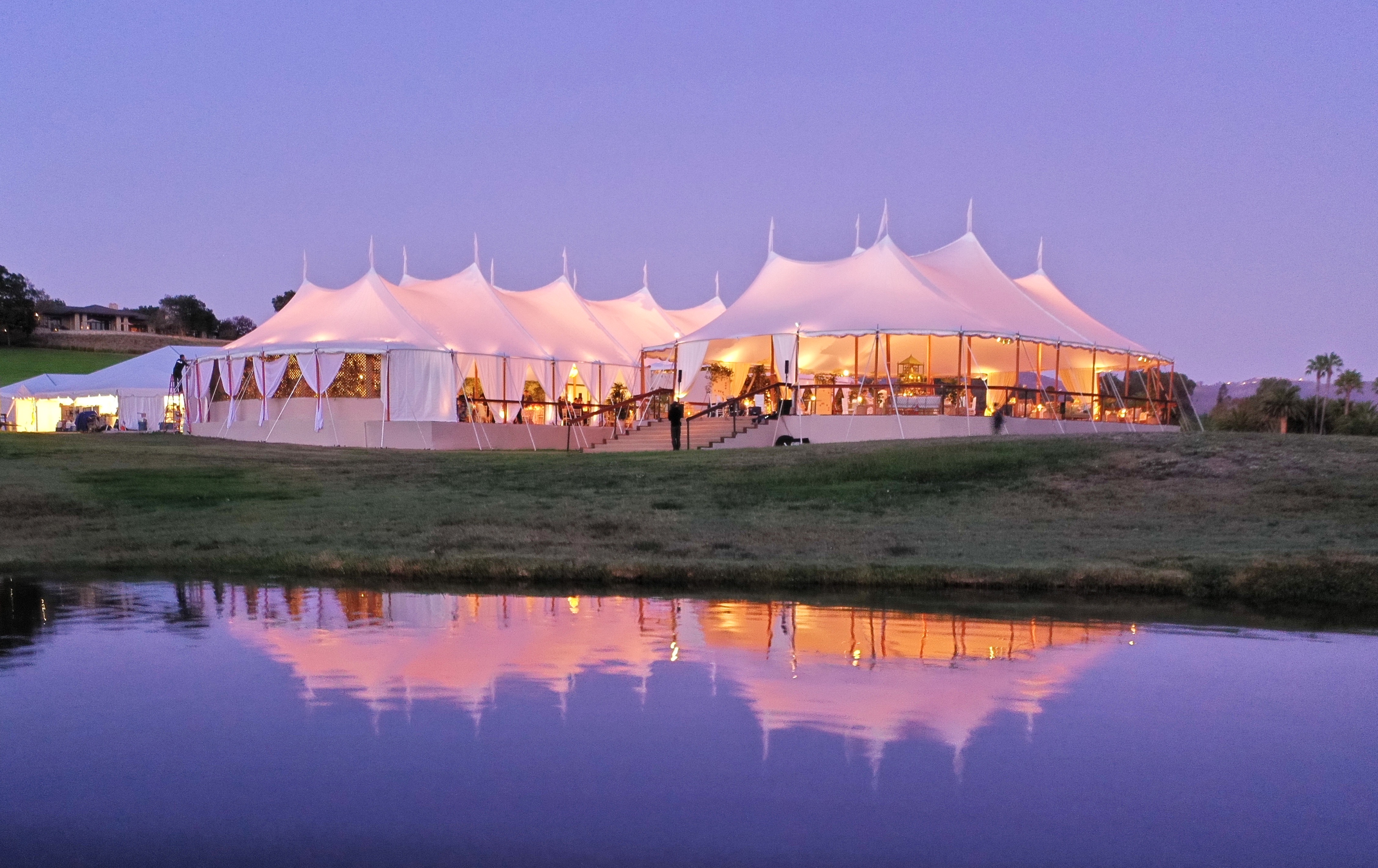
Choosing the right tent requires a clear understanding of event requirements and site constraints. Capacity, layout, and environmental conditions all influence the final decision. A comprehensive assessment of these factors enables planners to select a tent that not only fits the physical space but also supports the event’s goals.
Matching Tent Size to Guest Capacity
Guest count plays a significant role in determining tent size and layout. Adequate space must be allocated not only for seating but also for circulation, service areas, and additional features. Overcrowding can lead to discomfort and safety concerns, while excessive space may reduce the event’s intimacy and increase costs unnecessarily.
A well-sized tent ensures:
- Comfortable movement throughout the space
- Balanced layout without overcrowding
- Flexibility to incorporate multiple event functions
- Appropriate spacing for emergency exits and accessibility
- Room for staging, catering, and entertainment setups
Planning with additional space helps maintain flow and improves the overall experience. It also allows for last-minute adjustments and accommodates unexpected increases in attendance.
Evaluating Site Conditions and Logistics
Venue conditions directly affect installation and design choices. Surface type, accessibility, and environmental exposure must all be considered during planning. Understanding these factors early helps avoid costly delays and ensures compliance with local regulations.
Key site factors include:
- Ground stability and terrain
- Access for equipment and vendors
- Local regulations and permitting requirements
- Proximity to utilities such as power and water
- Potential environmental hazards like flooding or high winds
A thorough site assessment ensures that the selected tent can be installed efficiently and perform as expected. It also informs decisions about necessary reinforcements, anchoring systems, and protective measures to safeguard guests and equipment.
Professional Planning, Logistics, and Execution Strategy
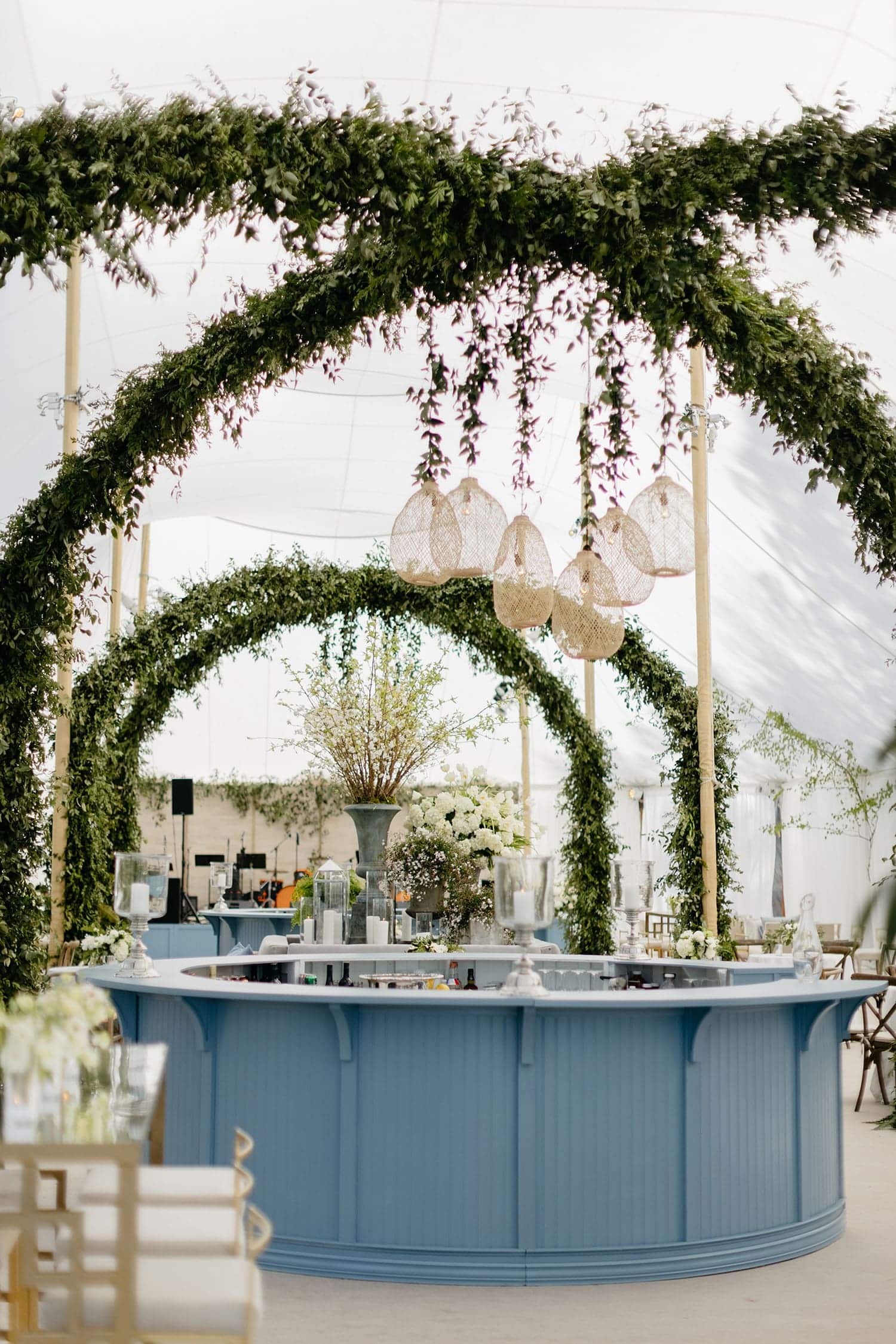
Successful tented events rely on more than design. Execution requires coordination, planning, and clear communication between all involved parties. Effective project management ensures that timelines are met and resources are optimized.
Coordinating Installation and Vendor Operations
Multiple teams often work within the same space during setup. Clear timelines and defined responsibilities help maintain organization and prevent delays. Coordination between tent installers, lighting and sound technicians, caterers, and decorators is essential to avoid conflicts and ensure a smooth workflow.
A structured approach to installation ensures that each phase is completed efficiently. This reduces the risk of conflicts and allows for a smoother transition into the event itself. Contingency plans should be in place to address unexpected challenges such as weather changes or equipment malfunctions.
Working With Experienced Tent Providers
Partnering with an experienced tent provider simplifies the planning process. Professional consultation helps align structure, layout, and infrastructure with the event’s objectives. Providers with extensive industry knowledge can anticipate potential issues and recommend solutions that enhance both safety and aesthetics.
An experienced team provides:
- Tailored recommendations based on event requirements
- Detailed planning and layout guidance
- Reliable installation and technical support
- Access to a wide range of tent styles and accessories
- Post-event services including dismantling and site restoration
This level of expertise ensures that the event is executed with precision and consistency. It also allows planners to focus on other critical aspects of the event, confident that the tent infrastructure is in capable hands.
Frequently Asked Questions
What makes clearspan tents ideal for large events?
Clearspan tents provide open interiors without structural obstructions, allowing for flexible layouts and seamless integration of staging and technical systems.
How do I choose the right tent for my event?
The decision should be based on guest count, venue conditions, and the type of event. Aligning these factors ensures the tent supports both functionality and design.
Why is climate control important for outdoor events?
Climate control maintains consistent temperature and airflow, ensuring guest comfort and protecting equipment from environmental conditions.
Conclusion
Enhanced tent solutions provide the flexibility and control needed to create unforgettable outdoor events. By selecting the right structure and integrating essential infrastructure, planners can deliver environments that are both functional and visually refined. The ability to customize every aspect of the tent environment, from layout and lighting to climate control and flooring, empowers event organizers to meet diverse needs and exceed guest expectations. We cover this further in Outdoor Tent Options for Unforgettable Corporate Events.
Skyline Tent Company offers expert guidance and premium tent solutions designed to meet the demands of sophisticated events. From initial planning to final installation, every detail is managed with precision to ensure a seamless and elevated experience. Their commitment to quality and innovation makes them a trusted partner for events of all sizes and styles, providing peace of mind and exceptional results. See how these ideas look on real sites in our tent gallery.